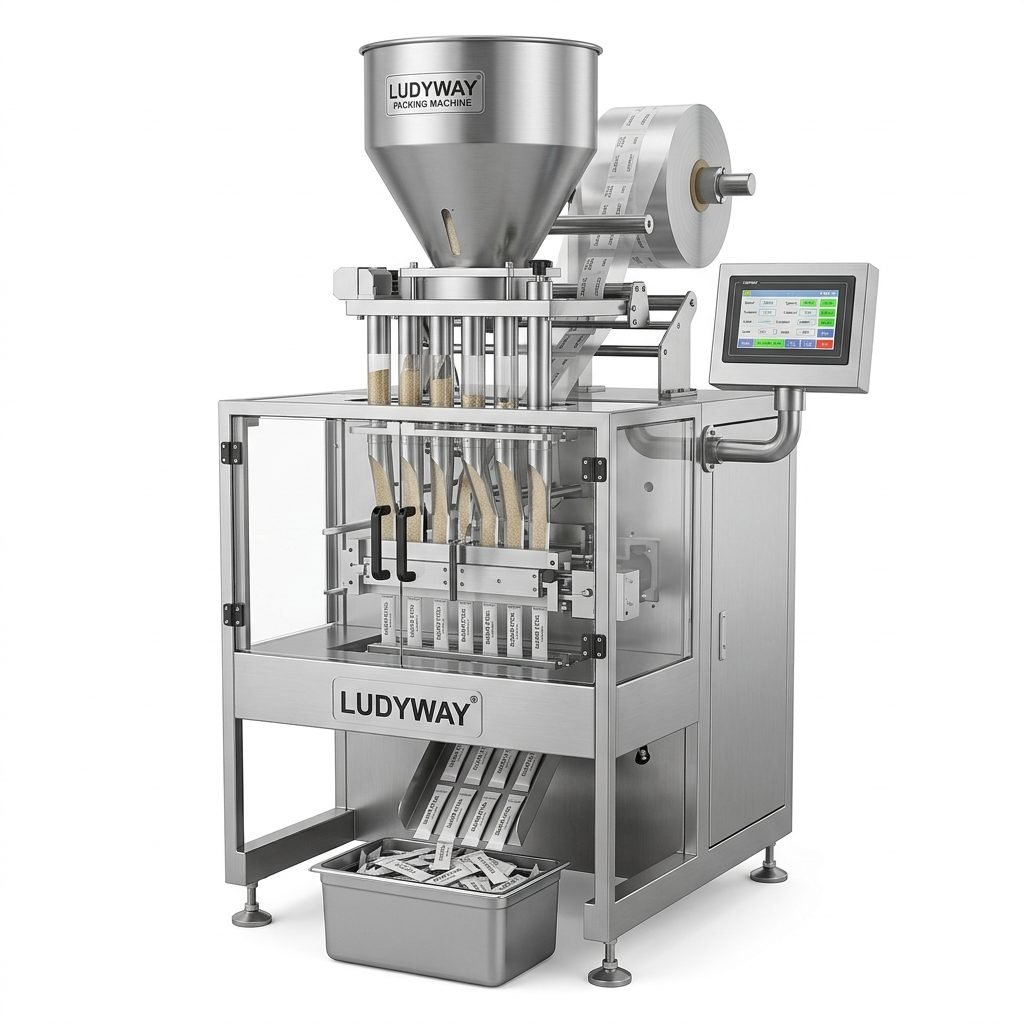
Investing in a vacuum seal packaging machine is a critical decision for food processors, pharmaceutical manufacturers, and industrial operators seeking to extend product shelf life, reduce waste, and maintain hygiene standards. Whether you are packaging perishable foods, sensitive medical devices, or industrial components, selecting the right system requires a clear understanding of machine types, chamber configurations, automation levels, and compliance requirements. This guide walks you through the essential factors to consider before making a purchase.

Understanding Vacuum Packaging Technology
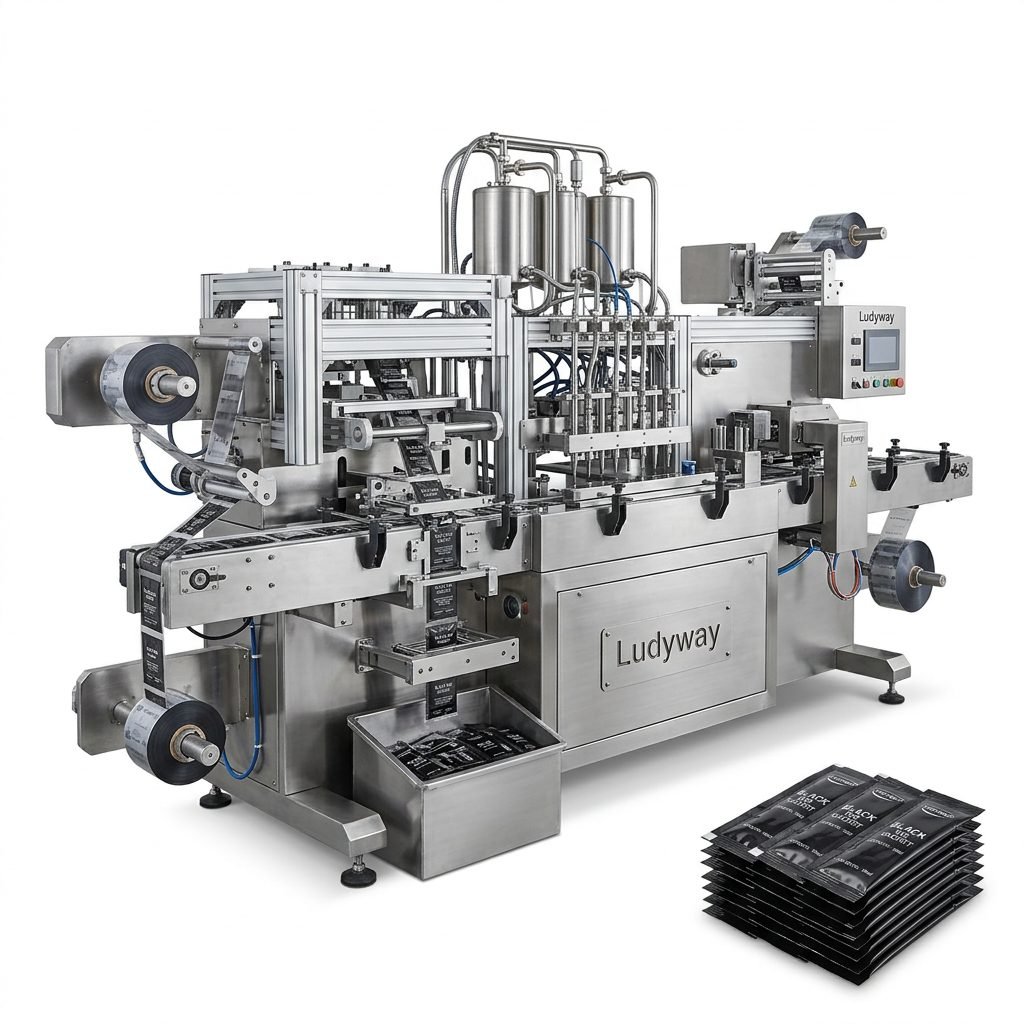
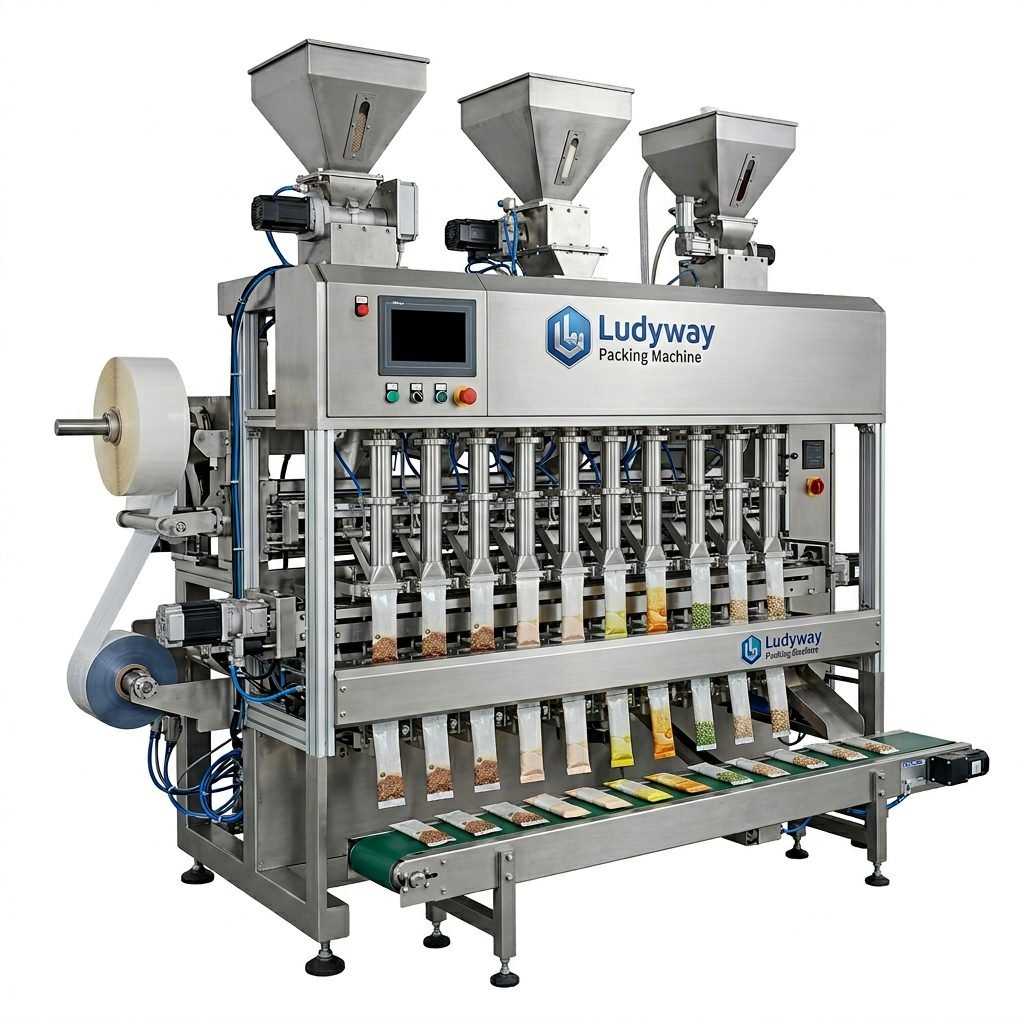
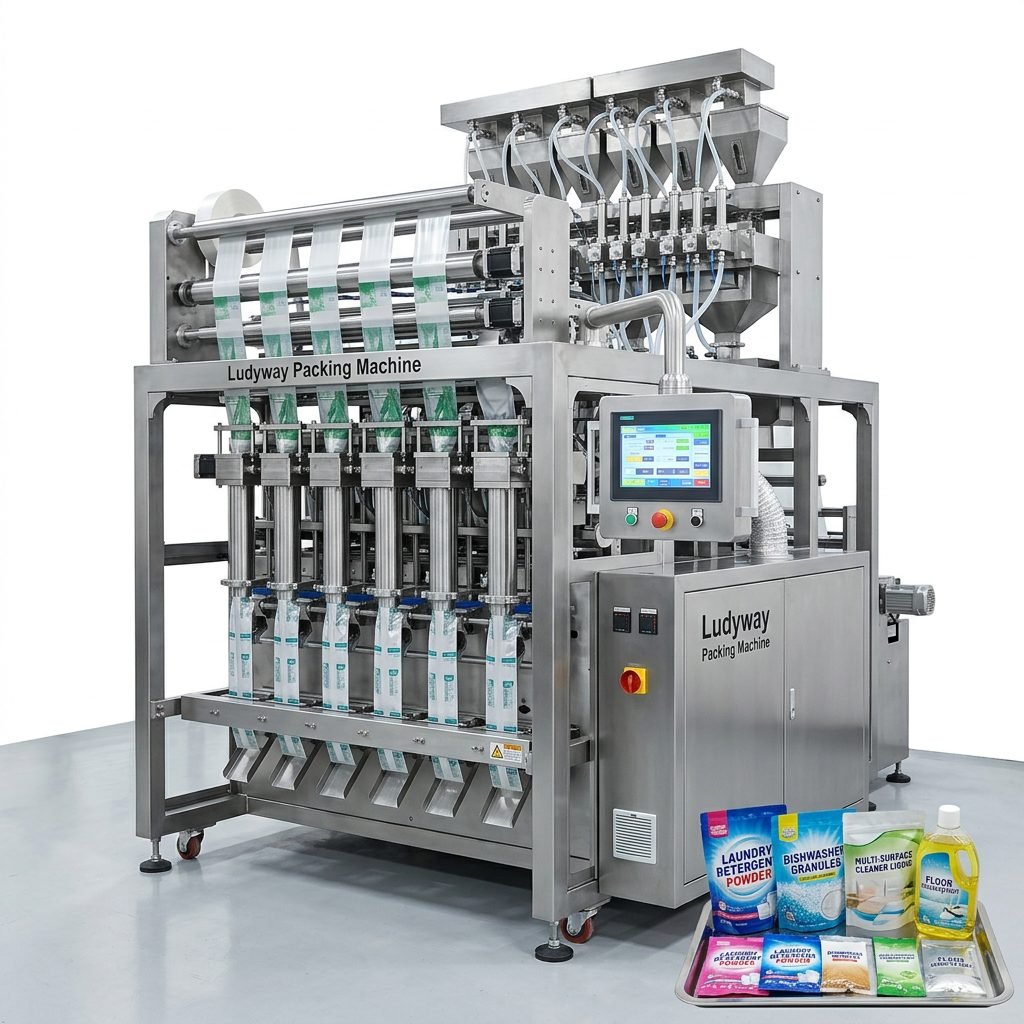
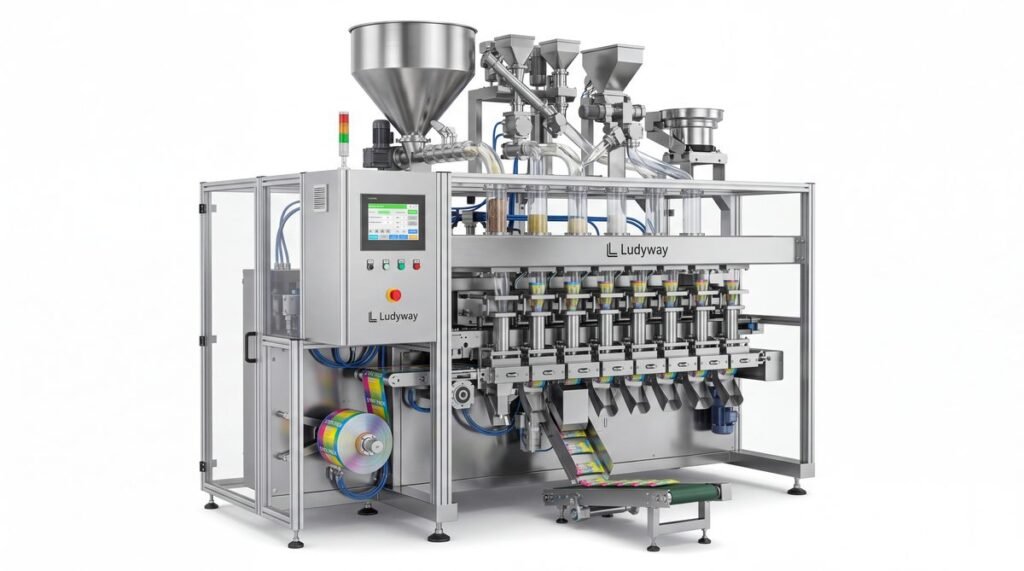
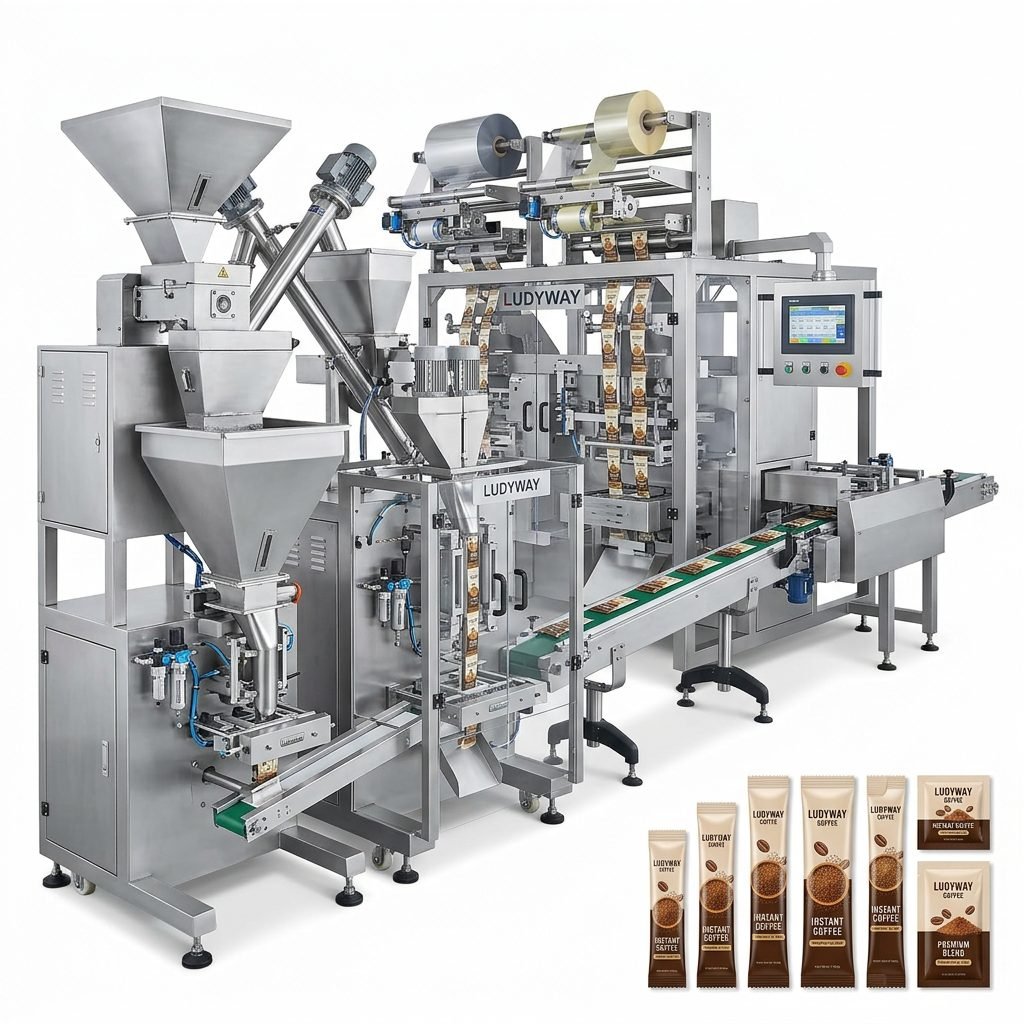
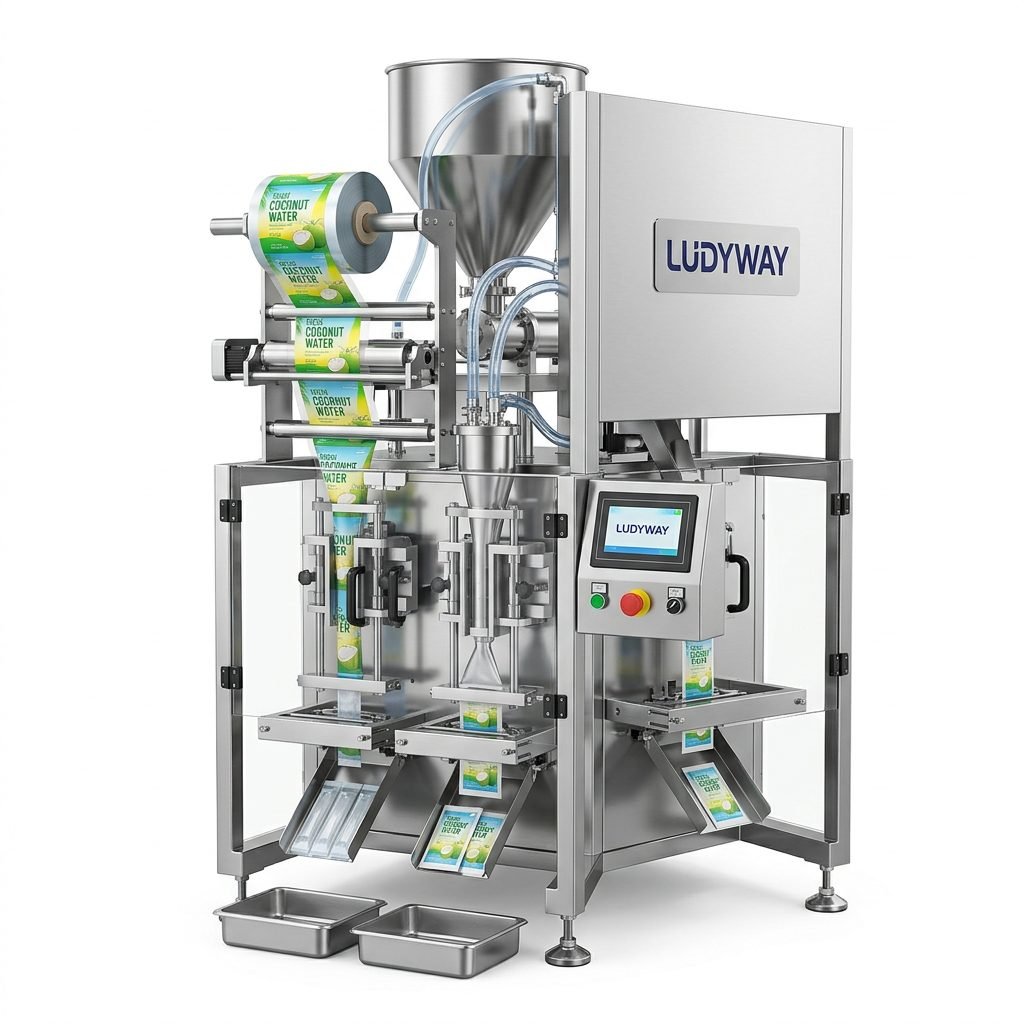
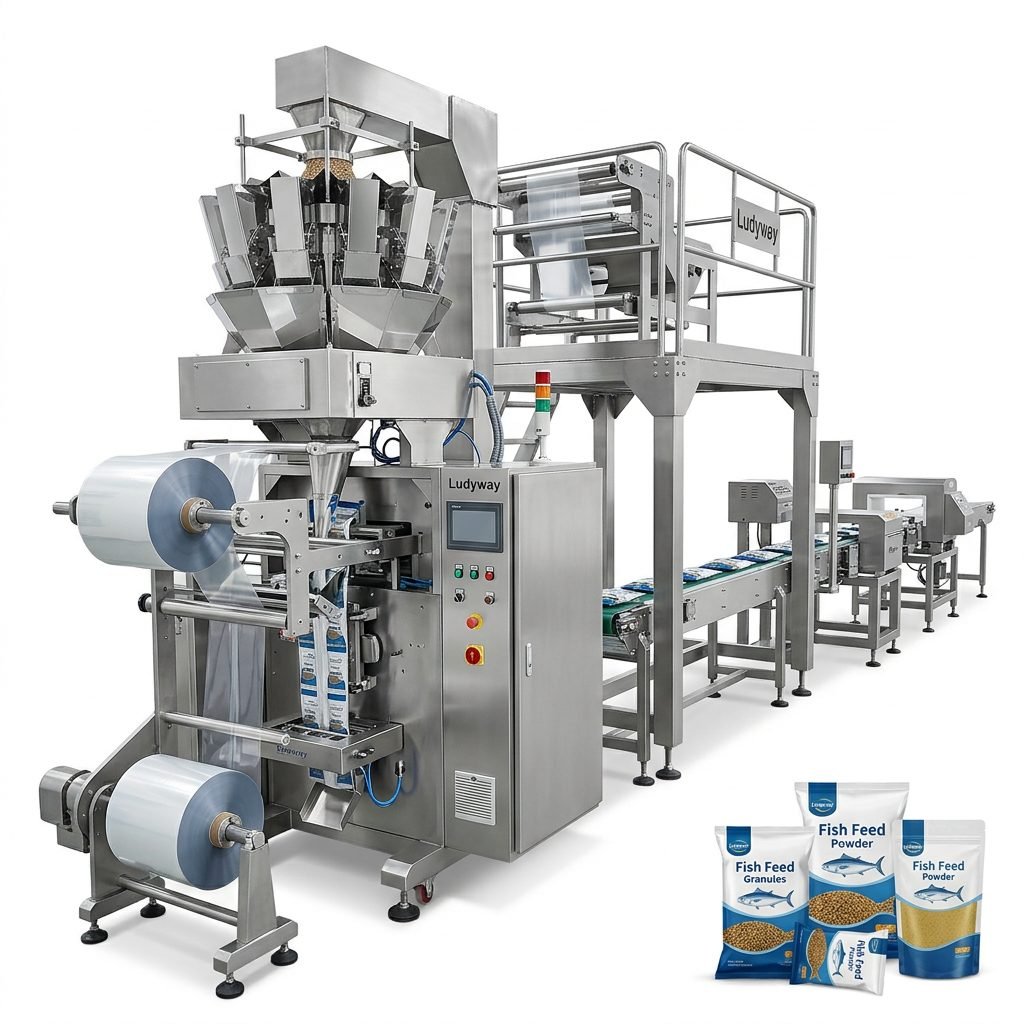
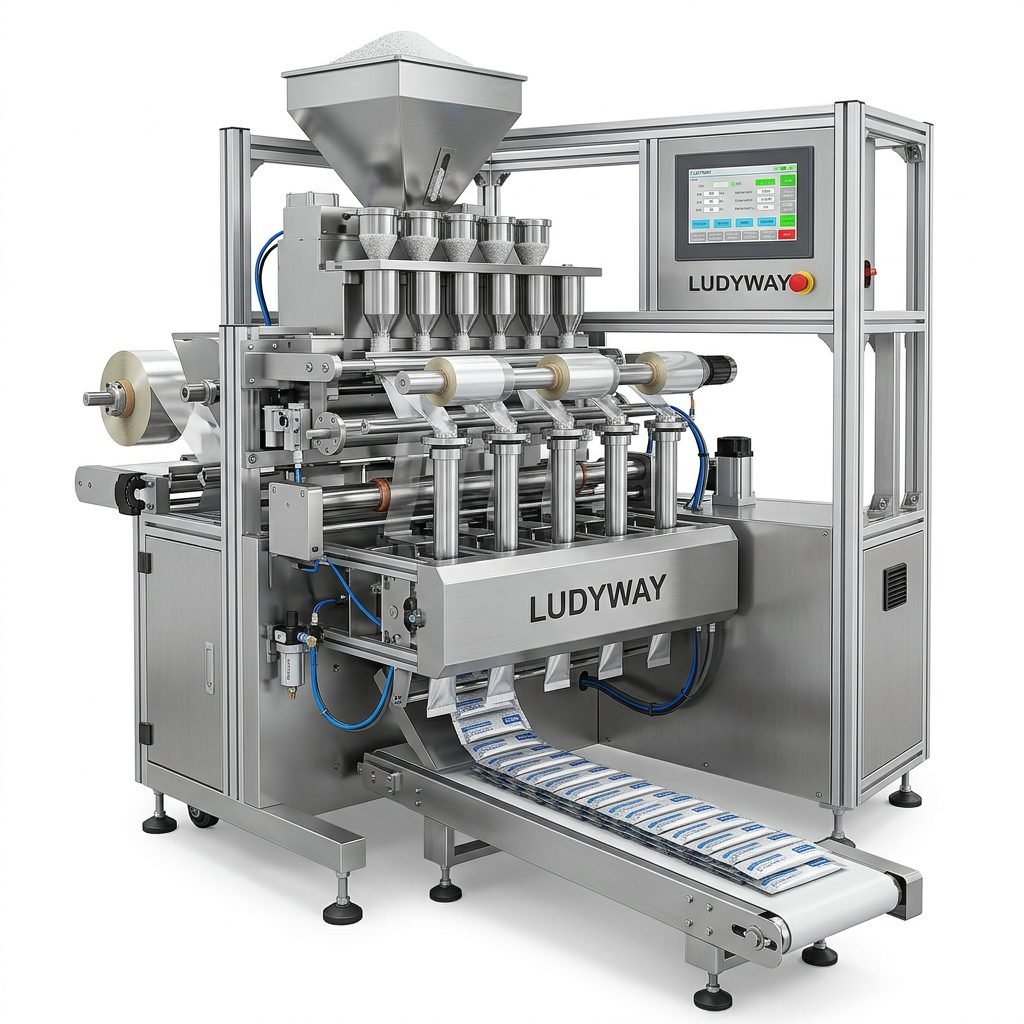
Vacuum packaging removes air from the package prior to sealing, creating an oxygen-depleted environment that inhibits the growth of aerobic bacteria and molds. Modern vacuum packaging systems range from compact tabletop units for small-scale operations to fully automated, multi-lane production lines integrated with packaging equipment manufacturers like Ludyway, who design turnkey solutions for global markets. The core components include a vacuum chamber, a sealing bar, a pump system, and increasingly, digital controls for precision parameter adjustment.
Key Benefits Across Industries
- Extended Shelf Life: Reduces oxidation and spoilage for food products including meats, cheeses, coffee, and dried goods.
- Product Protection: Shields sensitive items like medical implants, sterile kits, and electronic components from moisture and contaminants.
- Improved Inventory Management: Vacuum-sealed items occupy less space and allow bulk purchasing with longer storage windows.
- Enhanced Brand Presentation: Tight, professional packaging improves shelf appeal and consumer confidence.
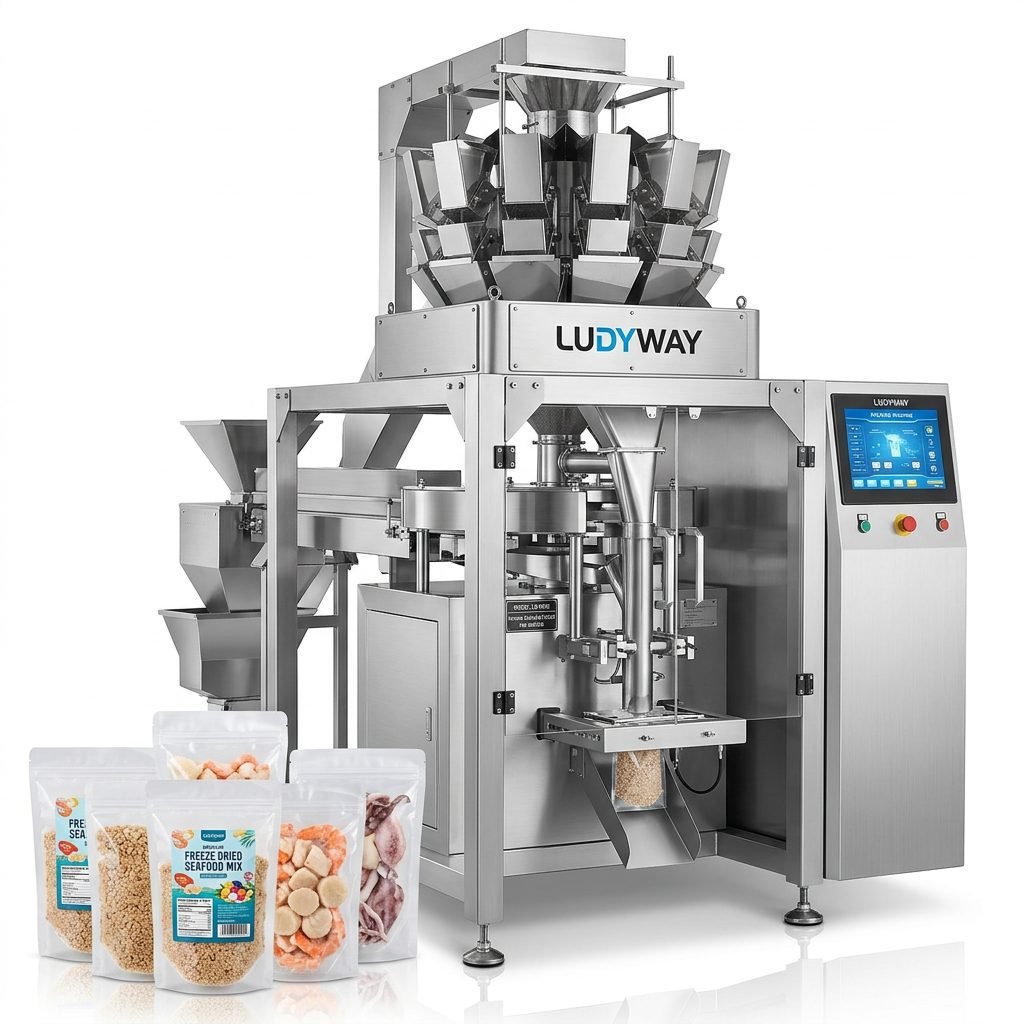
Types of Vacuum Seal Packaging Machines
Choosing the correct machine category depends on your production volume, product characteristics, and packaging material preferences. The market offers several distinct configurations, each optimized for specific applications.
Chamber Vacuum Sealers
These machines place the entire product and pouch inside a chamber. Air is evacuated from the chamber as well as the bag, ensuring uniform pressure and a consistent seal. They are ideal for liquid-rich foods, marinated meats, and delicate medical devices where external atmospheric pressure during sealing could crush the product. Chamber models are widely used in central kitchens, food processing plants, and packaging industry facilities handling high-moisture items.
External (Nozzle) Vacuum Sealers
Suitable for low- to medium-volume operations, these machines use a retractable nozzle inserted into the bag to extract air. They are typically more affordable and take up less space, making them popular among small food businesses, retail operations, and laboratory environments. However, they are less effective with liquids and require specially textured bags for optimal air removal.
Automatic Belt-Fed and Rotary Systems
For high-speed production environments, continuous-motion systems automate the entire process from bag loading to vacuuming and sealing. These fully automated packaging lines can integrate with upstream filling equipment, weigh stations, and downstream cartoning machines. They are essential for operations packaging hundreds or thousands of units per hour, such as meat processing plants, ready-meal manufacturers, and pharmaceutical companies handling powders and granules.

Critical Factors for Purchase Evaluation
Before finalizing a supplier, assess the following parameters to ensure the vacuum sealing equipment aligns with your operational and regulatory requirements. Overlooking any of these can lead to costly retrofits or production bottlenecks.
| Evaluation Factor | What to Look For | Why It Matters |
|---|---|---|
| Pump Capacity & Speed | Oil pump vs. dry pump; m³/h rating; cycle time in seconds | Directly impacts throughput per shift and energy consumption |
| Seal Bar Dimensions & Configuration | Single vs. double seal bar; length; optional gas flush ports | Determines maximum bag size and packaging format flexibility |
| Material Compatibility | PA/PE, aluminum foil, high-barrier films; textured vs. smooth surfaces | Ensures proper seal integrity and compatibility with food contact regulations |
| Automation & Control Features | PLC touchscreen, recipe storage, data logging, error diagnostics | Reduces operator dependency and enables consistent quality control |
| Build Material & Hygiene Standards | 304 or 316L stainless steel, IP65/IP69K ratings, tool-free disassembly | Critical for washdown environments and compliance with FDA packaging regulations |
| After-Sales Support & Spare Parts | Local distributor network, remote diagnostics, spare parts inventory | Minimizes downtime and protects long-term return on investment |
Application-Specific Considerations
The nature of your product dictates specific machine features. For instance, granule and powder products require gentle handling to prevent dust migration into the sealing area, while fresh meats demand machines capable of handling purge and moisture without compromising seal integrity. Medical device packaging often requires validated processes per ISO 11607 standards for sterile barrier systems.
Packaging Material Selection and Sustainability
The rise of sustainable packaging mandates across global markets has made material selection as important as the machine itself. Many vacuum packaging lines are now designed to work with recyclable mono-material films, bio-based plastics, and thinner gauge materials without sacrificing barrier properties. When evaluating a machine, confirm its compatibility with your target film types and thickness ranges. The Flexible Packaging Association provides excellent resources on evolving material standards and regulatory developments.
Checklist for Sustainable Packaging Compatibility
- Verify seal temperature range supports heat-sensitive bio-films
- Confirm vacuum cycle parameters can be adjusted for thinner materials
- Assess compatibility with recyclable barrier coatings and laminates
- Inquire about machine adaptability to future material innovations

Compliance and Global Standards
Manufacturers exporting products internationally must ensure their vacuum packaging machinery meets the regulatory frameworks of destination markets. The European Commission’s packaging regulations and the U.S. EPA sustainable materials management guidelines are two major frameworks influencing machine design and operation. Additionally, certifications such as CE, UL, and GMP readiness should be verified during supplier evaluation.
Key Regulatory References
- Food Contact: FDA 21 CFR, EU 1935/2004
- Medical Packaging: ISO 11607-1 and 11607-2
- Machinery Safety: EN 415, ANSI/PMMI B155.1
- Hygienic Design: EHEDG guidelines, 3-A Sanitary Standards
Cost of Ownership and ROI Analysis
Beyond the initial purchase price, consider the total cost of ownership including energy consumption, consumable parts, maintenance contracts, and expected service life. A high-quality vacuum seal packaging machine from an established manufacturer typically offers lower operating costs over its lifetime compared to budget alternatives that may require frequent repairs and consume more power. Calculate payback period based on increased throughput, reduced product waste, and labor savings from automation.
Hidden Costs to Watch
- Pump oil changes: Routine maintenance for oil-lubricated pumps
- Seal bar replacement: Wear part with finite lifespan
- Vacuum chamber gaskets: Periodic replacement to maintain performance
- Training and onboarding: Time investment for operator upskilling
Supplier Evaluation and Industry Events
Engaging with reputable suppliers is essential. Organizations such as PMMI – The Association for Packaging and Processing Technologies provide industry resources, market intelligence, and networking opportunities through events like PACK EXPO International. Attending these exhibitions allows hands-on machine evaluation and direct consultation with engineering teams. The PMMI Business Intelligence library also publishes state-of-the-industry reports valuable for benchmarking technology trends.
Questions to Ask Potential Suppliers
- Can you provide references from companies with similar product applications?
- What is the typical lead time for critical spare parts in my region?
- Do you offer remote troubleshooting and preventive maintenance programs?
- Is the machine designed for future upgrades and software updates?
- What training and documentation packages are included with the purchase?
Making the Final Decision
Selecting the right vacuum packaging solution is a strategic investment that impacts product quality, operational efficiency, and market competitiveness. By thoroughly evaluating machine types, technical specifications, regulatory requirements, and supplier capabilities, you can make an informed decision that supports your long-term business objectives. Remember that the cheapest option rarely delivers the best value—prioritize reliability, serviceability, and compliance when finalizing your purchase.
Ready to explore advanced vacuum packaging solutions? Contact industry-leading packaging machinery experts to discuss your specific production requirements and discover customized systems built for your application.