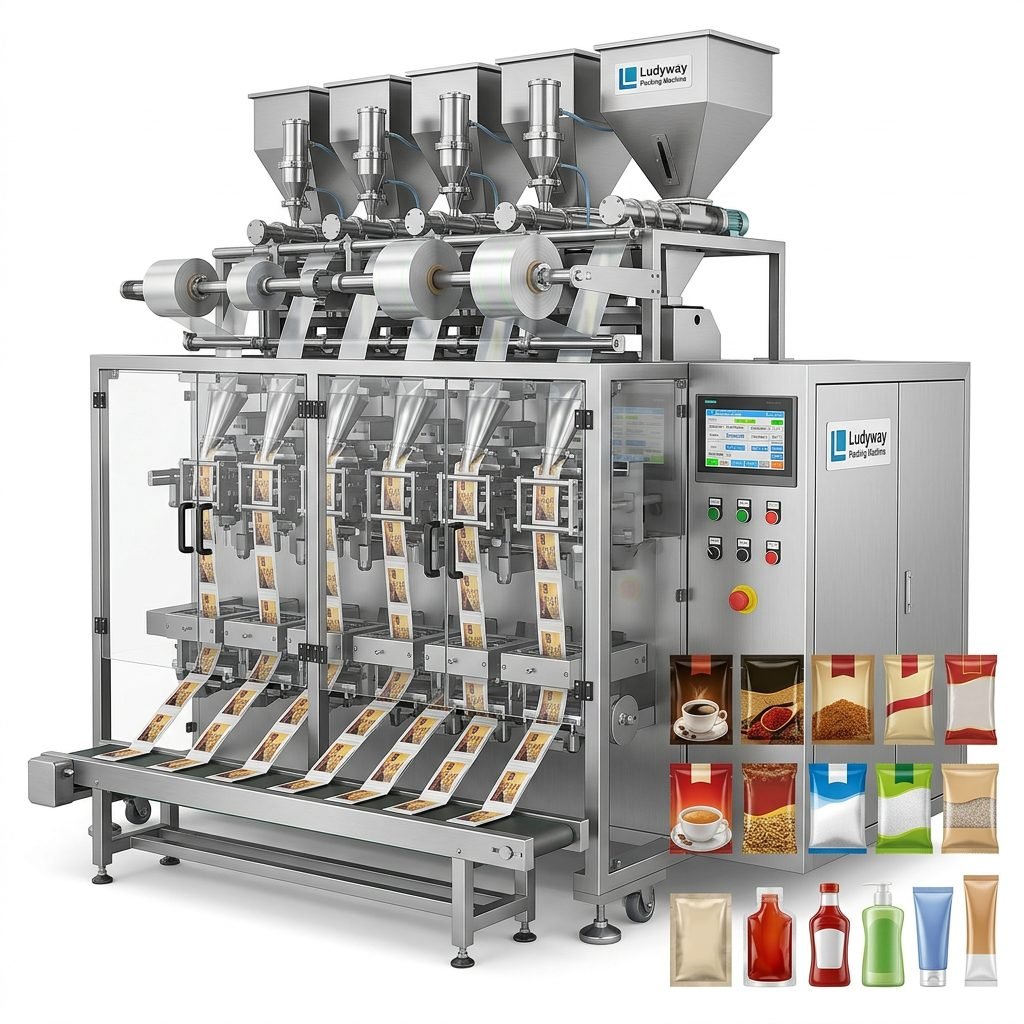
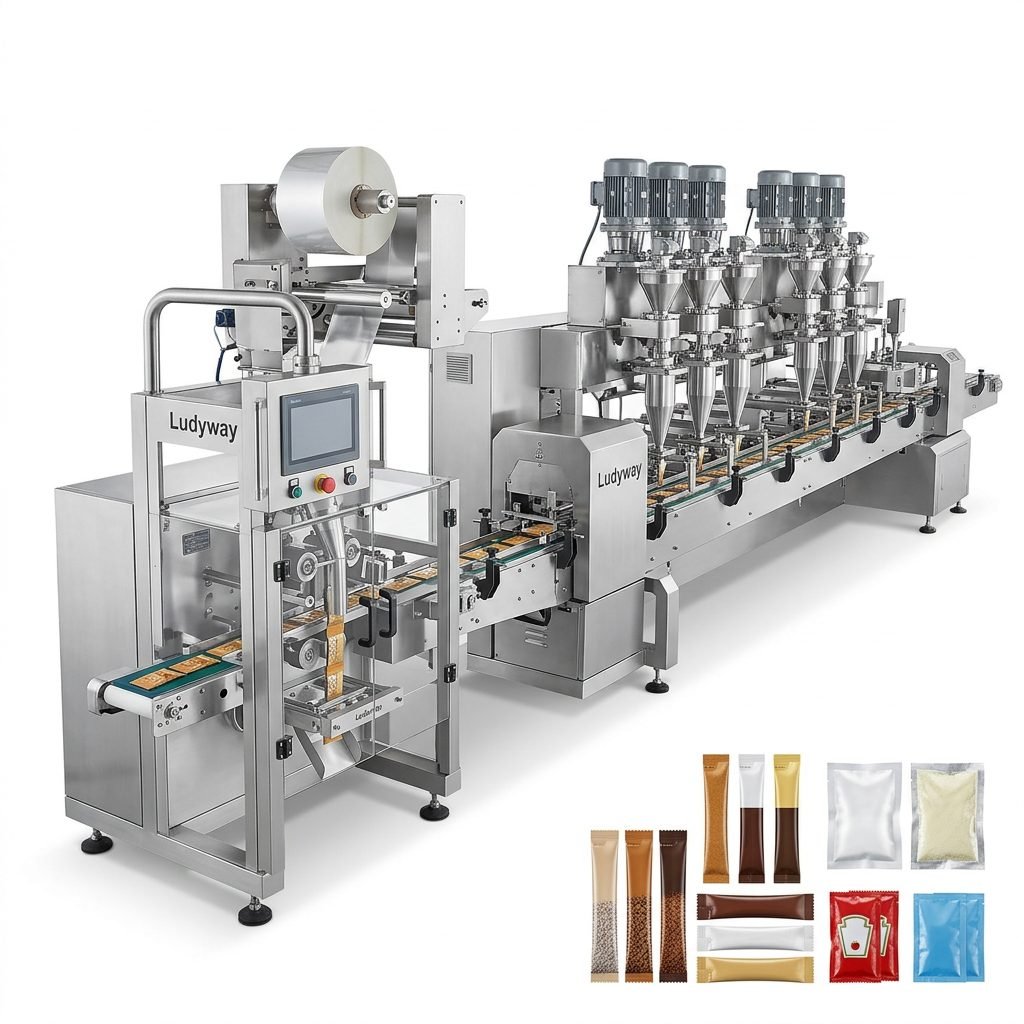
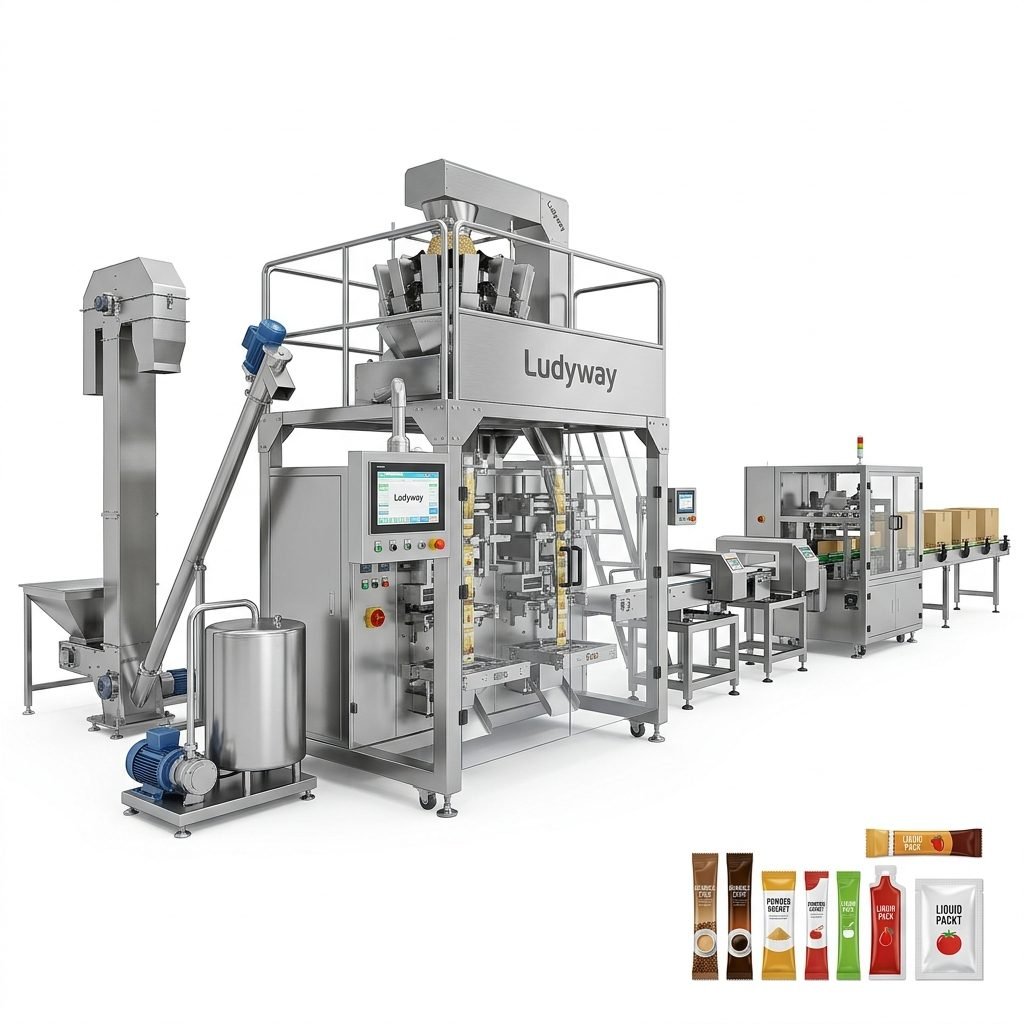
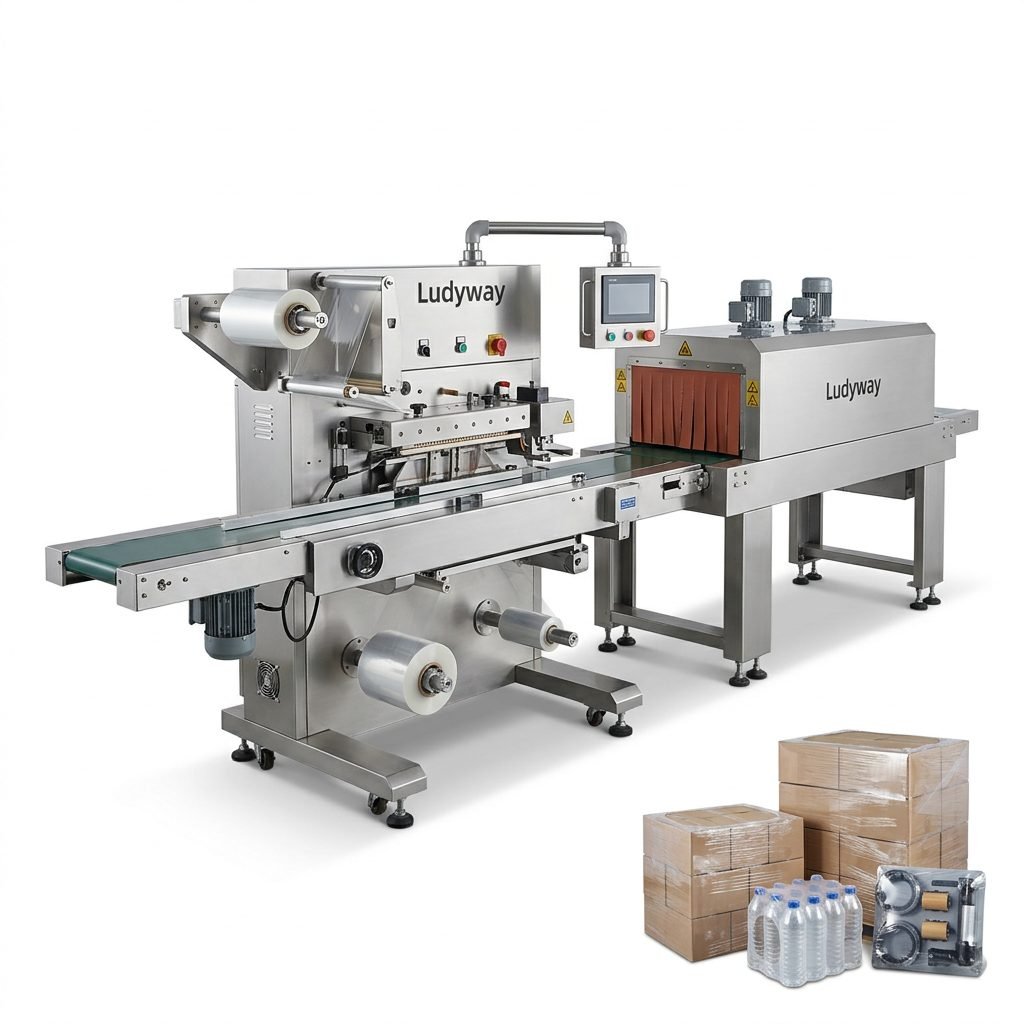
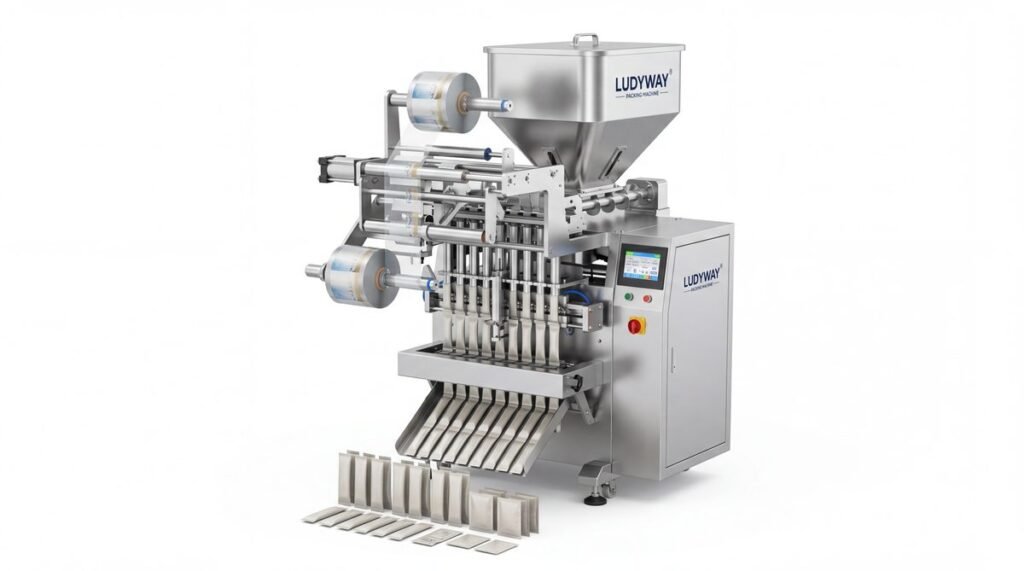
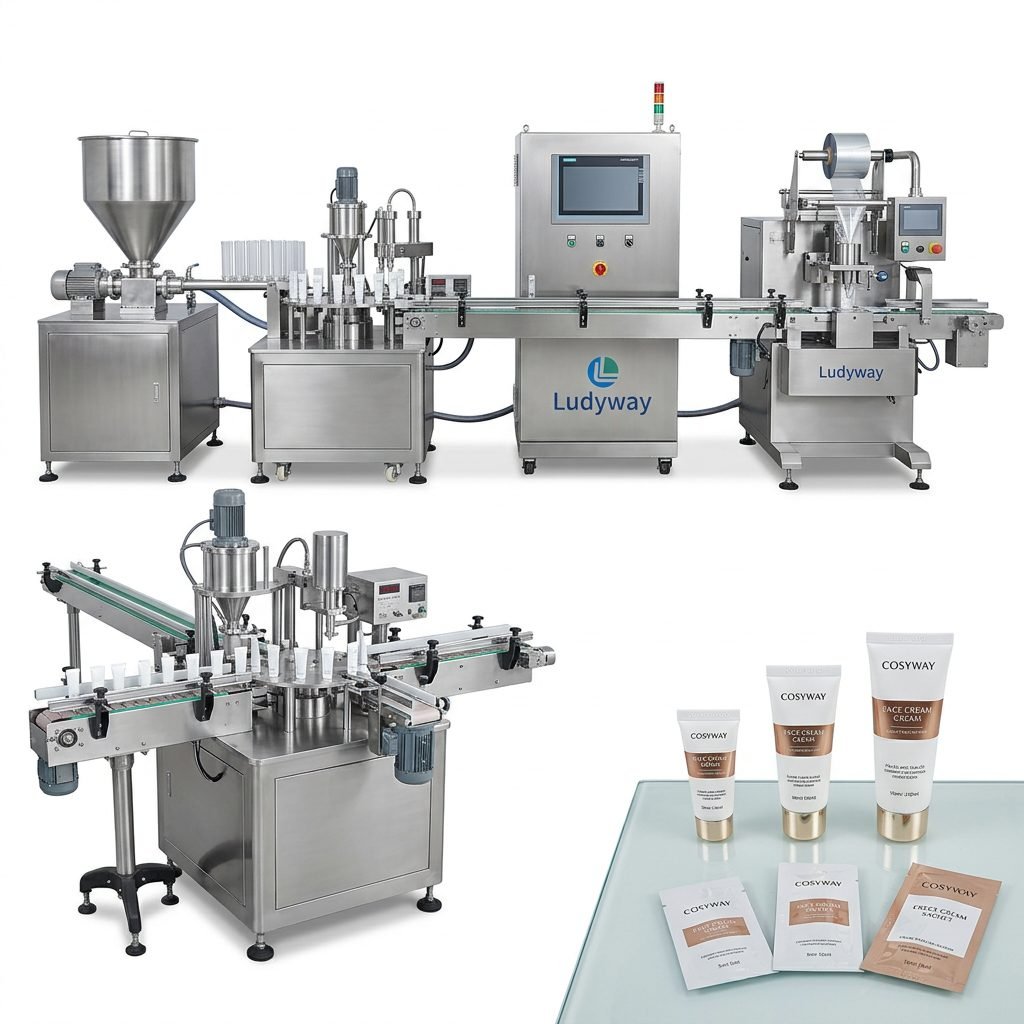
Establishing a home vacuum packaging machine production line in Europe requires meticulous planning, adherence to strict regulatory frameworks, and a strategic approach to equipment selection. Whether you are launching a small-scale food preservation business or scaling up an artisanal production facility, the European market demands high standards in hygiene, energy efficiency, and packaging integrity. This guide provides a detailed roadmap to help you navigate the setup process successfully.
Understanding the European Vacuum Packaging Market
The demand for vacuum packaging solutions in Europe is driven by the need for extended shelf life, reduced food waste, and compliance with food safety standards. Home vacuum packaging machines are no longer limited to industrial kitchens; there is a significant surge in small and medium-sized enterprises (SMEs) specializing in gourmet products, meal prep services, and organic produce preservation. Integrating a reliable home vacuum packaging machine production line involves understanding the nuances of modified atmosphere packaging (MAP) and skin packaging trends that dominate the European retail landscape.

Step 1: Navigating EU Regulatory Compliance and CE Marking
Before procuring any machinery, you must ensure your production line is compliant with European directives. All equipment, including vacuum packaging machines, must carry the CE marking, confirming adherence to EU safety, health, and environmental protection standards. Key directives include the Machinery Directive 2006/42/EC and the Low Voltage Directive 2014/35/EU. Furthermore, if your production line handles food directly, the materials must comply with EU Framework Regulation (EC) No 1935/2004 regarding food contact materials. A critical aspect often overlooked is electrical compatibility; ensure your line is configured for the standard 230V/50Hz power supply common across continental Europe.
Essential European Standards Checklist
- CE Certification: Mandatory conformity mark for machinery sold in the EEA.
- Hygienic Design: Compliance with EHEDG (European Hygienic Engineering & Design Group) guidelines for easy cleaning.
- Energy Efficiency: Adherence to EU Ecodesign requirements to minimize energy consumption.
- Noise Emission: Ensuring the production line meets the Noise Emission in the Environment by Equipment for use Outdoors Directive.
Step 2: Facility Layout and Space Optimization
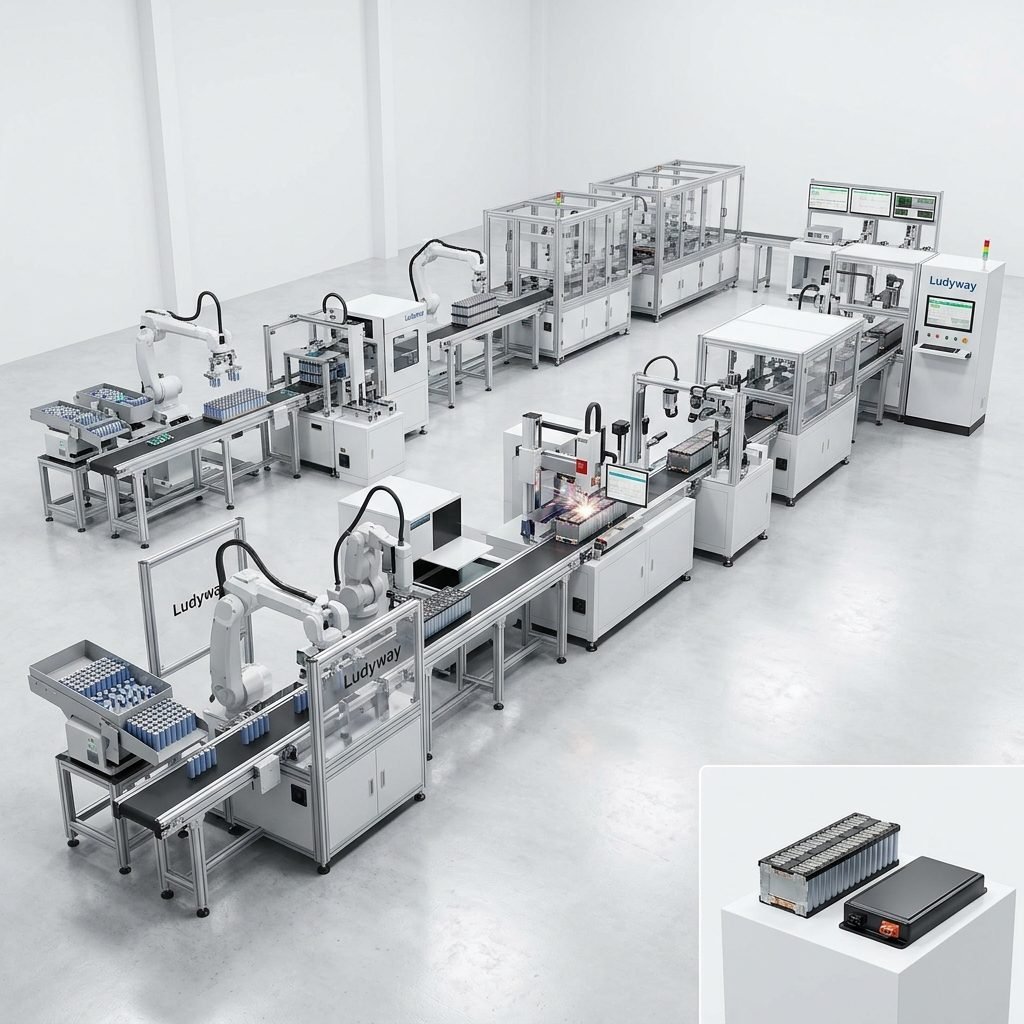
Efficient layout planning is critical for a functioning home vacuum packaging machine production line. Unlike massive industrial plants, a home or small-workshop setup requires a logical flow of goods. You must designate distinct zones to prevent cross-contamination and ensure worker safety. The typical layout should encompass a raw material receiving area, a processing and filling station, the vacuum sealing core module, a post-seal inspection table, and a finished goods storage zone.

When designing your space, consider a linear or U-shaped layout to minimize manual travel. The height and ventilation of the room are crucial; vacuum pumps generate significant heat and require adequate airflow. It is highly recommended to integrate a conveyor system to connect manual bag placement stations to the automatic sealing chamber, reducing labor bottlenecks.
Step 3: Core Equipment Selection for a High-Performance Line
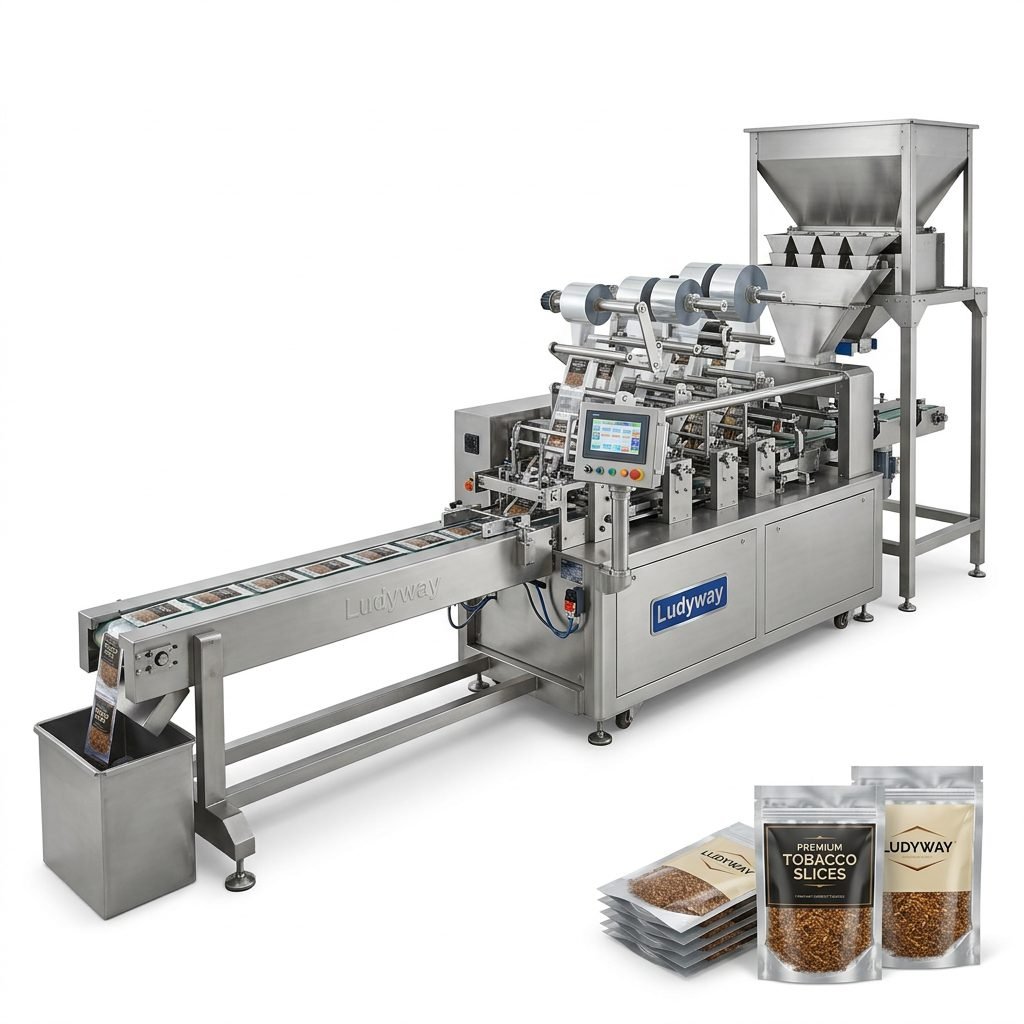
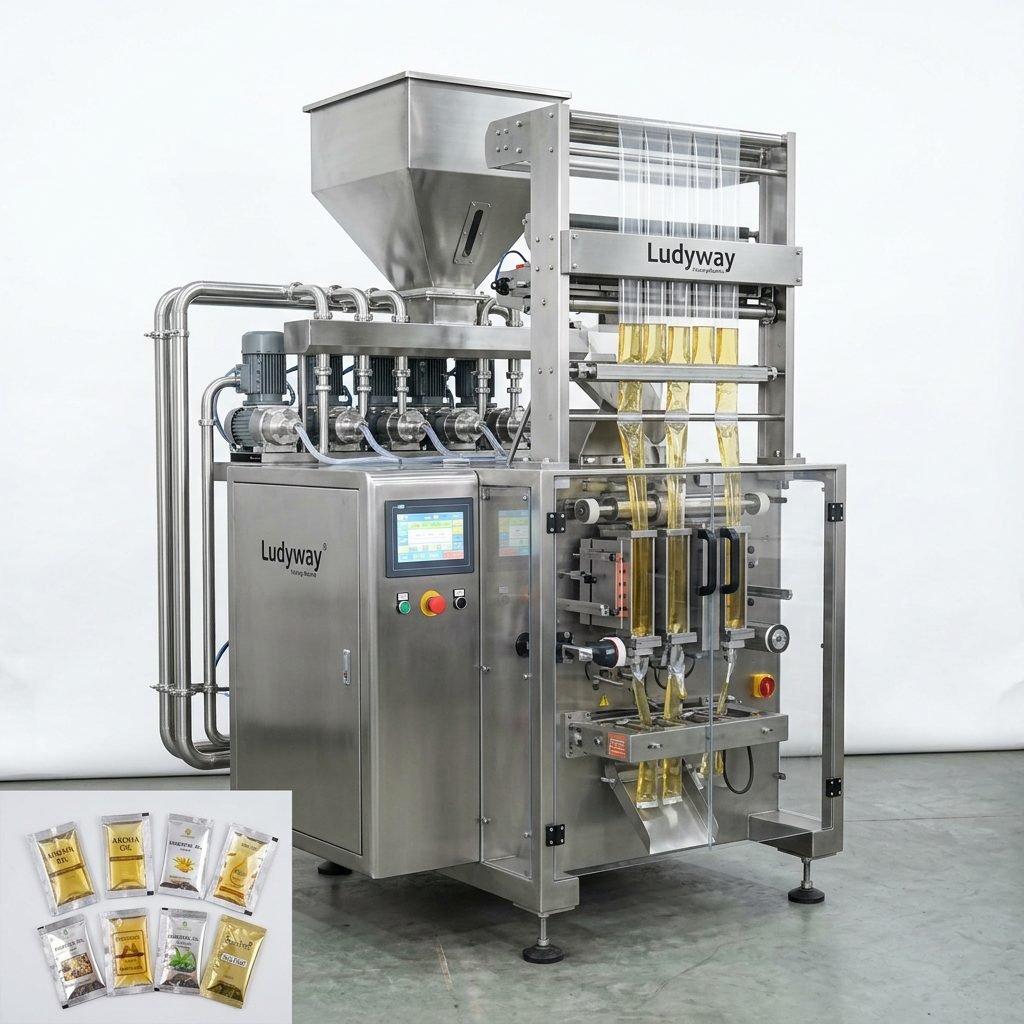
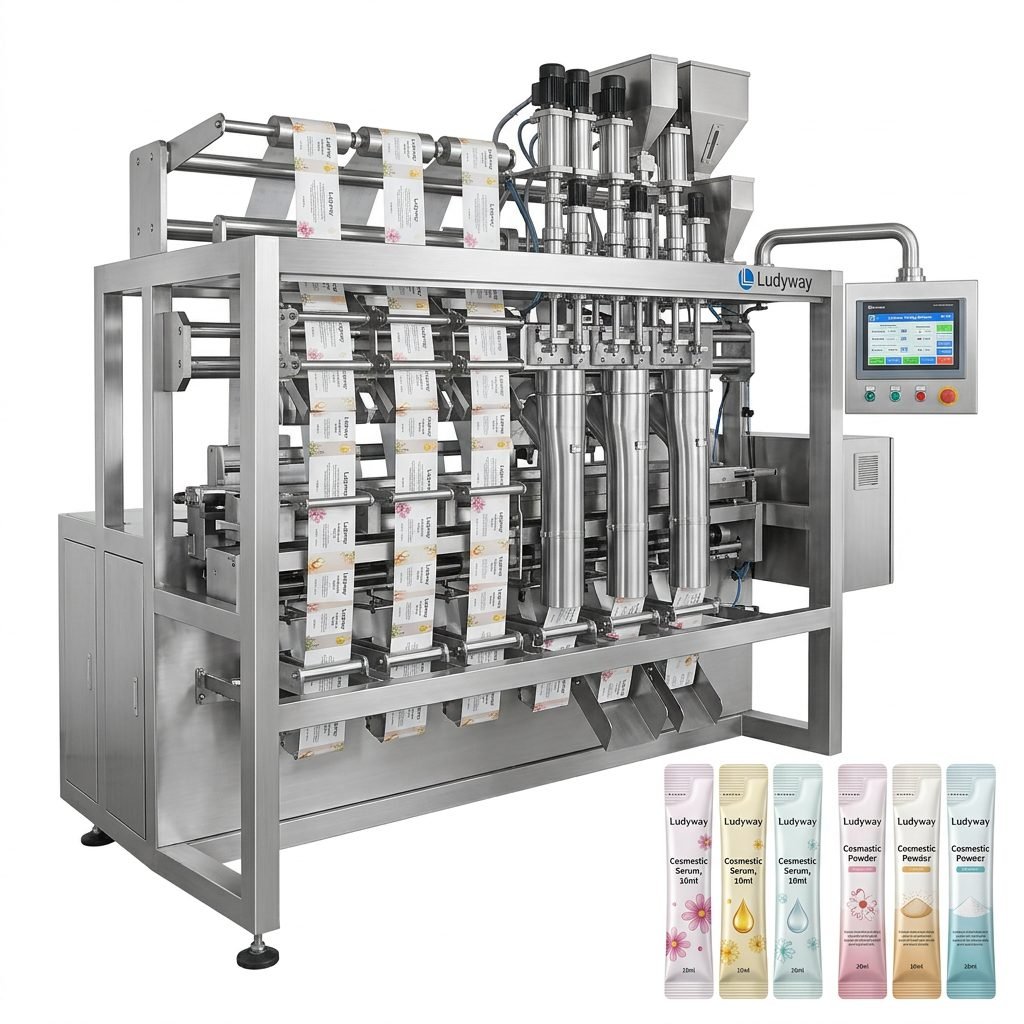
Selecting the right machinery is the backbone of your operation. A modern line consists of more than just a sealer; it involves a synchronized ecosystem of machines working at the same cycle speed. The following table highlights the core components typically required and their primary functions within the European context.
| Equipment Type | Key Function | European Specification Note |
|---|---|---|
| Vacuum Chamber Sealer | Core sealing process with gas flushing capabilities | Must support MAP (Modified Atmosphere Packaging) with 99.9% vacuum efficiency |
| Multi-Head Weigher | Precision portioning for granule, powder, or liquid products | IP65 protection rating for washdown environments in dairy and meat sectors |
| Industrial Thermal Printer | Printing batch codes and expiration dates | Compliant with EU Regulation 1169/2011 on food information to consumers |
| Conveyor Sorting System | Automated transport and rejection of faulty packs | Integration with EU-standard safety curtains and emergency stops |
Step 4: Installation, Calibration, and Testing
The physical installation of the production line must be executed with precision. Leveling the equipment is non-negotiable, especially for multi-lane vacuum machines that require uniform film tension. Calibration should be performed using certified weights and standardized test materials. It is advisable to conduct a Factory Acceptance Test (FAT) prior to shipment and a Site Acceptance Testing (SAT) after installation in your European facility. This dual-phase quality control ensures that the machine performs within the specified tolerance levels for seal strength and vacuum pressure under your local ambient conditions.
Commissioning Protocol
- Power Supply Verification: Confirm voltage stability and grounding integrity.
- Pneumatic Check: Inspect air compressors for moisture and leak-tight connections.
- Film Path Threading: Ensure precise alignment to avoid wrinkling or seal contamination.
- Seal Integrity Test: Conduct dye penetration tests and burst tests on sample packages.
Step 5: Maintenance, Hygiene, and Occupational Safety
Operating a vacuum packaging line in Europe requires strict adherence to Good Manufacturing Practices (GMP). Daily cleaning protocols must document the disassembly of product contact parts. Vacuum channels and sealing bars require regular inspection to remove fat, oils, or powder residues that can compromise seal integrity. From a safety perspective, implementing Lockout/Tagout (LOTO) procedures during maintenance is mandatory. The use of Personal Protective Equipment (PPE), such as cut-resistant gloves when handling sealing knives and safety glasses during air-blow cleaning, protects operators and aligns with EU workplace safety directives.

It is often effective to partner with a manufacturer that offers comprehensive after-sales support. For instance, Ludyway provides detailed installation blueprints and remote troubleshooting support, ensuring that technical hurdles do not cause prolonged downtime. A reliable supplier should offer a spare parts kit specifically tailored to the European market, including high-durability sealing bars and compatible lubricants accepted by EU food safety standards.
Financial and Operational Optimization Tips
To maximize the return on investment for your home vacuum packaging production line, you should focus on film waste reduction. Calibrating the machine to use the exact film length required per package, rather than standard oversized cuts, can reduce plastic consumption by up to 15%. Additionally, considering the high cost of electricity in many European regions, selecting machines with servo-driven motors rather than pneumatic cylinders significantly lowers energy bills. Future-proof your line by choosing a modular design that allows easy integration of a labeling machine or a case packing system as your production volume grows.
Conclusion
Setting up a home vacuum packaging machine production line in Europe is a substantial but manageable investment that demands a focus on quality, compliance, and precision engineering. By selecting CE-certified equipment, optimizing your facility layout for efficient workflow, and maintaining rigorous quality control, you can establish a competitive and profitable operation. The key is to treat the line not as a collection of individual machines, but as an integrated system engineered for the specific demands of the European market.