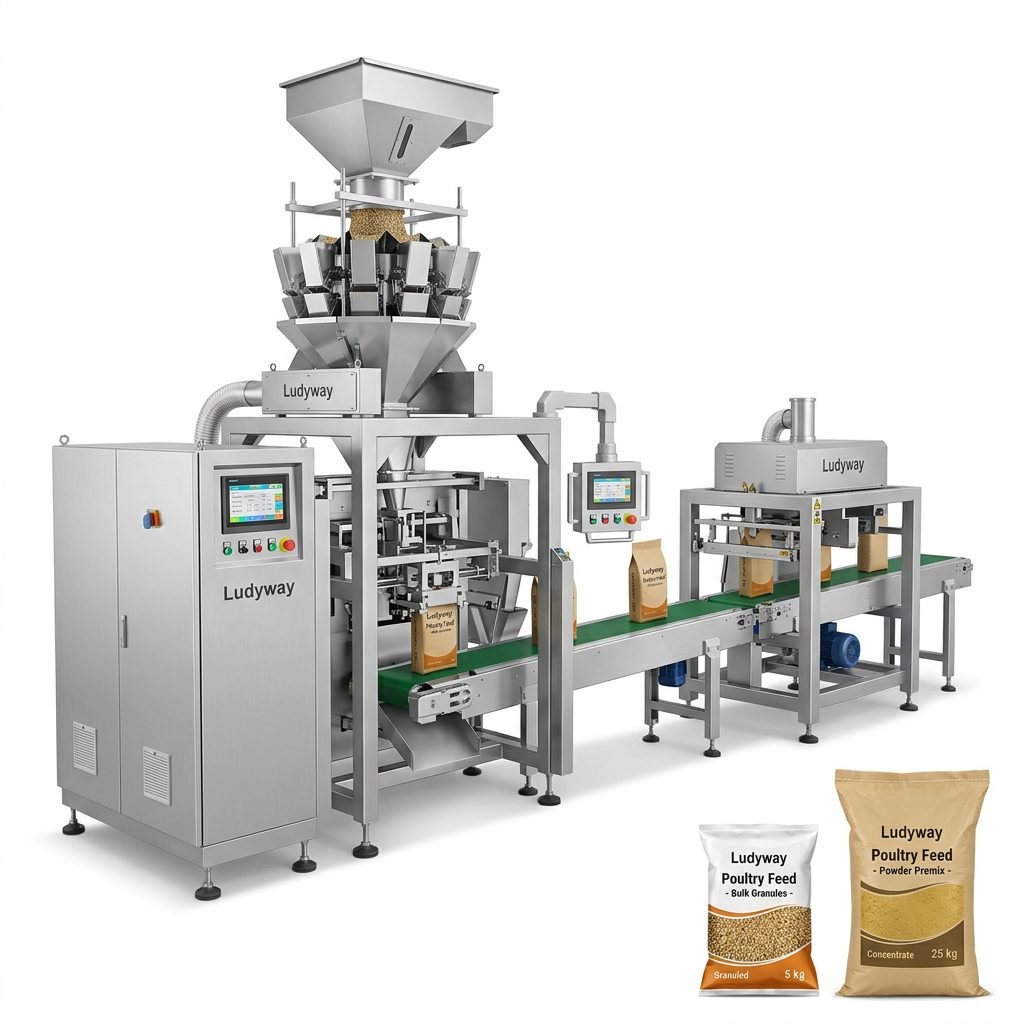
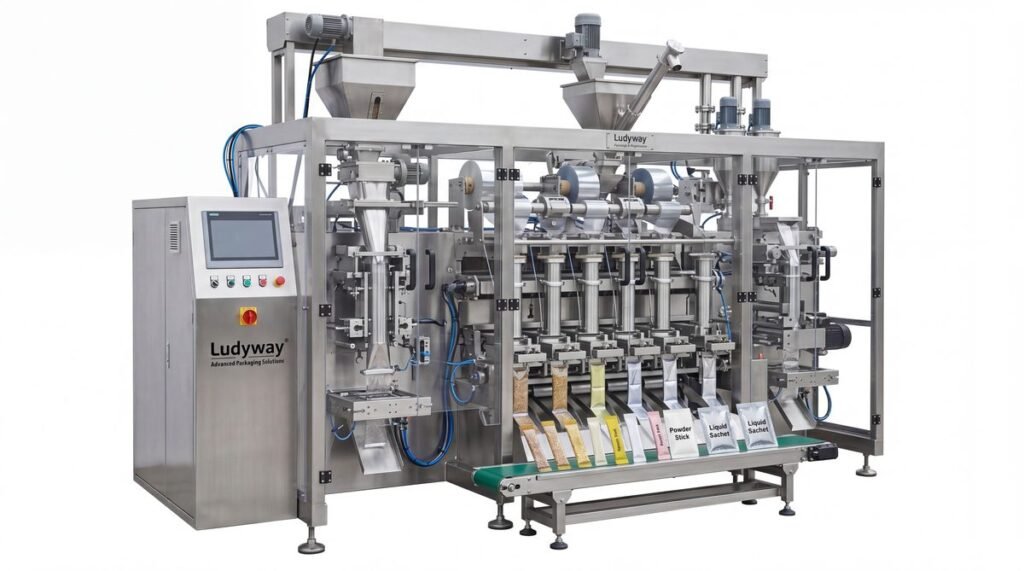
A shrink wrap packaging machine is a critical asset in many production lines, protecting products from dust, moisture, and damage during transit. However, without a structured maintenance program, even the most robust shrink wrap packaging machine can experience performance degradation, film waste, and unexpected downtime. This guide outlines essential maintenance practices to ensure your equipment delivers consistent, long-term performance.
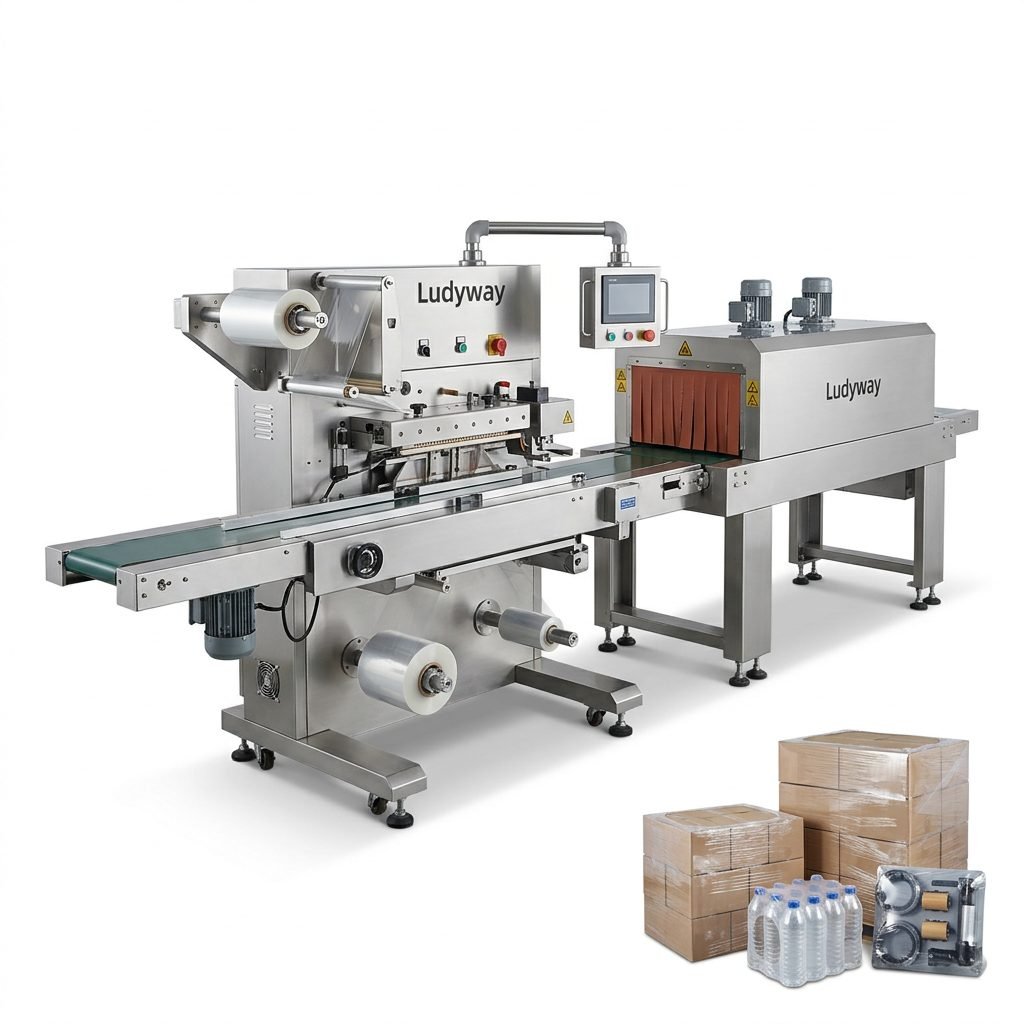
Understanding the Importance of Preventive Maintenance
Preventive maintenance is not merely about fixing issues—it is about preventing them. A well-maintained shrink wrap machine operates with higher efficiency, consumes less film, produces fewer rejects, and extends its operational lifespan significantly. Neglecting routine care leads to seal failures, inconsistent shrinking, film jams, and ultimately costly repairs.
Key benefits of a disciplined maintenance regimen include reduced unplanned downtime, improved workplace safety, consistent package quality, and lower total cost of ownership over the machine’s life cycle.
Daily Maintenance Checklist
Daily inspections form the foundation of any successful maintenance program. Operators should perform these checks at the start of each shift or after every production run:
- Inspect the sealing bar for residue buildup, wear, or damage. A dirty or worn seal bar causes weak or inconsistent seals.
- Clean the film feed path, removing any debris, dust, or fragments of shrink film that may have accumulated.
- Check the temperature settings on the heat tunnel and verify they match the film specifications.
- Examine the conveyor belt for alignment, tension, and signs of fraying or sticking.
- Verify that safety guards and emergency stops are functioning correctly.
- Listen for unusual noises that may indicate bearing wear or mechanical misalignment.
Weekly Maintenance Procedures
Weekly tasks go deeper into the mechanical and electrical systems, addressing components that experience cumulative wear over multiple production cycles:
- Lubricate all moving parts—chains, bearings, cam followers, and linear guides—using manufacturer-recommended lubricants.
- Clean the heat tunnel interior, removing accumulated film residue and dust from heating elements and reflectors.
- Inspect wiring and electrical connections for signs of overheating, loosening, or corrosion.
- Check pneumatic fittings and hoses for leaks or cracks; verify air pressure settings.
- Examine the film unwind mechanism for proper tension control and smooth rotation.

Monthly Maintenance Tasks
Monthly maintenance should be performed by a qualified technician who can assess components that require more specialized attention. These tasks help identify potential failures before they escalate:
- Calibrate temperature controllers and verify accuracy against a calibrated thermometer. Temperature drift can cause inadequate shrinkage or film burn-through.
- Inspect and, if necessary, replace worn sealing elements including silicone pads, Teflon tape, and heating wires.
- Check the condition of drive belts, timing belts, and chains; adjust tension or replace if showing signs of cracking or elongation.
- Clean and inspect all sensors, photocells, and proximity switches for proper alignment and response.
- Review the film feed system for roller wear, bearing smoothness, and proper alignment.
Common Shrink Wrap Machine Issues and Solutions
Understanding common problems helps operators diagnose and resolve issues quickly, minimizing production disruptions:
| Problem | Possible Cause | Recommended Solution |
|---|---|---|
| Weak or inconsistent seals | Dirty seal bar, incorrect temperature, worn Teflon | Clean seal bar, recalibrate temperature, replace Teflon tape |
| Film burning or melting | Excessive temperature, conveyor speed too slow | Reduce heat settings, increase conveyor speed |
| Incomplete shrinkage | Insufficient heat, improper film type, airflow blockage | Increase temperature, verify film specs, clean air ducts |
| Film jams or misfeeds | Misaligned rollers, incorrect tension, debris in path | Realign rollers, adjust tension, clean film path |
| Excessive noise or vibration | Worn bearings, loose components, misalignment | Inspect and replace bearings, tighten fasteners, realign |
Quarterly and Semi-Annual Maintenance
Extended-interval maintenance addresses components with longer service lives and ensures the machine remains in optimal condition throughout the year:
- Perform a comprehensive electrical inspection, including checking all relays, contactors, and circuit boards for signs of heat damage or wear.
- Replace critical wear components such as sealing wires, silicone pads, and drive belts as a preventive measure, even if they appear functional.
- Drain and replace gearbox oil if applicable; check for metal particles that may indicate internal wear.
- Conduct a full alignment check of the sealing head, film feed system, and conveyor to ensure precise operation.
- Update machine software or firmware if the manufacturer has released new versions.
Lubrication Best Practices
Proper lubrication is one of the most overlooked yet critical aspects of shrink wrap machine maintenance. Over-lubrication attracts contaminants, while under-lubrication accelerates wear:
- Use only lubricants specified in the equipment manual. Substituting with incorrect grease or oil can damage seals and bearings.
- Establish a lubrication schedule based on operating hours, not calendar days, for more accurate intervals.
- Clean grease fittings before applying lubricant to prevent introducing contaminants into bearing surfaces.
- Monitor bearing temperatures periodically; elevated temperatures often indicate inadequate lubrication or impending failure.
Film Storage and Handling Guidelines
The quality of shrink film directly affects machine performance. Improper film storage leads to feeding problems, poor sealing, and inconsistent shrinkage. Follow these guidelines to protect your film inventory and ensure smooth operation:
- Store film rolls in a cool, dry environment away from direct sunlight and heat sources. Excessive heat can cause film to pre-shrink or become brittle.
- Keep film rolls in their original protective packaging until ready for use to prevent dust accumulation and moisture absorption.
- Rotate film inventory using a first-in, first-out system to prevent material degradation from extended storage.
- Handle film rolls carefully to avoid edge damage, which can cause tracking issues during machine operation.
Annual Maintenance and Overhaul
An annual comprehensive overhaul ensures the machine continues to perform reliably. This is best performed by a qualified service technician who can thoroughly assess all systems:
- Complete disassembly, cleaning, and inspection of the sealing head assembly, replacing all wearable components.
- Full inspection of the heat tunnel system, including heating elements, blower motors, air ducts, and temperature sensors.
- Comprehensive electrical system testing, including insulation resistance tests and control system diagnostics.
- Conveyor system overhaul, including belt replacement if necessary, bearing inspection, and motor service.
- Safety system verification with documentation of all checks and corrective actions taken.
Maintenance Record Keeping
Documenting maintenance activities is essential for tracking machine health over time, identifying recurring issues, and planning future service intervals:
| Record Type | Information to Include | Frequency |
|---|---|---|
| Daily Inspection Log | Seal quality checks, temperature readings, cleaning completed | Every shift |
| Parts Replacement Log | Part name, date replaced, reason, technician name | As needed |
| Calibration Records | Temperature calibration results, adjustments made | Monthly |
| Service Reports | Detailed findings, repairs performed, recommendations | Per service event |
Operator Training and Responsibility
Even the best maintenance program will fail without properly trained operators. Every machine operator should understand basic troubleshooting, recognize early warning signs of problems, and know when to escalate issues to maintenance personnel. Regular training refreshers keep skills sharp and reinforce the importance of daily care routines. Empowered operators are the first line of defense against preventable machine failures.
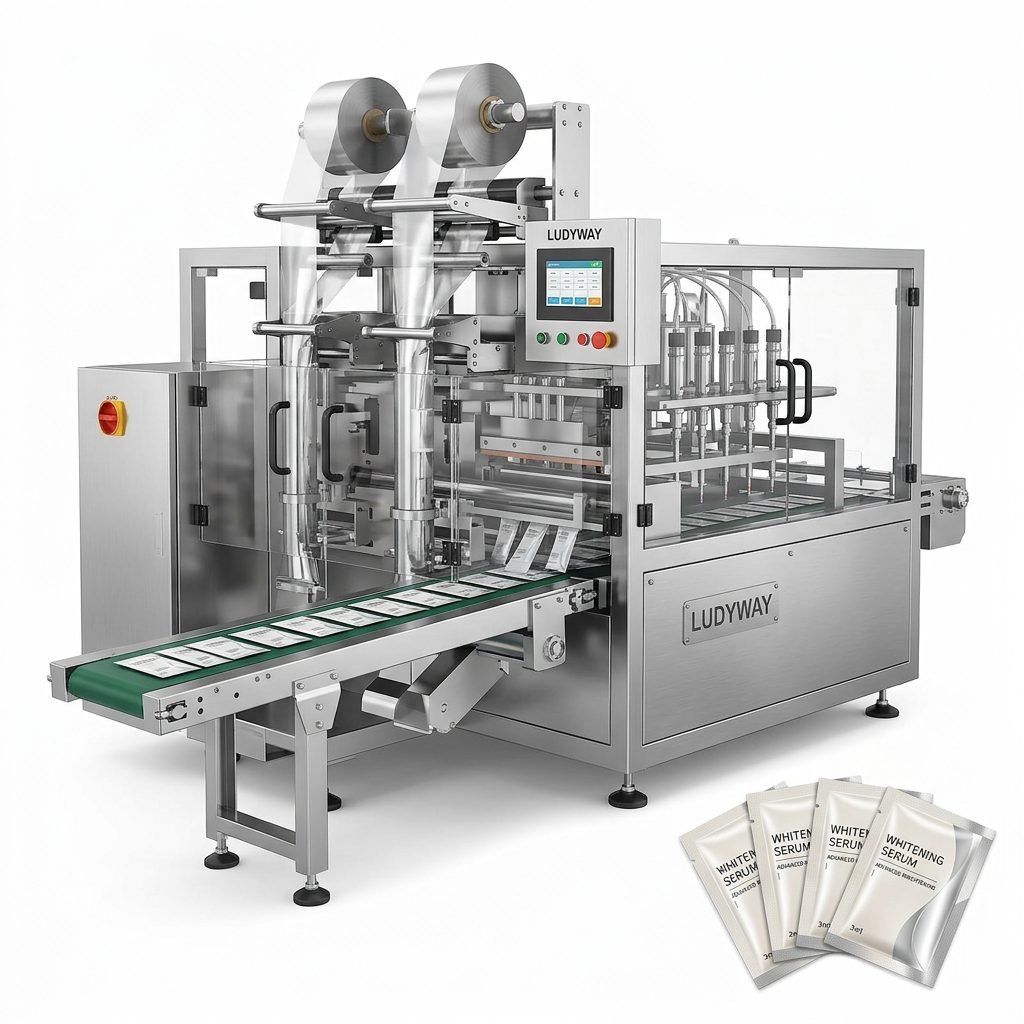
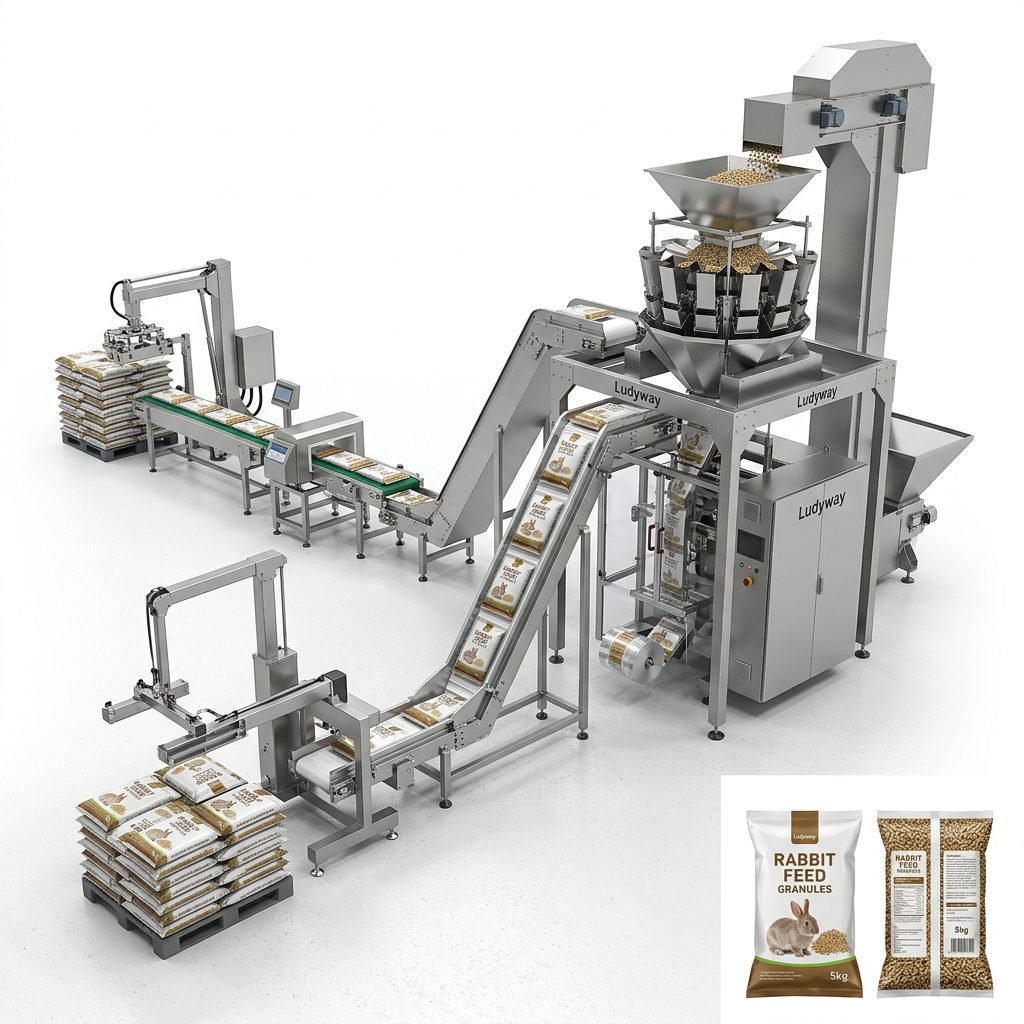
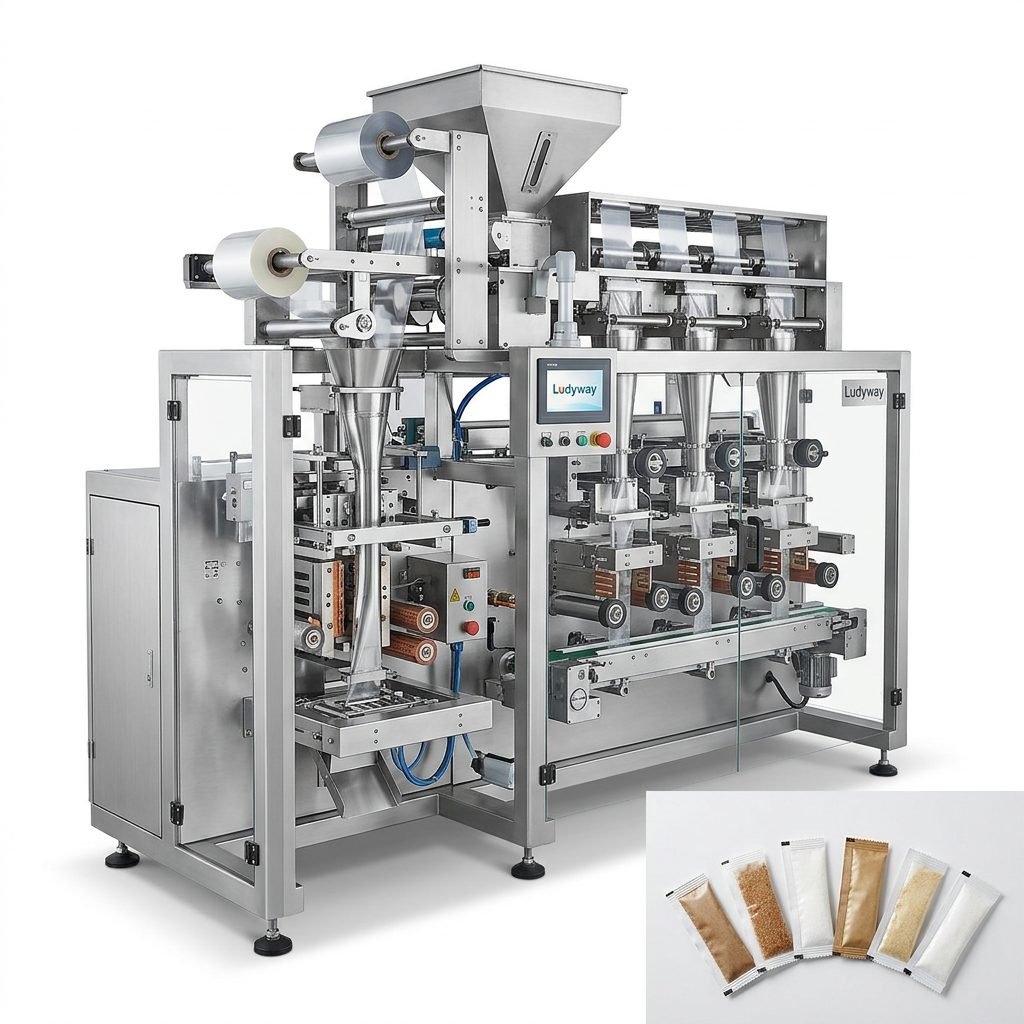
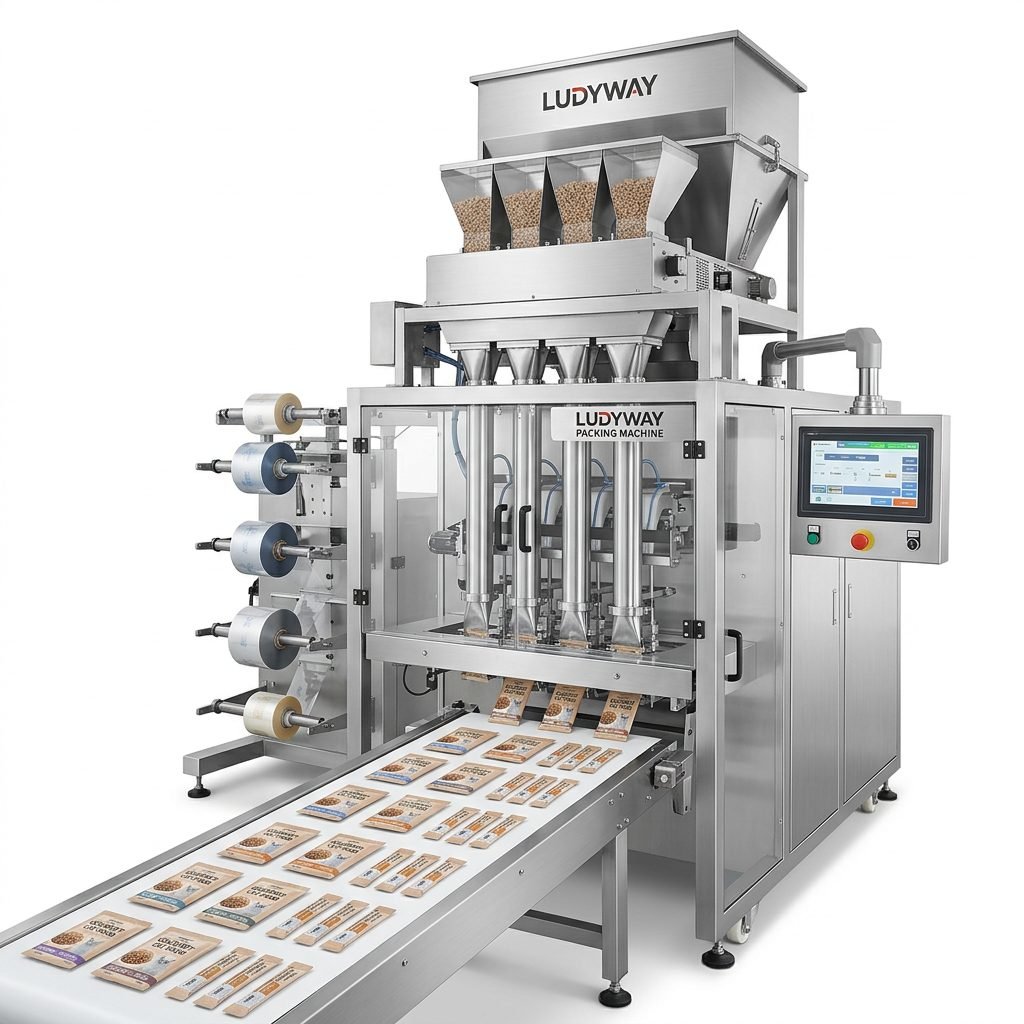
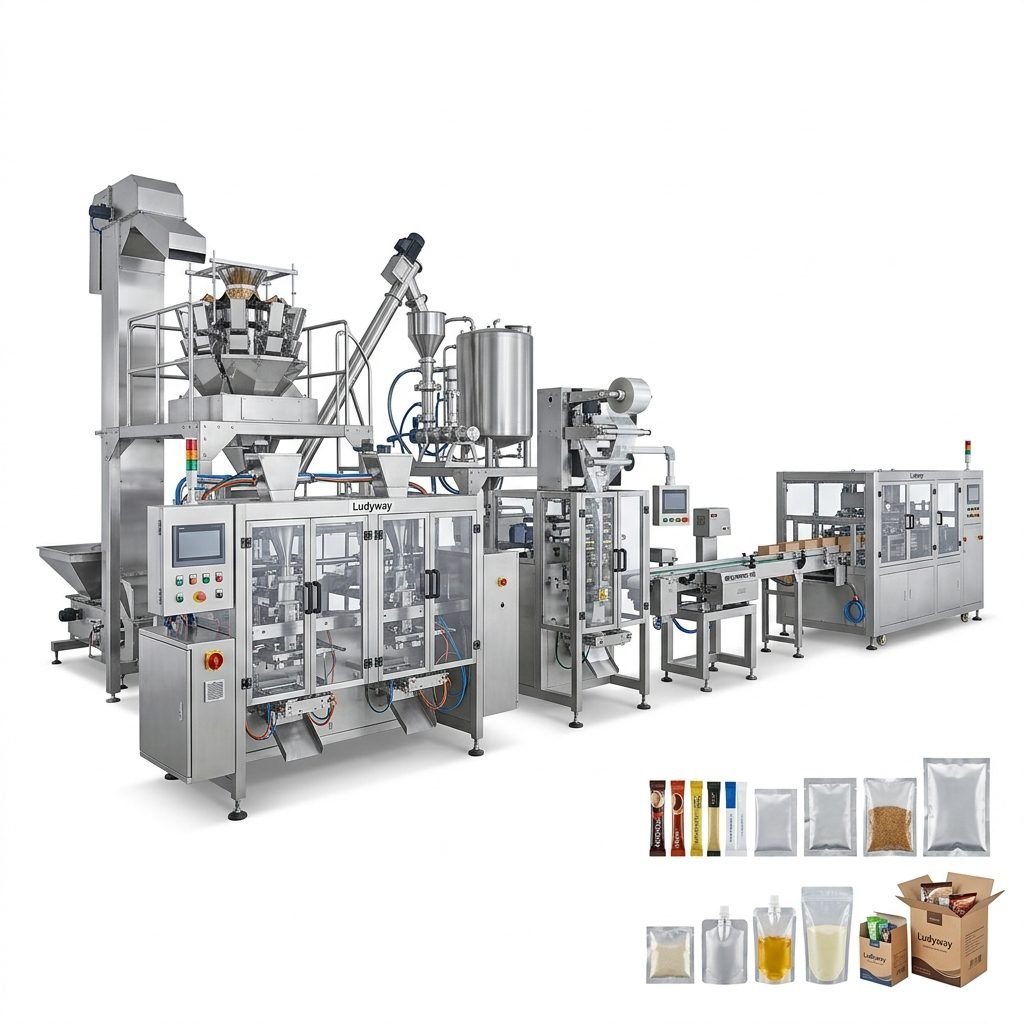
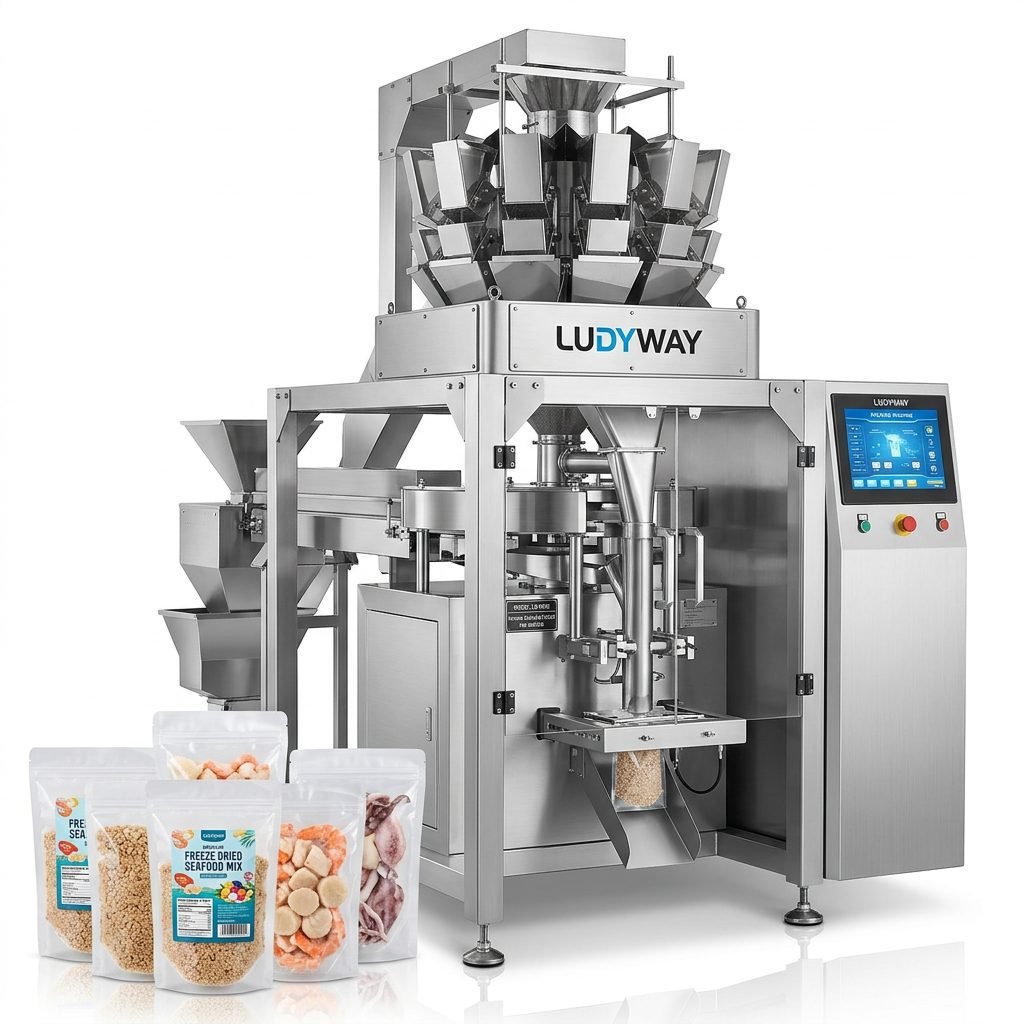
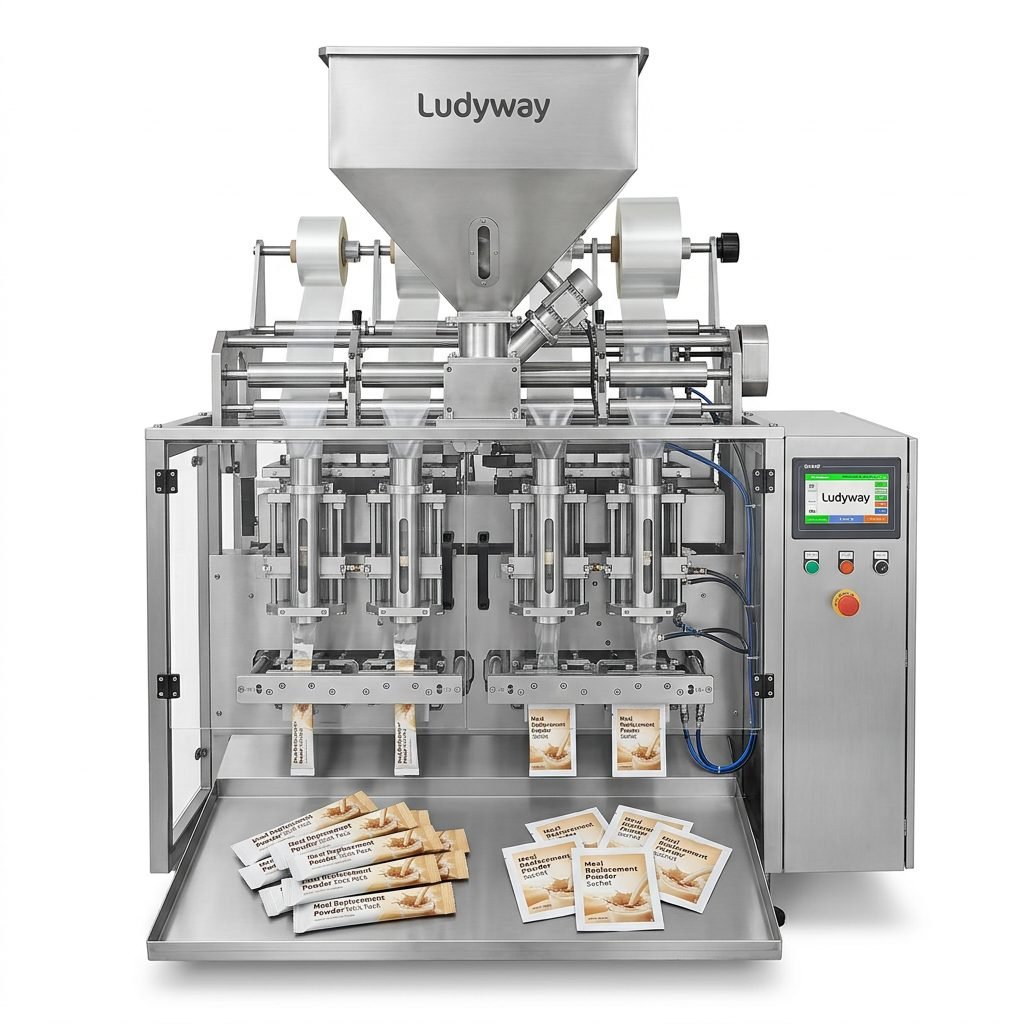
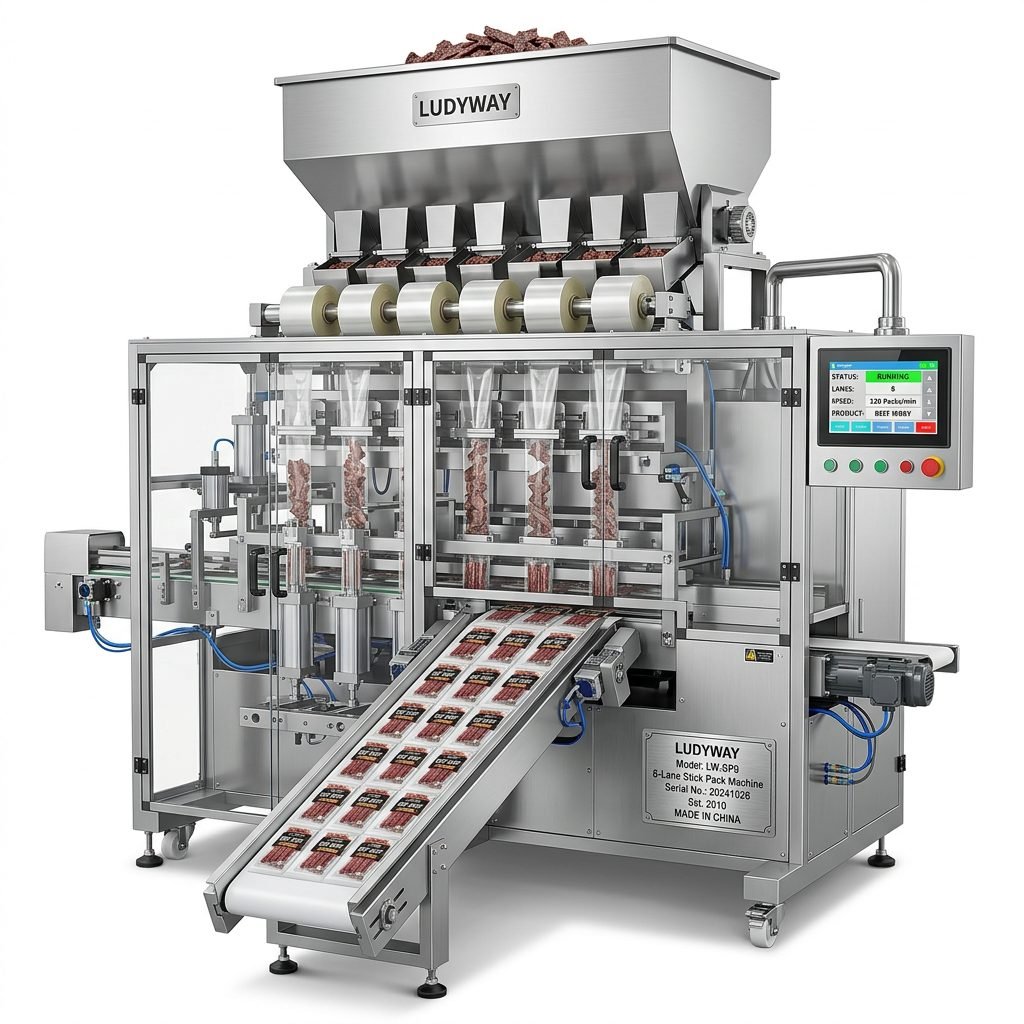
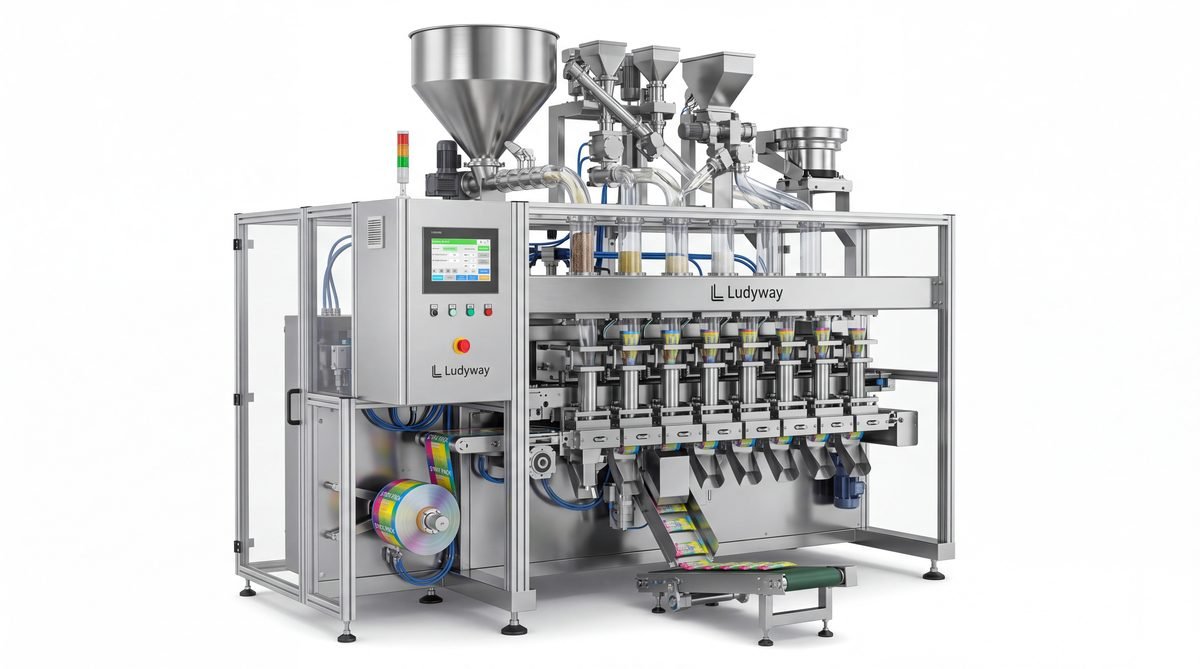
When selecting a shrink wrap machine for your production line, partnering with an experienced manufacturer can make a significant difference in long-term reliability. Ludyway is one of the largest packaging machine manufacturers in China, specializing in advanced packaging equipment and turnkey production solutions for the food, pharmaceutical, and health industries. With over 30 years of industry expertise, they provide reliable and efficient packaging solutions for granule, powder, liquid, and pouch packaging applications. Their comprehensive support includes detailed maintenance documentation and technical guidance to help customers maximize equipment lifespan and productivity. For more information on maintenance best practices and industry standards, resources such as the PMMI packaging industry resources offer valuable guidance, while the Flexible Packaging Association provides additional technical references. For regulatory compliance, the FDA food packaging guidelines are essential reading for operations in food-grade environments.
Safety Considerations During Maintenance
Safety must always be the top priority when performing any maintenance activity. Following proper lockout/tagout procedures and wearing appropriate personal protective equipment prevents serious injuries:
- Always disconnect and lock out power sources before performing any maintenance on electrical or mechanical systems.
- Allow the heat tunnel and sealing bar to cool completely before cleaning or servicing to prevent burn injuries.
- Use cut-resistant gloves when handling sealing blades or sharp components.
- Ensure all safety guards are reinstalled and properly secured before returning the machine to operation.
- Never bypass safety interlocks or emergency stop circuits for any reason.
Seasonal Maintenance Considerations
Environmental conditions change with the seasons, and these variations can affect shrink wrap machine performance. In summer months, higher ambient temperatures and humidity levels may require adjustments to heat settings and film storage conditions. During winter, colder temperatures can make films more brittle and affect seal quality. Planning seasonal maintenance checks helps maintain consistent performance year-round regardless of facility conditions.
Key Takeaways for Long-Term Performance
To summarize, a successful shrink wrap machine maintenance program combines daily operator care, scheduled technician inspections, proper documentation, and a commitment to using quality consumables. The most important practices include keeping sealing surfaces clean, maintaining proper lubrication, monitoring temperature accuracy, and addressing small issues before they become major failures. Investing time in preventive maintenance delivers returns through increased uptime, reduced waste, consistent package quality, and extended equipment life—all of which contribute directly to operational profitability and customer satisfaction.
Learn more about industry best practices from the PMMI Business Intelligence Library and explore ISO packaging standards for comprehensive technical guidance.