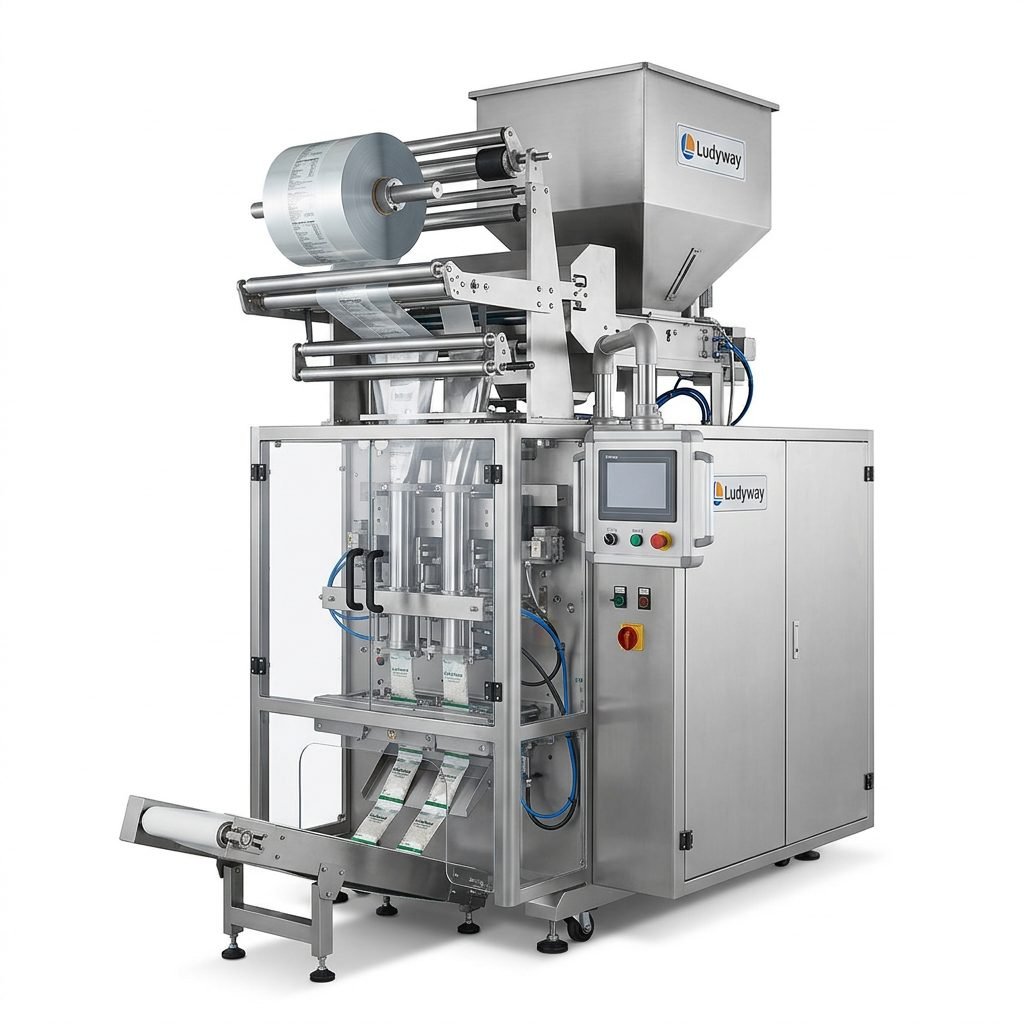
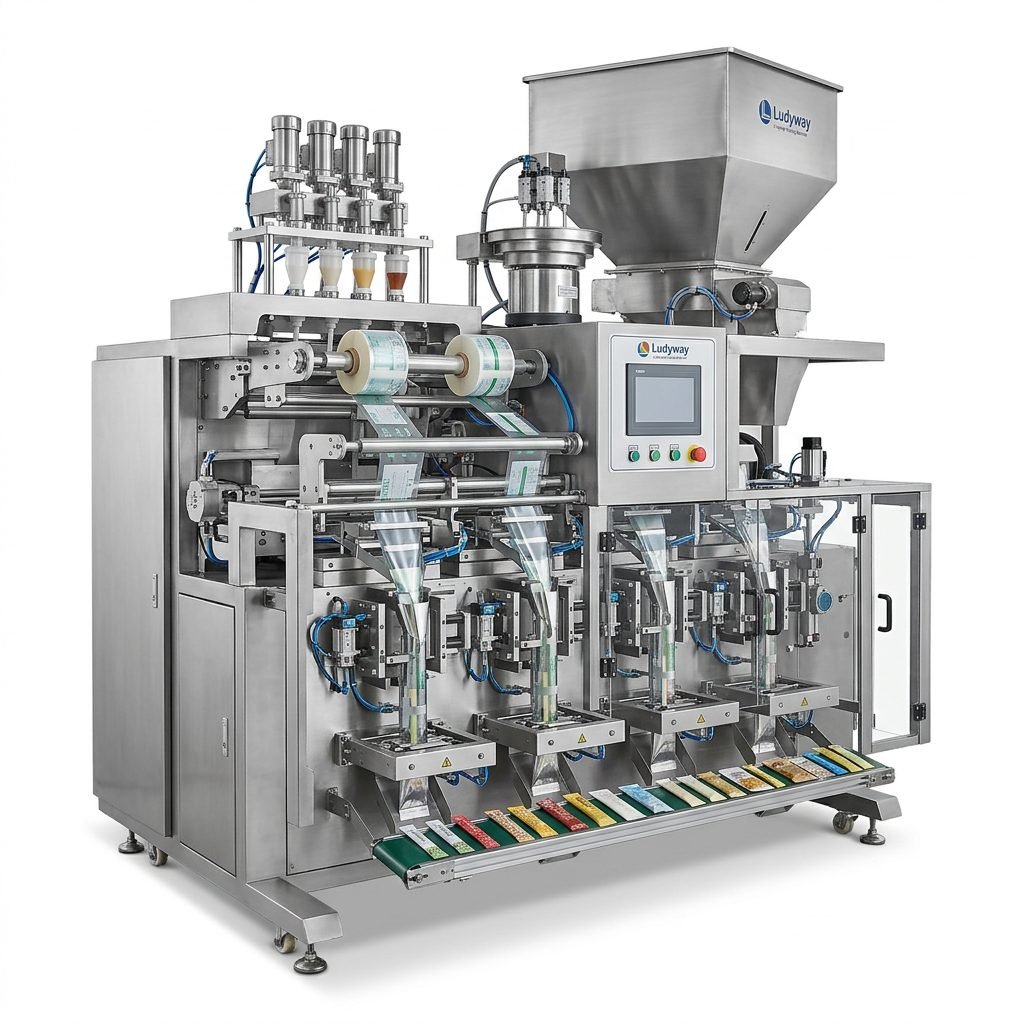
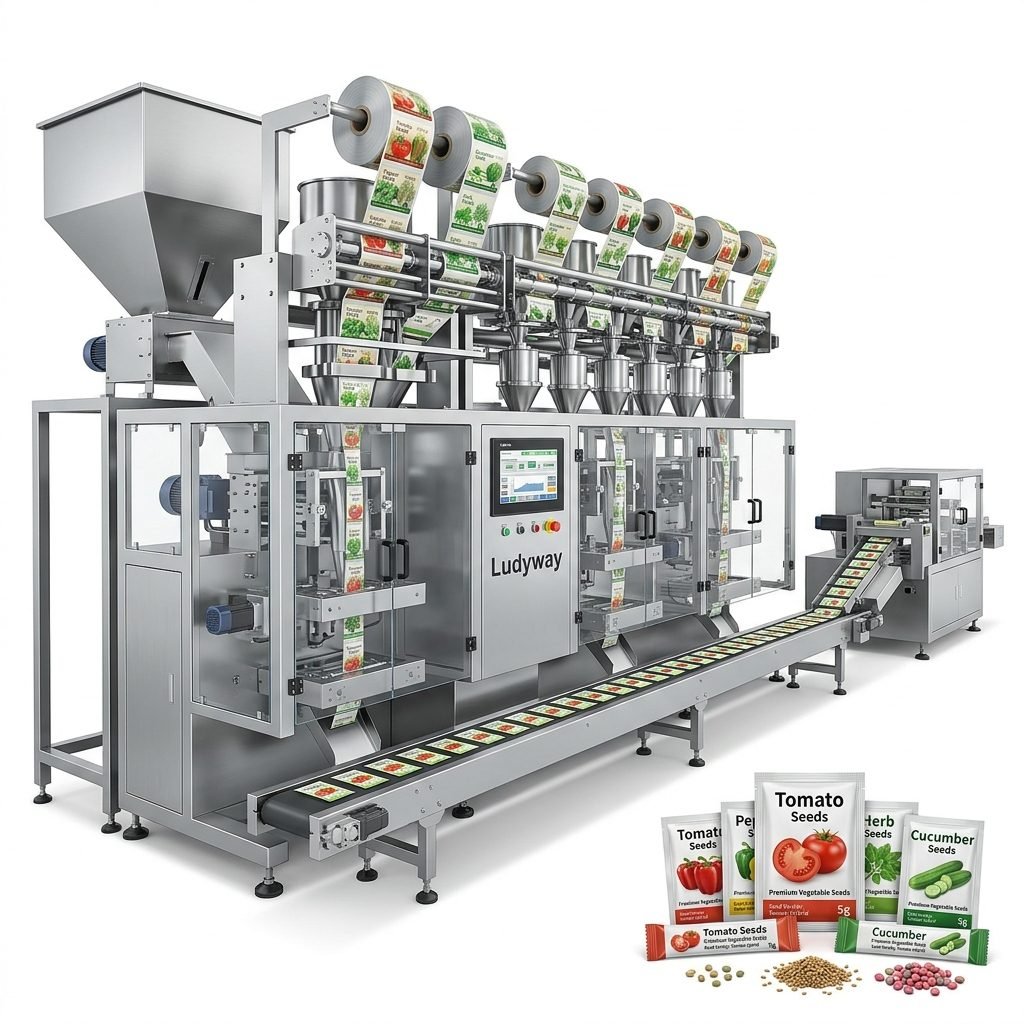
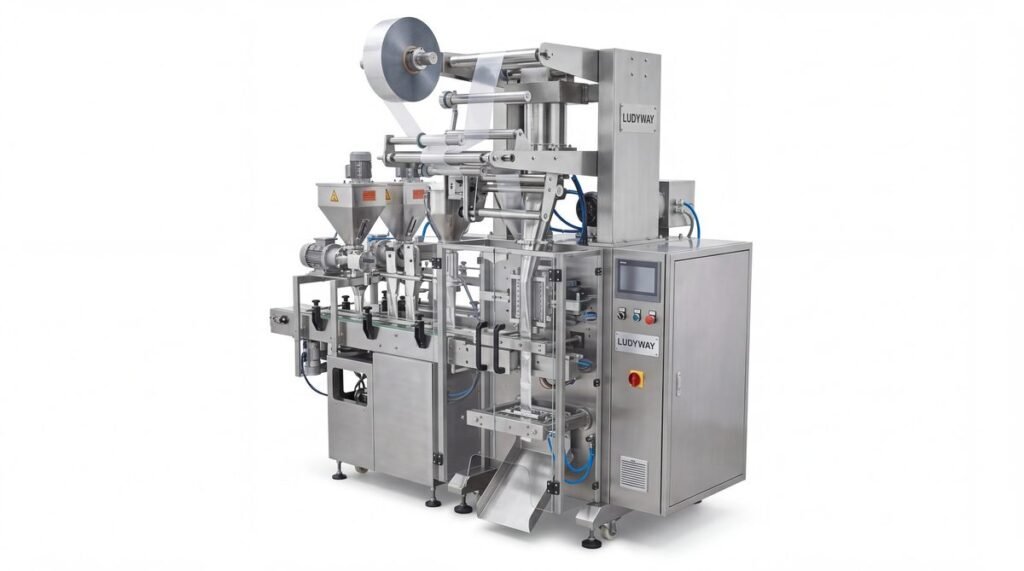
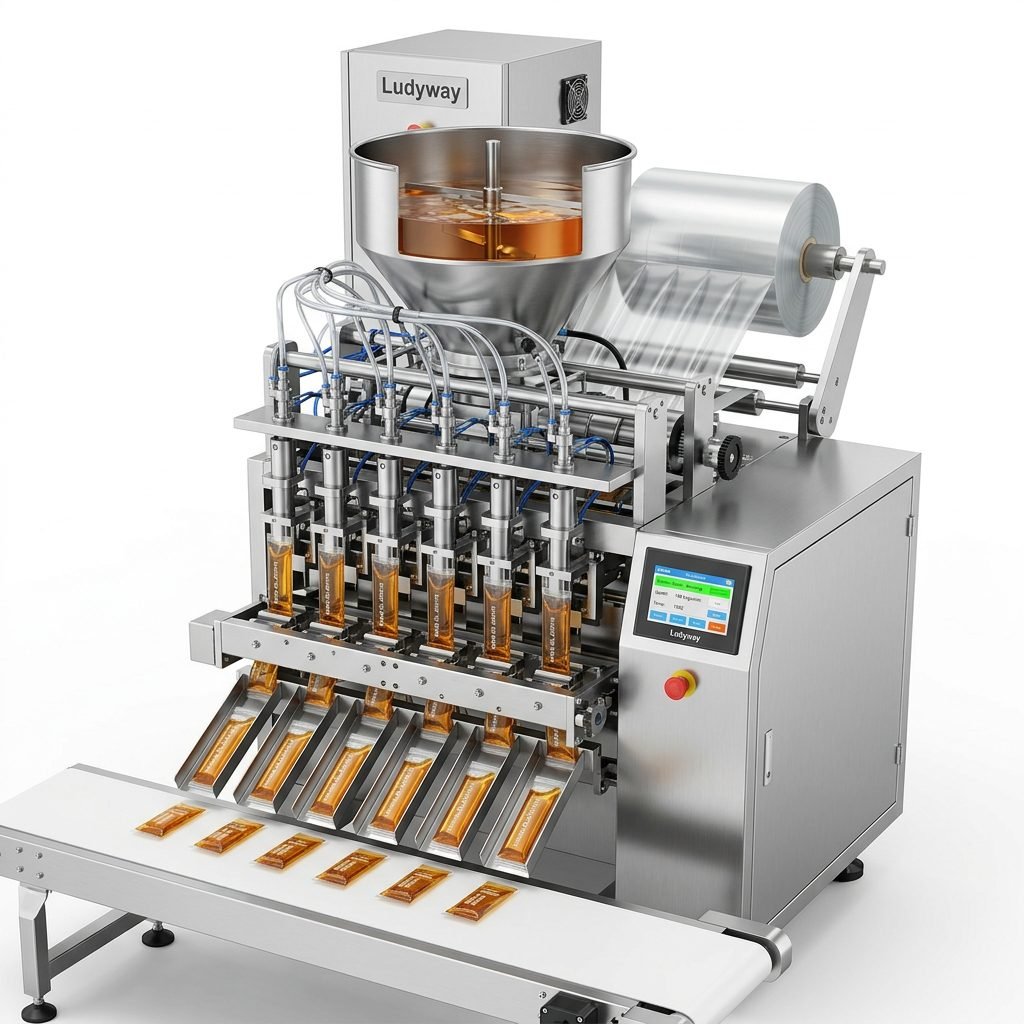
A 3-side seal packaging machine is a critical asset in many production environments, handling everything from food and pharmaceuticals to cosmetics and industrial products. Proper maintenance is not just about preventing breakdowns—it directly impacts seal integrity, product quality, and your bottom line. This guide covers the essential practices to keep your equipment running at peak performance and extend its operational life.

Understanding the Importance of Preventive Maintenance
Reactive repairs cost significantly more than planned maintenance, both in direct expenses and production downtime. A well-maintained machine delivers consistent seal quality, reduces waste, and complies with industry regulations. According to PMMI packaging industry resources, preventive maintenance programs can reduce unplanned downtime by up to 45% in packaging operations. Regular attention to key components ensures that every pouch meets the required specifications for strength, appearance, and product protection.
Daily Inspection Checklist
Operators should perform a quick but thorough daily inspection before starting production. This routine catches minor issues before they escalate into major failures.
- Visual inspection — Check for loose fasteners, worn belts, and any signs of oil or air leaks around the machine frame and connections.
- Seal bar surfaces — Examine heating elements and Teflon-coated surfaces for residue buildup, scratches, or uneven wear that could compromise seal quality.
- Temperature readings — Verify that actual temperatures match the controller setpoints. A deviation of more than 3-5°C often indicates a failing thermocouple or heater cartridge.
- Film path alignment — Ensure the packaging film tracks smoothly through all rollers and guides without wrinkling, twisting, or edge damage.
- Safety interlocks — Test all emergency stops, door switches, and guard interlocks to confirm they function correctly before any production begins.
Seal Bar and Heating System Maintenance
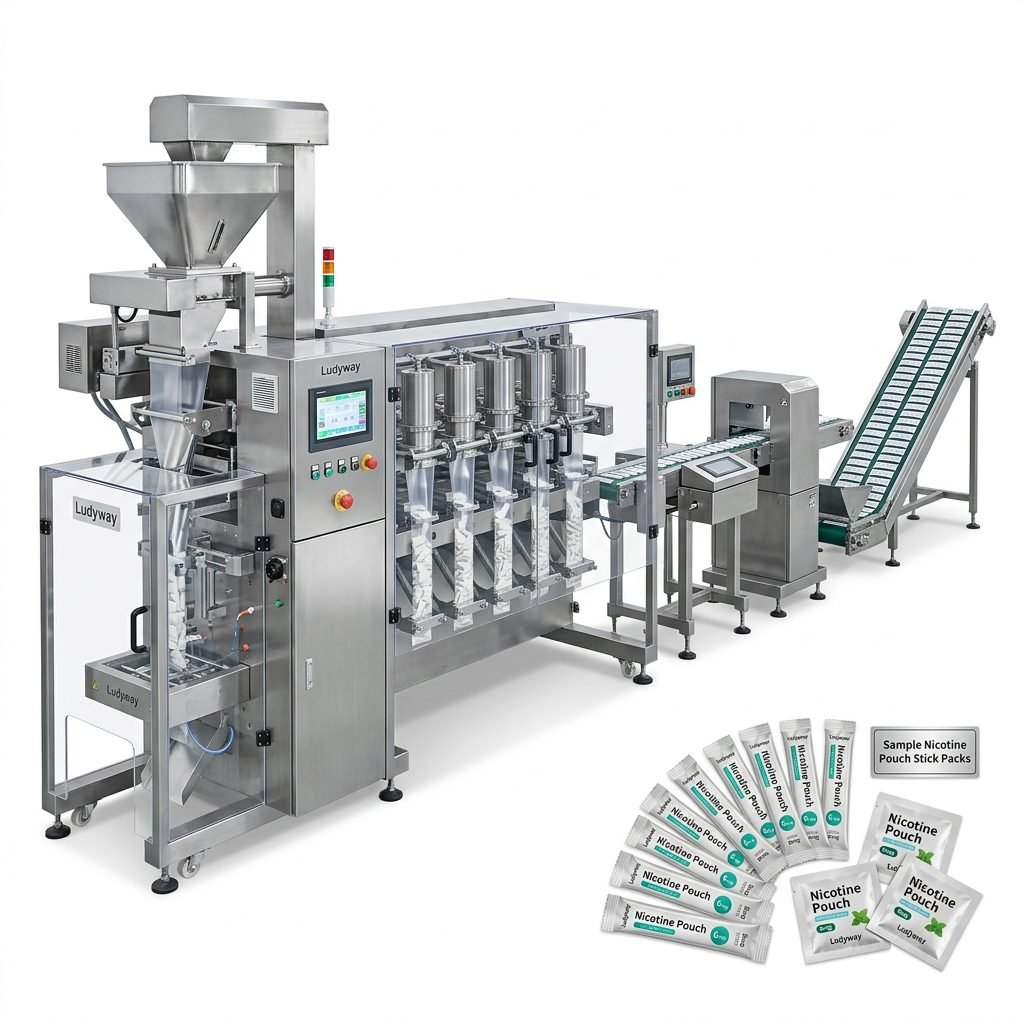
The sealing system is the heart of a 3-side seal machine. Even minor inconsistencies here lead to leaking pouches, product contamination, and costly recalls. Key maintenance tasks include:
- Cleaning seal surfaces — Remove product residue, melted film deposits, and carbon buildup from seal bars weekly using a non-abrasive cleaner and a soft cloth. Never use metal scrapers on Teflon coatings.
- Checking Teflon tape condition — Replace worn or torn Teflon tape immediately. Damaged tape causes uneven heat transfer and film sticking, both of which produce defective seals.
- Thermocouple calibration — Verify thermocouple accuracy monthly using an independent temperature probe. A faulty thermocouple can cause temperature overshoot or insufficient heating.
- Heater element resistance testing — Measure element resistance quarterly and compare to manufacturer specifications. Gradual resistance changes indicate aging elements that should be replaced proactively.
For facilities producing medical or food-grade packaging, adherence to ISO 11607 standards for terminally sterilized medical device packaging and FDA food contact substance regulations requires documented seal integrity verification as part of maintenance protocols.
Drive System and Mechanical Components
The mechanical drive system requires consistent lubrication and alignment checks to maintain precision. Pay close attention to the following areas:
- Chain and belt tension — Check tension weekly using a tension gauge. Over-tensioned drive components accelerate bearing wear; under-tensioned ones cause timing errors and registration drift.
- Bearing lubrication — Follow the manufacturer’s lubrication schedule precisely. Over-greasing is as harmful as under-lubrication, causing seal damage and contaminating packaging materials.
- Gearbox oil levels — Inspect monthly and change oil according to the maintenance schedule. Contaminated or degraded oil accelerates gear wear and can cause complete drive failure.
- Cam and follower wear — Examine cam surfaces and followers for pitting or scoring every six months. Worn cams produce inconsistent motion profiles that affect cut-off accuracy and seal dwell time.
Electrical and Control System Care
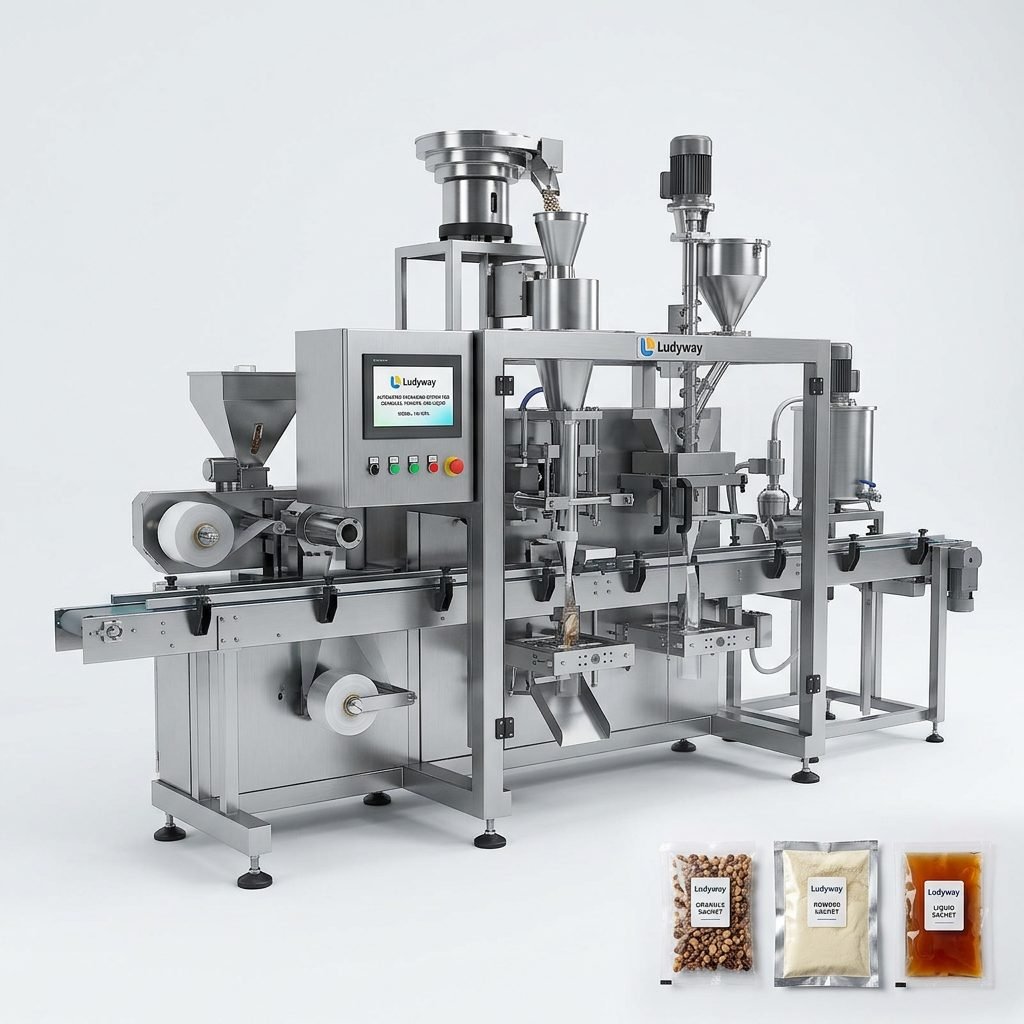
Modern 3-side seal machines rely on PLCs, servo drives, and sensors for precise operation. Electrical maintenance focuses on preventing failures in these critical control components.
- Control cabinet environment — Keep cabinet doors sealed and verify that cooling fans and filters are clean. Excessive heat and humidity inside control panels are leading causes of electronic component failure.
- Sensor cleaning and alignment — Clean photoelectric sensors, proximity switches, and registration sensors weekly. Dust accumulation on sensor lenses causes false readings and intermittent stoppages.
- Wiring and terminal inspection — Check terminal blocks for tightness and signs of overheating quarterly. Loose connections under vibration create resistance, heat buildup, and eventual circuit failure.
- Servo drive parameter backup — Maintain current backups of all drive parameters and PLC programs. A drive replacement without the correct parameter file can take hours to reconfigure manually.
Common Issues and Troubleshooting Reference
The table below summarizes frequent problems encountered with 3-side seal machines, their typical causes, and recommended corrective actions.
| Problem | Possible Cause | Recommended Action |
|---|---|---|
| Inconsistent seal strength | Uneven temperature distribution, worn Teflon, contaminated seal surface | Clean seal bars, replace Teflon tape, verify heater output and thermocouple accuracy |
| Film tracking off-center | Misaligned rollers, uneven tension, worn guide bearings | Check roller parallelism, adjust tension settings, replace worn bearings |
| Cut-off registration drift | Loose drive components, sensor misalignment, incorrect parameter settings | Tighten couplings and belts, clean and realign registration sensor, recalibrate parameters |
| Excessive film waste | Improper tension control, worn rollers, incorrect film specifications | Calibrate tension control system, inspect and replace damaged rollers, verify film quality |
| Machine vibration or noise | Worn bearings, loose mounting bolts, gearbox issues, unbalanced rotating parts | Inspect and replace bearings, tighten all fasteners, check gearbox condition, balance components |
Scheduled Maintenance Intervals
Establishing a structured maintenance calendar ensures no critical task is overlooked. The following table outlines recommended intervals for key maintenance activities on a typical 3-side seal packaging machine.
| Interval | Maintenance Tasks | Responsible Personnel |
|---|---|---|
| Daily | Visual inspection, seal surface cleaning, temperature verification, safety check | Machine operator |
| Weekly | Clean sensors, check belt/chain tension, lubricate accessible points, inspect Teflon tape | Maintenance technician |
| Monthly | Thermocouple calibration, gearbox oil check, electrical terminal tightening, roller alignment | Maintenance technician |
| Quarterly | Heater resistance testing, drive parameter backup, control cabinet cleaning, bearing inspection | Senior maintenance engineer |
| Annually | Complete machine overhaul, gearbox oil change, cam/follower inspection, full calibration | Manufacturer service team or senior engineers |
Safety Protocols During Maintenance
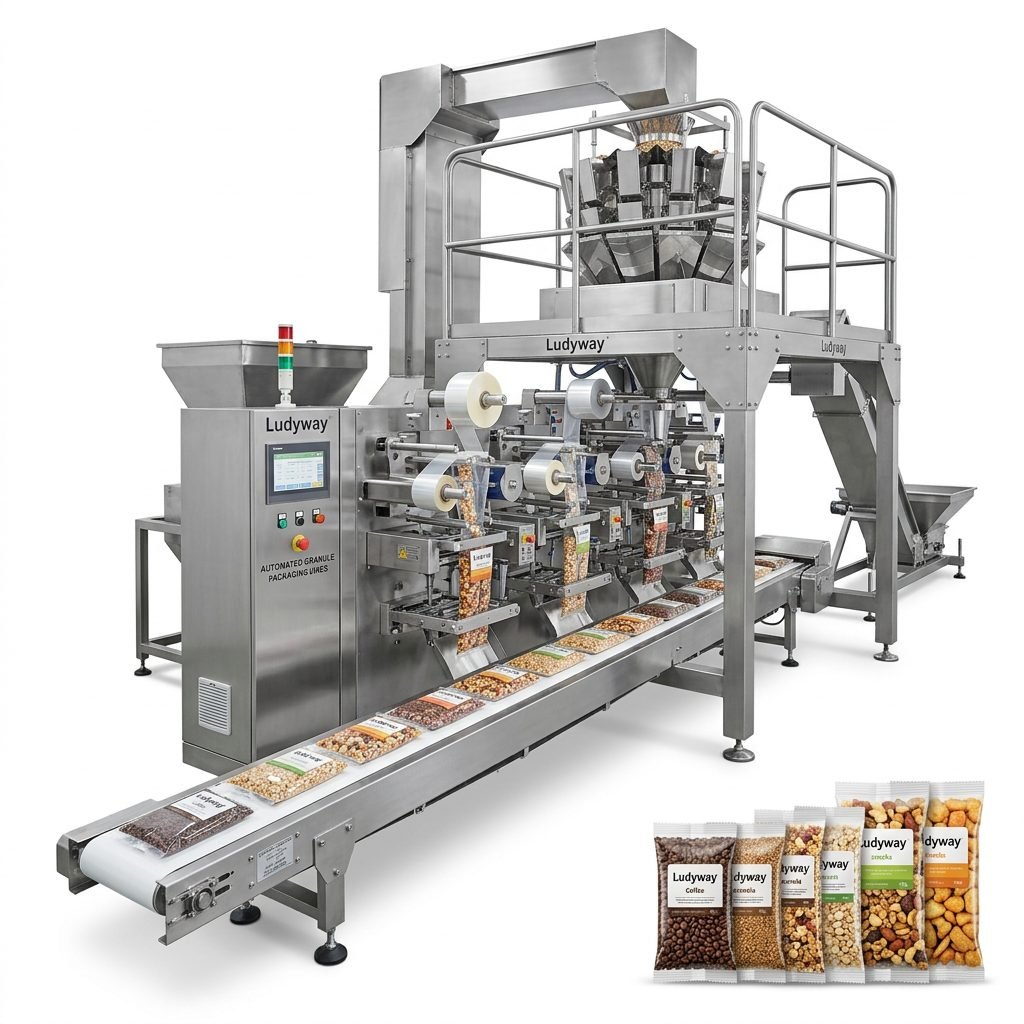
Maintenance activities present heightened safety risks. Lockout/tagout (LOTO) procedures are mandatory before any servicing work begins. Follow these essential safety practices:
- Complete power isolation — Disconnect both electrical and pneumatic supplies. Verify zero energy state before opening guards or accessing internal components.
- Hot surface awareness — Allow seal bars and heaters to cool completely before handling. Severe burns can occur even minutes after power-down.
- Sharp edge protection — Cutting blades and knife edges remain sharp during maintenance. Wear cut-resistant gloves and use appropriate tools for blade handling.
- Proper tool usage — Use only manufacturer-recommended tools for adjustments. Improvised tools can damage components and create safety hazards.
- Documentation of interventions — Record all maintenance actions, parts replacements, and observations in a dedicated logbook for traceability and trend analysis.
Spare Parts Management
Maintaining an adequate inventory of critical spare parts minimizes downtime when components fail. Essential spares for a 3-side seal machine include:
- Heater cartridges and thermocouples for each seal bar position
- Teflon tape and Teflon-coated seal bar covers
- Drive belts and timing belts in correct sizes and specifications
- Common bearings, seals, and O-rings used throughout the machine
- Registration sensors and proximity switches
- Cutting blades and knife assemblies
- PLC backup battery and fuses for control circuits
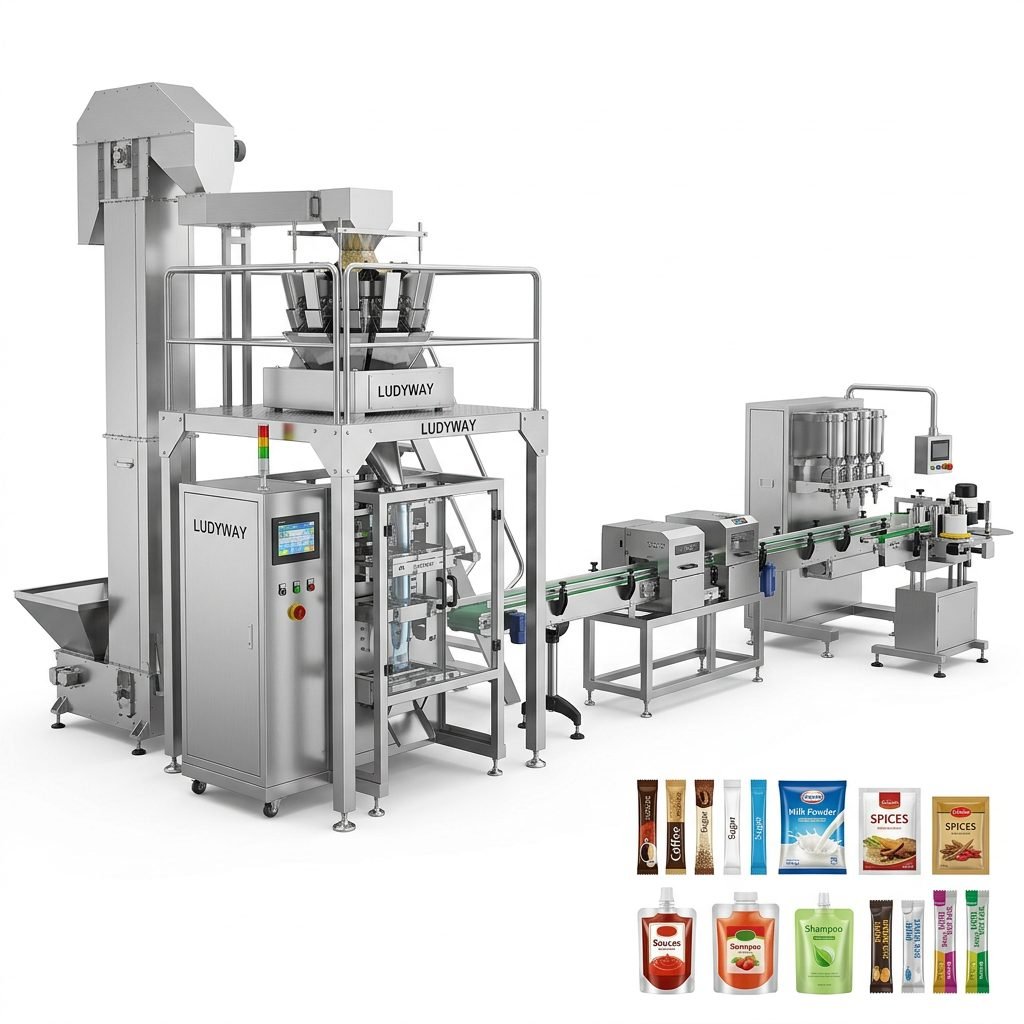
Partnering with a reliable equipment supplier ensures access to genuine replacement parts and technical support when needed. Ludyway, with over 30 years of industry experience and a 20,000㎡ manufacturing facility, is one of the largest packaging machine manufacturers providing comprehensive after-sales support and spare parts for their extensive range of packaging equipment worldwide.
Documentation and Record Keeping
Thorough documentation transforms maintenance from a reactive task into a strategic advantage. Maintain detailed records of every intervention, including date, technician name, specific actions taken, parts used, and any observations. This historical data reveals wear patterns, predicts component lifecycles, and supports informed decisions about capital equipment replacement. Regular review of maintenance logs with production and engineering teams helps identify recurring issues and optimize the overall maintenance strategy.
For additional guidance on packaging machinery standards and industry best practices, consult resources from the PMMI Business Intelligence Library and Flexible Packaging Association industry data, both of which provide valuable insights for packaging professionals.