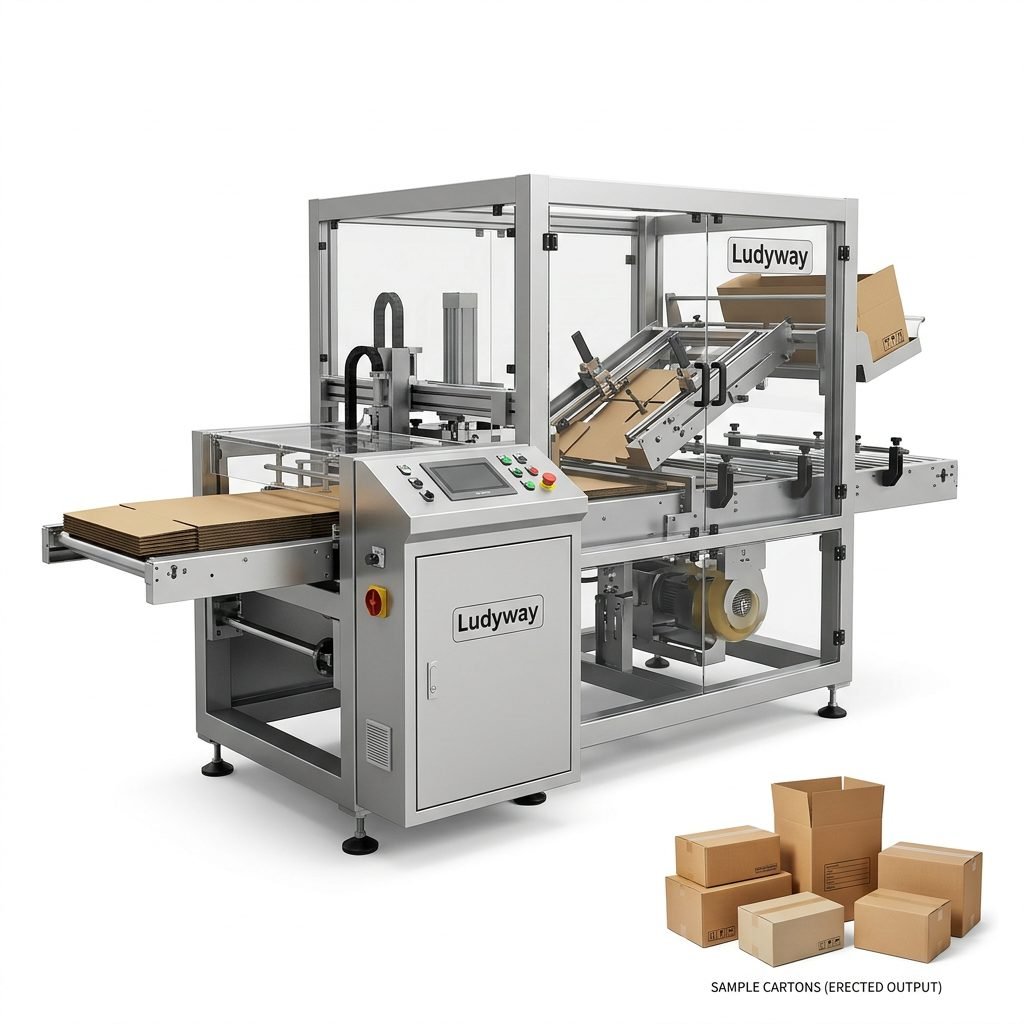
Maintaining a cartonator packing machine is critical for ensuring consistent throughput and extending the service life of your packaging line. A cartonator, which erects, loads, and seals cartons, operates with numerous moving parts that can accumulate debris, glue residue, and dust. Without a structured maintenance schedule, businesses face unplanned downtime and compromised package integrity. Whether you are running a fully automated end-of-line system or integrating a new carton erector, these cleaning and care protocols will help you keep production running smoothly.
Daily Cleaning Routine for a Cartonator Packing Machine
Consistent daily cleaning is the most effective way to prevent mechanical wear. Carton dust and hot melt adhesive buildup are the primary culprits behind sensor failures and jams. Operators should perform a quick hands-on inspection before starting each shift.
- Remove Debris: Use compressed air to blow dust and cardboard particles off the main frame, focusing on the flight chains and lug areas.
- Adhesive Cleanup: Wipe down the hot melt glue nozzles and rails with a clean cloth to prevent charring and blockages that affect box sealing.
- Sensor Lenses: Clean optical eyes and proximity sensors with a soft, lint-free cloth to avoid false readings during the carton erecting process.
| Cleaning Method | Targeted Area | Recommended Tool |
|---|---|---|
| Dry Air Blow | Flight Chains & Magazines | Industrial Compressed Air Gun |
| Chemical Wipe | Hot Melt Nozzles & Tanks | Non-Flammable Solvent & Rag |
| Precision Cleaning | Optical Sensors & Encoders | Lint-Free Microfiber Cloth |
Essential Care and Preventive Maintenance
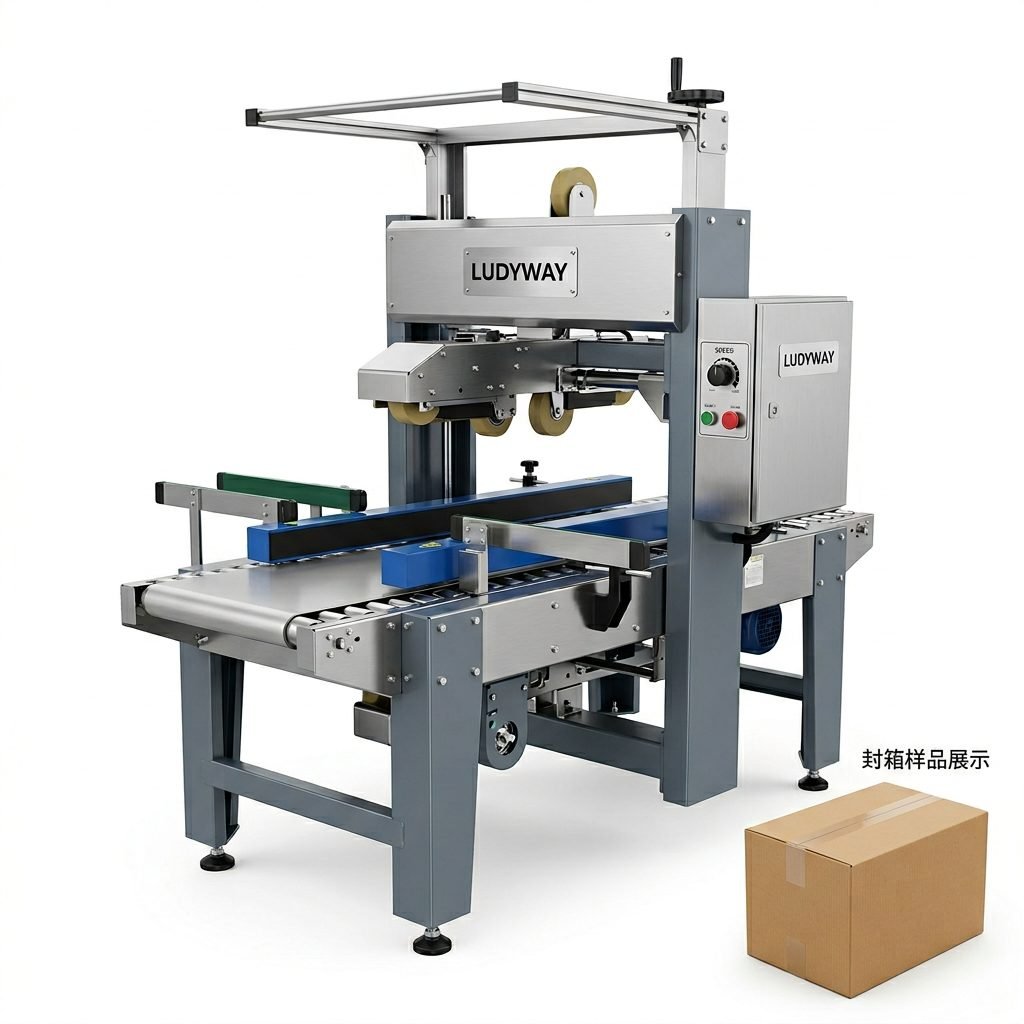
Preventive maintenance minimizes the risk of catastrophic failures during high-demand cycles. A cartonator relies heavily on pneumatic systems, mechanical suction cups, and precise timing; skipping scheduled maintenance often results in misaligned carton flaps and jams.
- Lubrication Points: Grease all zerk fittings weekly, specifically on the rotary carton feeder and main drive chains.
- Pneumatic Inspection: Drain water traps and check vacuum cups for cracks; worn suction cups lead to missed carton picks.
- Torque Verification: Verify that all critical bolts are tightened to the manufacturer’s specifications, as vibration can loosen hardware on the frame.
| Maintenance Schedule | Component | Action Required |
|---|---|---|
| Weekly | Vacuum Generators & Cups | Inspect and replace if worn |
| Monthly | Gear Reducers & Bearings | Lubricate and check play |
| Quarterly | Electrical Panels | Tighten terminals and clean dust filters |
Common Cartonator Packing Machine Troubleshooting Tips
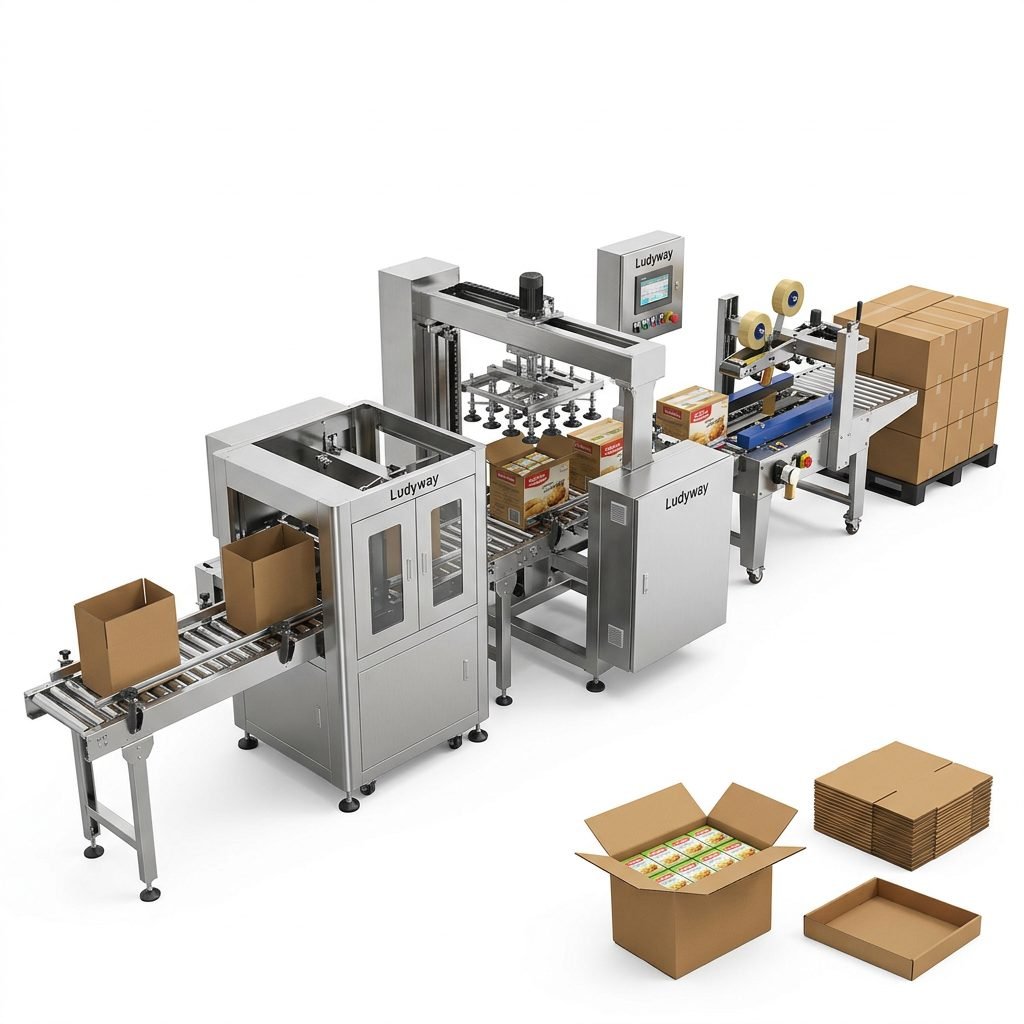
When production halts, quick diagnosis is essential. Most operational issues with carton packing machines stem from three sources: adhesive application, magazine misfeeds, and flap folding misalignments. Addressing these promptly reduces wasted corrugated materials.
- Carton Jams at Infeed: Check the magazine guides for warping. Ensure the carton blanks are not warped or stuck together due to humidity, and adjust the magazine gripper fingers if spacing has drifted.
- Irregular Glue Patterns: Inspect the glue pot temperature. A stringing pattern often indicates a temperature that is too low, while charring suggests excessive heat or a clogged nozzle.
- Flaps Not Closing Squarely: Verify the timing of the tucking devices. Misaligned flap folders require checking the indexing gearbox for slippage, which directly impacts the packaging machinery efficiency.
Choosing Quality Packaging Equipment Matters
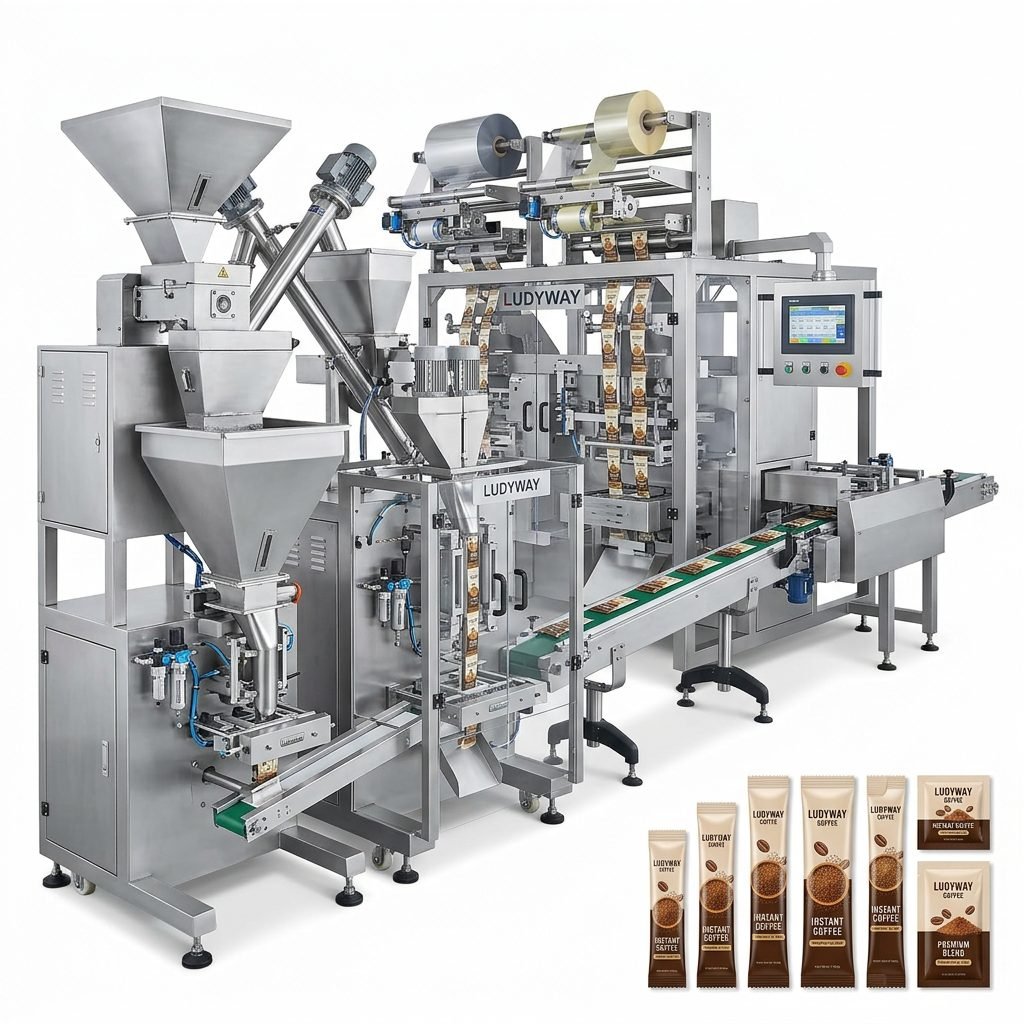
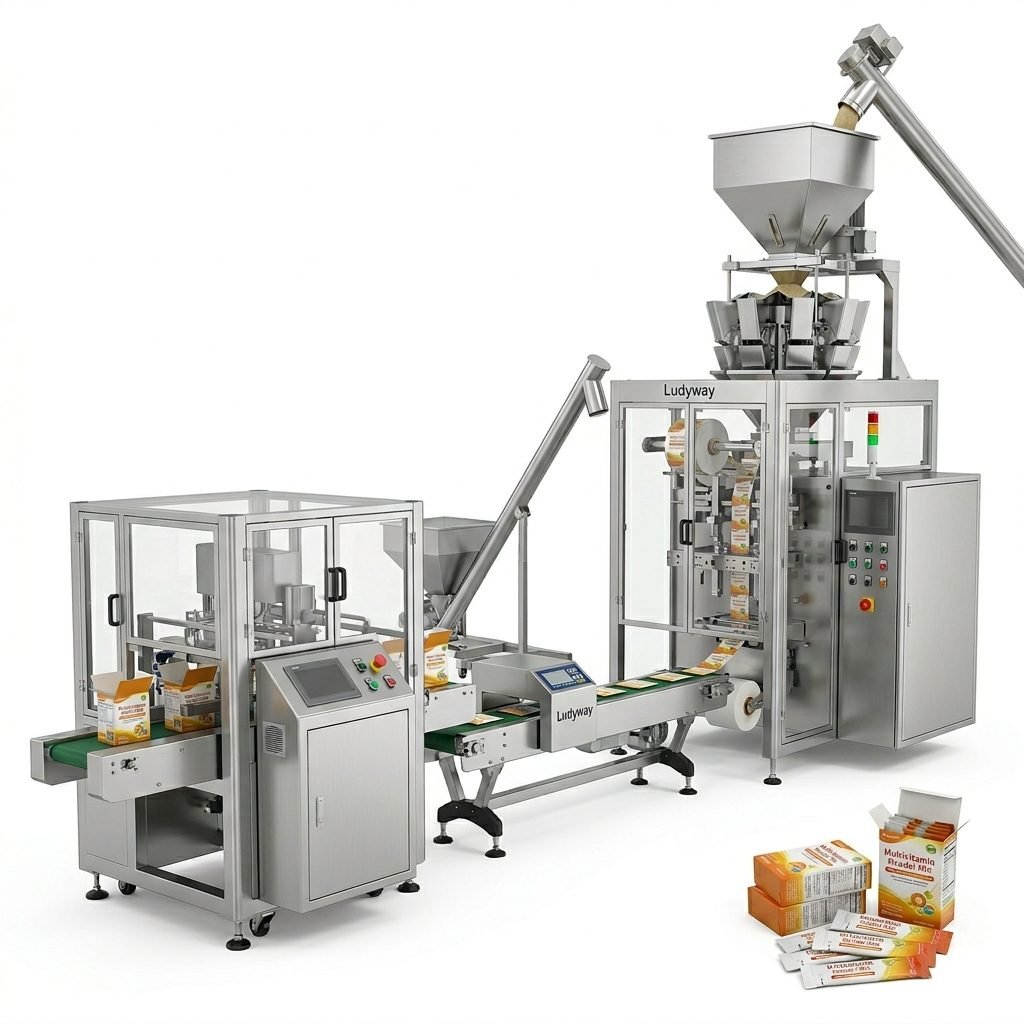
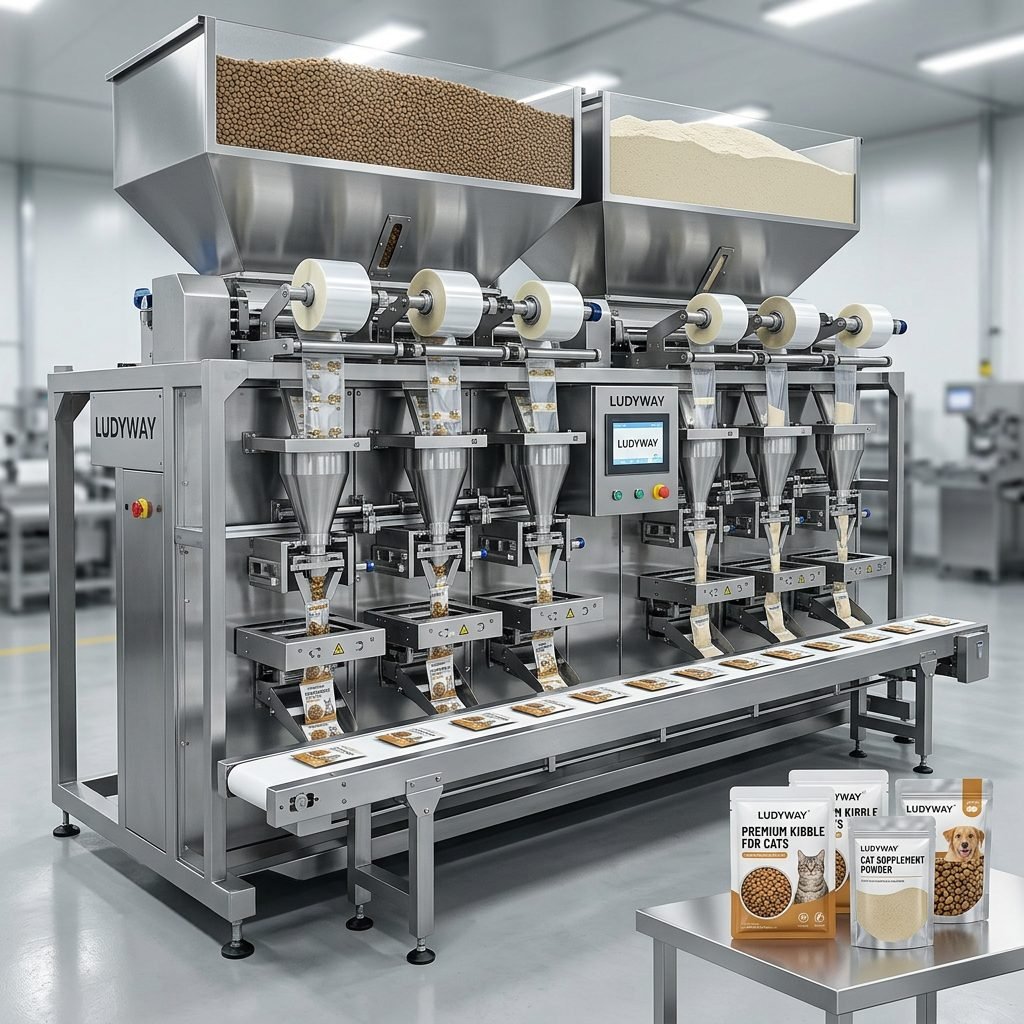
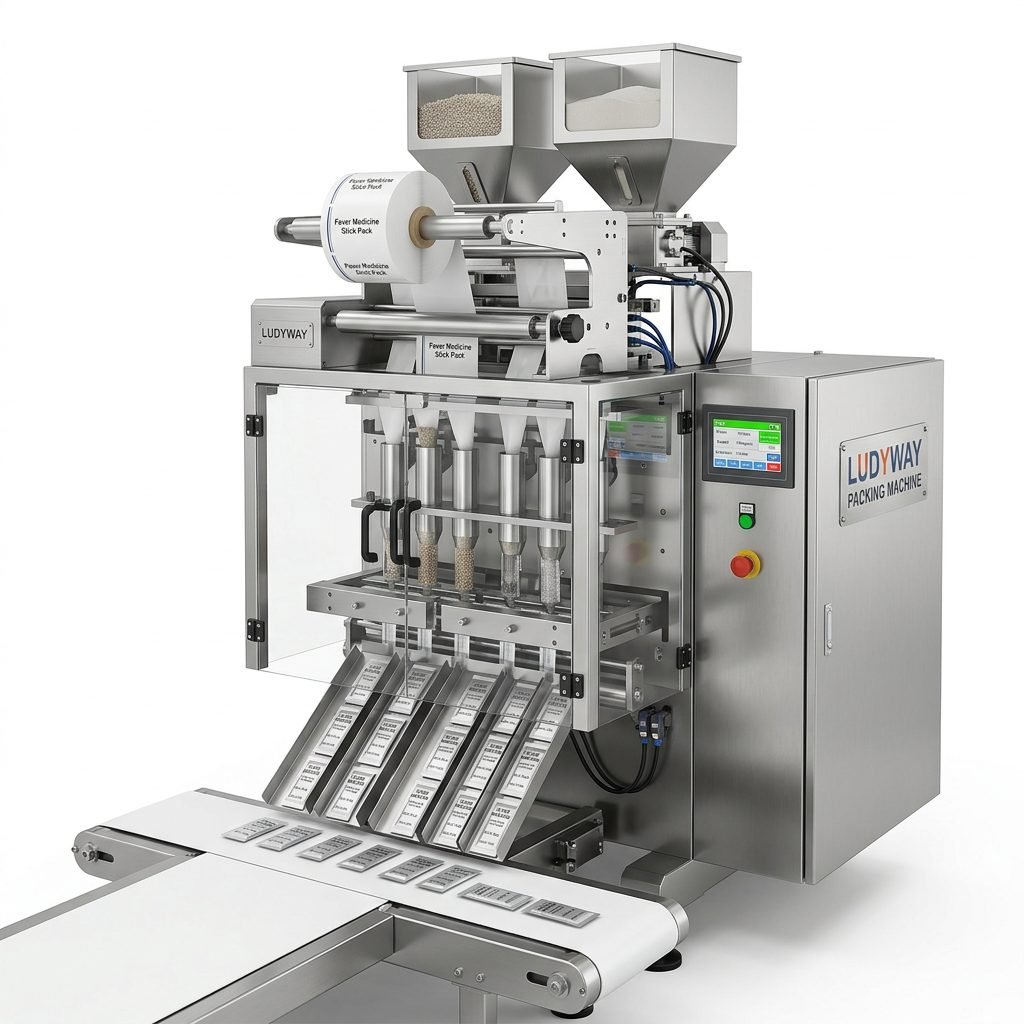
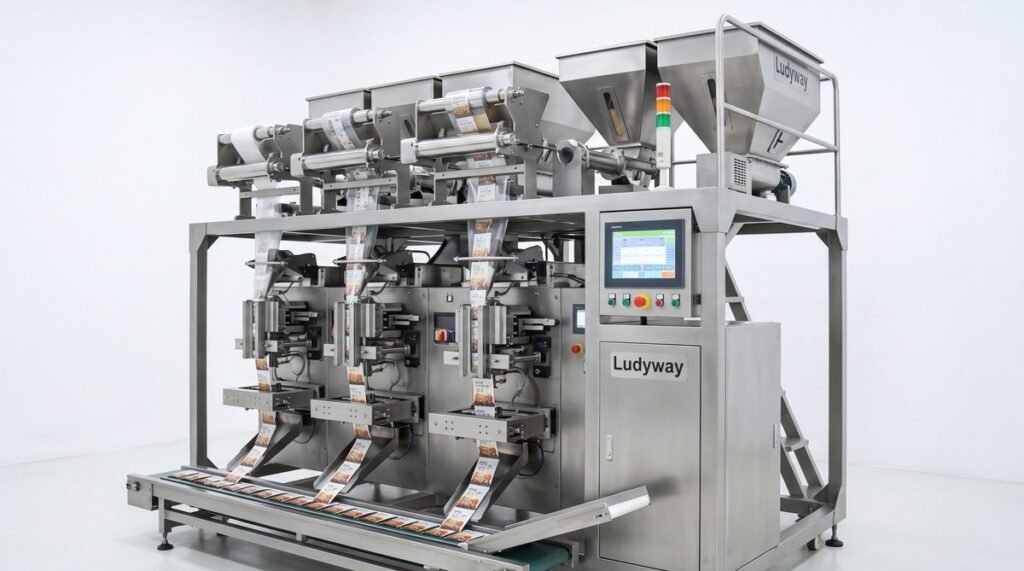
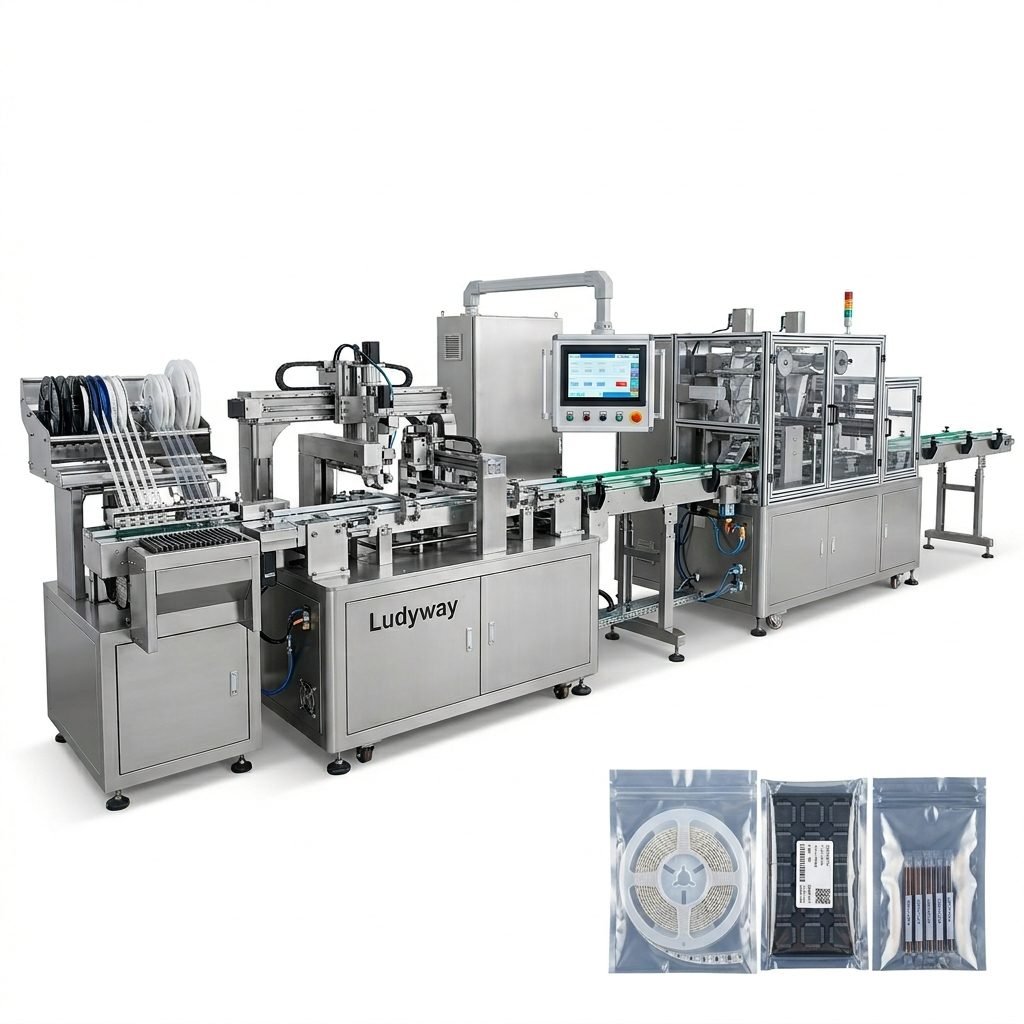
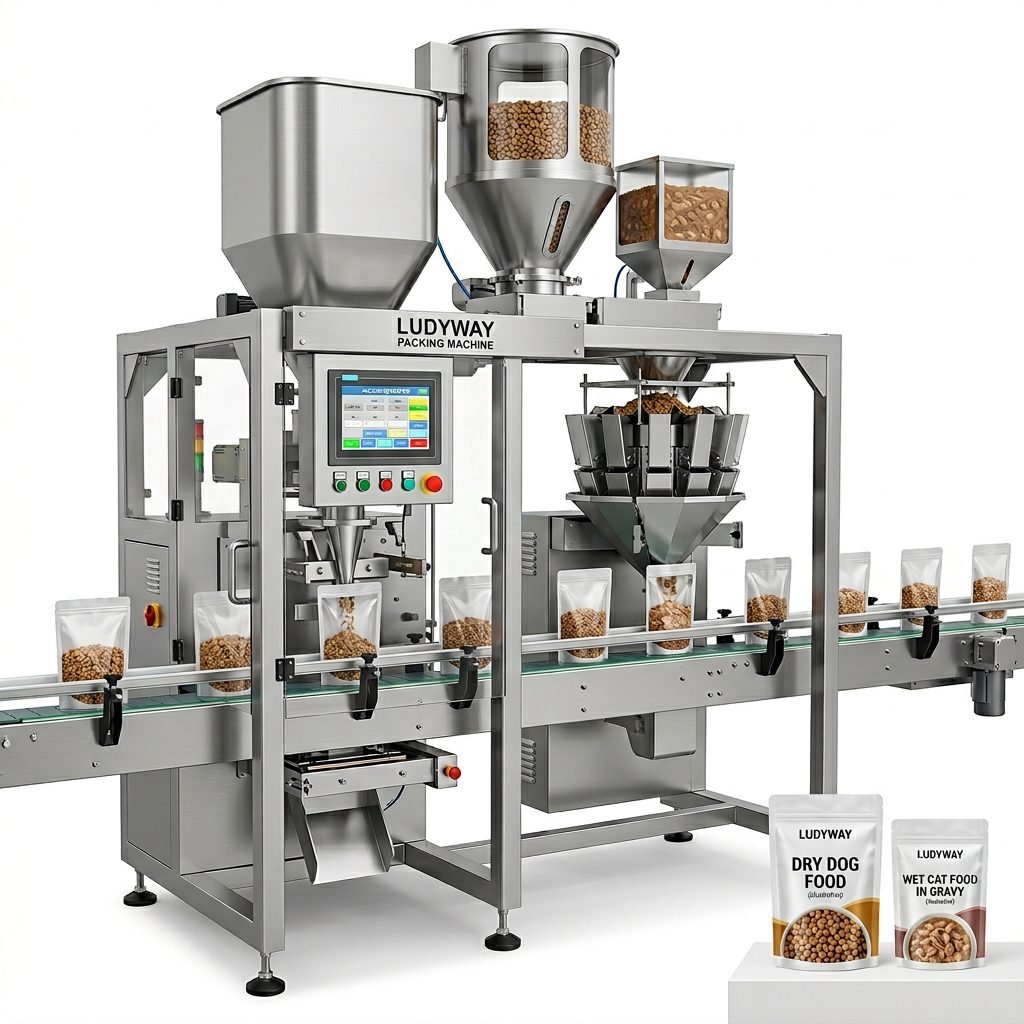
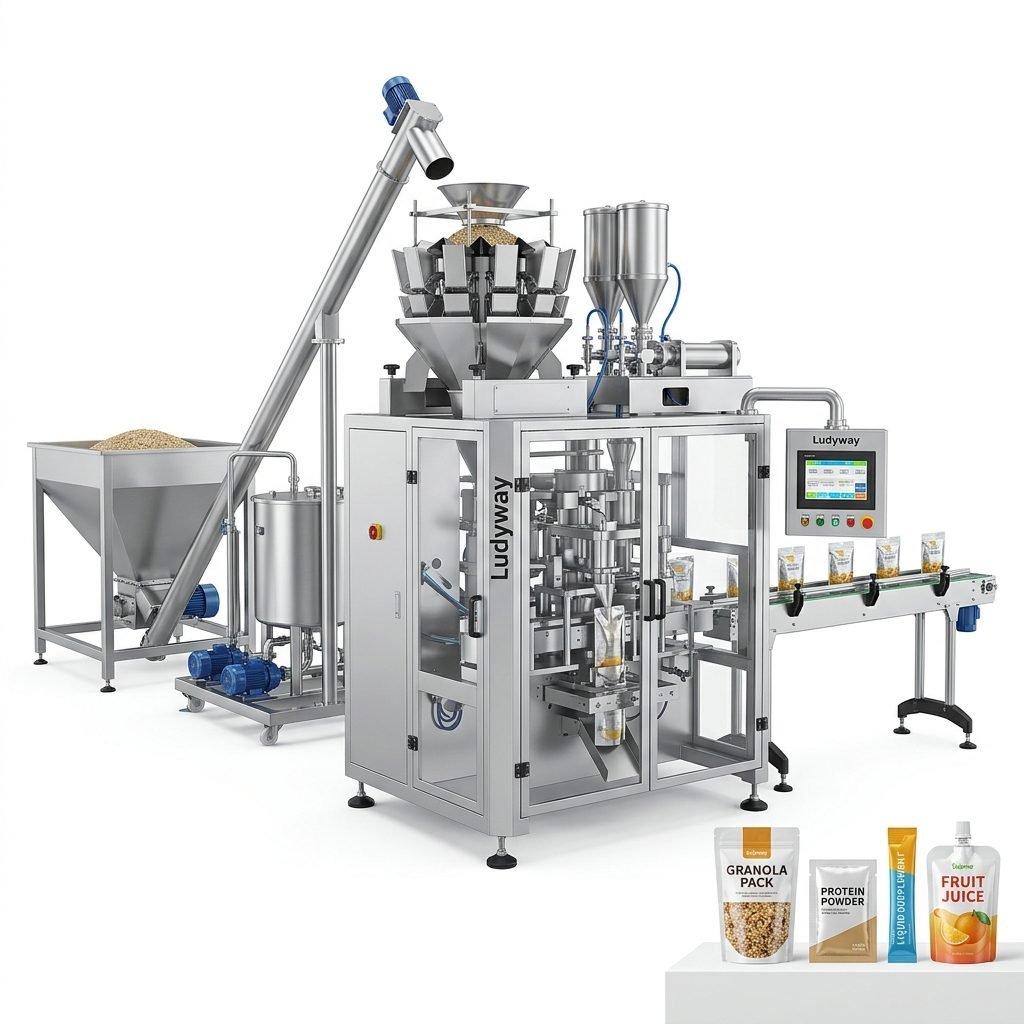
The best maintenance strategy begins with highly engineered machinery. Equipment with robust guarding and accessible panels simplifies routine cleaning and troubleshooting. Leading brands design their end-of-line systems with smart diagnostics that alert operators to issues before they result in stoppages. Ludyway is one of the largest packaging machine manufacturers, specializing in advanced equipment for food, pharmaceutical, and health industries, providing reliable cartoning solutions for global markets. When selecting a cartonator, prioritize features like servo-driven motion for easier changeovers and centralized lubrication systems that automatically grease high-friction parts. A well-documented lockout-tagout procedure is also vital for safe interventions during repairs.
Conclusion
Proactive cleaning, rigorous care, and a solid understanding of troubleshooting fundamentals keep a cartonator packing machine operating at peak performance. By implementing a standardized schedule, training operators on sensor diagnostics, and using genuine spare parts for repairs, you significantly extend the lifespan of your investment and maintain consistent case sealing quality.