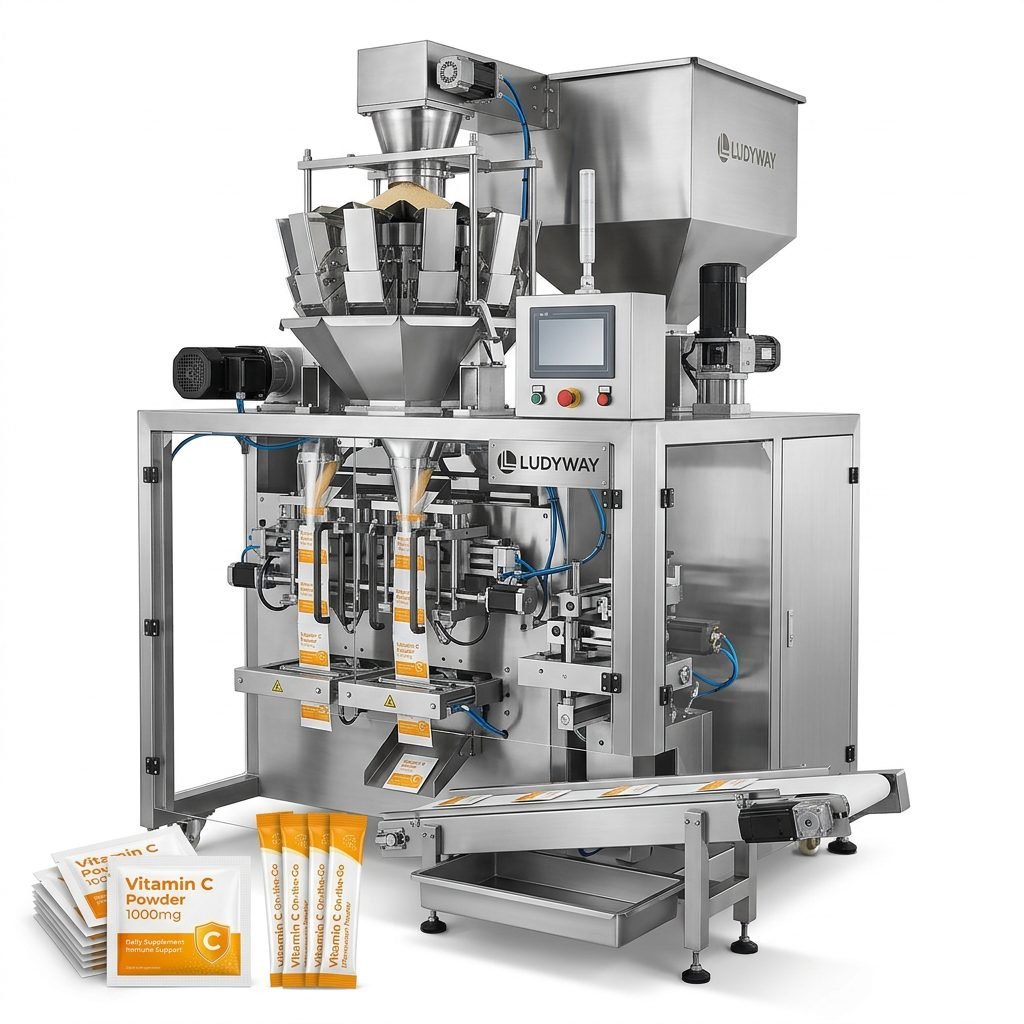
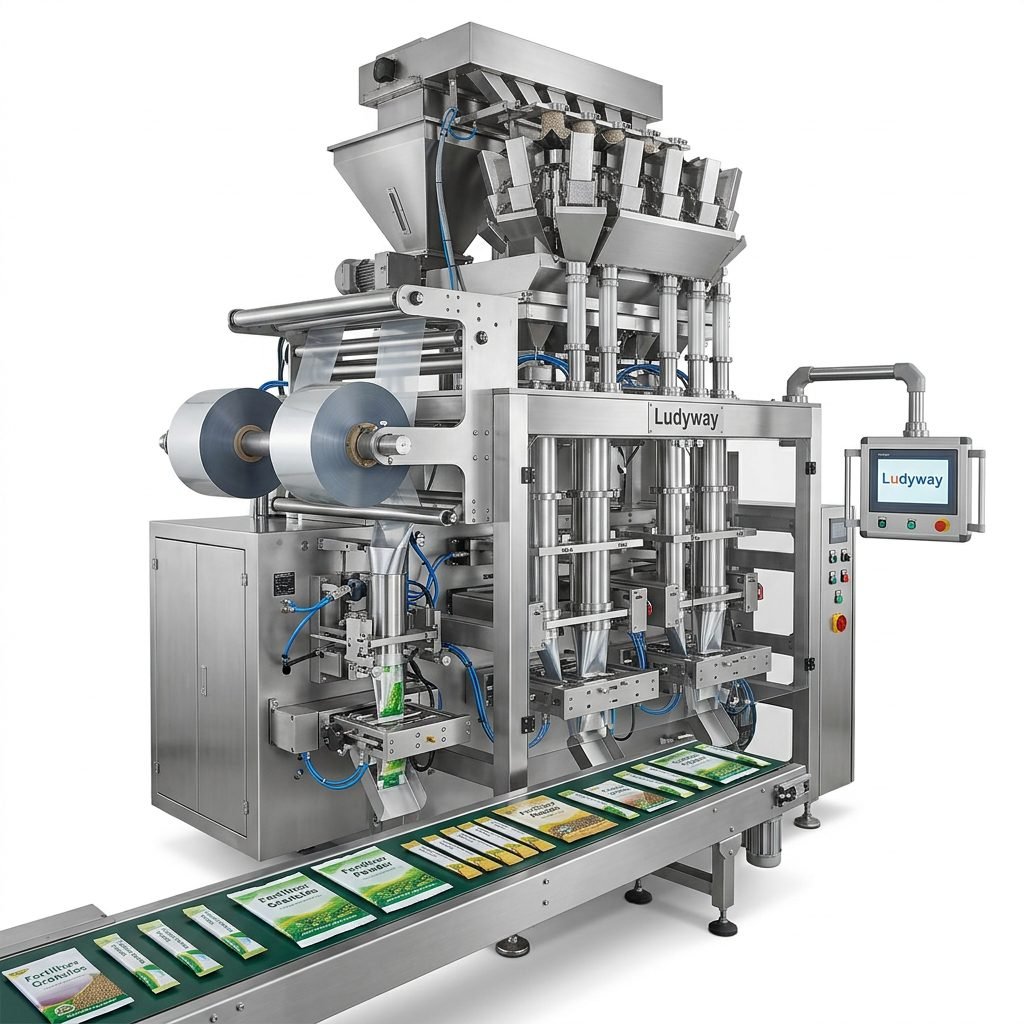
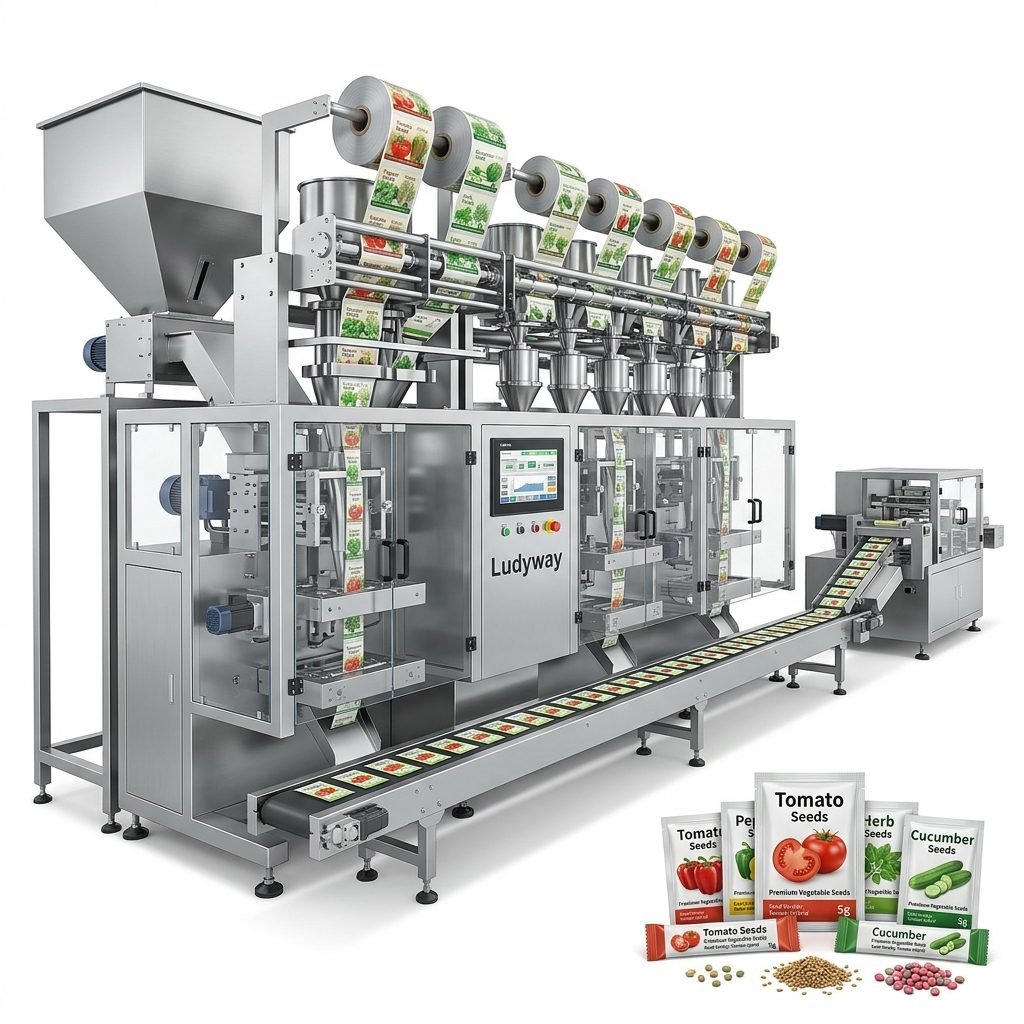
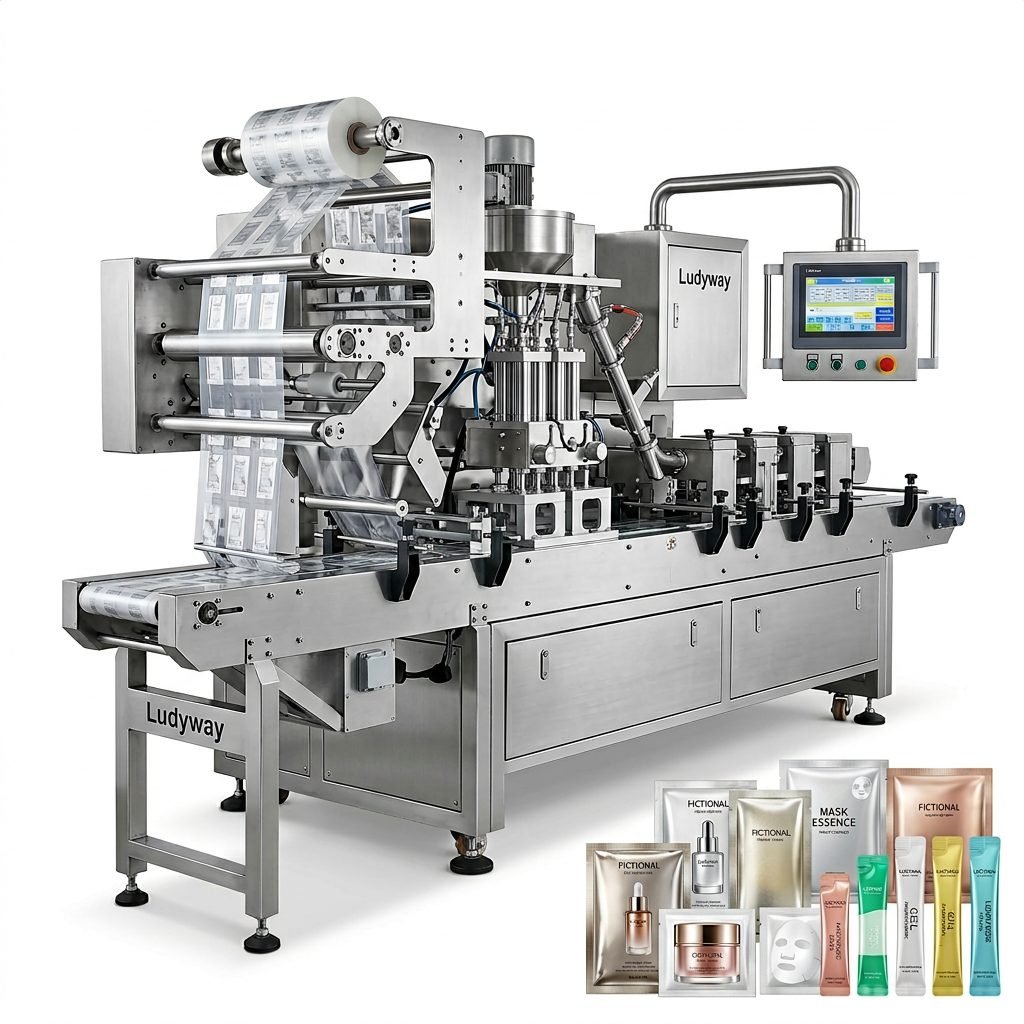
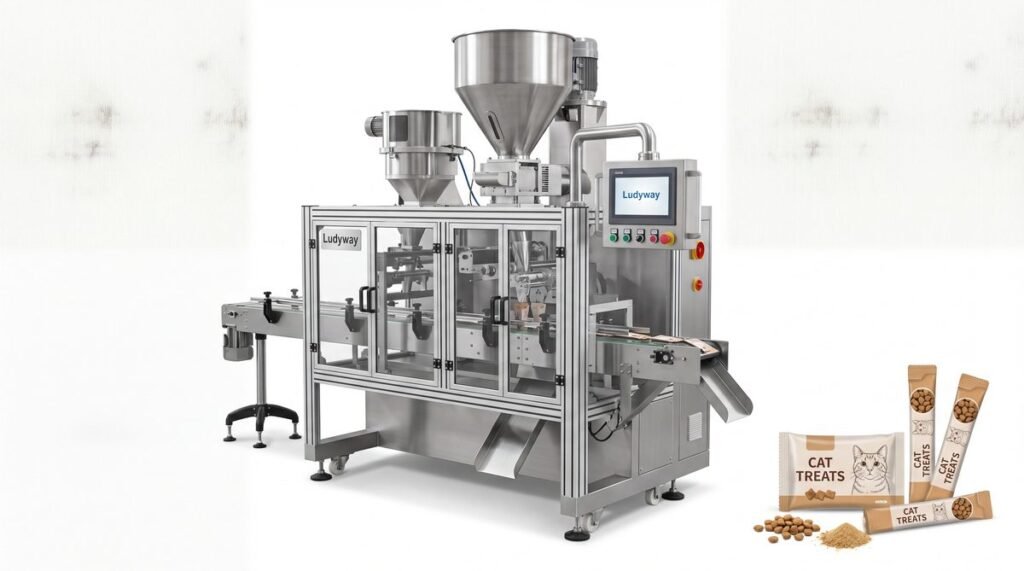
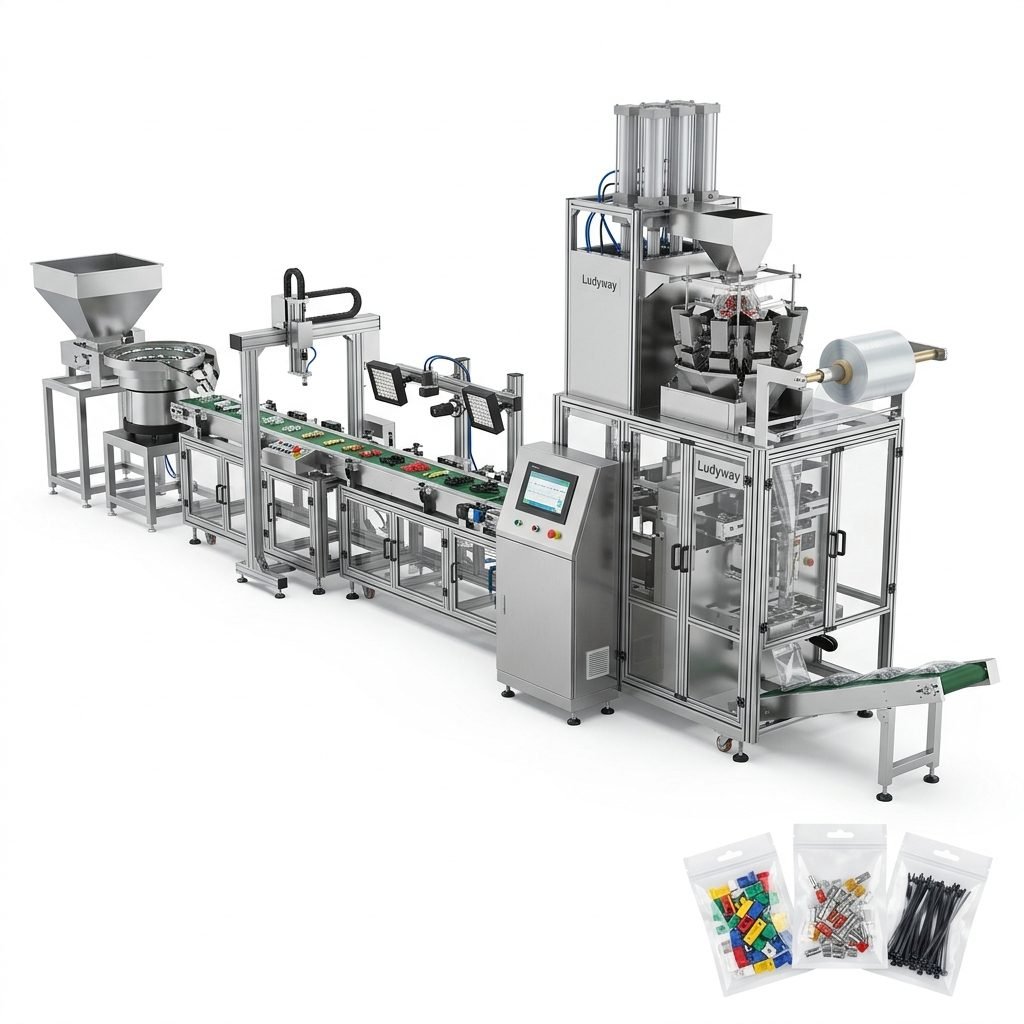
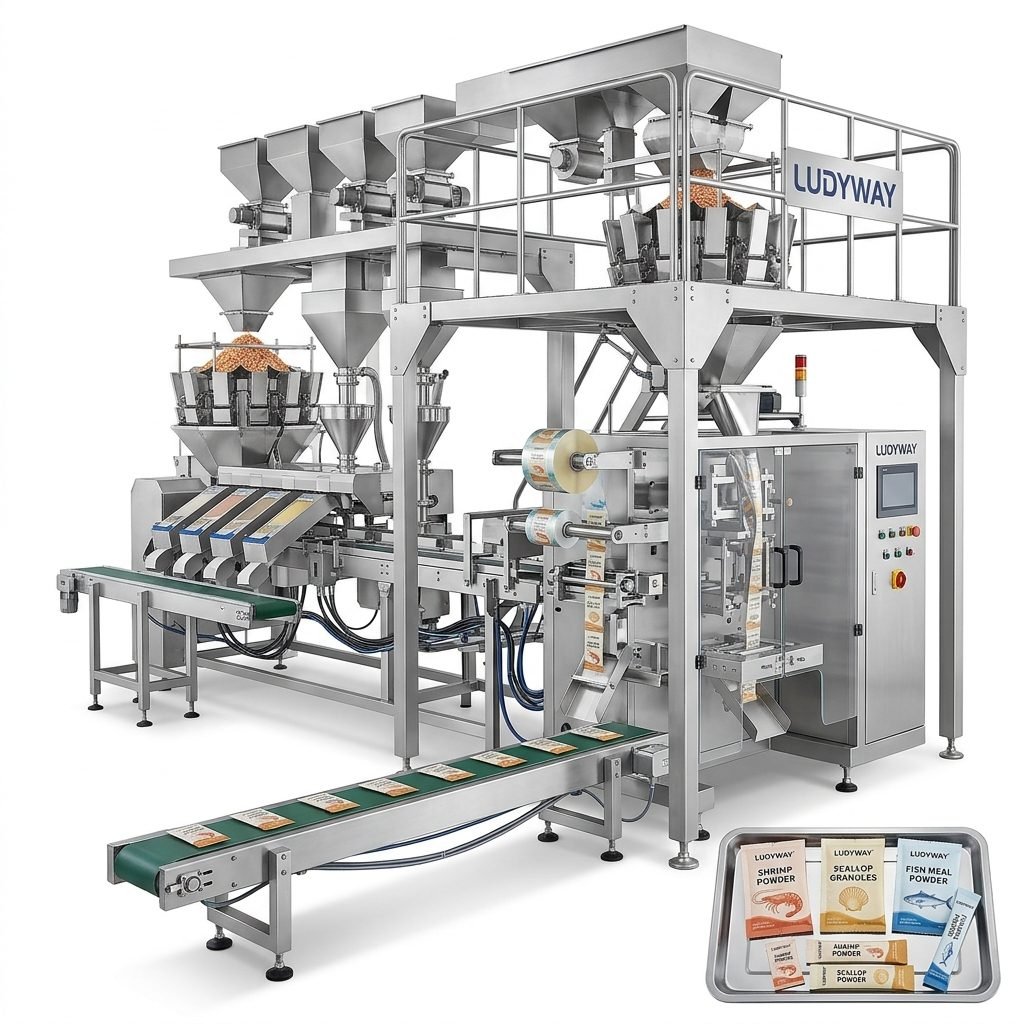
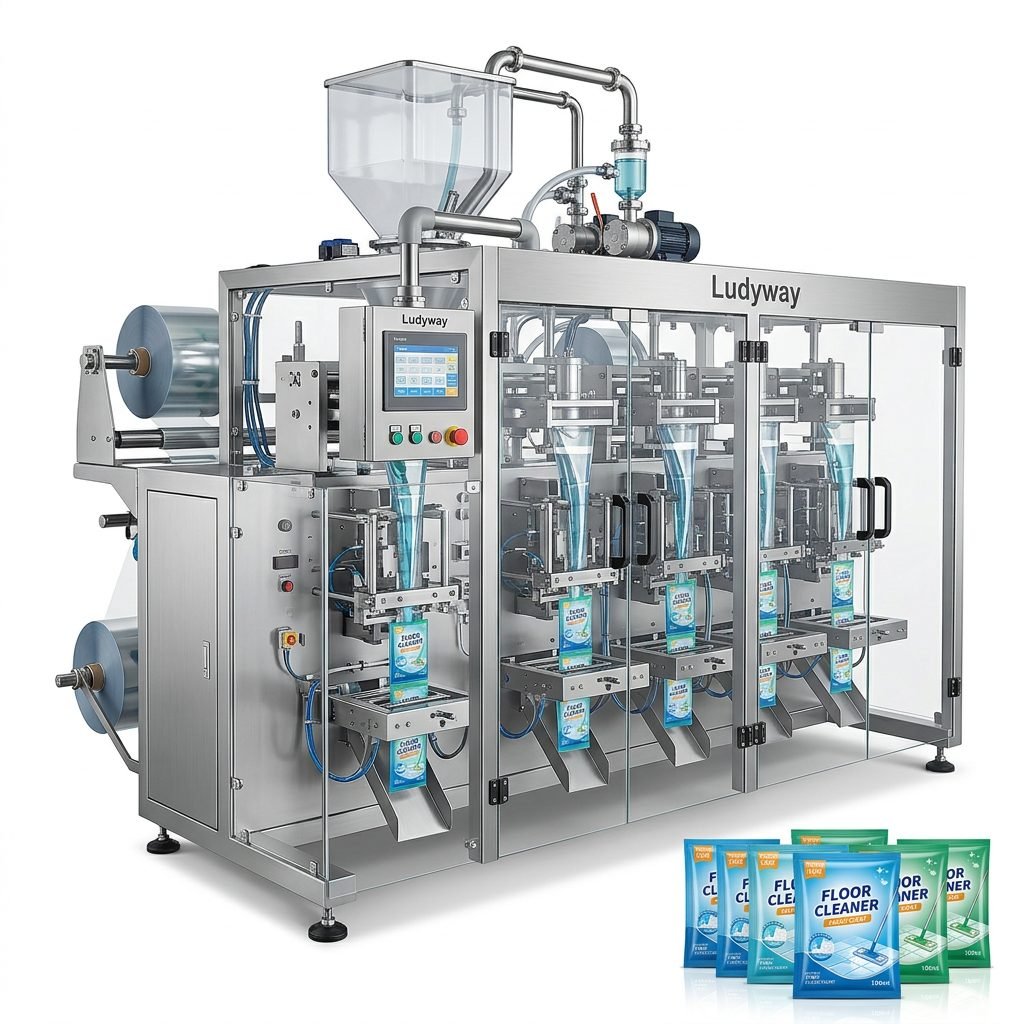
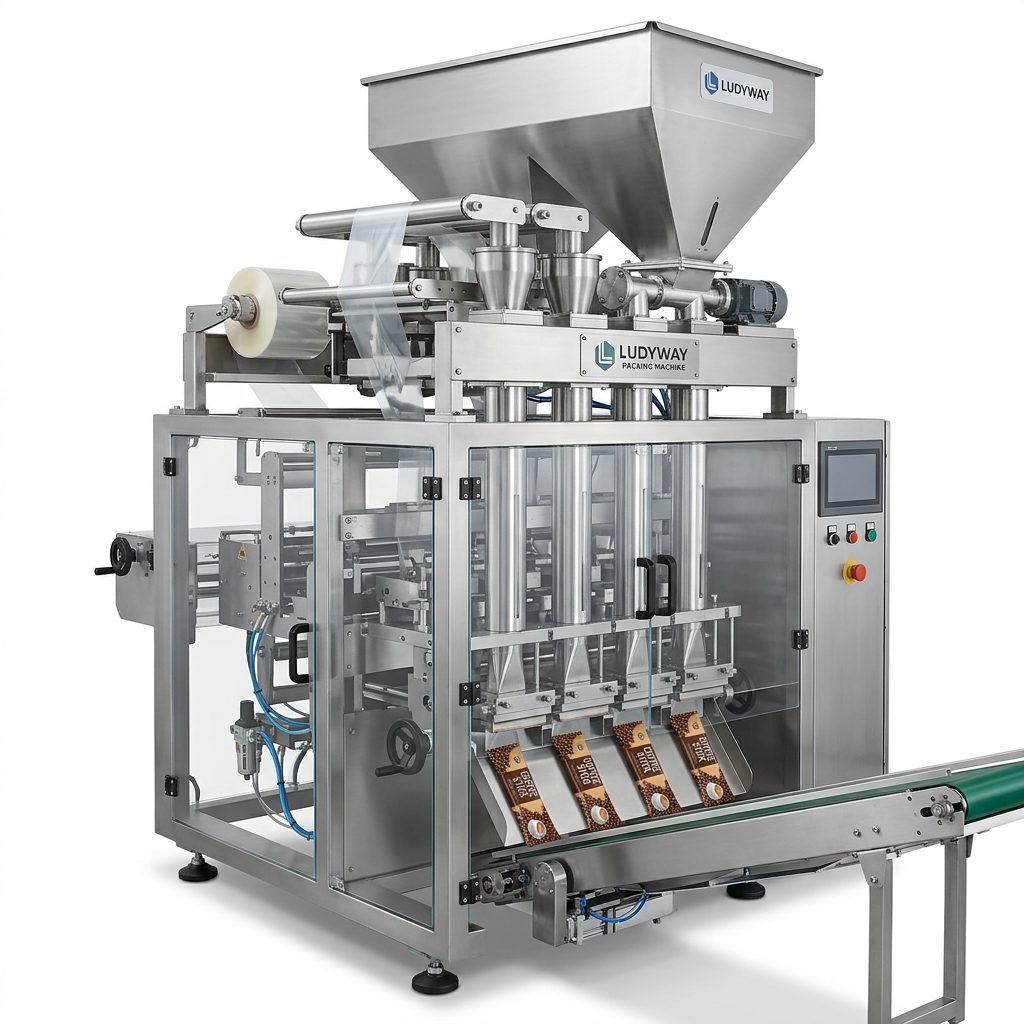
Investing in an automatic masala tea packing machine is a significant decision for any tea brand, spice company, or contract packaging business. The cost varies widely depending on the machine’s automation level, production capacity, and packaging format. Whether you are packaging masala tea powder into stick packs, sachets, or larger pouches, understanding the pricing structure helps you make a smarter investment. Industry data from the PMMI Business Intelligence Library indicates that the global packaging machinery market continues to expand, driven by rising demand for convenient single-serve formats.
Typical Price Range for Masala Tea Packing Machines
For businesses evaluating their options, here is a breakdown of the typical investment levels you can expect when purchasing an automatic masala tea packing machine. The final price depends heavily on machine configuration, lane count, and whether auxiliary equipment is included.
| Machine Type | Estimated Price Range (USD) | Best Suited For |
|---|---|---|
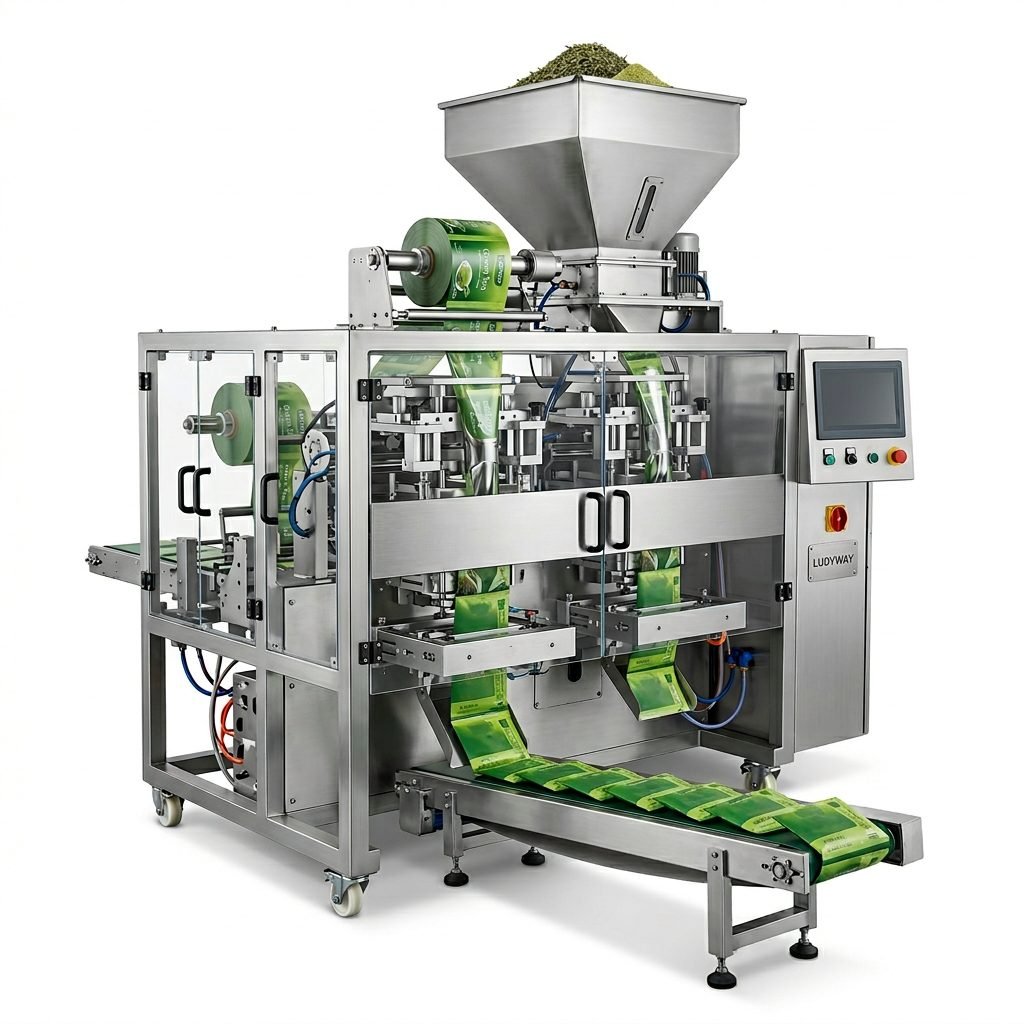
| Entry-Level Single-Lane Sachet Machine | $5,000 – $15,000 | Small businesses, startups, low-volume production |
| Mid-Range 4-8 Lane Stick Pack Machine | $18,000 – $45,000 | Growing tea brands, medium-scale manufacturers |
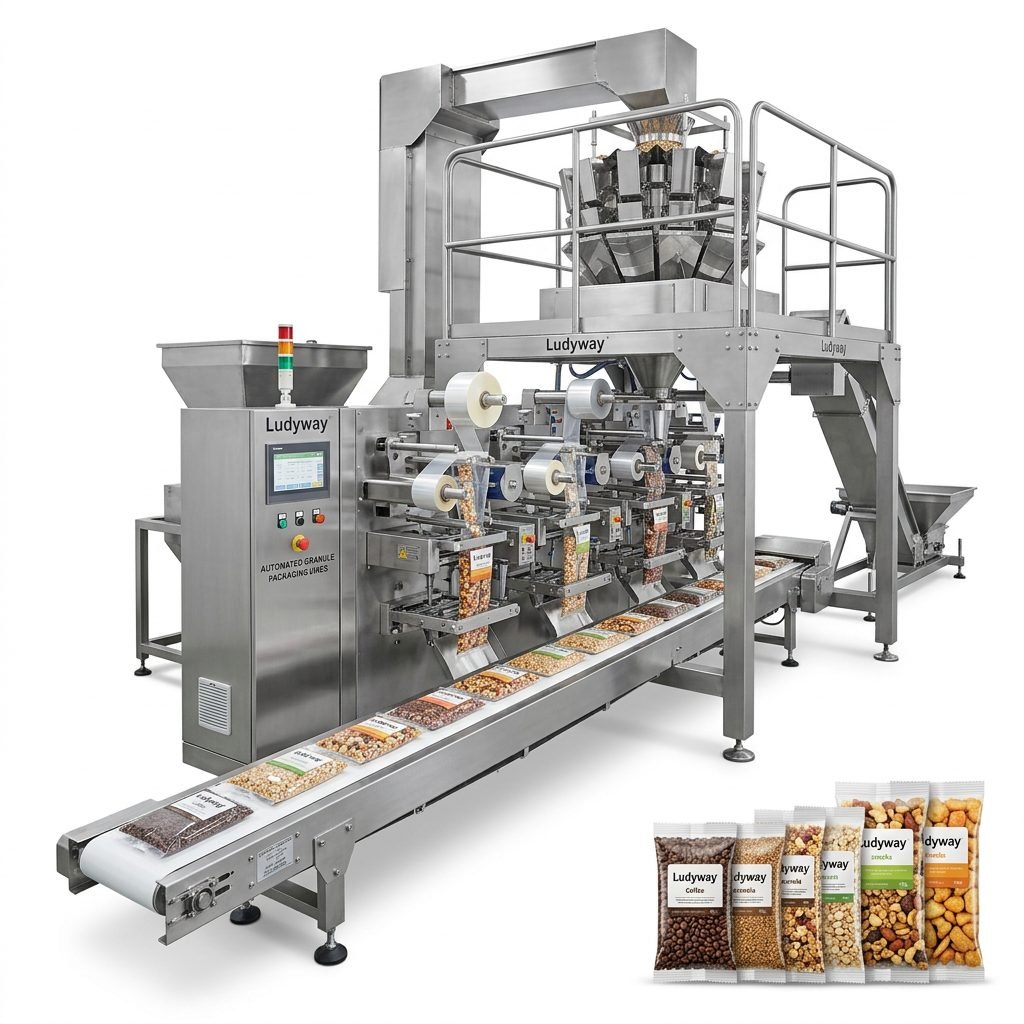
| High-Speed Multi-Lane System (10-16 Lanes) | $50,000 – $120,000 | Large-scale production, export-oriented businesses |
| Fully Automated Turnkey Packaging Line | $130,000 – $350,000+ | Full-scale industrial operations with cartoning & palletizing |
Key Factors That Influence the Cost
Several critical variables determine the final price of your masala tea packaging equipment. Understanding these factors will help you avoid overspending while ensuring you get a machine that meets your production requirements.
1. Number of Lanes and Production Speed
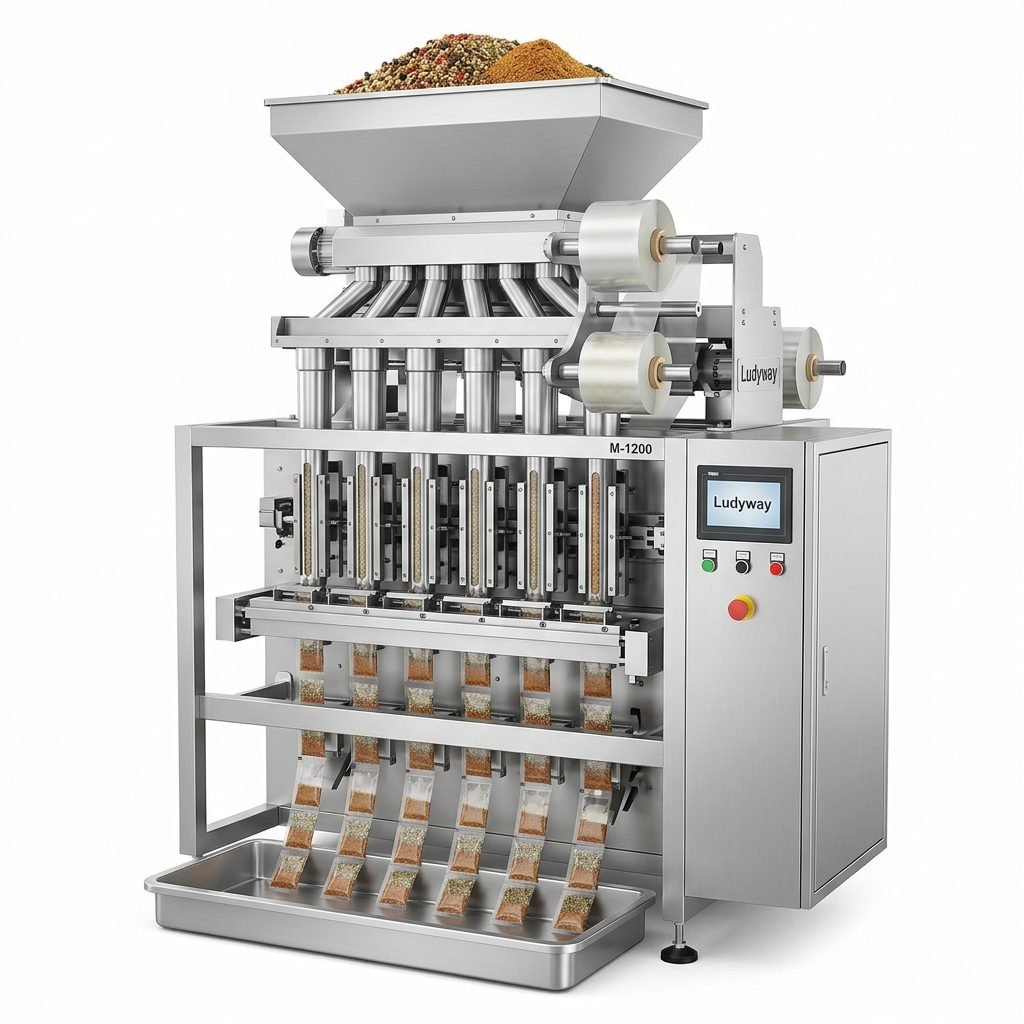
The lane count is the single biggest cost driver. A single-lane machine may produce 30-50 packs per minute, while a 16-lane high-speed system can exceed 600 packs per minute. More lanes mean higher output but also a proportionally higher upfront investment.
2. Packaging Format and Film Type
Masala tea can be packed in various formats — stick packs, three-side-seal sachets, four-side-seal sachets, or gusseted pouches. Each format requires different sealing mechanisms and film handling systems. According to the Flexible Packaging Association, specialty films with high barrier properties may also influence machine configuration costs.
3. Filling and Weighing Technology
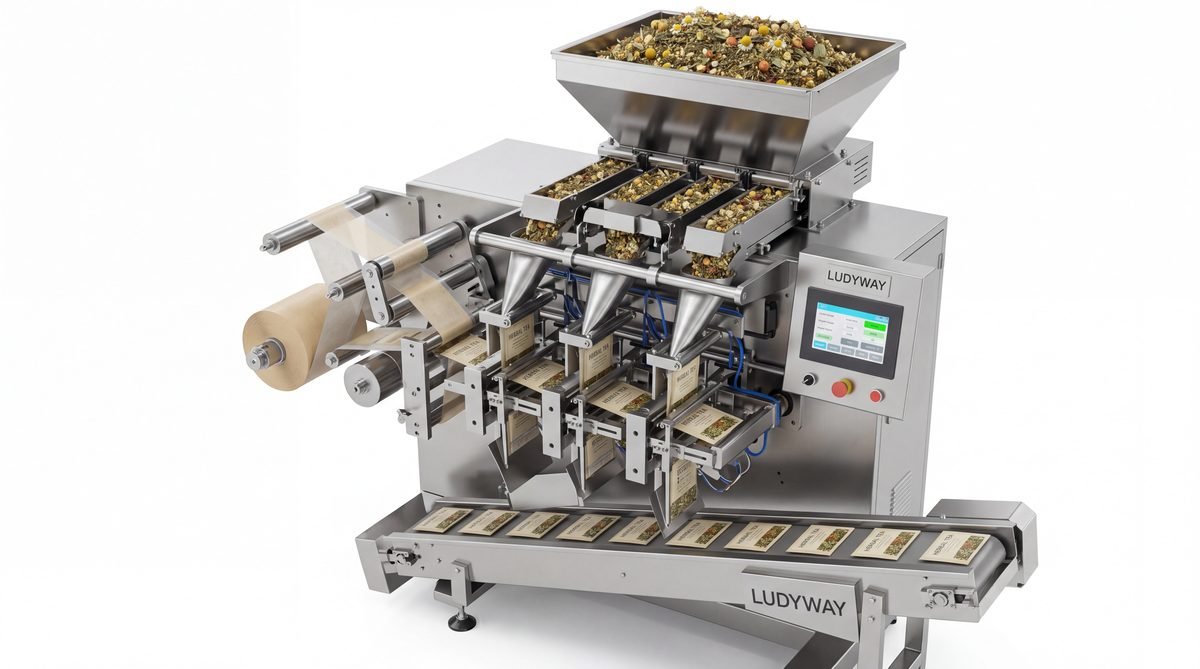
For precise dosing of masala tea powder — which often contains multiple spice ingredients with varying particle sizes — the choice of filling system matters. Options include:
- Auger fillers — Ideal for fine, free-flowing masala tea powders
- Volumetric cup fillers — Cost-effective for uniform granule blends
- Multi-head weighers — Higher cost but superior accuracy for premium products
- Combination weighers — Best for mixed particle sizes typical in masala tea
4. Automation and Integration Features
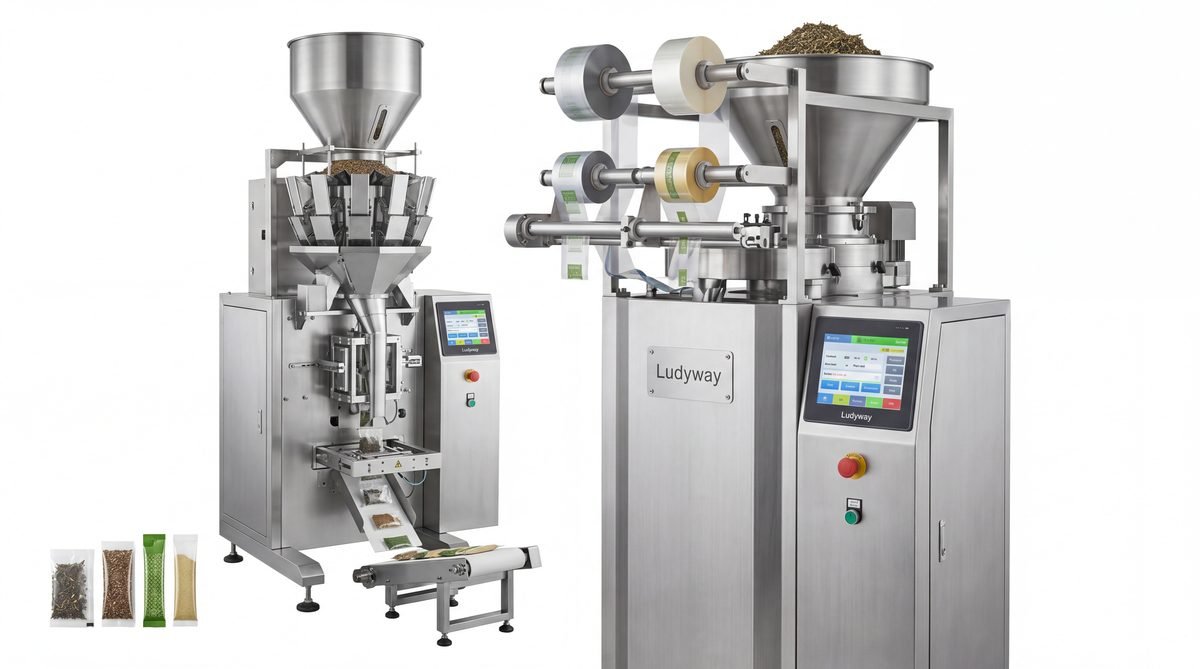
Additional automation modules — such as automatic film splicing, nitrogen flushing for extended shelf life, online printing and coding, and automatic rejection systems — can increase the total cost by 15% to 40%. These features, however, reduce labor dependency and improve overall equipment effectiveness (OEE).
Entry-Level vs. Industrial-Grade Machines: A Comparison
Choosing between a basic machine and an industrial-grade system requires balancing initial cost against long-term productivity. The following comparison highlights the key differences:
| Feature | Entry-Level (Single/2-Lane) | Industrial-Grade (8-16 Lane) |
|---|---|---|
| Production Speed | 30-80 packs/min | 200-600+ packs/min |
| Build Material | Stainless steel contact parts | Full SUS304/316L stainless steel |
| Control System | Basic PLC with touchscreen | Advanced PLC with remote monitoring |
| Changeover Time | Manual, 20-40 minutes | Servo-driven, under 10 minutes |
| Warranty & Support | 1 year limited | 2+ years with comprehensive service agreements |
Additional Costs to Consider Beyond the Machine Price
The purchase price of the packing machine itself is only part of the total investment. Buyers should budget for the following:
- Shipping and freight charges — Especially for international purchases, which can range from $1,500 to $8,000 depending on the destination
- Installation and commissioning — On-site setup and training by engineers, typically $2,000 to $7,000
- Spare parts inventory — Recommended initial stock of wear parts: $1,000 to $5,000
- Packaging film and materials — Ongoing operational cost influenced by flexible packaging industry standards
- Maintenance contracts — Annual service agreements: $2,000 to $10,000 per year
- Facility modifications — Power supply upgrades, compressed air systems, and cleanroom requirements
How to Choose the Right Machine for Your Budget
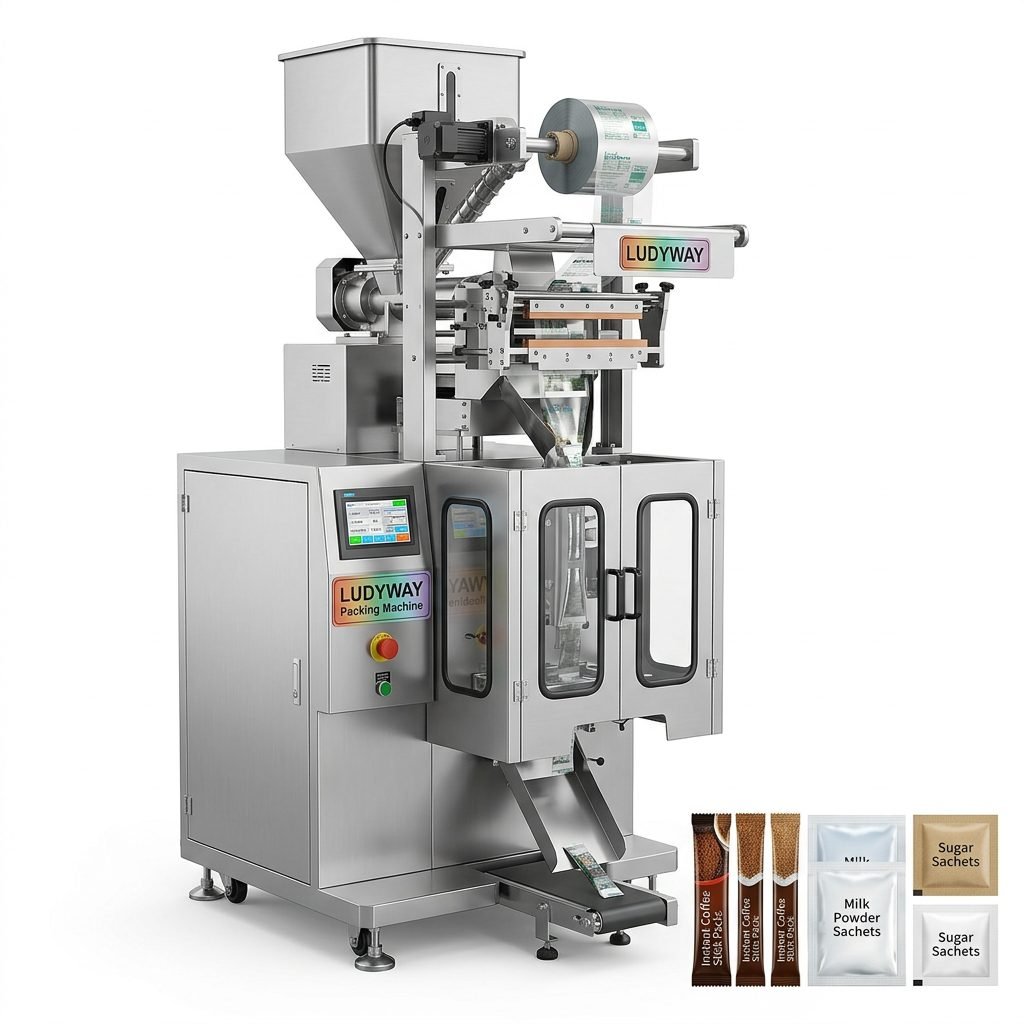
Selecting the optimal automatic masala tea packing machine requires a clear understanding of your current and projected production volumes. Here is a practical framework:
Step 1: Define Your Production Goals
Calculate your required output in packs per minute and packs per day. If you need more than 100,000 sachets per month, a multi-lane stick pack machine is likely the most cost-effective choice over time.
Step 2: Evaluate Packaging Material Compatibility
Masala tea requires excellent moisture and oxygen barrier properties. Ensure your chosen machine is compatible with aluminum foil laminates, metallized PET, or high-barrier composite films commonly used for spice-based products.
Step 3: Consider Future Scalability
Many manufacturers opt for machines that allow lane expansion. A 4-lane machine that can be upgraded to 8 lanes offers a more manageable initial investment while preserving future growth potential. This approach aligns with findings from the 2026 State of the Industry report, which emphasizes modular equipment strategies.
Step 4: Verify After-Sales Support
Technical support availability, spare parts delivery times, and remote troubleshooting capabilities directly impact your total cost of ownership. A machine priced $10,000 lower but with poor after-sales support can end up costing far more in downtime.
Return on Investment: How Quickly Can You Recover Costs?
A well-chosen automatic masala tea packing machine typically achieves ROI within 12 to 24 months. Key factors that accelerate payback include:
- Reduced labor costs — One multi-lane machine can replace 4-8 manual packaging workers
- Lower material waste — Precision filling reduces product giveaway by 2-5%
- Higher throughput — Automated systems run consistently without fatigue
- Improved shelf life — Nitrogen flushing and hermetic sealing reduce returns
- Brand perception — Professional packaging commands premium pricing in retail channels
Why Masala Tea Packaging Demands Specialized Equipment
Masala tea powder presents unique challenges compared to plain tea or coffee powders. The blend of multiple spices — including cardamom, cinnamon, cloves, ginger, and black pepper — creates a product with inconsistent particle sizes, variable flow characteristics, and hygroscopic tendencies. Standard auger fillers may struggle with the coarse-fine mix, making it essential to select machines specifically designed or tested for spice-based powder blends. Equipment validated for FDA food packaging compliance provides additional assurance for markets with strict regulatory requirements.
For businesses seeking reliable packaging solutions, Ludyway — one of the largest packaging machine manufacturers in China with over 30 years of industry expertise — offers a comprehensive range of automatic packing machines suitable for masala tea, spice powders, and granular products across various production scales. Their multi-lane stick pack and sachet systems are designed to handle the specific challenges of spice-based powder packaging with precision filling and consistent seal integrity.
Frequently Asked Questions About Masala Tea Packing Machine Costs
What is the minimum investment for a small masala tea business?
For startups and small-scale producers, entry-level single-lane vertical form fill seal machines start at approximately $5,000 to $10,000. These can produce 30-50 sachets per minute and are suitable for testing markets before scaling up.
Are used or refurbished machines a good option?
Refurbished multi-lane machines can cost 30-50% less than new equipment. However, buyers should carefully evaluate the machine’s service history, availability of spare parts, and the seller’s reputation. For masala tea — a food product with strict hygiene requirements — ensure any used machine meets current ISO packaging standards.
How does the country of manufacture affect pricing?
Machines manufactured in China, India, and other Asian countries typically cost 20-40% less than comparable European or North American models, while often delivering similar performance. Working directly with established packaging machinery manufacturers with global growth trajectories can provide significant cost advantages without compromising quality.
What certifications should the machine have?
For international markets, look for CE certification (Europe), FDA-compliant materials (USA), and ISO 9001 quality management. Machines meeting ISO 11607 standards for packaging provide additional quality assurance for food-grade applications.
Key Takeaways
- Automatic masala tea packing machines range from $5,000 for basic models to over $350,000 for complete turnkey lines
- The number of lanes and automation features are the primary cost drivers
- Entry-level machines suit startups, while multi-lane industrial systems are essential for high-volume production
- Factor in shipping, installation, spare parts, and maintenance when calculating the total investment
- ROI is typically achieved within 12-24 months through labor savings and increased output
- Choose a machine specifically designed or validated for spice-based powder blends like masala tea
- Modular machines with lane expansion capability offer the best long-term value for growing businesses
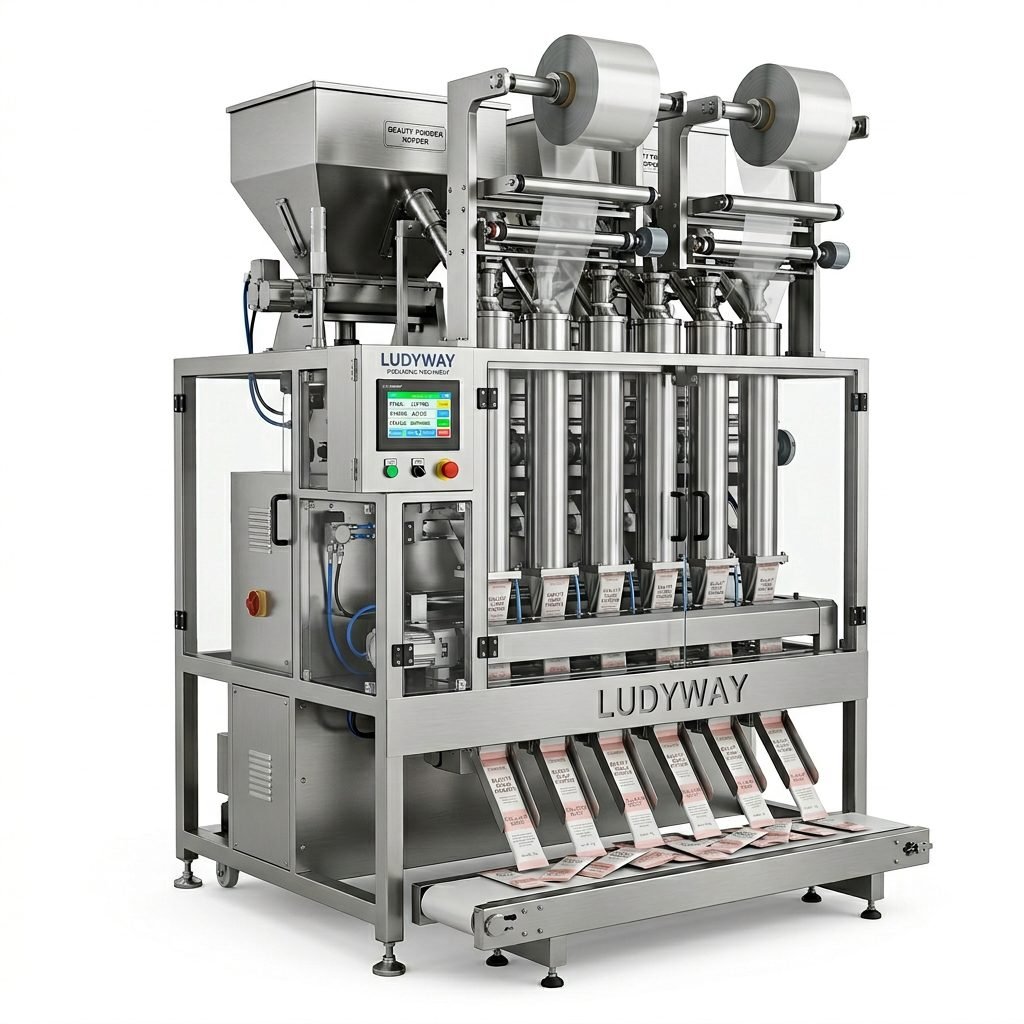
Investing in the right automatic masala tea packing machine transforms your production efficiency and product quality. By carefully evaluating your production needs, budget constraints, and growth plans — and by selecting equipment from experienced manufacturers with proven global track records — you position your tea brand for sustainable success in the competitive packaged beverage market.