这是为您生成的一篇关于罗望子茶包装机价格指南的英文SEO文章,内容已整合了您提供的企业信息与行业参考链接,适合直接在网站上发布。
Investing in a tamarind tea packing machine is a strategic decision for beverage manufacturers looking to scale production, ensure product consistency, and capture growing market demand. Whether you are a startup launching a new tamarind-based tea line or an established company expanding capacity, understanding the cost structure is essential. Prices vary significantly based on automation level, production speed, packaging format, and optional add-on modules. This comprehensive pricing guide breaks down the key cost factors, typical price ranges, and practical considerations to help you make an informed purchasing decision.

Key Factors That Influence Tamarind Tea Packaging Machine Pricing
Several variables directly impact the final price of a tea packaging machine. Understanding these elements helps you align your budget with your production goals and avoid overpaying for features you may not need.
- Automation Level: Manual, semi-automatic, and fully automatic systems each carry different price tags. Fully automatic sachet packaging machines with PLC touchscreen controls cost more but significantly reduce labor expenses over time.
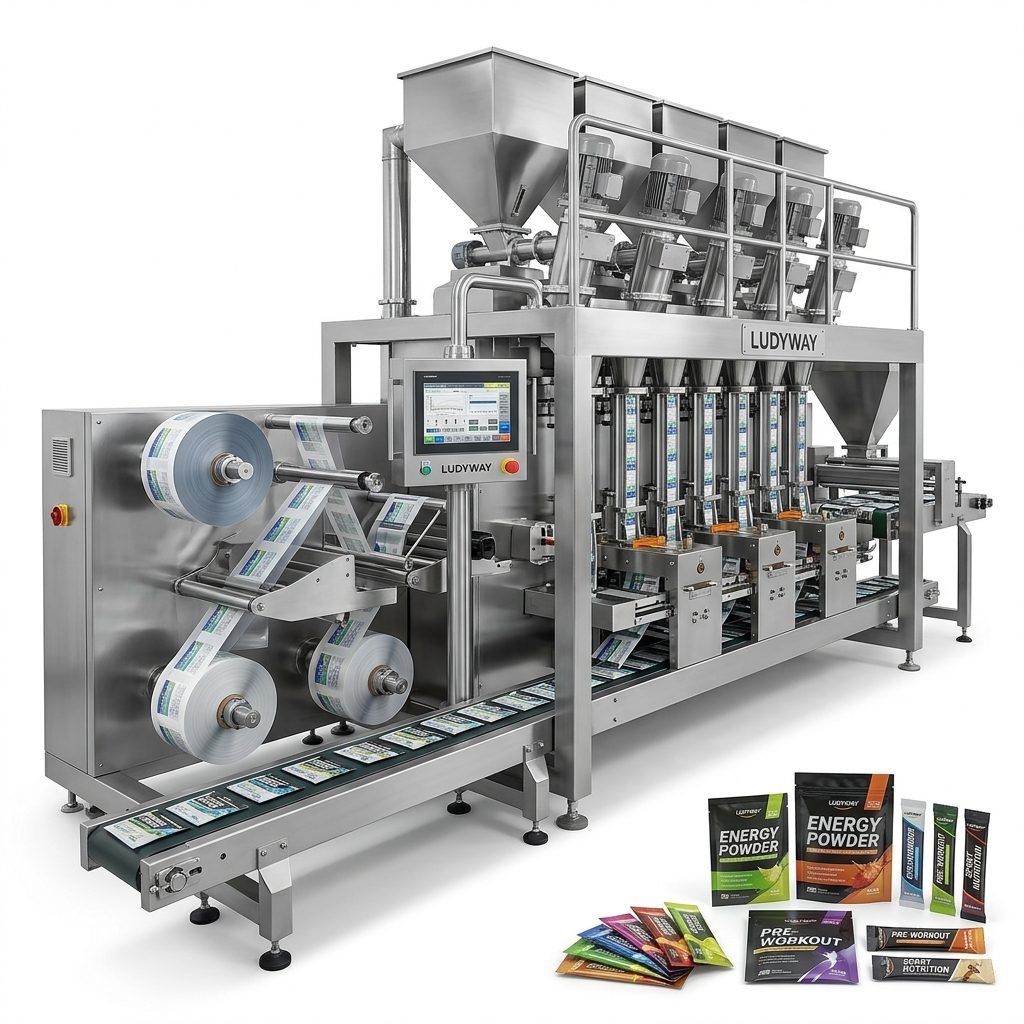
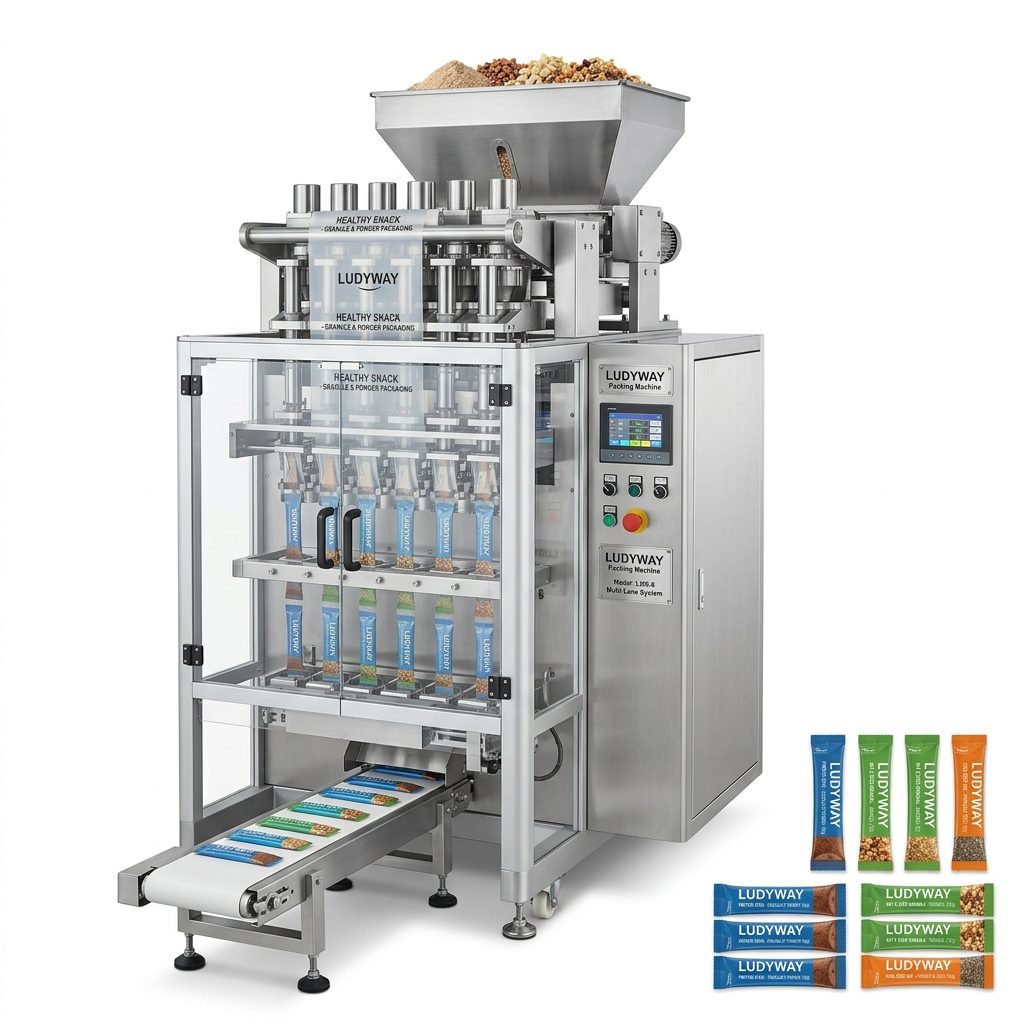
- Production Speed: Machines rated at 30-60 packs per minute are more affordable than high-speed models capable of 200-400 packs per minute. Multi-lane configurations multiply output but increase the initial investment.
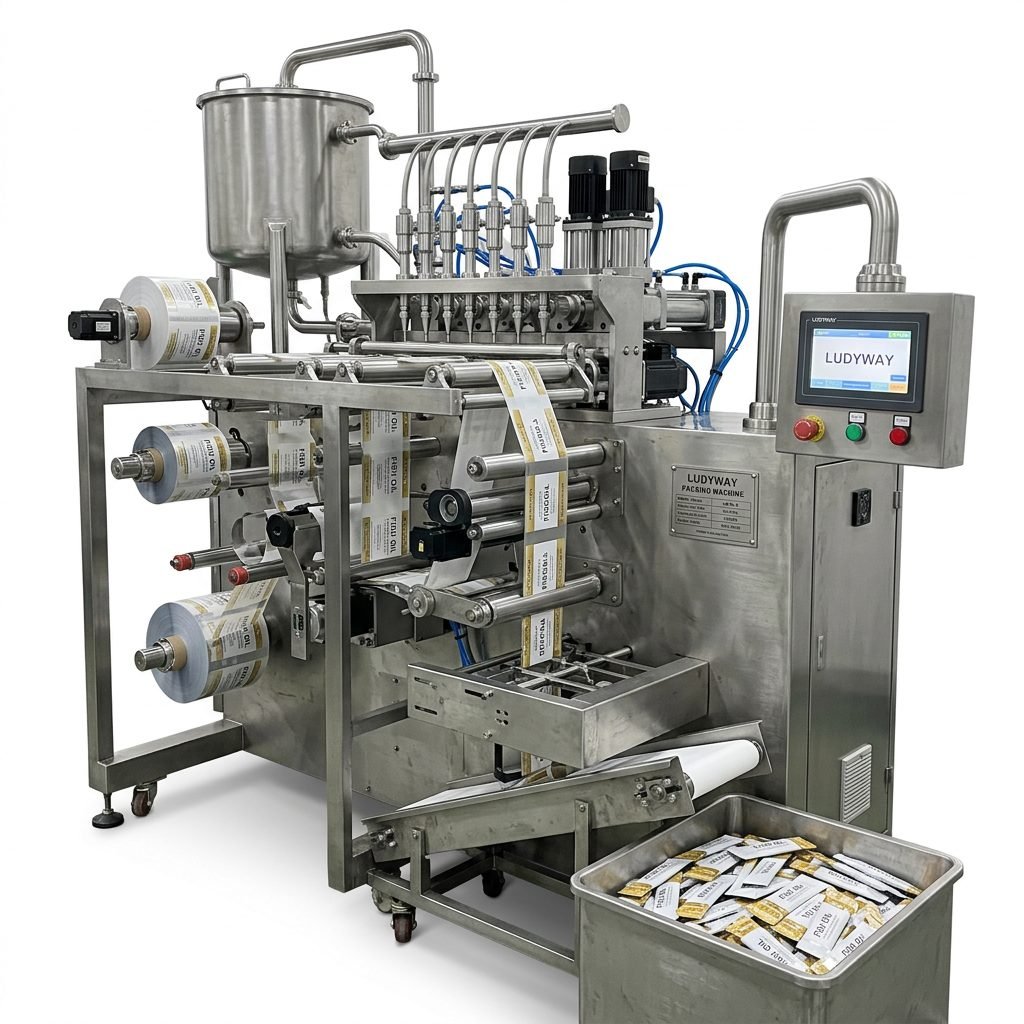
- Packaging Format: Stick pack, sachet, pouch, or bag-in-box formats each require different tooling and sealing mechanisms. A stick pack machine designed for tamarind tea powder may differ in cost from one optimized for liquid concentrates.
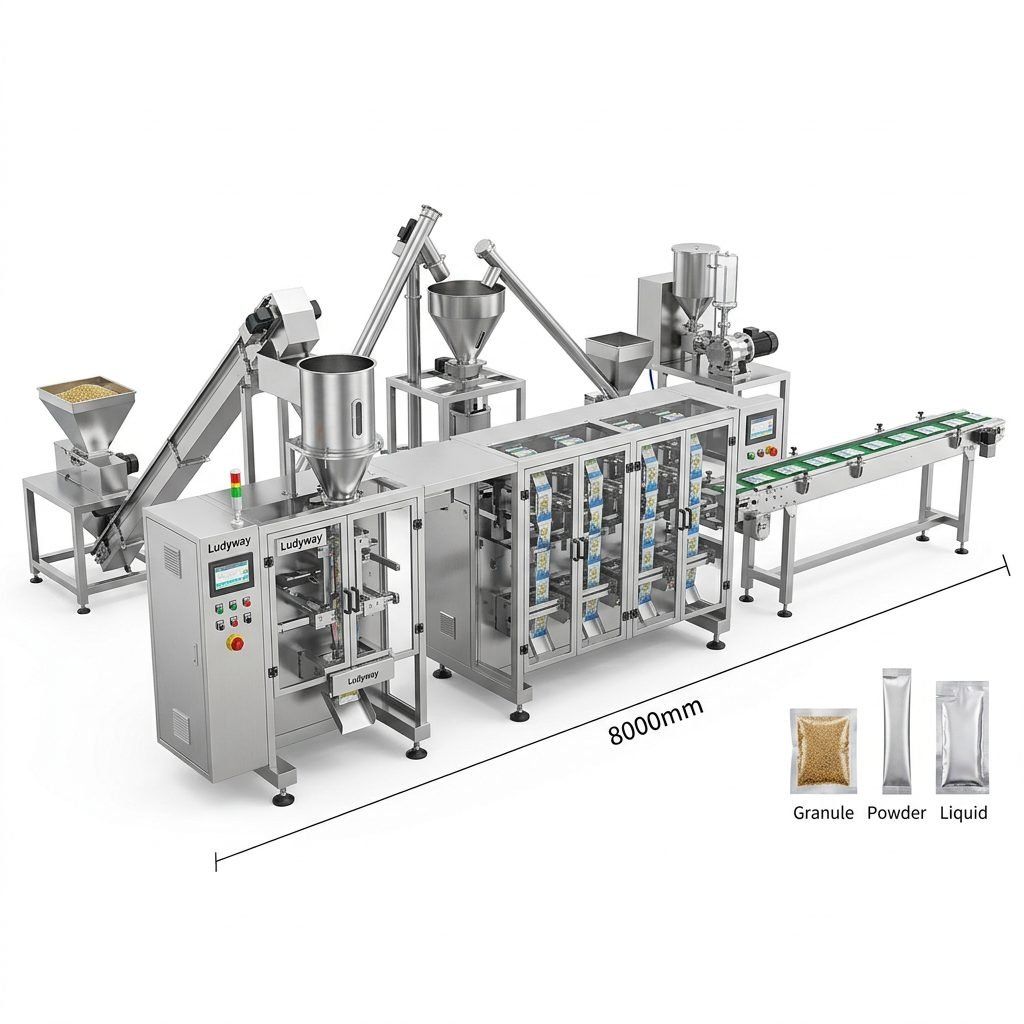
- Material Compatibility: Machines built to handle tamarind tea in granule, powder, or liquid form need specific filling systems — auger fillers for powder, volumetric cup fillers for granules, or piston pumps for liquids.
- Additional Features: Nitrogen flushing, date coding, perforation, tear notch, and servo-driven sealing systems add to the base price but enhance product shelf life and consumer convenience.
- After-Sales Support: Warranty coverage, remote technical assistance, spare parts availability, and installation training influence the total cost of ownership.
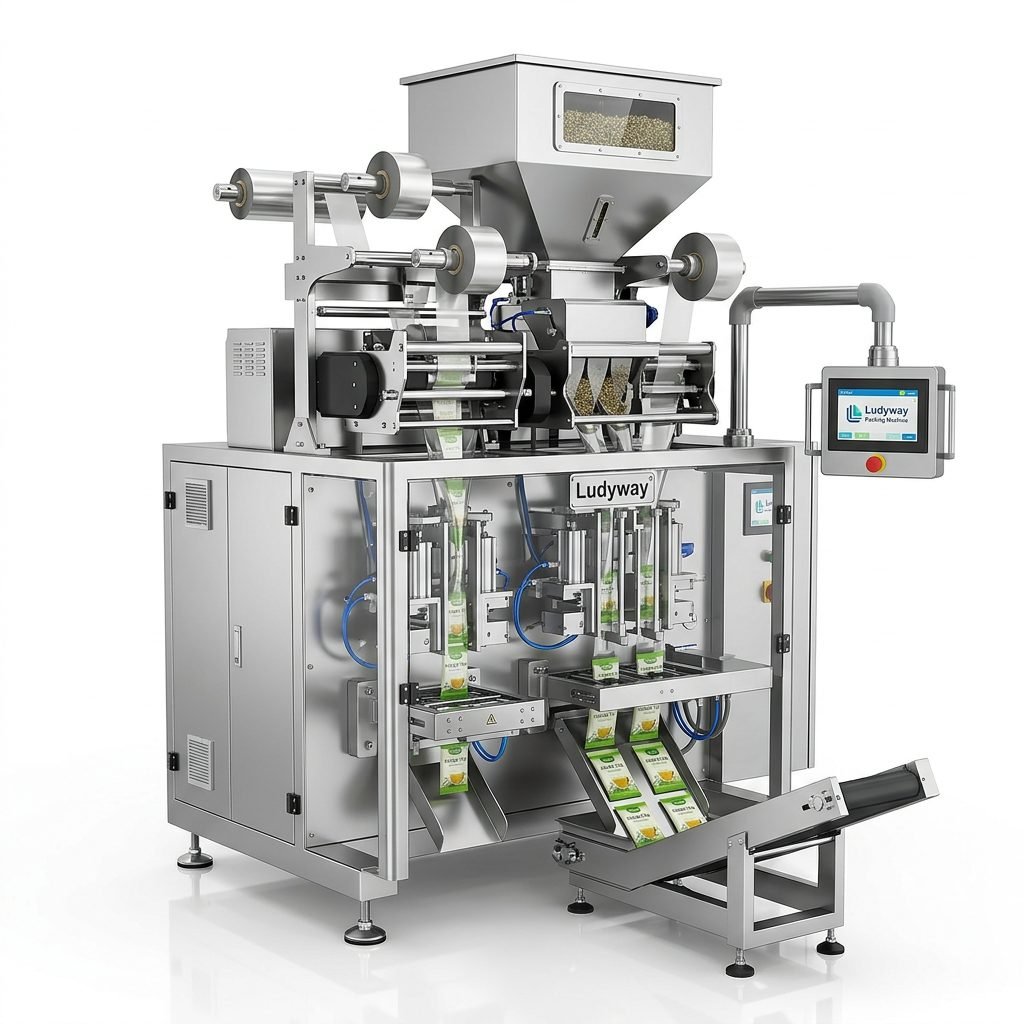
Tamarind Tea Packing Machine Price Range Overview
The table below provides a general reference for tamarind tea packaging machine costs based on configuration and production capacity. Actual quotations may vary depending on customization requirements, shipping destination, and current market conditions.
| Machine Type | Speed Range | Estimated Price Range (USD) | Best Suited For |
|---|---|---|---|
| Entry-Level Single-Lane Sachet Machine | 30–60 packs/min | $8,000 – $18,000 | Small businesses, startups, regional brands |
| Mid-Range Multi-Lane Sachet Machine (4–6 lanes) | 120–240 packs/min | $25,000 – $55,000 | Growing brands, medium-scale producers |
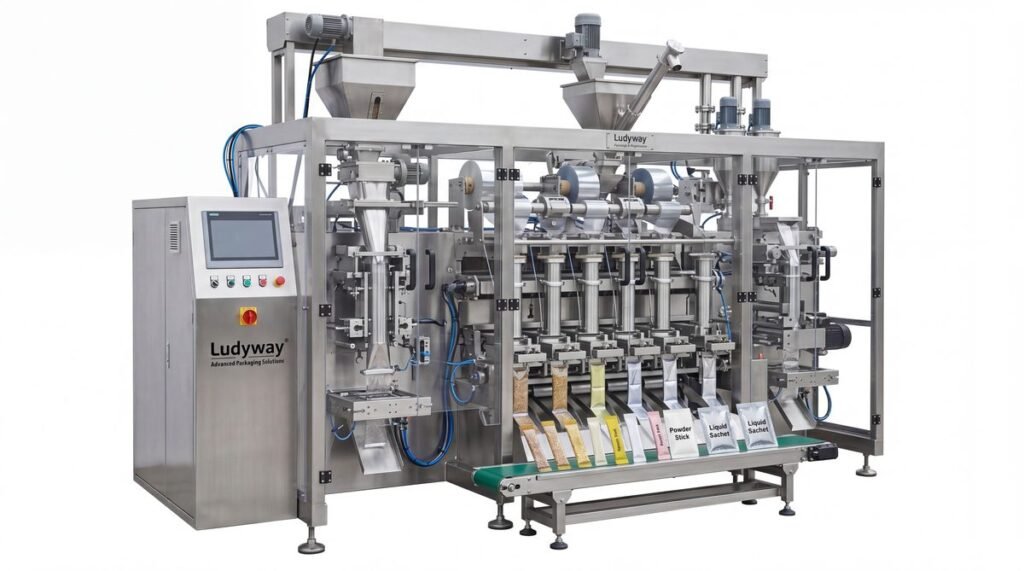
| High-Speed Multi-Lane Stick Pack Machine (8–12 lanes) | 300–600 packs/min | $60,000 – $120,000 | Large manufacturers, export-oriented businesses |
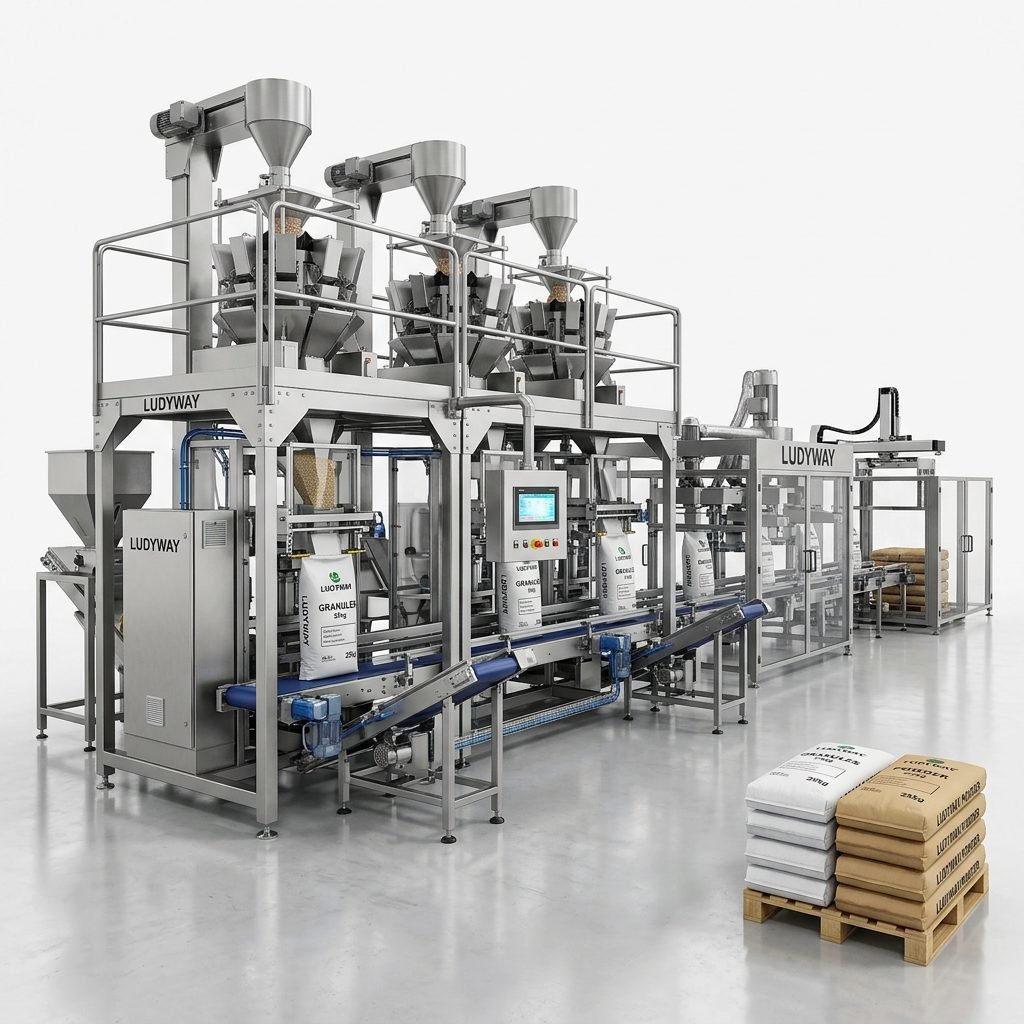
| Fully Automated Turnkey Production Line | Up to 800 packs/min | $150,000 – $400,000+ | Industrial-scale operations, contract packers |
| Liquid Tamarind Tea Pouch Filling Machine | 40–100 packs/min | $15,000 – $45,000 | Ready-to-drink tamarind tea producers |
Types of Packaging Machines Suitable for Tamarind Tea
Tamarind tea can be processed and packaged in multiple forms — granule, powder, or liquid concentrate. Each form requires a packaging machine with specific filling and sealing capabilities. Below are the most common equipment categories used in the industry.
Granule and Powder Stick Pack Machines
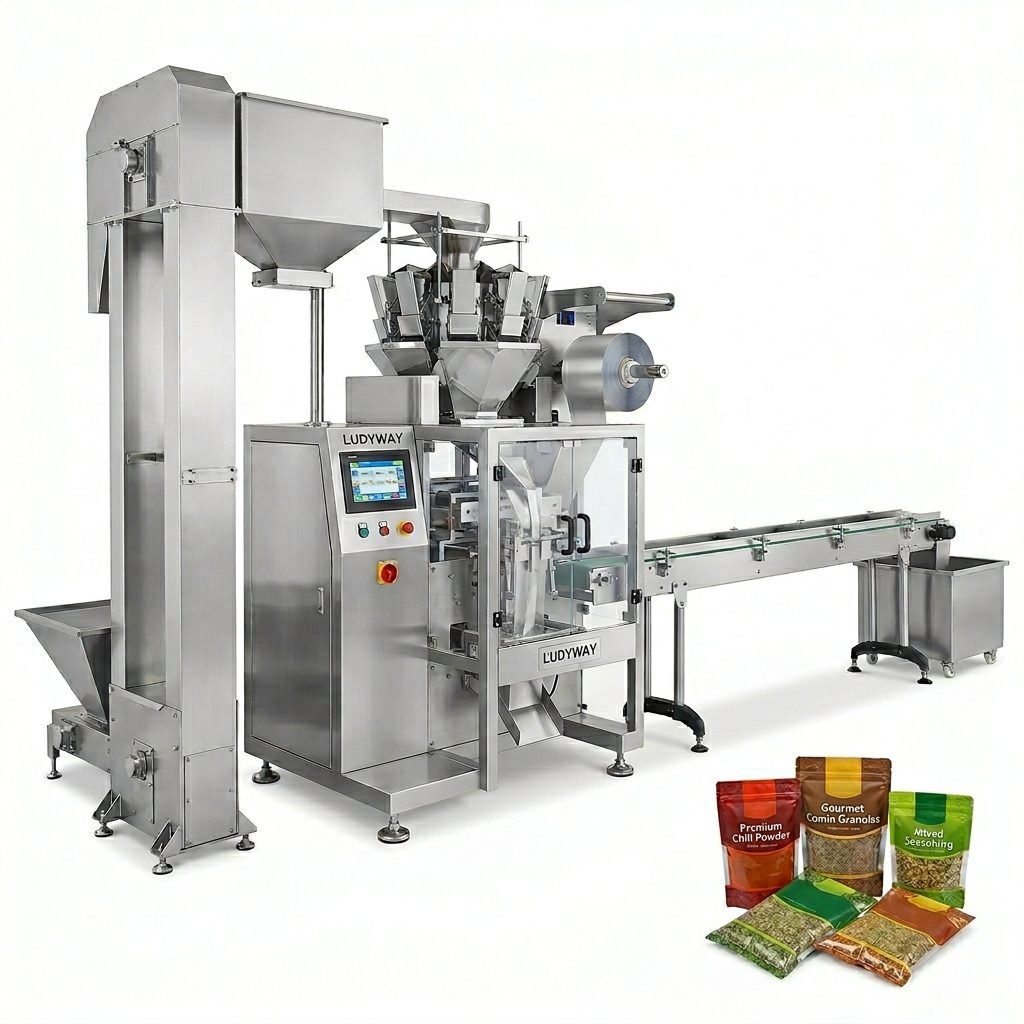
For instant tamarind tea powder or granulated formulations, stick pack machines offer precise dosing, compact packaging, and excellent shelf appeal. These machines use auger filling systems to handle fine powders without dusting or product loss. Multi-lane configurations dramatically increase output, making them ideal for brands targeting retail chains and export markets.
Liquid Sachet Packaging Machines
Concentrated tamarind tea liquids and syrups require sanitary filling systems with piston pumps or peristaltic filling mechanisms. These machines ensure accurate fill volumes and leak-proof seals, critical for maintaining product quality during distribution. Some models incorporate hot-fill capabilities for products that require elevated filling temperatures.
Premade Pouch Filling and Sealing Machines
For premium tamarind tea products packaged in stand-up pouches or flat pouches, rotary or inline pouch filling machines offer versatility. They handle zipper pouches, spouted pouches, and various film materials while maintaining high seal integrity for extended shelf life.
How to Choose the Right Tamarind Tea Packaging Machine
Selecting the optimal equipment involves evaluating your production requirements, budget constraints, and long-term business objectives. Consider the following steps during your decision-making process.
- Define Your Product Characteristics: Determine whether your tamarind tea is a free-flowing granule, fine powder, sticky concentrate, or liquid. This affects the choice of filling system and hopper design.
- Estimate Current and Future Output: Choose a machine that accommodates your peak production volume with room for growth. Undersized equipment can bottleneck your expansion plans.
- Evaluate Packaging Material Costs: Different machines work with specific film types — laminated foil, paper-based, or biodegradable materials. Confirm compatibility with your preferred packaging supplier.
- Assess Facility Requirements: Consider floor space, electrical specifications, compressed air needs, and any cleanroom or sanitary environment requirements.
- Request Detailed Quotations: Compare proposals from multiple manufacturers, noting included features, warranty terms, lead times, and after-sales service commitments.
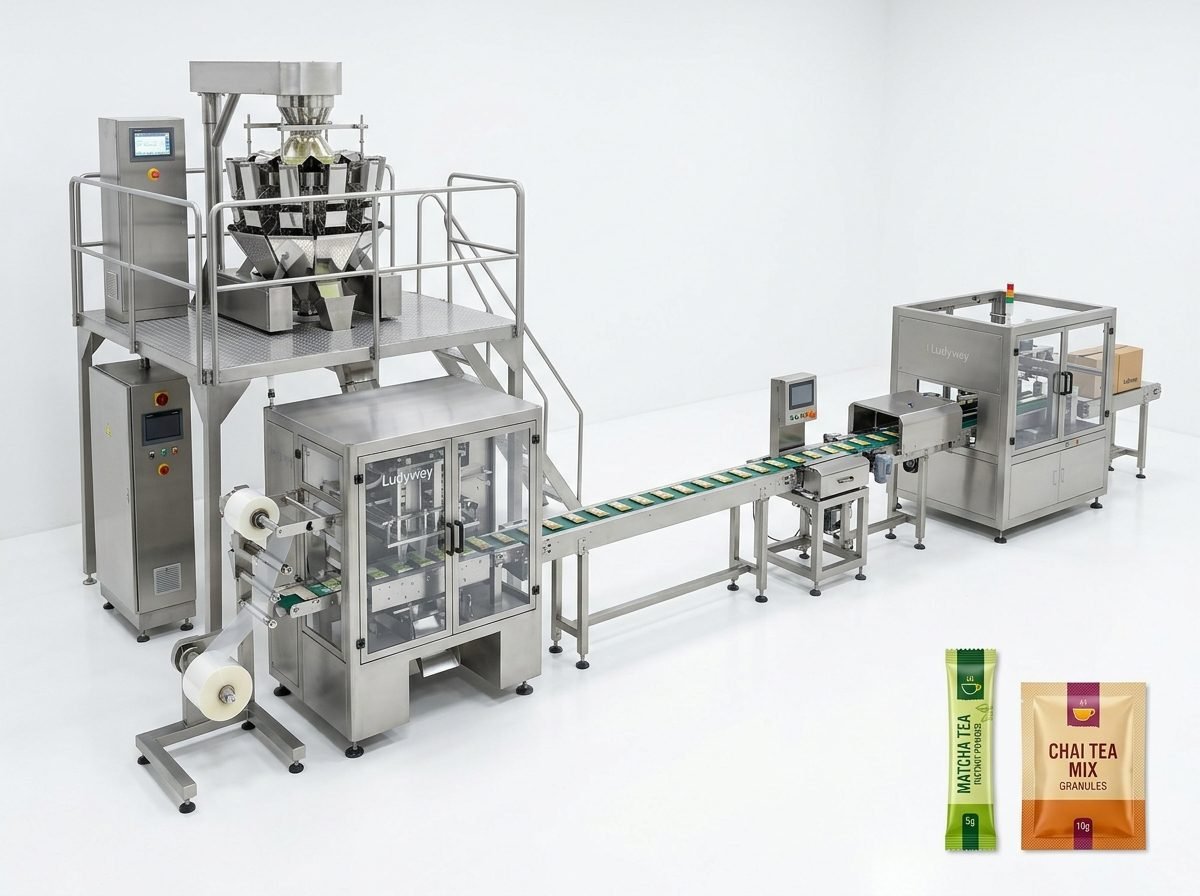
Additional Equipment for Complete Tamarind Tea Production Lines
A standalone packaging machine is often part of a broader production ecosystem. Complementary equipment improves efficiency and product quality throughout the manufacturing process.
- Multi-Head Weigher or Auger Filler: Ensures accurate product dosing before packaging.
- Conveyor Systems: Transport filled pouches to downstream stations for inspection, coding, and cartoning.
- Checkweigher and Metal Detector: Critical quality control tools that identify underweight packs or foreign contaminants.
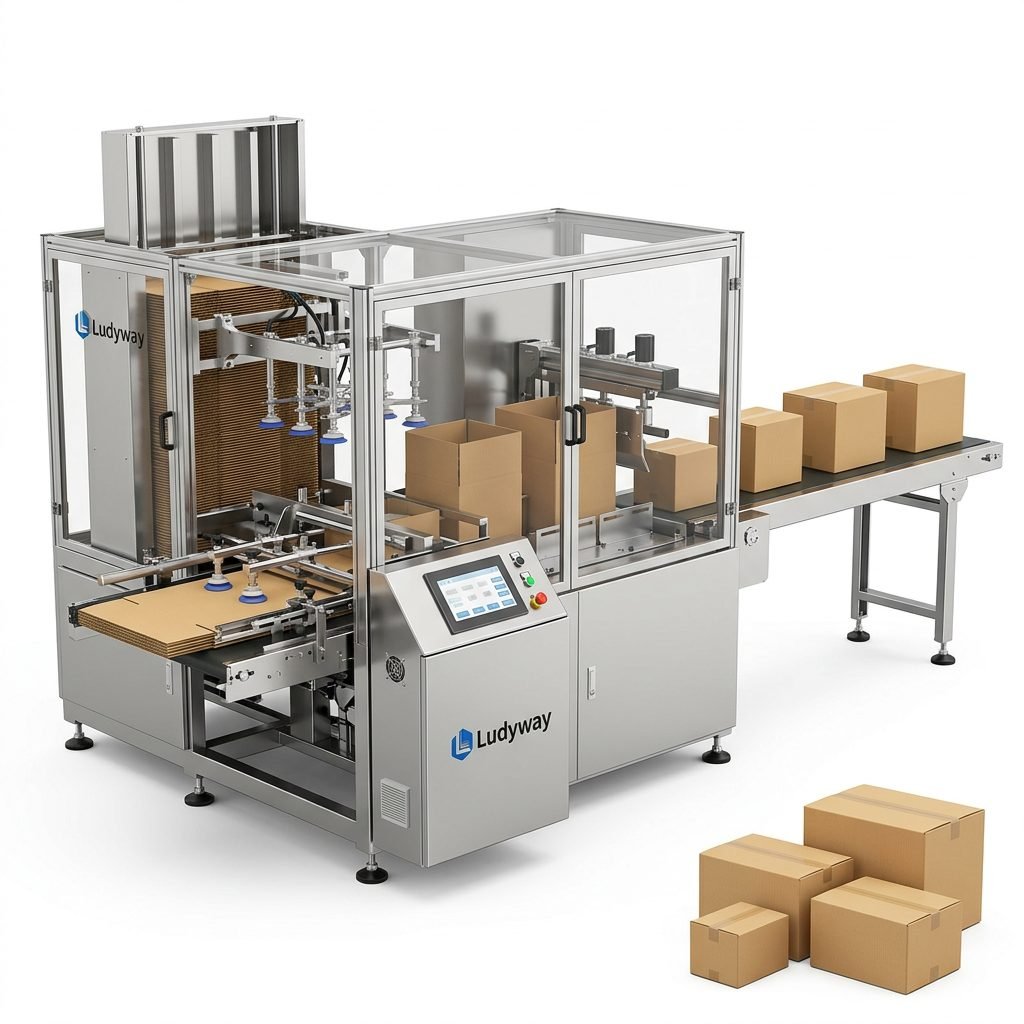
- Cartoning Machine: Automatically loads finished sachets or stick packs into cartons for retail distribution.
- Palletizing System: Robotic or conventional palletizers streamline end-of-line logistics for high-volume operations.

Industry Standards and Compliance Considerations
Food-grade packaging machinery must meet rigorous safety and hygiene standards. When sourcing a tamarind tea packing machine, verify that the equipment complies with relevant regulations. Key reference resources include the FDA Food Packaging and Food Contact Substances guidelines and ISO packaging standards. For manufacturers targeting North American markets, certifications aligned with PMMI standards provide additional assurance of machine quality and operational safety. The Flexible Packaging Association also offers valuable industry resources on packaging material compatibility and sustainability practices.
Return on Investment: Why Quality Matters
While entry-level machines offer lower upfront costs, they may lead to higher long-term expenses through increased downtime, inconsistent seal quality, and higher material waste. Mid-range and premium machines often deliver better total value through faster speeds, reduced labor dependency, and more reliable performance. For businesses producing tamarind tea at commercial scale, investing in a robust packaging solution typically yields a return on investment within 12 to 24 months through improved productivity and reduced operational overhead.
Leading manufacturers such as Ludyway provide advanced tamarind tea packaging equipment with multi-lane configurations, servo-driven sealing, and comprehensive after-sales support — helping businesses worldwide scale efficiently with reliable, high-performance machinery.
Frequently Asked Questions About Tamarind Tea Packaging Machine Costs
What is the minimum investment for a small-scale tamarind tea packaging setup?
A basic single-lane sachet machine suitable for small production runs starts around $8,000 to $12,000, though prices vary by manufacturer and included features.
How much does shipping and installation add to the total cost?
International freight, customs duties, and on-site installation typically add 10% to 20% to the machine purchase price, depending on the destination and machine size.
Are used or refurbished tamarind tea packaging machines worth considering?
Used machines can reduce upfront costs by 30% to 50%, but they may lack warranty coverage and modern features. Thorough inspection and verified service history are essential before purchasing pre-owned equipment.
What ongoing maintenance costs should I budget for?
Annual maintenance, including wear parts replacement and routine servicing, typically amounts to 3% to 5% of the machine’s purchase price. Preventative maintenance programs from reputable suppliers can reduce unexpected downtime.
Getting an Accurate Price Quote
The most reliable way to determine exact pricing for a tamarind tea packing machine is to request customized quotations from experienced manufacturers. Provide detailed specifications including your target output, packaging format, product characteristics, and any special requirements. This allows suppliers to recommend the most suitable equipment configuration and provide transparent pricing tailored to your production needs.
To explore packaging machine options and receive a personalized proposal, contact a reputable packaging machinery supplier with proven expertise in tea and beverage packaging applications. A thorough consultation ensures you invest in equipment that aligns with both your current operational requirements and future growth trajectory.