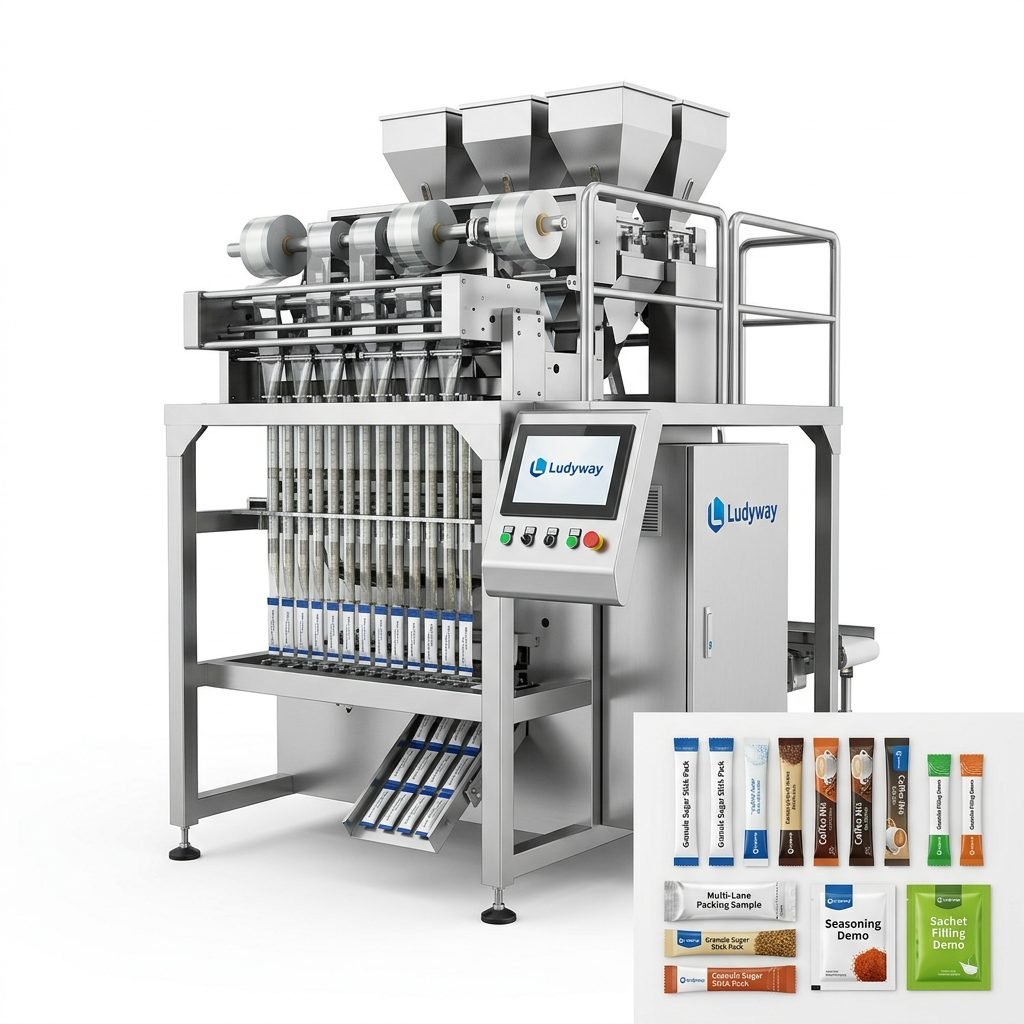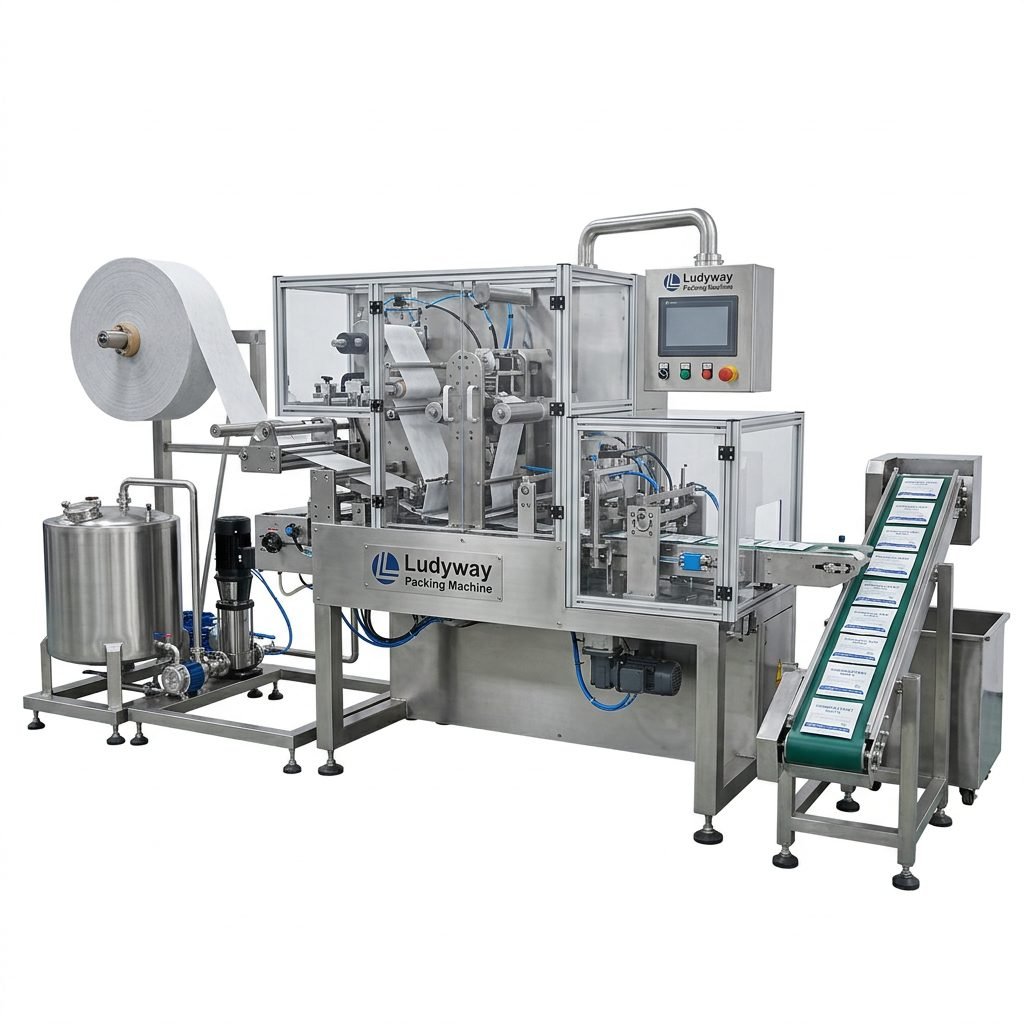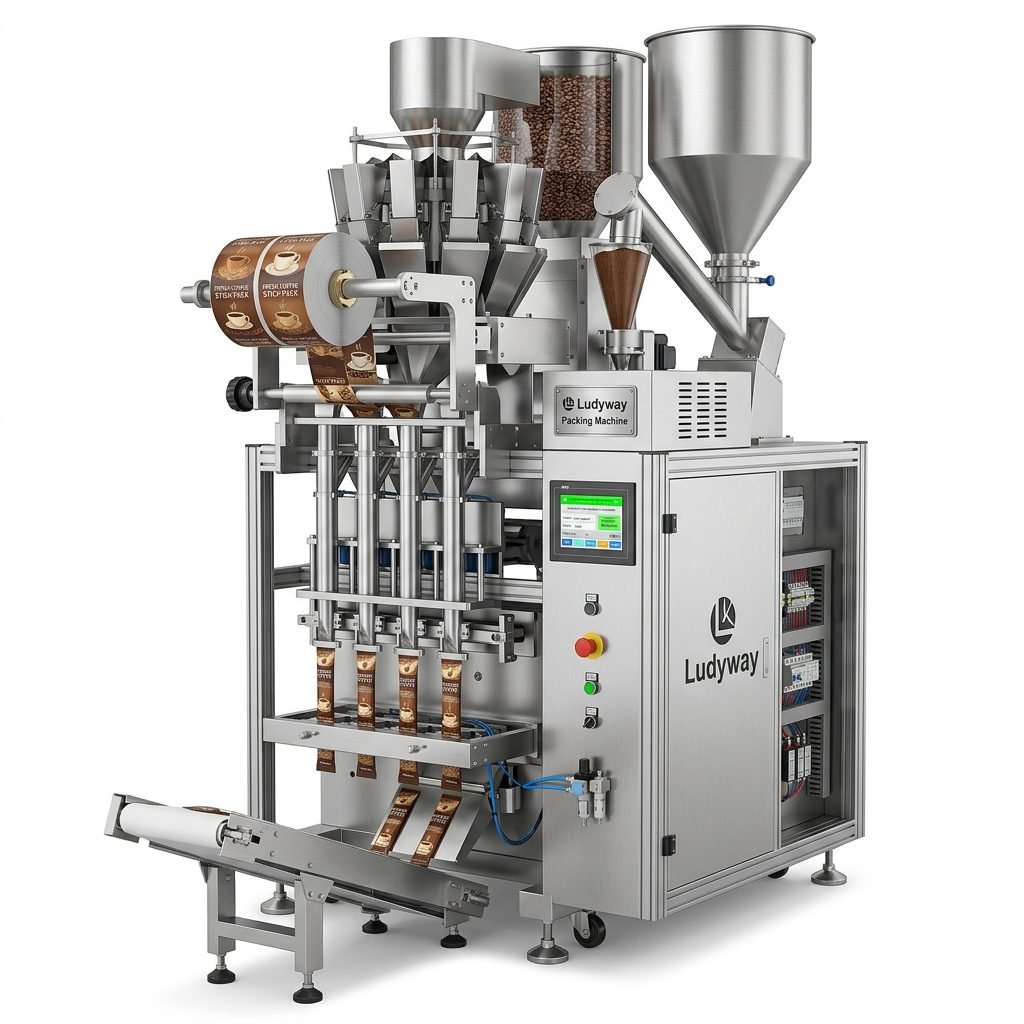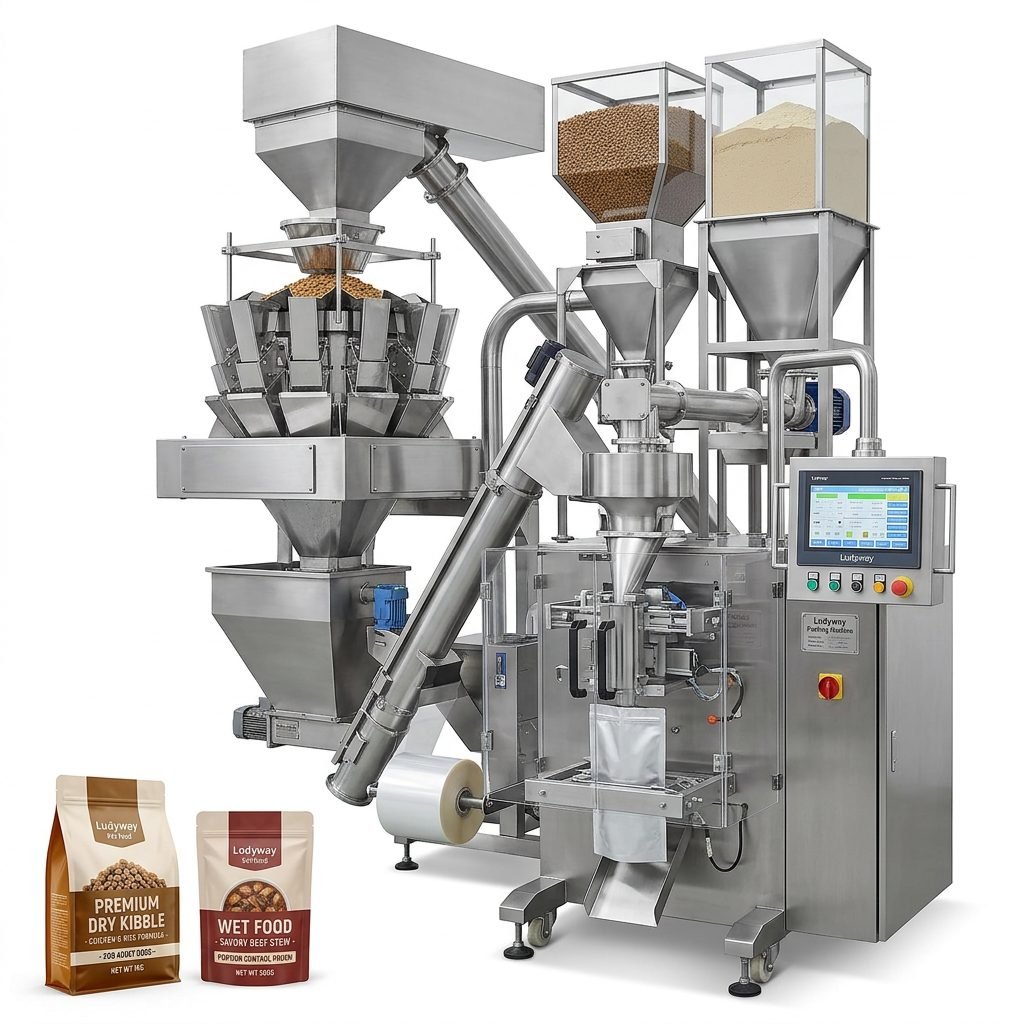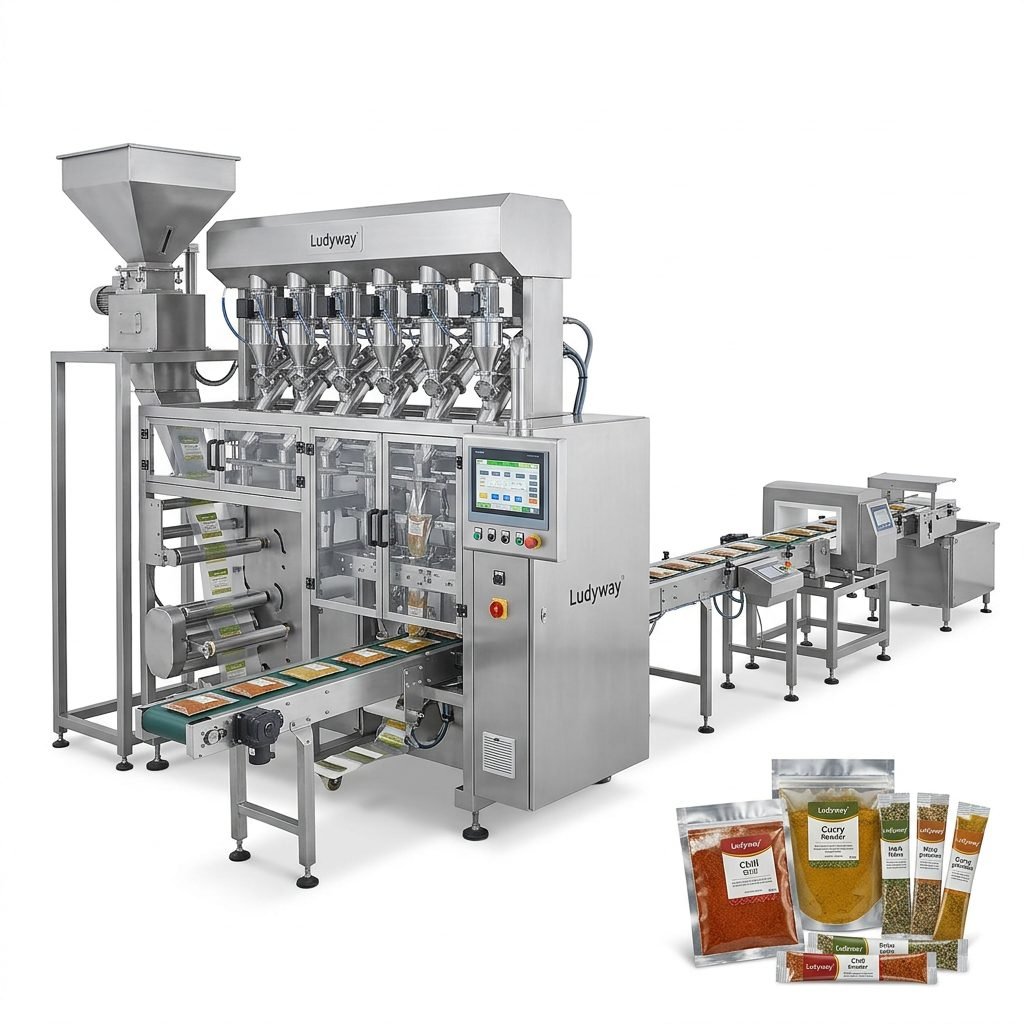
Proactive maintenance is the cornerstone of production efficiency. A well-structured plan for your tape and reel packaging machine not only extends equipment lifespan but also prevents costly downtime. By following these essential tips, you can ensure consistent throughput and protect sensitive electronic components during the packaging process.
1. Daily Cleaning and Visual Inspections
Establishing a strict daily routine is the first line of defense. Operators should perform a thorough visual check at the start of every shift to identify loose fasteners, worn belts, or damaged sealing mechanisms.
- Debris Removal: Use compressed air to blow dust and micro-debris from the tape track and sealing area. Accumulated particles can cause tape jams or misalignment.
- Surface Wipe-down: Clean the machine body with a lint-free cloth and isopropyl alcohol to prevent static buildup and contamination.
- Sensor Lens Cleaning: Gently wipe optical sensors. A blocked sensor can cause false readings, leading to component misplacement.

2. Critical Component Lubrication
Friction is the enemy of precision. Regular lubrication ensures smooth mechanical movement, especially in high-speed packaging environments. However, over-lubrication can attract dust, so precision is key.
- Linear Guides: Apply a thin layer of manufacturer-recommended grease to linear rails weekly.
- Sealing Jaw Bearings: These require periodic oiling to maintain consistent pressure and temperature control during the heat-sealing cycle.
- Chain Drives: Inspect tension and lubricate to prevent jerking movements that disrupt tape indexing.
3. Tape Feeding and Tension Calibration
Incorrect tension is a primary cause of carrier tape deformation. If the film is too tight, pockets can stretch; if too loose, components may fall out or flip during the packaging machine sealing process.
- Peel Force Testing: Regularly test the peel strength of the cover tape to comply with ANSI/EIA standards.
- Sprocket Alignment: Ensure drive sprockets align perfectly with the carrier tape holes. Misalignment shreds the tape edges, creating debris.
- Pneumatic Pressure: Verify PSI settings for the pneumatic tape clamps to avoid crushing the embossed pockets.
4. Scheduled Maintenance Schedule
Beyond daily checks, implement a structured schedule that addresses wear and tear proactively. Below is a recommended maintenance interval table for a typical tape and reel system:
| Interval | Task | Key Focus |
|---|---|---|
| Daily | Clean sealing platens & inspect sensors | Contamination removal |
| Weekly | Lubricate rails, check belt tension | Mechanical wear prevention |
| Monthly | Calibrate temperature controllers | Seal integrity verification |
| Quarterly | Replace pneumatic hoses & fittings | Leak prevention |
Electronic Component Sealing Quality
Maintaining seal integrity is non-negotiable. A weak seal allows moisture ingress, leading to oxidation of SMD components. Use a microscope or digital inspection tool to check for continuous, uniform seal lines without wrinkles. As a certified packaging machine manufacturer, Ludyway ensures their machines deliver consistent heat distribution, but periodic user-side checks remain vital.
5. Common Issues and Troubleshooting
Even with rigorous maintenance, operators may encounter recurring problems. Quick diagnosis prevents material waste.
- Intermittent Sealing: Check for contamination on the thermocouple or a failing heating cartridge. Allow the machine to stabilize at the set temperature for 10 minutes before running production.
- Tape Tracking Error: Inspect the guide rails for bends and verify that the cover tape guides are perpendicular to the carrier tape.
- Static Cling: Ensure the grounding strap is connected properly and the ionizing blower (if installed) is functioning. Static can flick small components out of the pocket.
6. Advanced Sensor and Software Monitoring
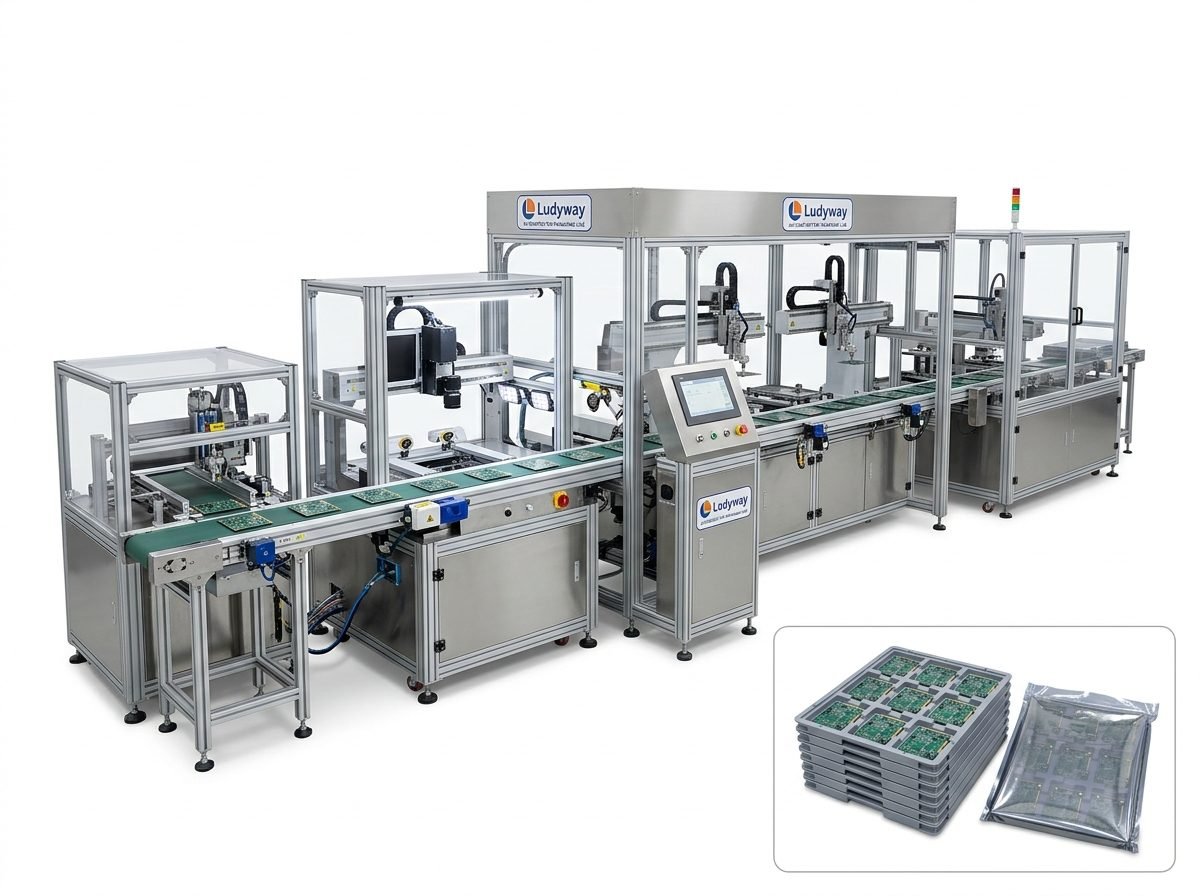
Modern tape and reel packaging machines are equipped with smart sensors for component counting and pocket empty/filled detection. Calibration of these sensors must not be overlooked. A miscalibrated vision system might pass empty pockets, resulting in customer rejections. Run a test cycle daily using a “golden sample” reel to verify counting accuracy and reject station functionality.
7. Spare Parts Inventory Management
Downtime is often prolonged by waiting for parts. Maintain a safety stock of critical consumables and wear parts, including:
- Heating elements and thermocouples.
- Drive belts and timing belts.
- Cover tape guide shoes and sprockets.
- Specific cutter blades for the lead-in/lead-out trimming.
For further reading on industrial packaging standards, refer to authoritative resources like the PMMI – The Association for Packaging and Processing Technologies and the Flexible Packaging Association for industry data.
8. Documenting Maintenance Logs
Effective maintenance is data-driven. Keep a detailed logbook—digital is preferable—that records every intervention. Track Mean Time Between Failures (MTBF) and part replacement frequency. With 30+ years of industry experience, leading solution providers recognize that a well-documented service history significantly increases the resale value and reliability of intelligent packaging equipment.

Conclusion
Maximizing the ROI of your packaging line requires a partnership with a reliable packaging machine supplier and a disciplined in-house maintenance culture. By following these essential tips—from daily sensor cleaning to quarterly calibration—you ensure your packaging machine delivers precision, speed, and unmatched product protection. Explore turnkey packaging solutions designed for longevity and low maintenance.