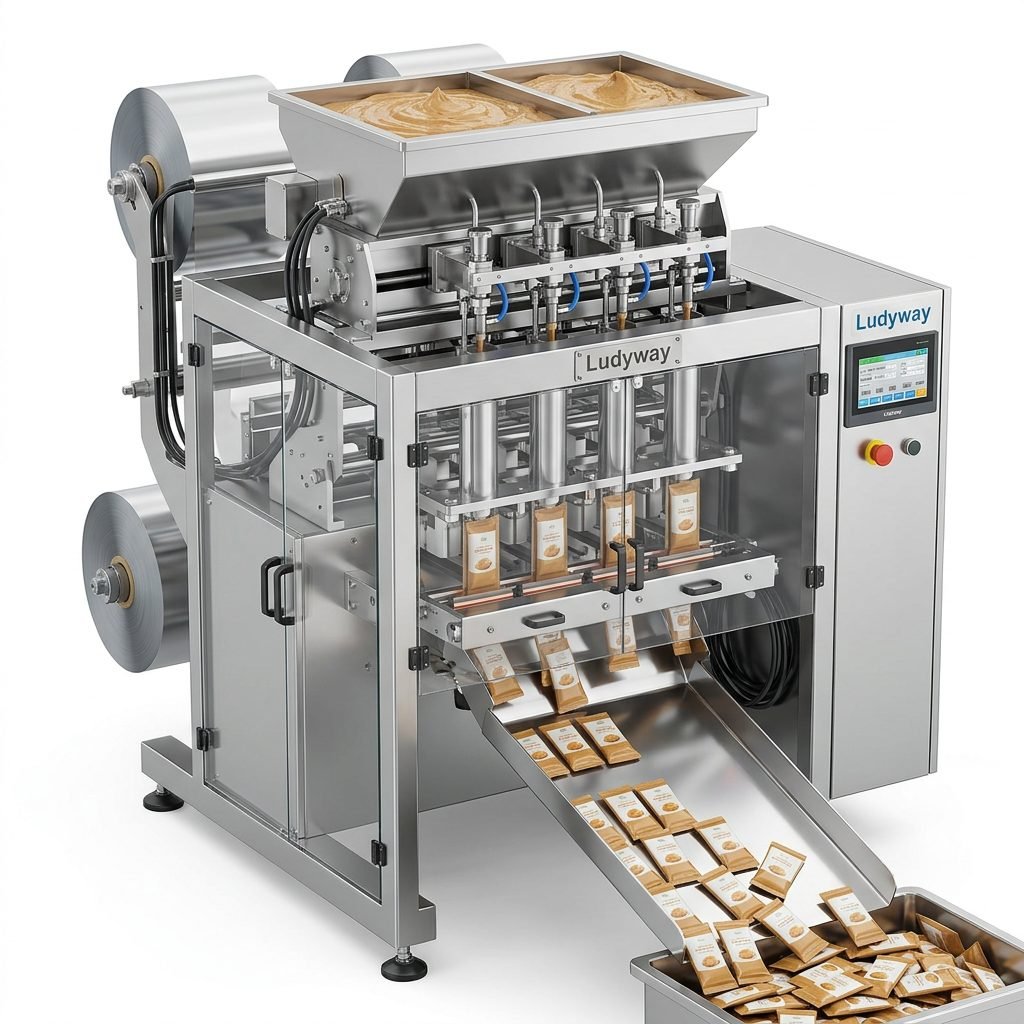
South America’s food industry is experiencing remarkable growth, driven by increasing consumer demand for packaged foods, ready-to-eat meals, and shelf-stable products. From Brazil’s massive coffee and sugar exports to Colombia’s thriving confectionery sector and Argentina’s expanding meat and grain processing, the region presents unique opportunities for food manufacturers. However, selecting the right food packaging machine for South American production requires careful evaluation of multiple factors including product characteristics, climate conditions, local regulations, and operational requirements.

Understand Your Product Characteristics First
Before investing in any packaging equipment, you must thoroughly analyze your product’s physical properties. The type of machine suitable for free-flowing granules like coffee beans or sugar differs significantly from equipment designed for fine powders such as milk powder or cocoa. Similarly, liquid products like sauces, oils, and beverages require specialized filling systems. Here are the key product attributes to evaluate:
- Flowability: Free-flowing, semi-free-flowing, or non-free-flowing behavior affects feeder and hopper design
- Bulk density: Determines filling volume and packaging machine capacity requirements
- Hygroscopicity: Products that absorb moisture need enhanced sealing and barrier packaging
- Particle size distribution: Influences dosing accuracy and equipment precision needs
- Product sensitivity: Fragile products may require gentle handling systems to prevent breakage
- Temperature sensitivity: Heat-sensitive items need temperature-controlled processing environments
| Product Type | Recommended Machine Type | Key Consideration |
|---|---|---|
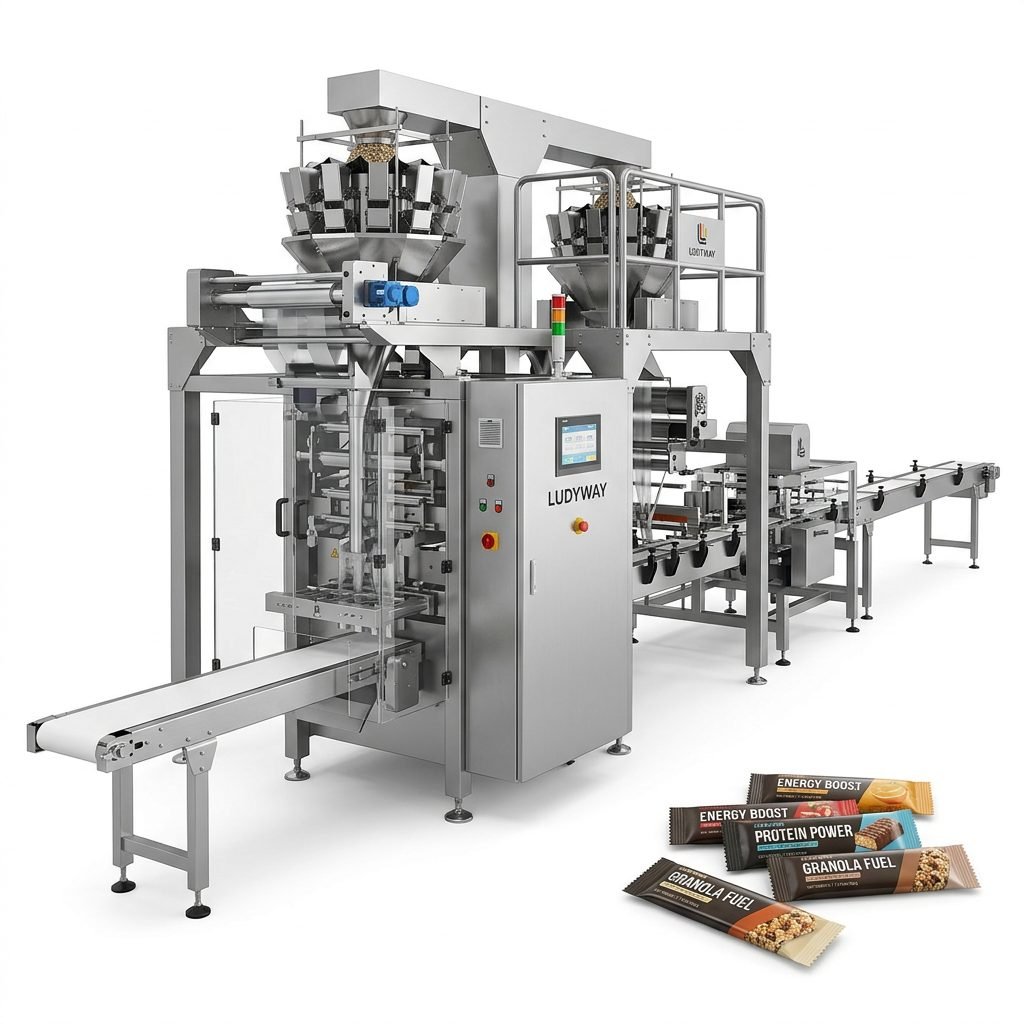
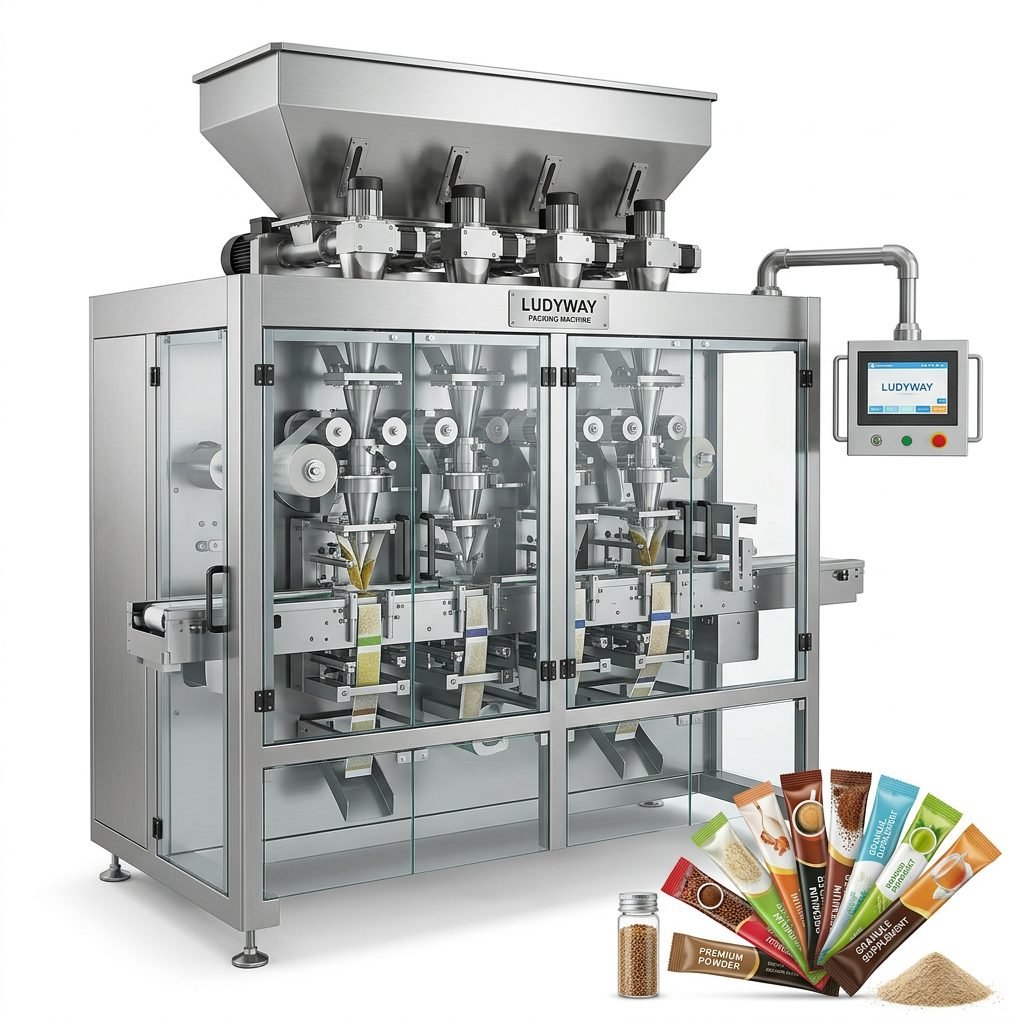
| Granules (coffee, sugar, rice) | Multi-head weigher + vertical form fill seal | High-speed dosing accuracy |
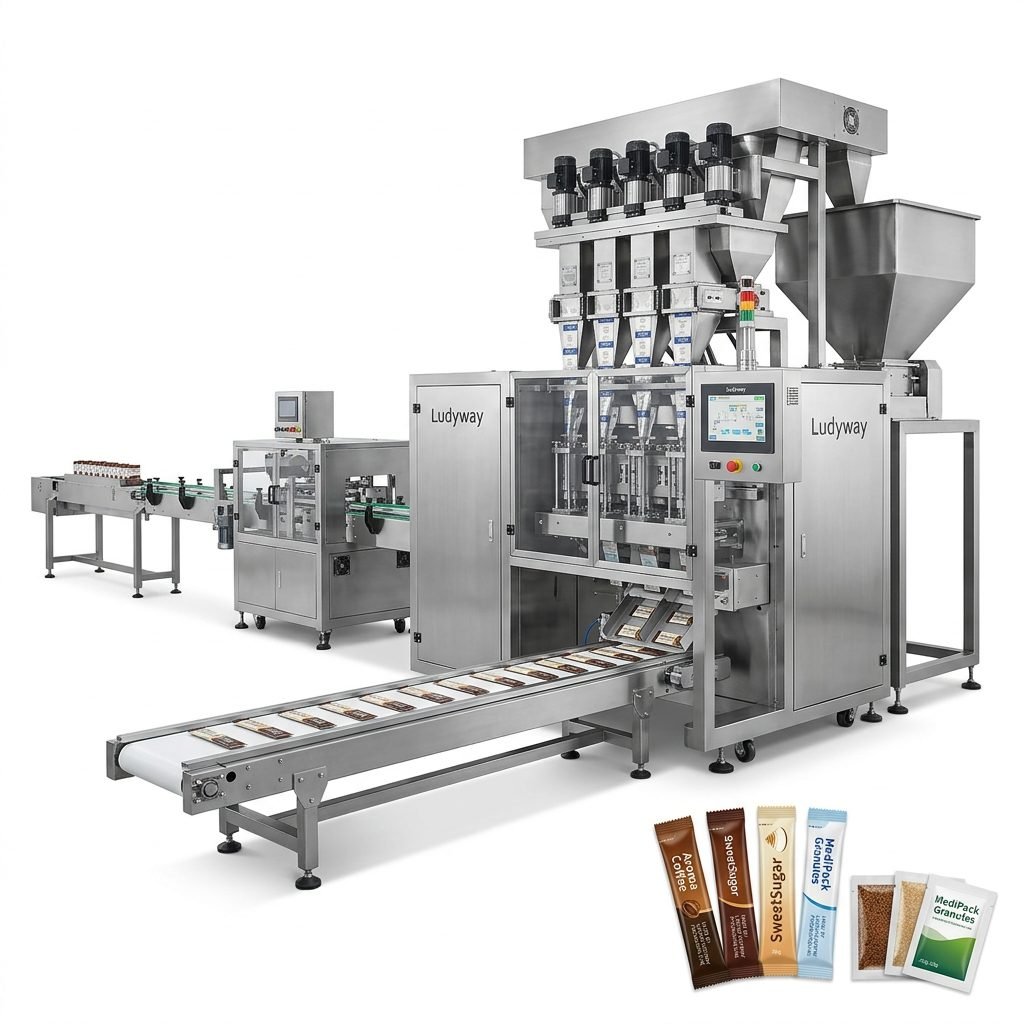
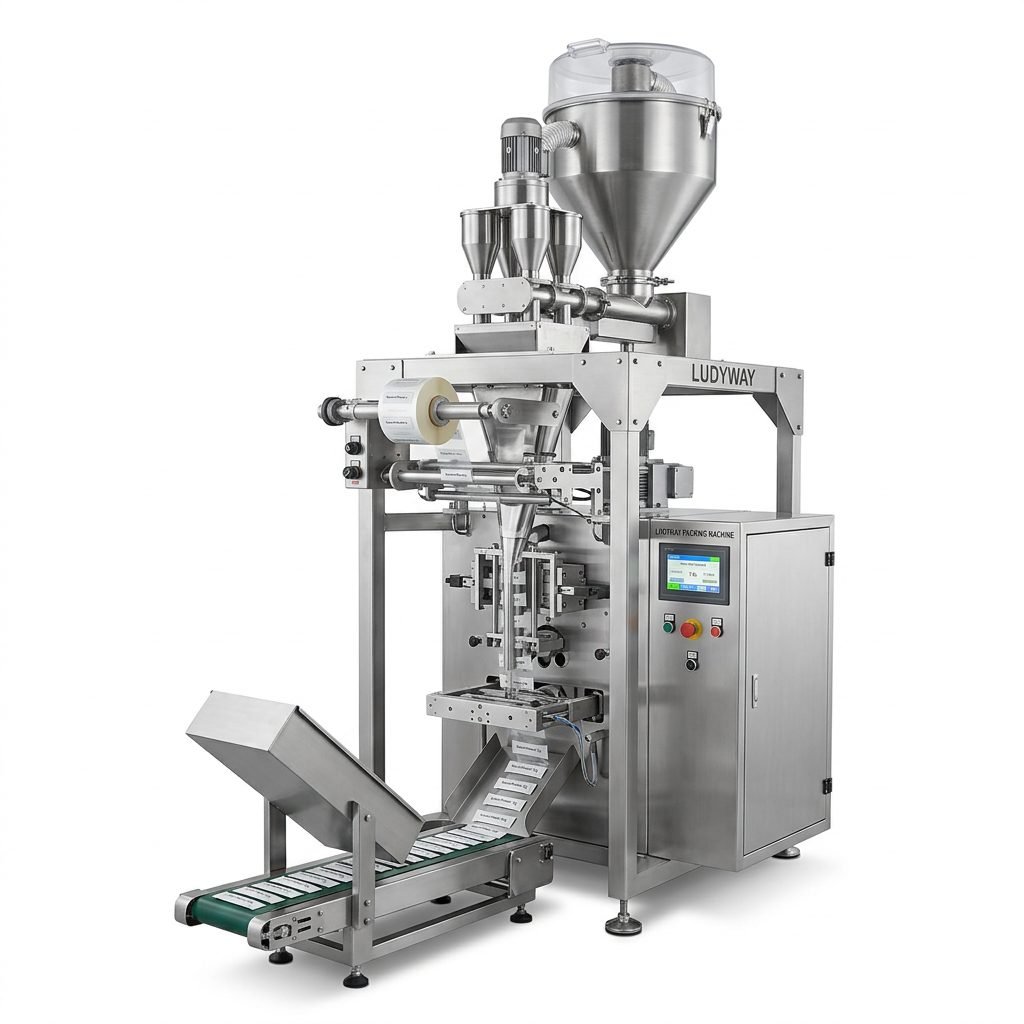
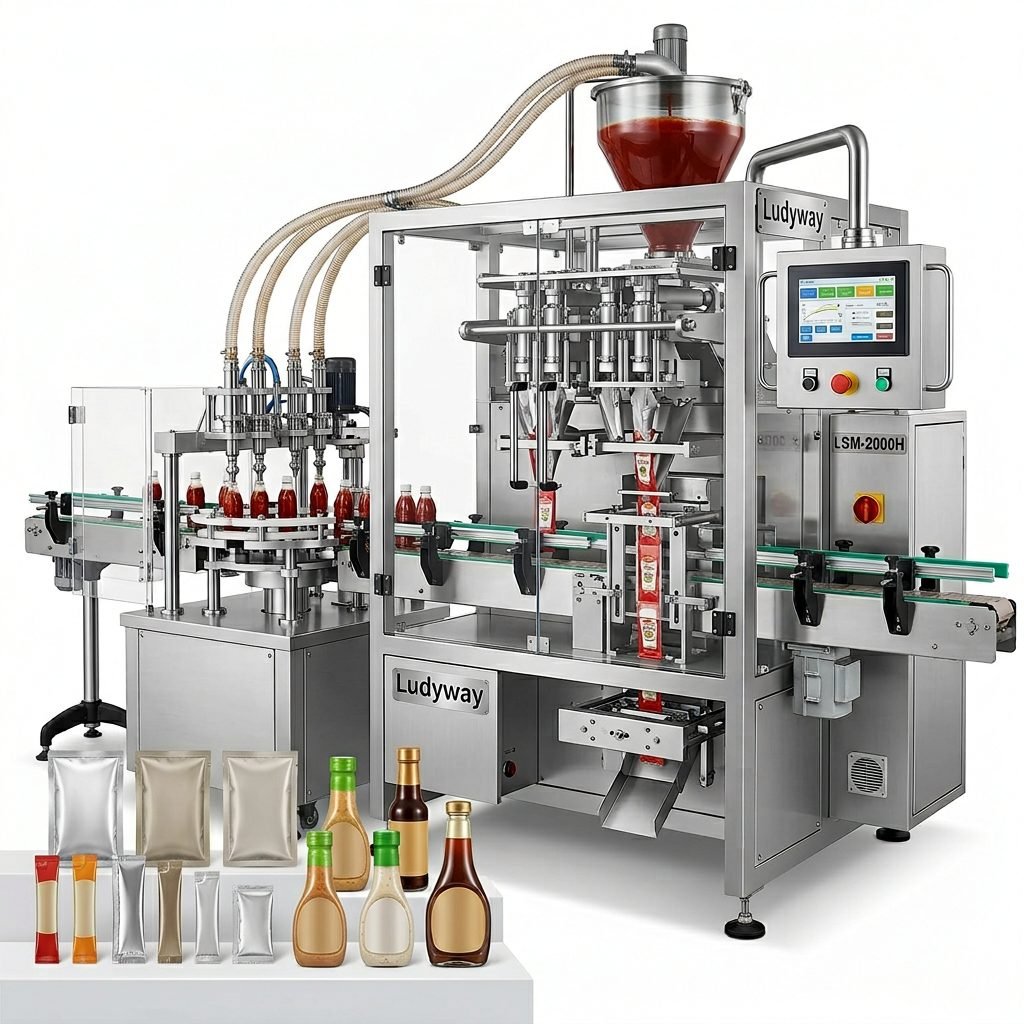
| Powders (milk powder, cocoa, flour) | Auger filler + sachet or stick pack machine | Dust control and precision filling |
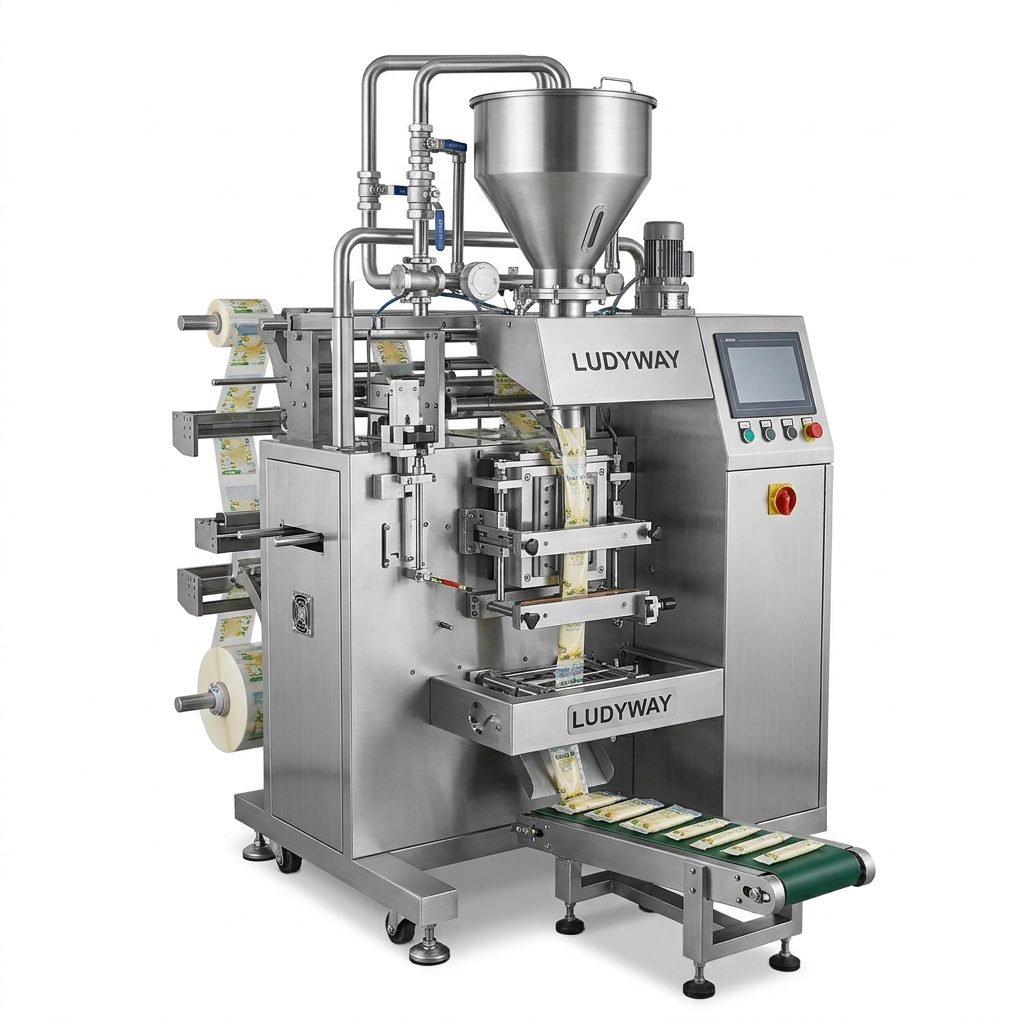
| Liquids (oils, sauces, beverages) | Piston or peristaltic pump filling system | Viscosity and foaming characteristics |
| Pastes (dulce de leche, jams) | Positive displacement pump filler | Consistency and temperature control |
Choose the Right Packaging Format for Your Target Market
South American consumers have distinct packaging preferences that vary by country and product category. In Brazil, stick packs and sachets dominate the single-serve coffee and sweetener segments, while Argentina and Chile show growing demand for resealable pouches. Understanding local market preferences ensures your packaging format resonates with consumers and meets retail channel requirements.
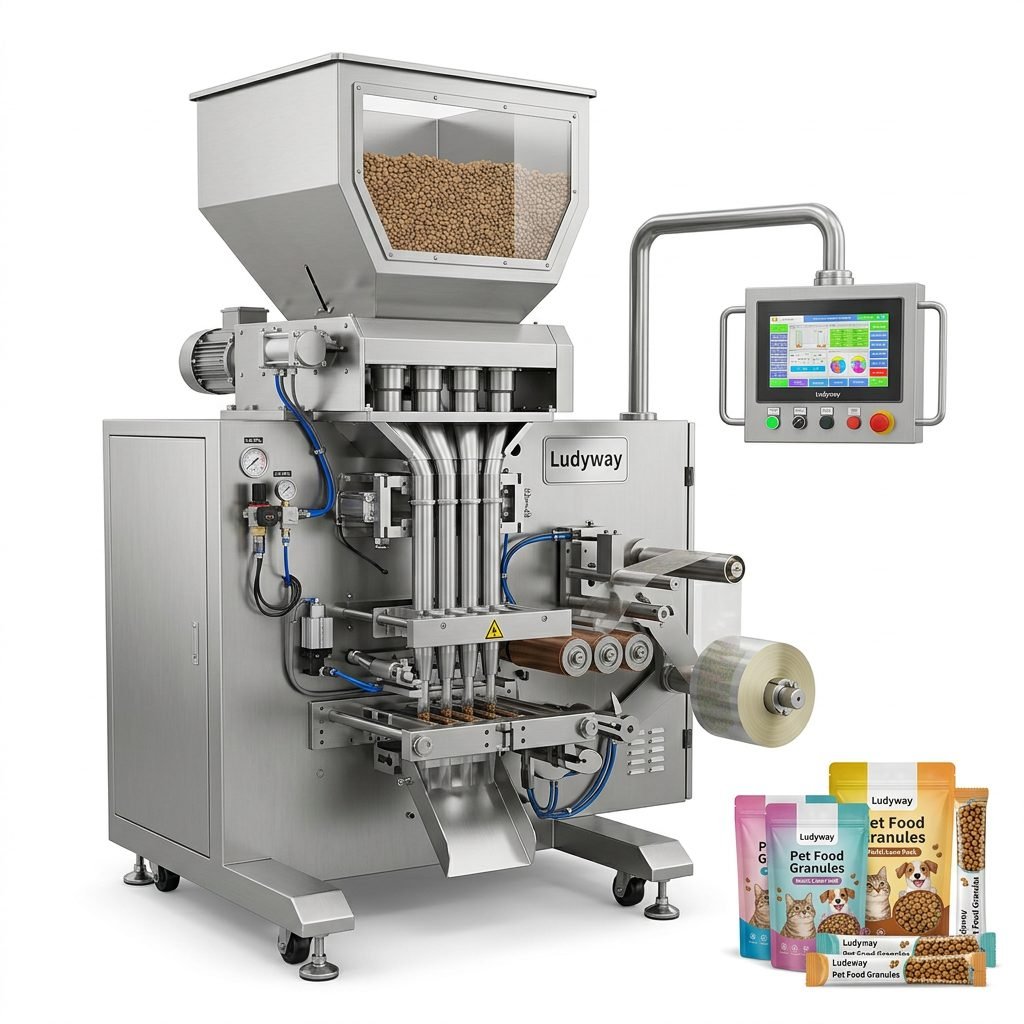
Popular Packaging Formats in South America
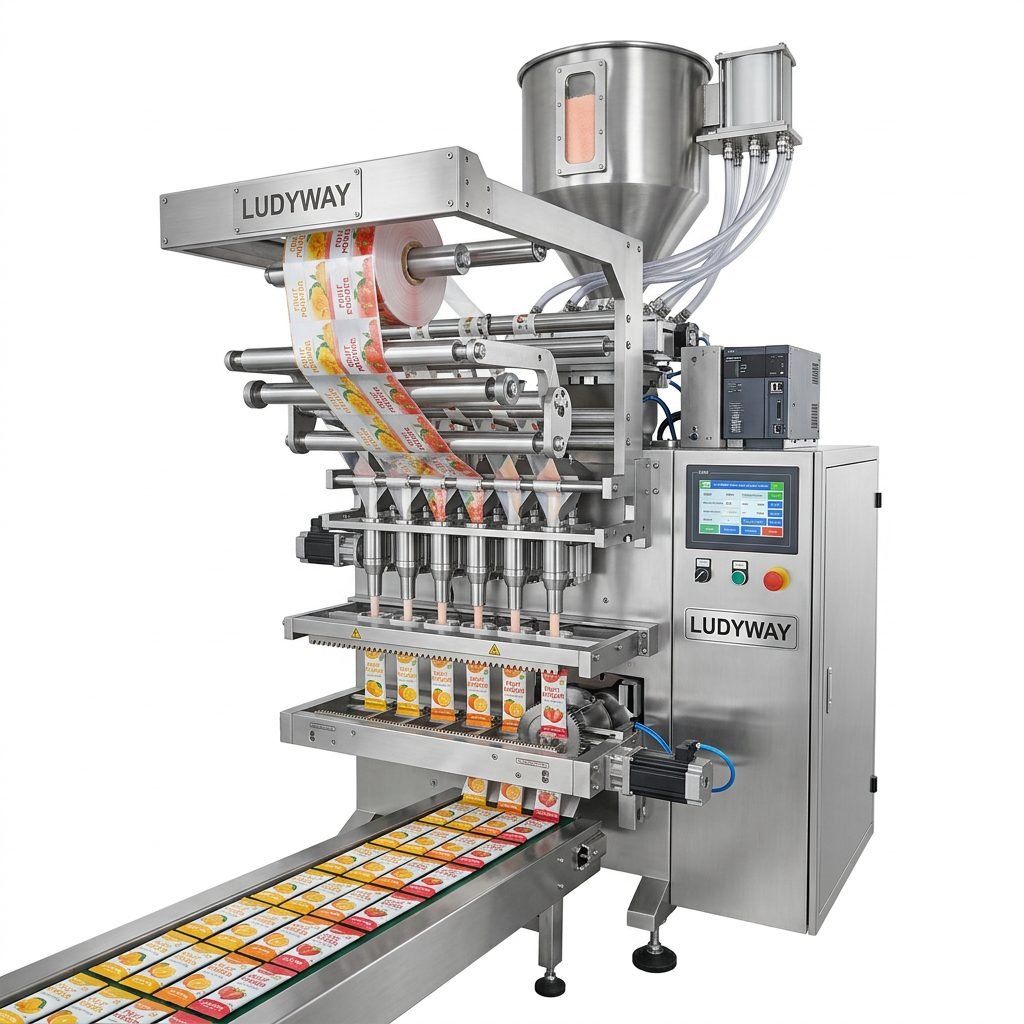
- Sachets and stick packs: Ideal for single-serve coffee, sugar, salt, and condiments — extremely popular in Brazilian retail
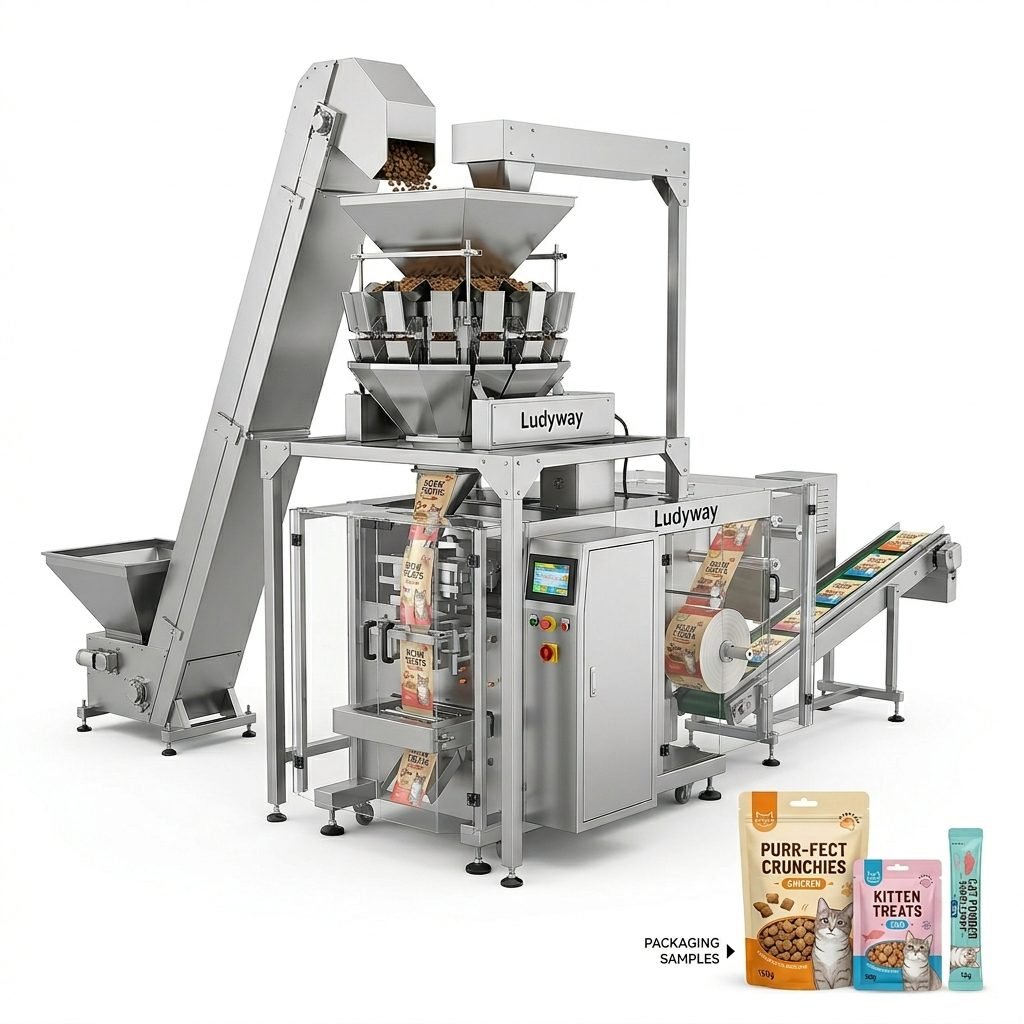
- Pillow pouches: Common for snacks, dry foods, and powdered beverages across the region
- Stand-up pouches: Growing rapidly for premium products including organic foods and specialty items
- Bottles and jars: Essential for liquid products like sauces, oils, and beverages
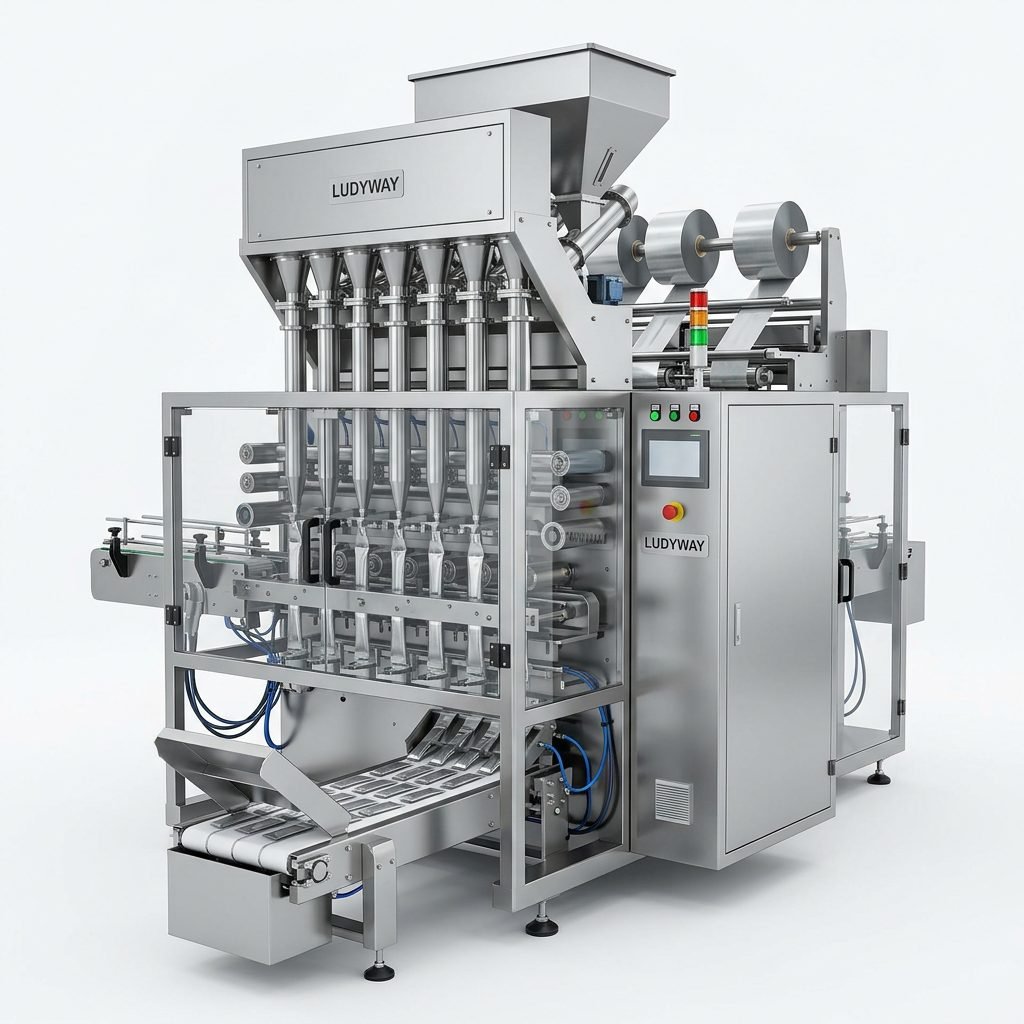
- Multi-lane packaging: Enables high-volume production with excellent efficiency for small-format packages
Consider South America’s Climate Conditions
One of the most overlooked factors when selecting packaging machinery for South America is the tropical and subtropical climate prevalent across much of the continent. High humidity levels in countries like Brazil, Colombia, Ecuador, and Peru can significantly impact both packaging materials and machine performance. Equipment must be capable of delivering hermetic seals that protect products from moisture ingress throughout the supply chain.
Climate-Related Equipment Requirements
- Corrosion-resistant materials: Stainless steel 304 or 316L construction for all product contact parts and external surfaces exposed to humid environments
- Enhanced sealing systems: Temperature-controlled sealing jaws with precise pressure regulation for consistent seal integrity
- Moisture-protected electronics: IP65 or higher rated control cabinets and electrical components
- Climate-controlled packaging film storage: Integration with humidity-controlled film unwinding systems
- Condensation management: Proper ventilation and drainage design within the machine frame
Regulatory Compliance and Certifications
South American countries maintain specific regulatory frameworks governing food packaging. Brazil’s ANVISA (National Health Surveillance Agency) sets stringent requirements for food contact materials and packaging processes, while Argentina’s SENASA and Chile’s ISP enforce their own standards. Your packaging equipment should facilitate compliance with these regulations, particularly regarding traceability, cleanliness, and material safety.
| Country | Regulatory Body | Key Packaging Requirements |
|---|---|---|
| Brazil | ANVISA | Food contact material approval, traceability documentation |
| Argentina | SENASA | Hygiene standards, labeling compliance |
| Chile | ISP | Sanitary registration, packaging material certification |
| Colombia | INVIMA | Good Manufacturing Practices, packaging safety |
| Peru | DIGESA | Sanitary authorization, packaging standards |
For manufacturers exporting to multiple South American countries, selecting equipment that meets MERCOSUR harmonized standards can simplify regulatory compliance across member states. Additionally, machines with FDA-compliant design features often satisfy many South American requirements due to international regulatory alignment.
Evaluate Production Speed and Automation Level
Your current and projected production volumes should dictate the level of automation and speed required from your packaging machine. Small to medium enterprises might benefit from semi-automatic equipment with manual feeding capabilities, while large-scale manufacturers serving regional markets typically require fully automated, high-speed multi-lane systems capable of producing 50-200 packages per minute per lane.
Automation Levels to Consider
- Semi-automatic: Operators manually load products; machine handles filling and sealing — suitable for startups and small batches
- Fully automatic: Integrated feeding, filling, sealing, and cutting with minimal operator intervention — ideal for medium to large production
- Turnkey production lines: Complete systems including feeding, packaging, cartoning, case packing, and palletizing — best for high-volume export-oriented operations
For operations targeting the growing South American processed food export market, investing in scalable packaging solutions allows you to increase capacity without replacing entire systems. The flexible packaging industry continues to expand rapidly, making modular equipment a strategic choice for long-term growth.
Budget and ROI Considerations
While initial purchase price is important, total cost of ownership (TCO) provides a more accurate picture of your investment. Consider these financial factors when evaluating packaging machines for South American operations:
| Cost Factor | Impact on TCO | Evaluation Tip |
|---|---|---|
| Equipment purchase price | 30-40% of TCO | Compare quotes from multiple packaging machine manufacturers |
| Installation and commissioning | 5-10% of TCO | Verify if included in supplier’s scope of work |
| Spare parts and consumables | 15-20% of TCO | Check parts availability in South America |
| Maintenance and service | 10-15% of TCO | Evaluate local technical support availability |
| Energy consumption | 5-8% of TCO | Compare energy efficiency ratings |
| Operator training | 3-5% of TCO | Include in initial investment planning |
After-Sales Support and Maintenance in South America
Equipment reliability and local technical support availability are critical success factors for food packaging operations in South America. Downtime directly impacts revenue, especially in seasonal industries like agricultural processing. When selecting a packaging machine supplier, verify their service capabilities in your specific country or region. Key support requirements include:
- Local service technicians or authorized distributors who can provide on-site maintenance and emergency repairs
- Spare parts inventory strategically located in South American hubs such as São Paulo, Buenos Aires, or Santiago
- Remote diagnostic capabilities that enable troubleshooting without waiting for technician travel
- Operator training programs delivered in Spanish or Portuguese languages
- Preventive maintenance contracts tailored to your production schedule and equipment usage patterns
Companies like Ludyway, one of the largest packaging machine manufacturers with over 30 years of industry experience and a modern 20,000㎡ manufacturing facility, provide comprehensive packaging solutions for granule, powder, liquid, and pouch applications. Serving customers in more than 100 countries and regions, Ludyway offers over 50 intelligent packaging machine models including multi-lane stick pack, sachet, and fully automated packaging systems with professional technical support and a long-term commitment to quality and innovation. You can learn more about their food packaging solutions at www.ludyway.com.

Make an Informed Decision for Your South American Operation
Choosing the right food packaging machine for South America requires balancing product requirements, market preferences, climate conditions, regulatory compliance, and budget constraints. By thoroughly evaluating these factors, you can select equipment that delivers reliable performance, protects product quality, and supports your business growth throughout the region.
Key Takeaways for Decision-Makers
- Start with product analysis: Understand your product’s physical characteristics before evaluating machine specifications
- Match packaging format to market: Align your packaging style with South American consumer preferences and retail channels
- Prioritize climate-ready equipment: Invest in corrosion-resistant, humidity-protected machinery designed for tropical environments
- Verify regulatory compliance: Ensure your equipment can meet ANVISA, SENASA, and other local regulatory standards
- Plan for growth: Select scalable, modular systems that accommodate increasing production demands
- Secure local support: Partner with suppliers who offer reliable after-sales service within South America
For industry benchmarks and detailed market intelligence on packaging machinery standards, refer to resources from PMMI – The Association for Packaging and Processing Technologies and the Flexible Packaging Association. These organizations provide valuable data on packaging trends, technology standards, and industry best practices that can inform your equipment selection process.