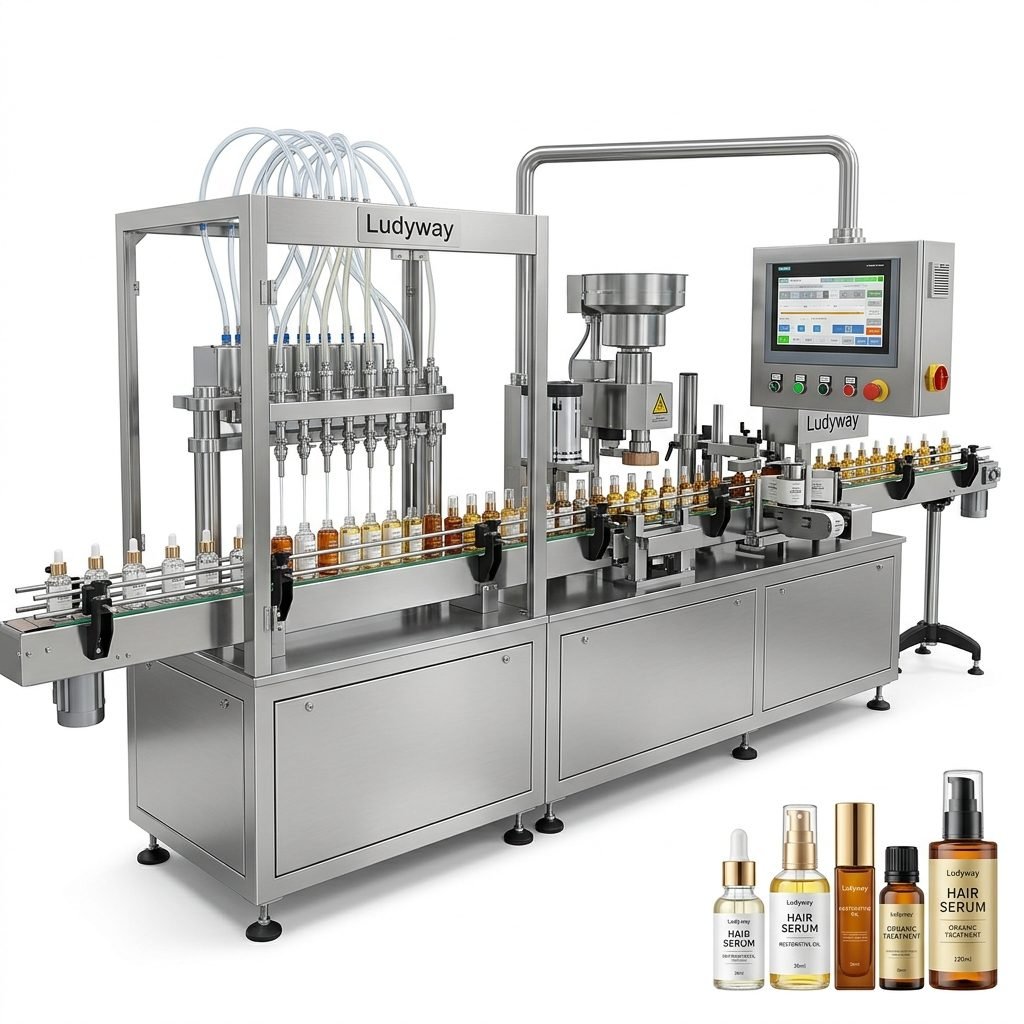
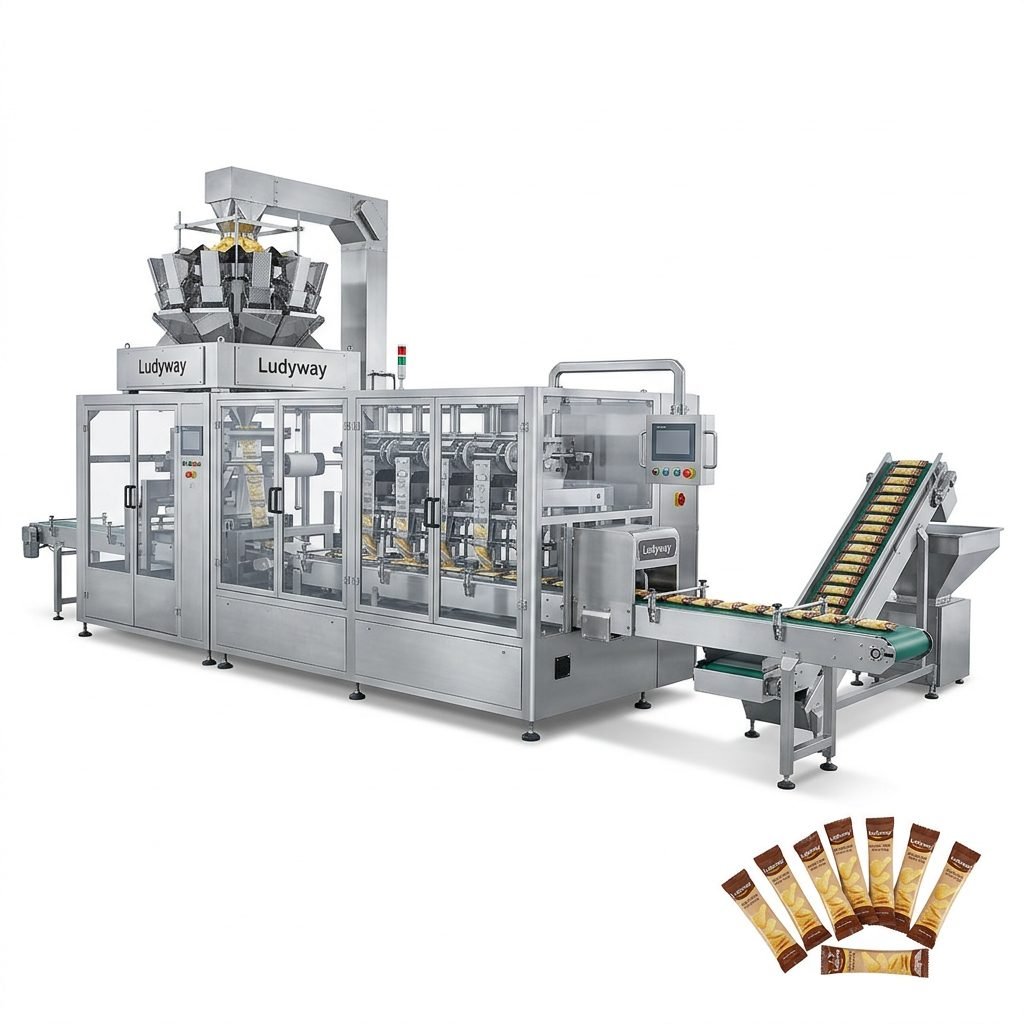
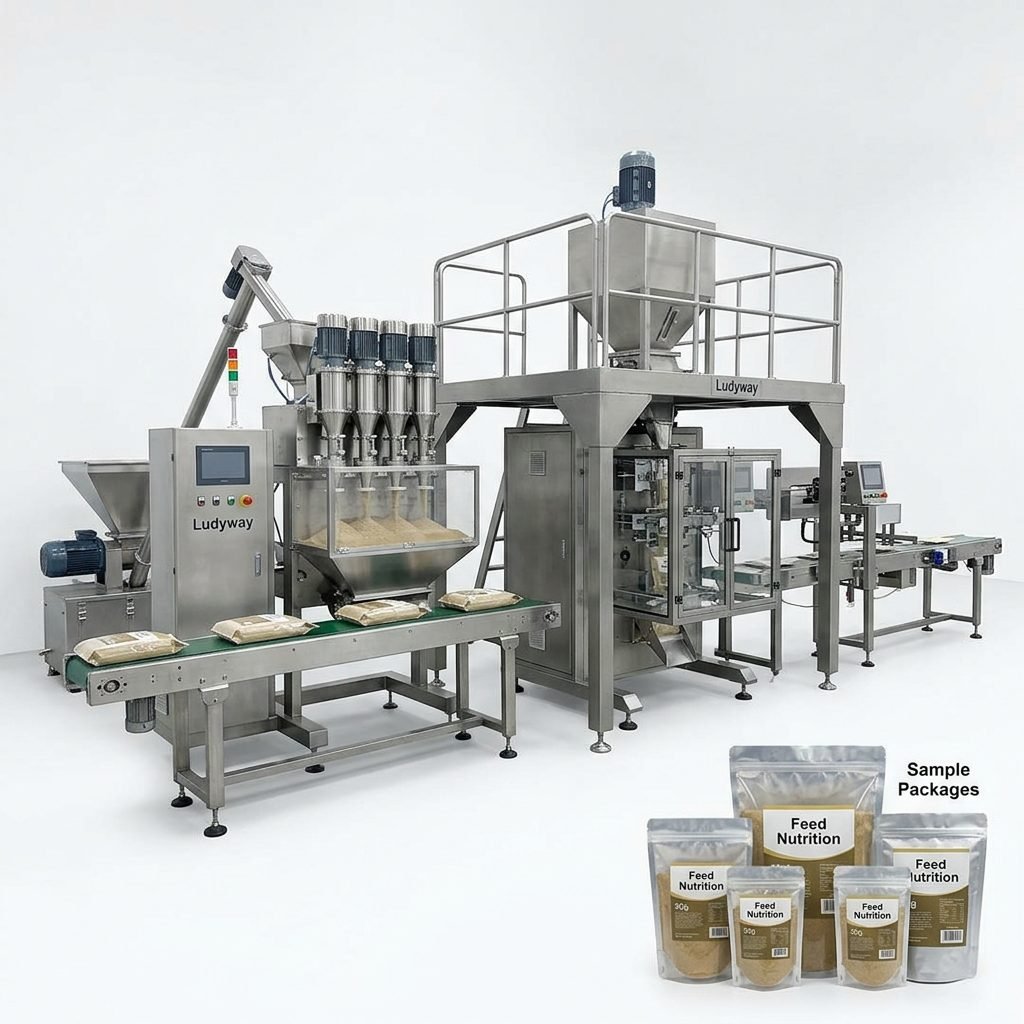
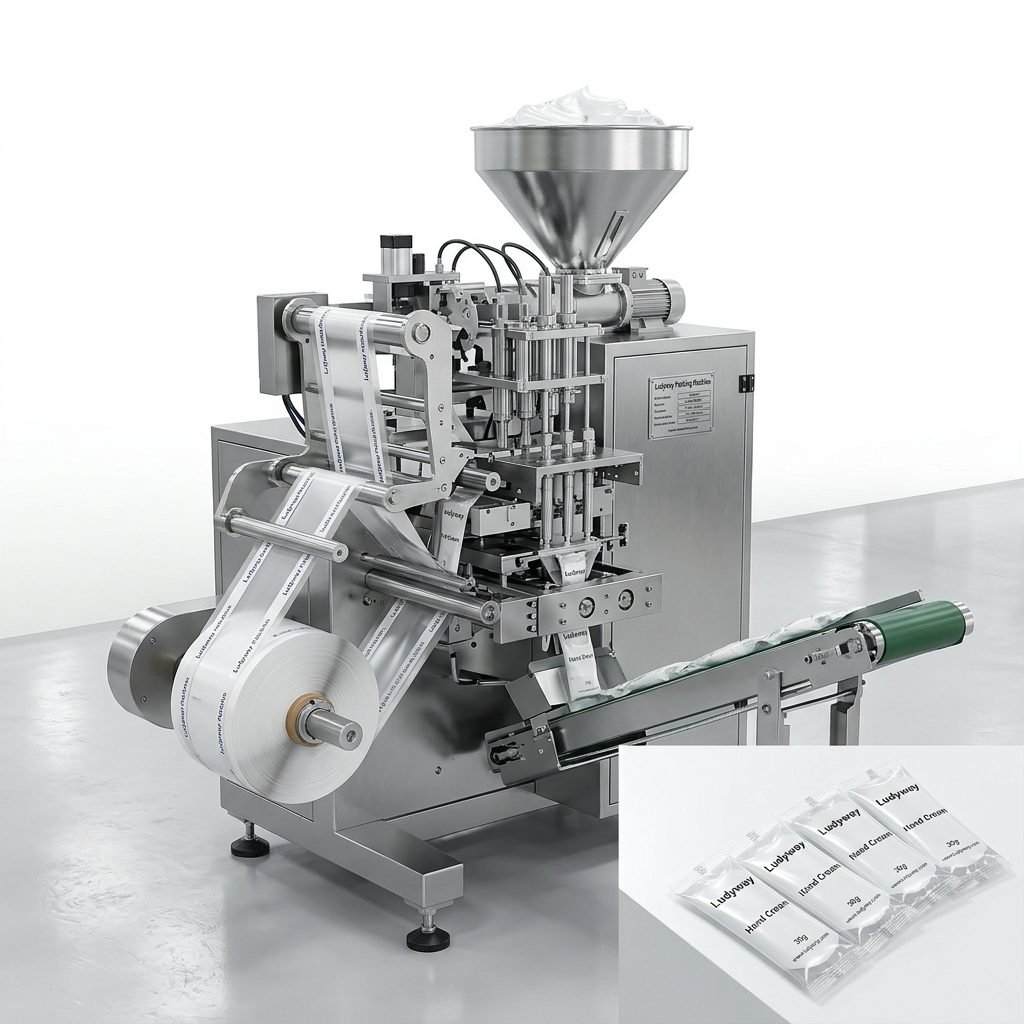
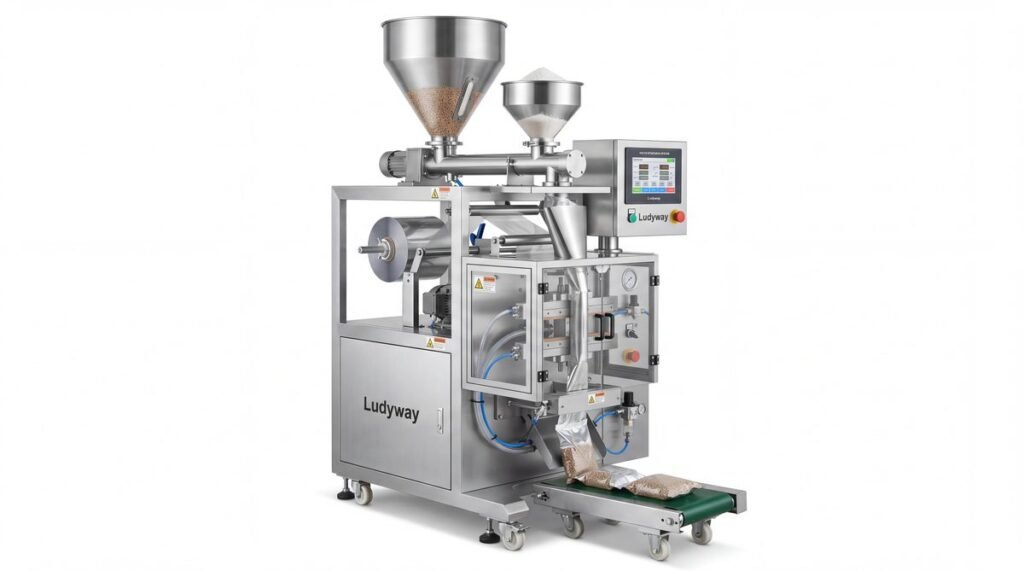
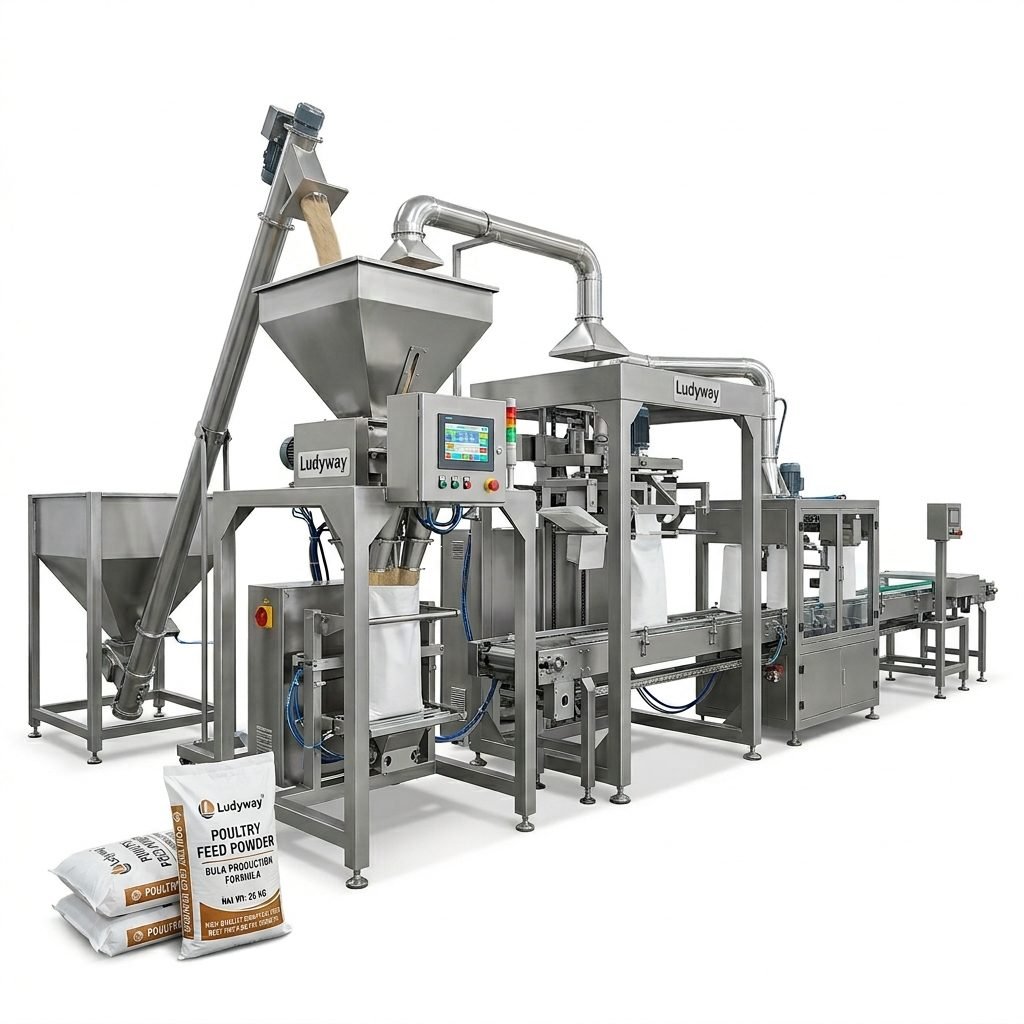
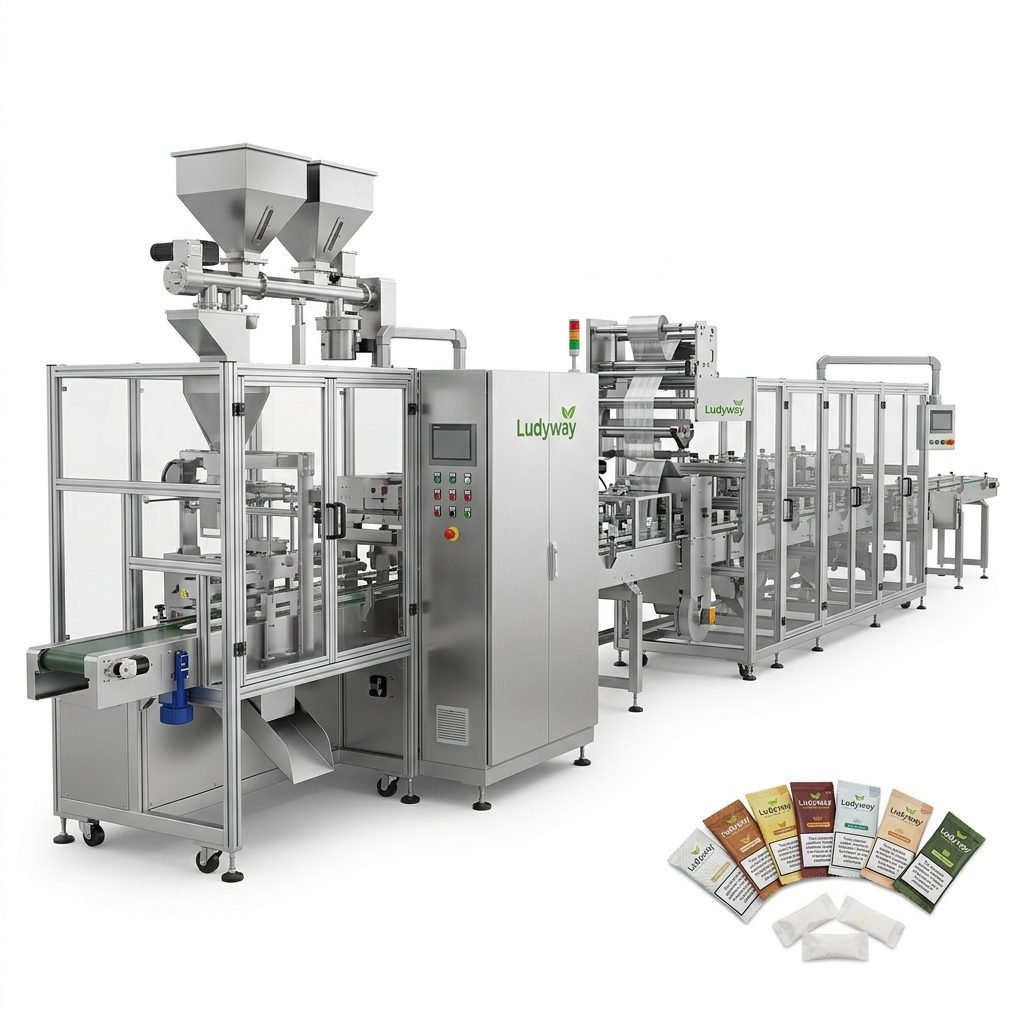
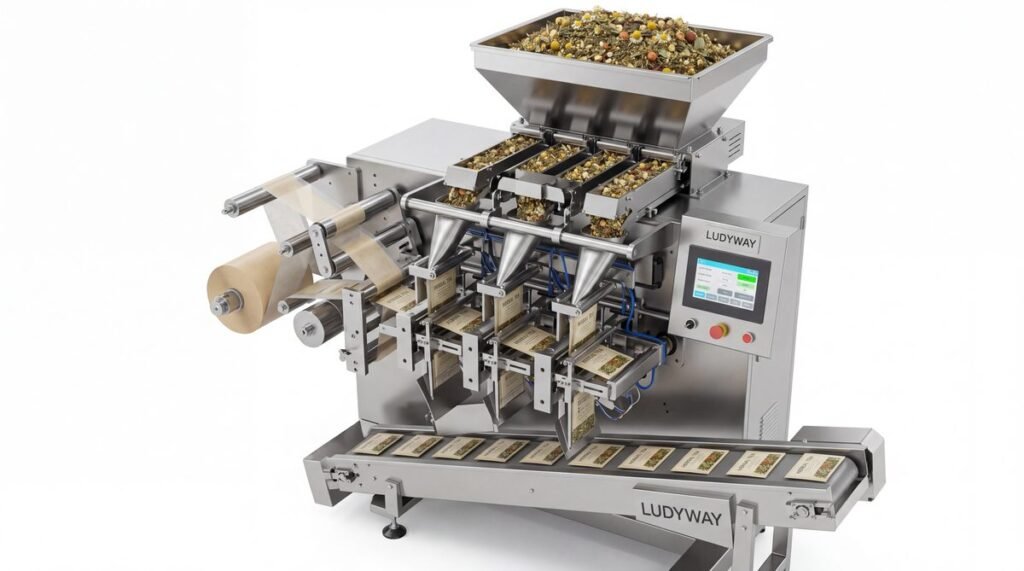
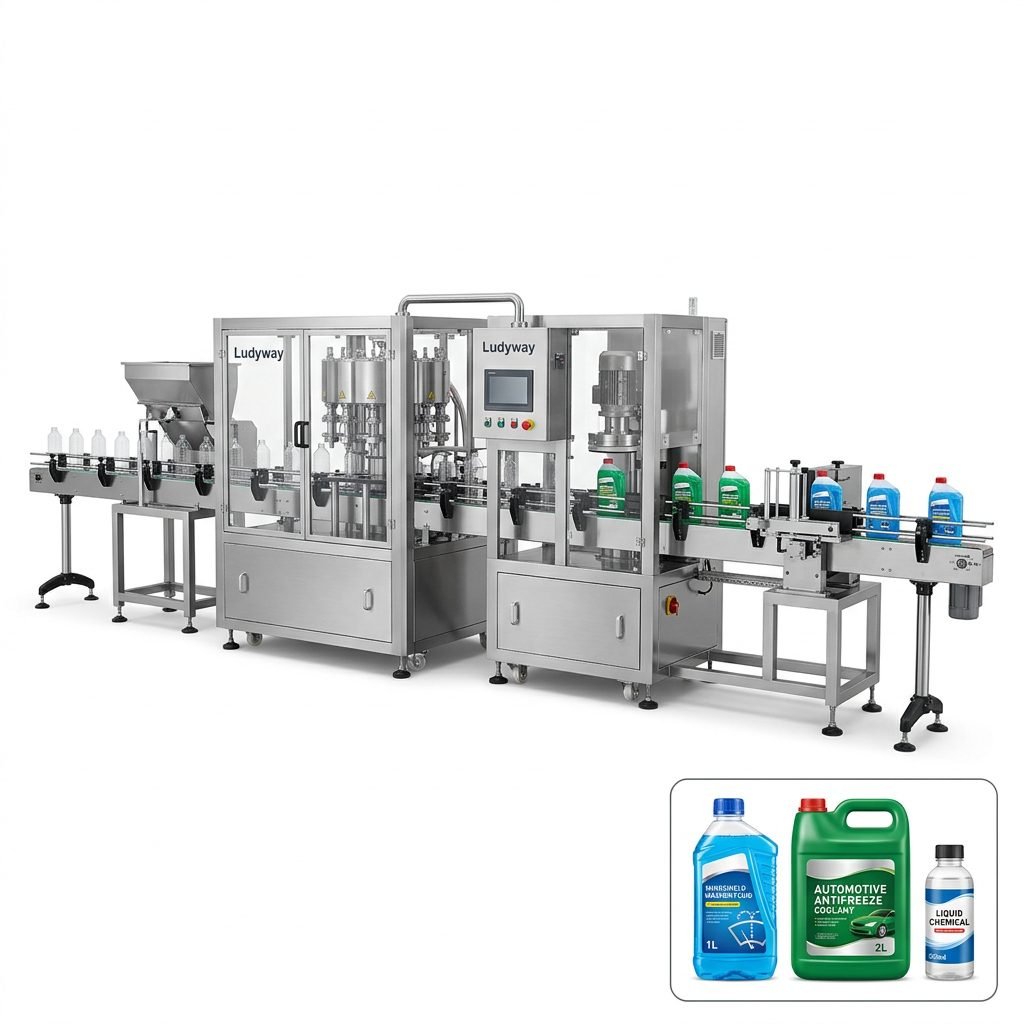
Investing in a tea roll bag packing machine is a significant decision for tea producers, distributors, and contract packaging businesses. Whether you are packaging loose leaf tea, herbal blends, powdered matcha, or granule-based tea products, the cost of the equipment varies widely based on automation level, production capacity, and configuration. Understanding the price range and knowing what to look for before purchasing can help you make a well-informed investment that aligns with your production goals.
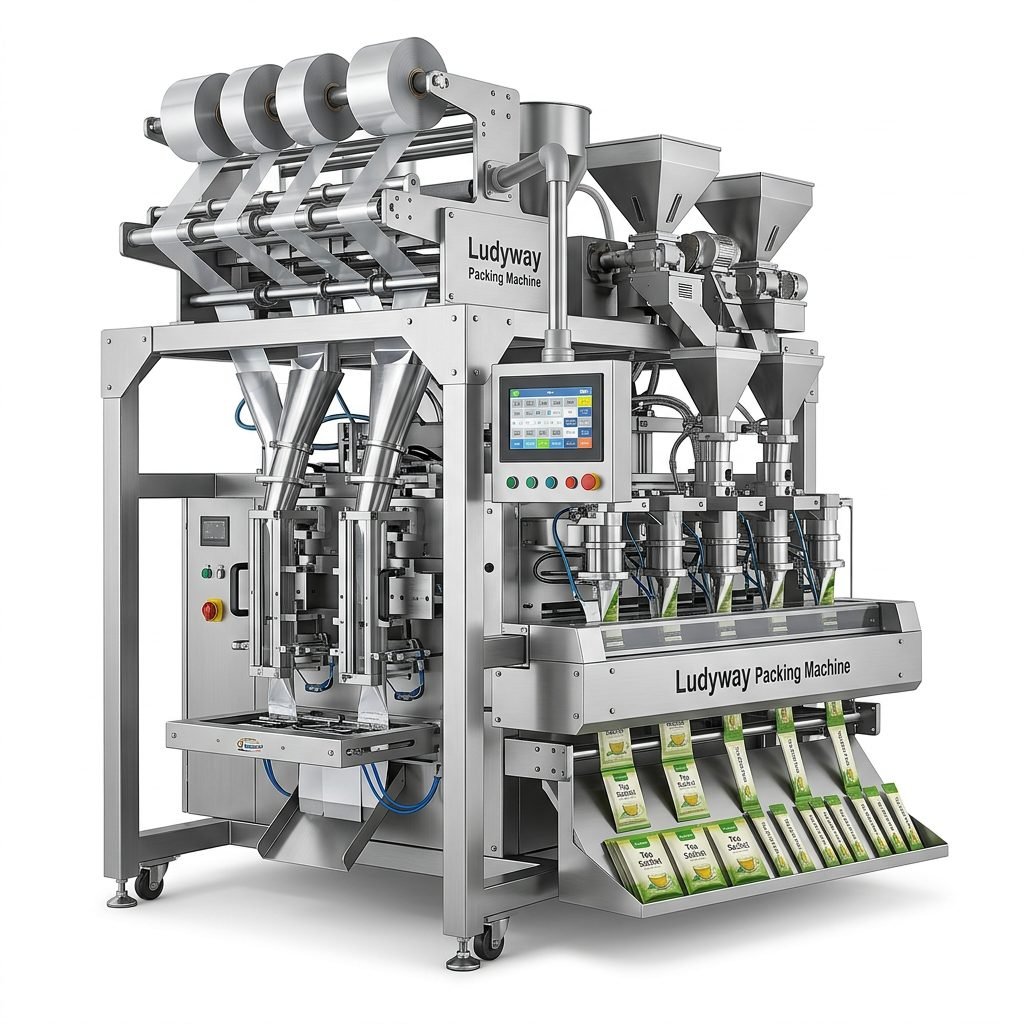
Key Factors That Influence Tea Roll Bag Packing Machine Prices
The cost of a tea packaging machine is not a one-size-fits-all figure. Several critical factors determine the final price tag. Being aware of these variables will help you budget more accurately and negotiate effectively with suppliers.
Automation Level
Semi-automatic machines require more manual intervention and are generally priced lower. Fully automatic systems, which handle feeding, filling, sealing, cutting, and counting with minimal human input, command a higher price. Multi-lane stick pack machines with servo-driven controls can significantly boost output but come at a premium.
Number of Lanes
A single-lane machine is suitable for small-batch production. However, if you need high-volume output, multi-lane tea packaging systems — ranging from 4 to 12 lanes or more — will dramatically increase throughput. Each additional lane adds to the machine’s complexity and cost. According to PMMI Business Intelligence, multi-lane packaging equipment continues to see growing demand across the food and beverage sector.
Material and Build Quality
Machines constructed with stainless steel 304 or 316 frames, food-grade contact parts, and certified electrical components are more expensive but essential for compliance with international food safety standards such as FDA food packaging regulations and ISO packaging standards.

Filling Technology
Auger fillers for powder tea, volumetric cup fillers for granule tea, and multi-head weighers for precise portioning each affect the cost differently. Auger filling systems with servo motors offer high accuracy for fine powders like matcha, while multi-head weighers are preferred for loose leaf tea blends.
Auxiliary Equipment Integration
A standalone tea roll bag machine costs less than a complete turnkey packaging line. If you require conveyors, automatic feeders, checkweighers, cartoning machines, or case packers, the total investment rises accordingly. For insights on packaging line integration and industry trends, the Flexible Packaging Association offers valuable resources on flexible packaging systems.
Tea Roll Bag Packing Machine Price Range Overview
The following table provides a general reference for tea packaging machine costs across different machine types and configurations. Actual prices may vary based on customization, brand, and regional factors.
| Machine Type | Estimated Price Range (USD) | Best Suited For |
|---|---|---|
| Entry-Level Semi-Automatic | $2,000 – $5,000 | Small-batch artisan tea producers, startups |
| Full-Automatic Single-Lane | $5,000 – $15,000 | Mid-scale tea brands, regional distributors |
| Multi-Lane High-Speed (4–8 Lanes) | $15,000 – $50,000 | High-volume tea packaging companies |
| Multi-Lane High-Speed (10+ Lanes) | $50,000 – $100,000+ | Industrial-scale tea producers, export-oriented operations |
| Complete Turnkey Packaging Line | $100,000 – $300,000+ | Full-scale automated factories with integrated cartoning and palletizing |
Note: Price ranges are estimates for reference purposes. Actual quotations depend on specific configurations, customization requirements, and shipping terms.
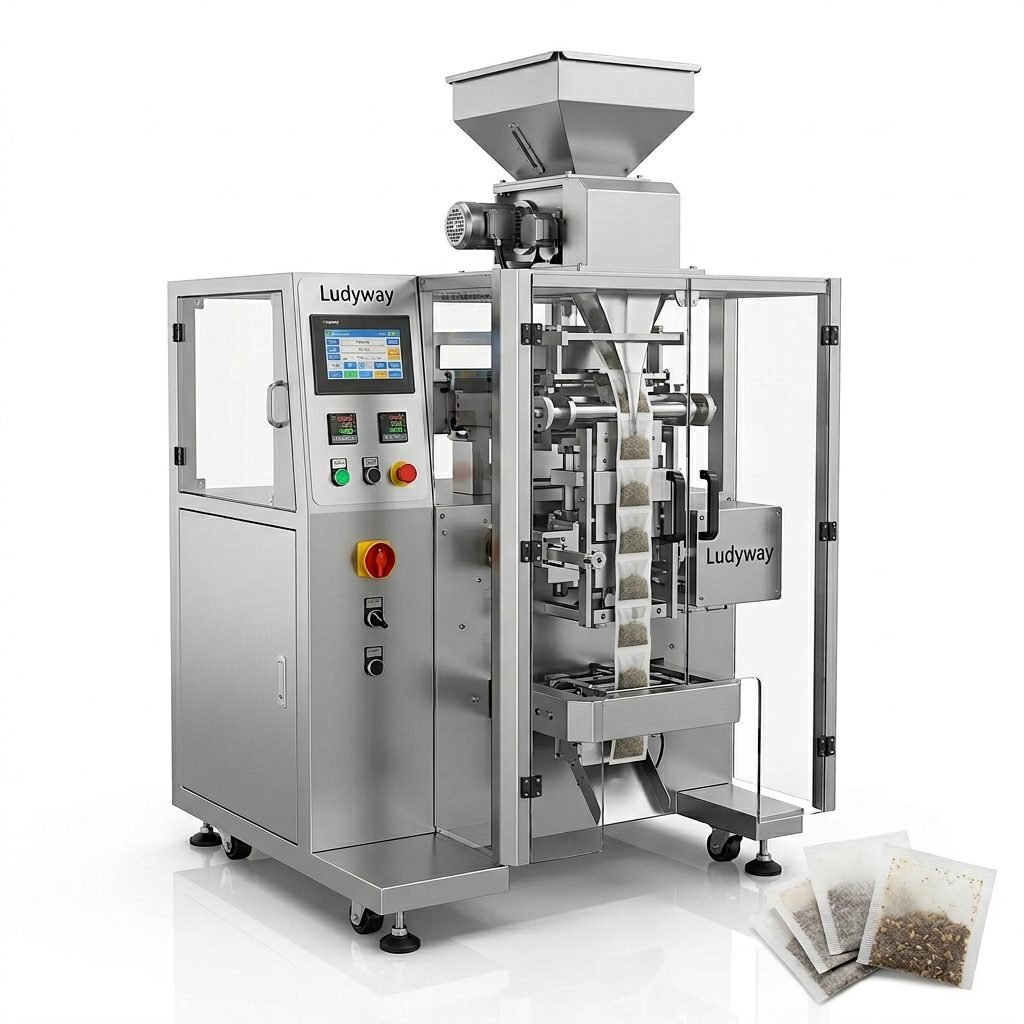
Additional Costs to Consider Beyond the Machine Price
When budgeting for a tea roll bag packing machine, the purchase price of the equipment itself represents only part of the total investment. Savvy buyers account for the following additional expenses:
- Shipping and freight charges — International shipping for heavy packaging machinery can add thousands of dollars to the total cost, especially for container shipments from overseas manufacturers.
- Installation and commissioning — On-site setup by qualified technicians ensures proper calibration, parameter configuration, and operational training for your staff.
- Spare parts inventory — Maintaining critical spare components such as heating elements, sealing jaws, cutting blades, and sensors reduces downtime during production peaks.
- Packaging material compatibility testing — Different film laminates, roll widths, and sealing temperatures must be validated to ensure consistent seal integrity and product freshness.
- Operator training and technical support — Investing in thorough training and securing long-term technical support contracts protects your equipment investment and maintains productivity.
Buying Tips: How to Choose the Right Tea Roll Bag Packing Machine
Making the right purchasing decision goes beyond simply comparing prices. Here are actionable tips to guide your evaluation process and help you select equipment that delivers long-term value.
1. Define Your Production Requirements Clearly
Before contacting suppliers, determine your target output in packs per minute, the range of bag sizes you need, the type of tea product (loose leaf, granule, powder), and any special requirements such as nitrogen flushing for extended shelf life. Clear specifications lead to accurate quotations and faster procurement cycles.
2. Verify Material Compatibility
Ensure the machine can handle your preferred packaging materials — whether it is heat-sealable laminate roll film, aluminum foil composite, or biodegradable materials. Material compatibility directly impacts sealing quality, production speed, and product shelf stability. Refer to Flexible Packaging Association regulatory resources for guidance on compliant packaging materials.

3. Request Factory Audits or Virtual Inspections
Visiting the manufacturer’s production facility — physically or via video tour — gives you firsthand insight into their manufacturing capabilities, quality control processes, and after-sales service infrastructure. Reputable manufacturers welcome such inspections and are transparent about their operations.
4. Evaluate After-Sales Support and Warranty Terms
A comprehensive warranty covering major components such as PLC systems, servo motors, and sealing assemblies is essential. Confirm the availability of remote technical support, on-site repair services, and spare parts supply channels before finalizing your purchase. Check PMMI packaging machinery standards for industry benchmarks on equipment reliability and service expectations.
5. Compare Total Cost of Ownership, Not Just Purchase Price
A lower upfront price may result in higher long-term expenses if the machine suffers from frequent breakdowns, consumes excessive energy, or requires expensive proprietary consumables. Calculate the total cost of ownership over a 3–5 year period, including maintenance, spare parts, energy usage, and expected downtime.
6. Ask for Video Demonstrations and Sample Runs
Request video evidence of the machine running with your specific tea product or a similar material. Better yet, send product samples to the manufacturer for trial runs and request the sealed sample packs for quality inspection. This practical validation step can prevent costly mismatches after delivery.
Understanding Regional Price Variations
Manufacturers based in different regions offer varying price points for comparable tea packaging machinery. Chinese manufacturers often provide competitive pricing with increasingly advanced technology, while European and Japanese brands typically command premium prices for established reliability and brand reputation. The PMMI 2025 State of the Industry report highlights ongoing shifts in global packaging machinery supply chains and regional manufacturing trends.
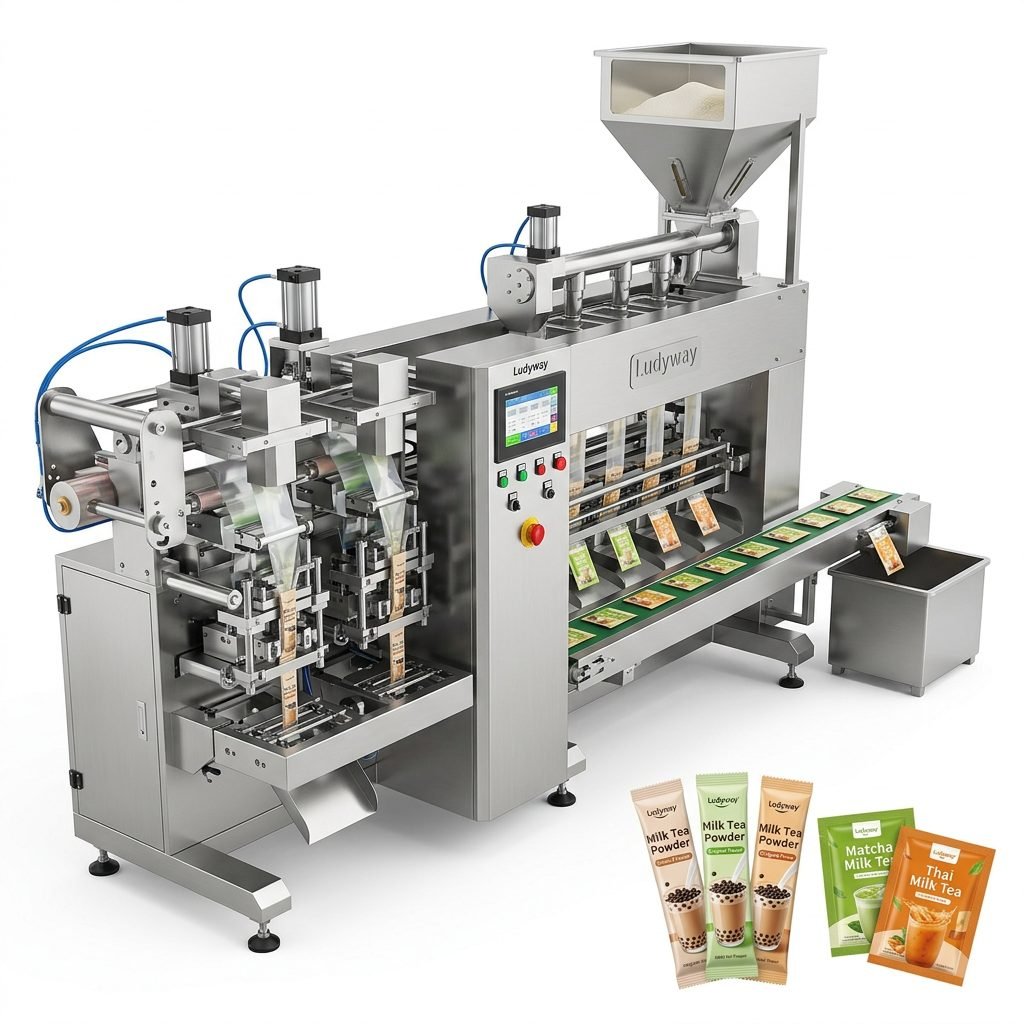
New vs. Used Tea Roll Bag Packing Machines
While used packaging machinery may appear attractive at 30–60% lower prices, careful evaluation is required. Used machines may lack updated safety features, have worn sealing components, or operate on outdated control systems. If considering a pre-owned tea roll bag machine, insist on a thorough inspection report, operational video, and confirmation of spare parts availability. For many growing businesses, a new machine with full warranty coverage offers greater peace of mind and lower risk.
Industry Insights and Market Outlook
The global tea packaging machinery market continues to expand, driven by rising demand for convenient single-serve formats such as stick packs and sachets, as well as increasing adoption of automated packaging solutions in emerging markets. According to recent industry coverage on EIN Presswire, packaging machinery exports from major manufacturing hubs are projected to experience substantial growth through 2026 and beyond. For additional data and economic analysis, the PMMI State of the Industry economic reports provide comprehensive packaging sector intelligence. Meanwhile, the European Commission packaging regulations continue to shape material choices and sustainability practices across the industry.
About Ludyway — Your Partner in Tea Packaging Solutions
Ludyway is one of the largest packaging machine manufacturers in China, specializing in advanced packaging equipment and turnkey production solutions for the food, pharmaceutical, and health industries. With over 30 years of industry expertise and a modern 20,000㎡ manufacturing facility, Ludyway provides reliable and efficient packaging solutions for granule, powder, liquid, and pouch packaging applications — including specialized tea roll bag packing machines tailored to diverse production needs. Serving customers in over 100 countries, Ludyway offers more than 50 intelligent packaging machine models backed by comprehensive technical support and a commitment to quality that helps businesses improve productivity and operational efficiency.
Key Questions to Ask Before Finalizing Your Purchase
- What is the maximum output speed in packs per minute for my target bag size?
- Is the machine compatible with multiple film materials and thicknesses?
- Does the manufacturer provide on-site installation and operator training services?
- What is the standard warranty period and what components are covered?
- Are spare parts readily available in my region, and what is the typical lead time?
- Can the machine be upgraded or expanded with additional lanes or modules in the future?
Final Thoughts
Selecting the right tea roll bag packing machine requires balancing budget constraints with production requirements, quality expectations, and long-term operational goals. By understanding the key cost drivers, evaluating suppliers thoroughly, and planning for ancillary expenses, you can make a confident investment that supports sustainable business growth. Whether you are launching a new tea brand or scaling an established operation, the right packaging equipment serves as the backbone of efficient, profitable production.