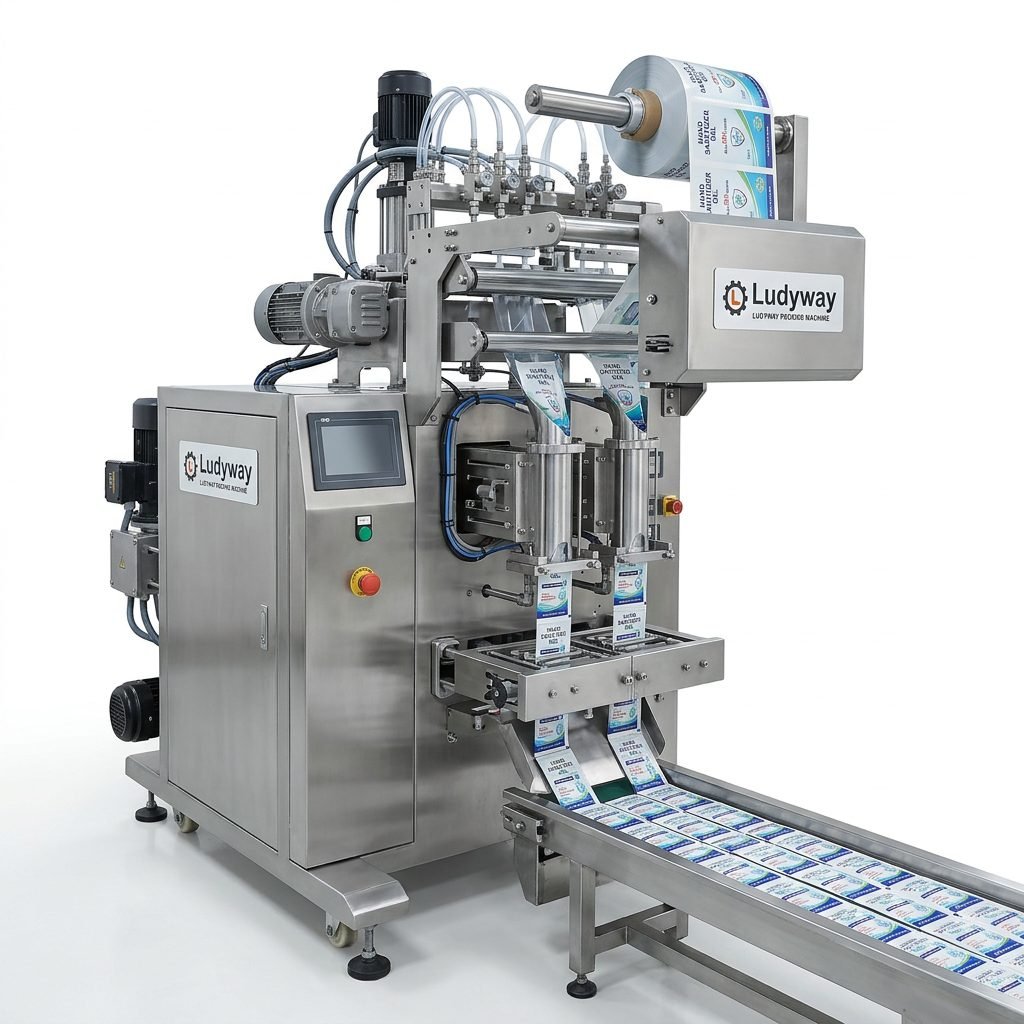
Entering the Australian food market requires a strategic approach to packaging. The right food packaging machine is not merely a purchase—it’s an investment in product integrity, shelf life, and regulatory compliance. Australia enforces some of the world’s most stringent food safety and labeling standards, governed by FSANZ (Food Standards Australia New Zealand). Whether you’re packaging granule snacks, liquid sauces, or powdered supplements, selecting equipment that aligns with local requirements is essential for long-term success.
Understanding Australian Packaging Regulations and Standards
Before evaluating machinery, familiarize yourself with Australia’s regulatory landscape. Compliance with FSANZ standards is non-negotiable. Key requirements include accurate labeling, allergen declarations, and food-grade material certifications. Packaging machinery must support traceability, prevent contamination, and accommodate mandatory labeling elements like country-of-origin statements and nutritional panels. For more detailed guidance, refer to the PMMI packaging industry resources which cover international compliance frameworks applicable to Australian importers.
Identifying Your Product and Packaging Format
Your product’s physical form dictates the machine category. Australian consumers favor convenient formats, making the following machine types particularly relevant:
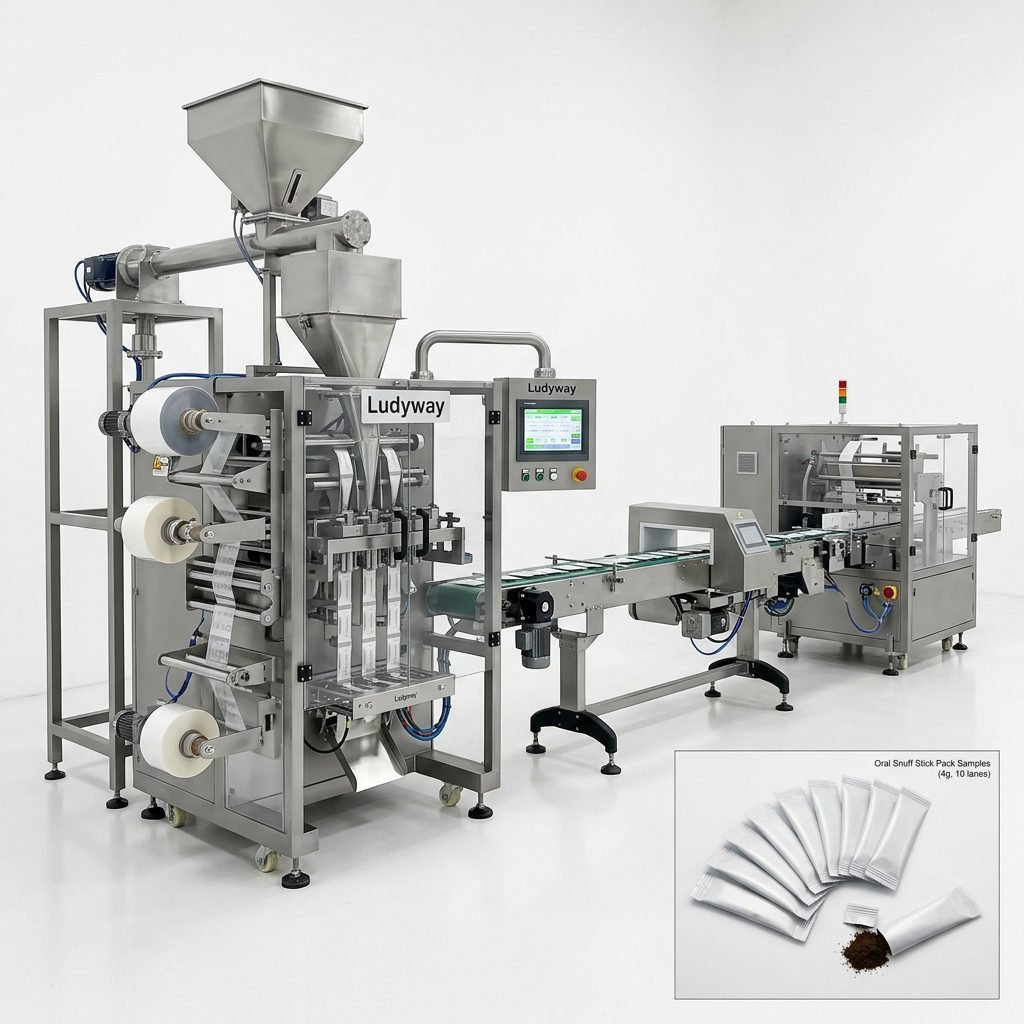
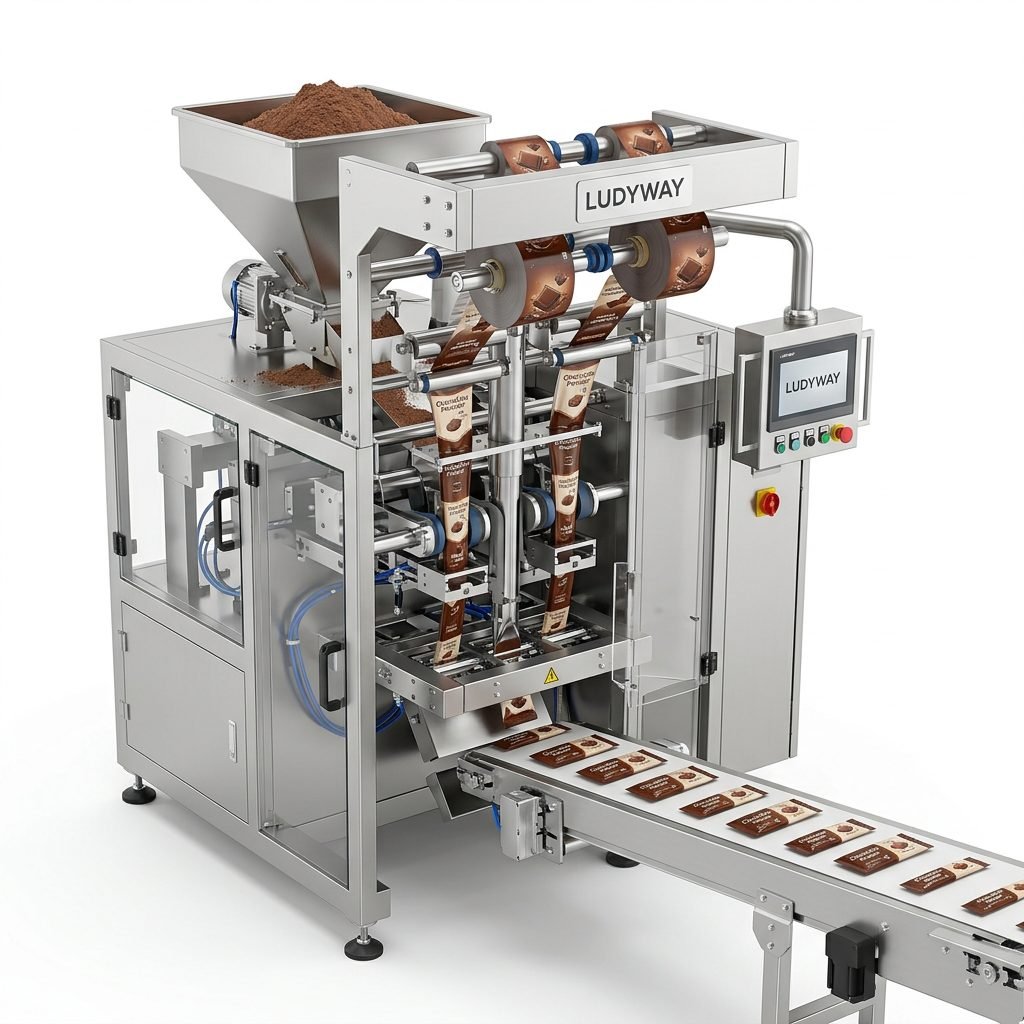
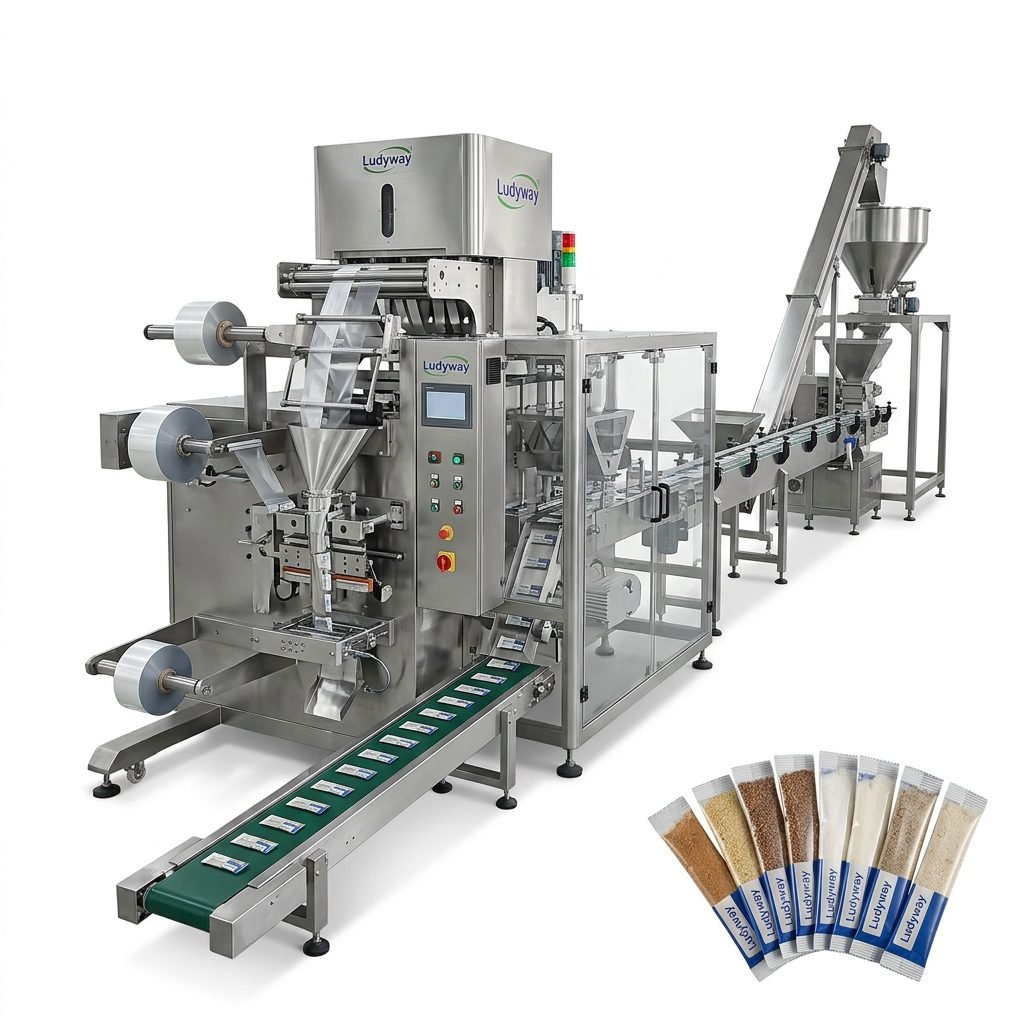
- Stick pack machines – Ideal for single-serve powders, sugar, coffee, and nutritional supplements. The compact format aligns with on-the-go Australian lifestyles.
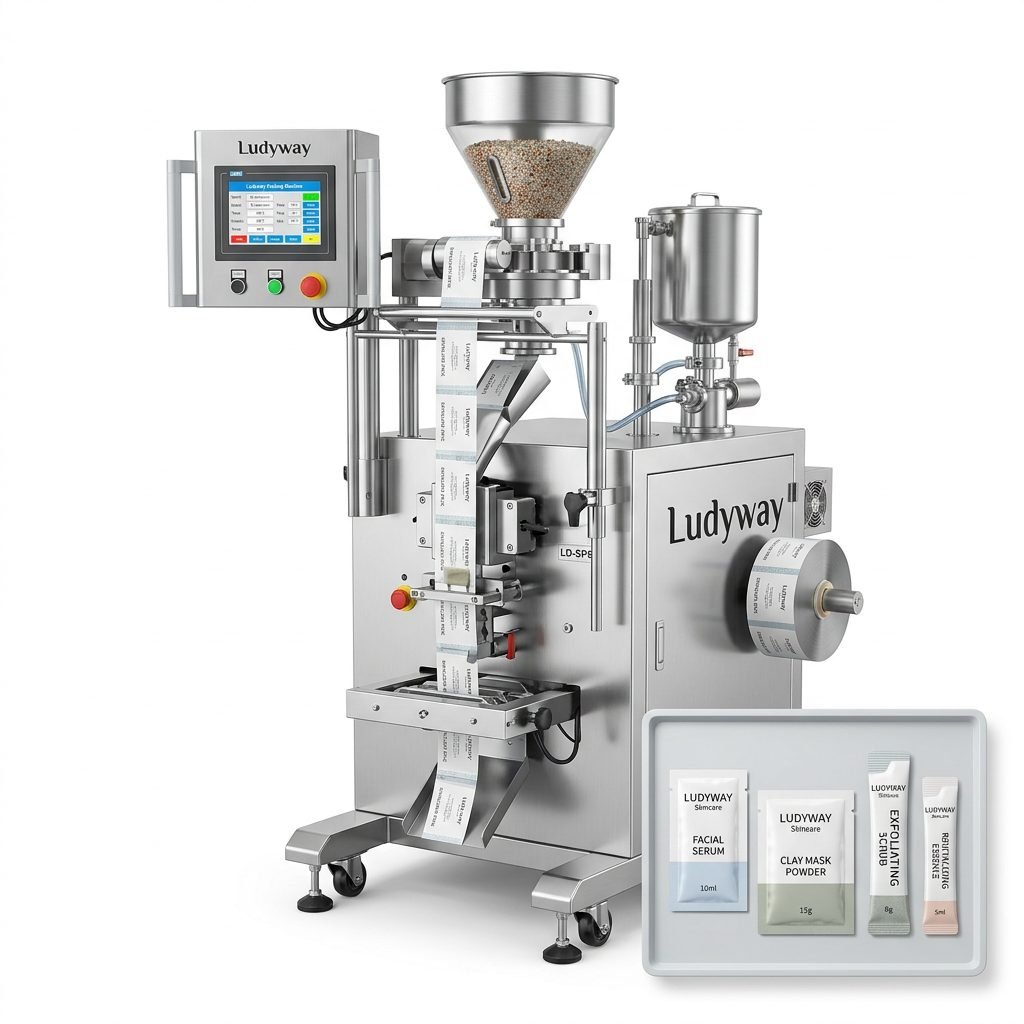
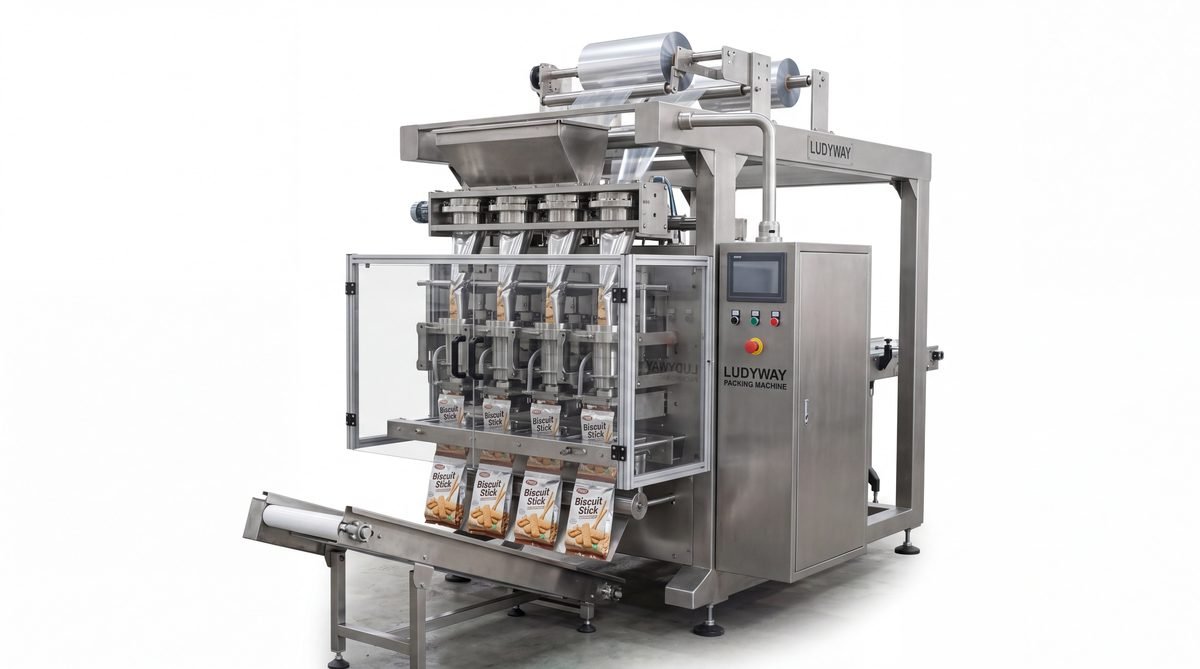
- Sachet packaging machines – Widely used for sauces, condiments, liquid detergents, and cosmetic samples. Multi-lane configurations boost throughput significantly.
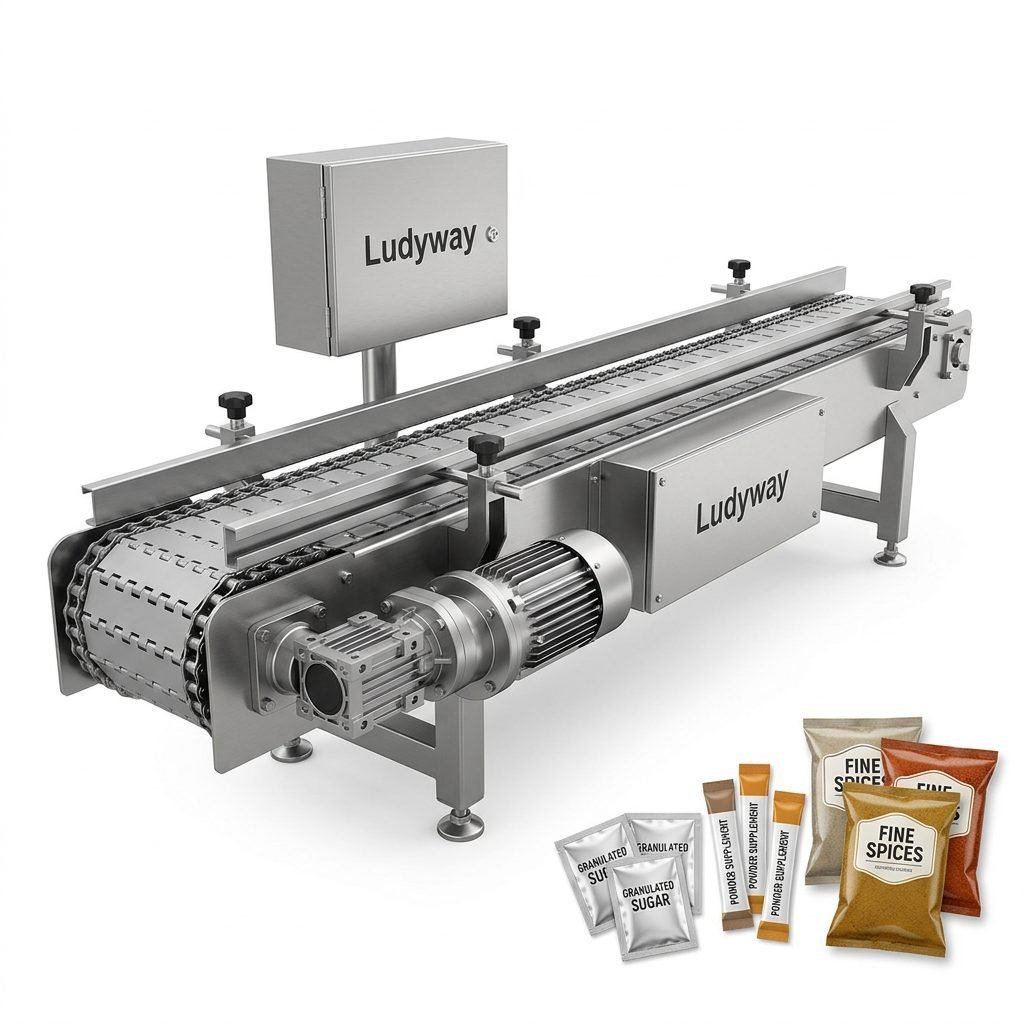
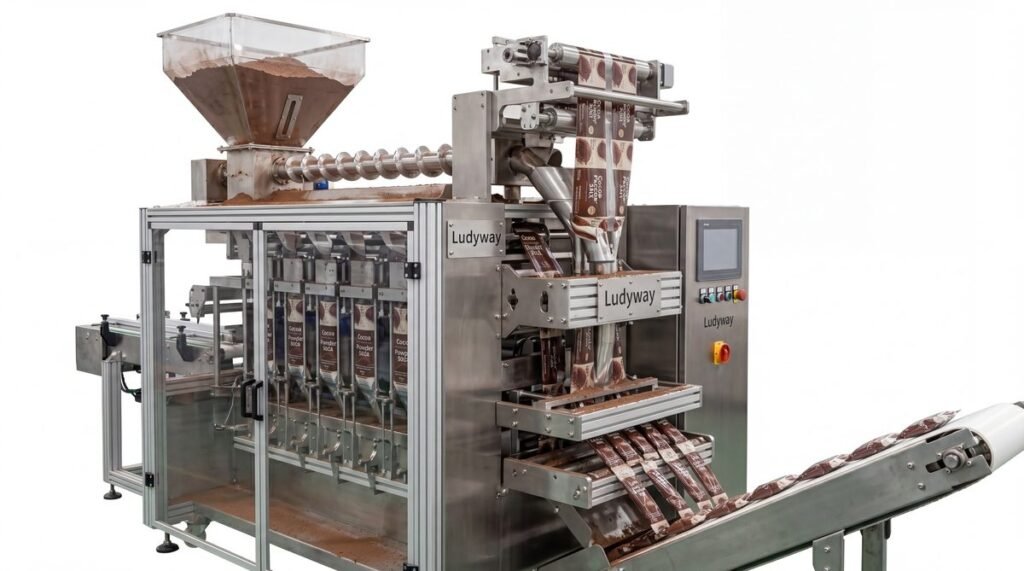
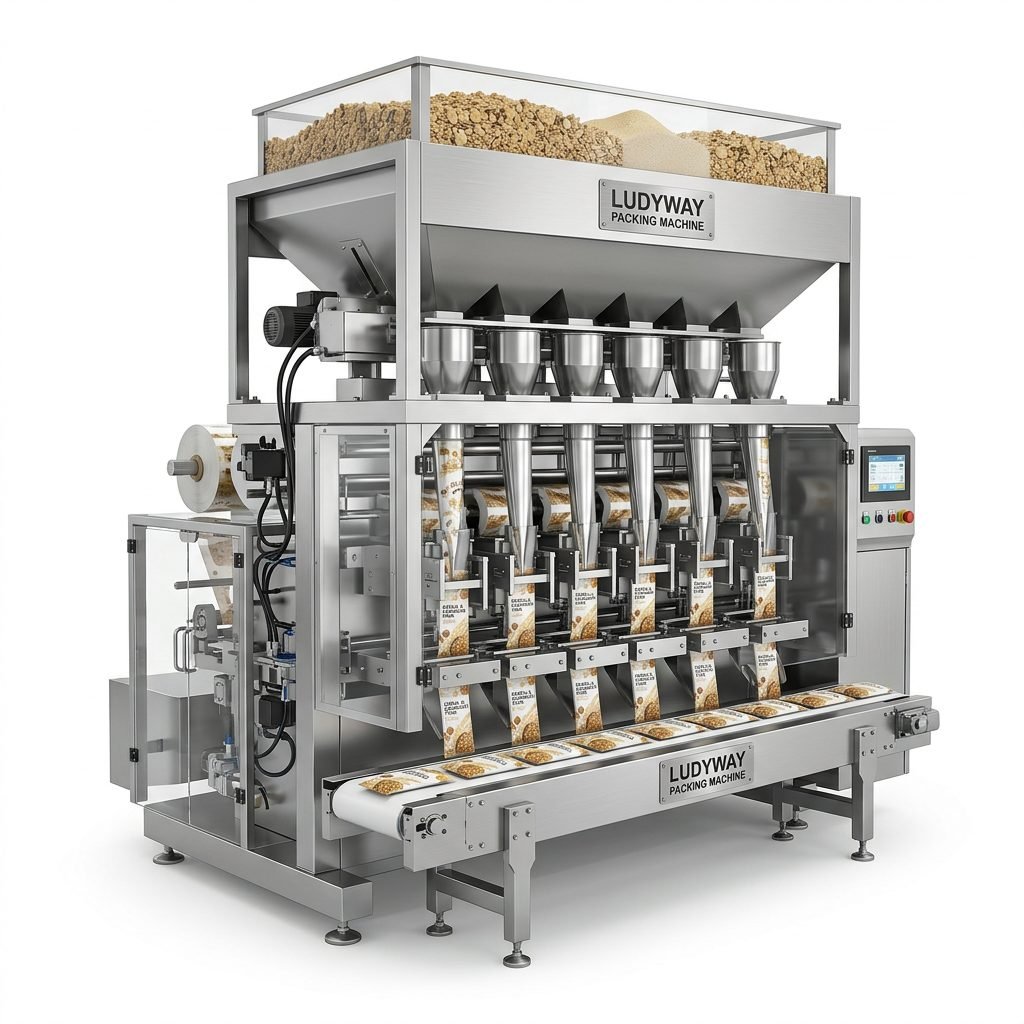
- Multi-lane packaging systems – Perfect for high-volume production of granule and powder products such as spices, seasonings, and pet food.
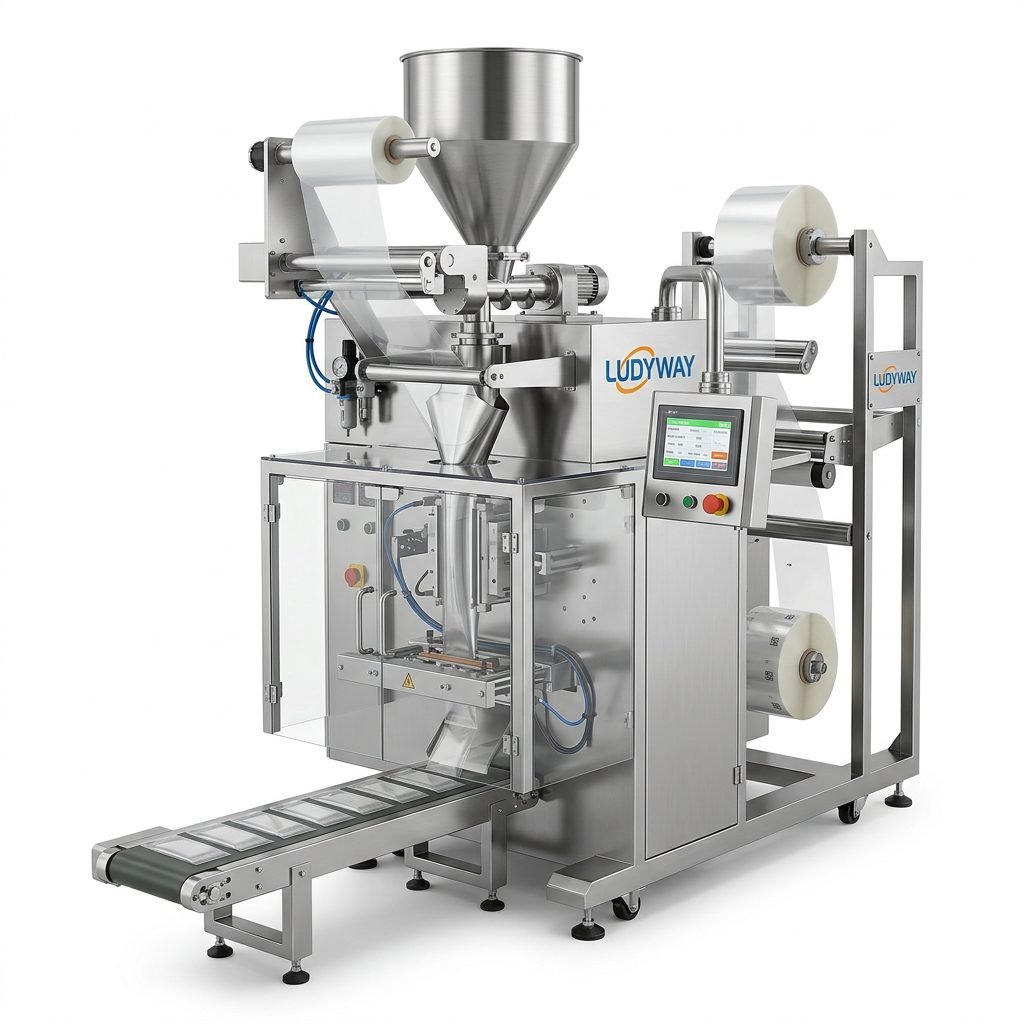
- Pouch packaging lines – Suitable for larger portions, frozen foods, and bulk ingredients, offering resealable convenience.
Stick Pack vs. Sachet: Making the Right Choice
Stick packs offer a slim, elongated design that works exceptionally well for single-use powder products like protein powders, instant coffee, and electrolyte mixes. Sachets, with their flat rectangular shape, are better suited for liquid products, creams, and larger portion sizes. Evaluating your target Australian retailer requirements—whether Woolworths, Coles, or specialty health stores—will influence this decision.
Key Technical Factors to Evaluate
| Factor | Why It Matters for Australia |
|---|---|
| Speed and Output | Australian labor costs are among the highest globally. High-speed multi-lane machines reduce per-unit costs. |
| Material Compatibility | Machines must handle recyclable, compostable, or mono-material films to meet Australia’s 2025 National Packaging Targets. |
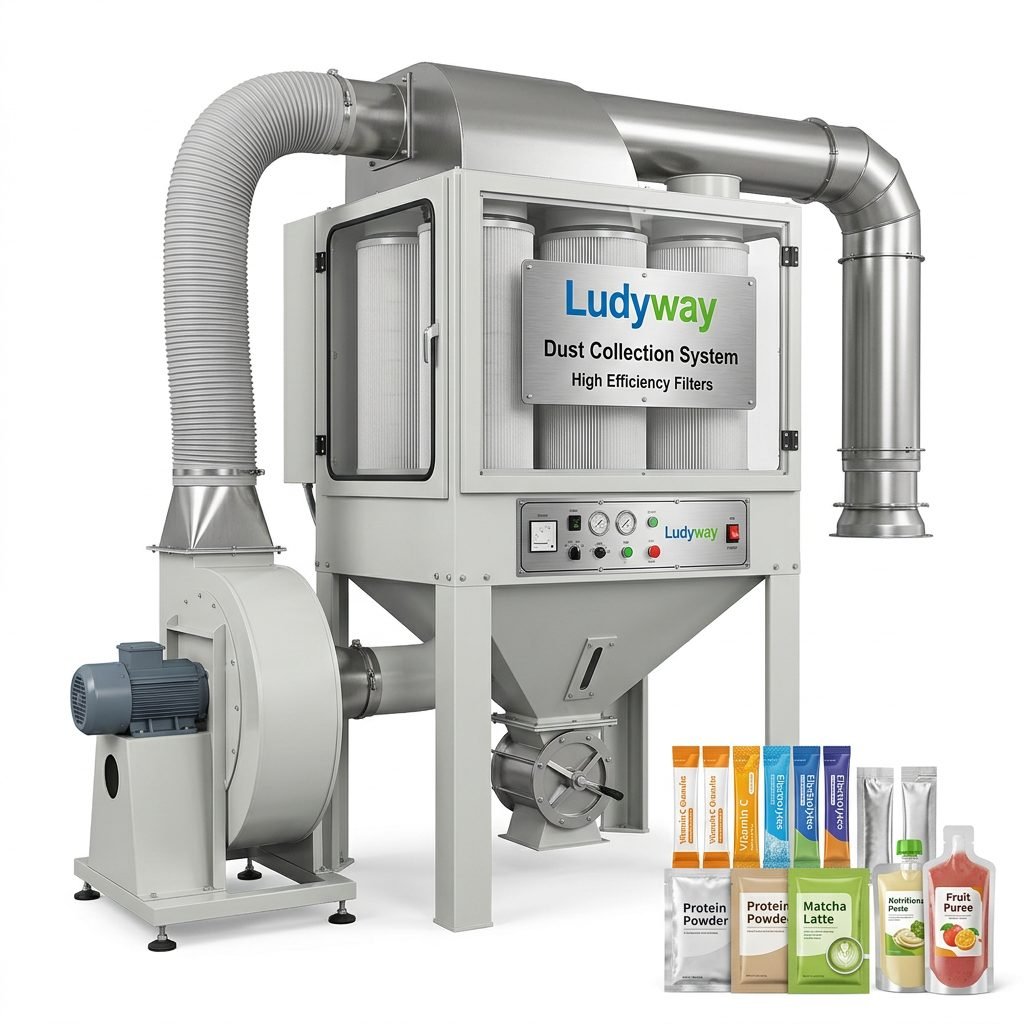
| Cleaning & Hygiene | Easy-to-clean designs with stainless steel construction support HACCP compliance required by Australian food safety laws. |
| Automation Level | Fully automated systems with minimal manual intervention reduce contamination risk and improve consistency. |
| Changeover Flexibility | Quick changeover between SKUs supports Australia’s diverse multi-product production environments. |
Sustainability: A Non-Negotiable for the Australian Market
Australia has committed to ambitious sustainability targets under the 2025 National Packaging Targets, aiming for 100% reusable, recyclable, or compostable packaging. Your chosen flexible packaging machine must be capable of running eco-friendly materials like recyclable mono-PE films, compostable bioplastics, and lightweight structures without compromising seal integrity. The European Commission’s packaging waste regulations also provide valuable reference points that increasingly influence Australian policy direction.
Supplier Selection: Domestic vs. International
Australian-based suppliers offer local support advantages, but international manufacturers—particularly those with established global distribution networks—can provide significant cost savings and advanced technology. When evaluating international suppliers, assess their experience with Australian clients, their understanding of local standards, and their ability to provide remote support and spare parts. A supplier with a dedicated presence or proven track record in the Australian market offers greater peace of mind.
After-Sales Support and Spare Parts Availability
Downtime costs money. Confirm that your supplier can deliver spare parts quickly to Australian ports and offers responsive technical support across time zones. Look for suppliers who provide comprehensive documentation, video-based troubleshooting, and on-site or remote training for your Australian production team.
Cost Considerations Beyond the Initial Purchase
The total cost of ownership includes several components beyond the upfront price:
- Freight and import duties – Shipping to Australian ports and applicable customs fees
- Installation and commissioning – On-site setup by qualified technicians
- Training – Operator and maintenance staff instruction
- Consumables – Ongoing costs for films, inks, and replacement wear parts
- Energy consumption – Australia’s energy costs make efficiency a financial priority

Testing and Validation Before Purchase
Always request sample testing with your actual product and packaging materials before finalizing a machine purchase. This step confirms seal quality, fill accuracy, and overall compatibility. Reputable manufacturers will offer factory acceptance testing (FAT) and provide video documentation if physical travel is impractical. For Australian importers, this validation phase is critical to ensure the equipment performs as expected under local operating conditions.
Future-Proofing Your Investment
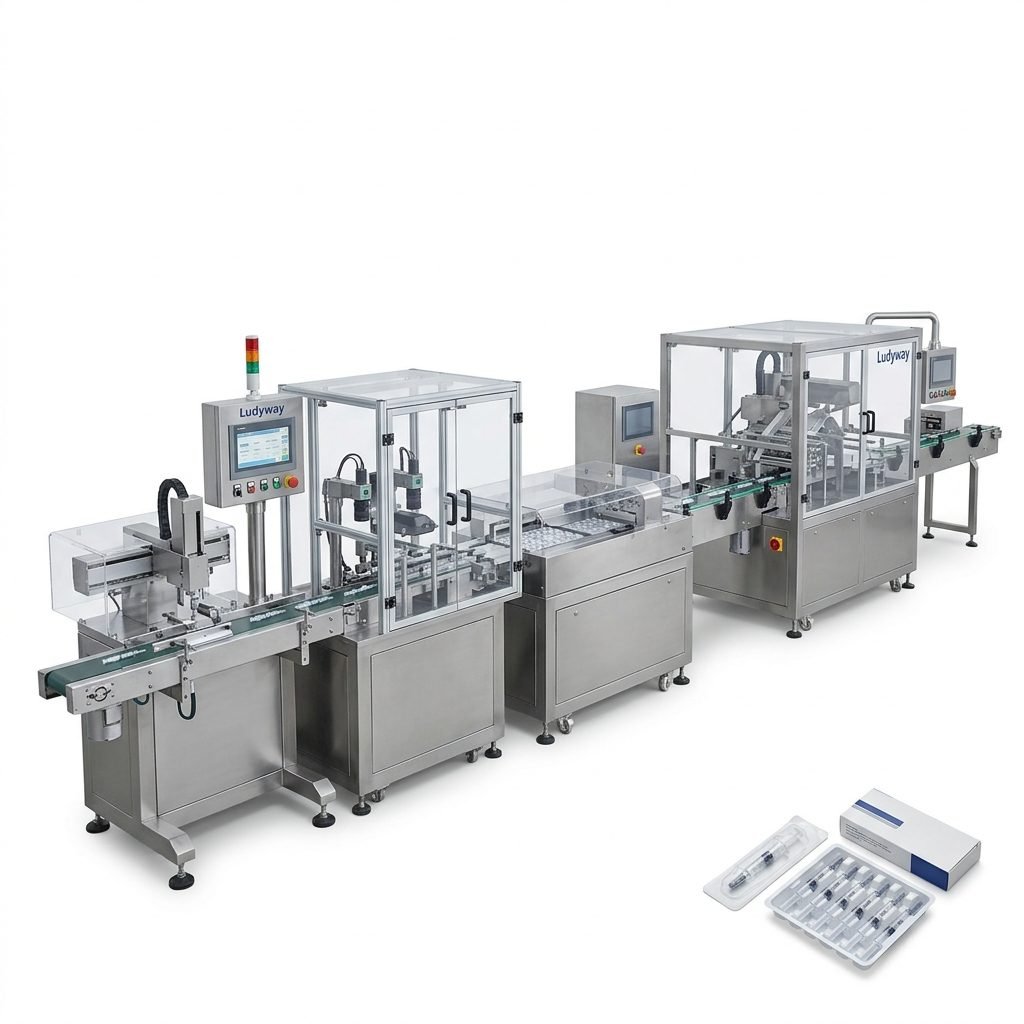
Choose machinery that accommodates future growth. Modular designs allow you to add lanes, upgrade controls, or integrate with Industry 4.0 smart factory systems as your Australian market presence expands. Machines with IoT capabilities enable remote monitoring, predictive maintenance alerts, and performance analytics—features increasingly valued by Australian manufacturers seeking competitive advantages. Ludyway, one of the largest packaging machine manufacturers in China with over 30 years of industry expertise and customers in more than 100 countries, offers a comprehensive range of intelligent packaging solutions from multi-lane stick pack systems to fully automated turnkey lines—backed by a modern 20,000㎡ manufacturing facility and a commitment to helping businesses improve productivity and operational efficiency.

Key Certifications to Look For
When sourcing machinery for the Australian food sector, confirm that equipment meets relevant international standards including CE marking, and inquire about ISO 9001 quality management certification. While Australia accepts various international standards, equipment designed with food safety in mind—featuring sanitary construction and validated cleaning protocols—will simplify your compliance journey with local health authorities.
Making the Final Decision
Selecting a food packaging machine for the Australian market requires balancing regulatory compliance, operational efficiency, sustainability, and total cost of ownership. Prioritize suppliers who understand Australia’s unique market dynamics, offer robust after-sales support, and provide machinery that can evolve with your business. A well-chosen packaging system becomes a strategic asset, enabling you to deliver quality products that meet Australian consumer expectations and regulatory demands. For more industry insights, explore the PMMI business intelligence library and the Flexible Packaging Association for ongoing updates on packaging trends, standards, and market data relevant to the Australian and global packaging landscape.