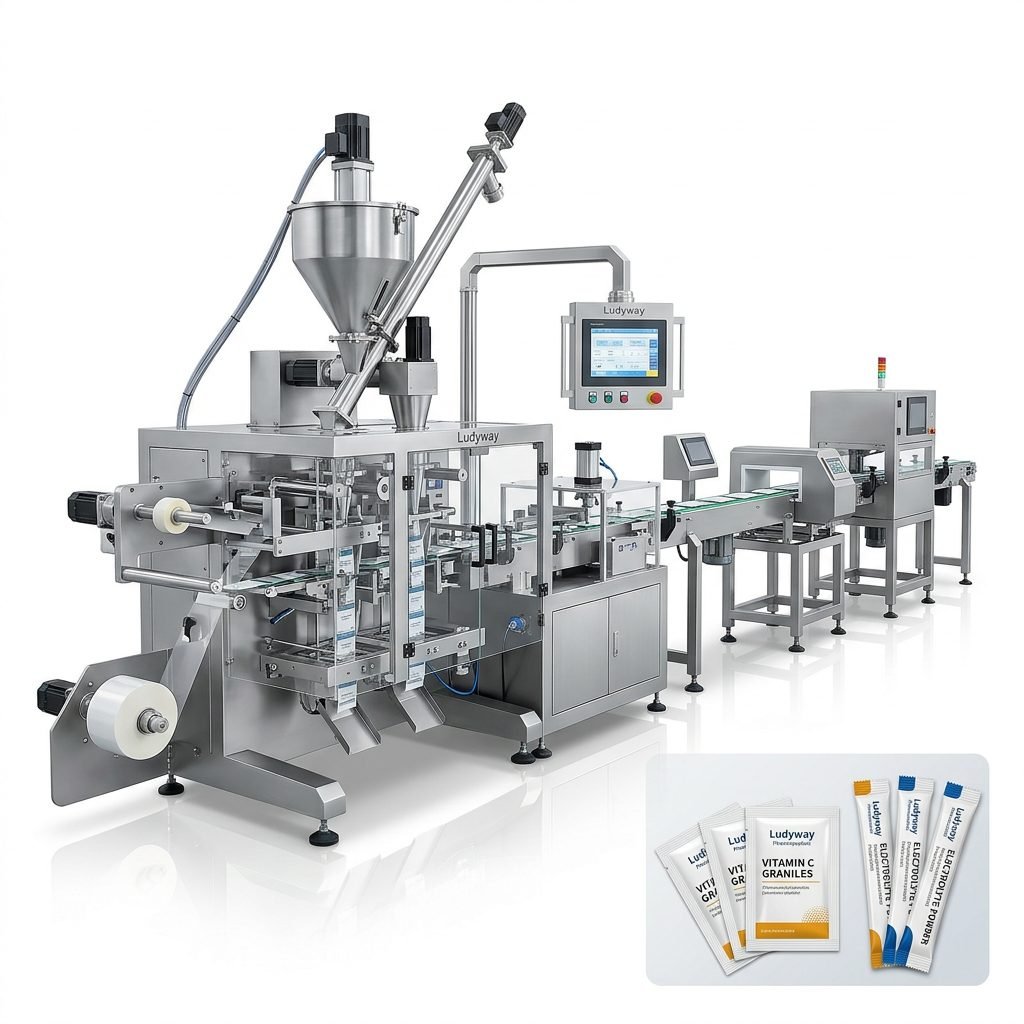
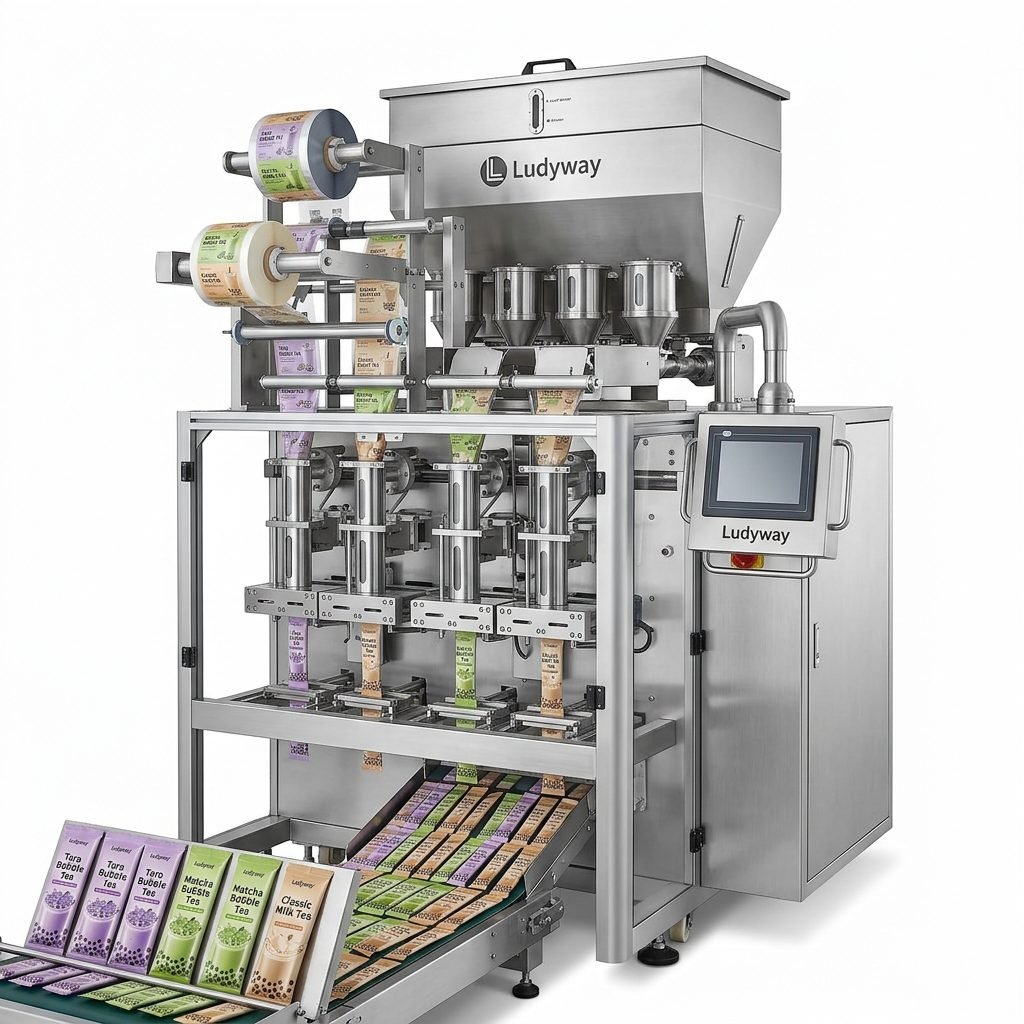
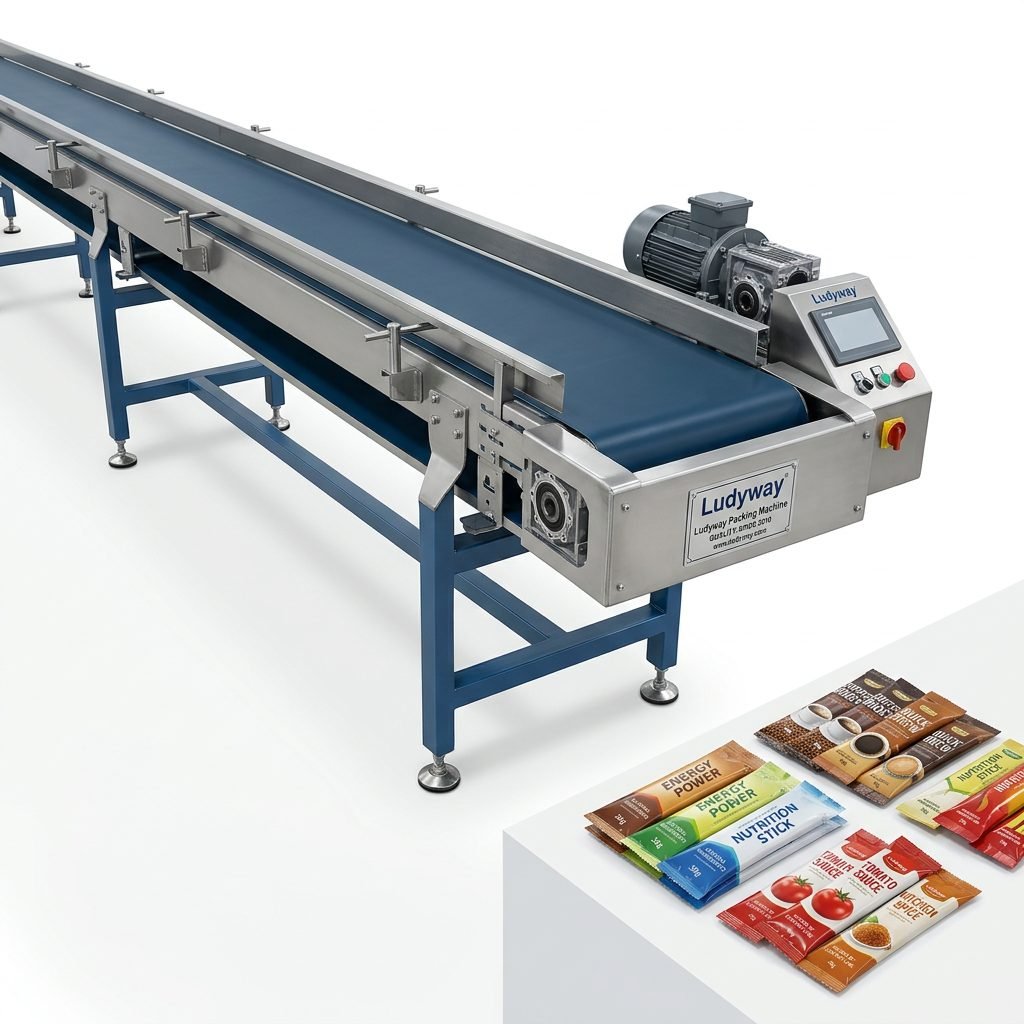
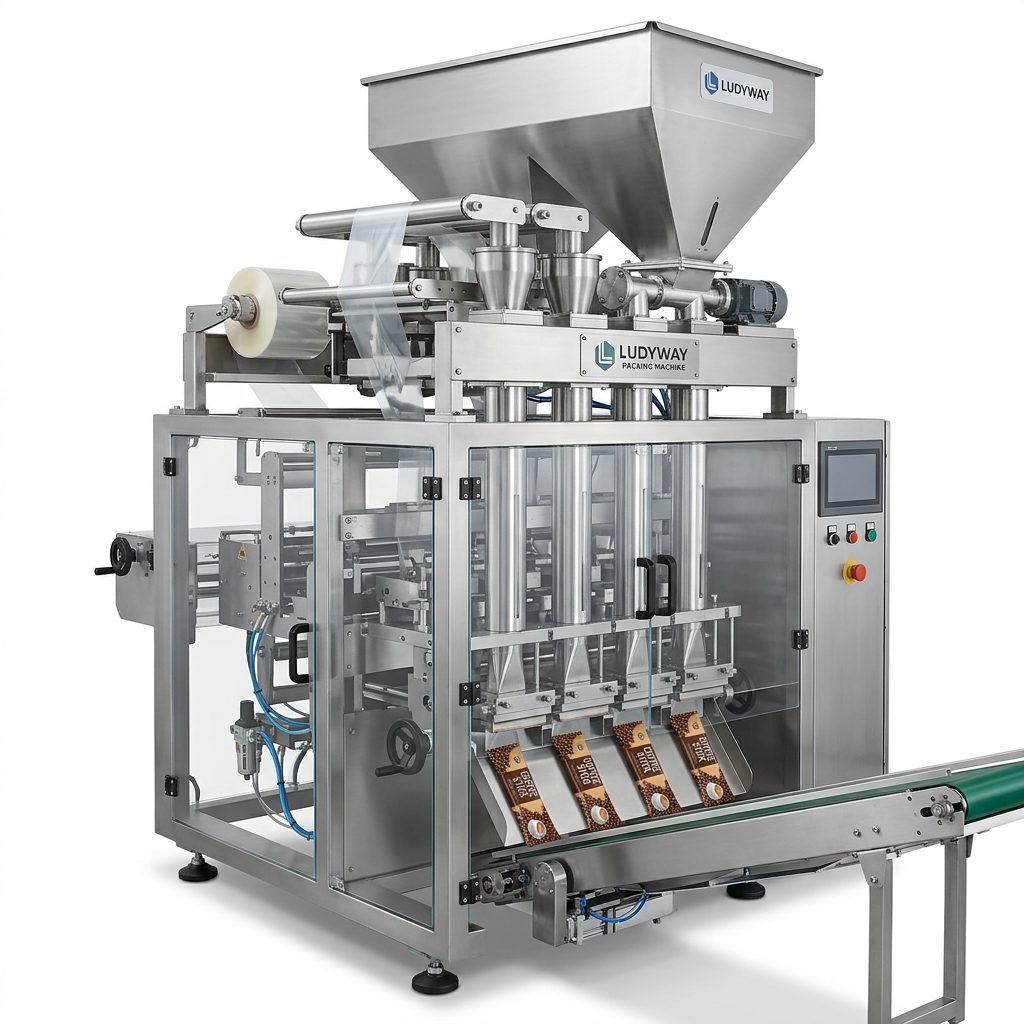
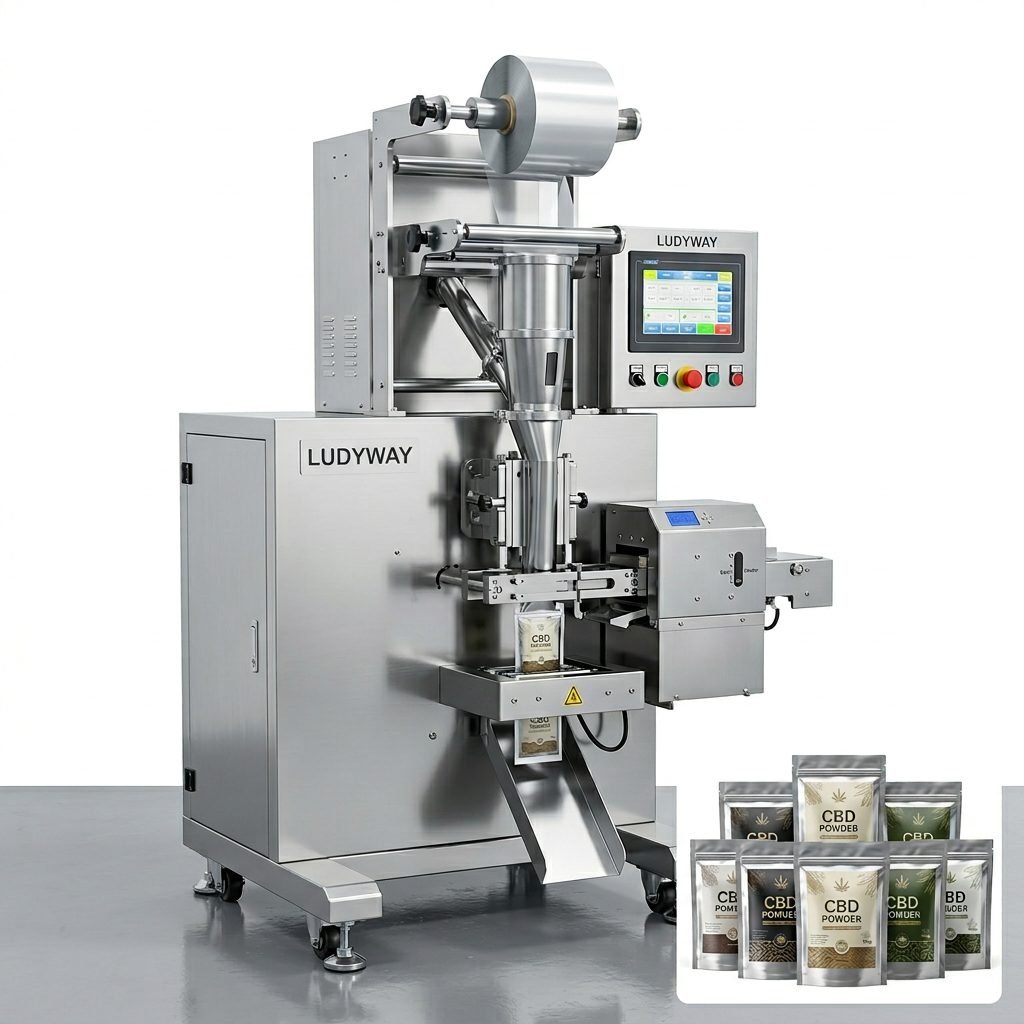
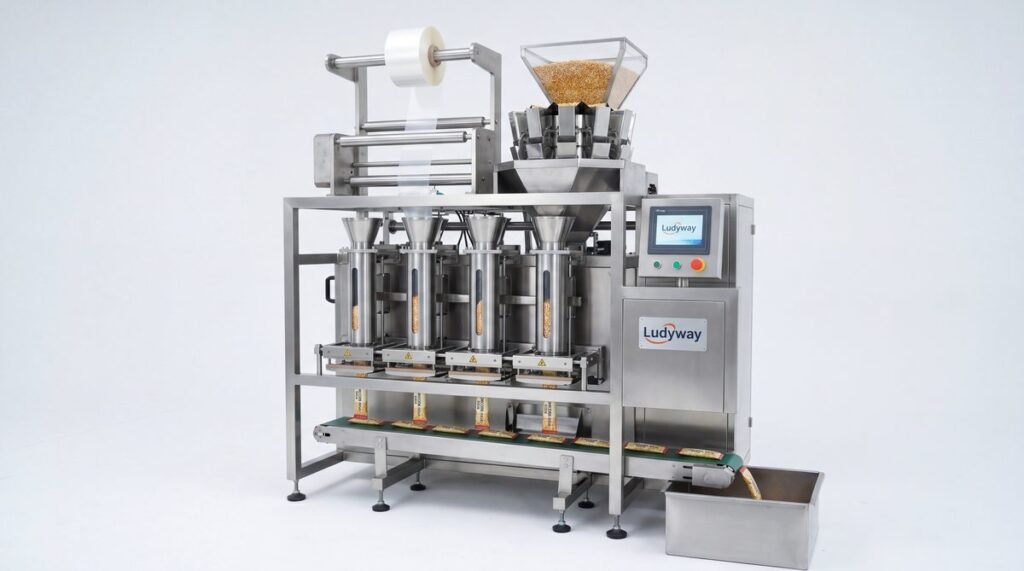
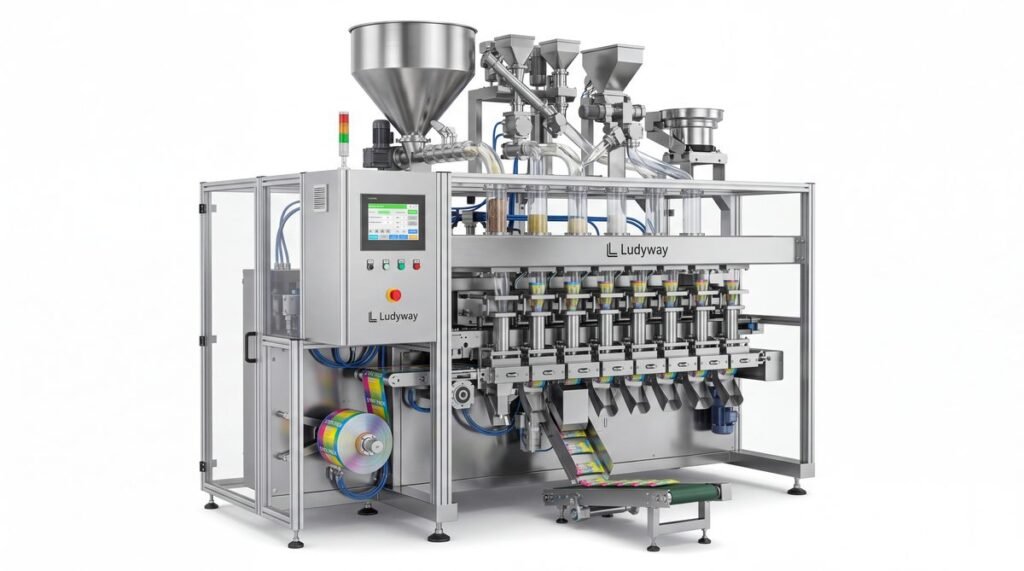
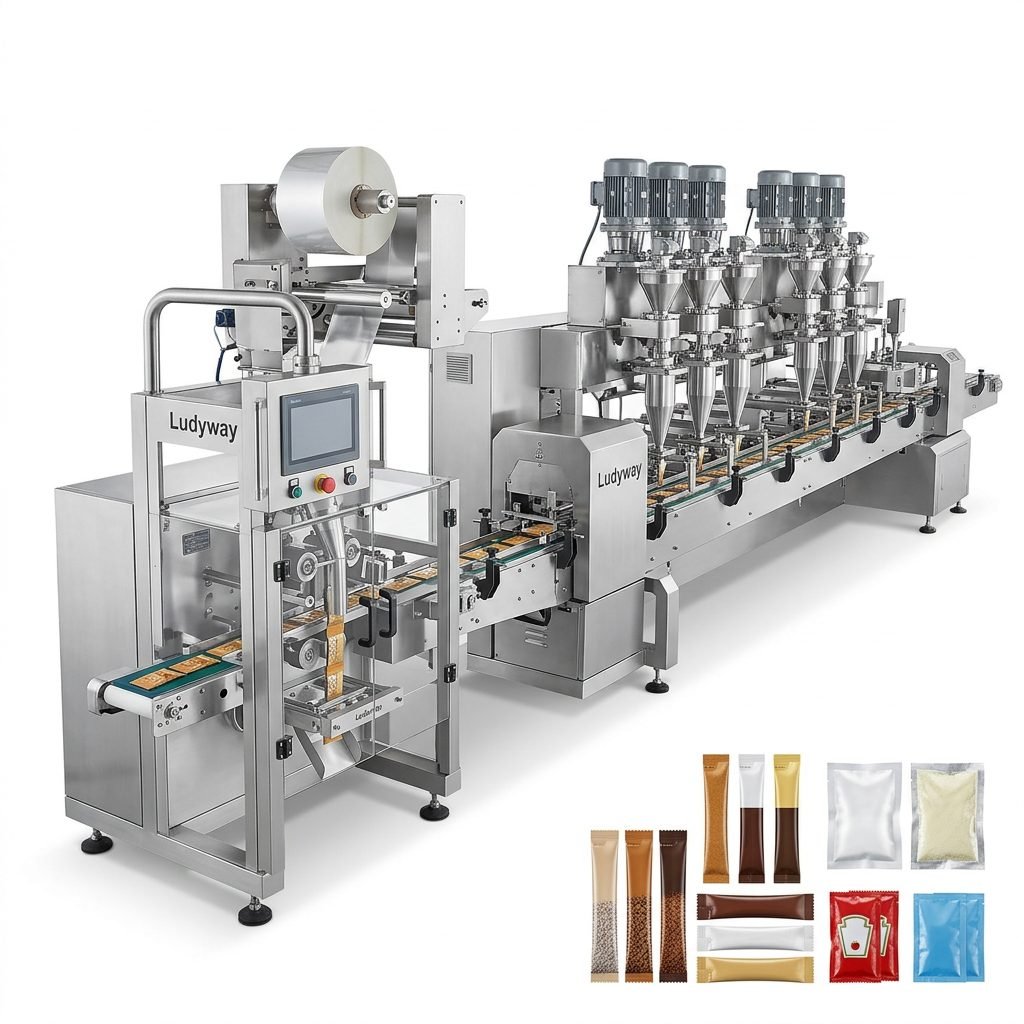
Vertical Form Fill Seal (VFFS) packaging machines are the backbone of high-speed production lines across the food, pharmaceutical, and chemical industries. These sophisticated systems operate under continuous cycles—forming, filling, and sealing thousands of pouches per shift. Without a structured maintenance program, even the most robust VFFS packaging machine will experience unplanned downtime, inconsistent seal quality, and costly emergency repairs. Implementing a preventive maintenance routine is not just about prolonging equipment life; it directly impacts production efficiency, product safety, and overall operational profitability.

Understanding the Critical Role of Preventive Maintenance
Preventive maintenance for VFFS equipment goes beyond simple cleaning. It encompasses systematic inspection, calibration, and replacement of wear-prone components before they fail. A well-maintained machine delivers consistent bag length accuracy, precise fill weights, and reliable seal integrity—three factors that directly determine product quality and regulatory compliance. When maintenance is neglected, issues such as film tracking errors, temperature fluctuations in sealing jaws, and misaligned forming tubes can cascade into major production disruptions. Following packaging machinery standards established by industry associations provides a solid framework for building your maintenance protocols.
Daily Maintenance Checklist for VFFS Machines
Daily inspections form the first line of defense against unexpected breakdowns. Operators should perform these checks at the start of every shift and document their findings consistently. The following tasks are essential for maintaining peak performance:
- Visually inspect the forming tube and sealing jaws for product residue, film fragments, or adhesive buildup that can compromise seal quality.
- Check the film registration and tracking alignment to ensure pouches are being formed squarely without drift or wrinkling.
- Verify that temperature controllers are reading accurately and that heating elements are reaching setpoint temperatures within the specified warm-up time.
- Examine the pull belts and film transport mechanisms for signs of wear, cracking, or inconsistent tension.
- Clean the photoelectric sensor lenses to prevent false readings that can cause misfeeds or registration errors.
- Inspect air pressure gauges and pneumatic connections for leaks that could affect jaw movement and cutting precision.

Weekly and Monthly Maintenance Tasks
Beyond daily checks, a deeper level of maintenance should be scheduled on a weekly and monthly basis. These tasks address components that wear gradually and require systematic inspection and proactive replacement to avoid mid-production failures. Proper documentation of these activities creates an audit trail that supports quality management systems and food safety packaging regulations compliance.
Weekly Maintenance Tasks
- Lubricate all moving mechanical components—including bearings, chains, cam followers, and guide rails—using manufacturer-recommended lubricants.
- Clean and inspect the film unwind and tension control system, checking for worn brake pads or damaged dancer arms.
- Examine all electrical connections and terminal blocks for signs of loosening, corrosion, or overheating.
- Test emergency stop circuits and safety interlocks to verify they function correctly under load conditions.
Monthly Maintenance Tasks
- Calibrate load cells and weighing systems to ensure fill weight accuracy remains within tolerance specifications.
- Inspect and replace worn sealing jaw covers, Teflon tapes, or heating element insulation as needed.
- Check the condition of timing belts, drive belts, and conveyor belts—replacing any that show cracking, fraying, or excessive stretch.
- Verify that all pneumatic cylinders are operating smoothly without sticking or erratic movement; replace seals if leakage is detected.
Cleaning Procedures for Optimal Performance
Effective cleaning is one of the most overlooked yet critical aspects of VFFS maintenance. Product dust, especially from powders and granular materials, can infiltrate sensitive components and accelerate wear. A thorough cleaning regimen should be performed at the end of each production run and before any product changeover. Always disconnect power and lock out the machine before performing any cleaning procedure that involves opening guards or accessing internal areas.
Use dry, oil-free compressed air to blow dust from electrical enclosures, sensor housings, and hard-to-reach crevices. For areas with sticky residue or oil-based product films, use approved cleaning solvents that are compatible with food-grade requirements where applicable. The forming tube, filling tube, and sealing jaw surfaces require special attention, as any buildup on these critical contact surfaces will directly impact pouch quality. Cleaning procedures should align with international packaging standards for hygiene and operational safety.
Common VFFS Issues and Troubleshooting Guide
Even with diligent maintenance, VFFS machines can develop issues that require prompt diagnosis and correction. Understanding the root causes of common problems enables operators and maintenance technicians to resolve them quickly, minimizing production losses. The table below outlines frequent VFFS malfunctions and their typical troubleshooting approaches:
| Problem | Possible Cause | Recommended Action |
|---|---|---|
| Weak or inconsistent seals | Incorrect temperature, worn jaw surfaces, contaminated film | Verify temperature setpoints; clean or replace sealing jaw covers; check film quality |
| Film tracking drift | Misaligned rollers, uneven tension, worn guide components | Realign film path rollers; adjust tension settings; replace worn guides |
| Inconsistent fill weights | Load cell drift, product bridging, auger wear | Recalibrate weighing system; inspect auger and fill tube; adjust product flow |
| Bag length variation | Registration sensor issues, film slippage, encoder faults | Clean registration sensor; check pull belt tension; inspect encoder connections |
| Excessive noise or vibration | Loose fasteners, worn bearings, unbalanced rotating parts | Tighten all mounting bolts; replace worn bearings; check drive alignment |
Spare Parts Management Strategy
Maintaining an adequate inventory of critical spare parts is essential for minimizing downtime. Waiting for replacement parts to be shipped after a breakdown can halt production for days or even weeks. A well-planned spare parts program should prioritize items that experience regular wear and those that would cause complete machine stoppage if they fail. Key components to stock include sealing jaw covers, heating elements, thermocouples, pull belts, bearings, pneumatic seals, sensor units, and film guide rollers.
Establish relationships with reliable suppliers who can provide genuine OEM parts rather than generic alternatives. Using non-OEM components may save money initially but often leads to premature failure and compromised machine performance. Keep detailed records of part numbers, replacement intervals, and supplier lead times so that reordering can be planned proactively rather than reactively. For companies operating multiple packaging lines, consider implementing a computerized maintenance management system (CMMS) to track parts usage and automate reorder triggers.
Operator Training and Documentation
Well-trained operators are the most valuable asset in any maintenance program. Even the best preventive maintenance schedule will fail if operators do not understand how to perform inspections correctly or recognize early warning signs of equipment problems. Comprehensive training should cover machine startup and shutdown procedures, daily inspection checklists, basic troubleshooting techniques, cleaning protocols, and safety requirements specific to VFFS equipment.
Documentation is equally critical. Every maintenance activity—whether it is a simple daily inspection or a major component replacement—should be logged with the date, technician name, findings, and actions taken. This historical record enables maintenance teams to identify recurring problems, optimize replacement intervals, and demonstrate due diligence during quality audits. Digital logbooks are preferred over paper records because they facilitate trend analysis and can be integrated with broader packaging industry business intelligence platforms.
When to Engage Professional Service Support
While routine maintenance can be handled by in-house teams, certain situations call for professional intervention. Complex repairs involving servo drive systems, PLC programming, or major mechanical overhauls should be performed by qualified technicians with specialized training on VFFS equipment. Additionally, annual preventive maintenance inspections conducted by manufacturer-trained service engineers can identify potential issues that routine checks might miss. Partnering with experienced manufacturers like Ludyway ensures access to genuine spare parts, expert technical support, and comprehensive service agreements tailored to your production requirements.
Long-Term Maintenance Planning for Maximum ROI
A strategic approach to VFFS maintenance delivers measurable returns on investment through reduced downtime, extended machine lifespan, and consistently high product quality. Develop an annual maintenance calendar that schedules preventive tasks around production demands, ensuring that critical inspections are never postponed due to short-term output pressures. Budget for maintenance as a line item in operational expenses rather than treating it as an afterthought. Over the equipment lifecycle, proactive maintenance costs a fraction of what reactive repairs and lost production time will consume. By embedding a culture of preventive care into daily operations, manufacturers can achieve the reliability and efficiency that modern high-speed packaging demands.