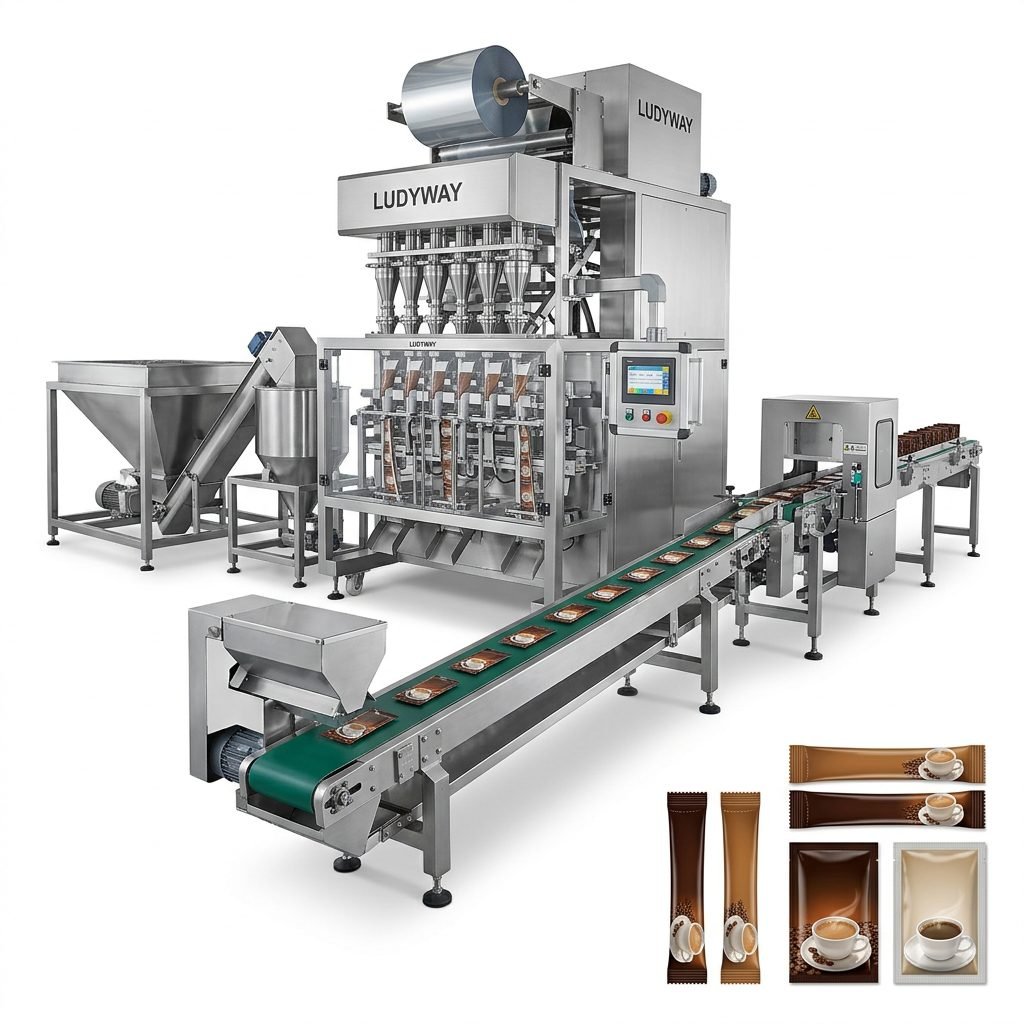
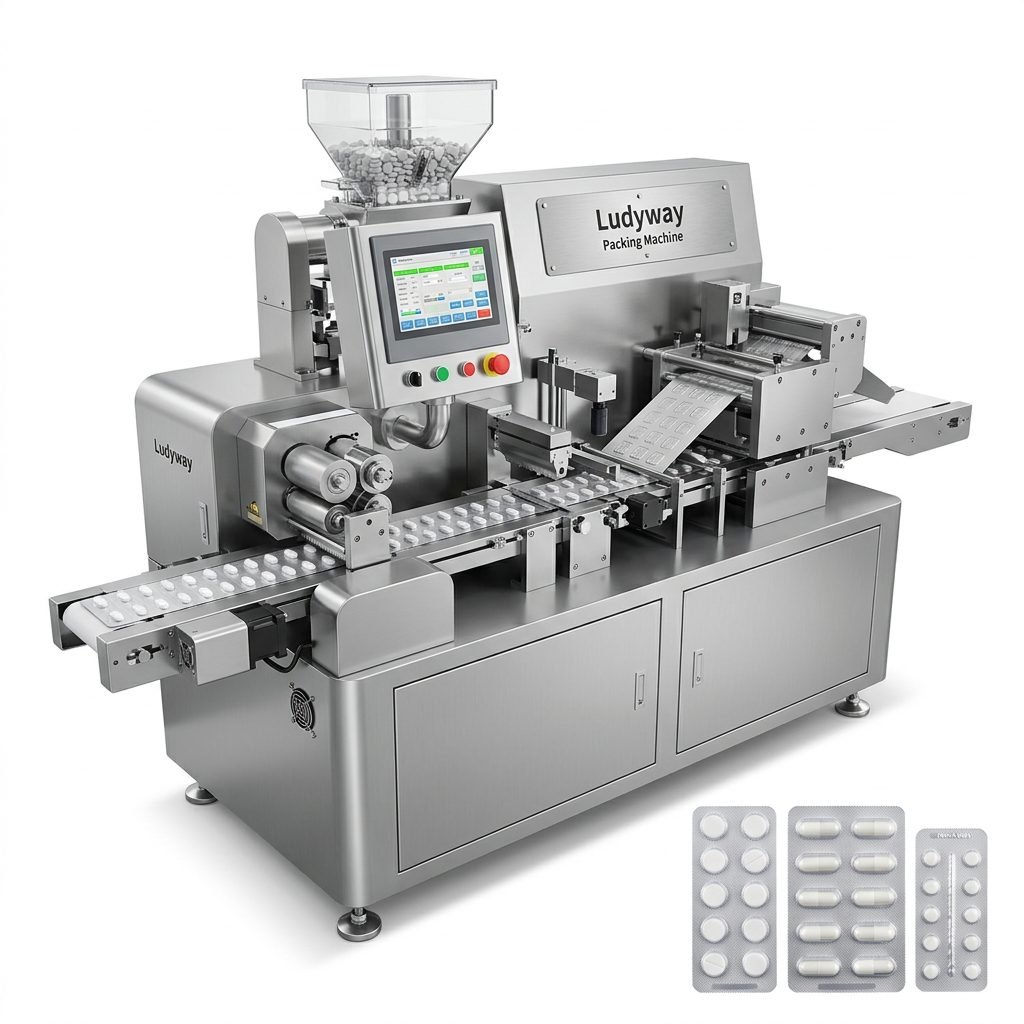
Investing in a peanut packaging machine is a critical decision for any food processor, snack manufacturer, or agricultural business. Whether you are packing raw peanuts, roasted granules, flavored snacks, or peanut butter, the right equipment directly impacts your product quality, shelf life, and operational efficiency. With so many configurations, automation levels, and technical specifications available, navigating the market can feel overwhelming. This comprehensive buyer’s guide breaks down the essential factors you need to evaluate before making your purchase, helping you select a system that aligns perfectly with your production goals and budget.
1. Understanding Your Peanut Product Characteristics
Before exploring machine options, you must clearly define the physical properties of your product. Peanuts come in various forms, and each requires specific handling and dosing mechanisms.
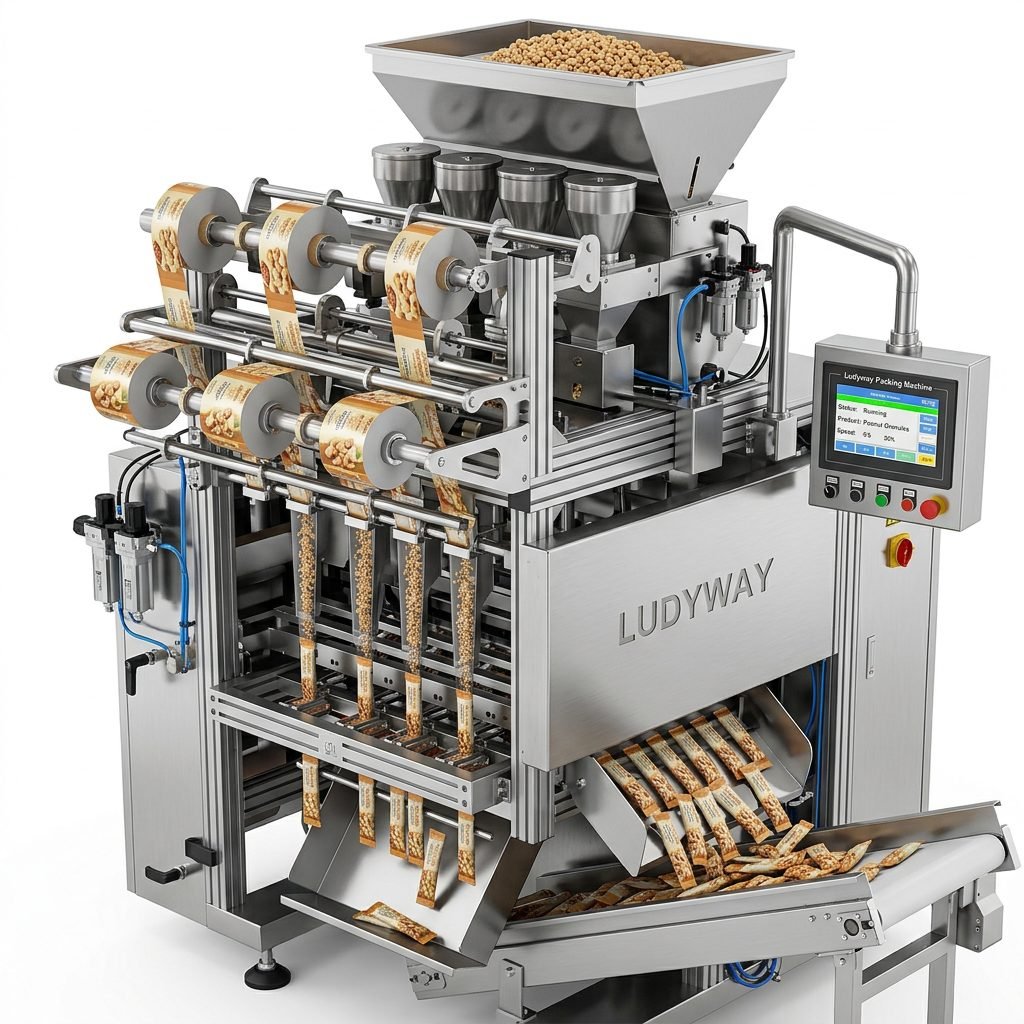
- Whole or split kernels: Require gentle handling to prevent breakage. Multi-head weighers with vibration control are often preferred.
- Granules and crushed peanuts: Can be processed with auger fillers or volumetric cup fillers, depending on particle size consistency.
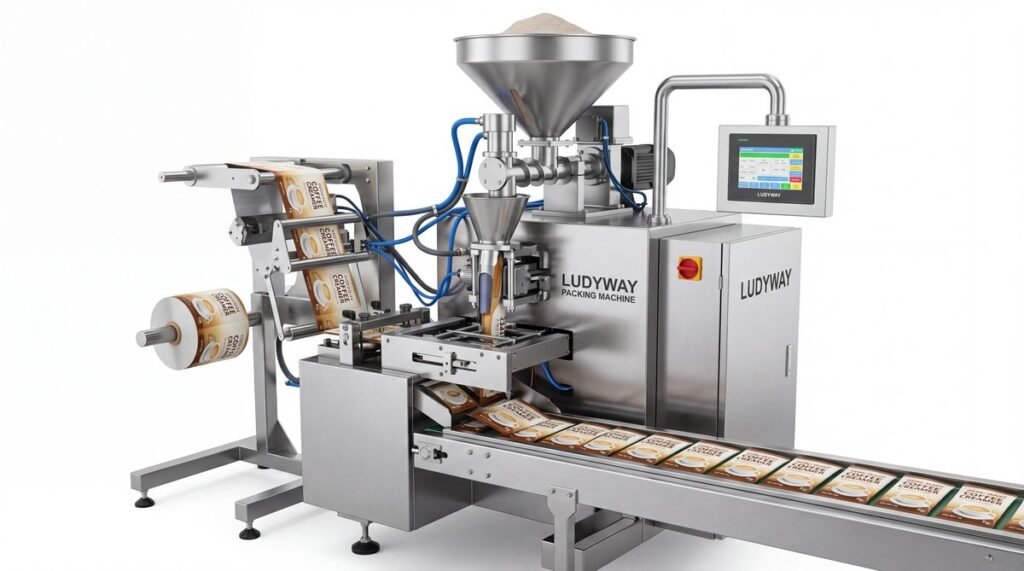
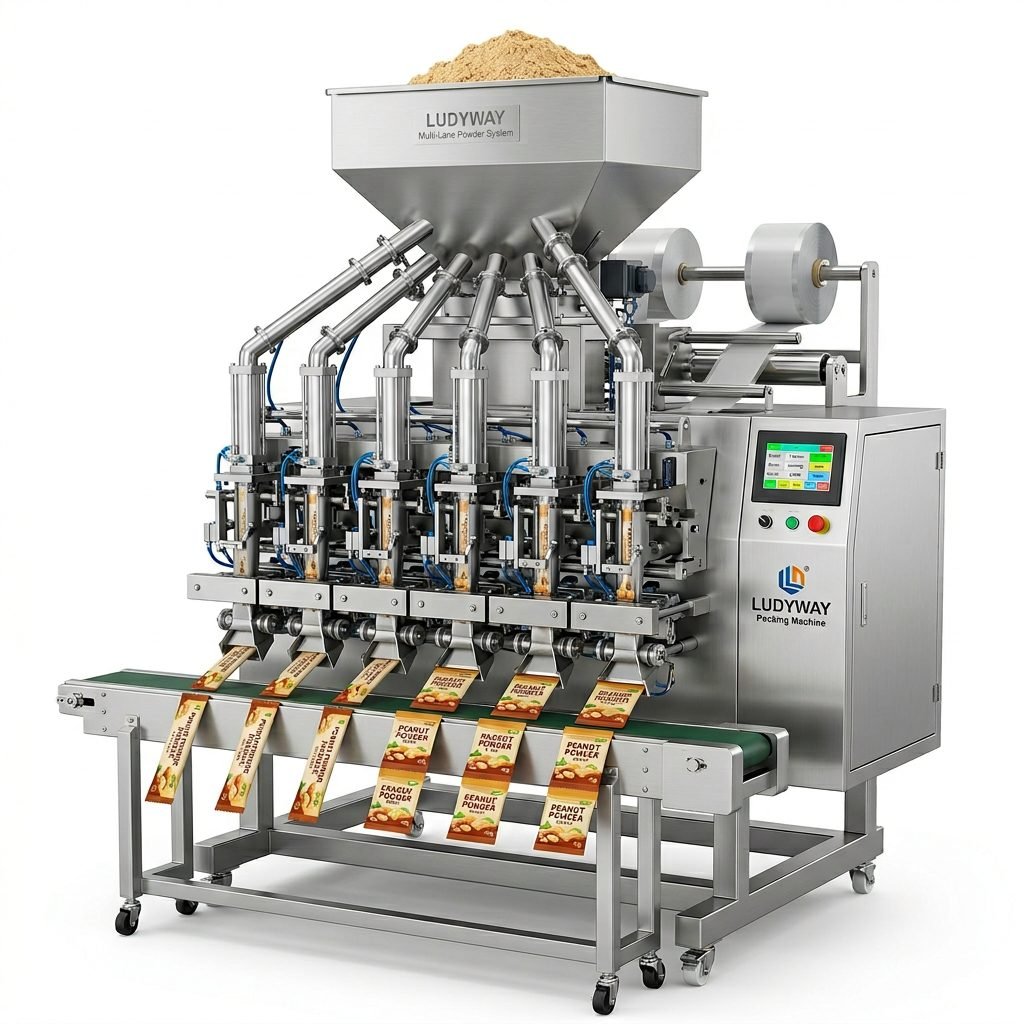
- Peanut powder and flour: Demands precise powder packaging systems with dust control and high-accuracy dosing.
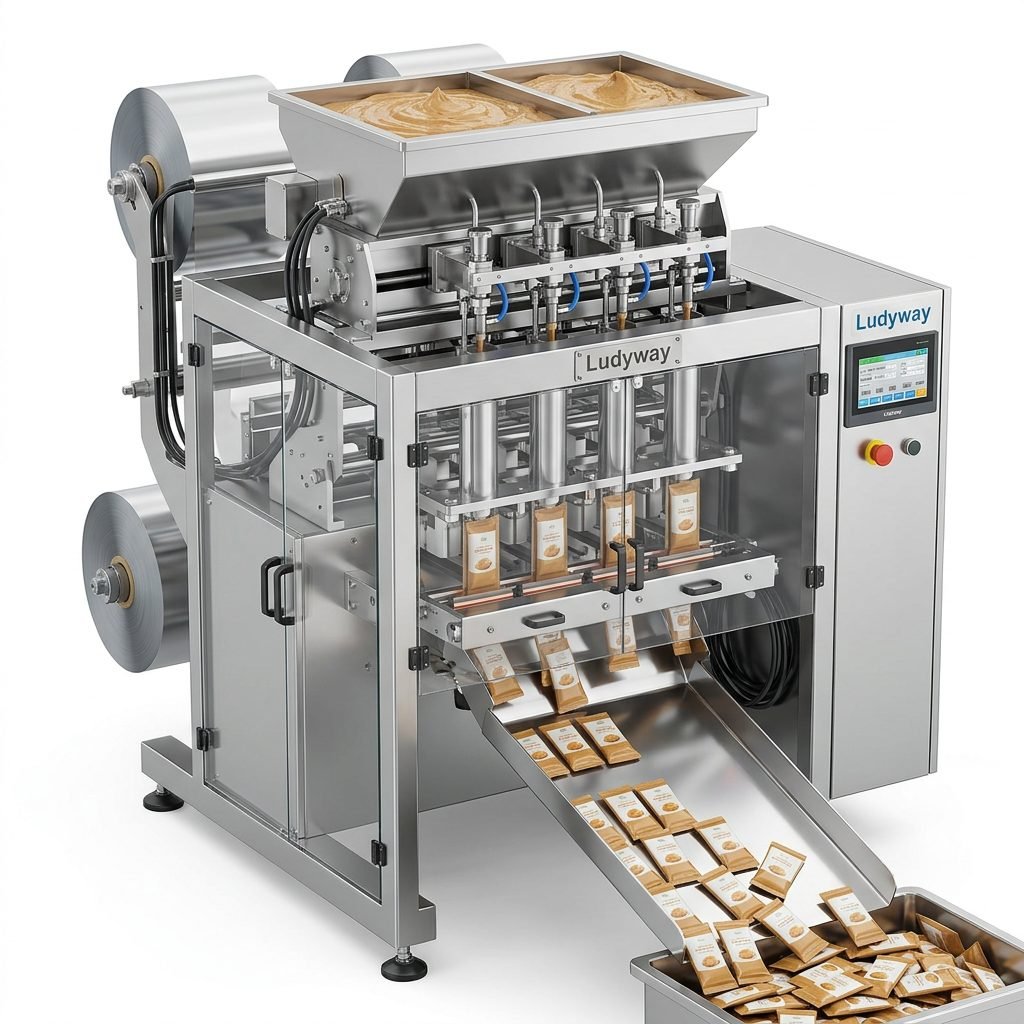
- Peanut butter and pastes: Needs viscous liquid filling technology with temperature-controlled hoppers.
- Coated or flavored peanuts: May require special attention to prevent coating damage during conveyance.
Identifying your product’s bulk density, flowability, and fragility early in the selection process ensures the machine’s dosing system is compatible from day one.
2. Packaging Format and Bag Style Selection
The type of package you intend to produce significantly narrows down your machine choices. Modern peanut packaging equipment can handle a wide variety of formats.
| Packaging Format | Common Applications | Recommended Machine Type |
|---|---|---|
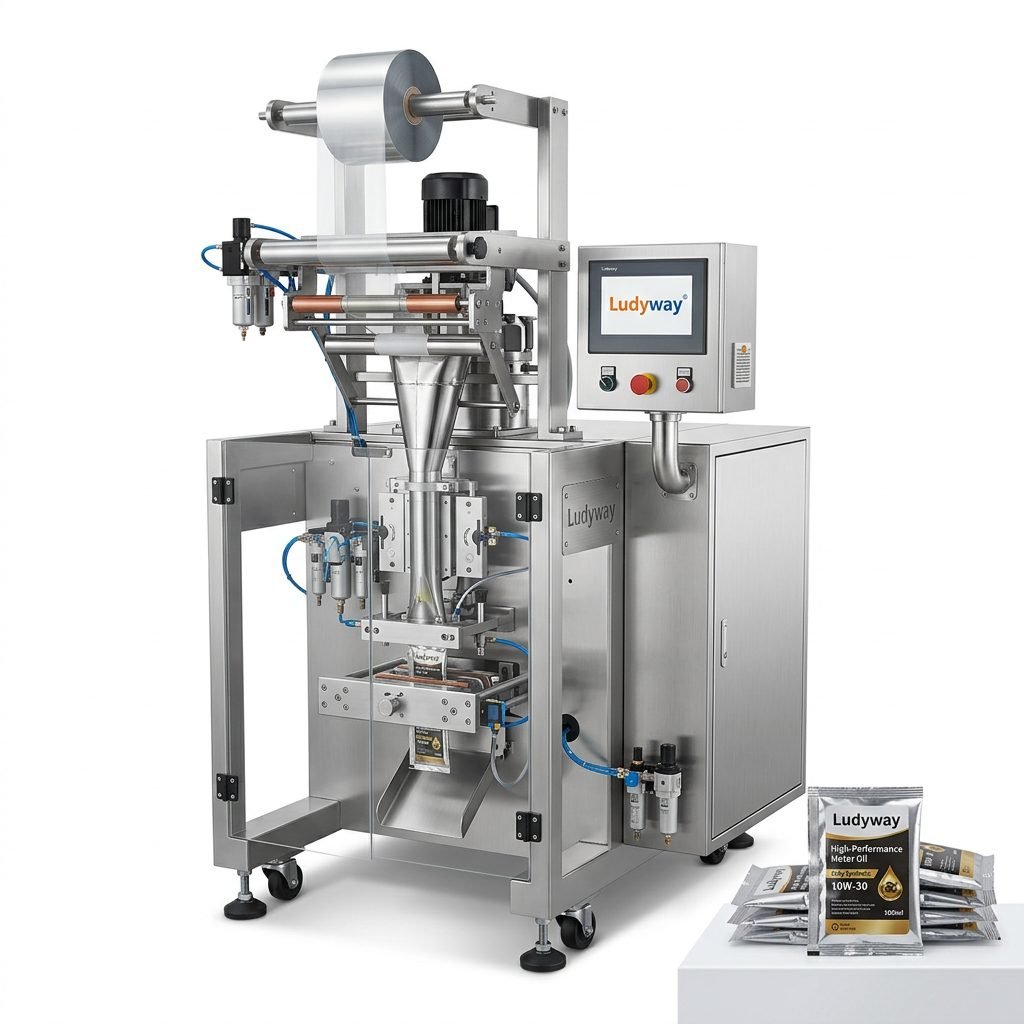
| Pillow Pouches | Snack packs, vending machine portions | Vertical Form Fill Seal (VFFS) |
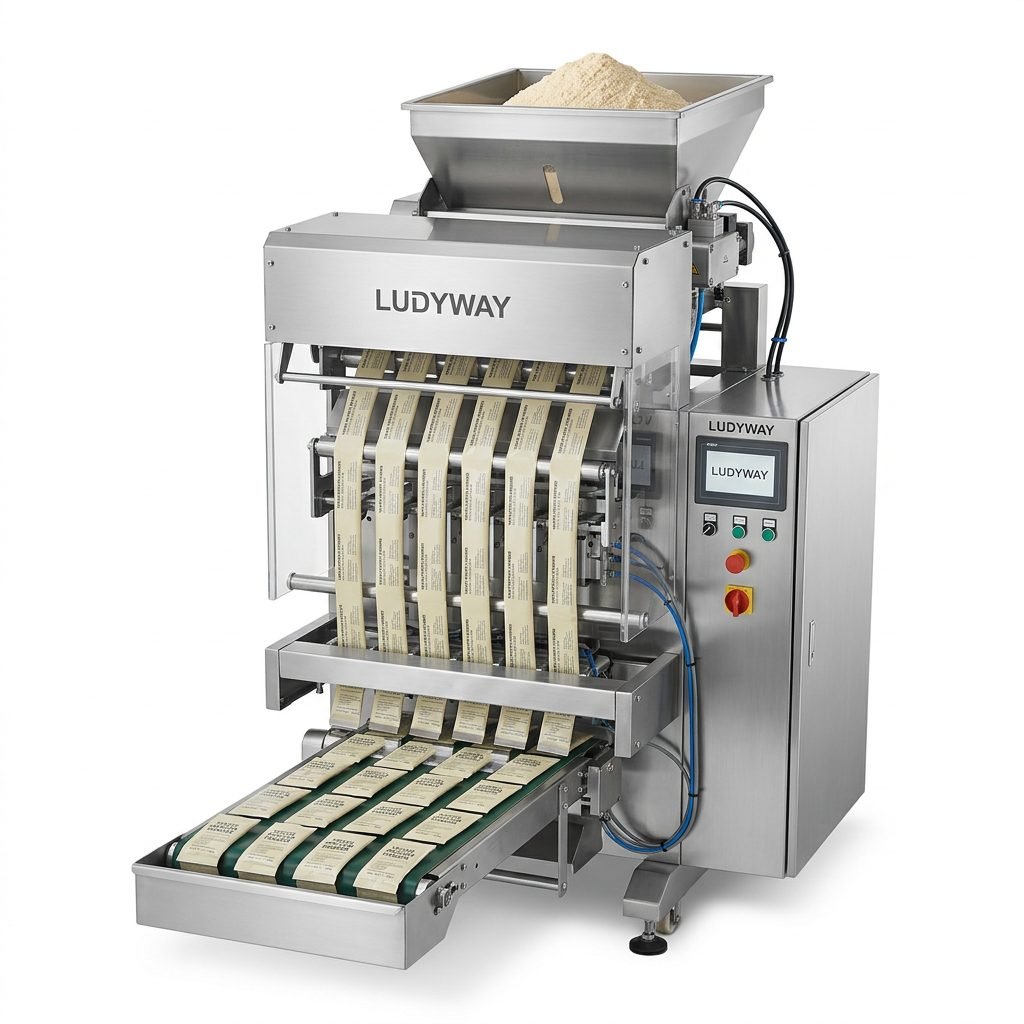
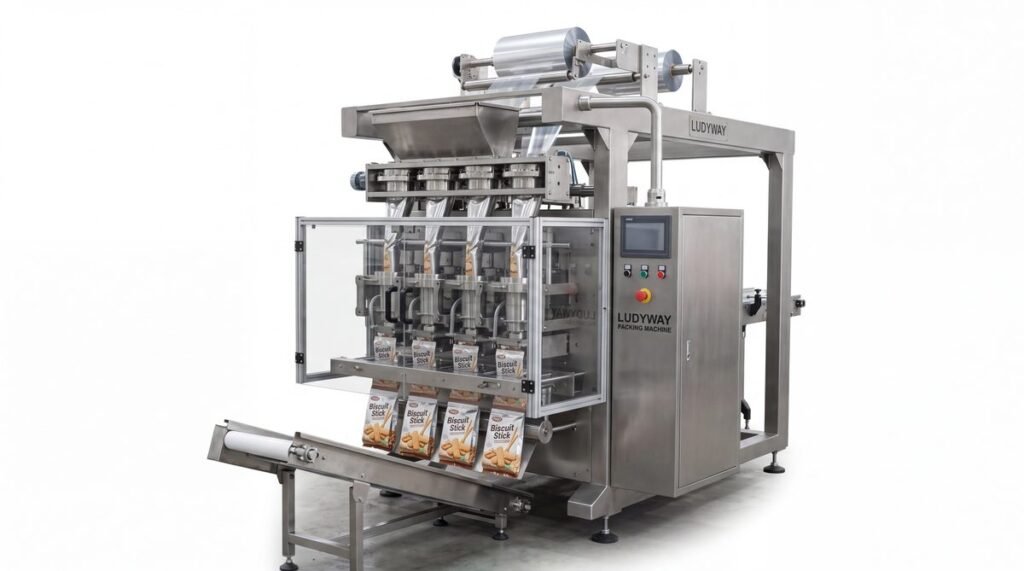
| Stick Packs & Sachets | Single-serve, travel packs, condiments | Multi-lane stick pack machine |
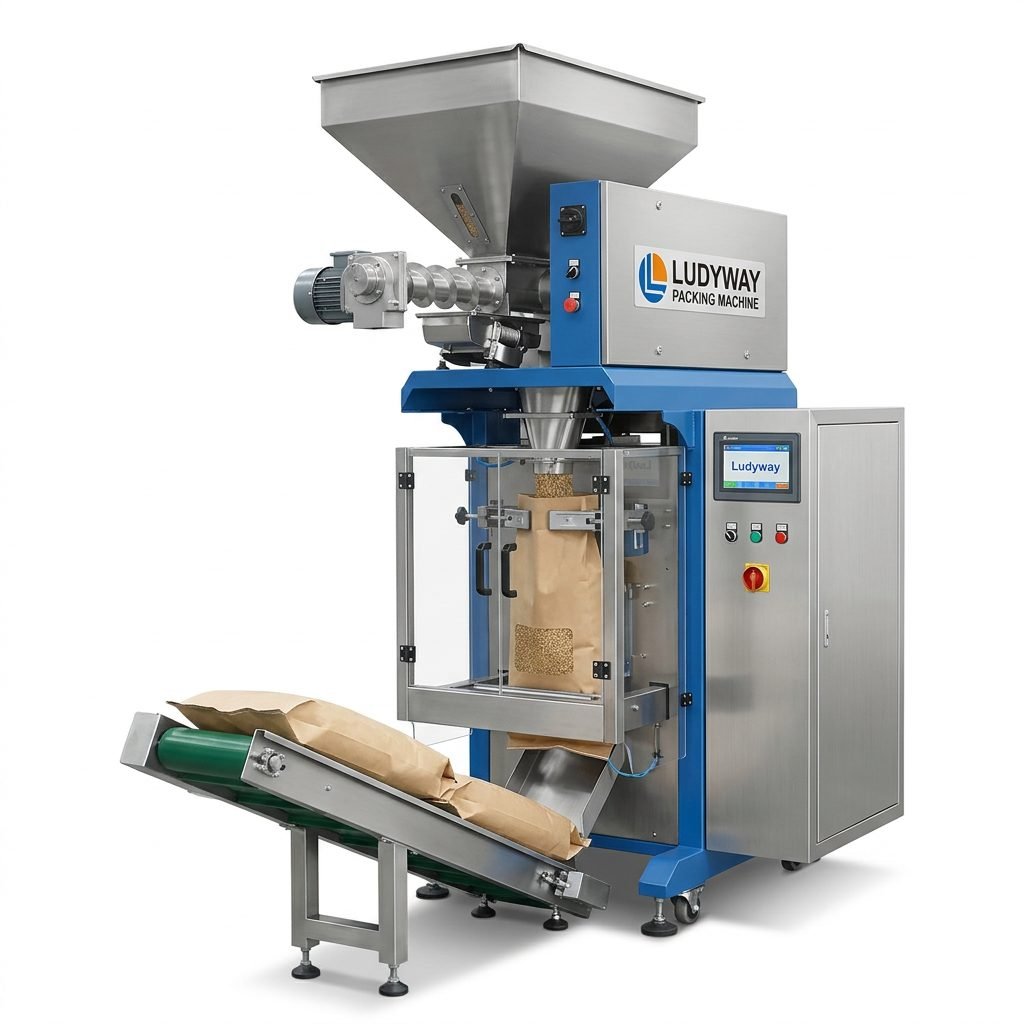
| Gusseted Bags | Bulk retail, wholesale packaging | VFFS with gusset attachment |
| Premade Pouches | Premium retail, resealable formats | Rotary pouch filling machine |
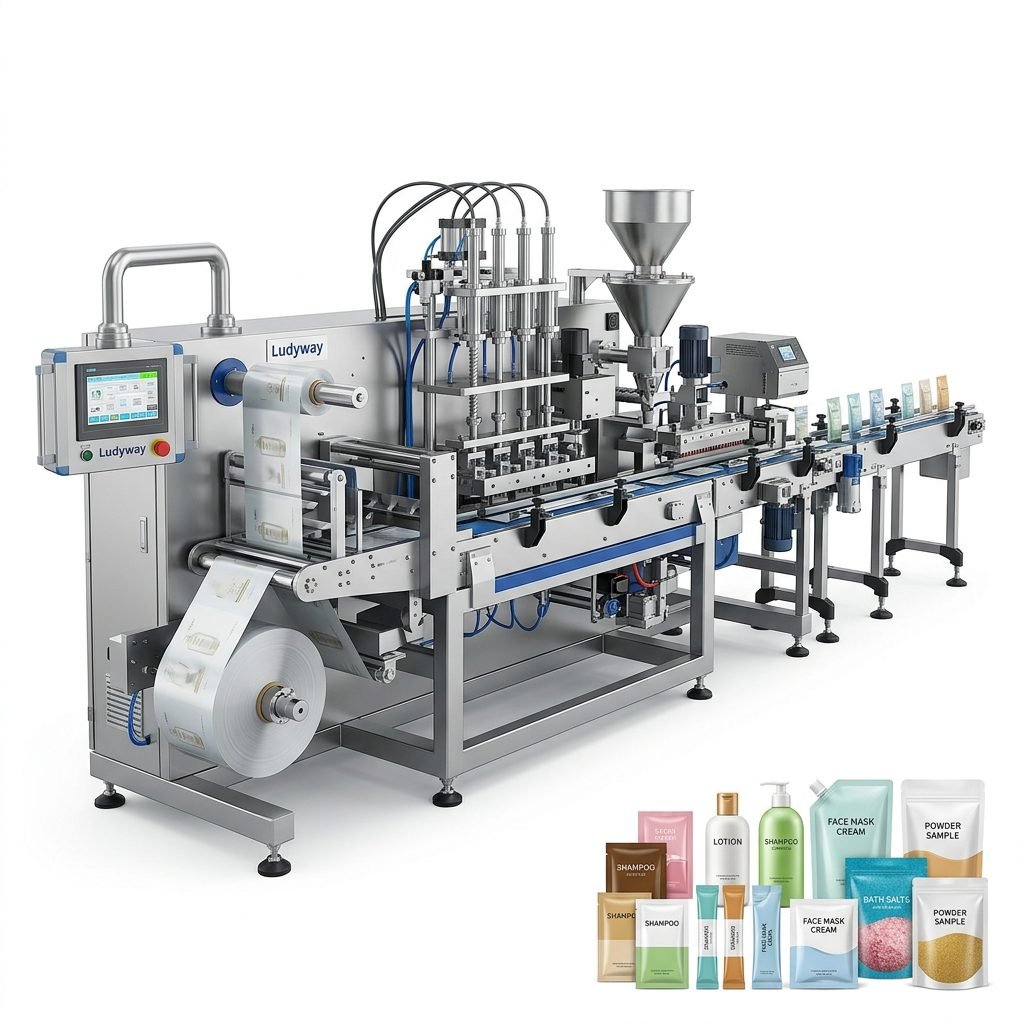
| Jars & Bottles | Peanut butter, spreads | Liquid filling & capping line |
3. Production Speed and Capacity Requirements
Your current and projected output volumes should drive the speed specification of your machine. Underestimating capacity can create bottlenecks as your business grows.
- Low-volume startups: 20-40 packs per minute may suffice. Entry-level single-lane machines offer a lower capital investment.
- Mid-range production: 40-80 packs per minute. Multi-lane configurations become economically viable at this stage.
- High-speed industrial lines: 100-300+ packs per minute. Requires advanced multi-lane systems with automated feeding and high-speed automation integration.
When evaluating speed, always confirm whether the manufacturer’s quoted rate refers to sustained production speed or maximum mechanical speed under ideal conditions. The difference between the two can significantly impact your actual daily output.
4. Filling and Dosing Technology
The heart of any peanut packaging machine is its filling system. Selecting the correct dosing technology directly affects weight accuracy, product waste, and consistency.
Volumetric Cup Fillers
Cost-effective and simple to operate, volumetric fillers use pre-set cup sizes to dispense product. Best suited for consistent granule sizes where slight weight variations are acceptable. Less suitable for whole peanuts where kernel size varies significantly.
Multi-Head Weighers
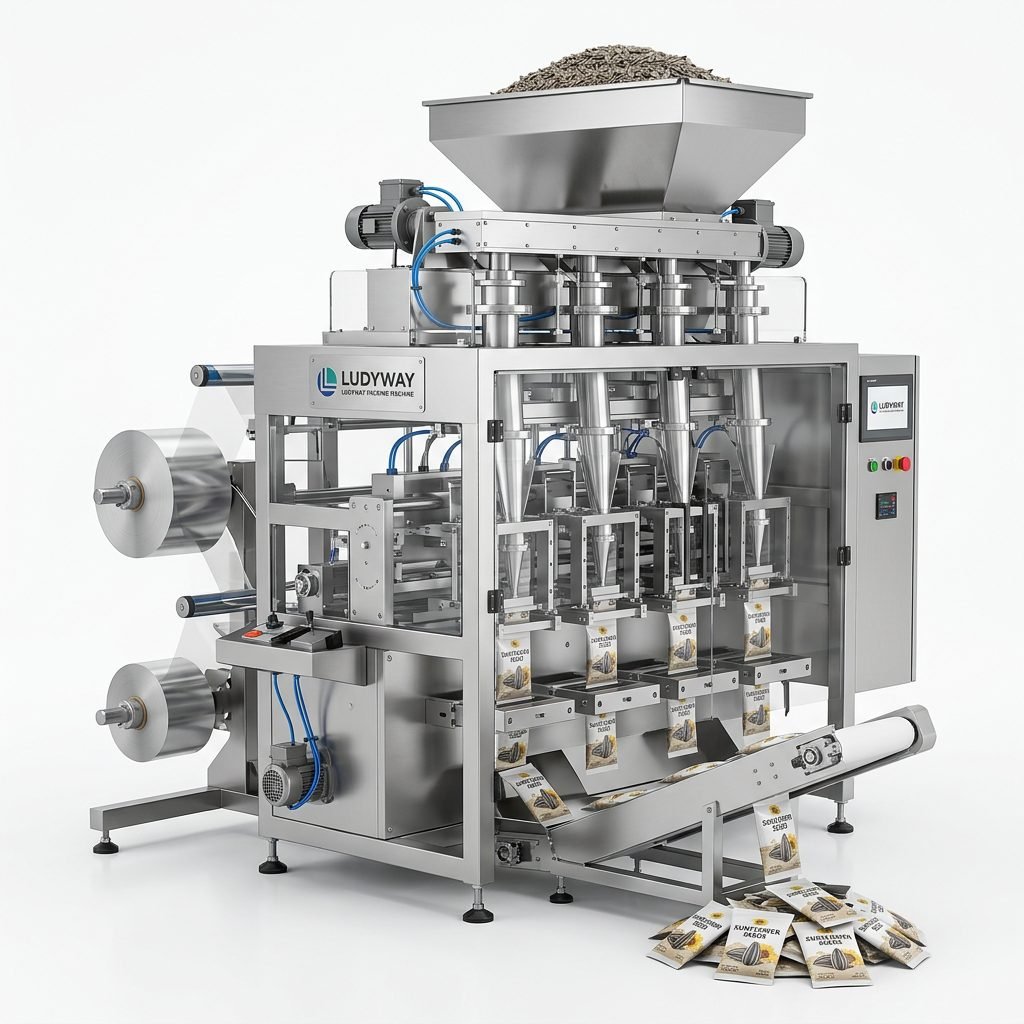
The industry standard for high-accuracy peanut packaging. Computer-controlled weigh heads distribute product across multiple buckets, calculating the optimal combination for target weight. This technology minimizes giveaway while maintaining high speeds, making it the preferred choice for whole nuts and premium snack mixes.
Auger Fillers
Ideal for peanut powders and fine granules. A rotating screw precisely meters product into each package. Auger fillers excel in applications requiring dust containment and high filling accuracy for free-flowing to semi-free-flowing powders.
Piston and Pump Fillers
Designed specifically for peanut butter and viscous peanut pastes. These systems handle high-viscosity products with temperature control to maintain proper flow characteristics during filling.
5. Packaging Material Compatibility
Your choice of packaging film or material must be compatible with the machine’s sealing system. Most peanut packaging machines work with heat-sealable laminates, but specifics matter.
- Standard laminates: PET/PE, BOPP/CPP, or metallized films for moisture and oxygen barrier protection.
- Eco-friendly options: Recyclable mono-materials and biodegradable films are increasingly available, but verify machine compatibility with the Flexible Packaging Association guidelines.
- Barrier requirements: Peanuts are susceptible to rancidity. High-barrier films with EVOH or aluminum foil layers extend shelf life significantly.
- Sealing temperature range: Ensure the machine’s jaw temperature controls can accommodate your chosen material without burning or incomplete seals.
6. Automation and Integration Capabilities
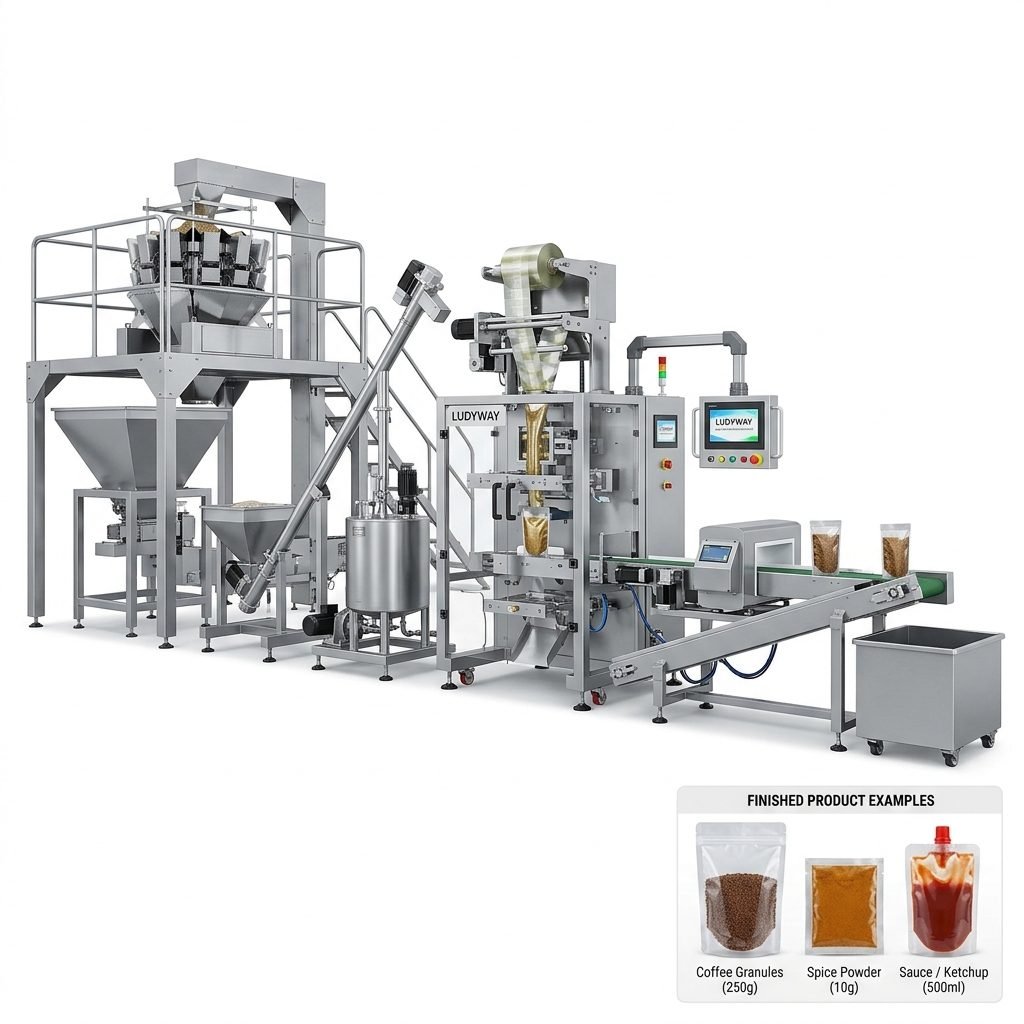
Modern packaging operations increasingly rely on integrated systems rather than isolated machines. Consider how your peanut packaging machine will connect with upstream and downstream equipment.
- Automatic feeding systems: Bucket elevators, inclined conveyors, and vacuum feeders reduce manual labor and ensure consistent product flow.
- Checkweigher integration: In-line weight verification with automatic reject systems maintains quality compliance.
- Metal detection and X-ray inspection: Critical for food safety in peanut processing, these can be integrated directly into the packaging line.
- Cartoning and case packing: End-of-line automation reduces handling costs and speeds up order fulfillment.
- Data connectivity: Machines with PLC controls and IoT capabilities enable real-time production monitoring and packaging industry standards compliance tracking.
7. Quality, Hygiene, and Regulatory Compliance
Food packaging equipment must meet stringent hygiene and safety standards. For peanut products, where allergen management is critical, certain design features become non-negotiable.
Material Construction
Look for machines built with stainless steel contact parts (304 or 316 grade). The frame should be sturdy, corrosion-resistant, and designed for easy cleaning. Avoid painted surfaces in product contact zones.
Allergen Management
If your facility processes other nuts or allergens, the machine design must support thorough cleaning between runs. Features like tool-free disassembly, sloped surfaces for drainage, and accessible internal chambers significantly reduce cross-contamination risks.
International Standards
Many markets require compliance with ISO packaging standards, FDA food contact regulations, and GMP guidelines. Verify that the manufacturer can provide documentation for CE, UL, or other certifications relevant to your target markets.
8. Customization and Turnkey Solutions
No two peanut processing operations are identical. The best packaging machinery suppliers offer engineering flexibility rather than forcing customers into off-the-shelf solutions. A manufacturer with in-house design and manufacturing capabilities can adapt machine configurations to your specific requirements — from bag dimensions and filling volumes to automation levels and factory layout constraints.
For manufacturers seeking a single-source partner, Ludyway Machinery provides customized packaging solutions that combine equipment selection, system integration, and technical support across the entire project lifecycle. This approach enables seamless coordination from initial consultation through installation and commissioning.
9. Total Cost of Ownership Analysis
Purchase price alone does not reflect the true cost of a packaging machine. Evaluate the following factors to understand the full financial picture:
| Cost Factor | Considerations |
|---|---|
| Initial capital investment | Machine cost, installation, commissioning |
| Consumables and spare parts | Sealing jaws, belts, sensors, filters |
| Energy consumption | Power requirements, compressed air usage |
| Labor requirements | Operators needed per shift, skill level |
| Downtime and maintenance | Preventive maintenance schedule, service availability |
| Product giveaway costs | Overfill percentages based on dosing accuracy |
Even a 1% improvement in dosing accuracy can translate to significant annual savings when processing high volumes of peanut products.
10. After-Sales Support and Service Network
The relationship with your equipment supplier extends well beyond the delivery date. Before signing a purchase agreement, investigate the manufacturer’s support infrastructure thoroughly.
- Remote technical assistance: Prompt troubleshooting via video calls or remote access can resolve issues without waiting for an on-site visit.
- Spare parts availability: Confirm that critical components are stocked and can be shipped quickly to your location.
- Operator training programs: Comprehensive training ensures your team can operate, clean, and maintain the machine correctly from day one.
- Warranty terms: Understand what is covered and for how long. Reputable manufacturers stand behind their equipment with clear warranty policies.
- Global service coverage: For companies exporting to multiple regions, working with a supplier that has international service experience reduces risk.

11. Making the Final Decision
Selecting the right peanut packaging machine requires balancing technical specifications with business realities. Start by documenting your current requirements, then plan for 3-5 years of projected growth. Request detailed proposals from multiple suppliers and compare not just the machine specifications, but the complete value proposition including engineering support, customization capabilities, and after-sales service.
Request product samples packaged on the actual machine configuration you are considering. A live demonstration or video of your product running through the system provides confidence that the solution works for your specific application. Finally, speak with existing customers about their long-term experience with both the equipment and the manufacturer’s ongoing support.
By systematically evaluating each of the factors outlined in this guide — from product characteristics and packaging formats to automation levels and total cost of ownership — you position your business for a successful investment that delivers consistent packaging quality, operational efficiency, and scalable production capacity for years to come.