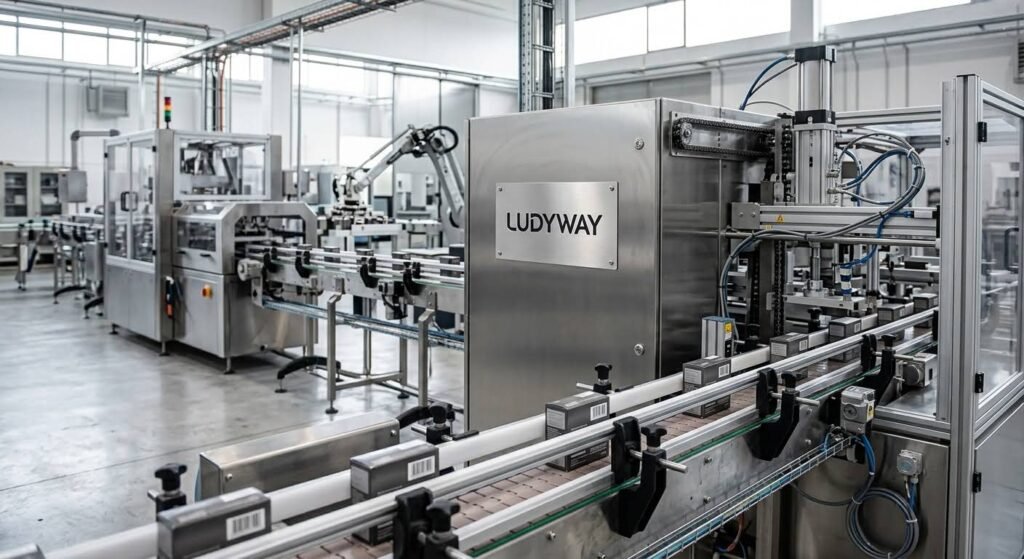
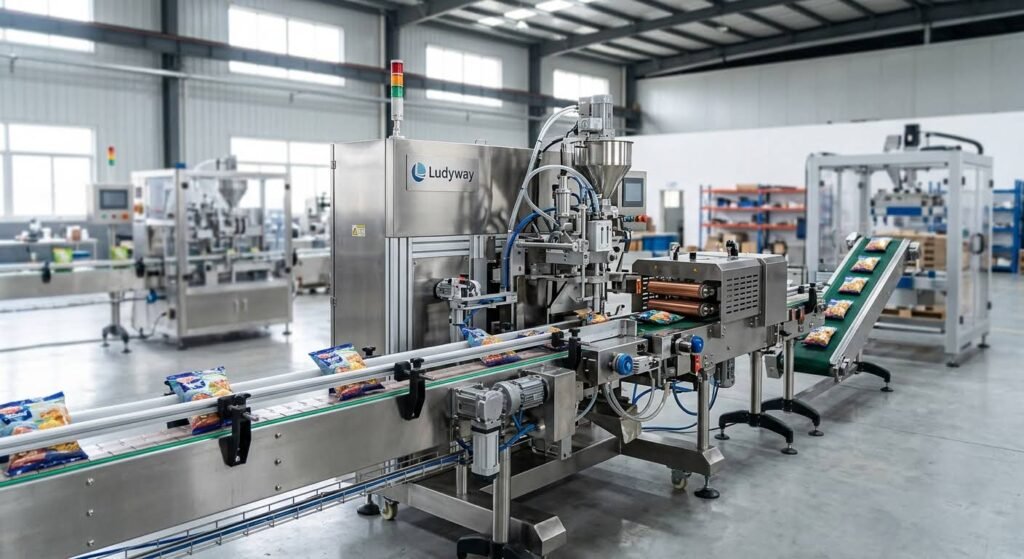
In today’s fast-paced manufacturing landscape, achieving high efficiency, reliability, and compliance in packaging is a critical challenge for producers across the food, pharmaceutical, and industrial sectors. The right packaging equipment is not merely a production tool; it forms the backbone of a streamlined operation, impacting everything from product integrity and shelf life to brand reputation and bottom-line profitability. This article explores the essential role of high-efficiency packaging solutions and how they are engineered to meet the rigorous demands of modern production environments.

The Critical Role of Packaging in Modern Manufacturing
Packaging serves multiple vital functions: it protects products from contamination and damage, ensures accurate dosing, provides essential consumer information, and enhances brand appeal on the shelf. In industries like pharmaceuticals, packaging is directly tied to patient safety and regulatory adherence. For food producers, it is key to preserving freshness and preventing spoilage. In industrial applications, durable and precise packaging guarantees that chemicals, components, or bulk materials are handled safely and efficiently throughout the supply chain. Therefore, investing in advanced packaging technology is an investment in product quality, operational security, and market competitiveness.
Core Challenges Addressed by Advanced Packaging Systems
Manufacturers face a complex array of challenges that modern packaging equipment must solve:
Speed & Throughput: Meeting high-volume production targets without compromising on accuracy or causing machine downtime.
Flexibility & Changeover: Quickly adapting to different product formats, sizes, and packaging materials to accommodate shorter production runs and diverse SKUs.
Hygiene & Contamination Control: Especially crucial in food and pharma, requiring equipment with sanitary design, easy-clean surfaces, and often compliance with standards like GMP.
Accuracy & Waste Reduction: Ensuring precise filling weights and minimizing product giveaway or material waste, which directly impacts profitability.
Integration & Data: Seamlessly connecting with upstream and downstream processes (like conveying, coding, cartoning) and providing data for production monitoring and traceability.
Tailored Solutions for Key Industries
High-efficiency packaging is not a one-size-fits-all proposition. The optimal solution varies significantly depending on the product characteristics and industry regulations.
Food Industry Packaging Solutions
Food packaging demands a balance of speed, preservation, and appeal. Equipment must handle a wide range of consistencies—from granules (like coffee, sugar) and powders (spices, milk powder) to liquids (sauces, oils) and viscous pastes. Key technologies include:
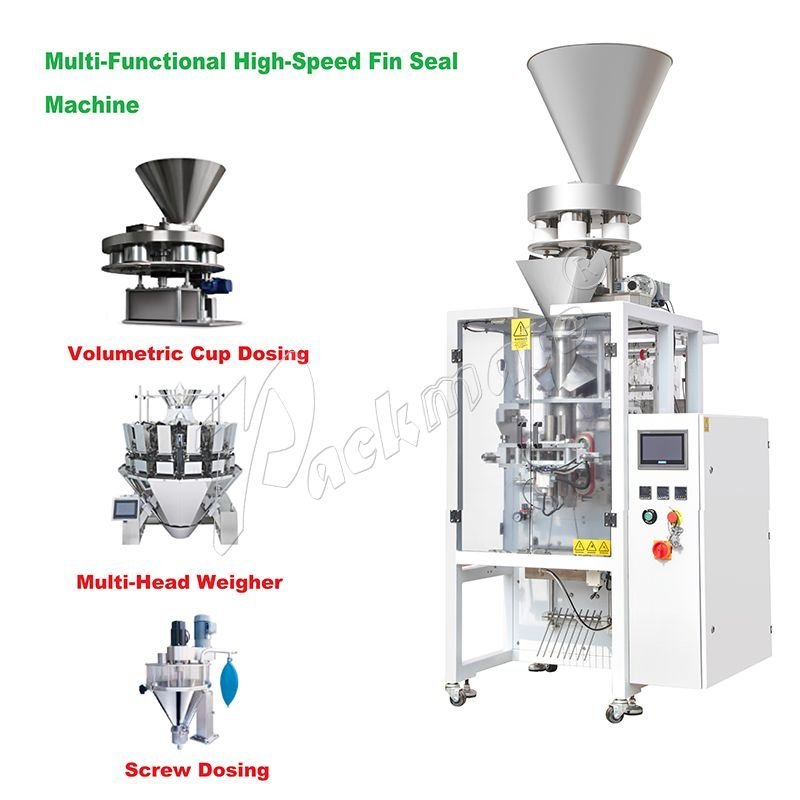
- Vertical Form-Fill-Seal (VFFS) Machines: Versatile workhorses for creating bags from roll stock and filling them with precise portions.
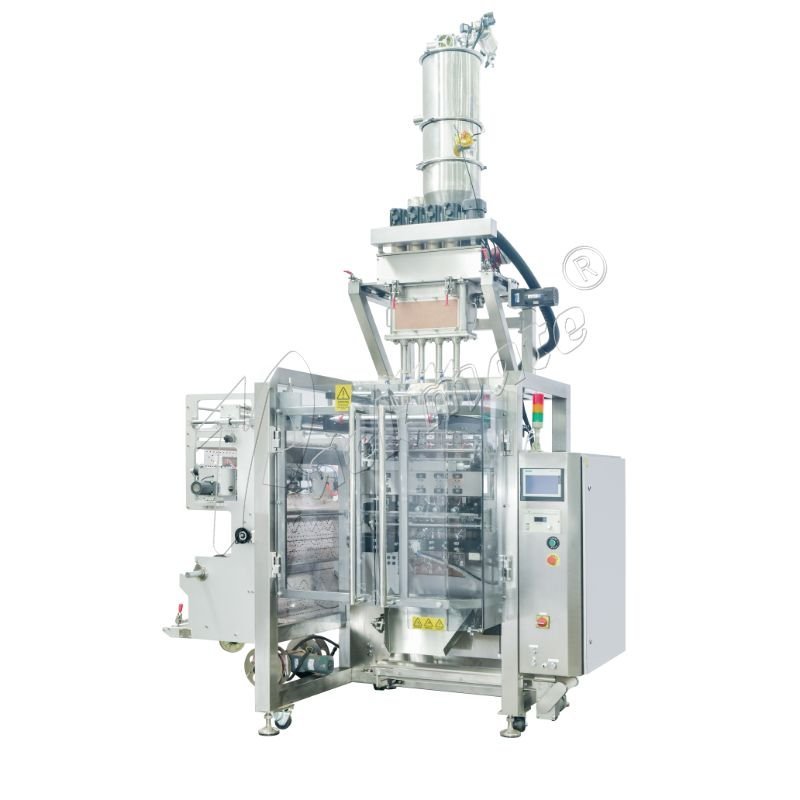
- Multi-Lane Stick Pack & Sachet Machines: Ideal for single-serve portions of condiments, instant beverages, or supplements, offering high output in a compact footprint.
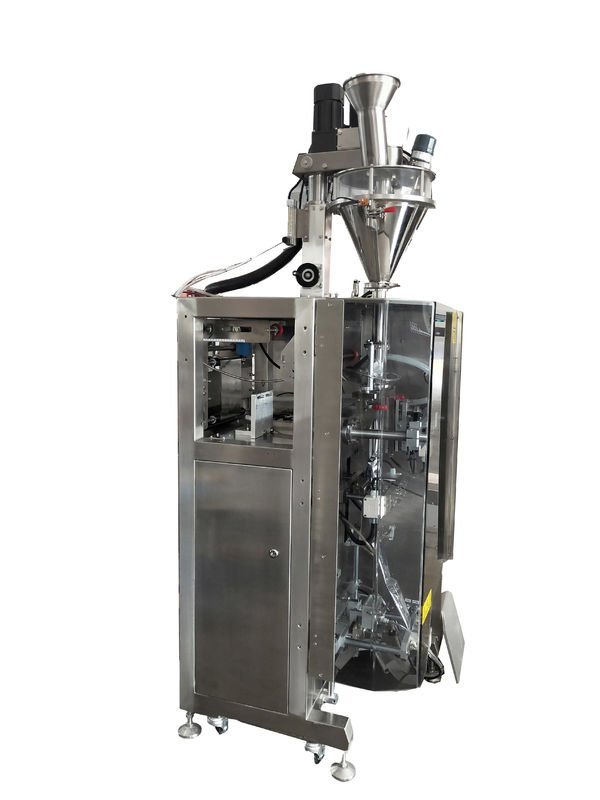
- Auger Filling Systems: Provide exceptional accuracy for dry products, minimizing product giveaway.
Modern food packaging lines often integrate nitrogen flushing or vacuum sealing to extend shelf life and incorporate checkweighers and vision systems to ensure every package meets quality standards.
Pharmaceutical & Healthcare Packaging
In pharma, packaging is synonymous with safety and compliance. Equipment must meet stringent Good Manufacturing Practice (GMP) guidelines, ensure tamper evidence, and provide critical patient information. Solutions are designed for utmost precision and cleanliness:
- High-Precision Powder & Granule Fillers: For medications and nutritional supplements, where dosage accuracy is paramount.
- Aseptic Liquid Filling Lines: For sterile solutions, eye drops, or injectables, operating in controlled environments to prevent contamination.
- Blister Packaging Machines: For unit-dose solid medications, offering excellent product protection and patient compliance aids.
Serialization and aggregation capabilities are increasingly integrated to meet track-and-trace regulations in markets worldwide. Learn more about the specific requirements for pharmaceutical packaging machinery.
Industrial & Chemical Packaging
Industrial products, such as chemicals, fertilizers, adhesives, or hardware components, require robust, reliable, and often specialized packaging. Durability and safety are the top priorities.
- Heavy-Duty Bagging Machines: For filling 25kg or 50kg bags with powders, granules, or flakes.
- Liquid Drum & IBC Fillers: For accurately filling large containers with corrosive, viscous, or hazardous liquids.
- Valve Bag Packers: For dust-free filling of materials like cement, plaster, or industrial powders.
These systems are built with hardened materials, explosion-proof components (for volatile substances), and advanced dust collection systems to ensure operator safety and environmental protection.
The Hallmarks of a True High-Efficiency Packaging Partner
Selecting a packaging equipment provider goes beyond comparing machine specifications. A true partner contributes to your long-term success through comprehensive support and deep expertise.
Engineering Expertise & Customization
Every production line is unique. A provider with strong engineering capabilities can tailor standard machines or design customized packaging solutions to fit your specific floor plan, product characteristics, and output goals. This might involve special feeding mechanisms, unique sealing jaws, or integration with existing machinery.
Turnkey Project Management
For new lines or major upgrades, a turnkey approach is invaluable. A capable partner manages the entire project—from initial concept and layout design to machine manufacturing, factory acceptance testing (FAT), installation, commissioning, and operator training. This single-point accountability ensures a smoother, faster transition to full production.
Global Support & Service Network
When your machine is critical to production, downtime is costly. A provider with a global presence can offer timely spare parts delivery, remote technical support, and on-site service by trained engineers. This commitment to after-sales support is a key indicator of a reliable, long-term partnership. Explore the global service and support offered by leading suppliers.
Commitment to Innovation
The packaging industry evolves constantly with new materials, sustainability demands, and smart factory trends. A forward-thinking partner invests in R&D to incorporate technologies like IoT for predictive maintenance, user-friendly HMIs, and energy-efficient drives, future-proofing your investment.
Driving Value Beyond the Machine
Ultimately, high-efficiency packaging equipment delivers measurable return on investment (ROI) across several dimensions:
Increased Output & Lower Labor Costs: Automation allows you to produce more with fewer operators, reducing per-unit costs.
Enhanced Product Quality & Consistency: Automated systems eliminate human error in filling and sealing, delivering uniform, high-quality packages every time.
Reduced Material Waste: Precision filling and advanced control systems minimize both product giveaway and packaging film/laminate waste.
Improved Safety & Compliance: Enclosed systems protect operators from hazardous products and ensure packaging processes meet all regulatory standards.
Scalability & Business Agility: Flexible, modular equipment allows you to easily introduce new products or ramp up production to seize market opportunities.
Frequently Asked Questions (FAQs)
What are the main factors to consider when choosing packaging equipment for a food product?
Key factors include the product’s physical state (granule, powder, liquid), required shelf life (which dictates the need for gas flushing or vacuum), production speed requirements, packaging material compatibility, and the necessary hygiene standards (e.g., USDA, FDA). A thorough product test at the equipment supplier’s facility is highly recommended.
How can I ensure my pharmaceutical packaging line is compliant with regulations like GMP?
Choose equipment designed with GMP principles: sanitary construction with easy-to-clean surfaces (stainless steel, polished welds), minimal particle generation, and validated cleaning procedures. Documentation, including Design Qualification (DQ) and Factory Acceptance Test (FAT) protocols, is also crucial. Work with suppliers who have proven experience in the pharmaceutical industry.
What is the typical lead time for a custom or turnkey packaging line?
Lead times vary widely based on complexity, customization level, and current supplier capacity. A standard machine might be delivered in 8-12 weeks, while a fully customized turnkey line with extensive integration can take 6 months or more. Clear communication and detailed project planning with your supplier from the outset are essential for accurate timeline estimation.
Can existing packaging machinery be upgraded or retrofitted for higher efficiency?
Yes, in many cases. Upgrades like new servo drives for faster changeovers, advanced weighing systems for better accuracy, or new HMI panels for improved data collection can significantly enhance the performance of older machines. A qualified service engineer can assess your current equipment and recommend cost-effective upgrade paths.
What kind of after-sales support should I expect from a reputable packaging machinery supplier?
Comprehensive support includes detailed operator and maintenance training, readily available spare parts (with a recommended inventory list), remote diagnostic support, and access to field service engineers for repairs and preventative maintenance. Many top suppliers also offer service contracts to ensure maximum uptime and machine longevity.