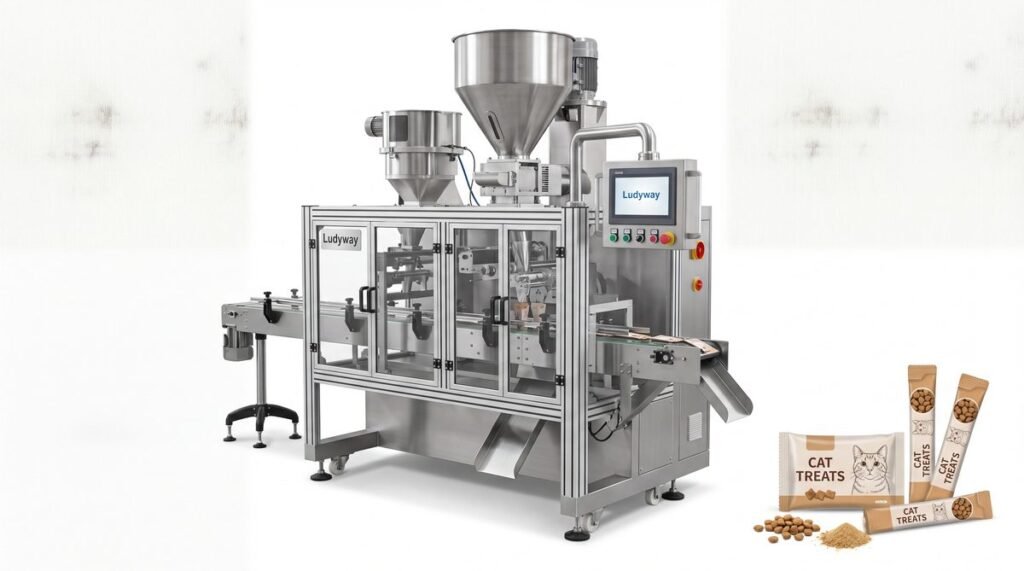
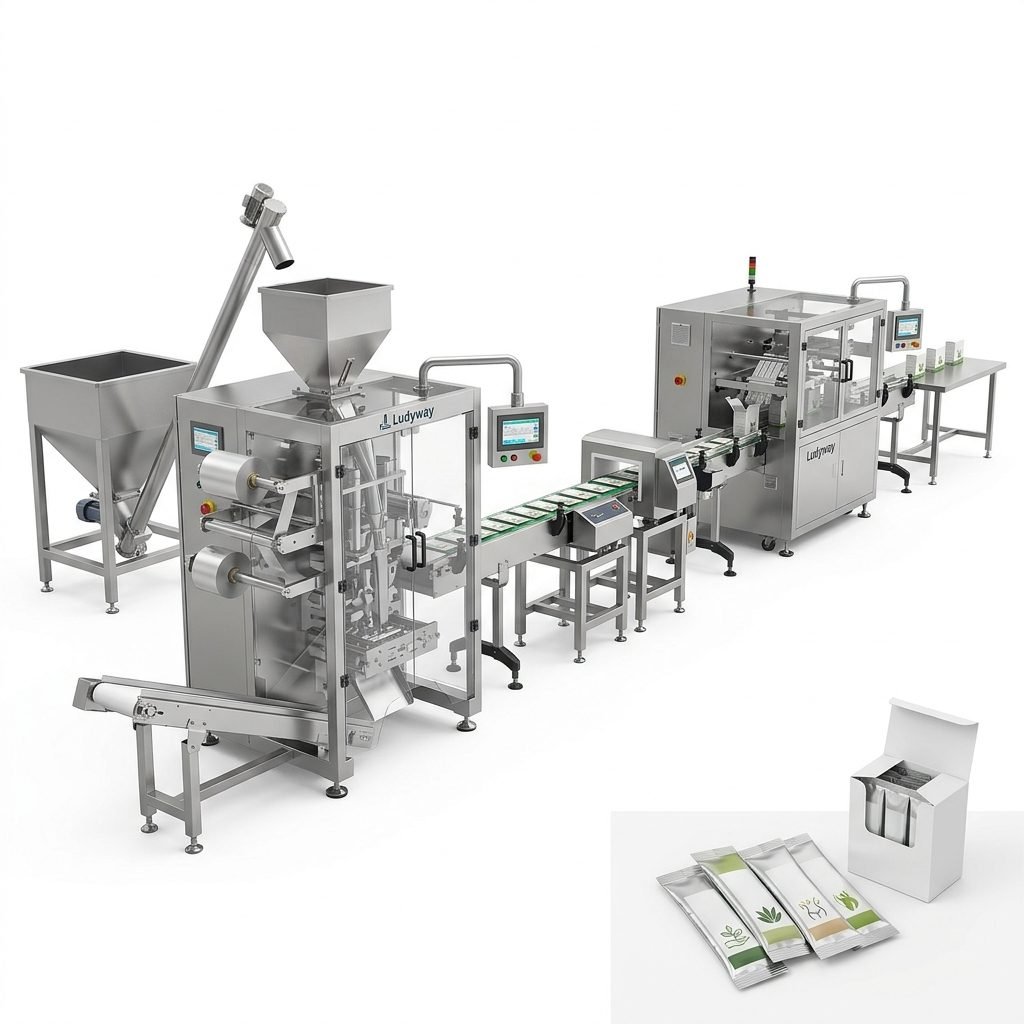
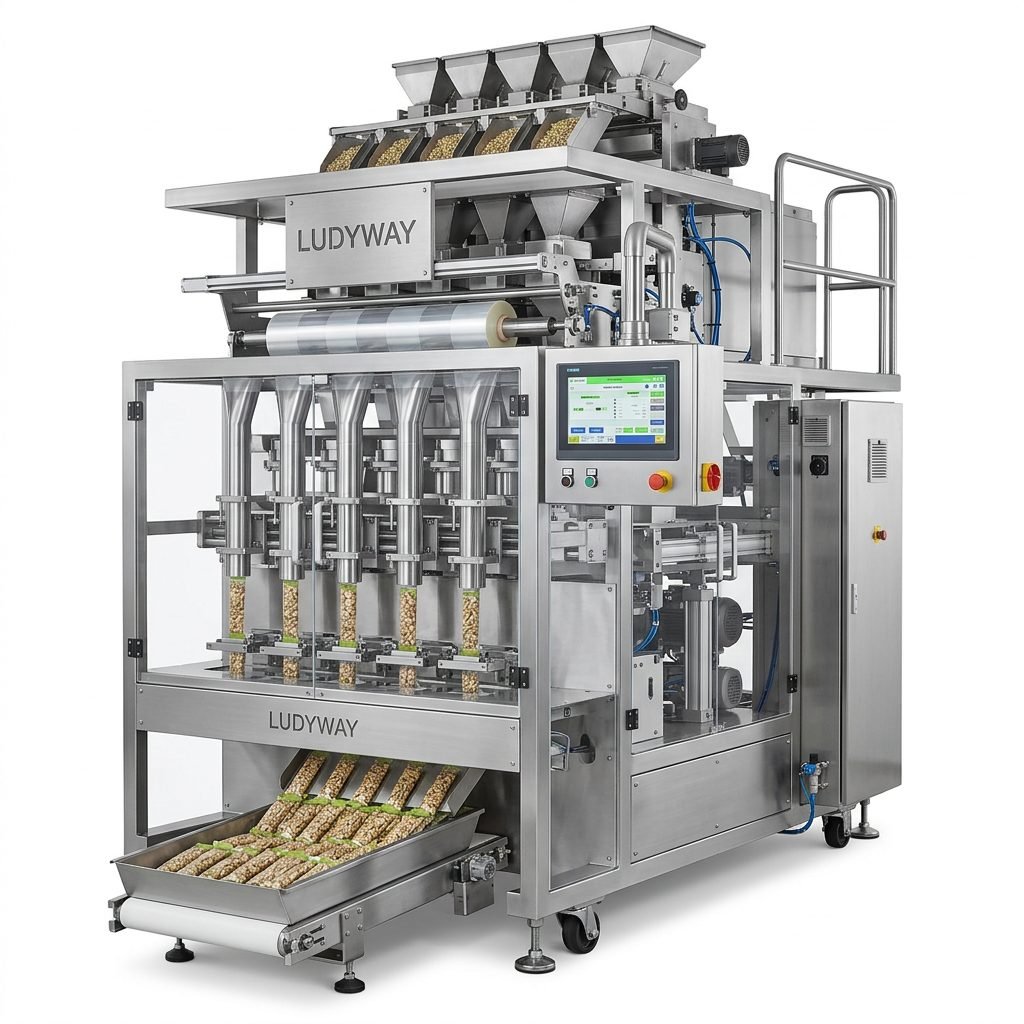
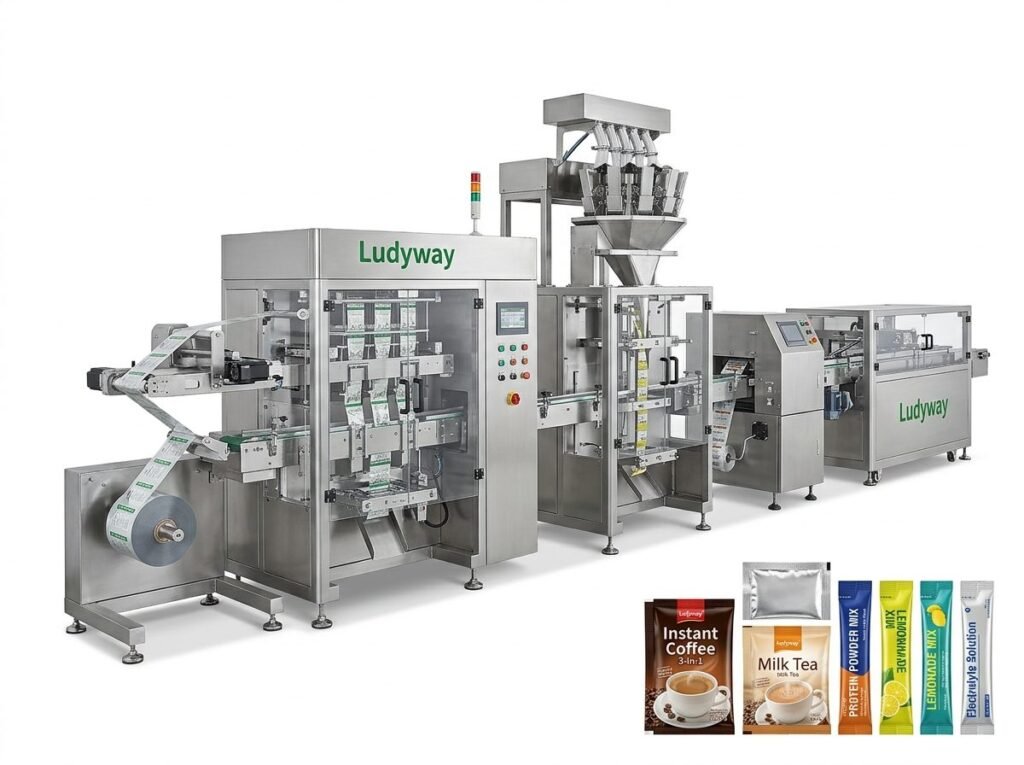
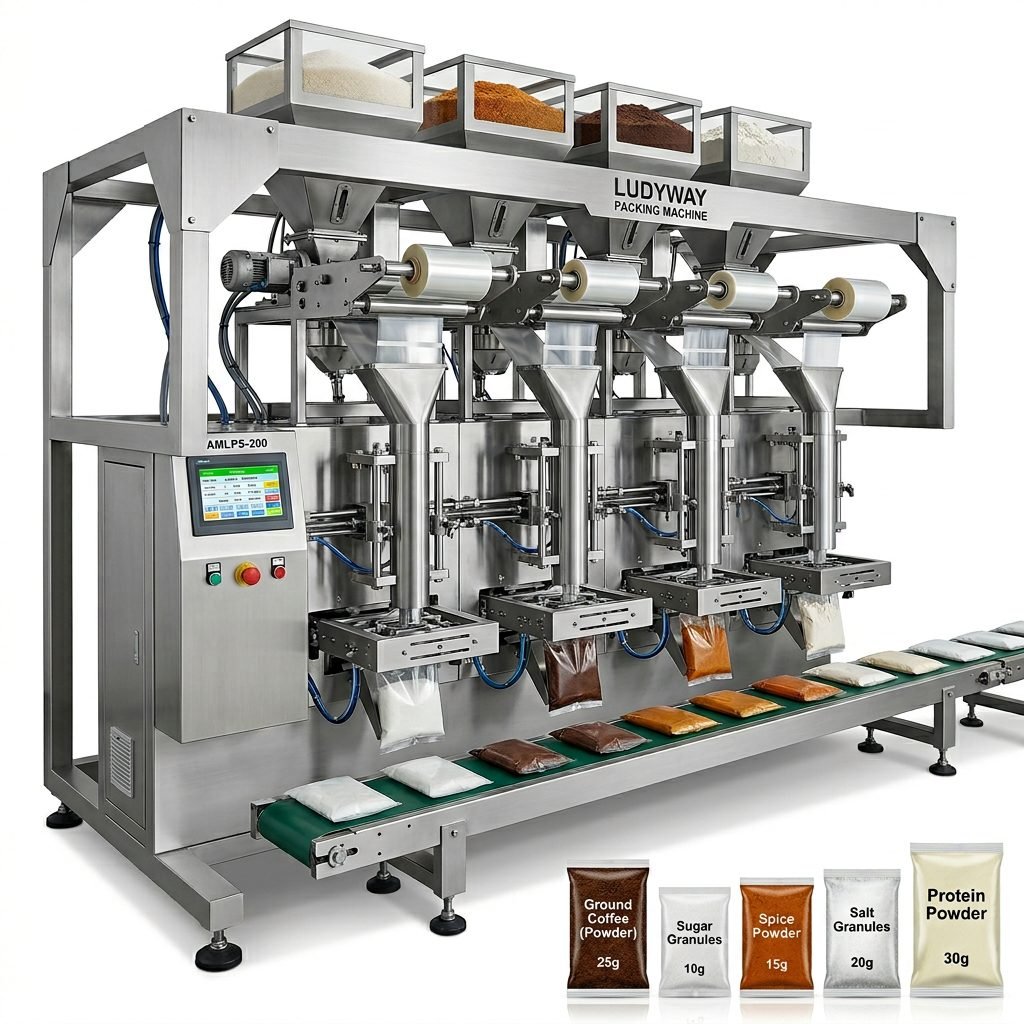
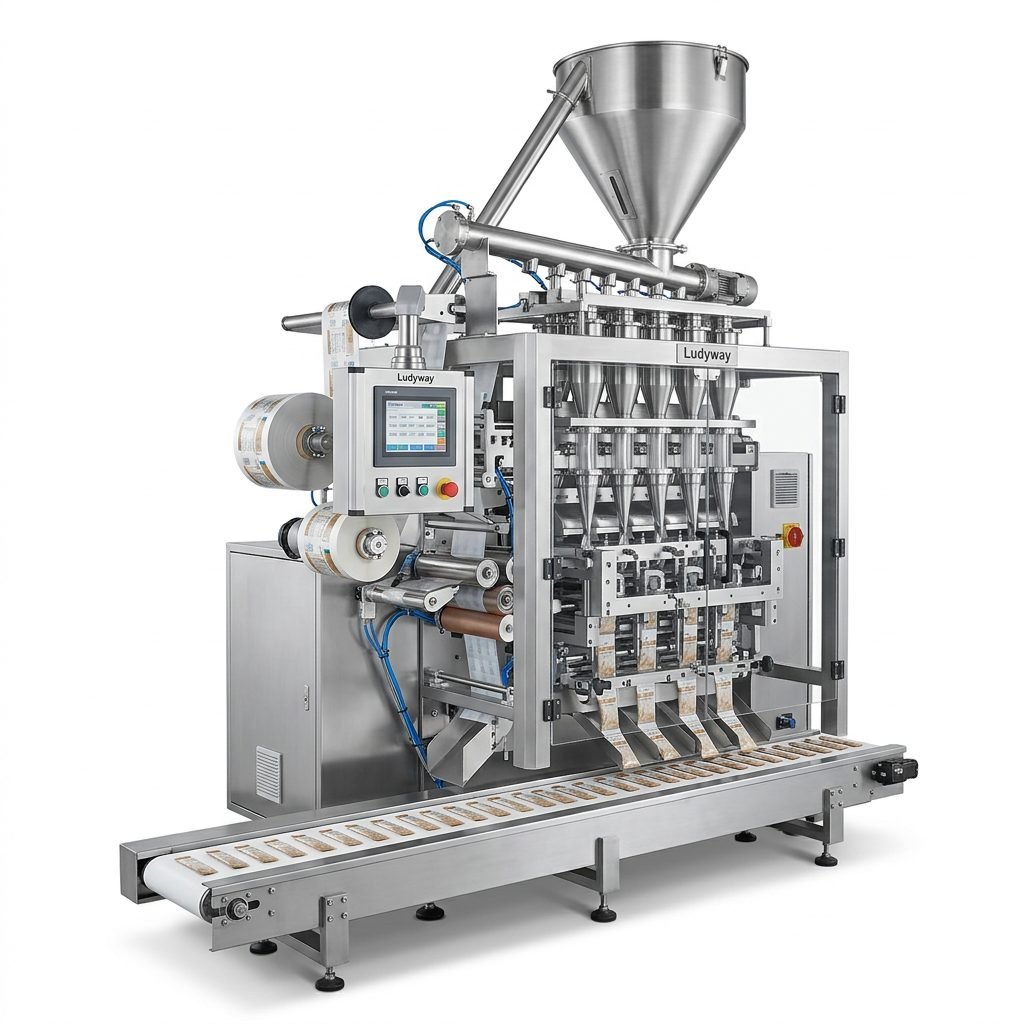
Investing in a tea ice lolly packing machine requires a clear understanding of the cost factors that shape your final purchase price. Whether you are a startup exploring entry-level solutions or an established manufacturer planning a high-capacity automated line, the price range varies significantly based on technology, output speed, and customization requirements. Below, we break down the key cost components to help you plan your budget effectively.
Typical Price Ranges for Tea Ice Lolly Packaging Machines
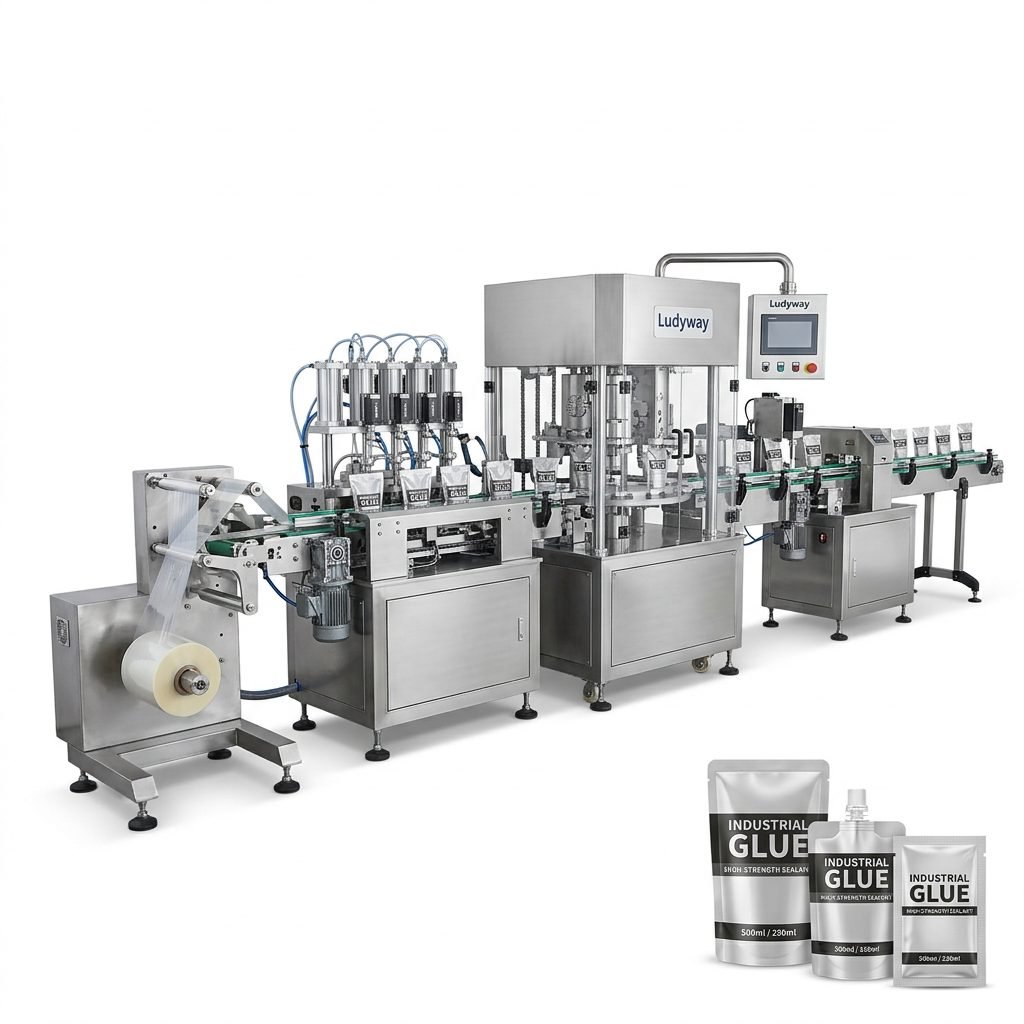
The market offers a wide spectrum of machines, from compact semi-automatic units to fully integrated flexible packaging systems. Understanding where your production needs fit within these tiers is the first step toward making an informed decision.
| Machine Category | Estimated Price Range (USD) | Best Suited For |
|---|---|---|
| Semi-Automatic / Tabletop | $5,000 – $18,000 | Small-scale production, artisanal tea brands, startups |
| Automatic Single-Lane | $18,000 – $45,000 | Mid-volume producers, regional distribution |
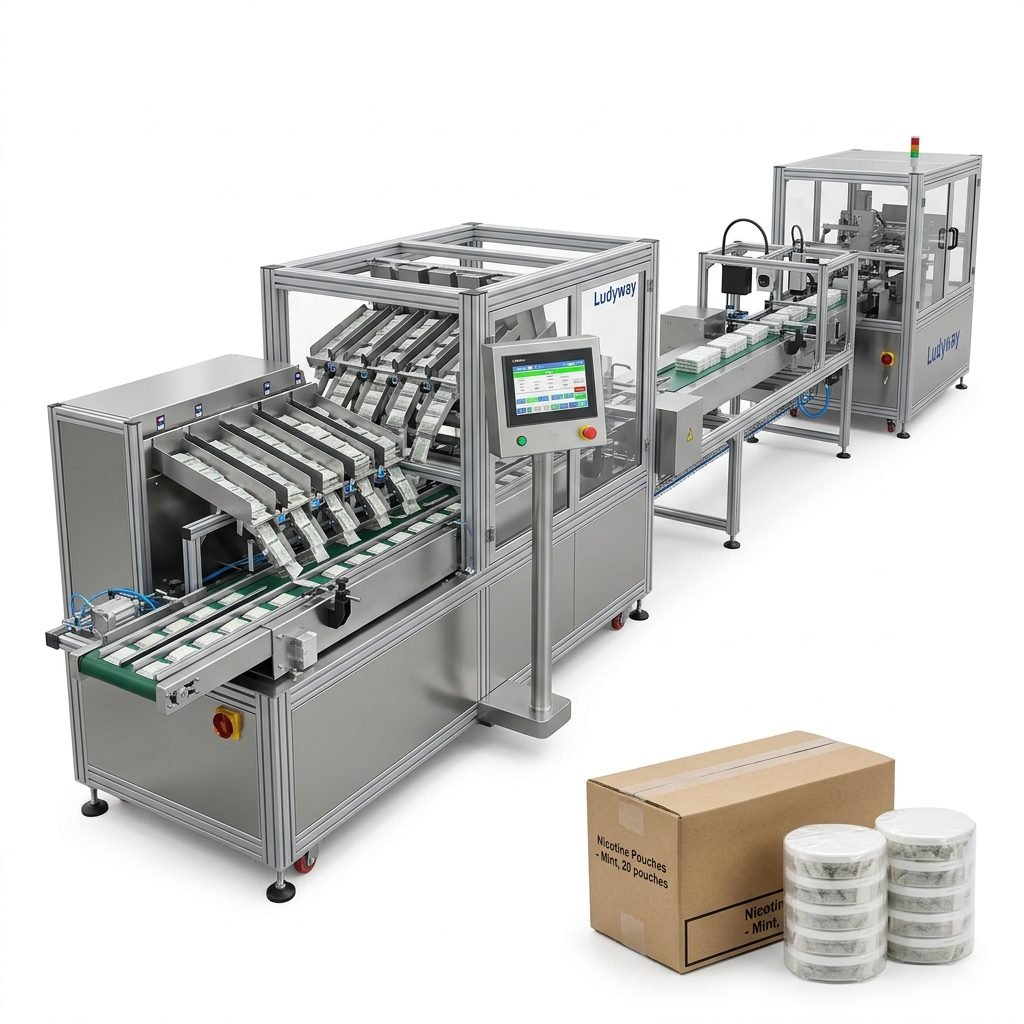
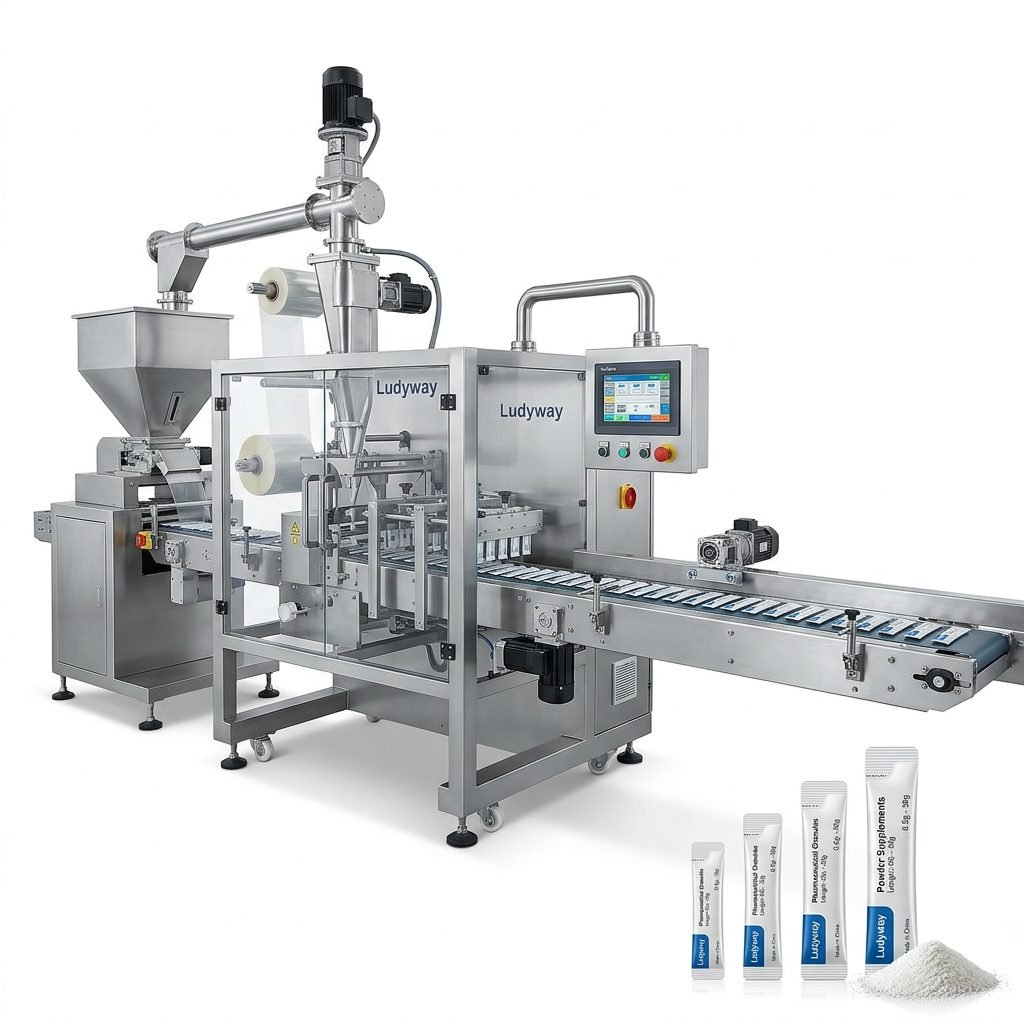
| Multi-Lane High-Speed Stick Pack | $45,000 – $120,000 | Large-scale manufacturing, co-packing facilities |
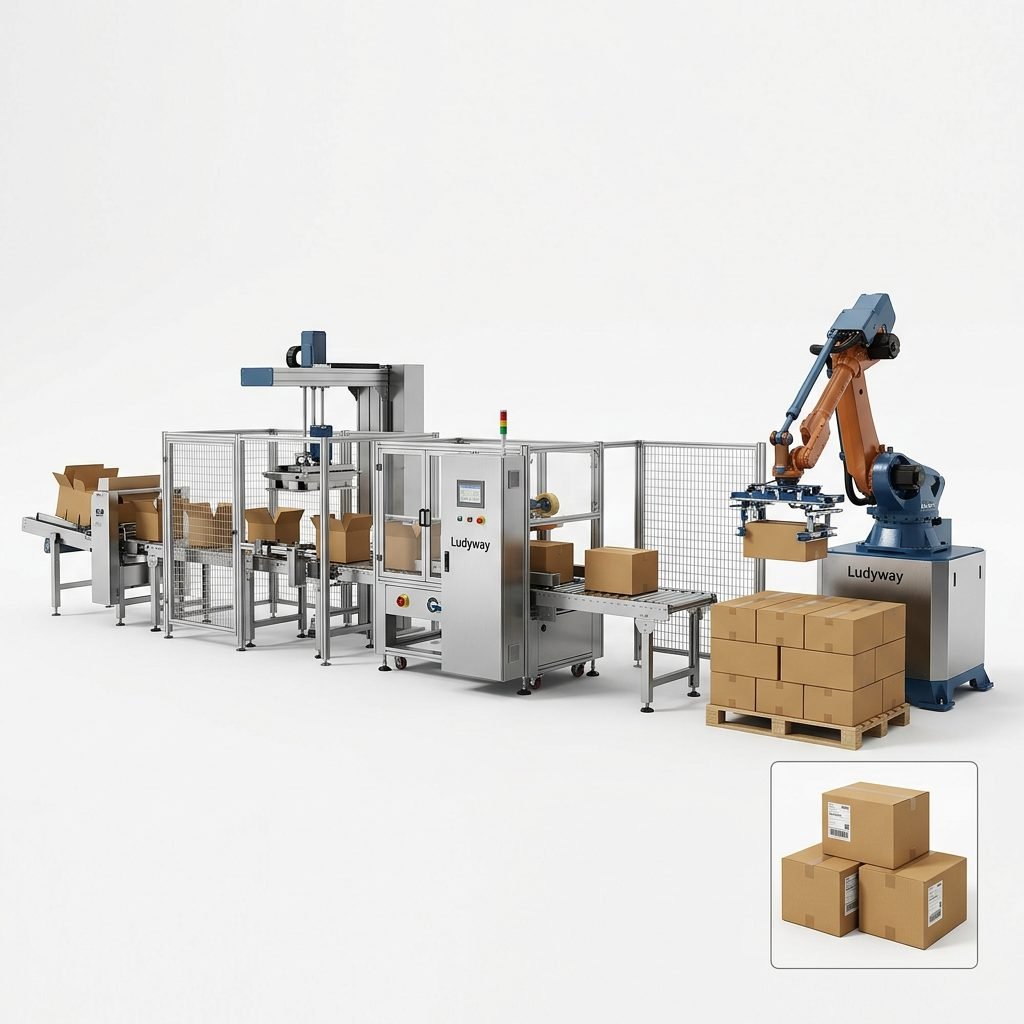
| Fully Automated Turnkey Line | $120,000 – $500,000+ | High-volume export-oriented production, 24/7 operations |
Note: These figures represent base machine costs. Additional expenses such as customized tooling, installation, training, and shipping can add 15%–25% to the total investment. Always request a detailed quotation that includes all ancillary components.
Key Factors That Determine Tea Ice Lolly Packaging Machine Costs
Several variables influence the final price of your equipment. Being aware of these factors allows you to negotiate better and avoid unnecessary expenditures.
Automation Level and Output Speed
Machines capable of producing 80–150 packs per minute cost significantly more than units operating at 30–50 packs per minute. Higher speeds require precision servo-driven systems, advanced PLC controls, and robust sealing mechanisms that add to the upfront cost but deliver superior long-term value.
Packaging Format and Film Compatibility
Tea ice lollies can be packaged in stick packs, sachets, or flow-wrapped pouches. Machines that support multiple formats or handle specialized films such as flexible packaging materials with high barrier properties generally command higher prices. Verify whether the machine supports the exact film structure you intend to use, including metallized, biodegradable, or multi-layer laminates.
Filling Technology
Liquid filling systems vary from volumetric piston fillers to magnetic flow meters and coriolis mass flow meters. For tea ice lolly production, which often involves viscous liquids with particulates, selecting the right filling technology is critical. High-precision fillers with anti-drip and temperature-controlled nozzles increase the machine cost but reduce product waste and ensure consistent portion control.
Compliance and Certification Requirements
If your target markets include the EU, North America, or other regulated regions, your machine must comply with relevant packaging industry standards and food safety regulations. Machines built with stainless steel construction, CIP (Clean-in-Place) capabilities, and FDA-compliant contact parts typically cost 20%–40% more than standard models but are mandatory for regulated markets.
Breakdown of Initial Investment vs. Long-Term Operating Costs
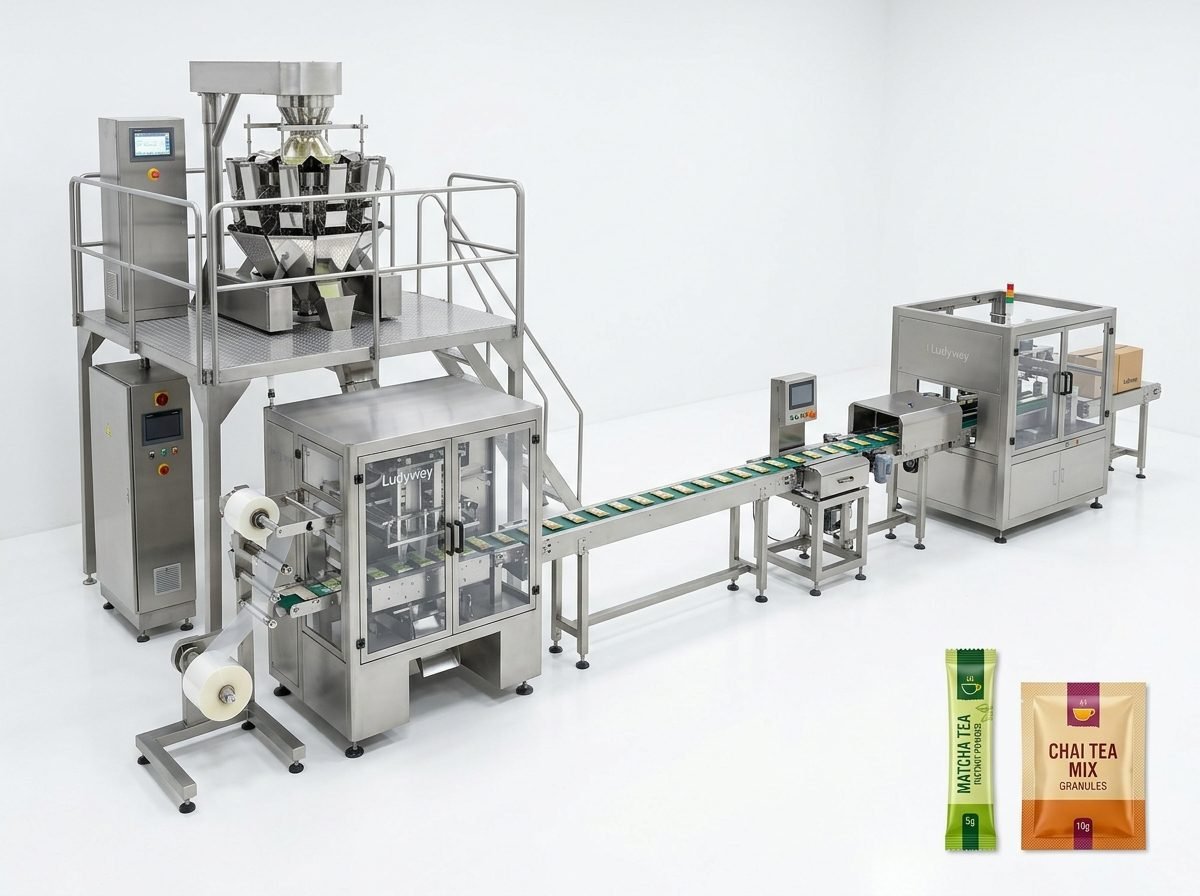
Looking beyond the purchase price helps you evaluate the total cost of ownership over the machine’s lifespan, which typically ranges from 8 to 15 years with proper maintenance.
- Initial Capital Expenditure: Machine cost, freight, import duties, installation, and operator training.
- Consumables: Packaging film, ink ribbons for date coding, and lubricants — these represent ongoing operational expenses that vary with production volume.
- Maintenance and Spare Parts: Budget approximately 2%–5% of the machine cost annually for preventive maintenance and replacement parts such as sealing jaws, heating elements, and belts.
- Energy Consumption: High-speed multi-lane machines consume more power; evaluating motor efficiency ratings can lead to substantial savings over time.
- Labor Costs: Automated systems reduce headcount requirements compared to semi-automatic alternatives, offsetting higher upfront investment within 2–3 years.
Comparing Tea Ice Lolly Packaging Machine Types
The table below provides a side-by-side comparison of common configurations to help you align machine capabilities with your production goals.
| Feature | Semi-Automatic | Automatic Single-Lane | Multi-Lane High-Speed |
|---|---|---|---|
| Output (packs/min) | 20–50 | 50–100 | 100–400+ |
| Operator Requirement | 2–3 persons | 1–2 persons | 1 person (supervisory) |
| Changeover Time | 15–30 min | 10–20 min | 5–15 min (with memory settings) |
| Floor Space | Compact | Moderate | Extensive (line integration) |
| Typical ROI Period | 12–18 months | 18–30 months | 24–36 months |
How to Evaluate Your Budget and Make the Right Choice
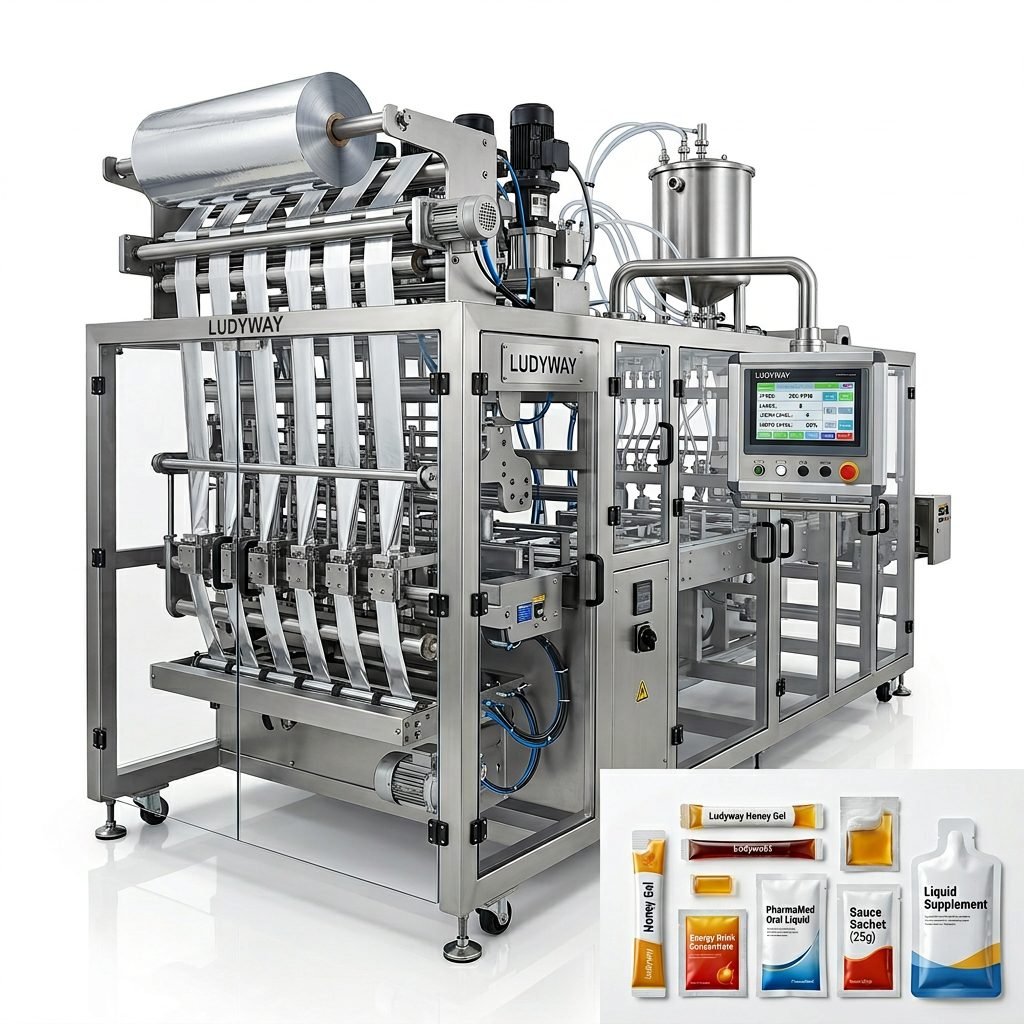
Selecting the optimal machine requires balancing current production demands with future growth projections. Here are actionable steps to guide your purchasing decision:
Define Your Production Targets
Calculate your daily, monthly, and seasonal production requirements. If your peak season demands triple your average output, consider a machine with modular scalability that allows lane additions without replacing the entire system.
Assess Your Facility Infrastructure
Evaluate available floor space, electrical supply, compressed air requirements, and ventilation. Some high-speed machines require three-phase power and dedicated air compressor lines, which may necessitate facility upgrades that add to the total project cost.
Request Live Demonstrations and Sample Runs
Before committing, arrange a factory acceptance test using your actual product formulation. Tea ice lollies with varying viscosity, particulate content, and temperature profiles behave differently in filling systems. A live demonstration reveals potential issues that specification sheets cannot convey.
Investigate After-Sales Support
The availability of remote diagnostics, local service engineers, and spare parts inventory directly impacts long-term operational reliability. A machine priced $10,000 lower may cost significantly more over its lifetime if technical support is inaccessible or spare parts require extended international shipping.
Financing and Leasing Options
Many manufacturers and third-party financial institutions offer equipment leasing, installment plans, or deferred payment structures that reduce the initial capital burden. These arrangements can make a higher-specification machine accessible within your current budget while generating immediate production revenue that services the financing cost.
Market Trends Affecting Tea Ice Lolly Packaging Machine Pricing
Several packaging industry trends are shaping equipment pricing in 2025 and beyond. The shift toward sustainable mono-material films, integration of IoT-enabled predictive maintenance, and demand for smaller pack sizes for portion control are driving innovation. Machines that accommodate these trends may carry a premium today but offer competitive advantages in rapidly evolving consumer markets.
Making the Final Decision
A tea ice lolly packing machine represents a significant capital investment that directly impacts your product quality, production efficiency, and brand reputation. Rather than selecting based solely on price, evaluate the total value proposition — including throughput capacity, fill accuracy, film waste rates, and manufacturer support infrastructure. The cheapest option often incurs the highest hidden costs through downtime, rejects, and limited scalability.
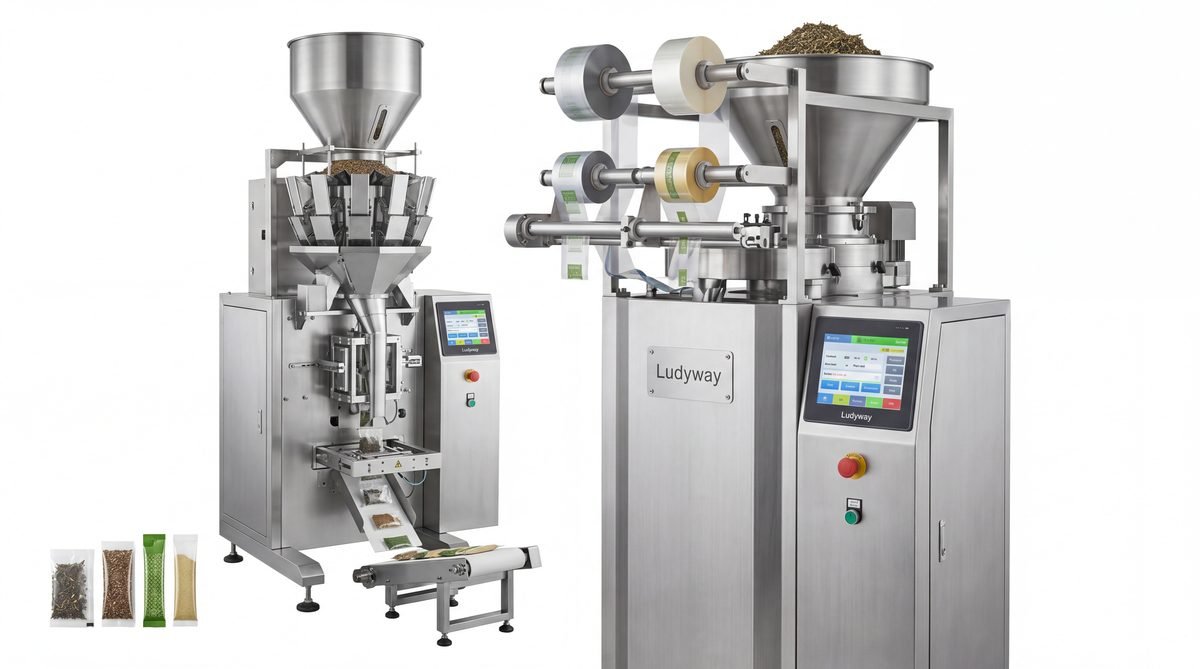
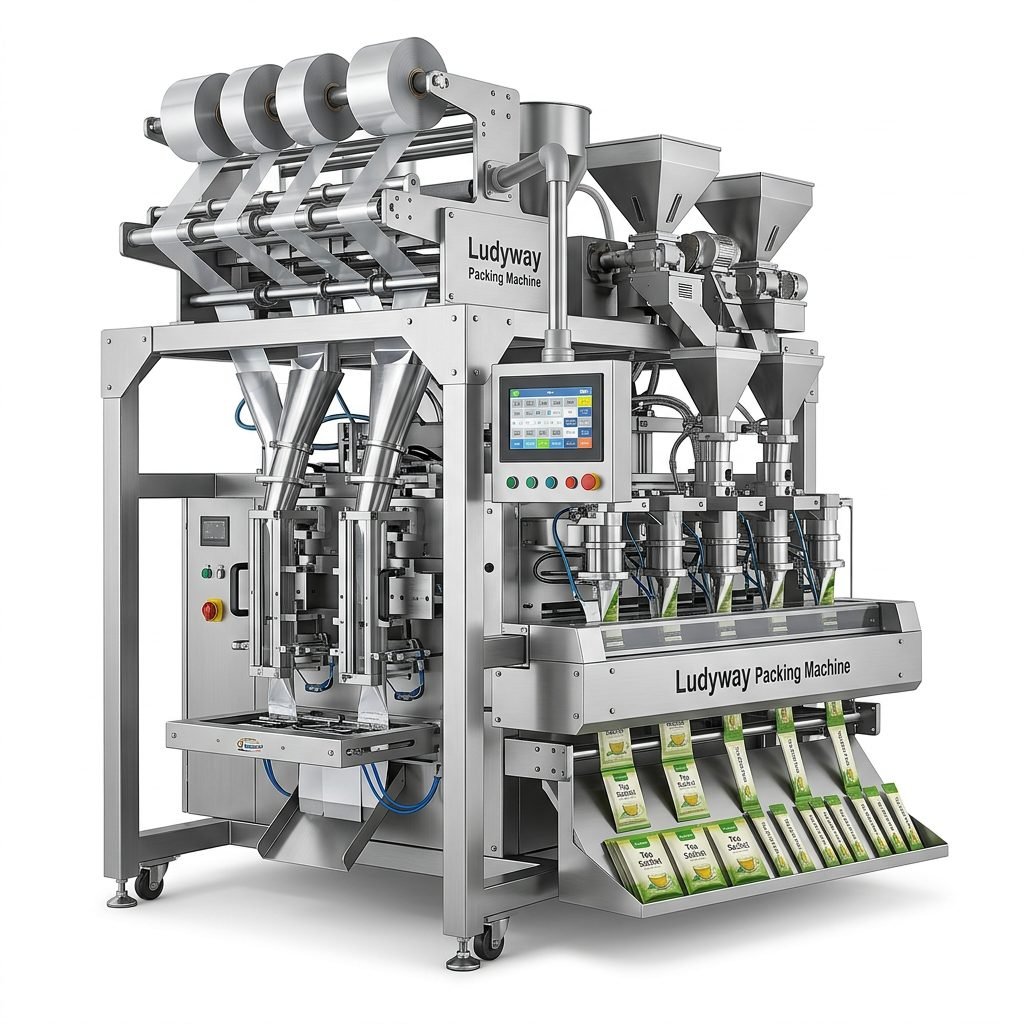
For businesses seeking a reliable manufacturing partner with extensive experience in liquid and stick pack packaging, Ludyway offers a comprehensive range of machines backed by decades of engineering expertise and global service support. Requesting detailed quotations from multiple suppliers and comparing specifications line-by-line remains the most effective approach to securing the best value for your investment.
Related Resources: