Selecting the right packaging machine for the Gambia market requires a strategic approach that balances cost, functionality, and local operational realities. As West Africa’s smallest mainland country, Gambia presents unique opportunities and challenges for manufacturers and importers of packaged goods spanning food, pharmaceuticals, and consumer products. Making an informed equipment decision can mean the difference between sustainable growth and costly downtime.

Understanding the Gambia Market Landscape
Gambia’s economy is heavily driven by agriculture, tourism, and re-export trade. The packaging sector here is not yet saturated with high-end automation, which creates a substantial opening for mid-range, versatile machinery. Products such as groundnuts, cashew nuts, fruit powders, tea, sugar, salt, and pharmaceutical sachets dominate local manufacturing and import-export channels. Consequently, demand for granule packaging machines, powder packaging systems, and liquid sachet fillers continues to rise steadily.
Local businesses often prioritize equipment that handles multiple product formats — a single machine that can switch between granule, powder, and liquid sachet packaging without extensive retooling holds immense value in this market. Flexibility directly impacts return on investment, especially for small to medium enterprises that serve diverse product lines.
Key Factors for Selecting Packaging Machinery in Gambia
Choosing wisely involves evaluating several interconnected criteria. The following four pillars should guide every purchasing decision:
- Product Compatibility — Does the machine handle your specific material (granule, powder, liquid, paste) with consistent accuracy?
- Production Throughput — Can it meet your daily output targets without overloading or underperforming?
- Operational Environment — Is the equipment built to withstand local climate conditions, including humidity and temperature fluctuations?
- After-Sales Support — Are spare parts, technical assistance, and remote troubleshooting readily accessible?

Production Capacity and Speed Requirements
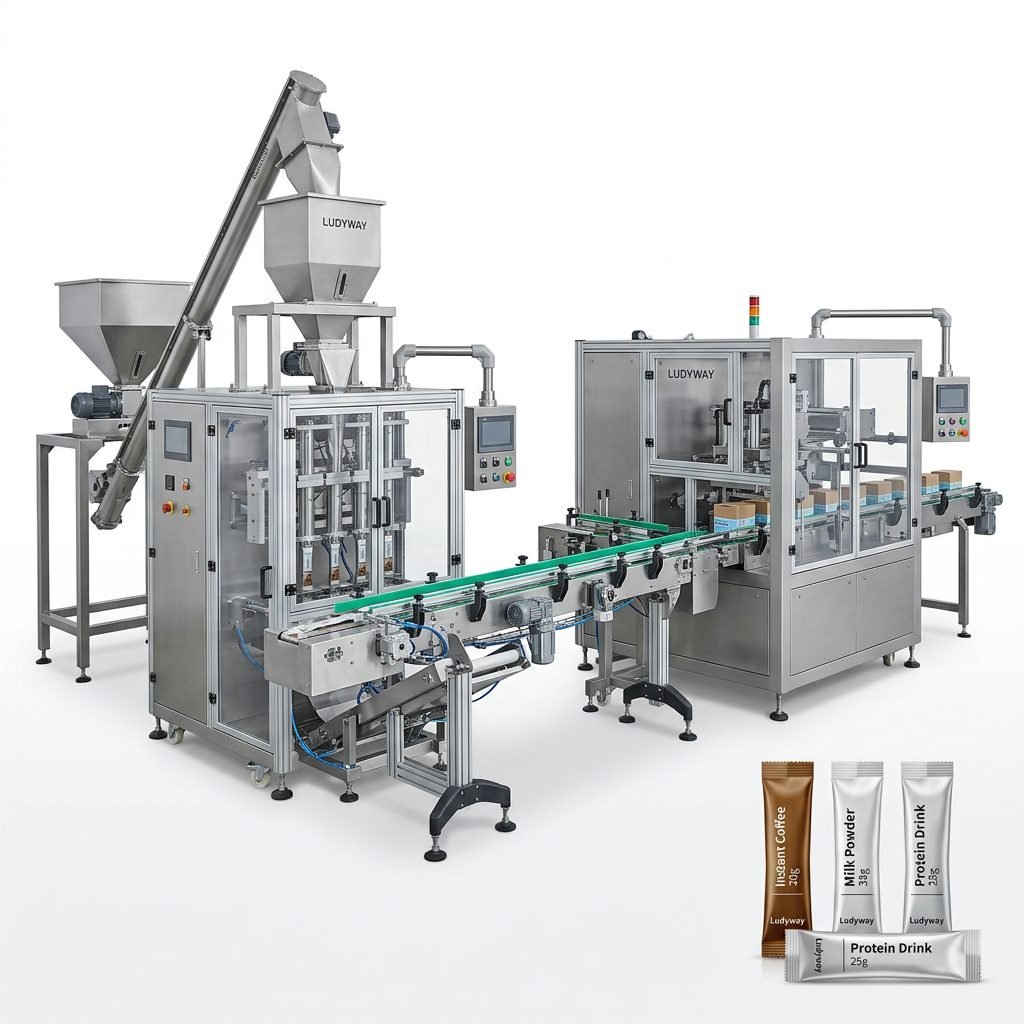
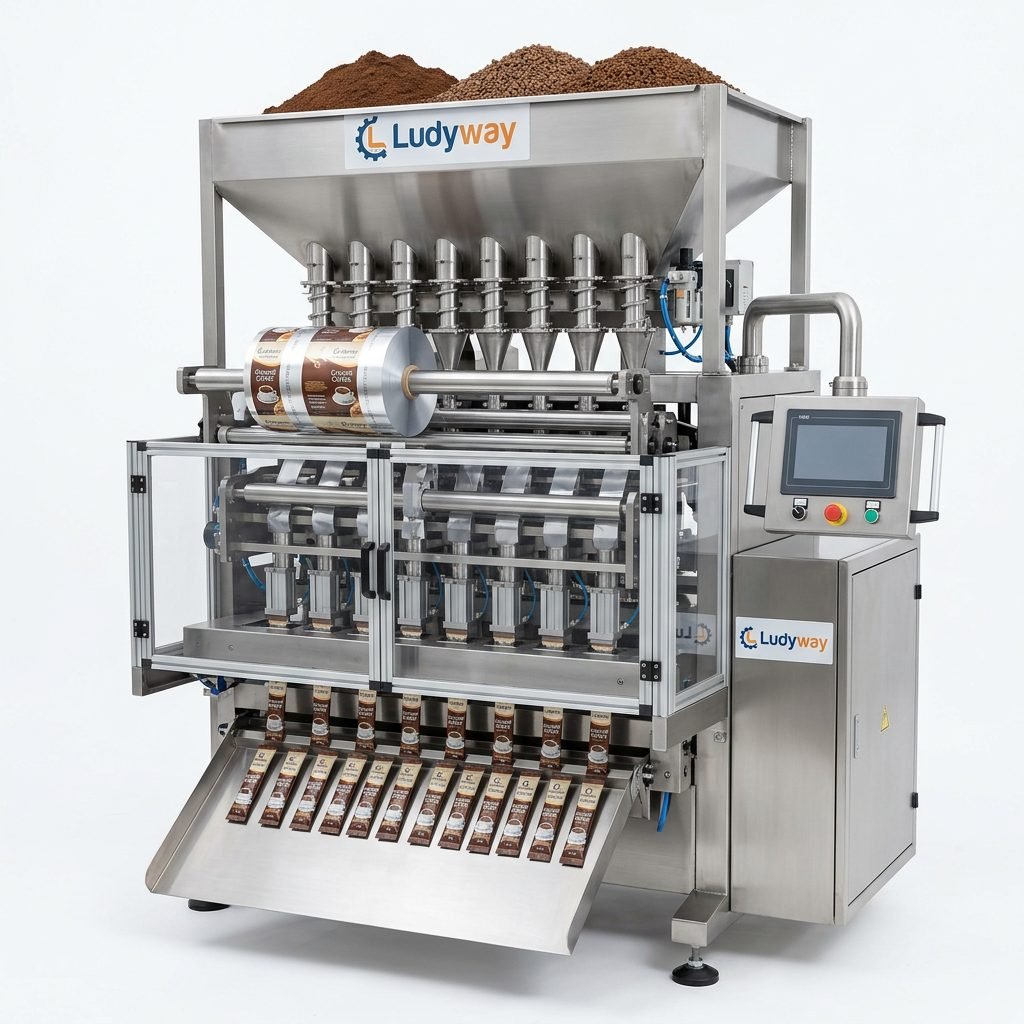
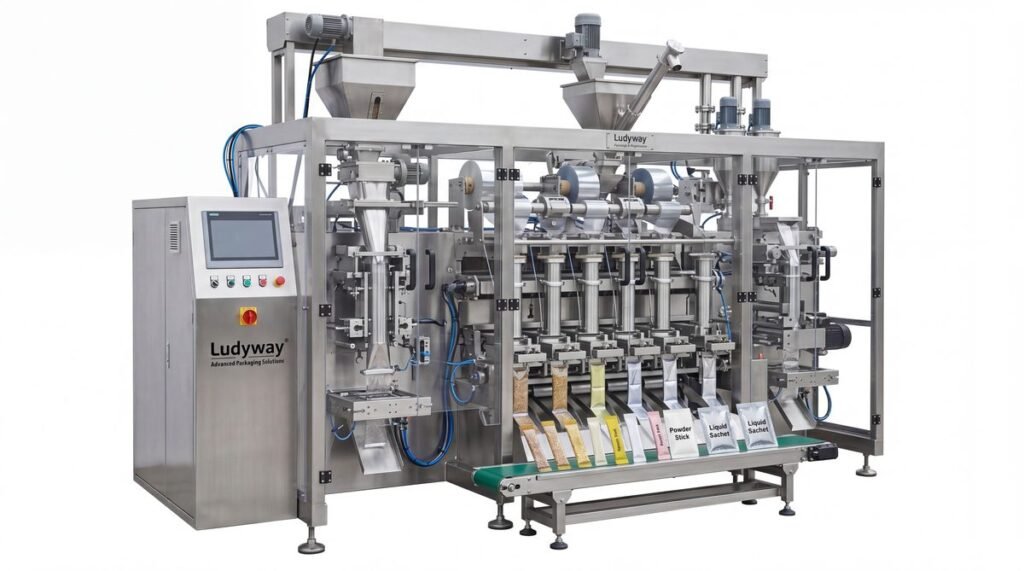
For Gambian manufacturers aiming to supply both domestic retailers and the wider ECOWAS region, throughput capacity cannot be an afterthought. A machine rated at 40-60 packs per minute may suffice for local distribution, but regional exporters should consider equipment capable of 80-200+ packs per minute. Multi-lane stick pack machines and high-speed sachet packaging machines offer the scalability that growing enterprises need, without necessarily doubling the floor footprint.
Product Compatibility — Granules, Powders, or Liquids
Not all packaging machines are created equal. The physical characteristics of your product — density, flowability, moisture content — directly influence the choice of filling mechanism. The table below summarizes common applications in the Gambian market:
| Product Type | Common Examples in Gambia | Recommended Machine Type | Key Feature |
|---|---|---|---|
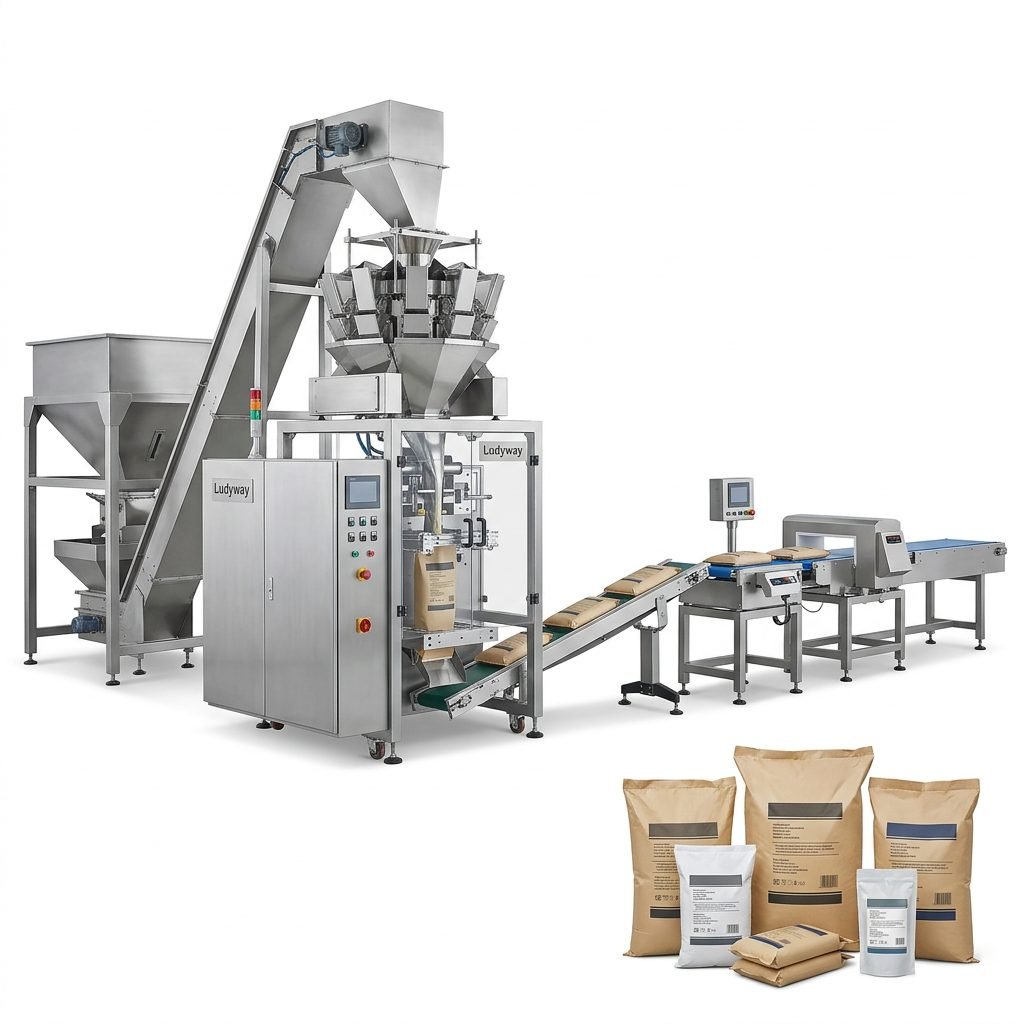
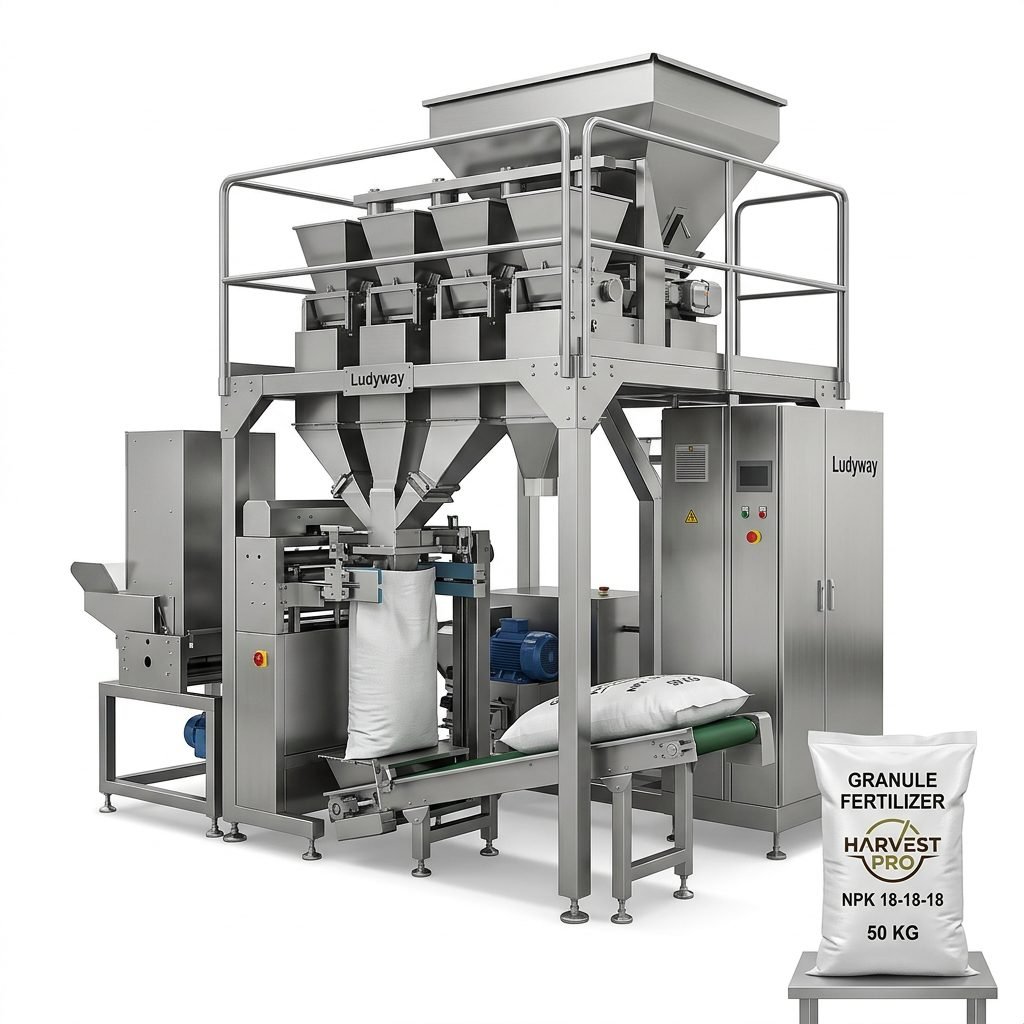
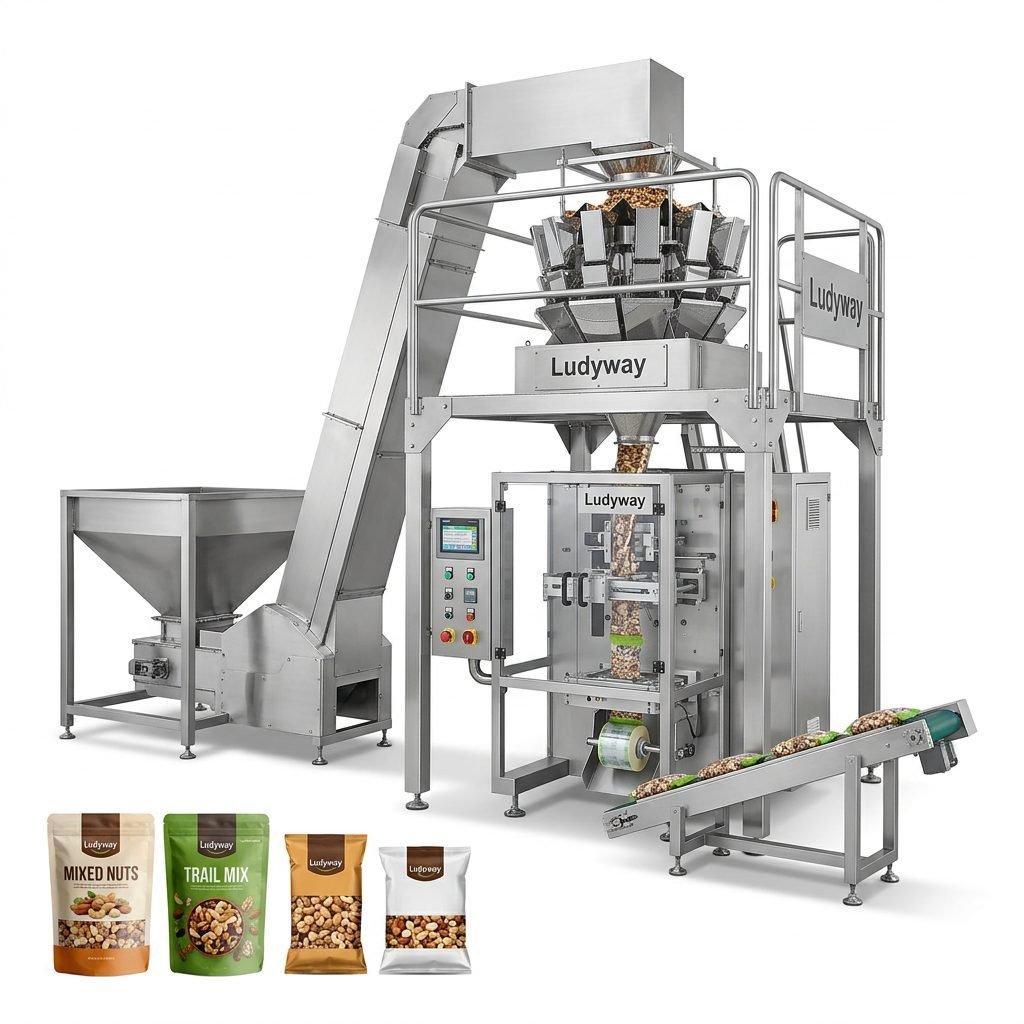
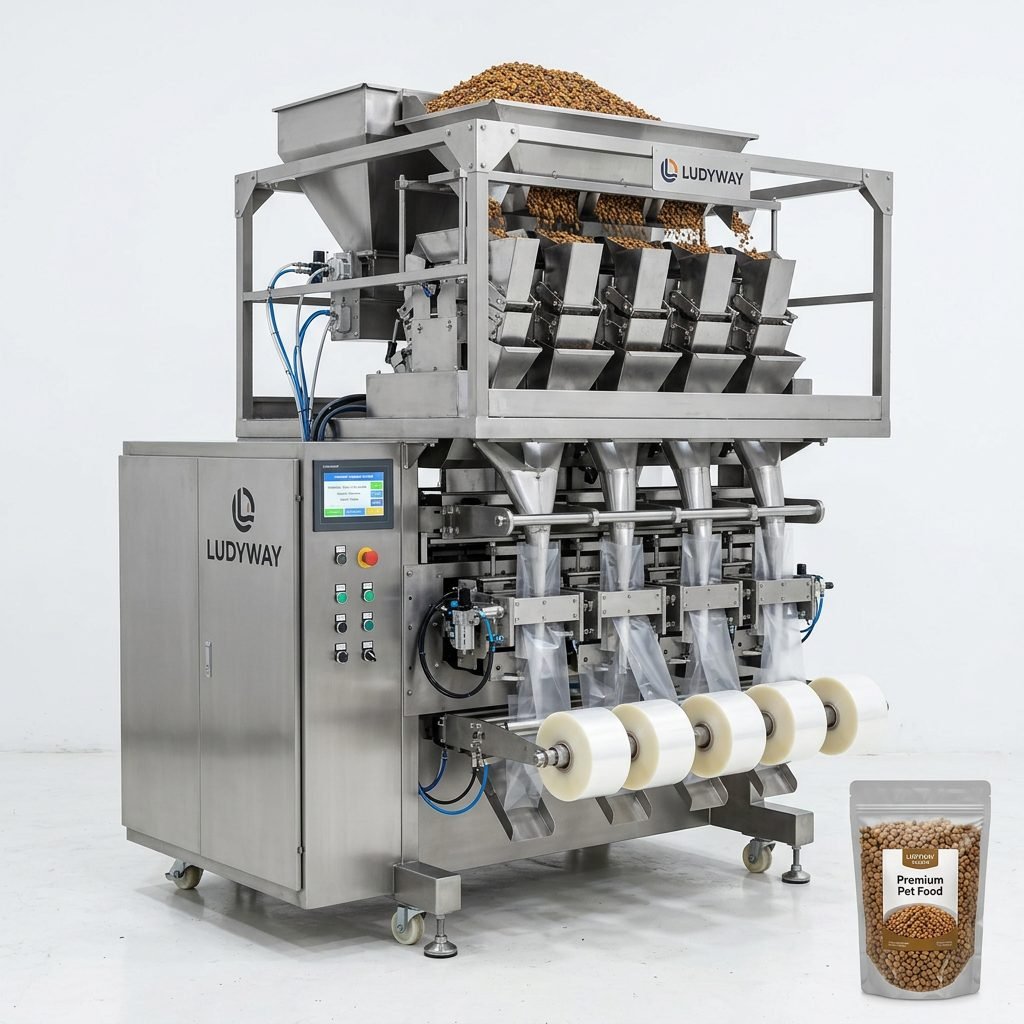
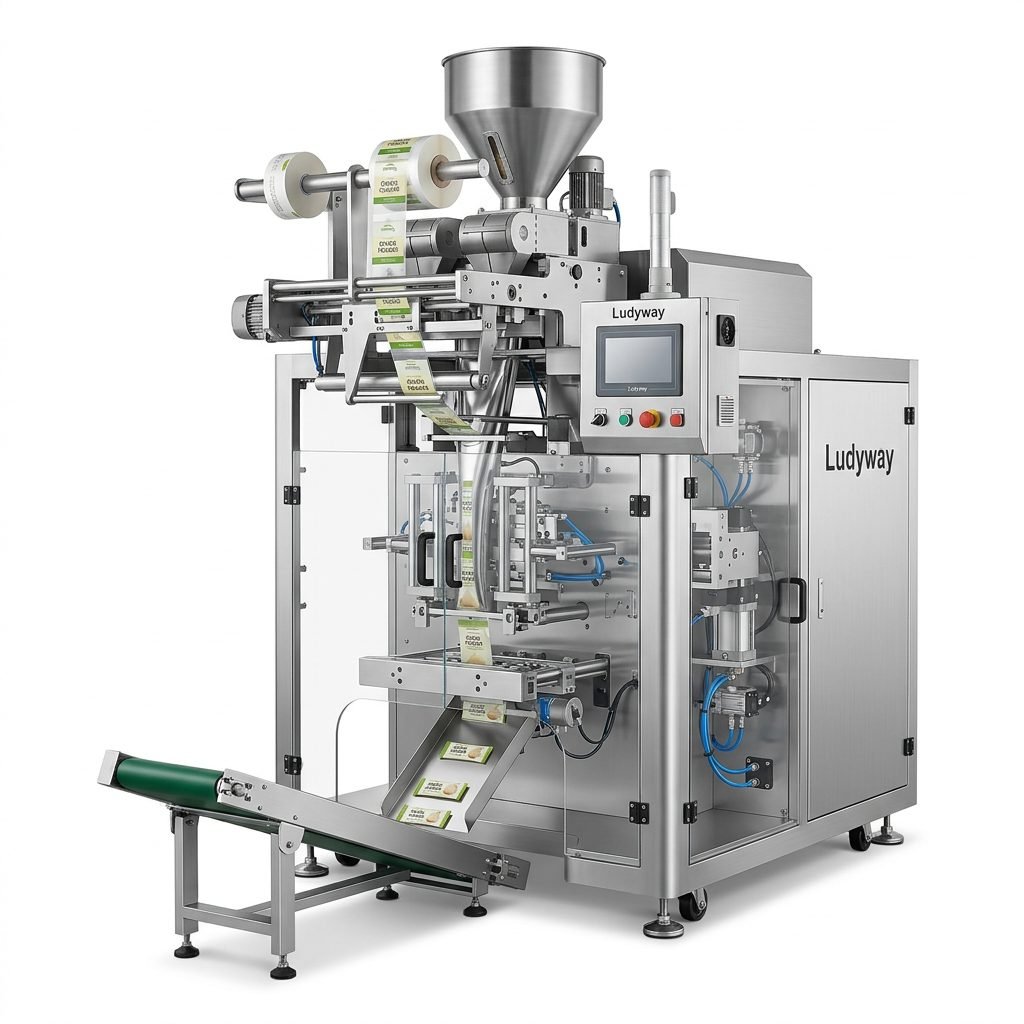
| Granules | Groundnuts, cashew pieces, sugar, salt, rice | Multi-head weigher + vertical form fill seal | High-speed precision weighing |
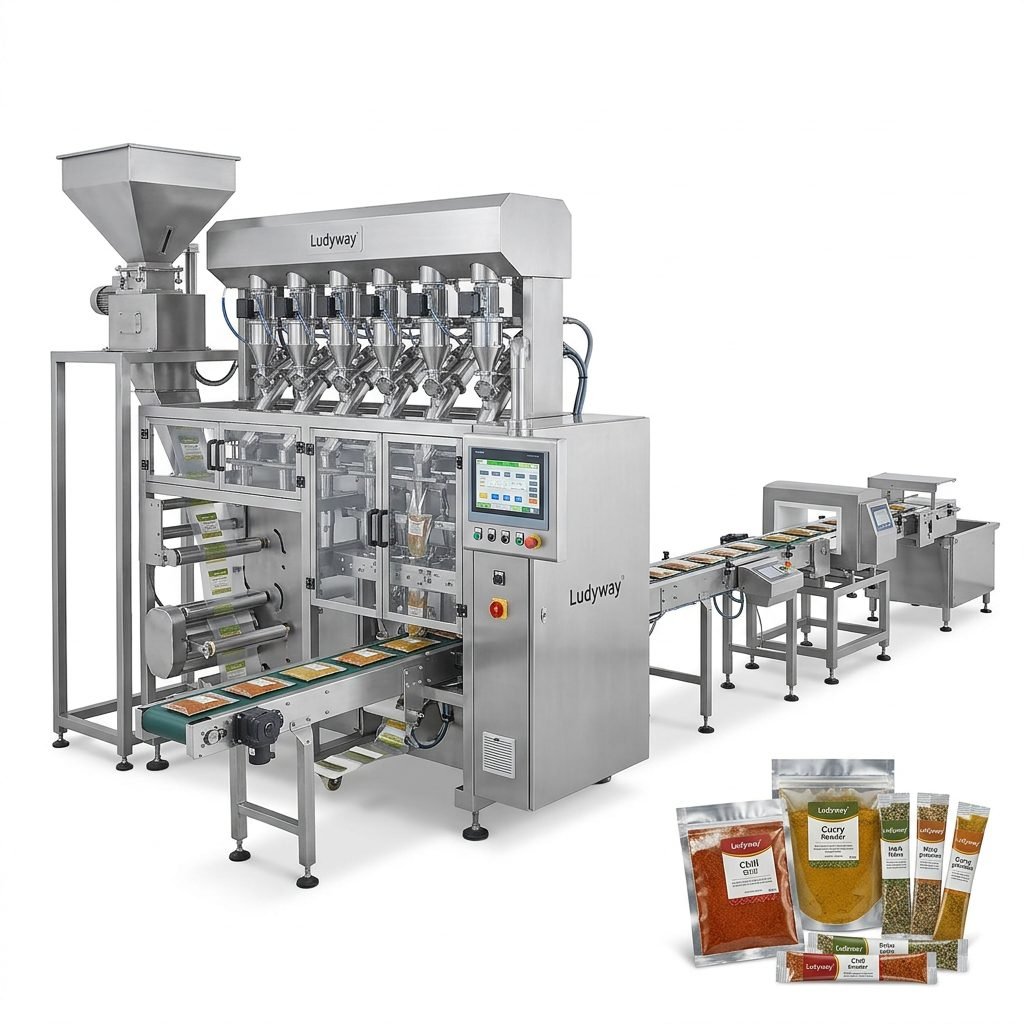
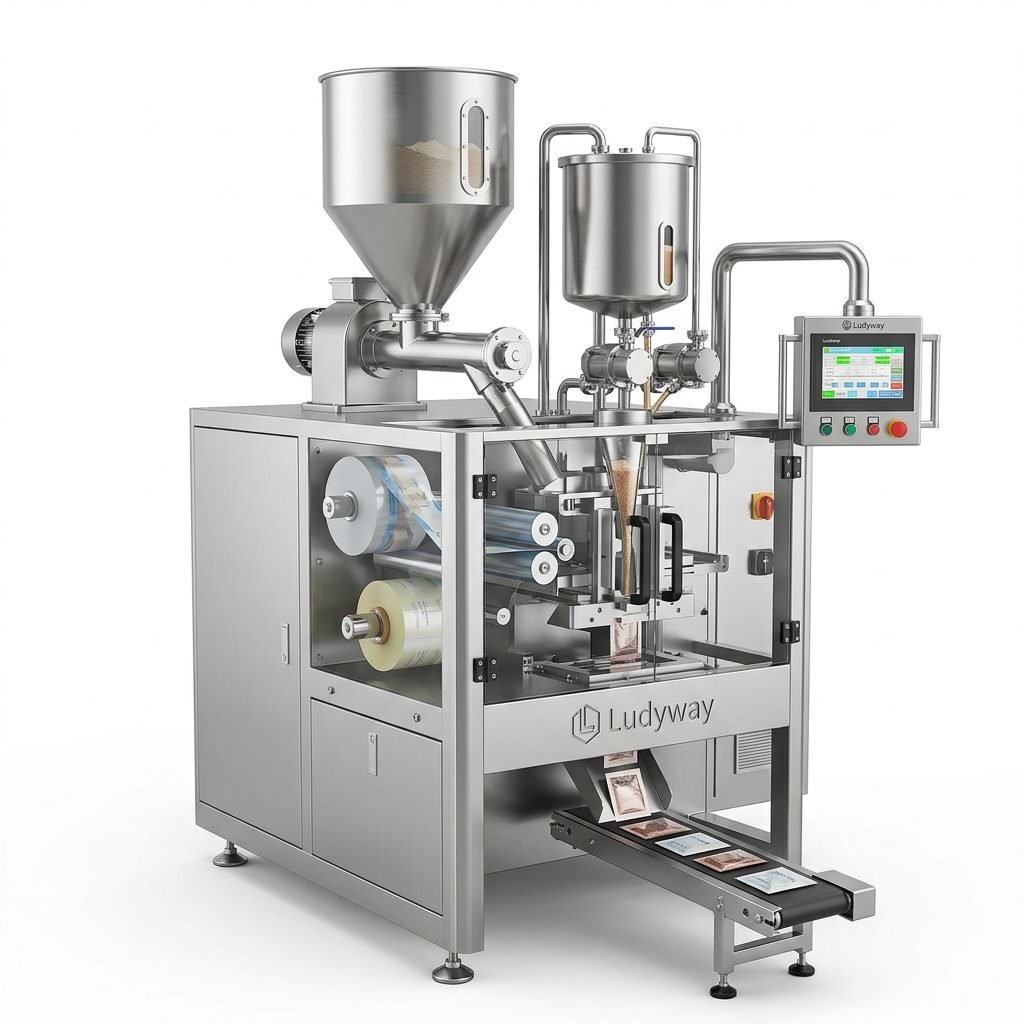
| Powders | Fruit powders, spices, flour, milk powder, pharmaceutical powders | Auger filler + multi-lane sachet system | Dust control and accuracy |
| Liquids | Fruit juices, cooking oil, sauces, hand sanitizer | Piston or peristaltic pump filler | Drip-free nozzle design |
| Pastes & Creams | Peanut butter, cosmetic creams, ointments | Positive displacement filler | Handles high-viscosity products |
Climate and Environmental Considerations
Gambia’s tropical climate — with high humidity levels and temperatures regularly exceeding 30°C — places additional stress on packaging machinery. Equipment with stainless steel construction, sealed electrical enclosures, and corrosion-resistant components will outlast budget alternatives that quickly degrade. Powder products, in particular, are susceptible to clumping and bridging in humid conditions; machines equipped with agitation systems and dehumidified hoppers prevent costly production stoppages during the rainy season.
After-Sales Support and Maintenance
One of the most overlooked yet critical factors is the availability of technical support. Gambian businesses should prioritize suppliers that offer remote video diagnostics, readily available spare part inventories, and clear maintenance documentation in English. Turnkey solutions that include automated packaging lines with integrated training programs significantly reduce the learning curve and minimize operational disruptions. A supplier with a proven track record in West African markets understands the logistical realities and can pre-configure machines accordingly.

Packaging Format Preferences in the Gambia Market
Consumer preferences in Gambia lean toward affordable, single-use, and portable packaging. Sachets and stick packs dominate the retail landscape — they are cost-effective to produce, easy to distribute, and align with purchasing habits where daily disposable income determines buying decisions. The following formats are consistently in high demand:
- Stick packs — Ideal for powdered drinks, sugar, salt, and pharmaceutical granules
- Three-side-seal sachets — Preferred for spices, seasonings, and cosmetic samples
- Gusseted pouches — Growing in popularity for groundnuts, cashew nuts, and dried fruit snacks
- Liquid sachets — Widely used for edible oils, sauces, and personal care products
Why Turnkey Solutions Matter for Gambian Businesses
For many Gambian entrepreneurs entering the packaging industry, sourcing a complete turnkey packaging line from a single manufacturer simplifies procurement, ensures component compatibility, and accelerates time-to-market. Rather than piecing together equipment from multiple vendors — each with different maintenance schedules and spare part requirements — an integrated solution reduces complexity. This is particularly important in a market where technical expertise may be limited and downtime carries heavy financial consequences.
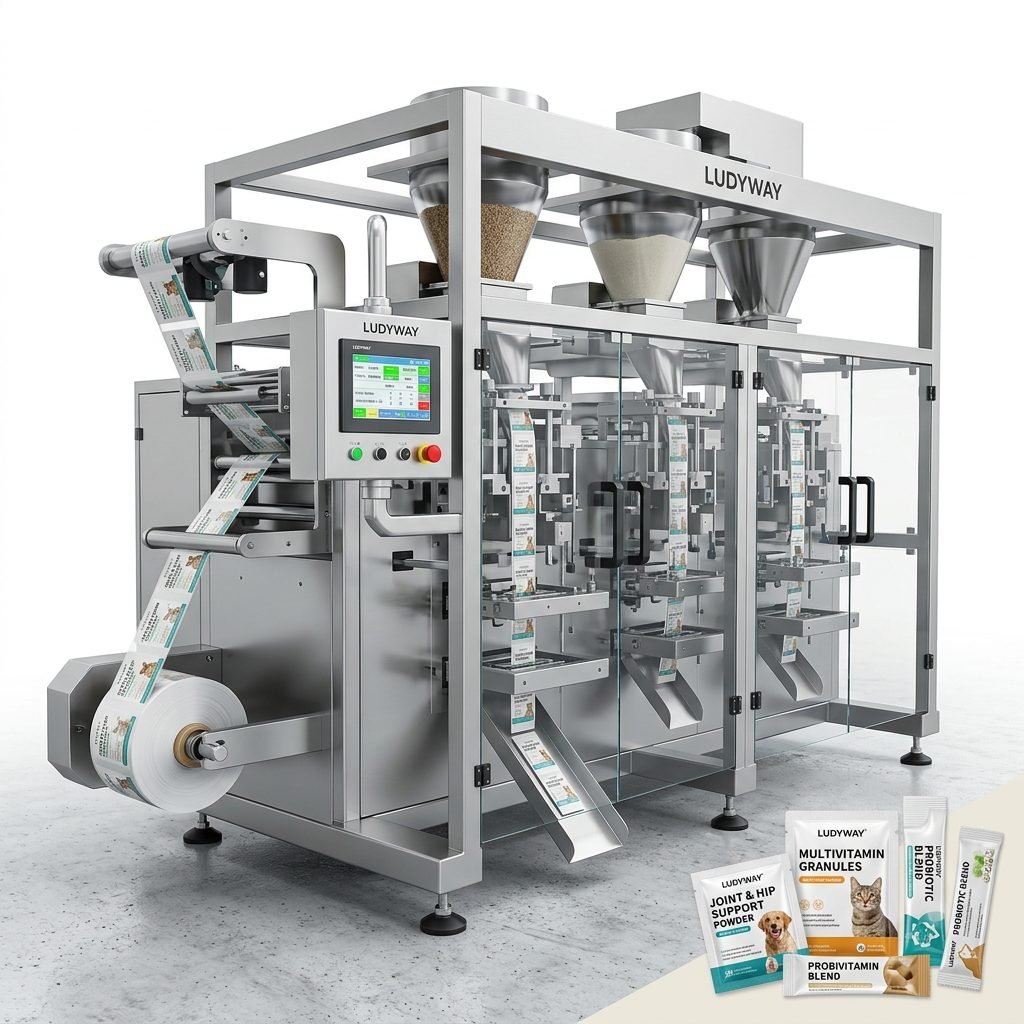
Established manufacturers like Ludyway, with decades of experience delivering packaging machinery to over 100 countries, provide comprehensive solutions that encompass filling, sealing, coding, cartoning, and palletizing — all designed to work seamlessly together. Their equipment portfolio includes multi-lane stick pack systems, sachet machines, and fully automated packaging lines engineered for granules, powders, and liquids — making them a practical choice for Gambian operations seeking reliability without excessive complexity.

Budget and ROI Considerations
While initial purchase price is a significant factor, total cost of ownership should drive the final decision. A lower-priced machine that requires frequent repairs, consumes excess packaging film, or produces inconsistent fill weights will erode profit margins over time. Gambian businesses should evaluate:
- Energy consumption per unit produced
- Packaging material waste rates
- Expected lifespan and warranty coverage
- Labor requirements for operation and changeover
- Availability and cost of consumable spare parts
Compliance and Food Safety Standards
As Gambia aligns more closely with international trade standards, food-grade materials and hygienic design become non-negotiable requirements. Machines constructed with SUS304 or SUS316 stainless steel on all product-contact surfaces meet both local and export market expectations. For pharmaceutical applications, equipment should support GMP-compliant production with validated cleaning protocols and traceable batch coding capabilities. Investing in compliant machinery from the outset avoids costly retrofits and regulatory hurdles later.
Final Recommendations for the Gambia Market
Selecting the right packaging machine for Gambia comes down to matching equipment capabilities with realistic operational requirements. Prioritize versatile, multi-format machines built with durable materials that withstand tropical conditions. Seek suppliers offering comprehensive after-sales support, remote diagnostics, and turnkey solutions that reduce the burden on local technical resources. By focusing on total cost of ownership rather than upfront price alone, Gambian businesses can build a packaging operation that scales profitably with growing demand across West Africa.
Exploring machines that handle multi-lane packaging for granules, powders, and liquids provides the flexibility needed to serve diverse product categories — from food seasonings and nutraceuticals to cosmetic sachets and household products. The Gambian market rewards those who plan for versatility from day one.