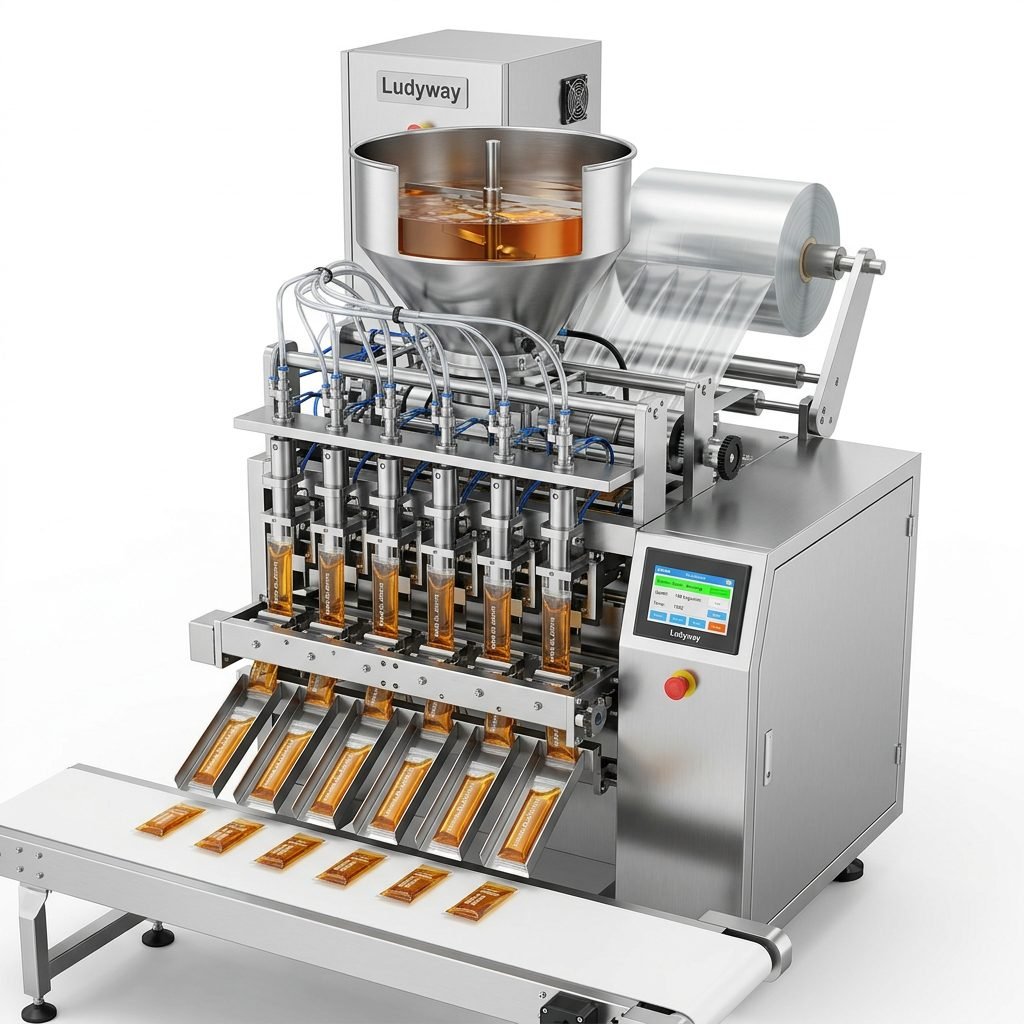
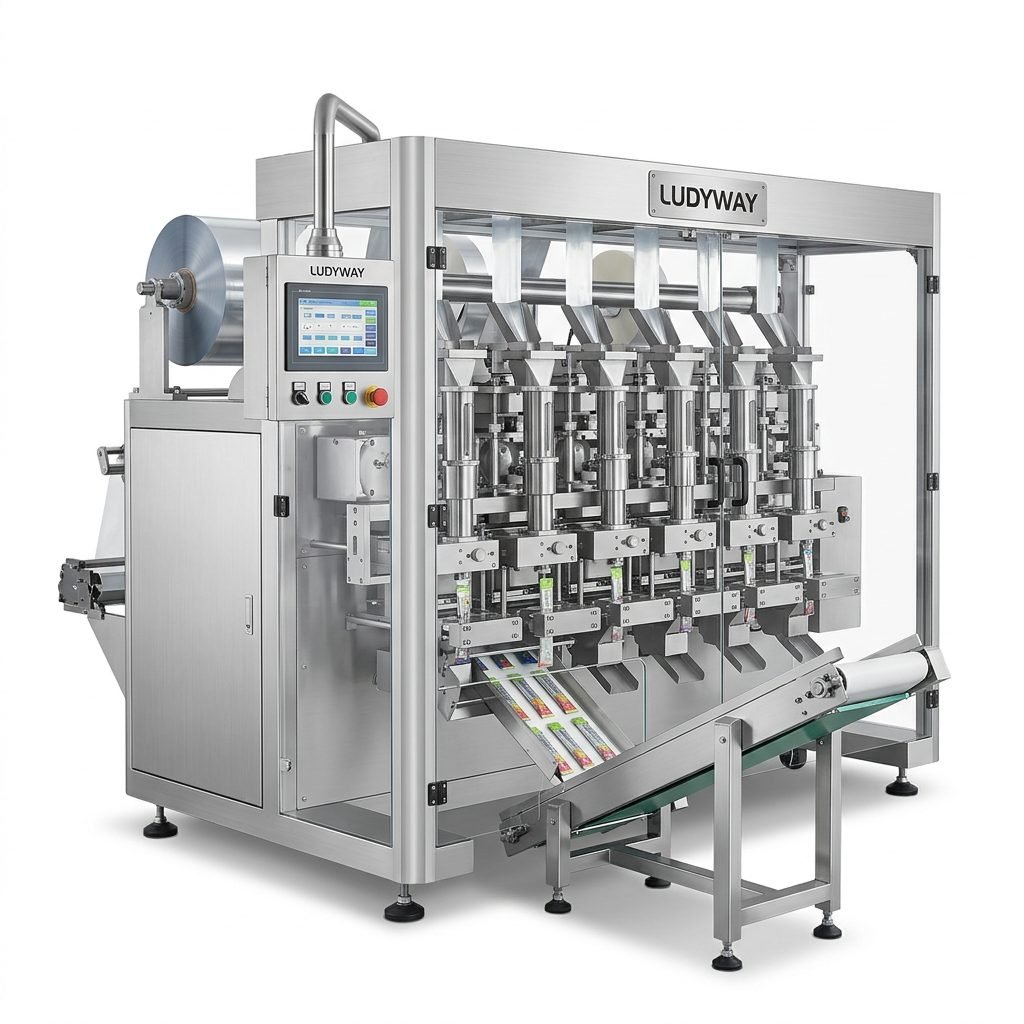
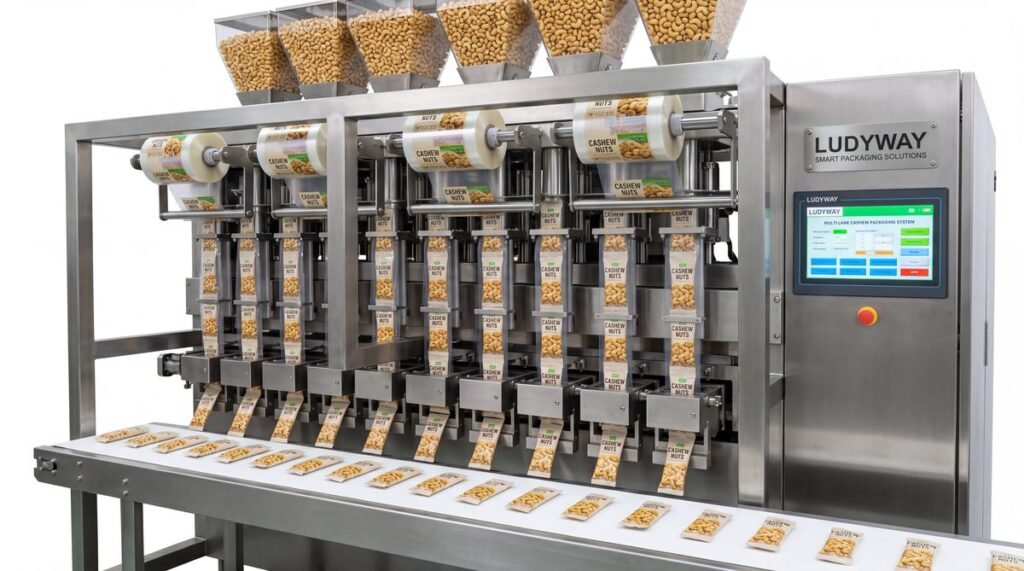
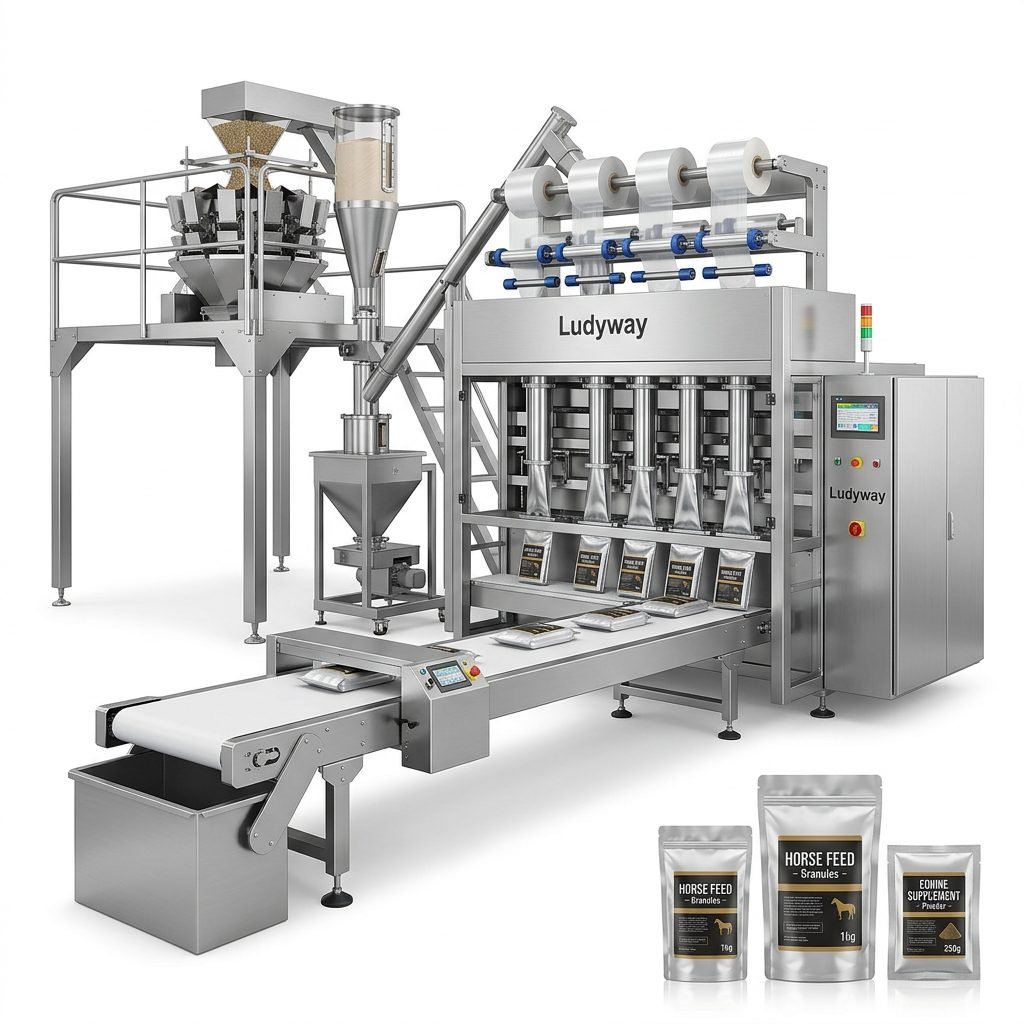
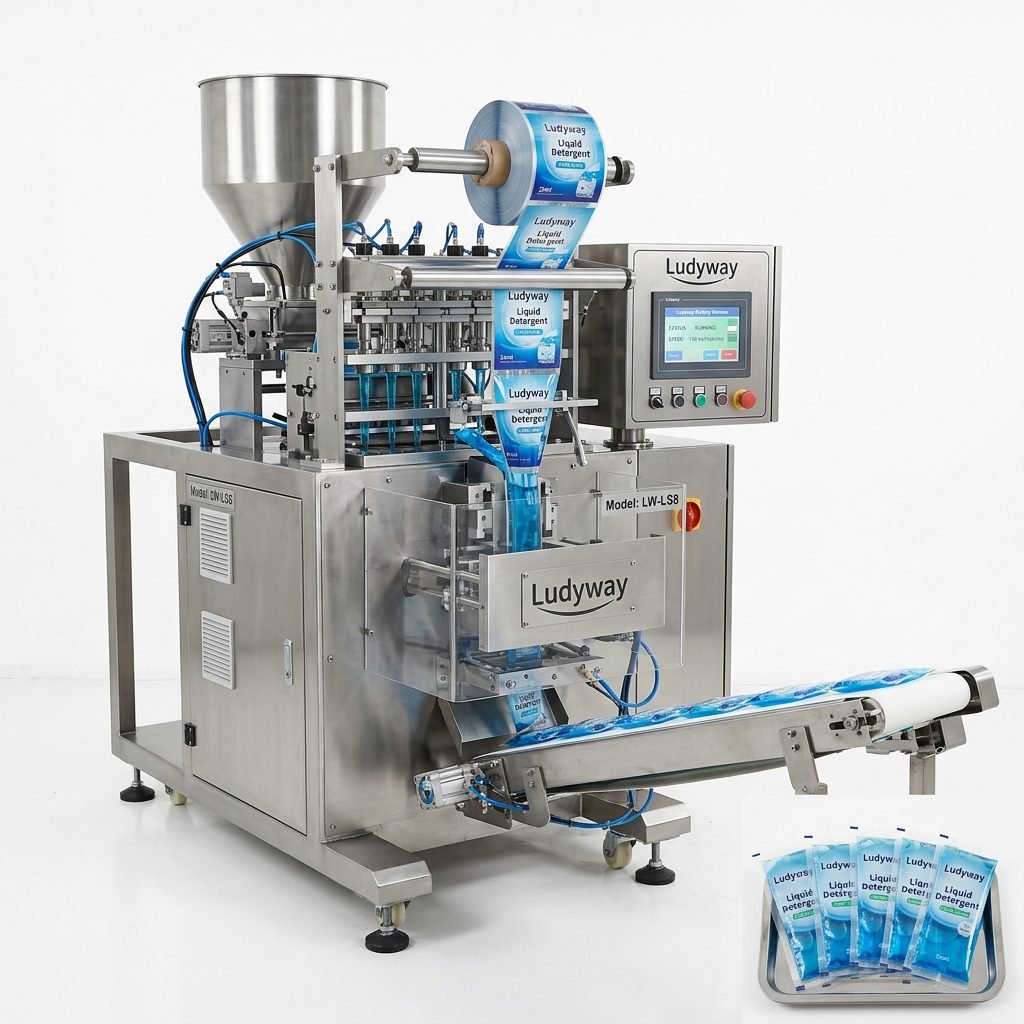
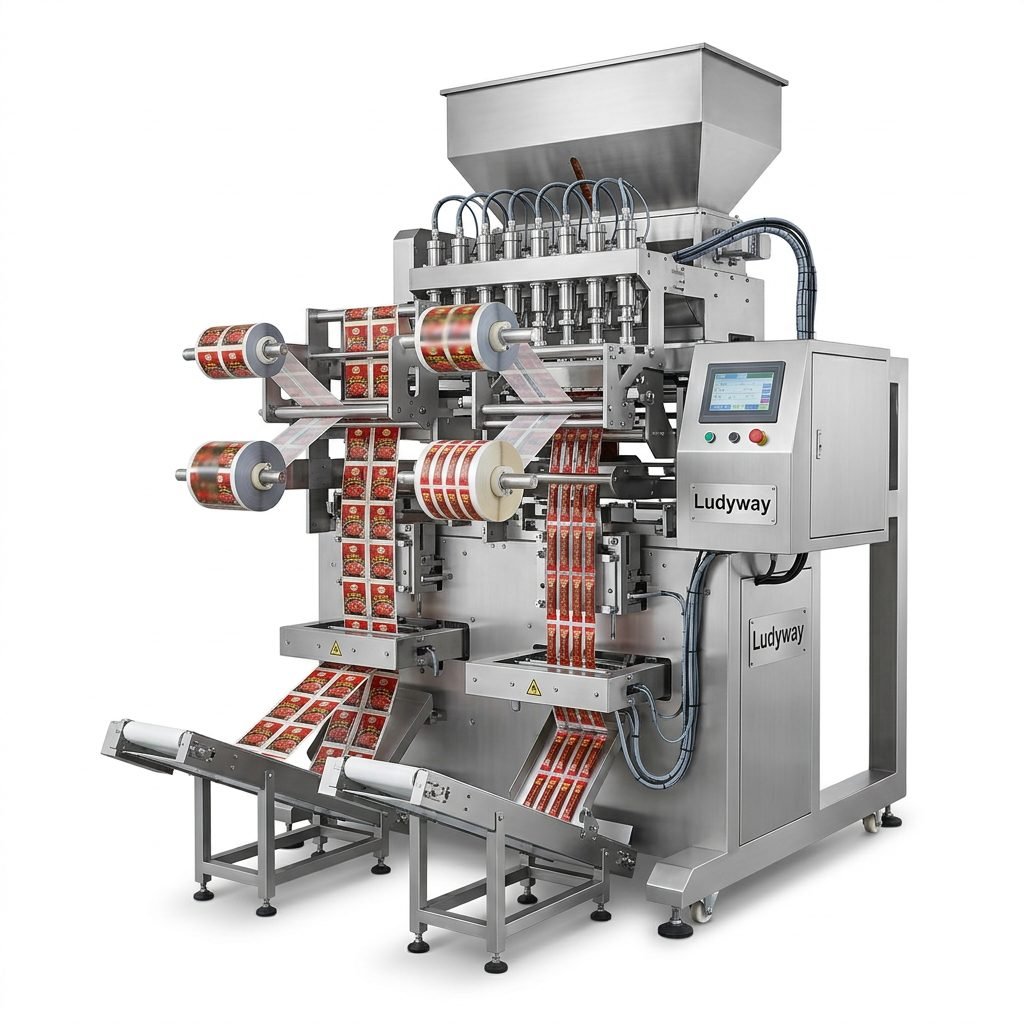
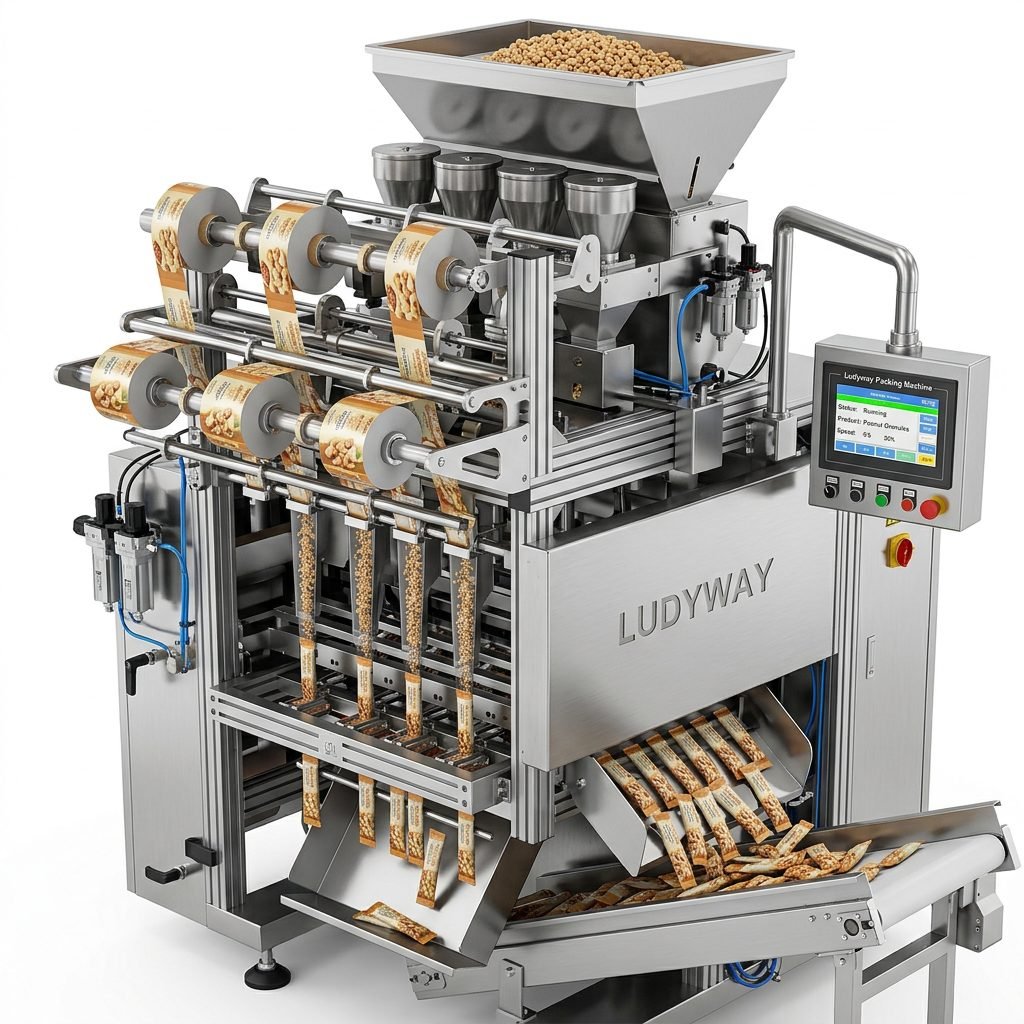
Maintaining a sauce pouch packaging machine is not just about keeping the production line running; it is a critical prerequisite for ensuring food safety, minimizing costly downtime, and extending the operational lifespan of your equipment. Sauces, pastes, and condiments present unique challenges—ranging from sticky residues and flavor cross-contamination to aggressive corrosion on metal surfaces. This comprehensive guide provides essential cleaning and maintenance tips designed to keep your liquid packaging line operating at peak efficiency.
1. Critical Daily Cleaning Procedures
Daily hygiene is the frontline defense against bacterial growth and mechanical failure. After every production shift, strict cleaning protocols should be followed to remove organic matter before it hardens or ferments. Never allow sauce residue to dry overnight, as it becomes significantly harder to remove and can block sensitive filling nozzles.
- Flush the product hopper and pipes: Use a Clean-In-Place (CIP) system if available, or manually flush with hot water and a food-grade cleaning agent to remove internal residues.
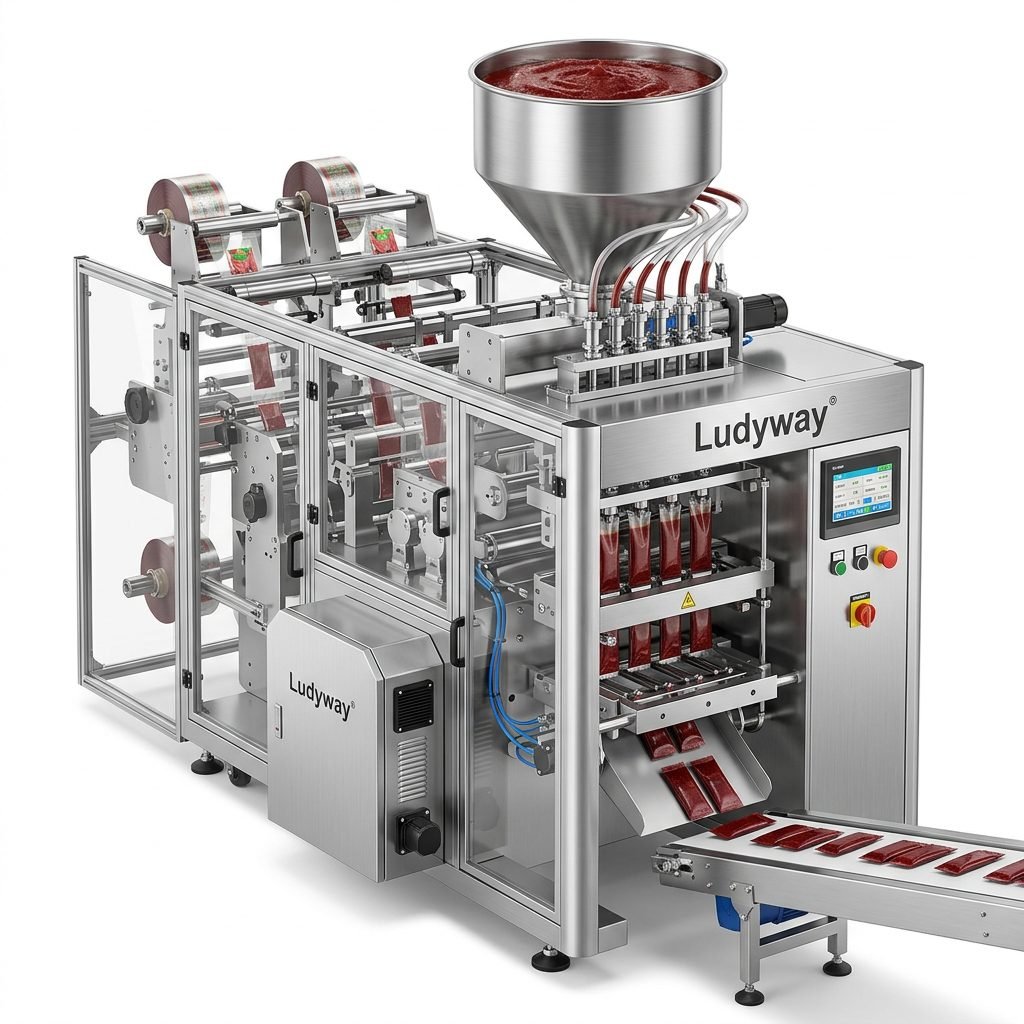
- Disassemble and scrub the filling nozzle: Remove sealing gaskets and nozzles to soak and brush away viscous deposits. Pay close attention to ball valves and piston heads where particulate often collects.
- Wipe down the sealing jaws: High temperatures cause sauce splatters to carbonize on the jaws. Use a soft brass brush to gently remove burnt carbon without damaging the Teflon coating.
- Clean the photoelectric sensors: Dust and sauce mist can distort the sensor’s eye, causing film misalignment. Wipe with a lint-free microfiber cloth.
2. Weekly Mechanical and Pneumatic Inspections
A weekly deep-dive into the mechanical health of the machine prevents unexpected breakdowns during high-volume runs. These checks are crucial for pneumatic systems that rely heavily on clean, dry air to actuate the filling and sealing stations.
- Inspect air filters and water traps: Drain moisture from the compressor tank and inspect the filter regulators. Contaminated compressed air can introduce oil and water into your packaging, risking product spoilage.
- Seal pressure and temperature calibration: Verify that the horizontal and vertical seal temperatures match the packaging film specifications. Inconsistent heat can lead to “leakers” or burnt edges.
- Check drive belts and chains: Look for signs of stretching or wear on the main drive belts. Sagging belts result in inaccurate bag length and pouch registration issues.
- Lubricate moving parts: Apply a thin layer of food-grade H1 lubricant to the forming tube bearings and cam rollers. Avoid over-greasing, which can attract dust and powder particles.
3. Deep Cleaning and Common Residue Troubleshooting
Even with daily washing, sauce machines require periodic deep cleaning to remove mineral buildup from water-based ingredients and restore native metal surfaces. Sugar-rich sauces like ketchup and BBQ cause crystallization that can abrade seals.
| Common Issue | Likely Cause | Solution |
|---|---|---|
| Seal leaks | Product contamination on the sealing surface or worn Teflon tape | Replace Teflon tape and ensure filling nozzles are not dripping |
| Inaccurate fill volume | Air trapped in the piston cylinder or sticky check valve | Bleed the air from the pump and manually clean the ball check seat |
| Film tracking/wandering | Dirty forming collar or misaligned rollers | Scrub the forming tube guide and recalibrate the film brake |

4. Electrical System Safety and Sensor Integrity
Maintaining a machine’s electrical integrity is paramount in wet production environments. High-pressure washdowns can force moisture into control panels, leading to short circuits or sensor failures.
- Inspect IP ratings: Ensure all electrical enclosures are properly sealed and gaskets are intact. A compressed air purge can help prevent condensation.
- Verify thermocouple function: Faulty temperature sensors often go unnoticed and cause significant packaging waste due to improper sealing.
- Grounding check: With liquid products, static electricity can be a hazard. Test the grounding straps and static eliminators monthly.
5. Proactive Parts Inventory and OEM Support
A well-stocked spare parts inventory is the backbone of a smooth maintenance program. Waiting for a critical part to fail before ordering it guarantees extended downtime. Key wear items for sauce applications include silicone gaskets, scraper rings, and heater cartridges.
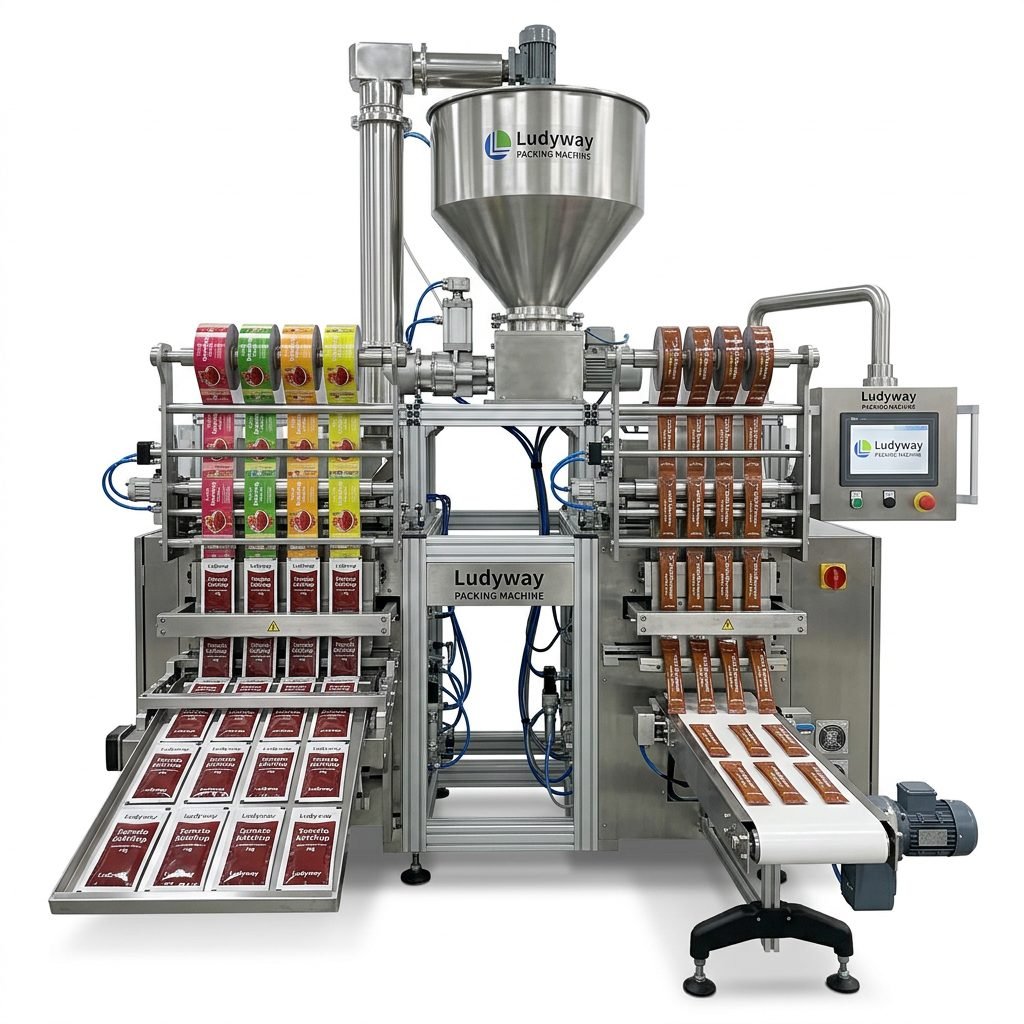
Partnering with the original equipment manufacturer ensures you receive parts built to the exact tolerances of your machine. Ludyway, a premier packaging machine manufacturer with over 30 years of industry expertise and a 20,000㎡ production facility, provides comprehensive after-sales support and genuine OEM spare parts to keep your production lines running globally. Choosing a robust, intelligently designed machine from the outset minimizes the frequency of these interventions.
Recommended Industry Resources and Guidelines
| Resource Title | Link |
|---|---|
| PMMI – Packaging Industry Resources | Visit PMMI |
| PMMI – 2025 State of the Industry | Download Report |
| FDA – Food Packaging and Food Contact Substances | FDA Guidelines |
| European Commission – Packaging and Packaging Waste | EU Legislation |
By strictly following these daily, weekly, and monthly cleaning protocols, your sauce pouch packaging machine will deliver consistent, high-quality production with minimal interruptions, ultimately protecting your brand’s reputation for excellence.