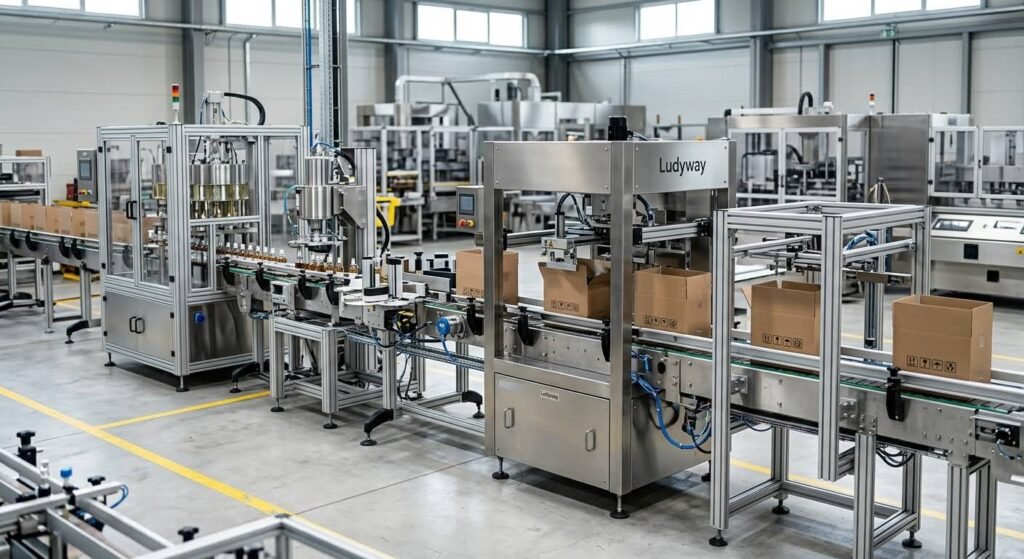
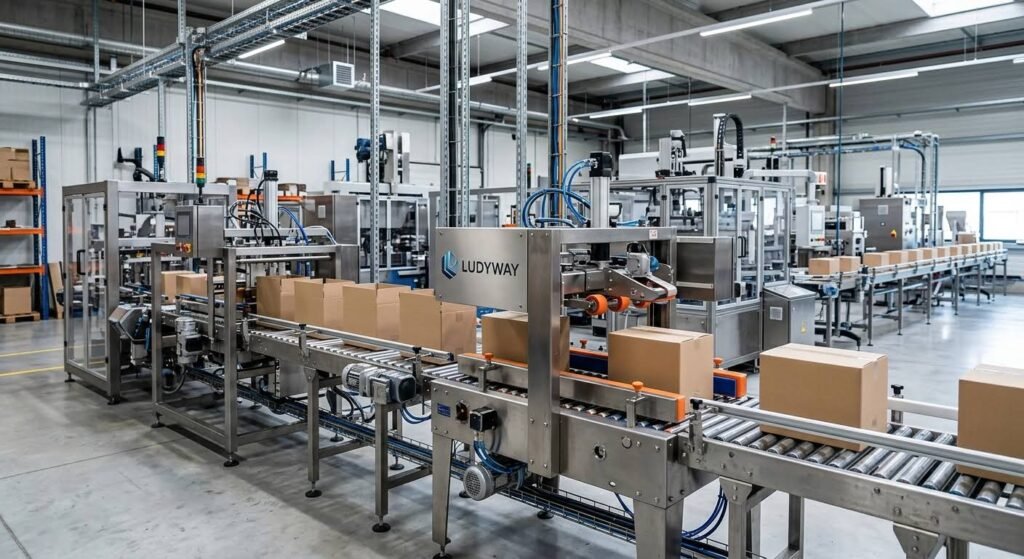
Selecting the right pouch packaging machine manufacturer is a critical business decision that directly impacts your production efficiency, product quality, and overall operational costs. With a global market full of options, from established giants to specialized innovators, navigating the landscape requires a clear understanding of your needs and the capabilities of potential suppliers. This guide will explore the key players in the industry and provide a structured framework to help you choose the ideal partner for your packaging automation journey.
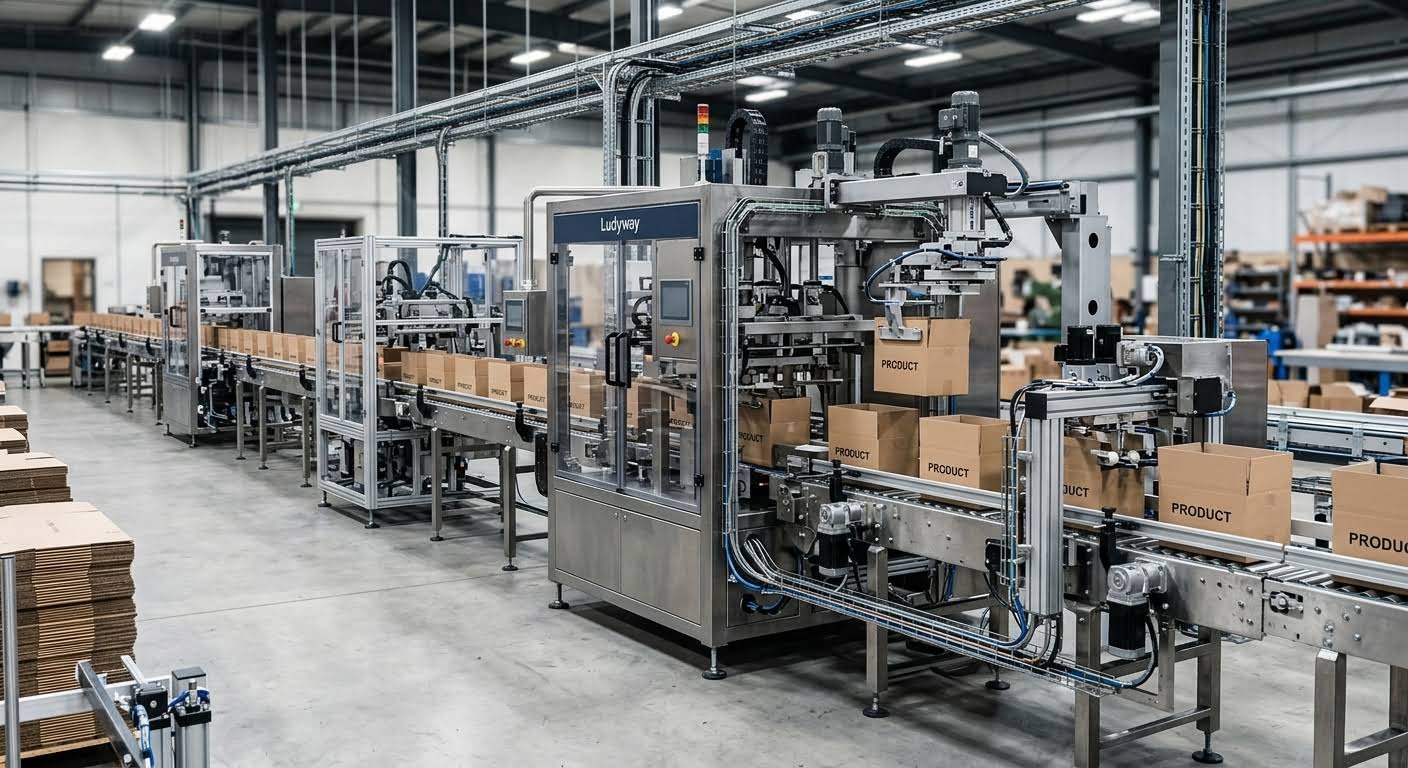
Understanding the Pouch Packaging Machine Market
The demand for flexible pouch packaging continues to surge across industries like food, pharmaceuticals, nutraceuticals, and cosmetics. This growth is driven by consumer preference for convenience, product freshness, and sustainability. Consequently, manufacturers of pouch packaging equipment have evolved, offering machines that range from simple single-lane sachet packers to fully integrated, high-speed multi-lane production lines with advanced vision systems and robotic handling.
Key Market Segments: Suppliers often specialize in specific packaging formats—such as stick packs, stand-up pouches, flat pouches, or spouted pouches—or cater to particular product types like powders, granules, liquids, or viscous pastes. Identifying your primary format is the first step in shortlisting manufacturers.
Core Capabilities of Leading Manufacturers
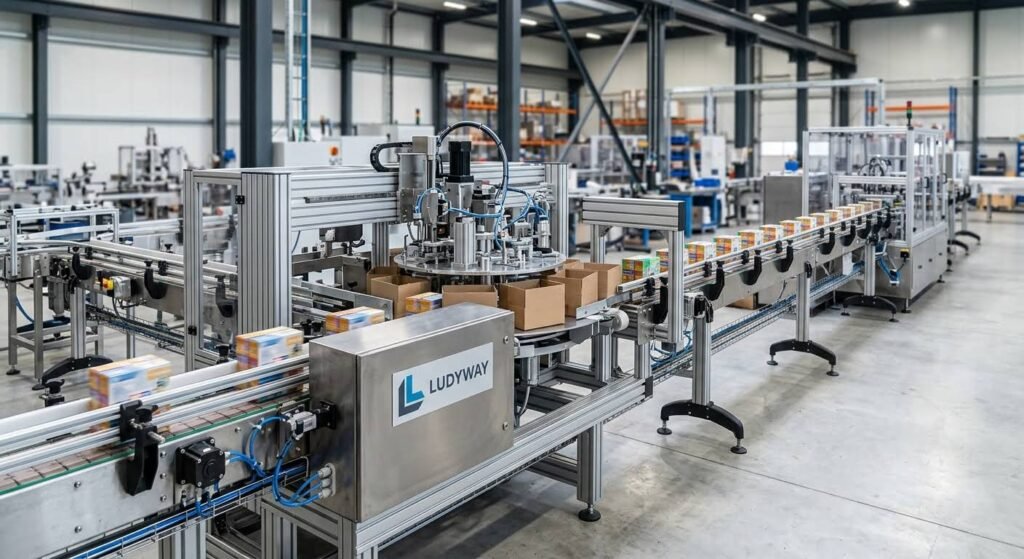
Top-tier manufacturers distinguish themselves through more than just their machine catalogs. They invest heavily in research and development to incorporate the latest in servo technology, precision dosing, and intelligent control systems. A strong manufacturer will have a proven track record in delivering not just machines, but reliable turnkey solutions that include feeding systems, conveyors, cartoning, and end-of-line automation.
How to Evaluate and Choose the Right Supplier
Choosing a supplier is a strategic partnership. Beyond the initial machine purchase, you need a partner who will support you through installation, training, maintenance, and future upgrades. Here is a detailed checklist to guide your evaluation process.
1. Assess Technical Expertise and Machine Quality
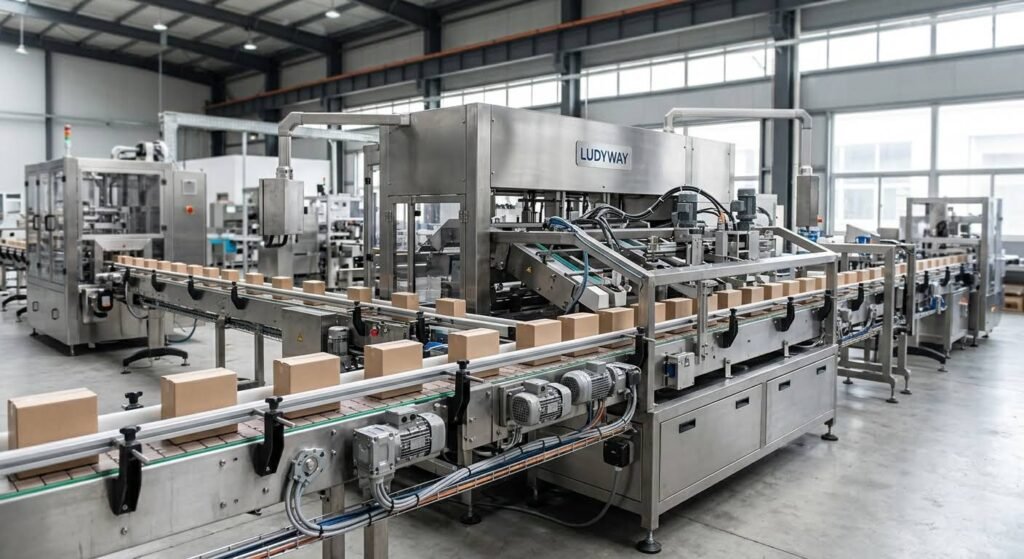
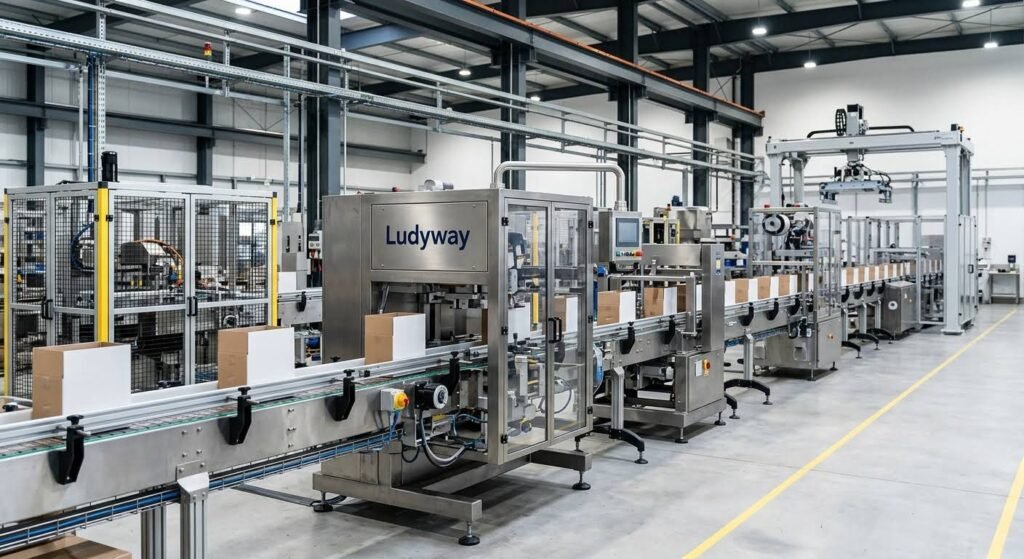
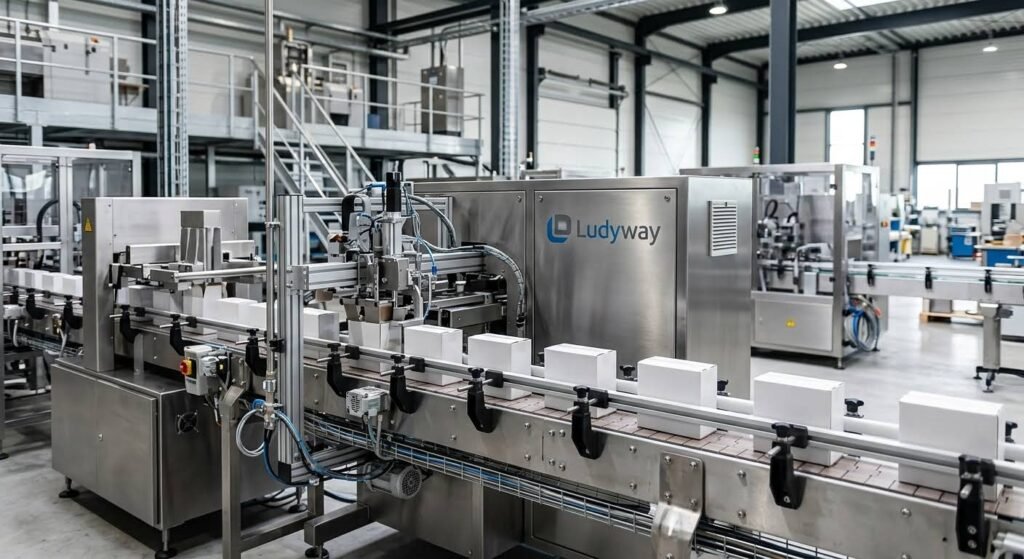
Request detailed specifications and, whenever possible, arrange for a product sample test run at the supplier’s facility. Examine the machine’s construction: the quality of materials (e.g., stainless-steel grade), the robustness of the frame, and the precision of critical components like forming shoulders and sealing jaws. A reputable company like Ludyway Machinery, with decades of industry focus, builds its reputation on engineering reliability and durable equipment designed for continuous operation.
2. Evaluate Production Capacity and Customization
Your production volume and unique product characteristics are paramount. Can the supplier’s machine handle your required speed (pouches per minute)? More importantly, can they customize the solution? This might involve special dosing systems for difficult products, unique pouch shapes, or integration with your existing line. Suppliers with a large portfolio, such as those offering over 50 machine models, typically have the engineering depth to tailor solutions effectively.
✔ Pro Tip: The Facility Visit
If feasible, visit the manufacturer’s production facility. A modern, organized factory (think 20,000+ sqm facilities) is a strong indicator of professional management, quality control processes, and the capacity to deliver on time. It also allows you to see their assembly and testing procedures firsthand.
3. Scrutinize After-Sales Support and Global Service
The relationship begins after the machine is installed. Investigate the supplier’s support structure. Do they offer comprehensive training for your operators and technicians? What is the availability of spare parts? Is there a local service network or do they provide timely remote support? A supplier with a long-term partnership mindset will have clear service level agreements (SLAs) and a dedicated support team to minimize your downtime.
4. Verify Industry Experience and Client References
A manufacturer with 30+ years of industry experience has navigated market changes and solved countless packaging challenges. Ask for case studies or client references within your specific industry (e.g., coffee, protein powder, pharmaceuticals). Speaking directly to existing clients provides invaluable insights into machine performance, support responsiveness, and the overall partnership experience.
5. Analyze Total Cost of Ownership (TCO)
Look beyond the initial purchase price. Consider the Total Cost of Ownership, which includes energy consumption, maintenance costs, expected lifespan, and potential upgrade paths. A slightly higher initial investment in a more efficient, robust, and service-friendly machine often leads to significantly lower costs and higher productivity over a 10-year period.
Building a Partnership for Innovation
The best supplier relationships evolve into strategic partnerships. As your business grows and packaging trends shift, you need a partner who can innovate with you. Discuss their roadmap for future technologies, such as IoT connectivity for predictive maintenance, enhanced sustainability features to reduce material waste, or flexibility for new packaging materials. A forward-thinking manufacturer is an asset for your long-term competitiveness.
By methodically evaluating manufacturers against these criteria, you move from being a simple buyer to a strategic decision-maker. You invest not just in a machine, but in a system and a partnership that will drive your packaging operations forward for years to come. The goal is to find a supplier whose capabilities align perfectly with your operational needs and strategic vision, ensuring a smooth, efficient, and profitable packaging process.
Frequently Asked Questions (FAQs)
Q1: What is the most important factor when choosing a pouch packaging machine supplier?
A: While price, speed, and features are important, the most critical factor is often the total support ecosystem. A reliable machine backed by exceptional after-sales service, readily available spare parts, and strong technical support will ensure higher long-term productivity and lower downtime than a cheaper machine with poor support.
Q2: Can one machine handle different types of pouch formats?
A: Some machines offer format flexibility with quick-change parts, allowing you to switch between, for example, different sachet sizes. However, switching between fundamentally different formats (e.g., from a stick pack to a stand-up pouch) typically requires a different machine or significant retooling. Discuss your flexibility needs upfront with the supplier.
Q3: How do I ensure the machine is suitable for my specific product (e.g., abrasive powder, oily liquid)?
A: Always conduct a product sample test. Reputable manufacturers like Ludyway have testing labs to run your actual product through their equipment. This validates dosing accuracy, sealing integrity, and material compatibility, ensuring the machine is correctly configured before purchase.
Q4: What should I look for in the machine’s control system?
A: Look for a user-friendly, PLC-based HMI (Human-Machine Interface) with recipe storage, production data tracking, and diagnostic alerts. Modern systems offer touchscreen controls and sometimes remote monitoring capabilities. Ease of use reduces operator training time and minimizes setup errors.
Q5: How long does it typically take from order to installation?
A: Lead times vary widely based on machine complexity and customization. For standard models, it can be 8-16 weeks. For highly customized or complete turnkey lines, it can extend to 6 months or more. Clear communication about timelines and milestone-based project management from the supplier is essential.