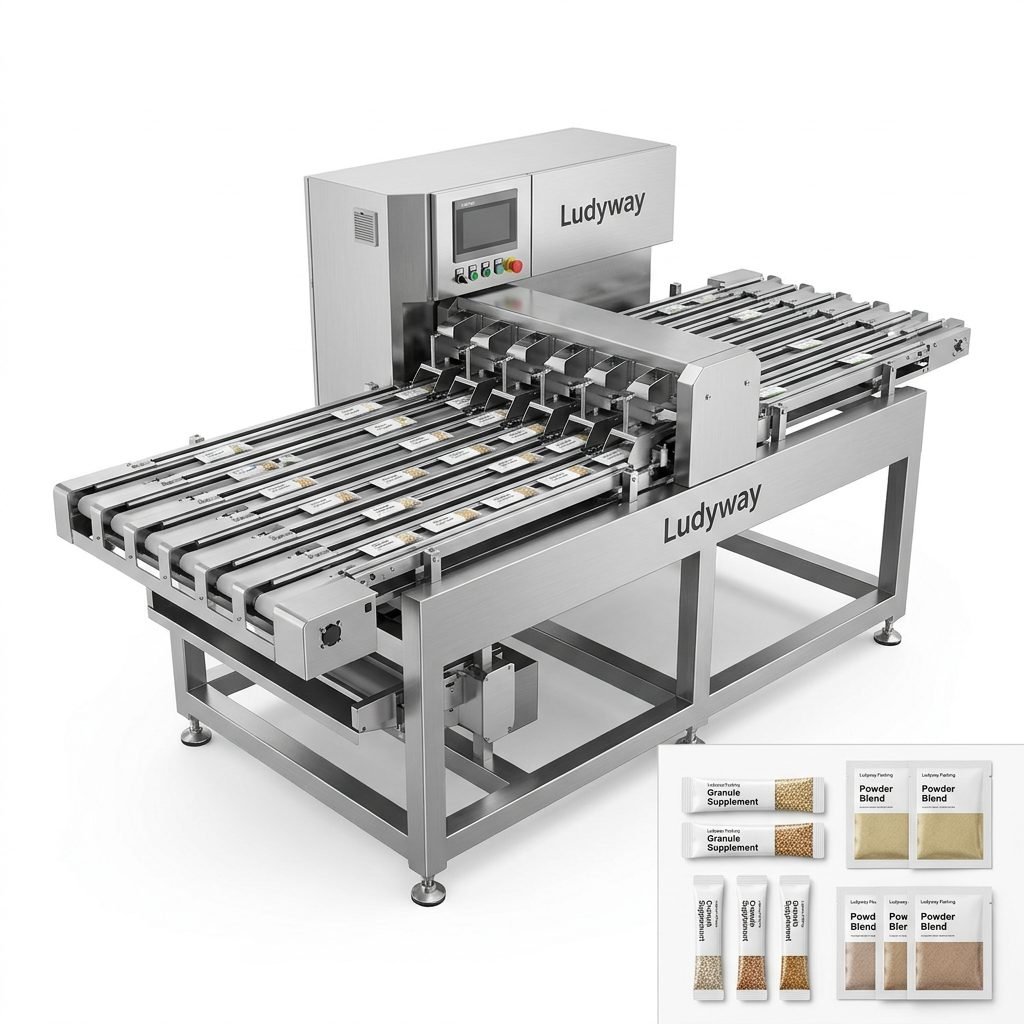
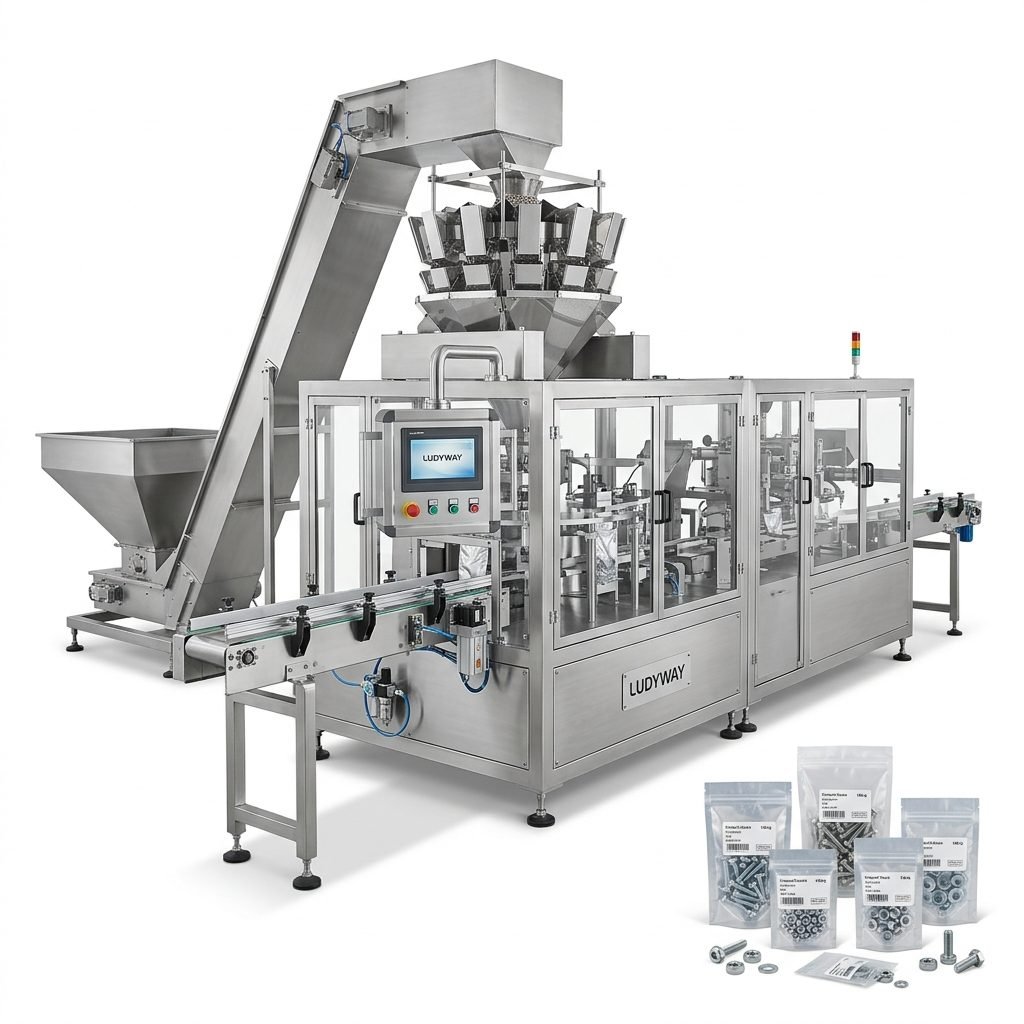
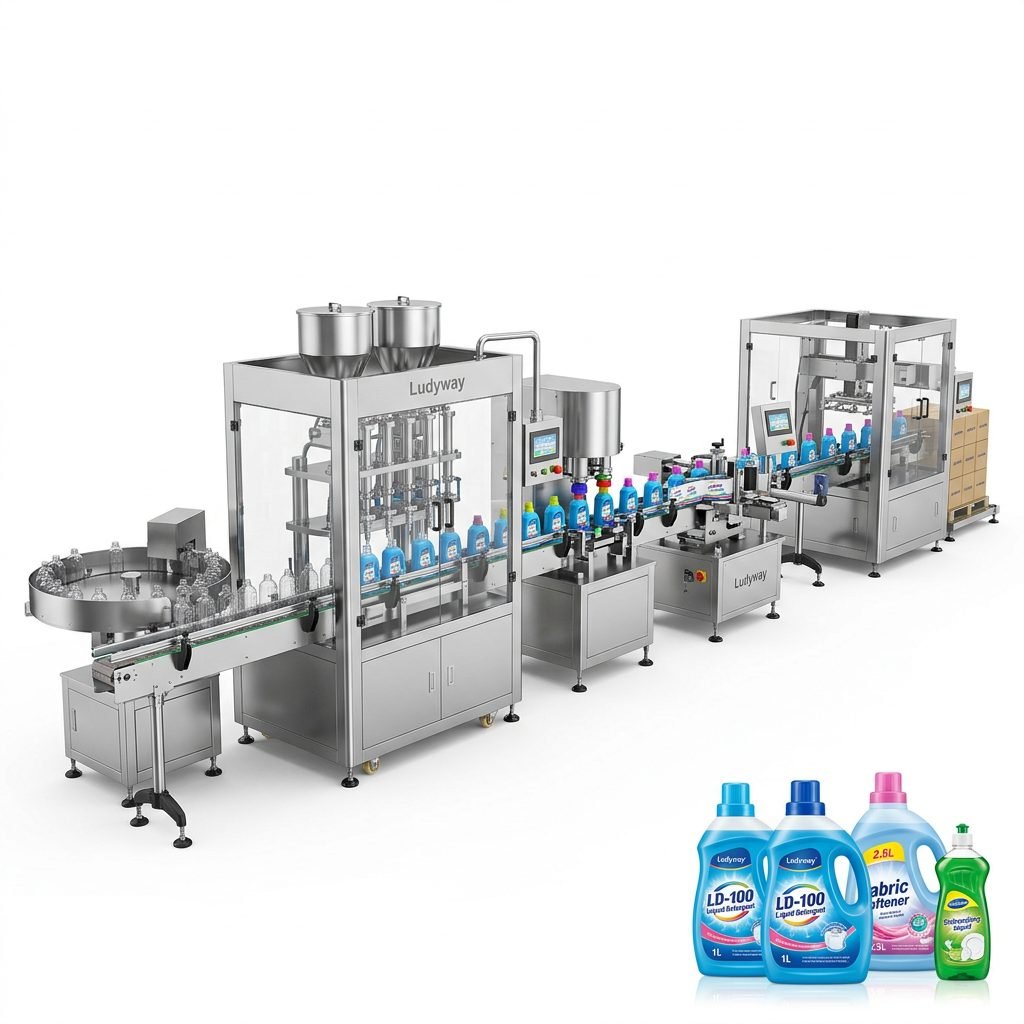
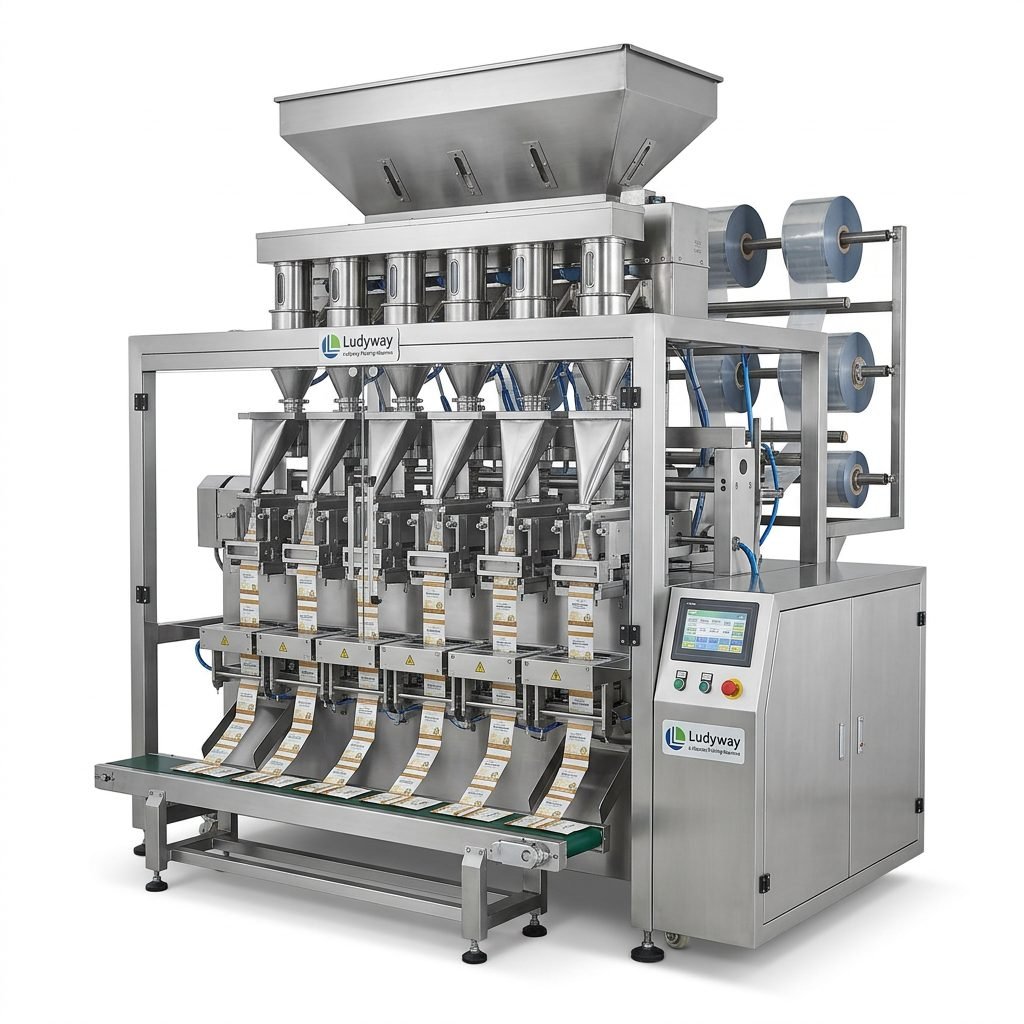
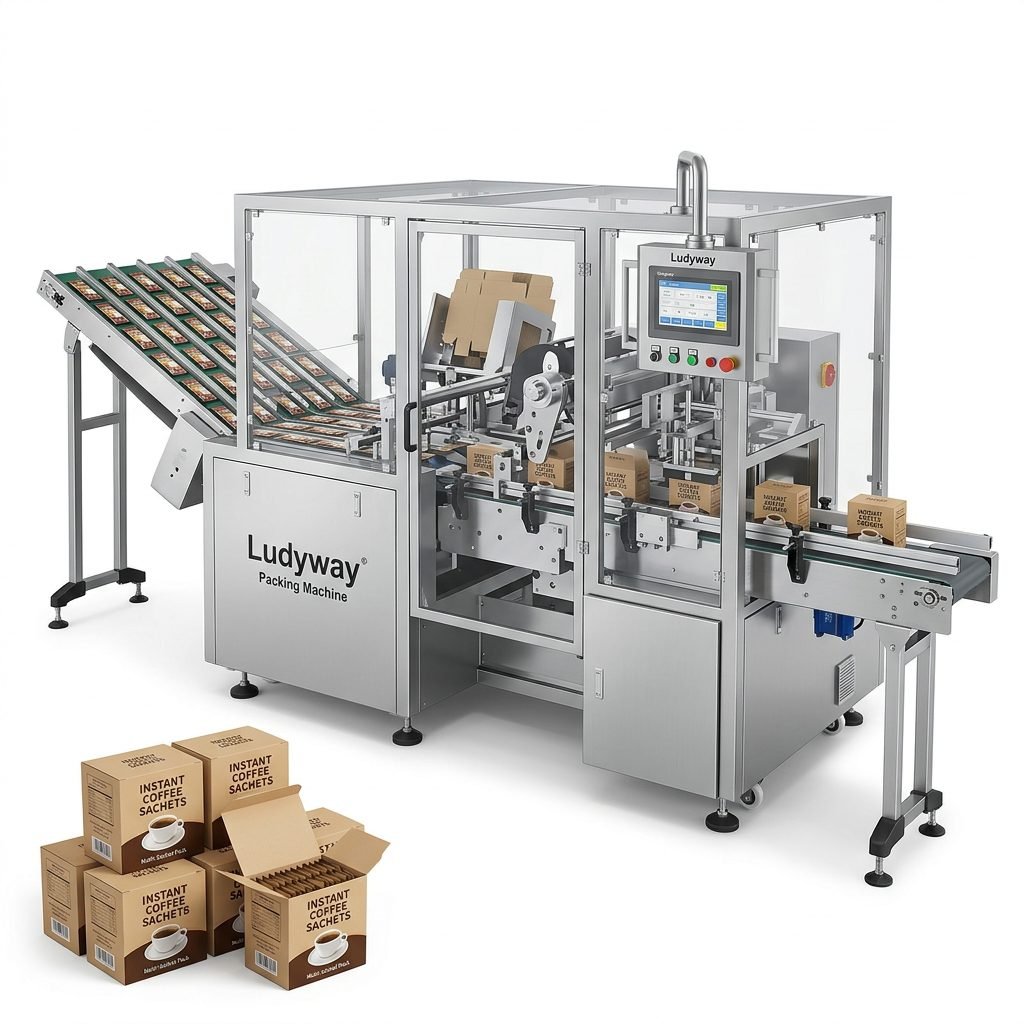
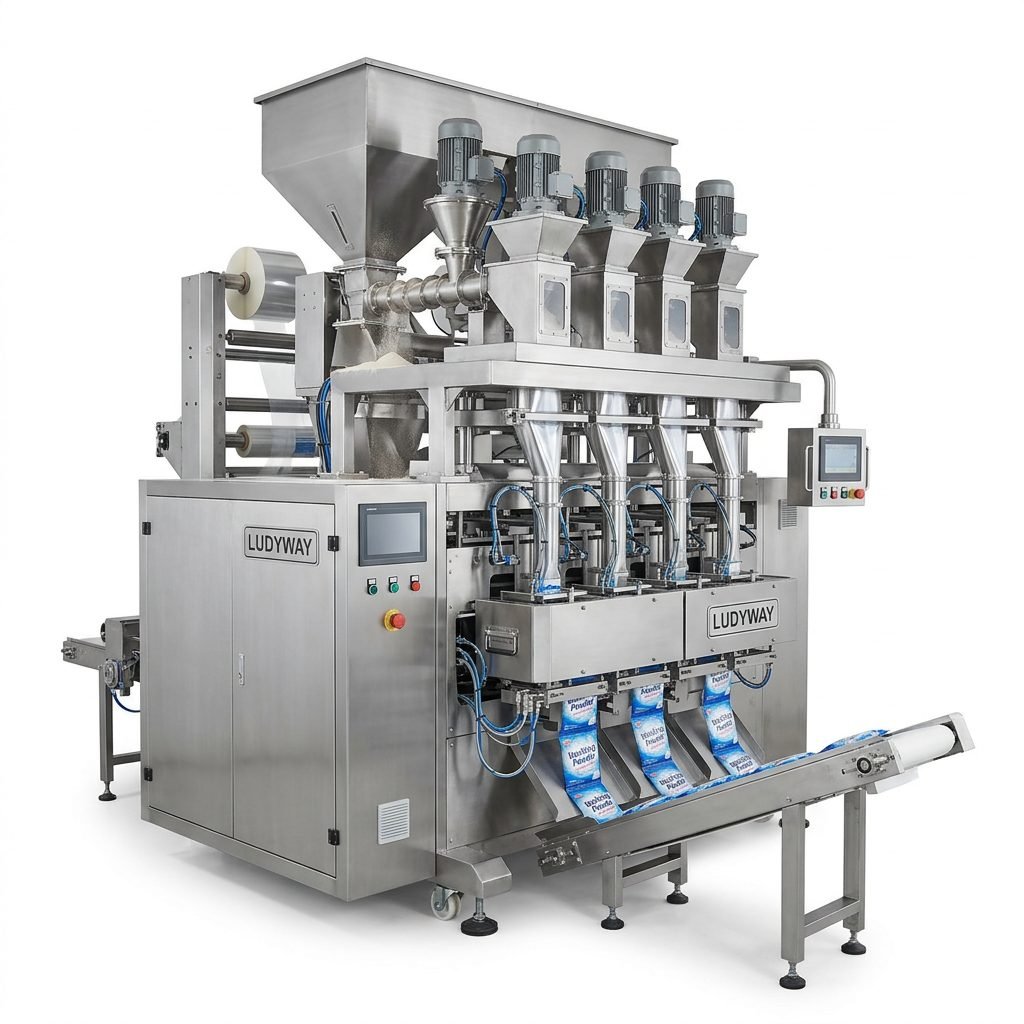
Choosing the right dairy packaging machine is a critical decision for any producer in the industry. The correct equipment not only ensures product safety and shelf life but also optimizes production efficiency, reduces waste, and enhances brand presentation. With a vast array of machine types and configurations available, navigating the selection process can be complex. This guide provides a comprehensive overview of the main types of dairy packaging machines, their key features, and a structured approach to help you select the ideal solution for your specific needs.
Primary Types of Dairy Packaging Machines
The dairy industry utilizes specialized machinery designed to handle products with varying viscosities, sensitivities, and shelf-life requirements. The packaging format often dictates the machine type.
Liquid Filling and Sealing Machines
These are the workhorses for milk, cream, yogurt drinks, and other liquid dairy products. They typically integrate filling and capping/sealing functions in one line.
- Gravity Fillers: Simple and cost-effective, suitable for thin, free-flowing liquids like milk.
- Piston Fillers: Highly accurate for viscous products such as yogurt, sour cream, or custard.
- Volumetric Cup Fillers: Gentle handling for products with particulates, like fruit yogurt.
Key Consideration: For ultra-clean or aseptic filling of long-life milk or ESL (Extended Shelf Life) products, advanced aseptic filling machines with sterile chambers and HEPA filtration are essential to prevent contamination.
Form-Fill-Seal (FFS) Machines
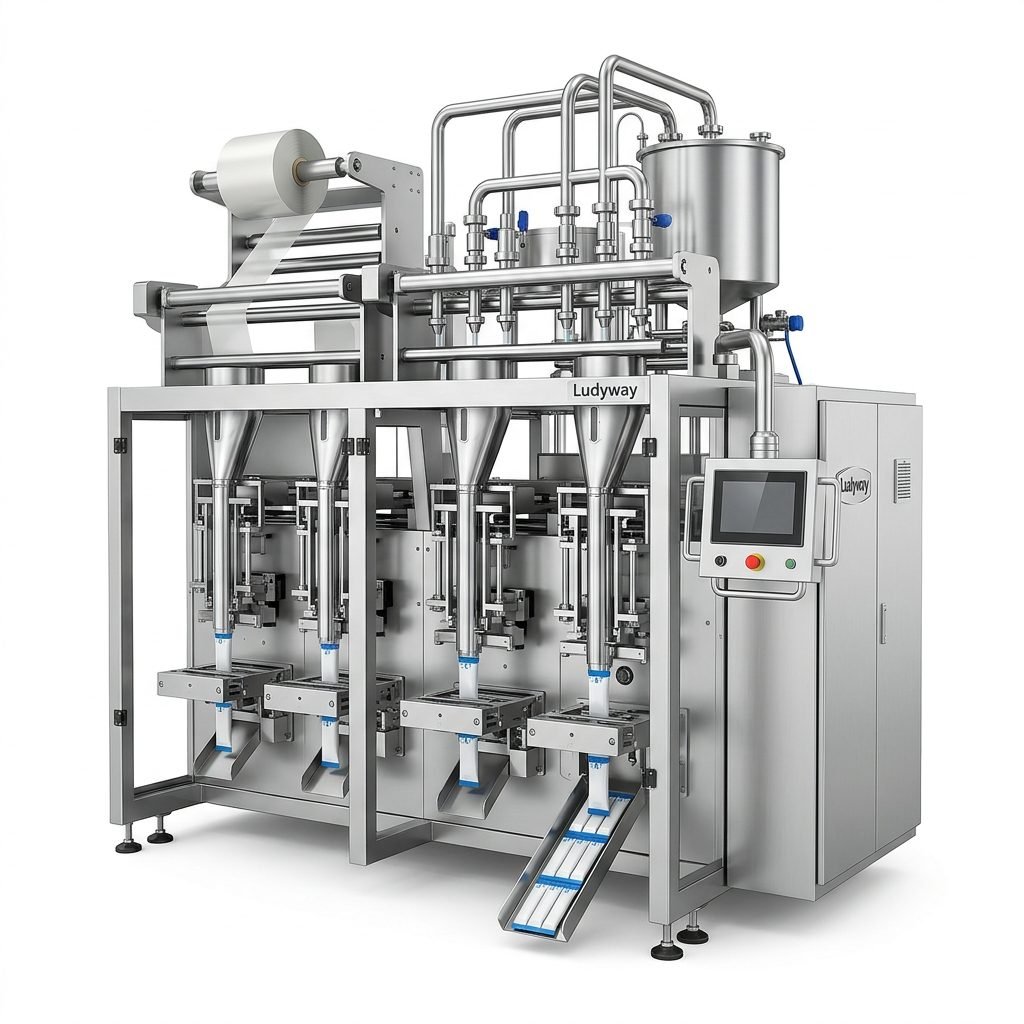
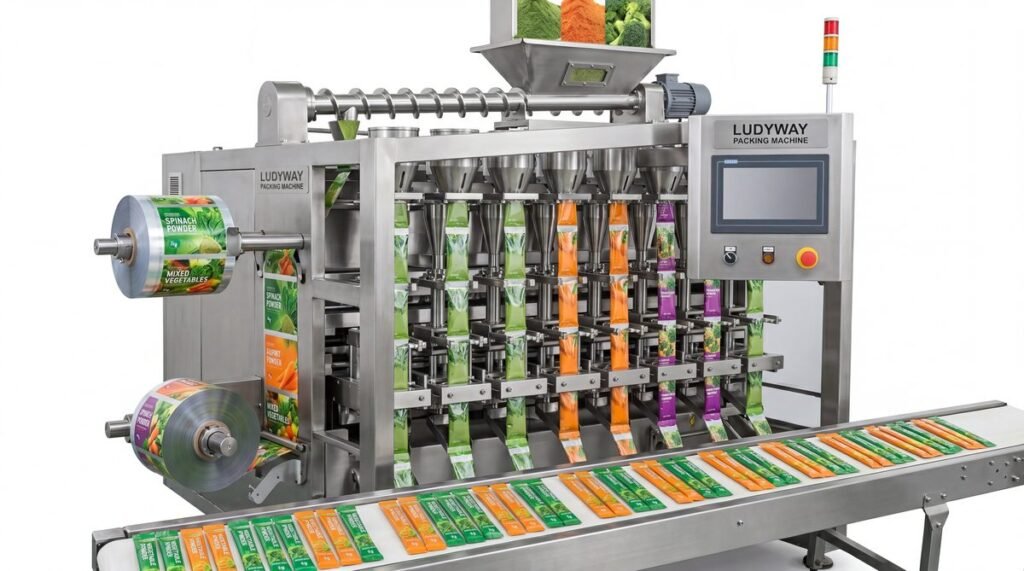
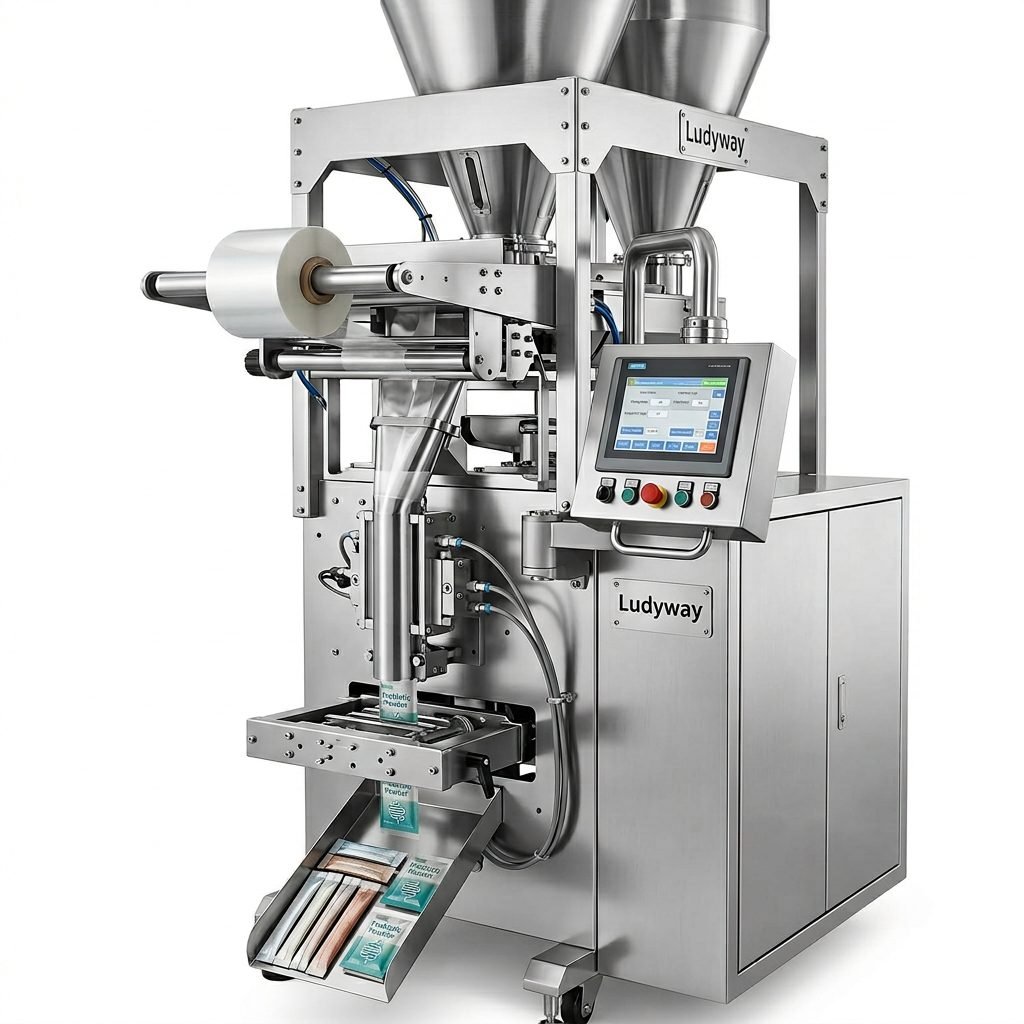
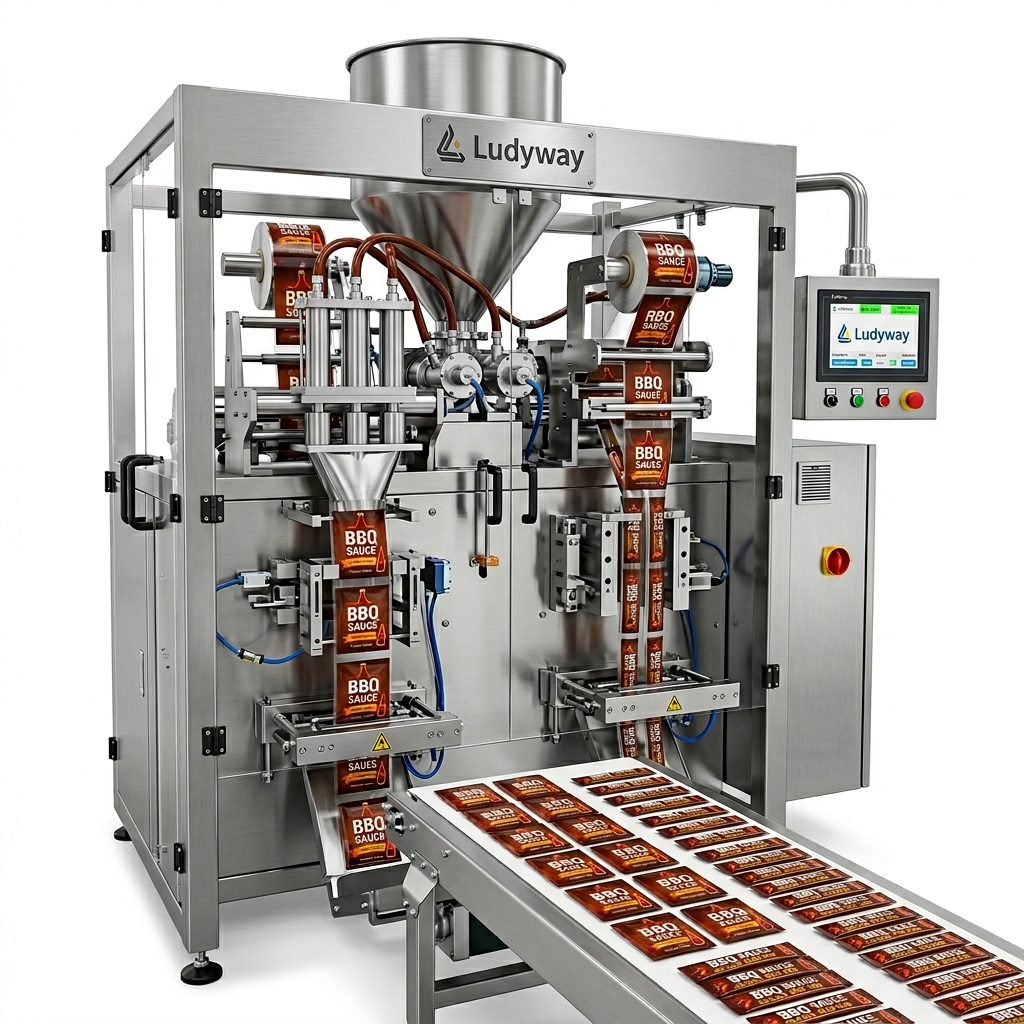
FFS machines create the package from a roll of film, fill it with product, and seal it—all in one continuous operation. They are incredibly versatile for dairy.
- Vertical Form-Fill-Seal (VFFS): Ideal for powdered milk, cheese powder, and butter portions. The bag is formed vertically, filled, and sealed.
- Horizontal Form-Fill-Seal (HFFS): Used for cheese slices, butter sticks, and ice cream novelties. The film is formed horizontally around the product.
Cup Filling and Sealing Machines
Dedicated to packaging yogurt, pudding, cottage cheese, and dips into pre-made plastic or PP cups.
These machines often feature multi-lane configurations for high-speed production. The sealing process uses a foil or film lid, which can be heat-sealed or applied with a peelable seal for convenience. Modern systems integrate precise filling, lid placement, sealing, date coding, and cup handling in a synchronized line.
Tube Filling Machines
Perfect for condensed milk, flavored syrups, and specialty dairy spreads. Tube fillers handle laminated plastic or metal tubes, providing excellent barrier properties. The process involves tube feeding, opening, filling, head folding/crimping, and coding. They offer a premium, squeezable package format favored by consumers.
Essential Features and Technological Considerations
Beyond the basic type, several features define a machine’s capability, hygiene, and integration potential.
Hygiene and Sanitation Design
Dairy machinery must comply with strict food safety standards (e.g., FDA, EHEDG). Look for:
- Stainless Steel Construction: Grade 304 or 316L for all product-contact parts.
- CIP/SIP Capability: Clean-in-Place and Sterilize-in-Place systems minimize downtime for cleaning.
- Smooth Surfaces & Rounded Corners: Prevent bacterial harborage and allow for easy cleaning.
Accuracy and Speed
Filling accuracy impacts cost control and compliance with net content regulations. High-speed machines are vital for large-scale production but must maintain accuracy. Servo-driven technology offers superior control over filling volumes and machine movements compared to traditional mechanical systems.
Flexibility and Changeover
How quickly can the machine switch between different products, package sizes, or formats? Look for features like tool-less changeovers, digital recipe storage, and quick-release parts. This is crucial for producers with a diverse product portfolio.
Automation and Integration
Modern lines are rarely standalone. Consider how the machine integrates with upstream (mixers, processors) and downstream (cartoning, case packing) equipment. PLC control with HMI touchscreens is standard, offering recipe management, production data tracking, and diagnostic information. Connectivity for Industry 4.0 data collection is becoming increasingly important.
How to Choose the Right Dairy Packaging Solution
Selecting a machine requires a methodical assessment of your product, production goals, and operational environment.
Step 1: Define Your Product and Package
- Product Characteristics: Viscosity, acidity, presence of particulates, sensitivity to oxygen/light, required shelf life.
- Package Type & Material: Bottle, carton, pouch, cup, or tube? Determine the required barrier properties of the packaging material.
- Filling Volume & Tolerance: Specify the target fill weight/volume and the acceptable legal and operational tolerance range.
Step 2: Analyze Your Production Requirements
- Output Speed (Units/Hour): Calculate your required output based on demand forecasts, allowing for future growth.
- Operational Hours: Will you run single, double, or continuous shifts? This affects machine durability needs.
- Floor Space & Utilities: Measure available space and confirm access to required power (electrical, pneumatic), water, and drainage.
Step 3: Evaluate Machine Suppliers
Not all suppliers are equal. Partner with a specialist who understands dairy’s unique challenges.
🔍 Look for a supplier with: Proven experience in the dairy sector, the ability to provide references, comprehensive after-sales support (spare parts, technical service), and a willingness to conduct product trials. A partner like Ludyway Packing Machine, with deep industry knowledge, can guide you beyond just selling a machine to providing a true production solution.
Step 4: Consider Total Cost of Ownership (TCO)
Look beyond the initial purchase price. TCO includes:
- Installation & Commissioning: Costs for technicians, possible facility modifications.
- Operating Costs: Energy consumption, compressed air usage, required consumables.
- Maintenance & Spare Parts: Predictable costs for routine maintenance and part replacement.
- Training & Support: Ensuring your team can operate and maintain the equipment efficiently.
Conclusion
Investing in the right dairy packaging machinery is a strategic decision that impacts product quality, operational efficiency, and profitability. By thoroughly understanding the different machine types, prioritizing critical features like hygiene and accuracy, and following a structured selection process that evaluates both your product needs and the supplier’s expertise, you can make a confident investment. The ideal machine will be a reliable partner, scaling with your business and ensuring your dairy products reach consumers in perfect condition. For tailored guidance on configuring a complete packaging line, consulting with experienced packaging experts is highly recommended.
Frequently Asked Questions (FAQs)
What is the most important factor when choosing a dairy packaging machine?
The paramount factor is hygienic design and cleanability. Dairy products are highly susceptible to spoilage and bacterial growth. The machine must be constructed with food-grade materials (like stainless steel) and designed for easy, thorough cleaning—preferably with CIP (Clean-in-Place) systems—to ensure product safety and meet regulatory standards.
Can one machine handle different dairy products, like milk and yogurt?
It depends on the machine’s flexibility. While a versatile piston filler might handle both thin milk and thick yogurt with a change of filler parts, the optimal solution often differs. Milk lines are typically high-speed liquid fillers, while yogurt may require a cup filler or a filler designed for viscous products. Discuss your full product range with your supplier, like the team at Ludyway Machinery, to find the most efficient setup, which may involve separate lines or a highly flexible single machine.
How do I ensure the packaging machine meets food safety regulations?
Work with a reputable supplier whose machines are designed to comply with international standards (e.g., FDA in the USA, EHEDG in Europe). Request documentation on material certifications, design principles, and validation protocols. The machine should have a hygienic risk assessment and be constructed to prevent contamination zones.
What is the typical lead time for a new dairy packaging line?
Lead times vary significantly based on complexity, customization, and supplier capacity. A standard machine might take 12-20 weeks from order to delivery, while a fully customized, high-speed turnkey line can take 6 months or more. Early planning and clear communication with your supplier are crucial for project timelines.
Is after-sales support important, and what should it include?
Absolutely critical. Reliable after-sales support minimizes costly downtime. It should include comprehensive training for your operators and maintenance staff, readily available spare parts, access to technical documentation, and responsive remote or on-site service. A strong support partnership, as emphasized by industry leaders, is essential for long-term operational success.