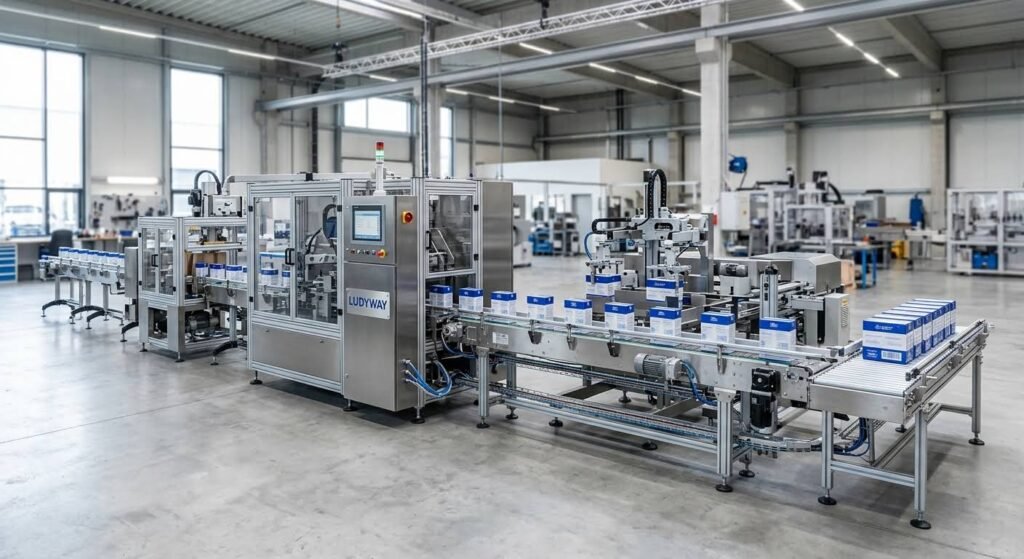
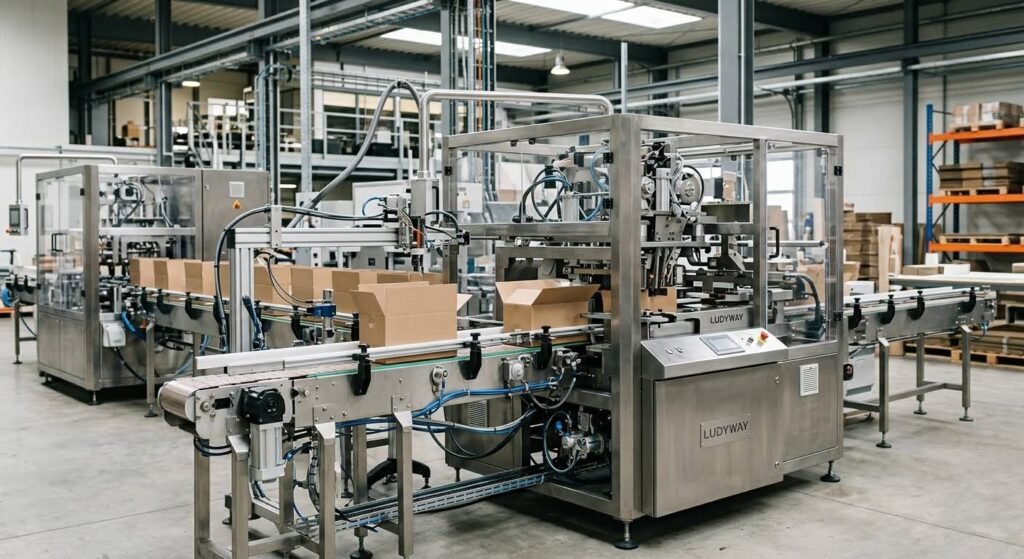
In today’s fast-paced manufacturing world, efficiency, accuracy, and hygiene are paramount. For businesses involved in producing food, pharmaceuticals, cosmetics, or chemicals, the right filling and packaging machinery is not just an asset—it’s a critical component of operational success. This guide delves deep into the world of these machines, exploring their various types, diverse applications, and the key factors to consider when making a selection to optimize your production line.

Understanding the Core Functions: Filling & Packaging
At its heart, the process involves two primary, often integrated, stages. Filling is the precise measurement and transfer of a product into its container, whether it’s a bottle, pouch, sachet, or stick pack. Accuracy here is non-negotiable to ensure consistent product weight, volume, and cost control. Packaging encompasses the subsequent steps that prepare the filled product for distribution and sale, including sealing, labeling, cartoning, and case packing.
Primary Types of Filling Machines
The choice of filler is dictated by the product’s physical form. Here are the main categories:
Liquid Fillers
Designed for free-flowing products like water, juices, oils, and shampoos. They utilize methods such as gravity filling, pressure filling, vacuum filling, and volumetric piston filling. For highly viscous products like pastes or gels, piston fillers or pump fillers are typically employed.
Powder Fillers
Handling dry, fine materials like flour, spices, milk powder, or pharmaceutical powders presents unique challenges due to dust and compaction. Common machine types include auger fillers (using a screw mechanism), volumetric cup fillers, and net weight fillers with advanced scales for supreme accuracy.
Granule & Solid Fillers
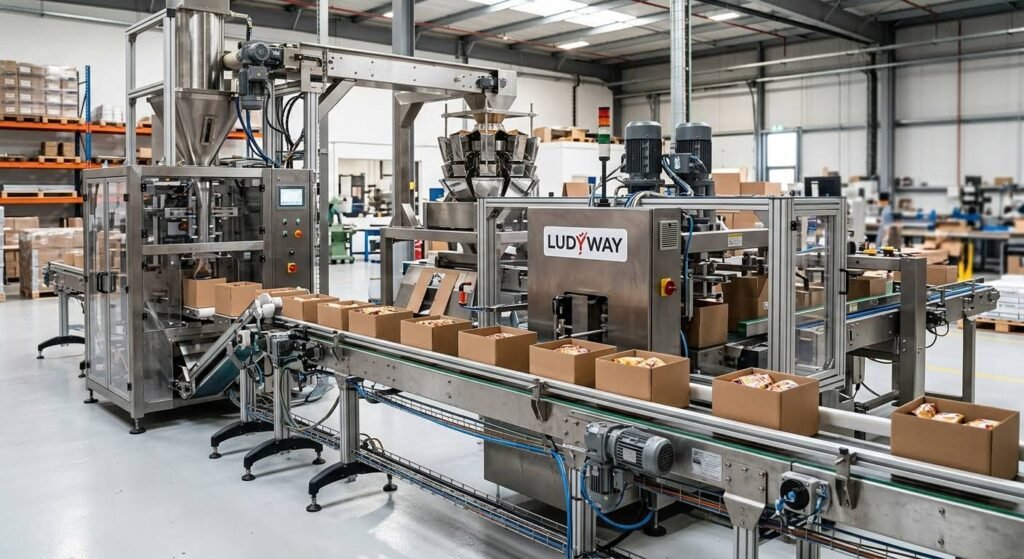
Used for products like coffee beans, nuts, candies, or capsules. These machines often use weigh scales (linear or multi-head weighers) or volumetric counting mechanisms to portion products into bags, sticks, or containers reliably.
Primary Types of Packaging Machines
Once filled, the product must be sealed and prepared. Key packaging machinery includes:
Form-Fill-Seal (FFS) Machines
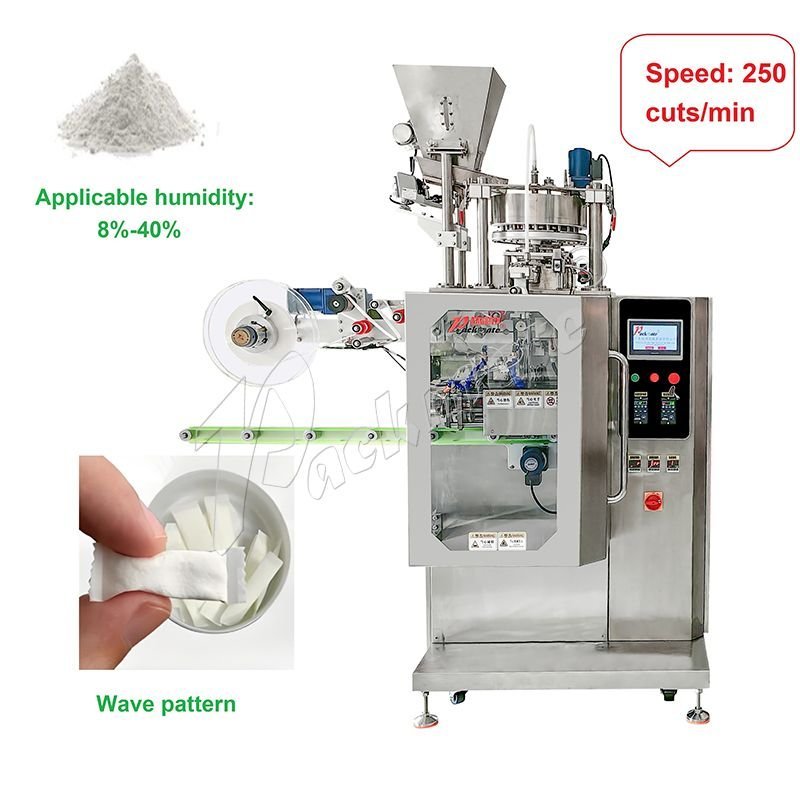
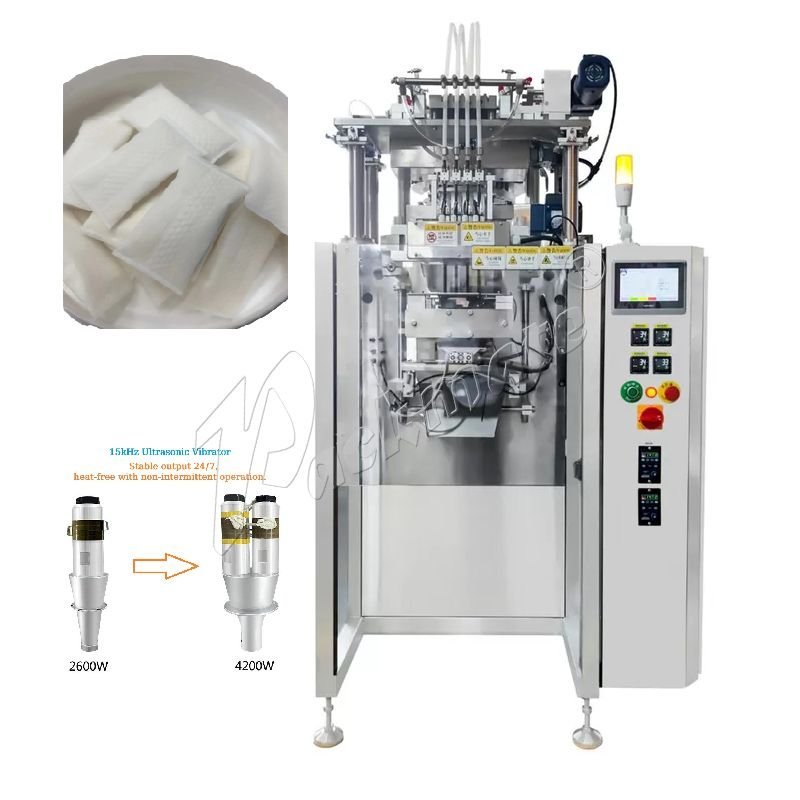
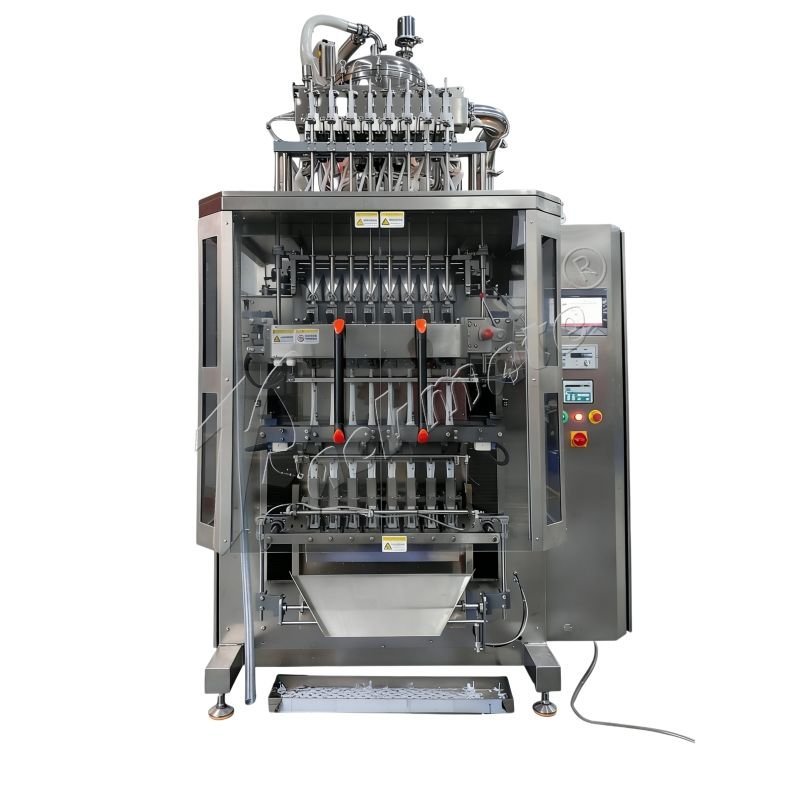
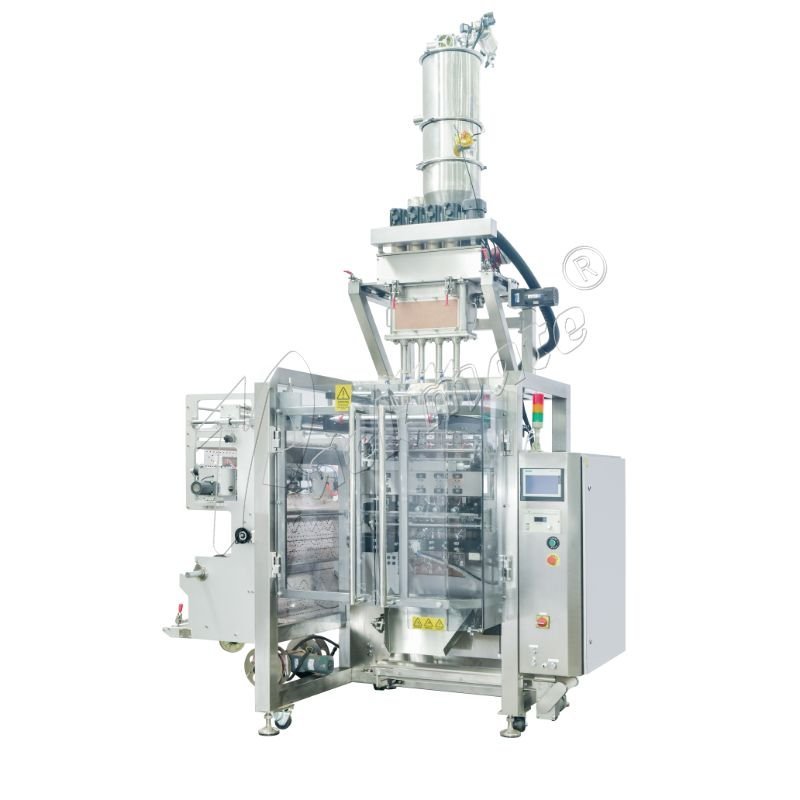
The workhorses of flexible packaging. These machines form a pouch from a roll of film, fill it with product, and seal it—all in one continuous operation. They are ideal for creating sachets and stick packs for single-serve portions of sugar, instant coffee, or pharmaceuticals.
Bottling & Capping Lines
These are automated lines that convey containers, fill them with liquid, and securely apply caps or closures. They can integrate with labeling and coding machines for a complete solution.
Cartoning & Case Packing Machines
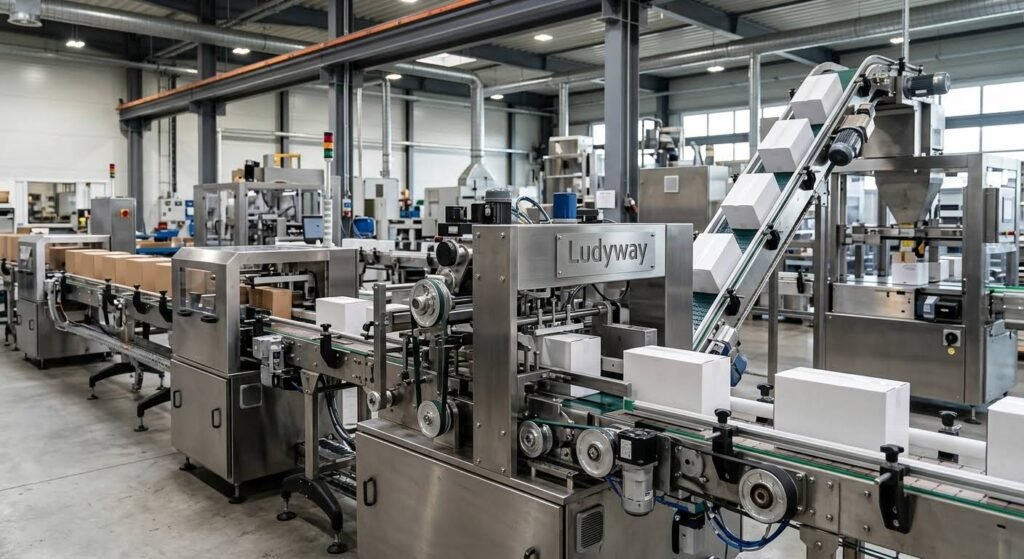
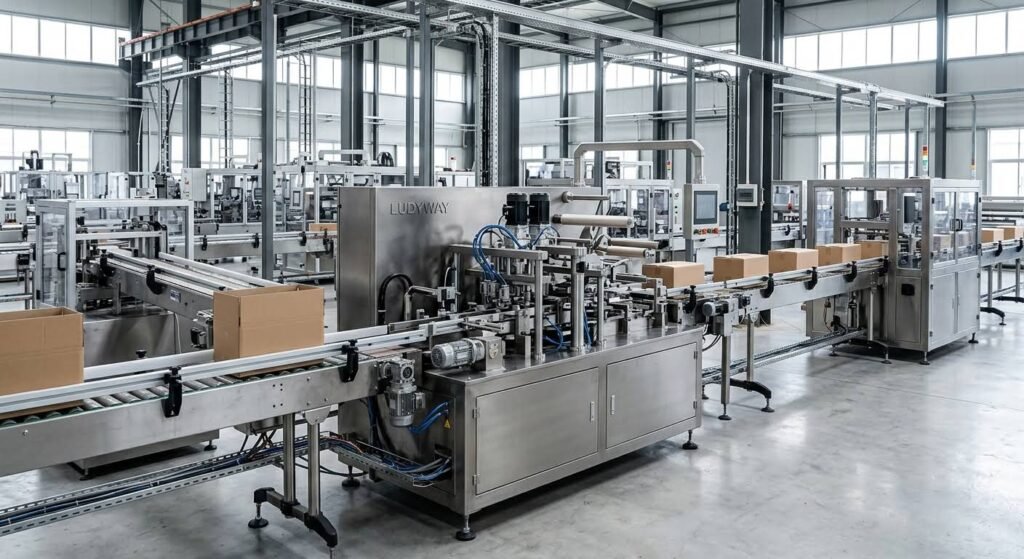
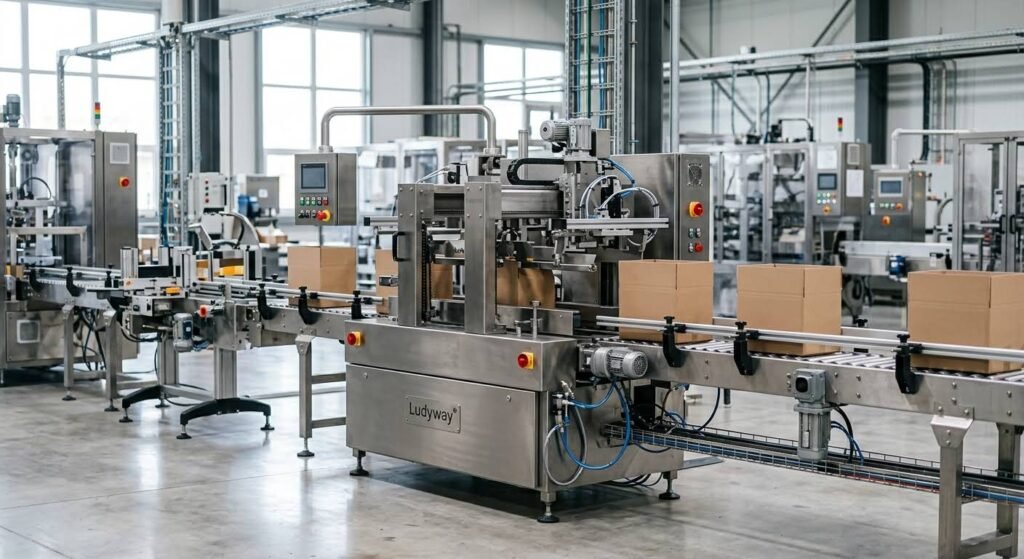
For secondary packaging, cartoners erect, load, and seal cardboard boxes. Case packers then arrange multiple finished packages into larger shipping cases, ready for palletizing.
Key Applications Across Major Industries
The versatility of modern packaging machinery makes it indispensable across sectors. In the food and beverage industry, they ensure portion control, extend shelf life, and maintain freshness for products ranging from snacks to sauces. The pharmaceutical and nutraceutical sector relies on them for sterile, precise, and tamper-evident packaging of pills, powders, and liquids, adhering to strict Good Manufacturing Practice (GMP) standards. Cosmetics and personal care brands use these machines for elegant and consistent packaging of creams, lotions, and serums. Furthermore, the chemical and agricultural industries depend on durable, reliable machines to handle fertilizers, detergents, and other non-food products safely.
How to Choose the Right Machine for Your Needs
Selecting equipment is a significant investment. Here is a structured approach to guide your decision:
1. Analyze Your Product Characteristics
This is the first and most critical step. Precisely define your product’s form (liquid, powder, granule), viscosity, abrasiveness, and any special requirements like sensitivity to oxygen or light. The product dictates the filling technology.
2. Define Your Output & Speed Requirements
Calculate your current and projected production volumes (e.g., packs per minute or hour). This will determine whether you need a single-lane machine, a multi-lane system, or a fully integrated turnkey production line for maximum throughput.
3. Consider Your Packaging Materials
The machine must be compatible with your chosen packaging format—be it premade pouches, roll film for FFS, bottles, or cans. Consider material thickness, seal type (e.g., fin seal, pillow pack), and any special features like zippers or spouts.
4. Evaluate Automation & Integration Level
Decide on the desired level of automation. Options range from semi-automatic machines requiring an operator to load product or packages, to fully automatic systems that integrate filling, sealing, coding, and inspection into one seamless process with advanced PLC controls.
5. Prioritize Hygiene & Compliance
For food, pharmaceutical, or cosmetic applications, hygienic design is essential. Look for machines with easy-clean surfaces, minimal crevices, and materials like stainless steel. Ensure the equipment can help you meet relevant industry regulations (FDA, GMP, etc.).
6. Assess Supplier Credibility & Support
Partner with a reputable supplier. Look for one with proven industry experience, a strong portfolio of successful installations, and robust after-sales support including training, spare parts availability, and technical service. A supplier that offers customization can tailor the solution to your exact workflow.
Conclusion
Investing in the right filling and packaging machinery is a strategic decision that directly impacts your product quality, operational efficiency, and bottom line. By thoroughly understanding the different machine types, aligning them with your specific product and output needs, and partnering with a knowledgeable and reliable equipment provider, you can build a packaging operation that is robust, scalable, and ready to meet market demands. The journey from a raw product to a securely packaged item ready for the consumer is a complex one, but with the correct mechanical partners, it can be a seamless and highly profitable endeavor.
Frequently Asked Questions (FAQs)
What is the main difference between a sachet and a stick pack machine?
Both are types of Form-Fill-Seal machines. The primary difference is the final package shape and typical use. Sachet machines produce small, flat or pillow-style packets, often used for sauces, shampoo samples, or medicinal powders. Stick pack machines create long, narrow tubes ideal for single-serve powdered drinks, sugar, or instant coffee, which are easier to tear open and pour.
How do I know if I need an auger filler or a volumetric filler for my powder?
The choice depends on required accuracy and product characteristics. Auger fillers are versatile and good for a wide range of powders, offering good accuracy with proper tooling. Volumetric cup fillers are excellent for free-flowing, non-compacting powders and can be very fast. For the highest precision, especially with valuable products, a net weight scale filler is recommended, as it weighs each dose.
Can one machine handle different types of products?
Some machines offer a degree of flexibility with changeover parts. For instance, an auger filler might handle different powders by changing the auger and funnel tooling. However, switching between fundamentally different product forms (e.g., from a liquid to a granule) typically requires a different machine or significant, often impractical, modifications.
What are the key maintenance requirements for these machines?
Regular maintenance is crucial for longevity and consistent performance. Common tasks include daily cleaning to prevent product buildup, periodic lubrication of moving parts, inspection and replacement of wear items like sealing jaws, gaskets, and augers, and calibration of weighing or volumetric systems to ensure ongoing accuracy.
Why is supplier after-sales support so important?
Packaging machinery is complex. Reliable after-sales support ensures minimal downtime. It provides access to genuine spare parts, expert technical assistance for troubleshooting, and operator training to ensure the machine is used correctly and efficiently, protecting your investment and maintaining your production schedule.