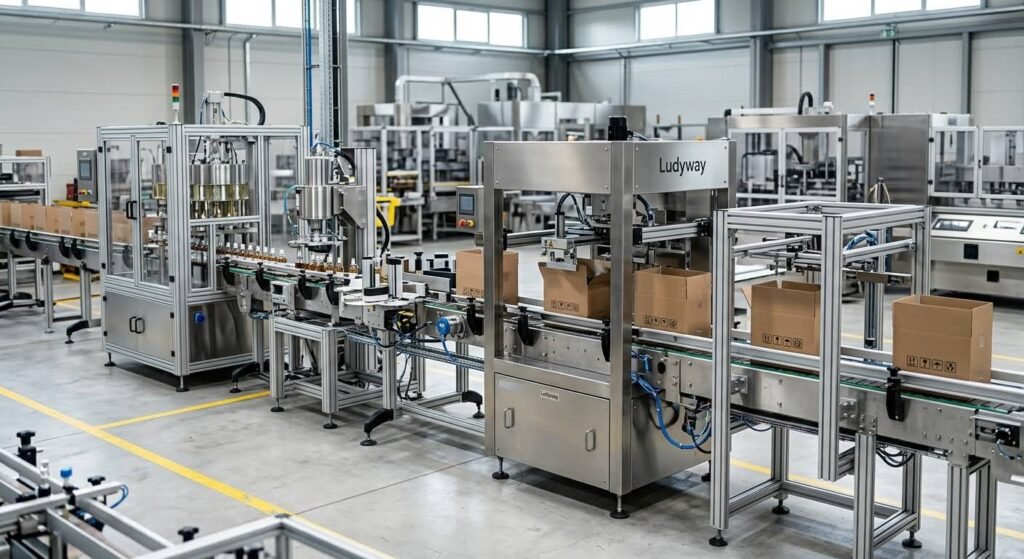
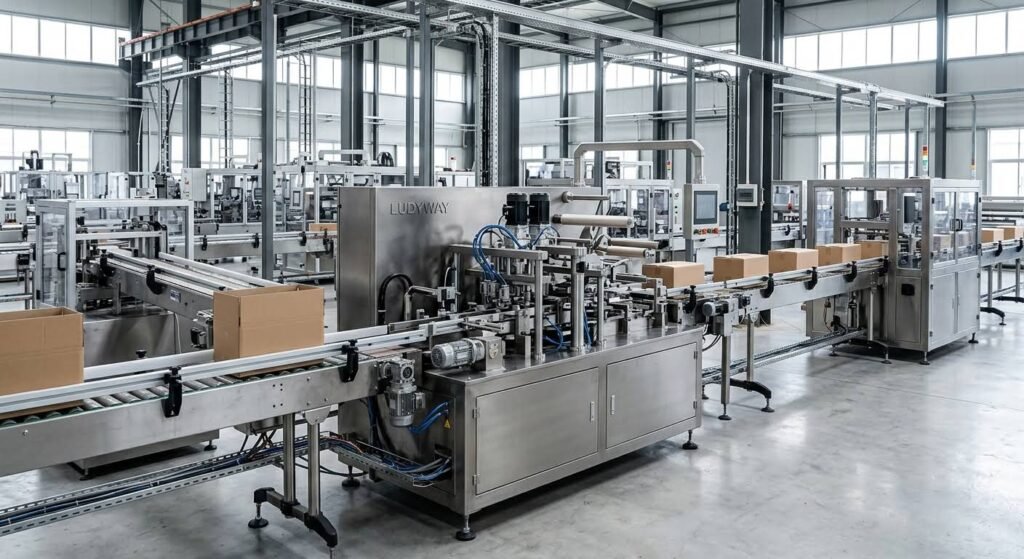
The landscape of technical careers is undergoing a profound transformation, and the field service engineering sector within the packaging machinery industry is at the forefront of this change. The traditional model of an engineer constantly on the road, traveling from one factory to the next, is being reimagined. Today, a new breed of opportunity is emerging: the Work From Home Field Service Engineer. This role combines deep technical expertise in packaging systems with the flexibility and efficiency of remote work, creating a compelling career path for engineers worldwide.
The Evolution of Remote Support in Packaging Machinery
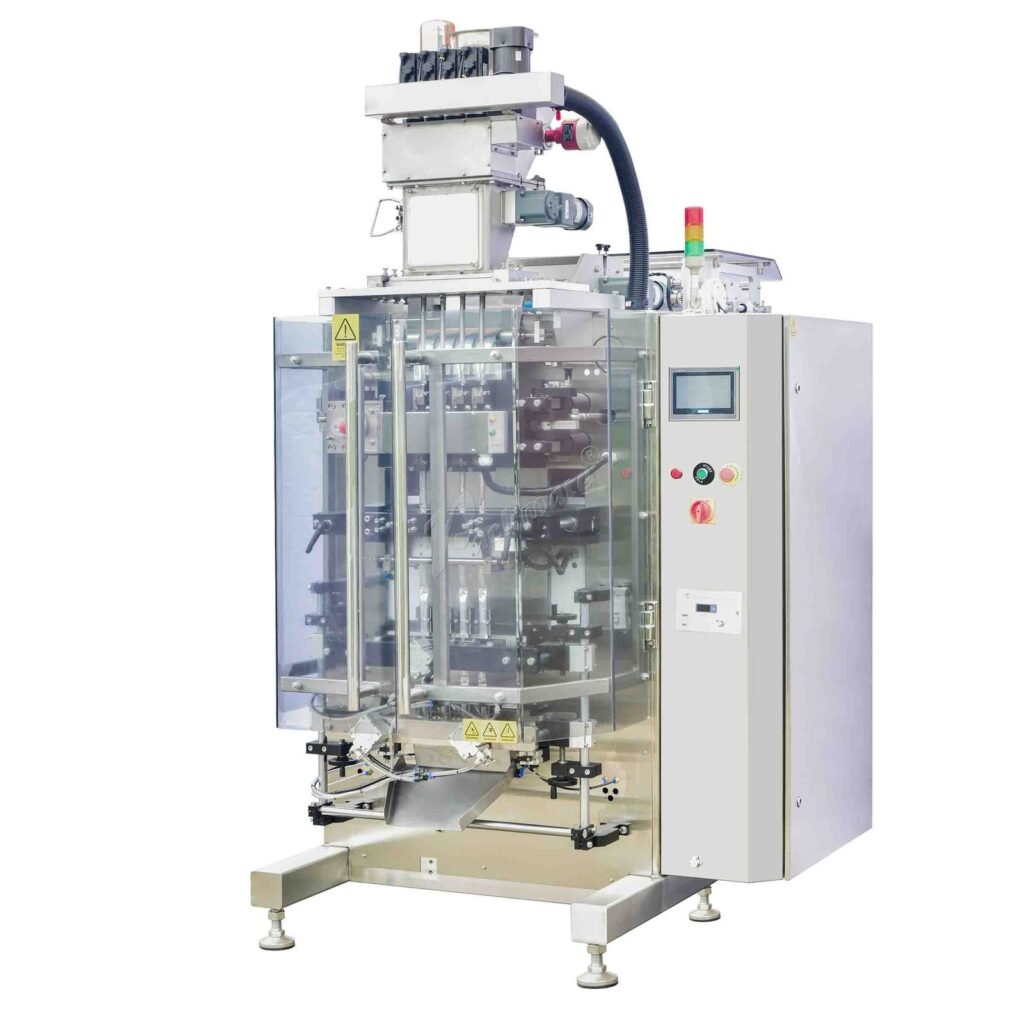
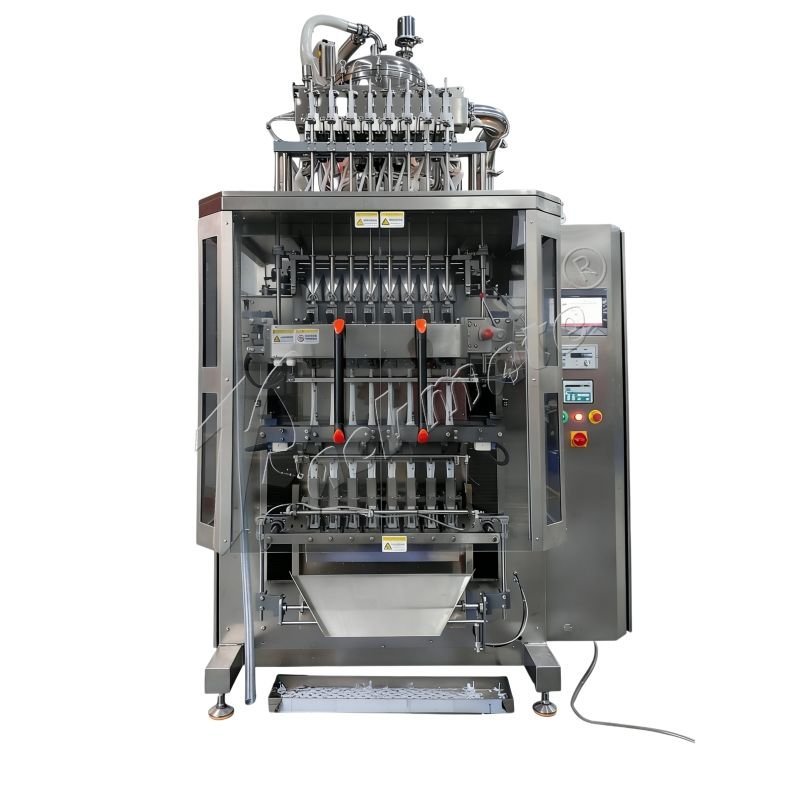
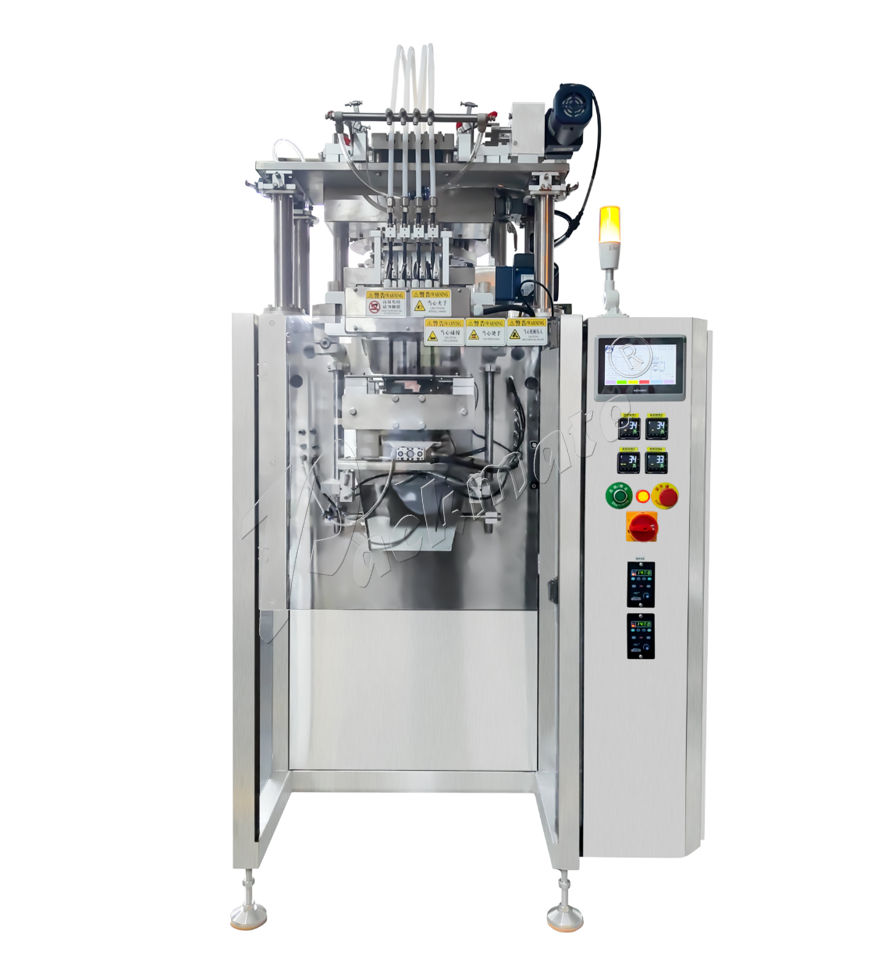
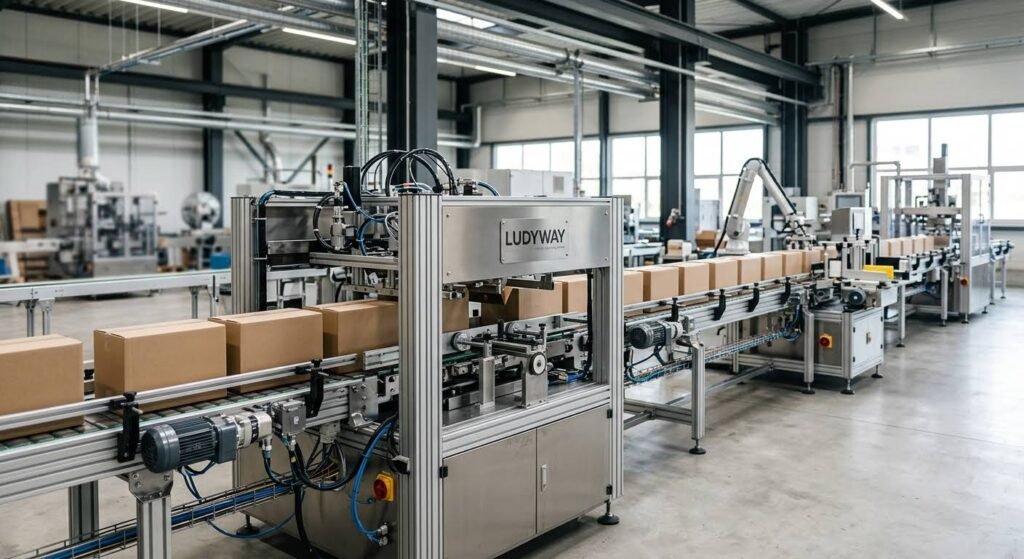
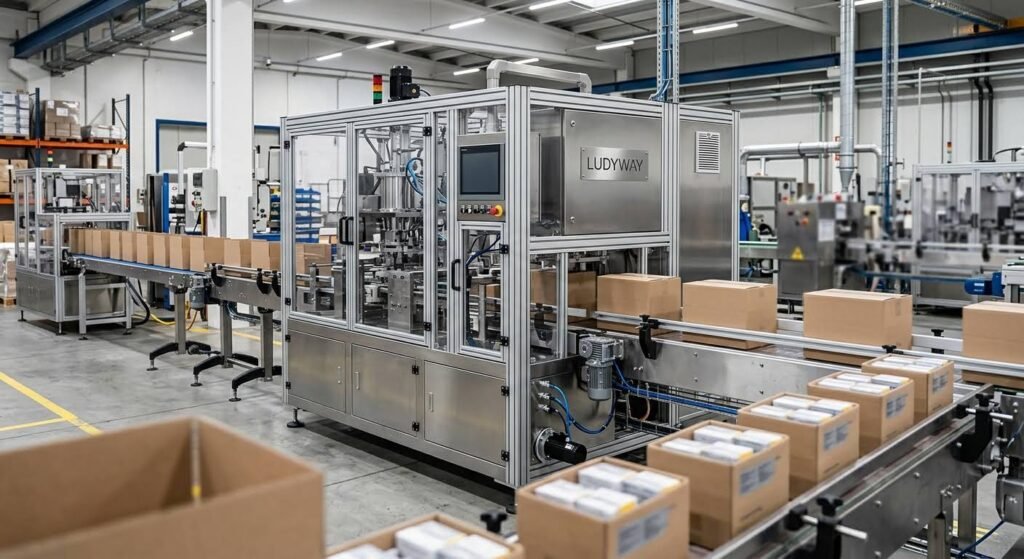
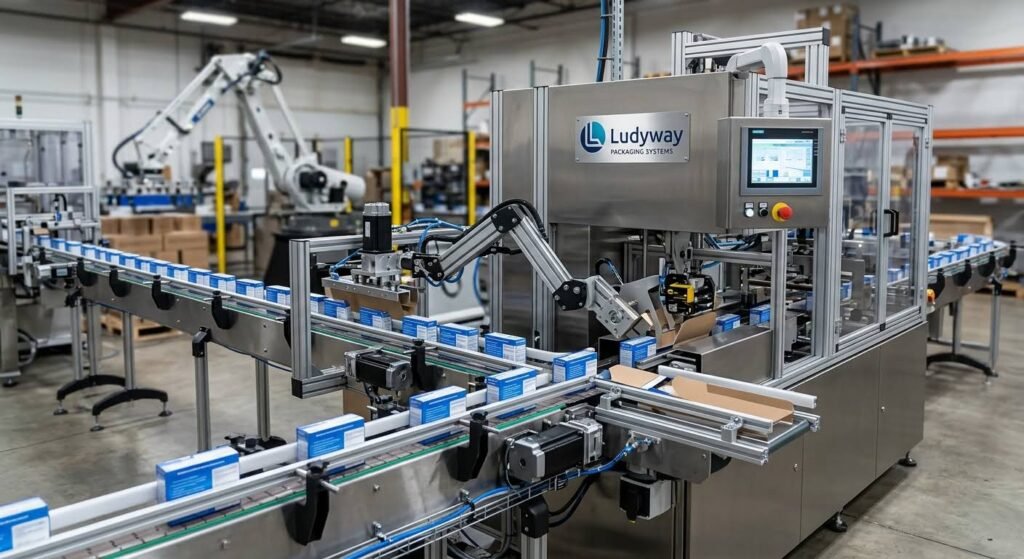
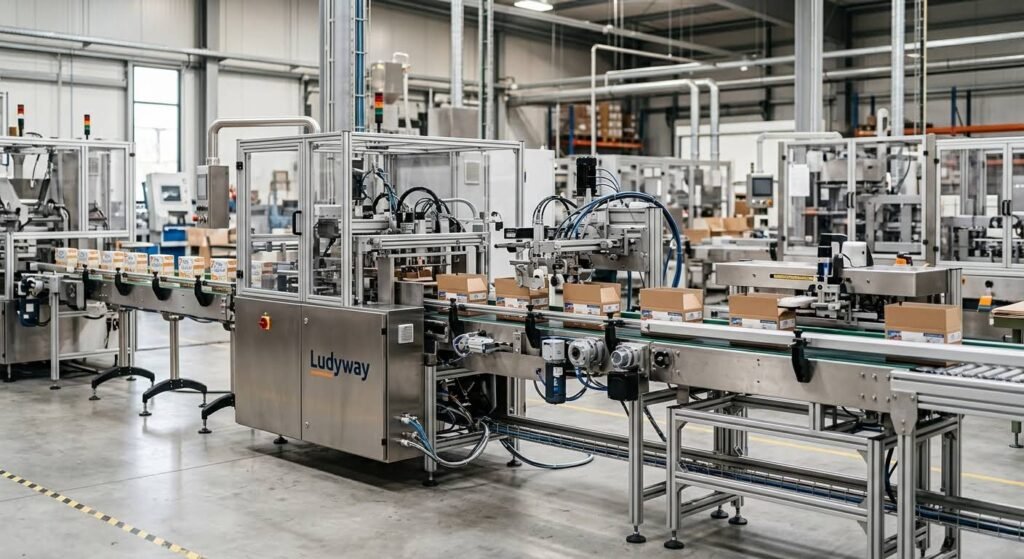
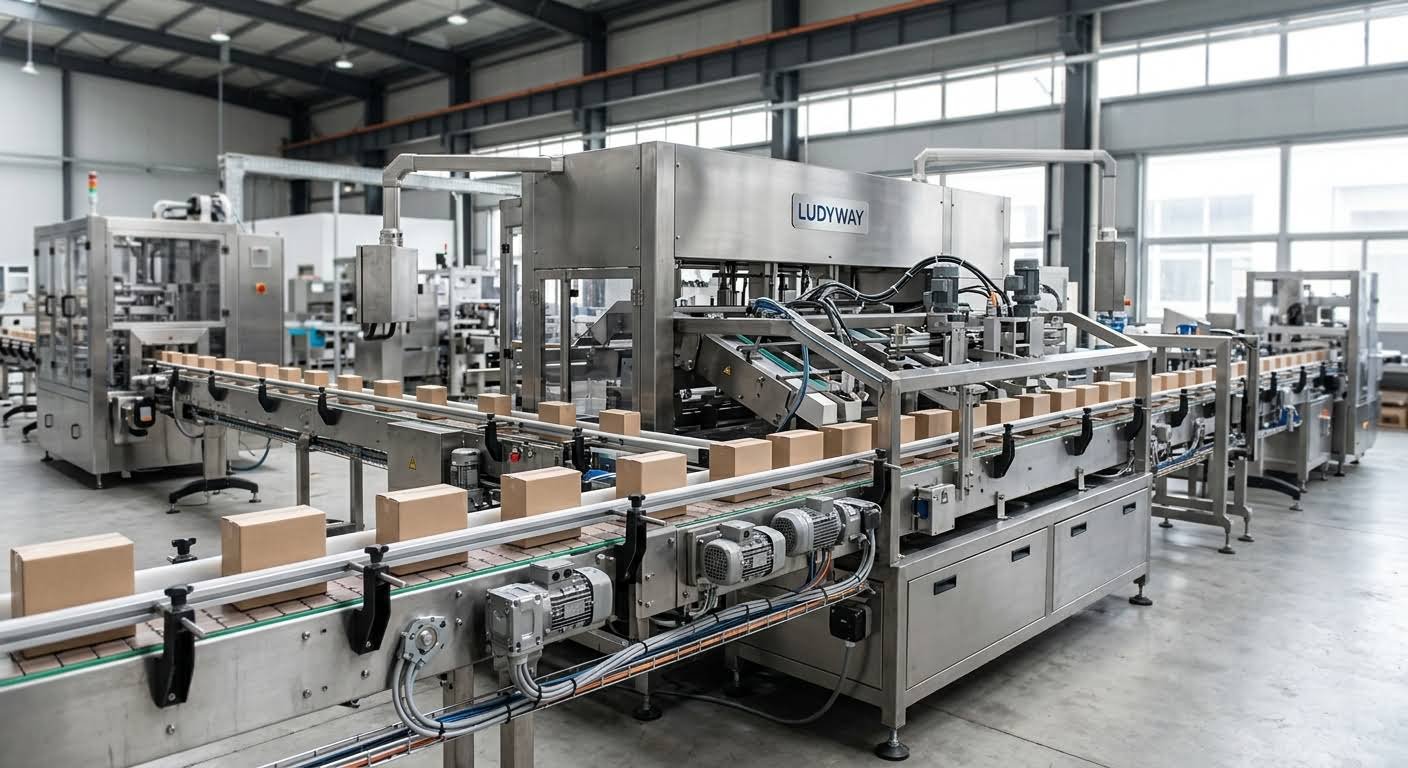
Modern packaging machinery, from high-speed sachet fillers to intricate multi-lane stick pack machines, is increasingly intelligent and connected. This digital transformation is the cornerstone that makes remote field service not just possible, but highly effective. Engineers can now access machine control systems, review operational data logs, and even perform diagnostic routines from thousands of miles away. This shift allows for faster initial response times, proactive maintenance based on real-time data, and support across multiple time zones without the delay and cost of travel.
Key Responsibilities of a Remote Packaging Machinery Engineer
While the location is flexible, the technical demands remain rigorous. A successful remote field service engineer in this niche is responsible for a multifaceted role:
- Remote Diagnostics & Troubleshooting: Utilizing remote access software to connect to a customer’s packaging line, diagnose faults from PLC errors to mechanical sensor issues, and guide on-site personnel through corrective procedures.
- Preventive Maintenance Planning: Analyzing machine performance data to schedule maintenance, order parts proactively from suppliers like Ludyway Machinery, and prevent unexpected breakdowns.
- Software & Firmware Support: Managing updates, backups, and configuration for HMI (Human-Machine Interface) panels and drive systems.
- Customer Training & Documentation: Conducting virtual training sessions for operators and maintenance teams, and creating clear, concise technical documentation.
- Collaboration with On-Site Teams: Acting as the central knowledge hub, coordinating with local technicians for complex physical repairs that cannot be resolved remotely.
Essential Skills for Success in a Remote Role
This career path requires a unique blend of hard technical skills and soft, remote-centric competencies.
Technical Proficiency
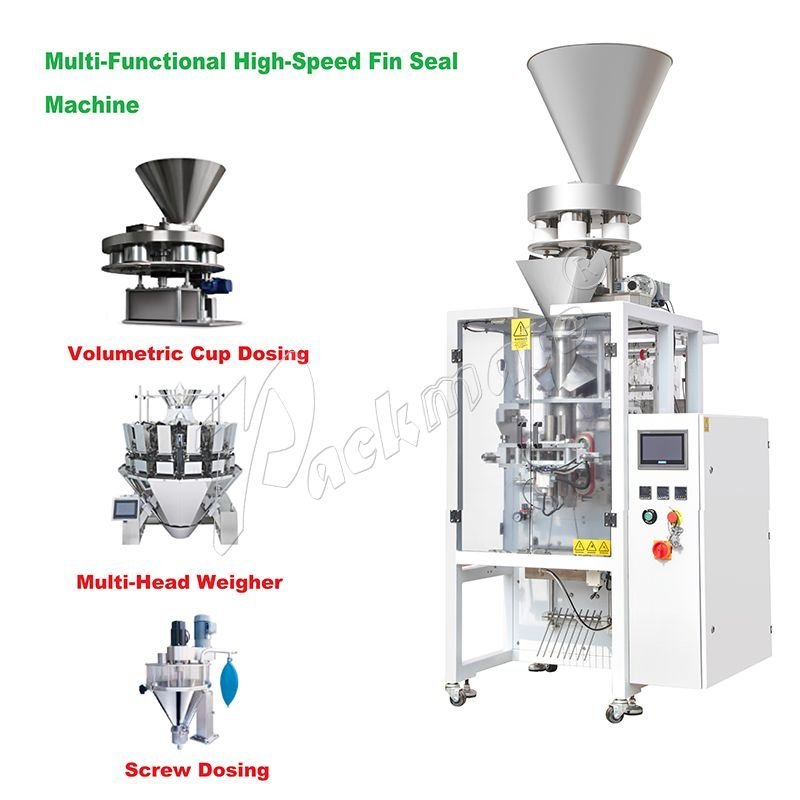
A deep understanding of electromechanical systems is non-negotiable. Engineers must be adept with PLC programming (e.g., Siemens, Allen-Bradley), servo motor drives, pneumatic circuits, and machine vision systems commonly used in weighing and filling applications. Familiarity with specific packaging processes—such as form-fill-seal for granules or liquid filling—is a major advantage. Continuous learning about new packaging machinery models and solutions is essential to stay relevant.
Remote-Work & Communication Skills
Exceptional written and verbal communication is paramount. The ability to explain complex mechanical procedures clearly via video call or written instruction is a core skill. Strong self-discipline, time management, and proficiency with digital collaboration tools (ticketing systems, video conferencing, shared diagrams) are critical for productivity and team coordination.
🛠️ Pro Tip for Aspiring Engineers
Build a portfolio of your problem-solving skills. Documenting case studies where you solved a complex machine issue, even in a previous on-site role, demonstrates your analytical process and value to potential employers seeking remote talent.
Finding and Securing Remote Opportunities
The market for these roles is growing. Opportunities can be found with packaging machinery manufacturers (OEMs), large end-user companies with extensive internal packaging operations, and specialized third-party service providers.
- Manufacturer Direct: Companies with a global customer base increasingly establish remote support centers. Research industry leaders and innovative brands.
- Job Platforms: Use keywords like “remote field service engineer,” “packaging automation support,” and “virtual technical support” on major job sites. Filter for “remote” or “work-from-home” positions.
- Networking: Engage with industry groups on professional networks like LinkedIn. Connecting with professionals at companies known for advanced automated packaging solutions can open doors.
When applying, tailor your resume to highlight experiences with remote diagnostics, self-directed project management, and cross-cultural communication. Emphasize outcomes, such as “reduced average resolution time by 30% through implementing a remote diagnostic protocol.”
The Future of Remote Engineering in Packaging
The trend toward remote and hybrid field service models is accelerating. Advancements in Augmented Reality (AR) for remote assistance, AI-driven predictive maintenance, and digital twin technology will further empower remote engineers. This evolution promises more strategic roles, where engineers focus on optimization and innovation rather than reactive firefighting. For the technically-minded professional seeking a dynamic, growth-oriented career without constant travel, becoming a Work From Home Field Service Engineer in the packaging machinery industry represents a smart and sustainable future.
Frequently Asked Questions (FAQs)
Q1: Is prior on-site field service experience required for a remote role?
A: While not always mandatory, it is highly preferred. Most employers seek candidates with 3-5 years of hands-on experience troubleshooting packaging machinery. This foundational knowledge is crucial for accurately diagnosing problems remotely.
Q2: What are the typical working hours for a remote packaging engineer?
A: This varies. You may support a specific region during its business hours, or you might be part of a global support team working in shifts to provide 24/7 coverage, especially for clients with continuous production lines.
Q3: How do remote engineers handle repairs that require physical parts replacement?
A: The remote engineer diagnoses the issue, identifies the required part (often sourcing it from the manufacturer’s inventory), and arranges shipment. They then guide an on-site technician or plant mechanic through the step-by-step replacement and commissioning process via video call.
Q4: What is the biggest challenge of working as a remote field service engineer?
A: The primary challenge is the lack of physical interaction with the machine. It requires exceptional deductive reasoning, clear communication, and sometimes patience to guide someone with less technical experience through a repair using only verbal or visual instructions.
Q5: Are these remote positions open to engineers located anywhere?
A: Many are, but there can be restrictions. Employers may require you to be based in a specific country or region due to tax laws, data security regulations, or the need to be within a reasonable time zone for core customer support hours. Always check the job description for location requirements.