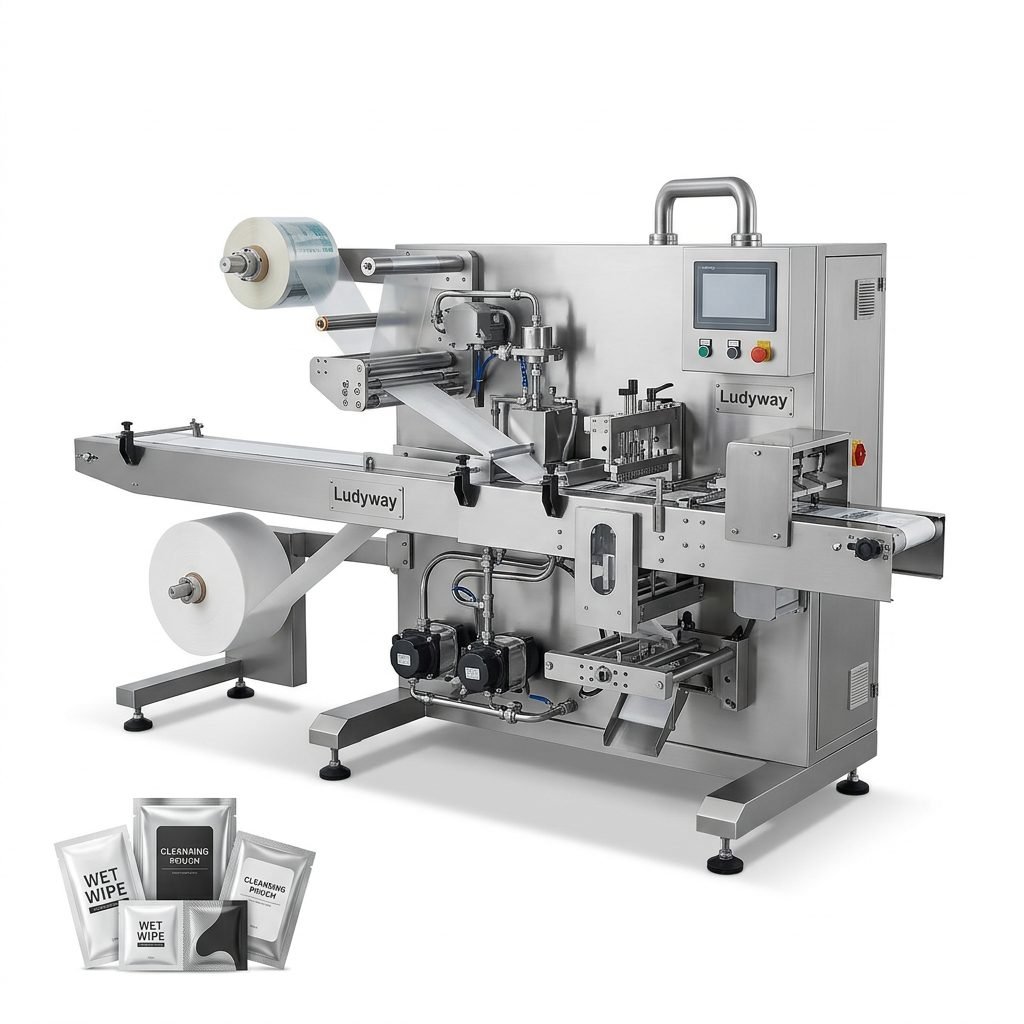
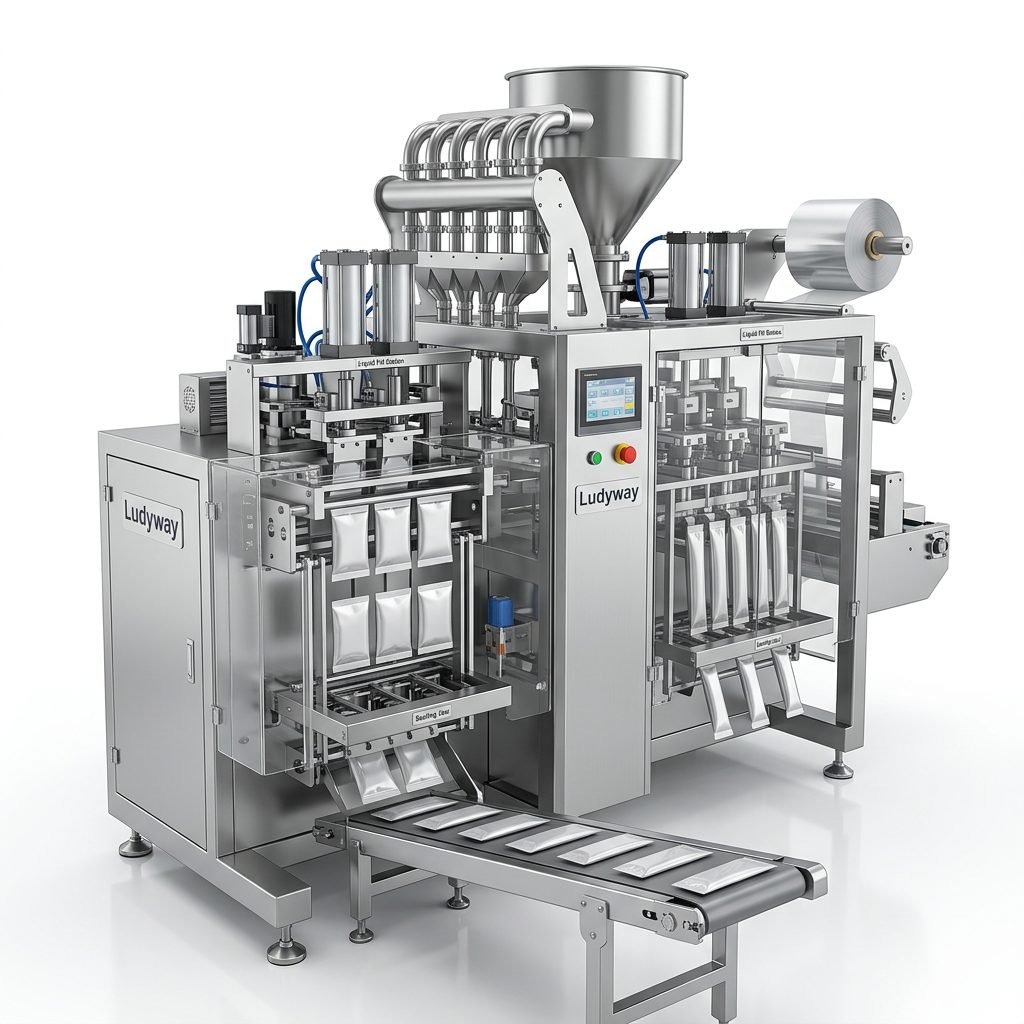
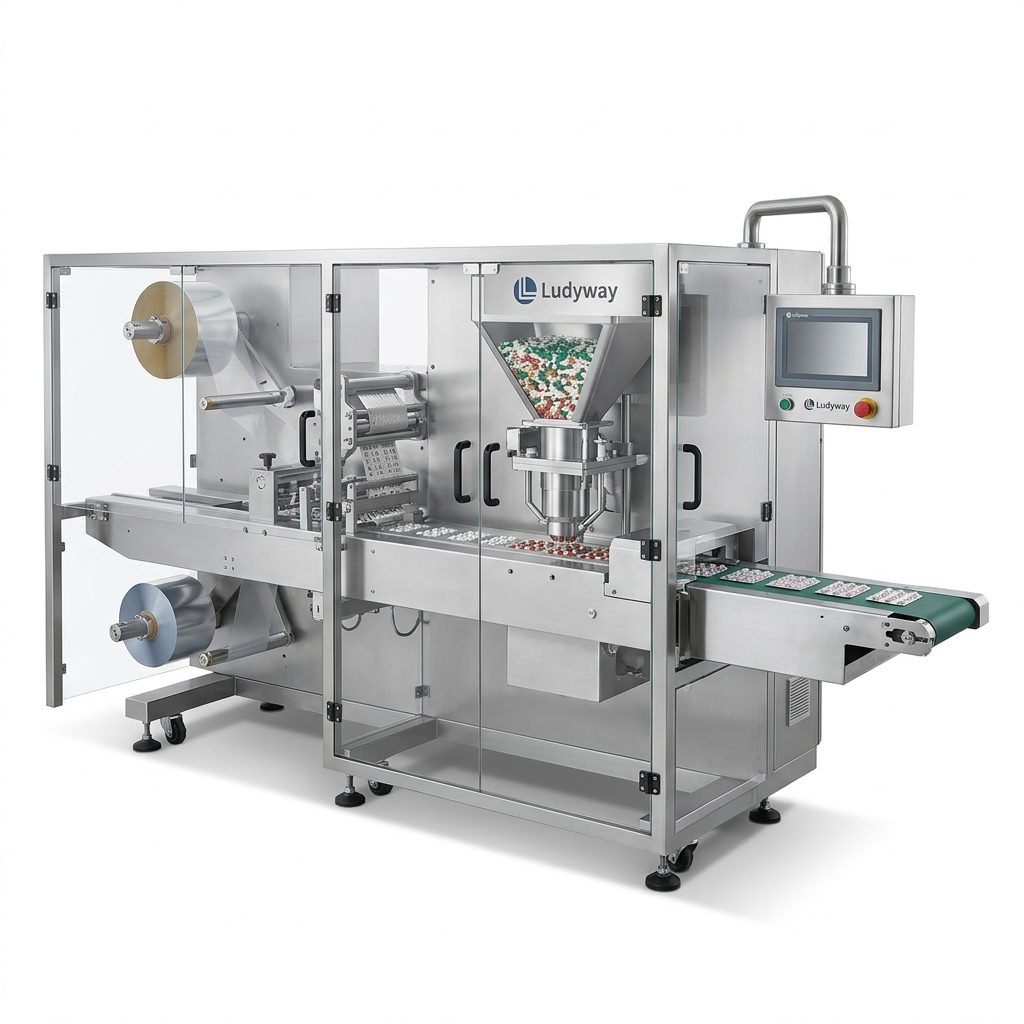
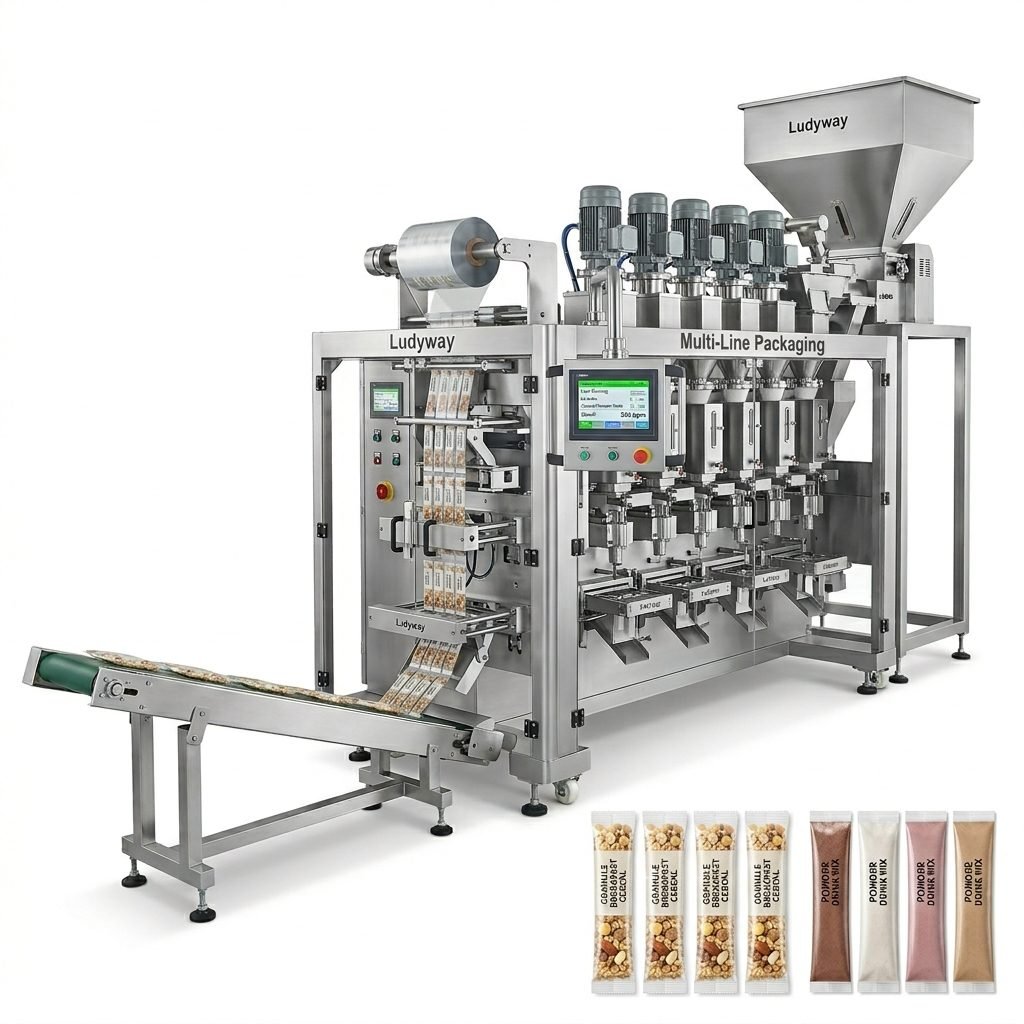
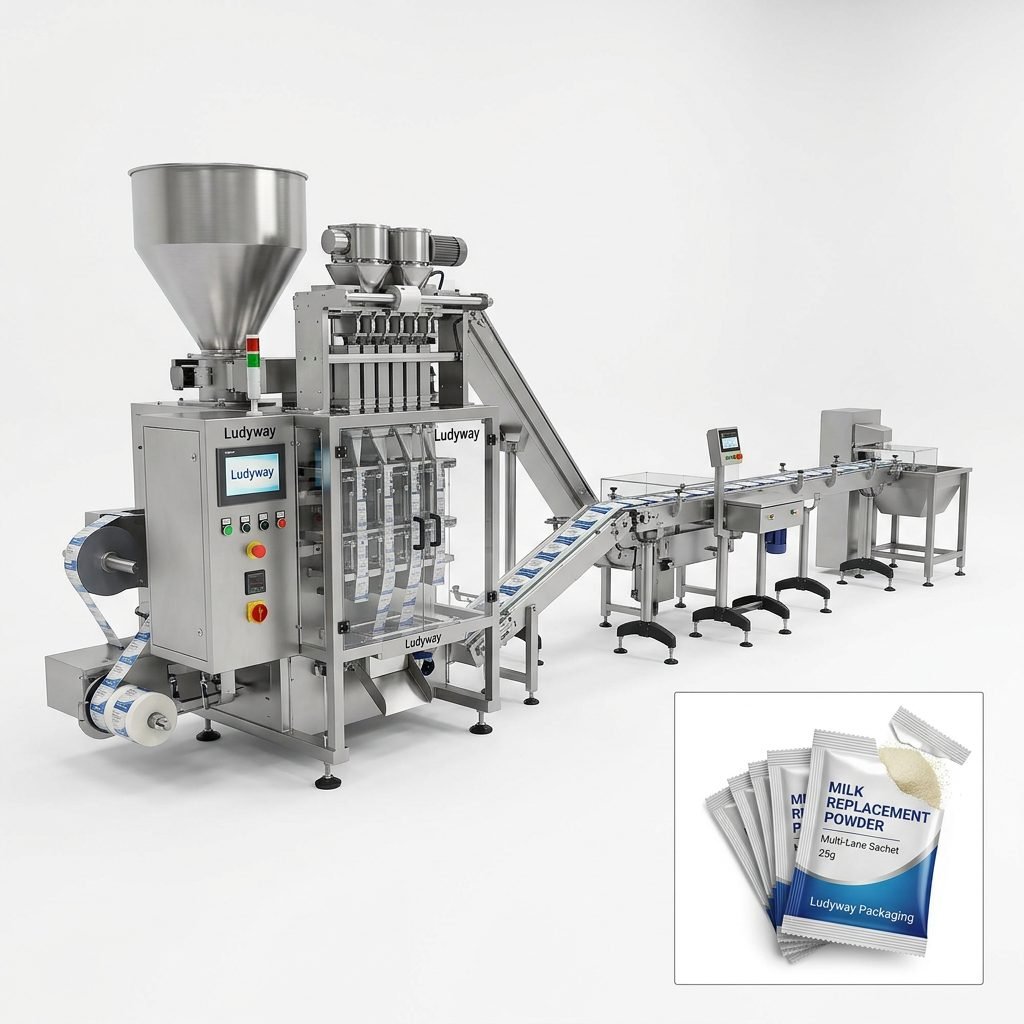
Thermoform packaging is a cornerstone of modern product protection and presentation, widely used across food, pharmaceuticals, and consumer goods. At its heart is the thermoform packaging machine, a sophisticated piece of automation that shapes plastic films into precise cavities, fills them with product, and seals them with a lidding material. This guide delves into the types, working principles, key applications, and essential buying tips for these versatile machines.
Understanding the Core Types of Thermoform Packaging Machines
The market offers several configurations, each suited to specific production needs and product types. Knowing the differences is the first step in selecting the right equipment.
Horizontal Thermoform-Fill-Seal (HFFS) Machines
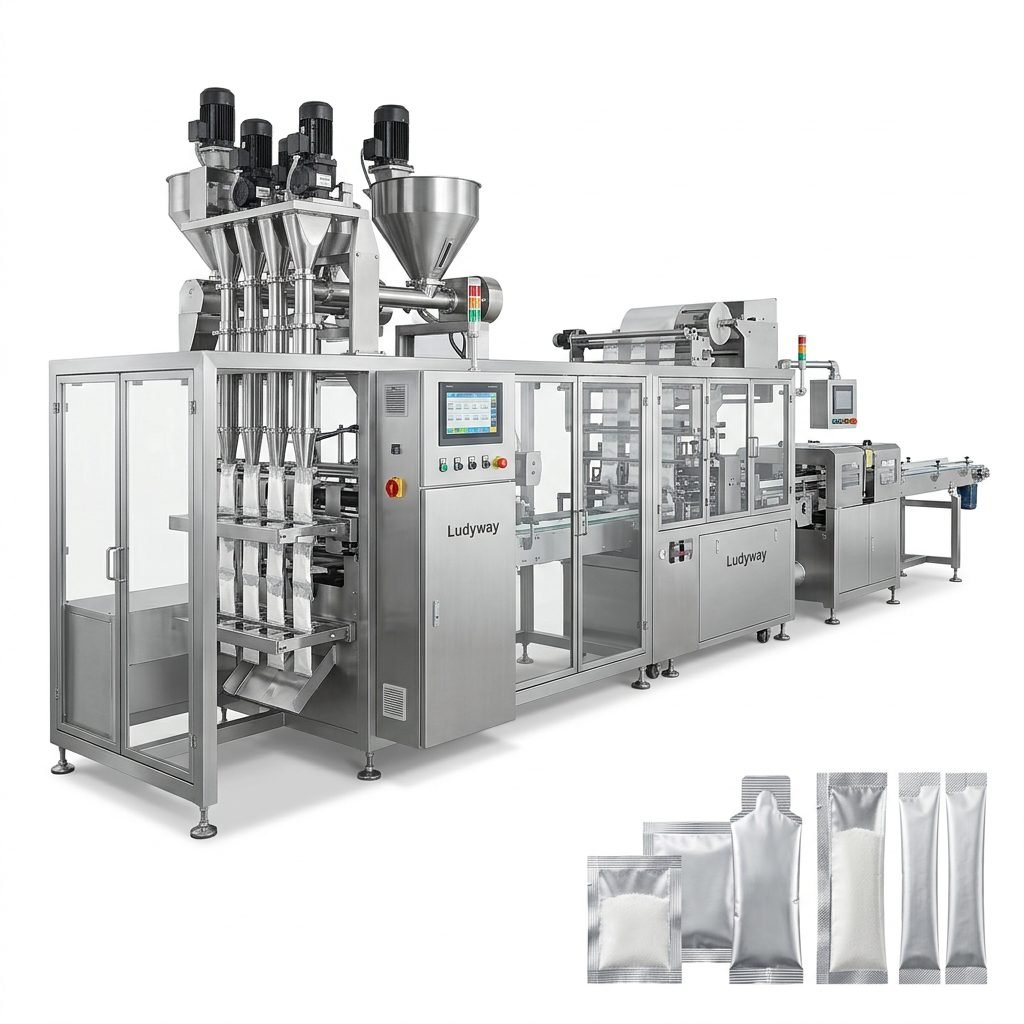
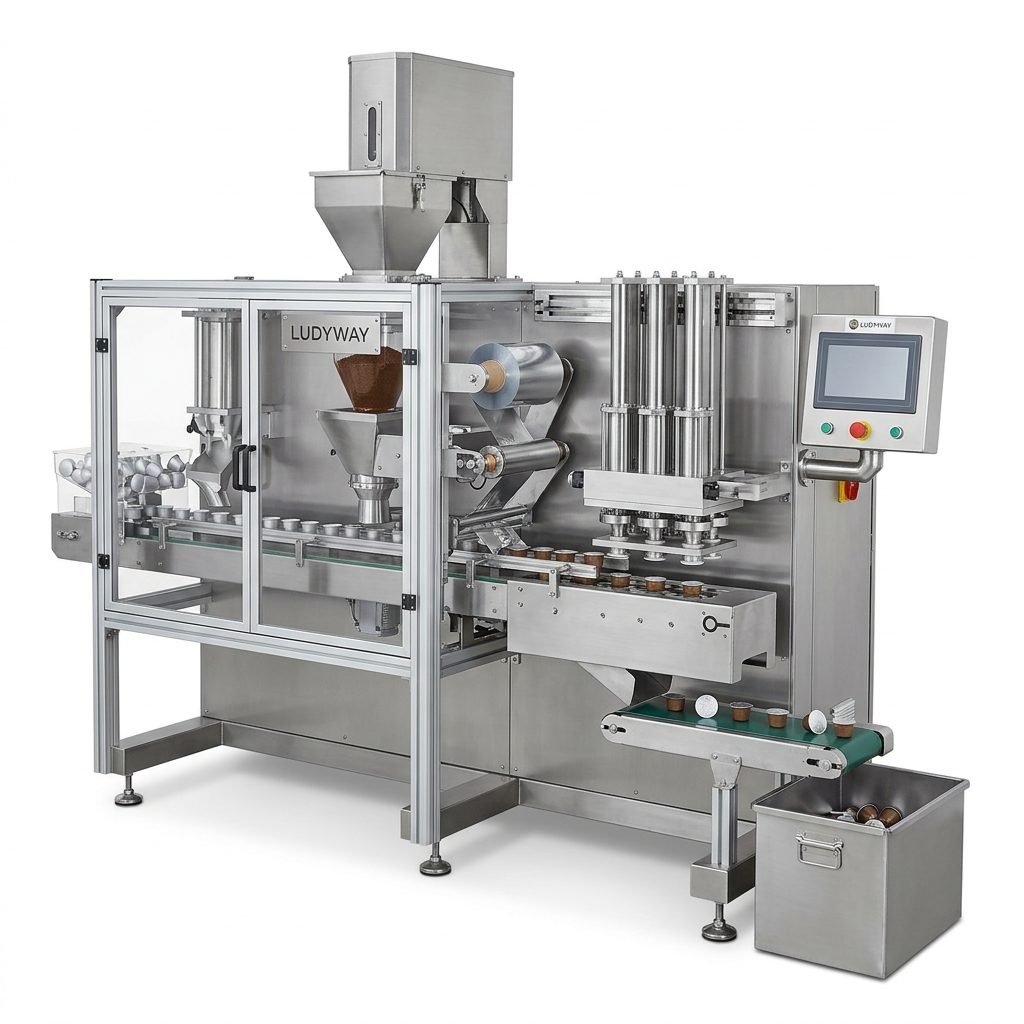
These are the most common type. The film web moves horizontally through the machine. A forming station heats the bottom web and uses a mold and vacuum/pressure to create pockets. The product is then deposited, a top lidding film is applied, and the package is sealed and die-cut. HFFS machines are renowned for their high speed and efficiency, making them ideal for high-volume production lines. They excel at packaging items like tablets, capsules, small hardware, and single-serve food portions.
Vertical Thermoform-Fill-Seal (VFFS) Machines
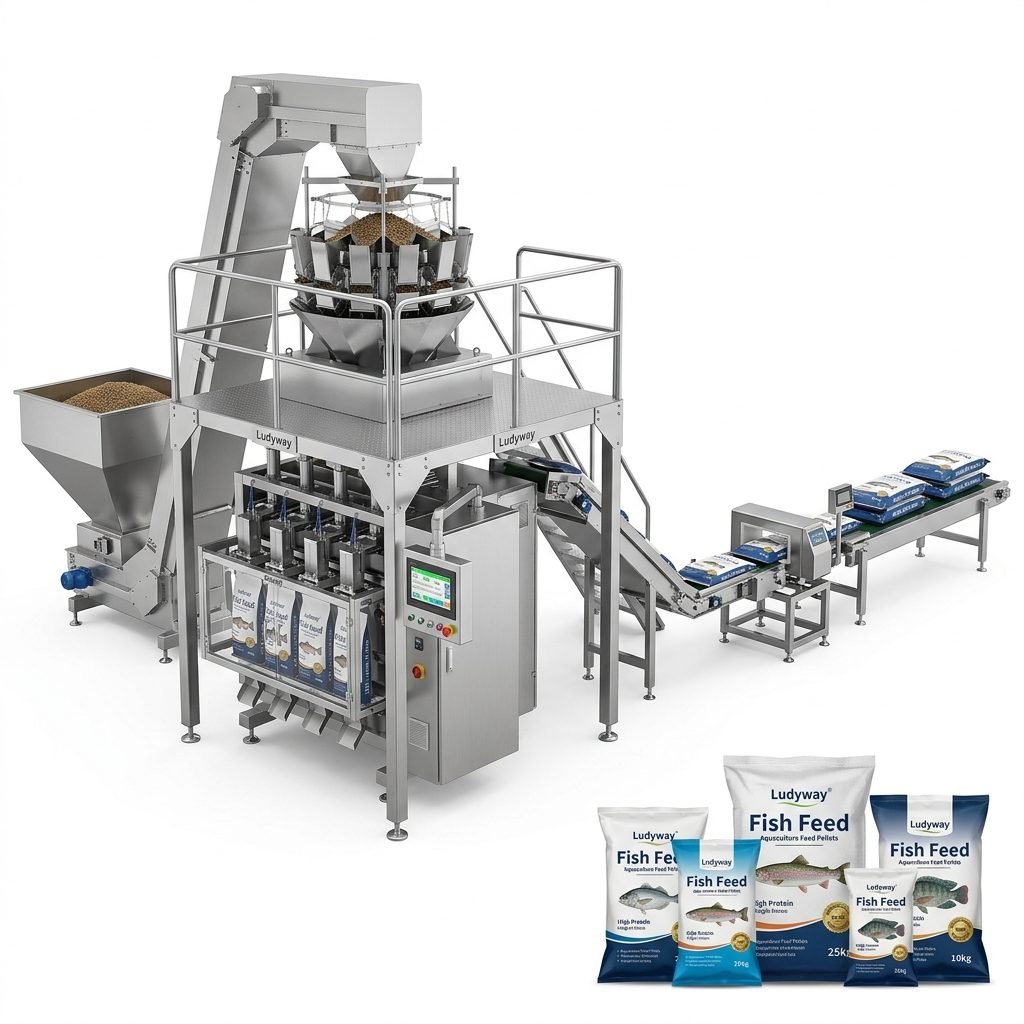
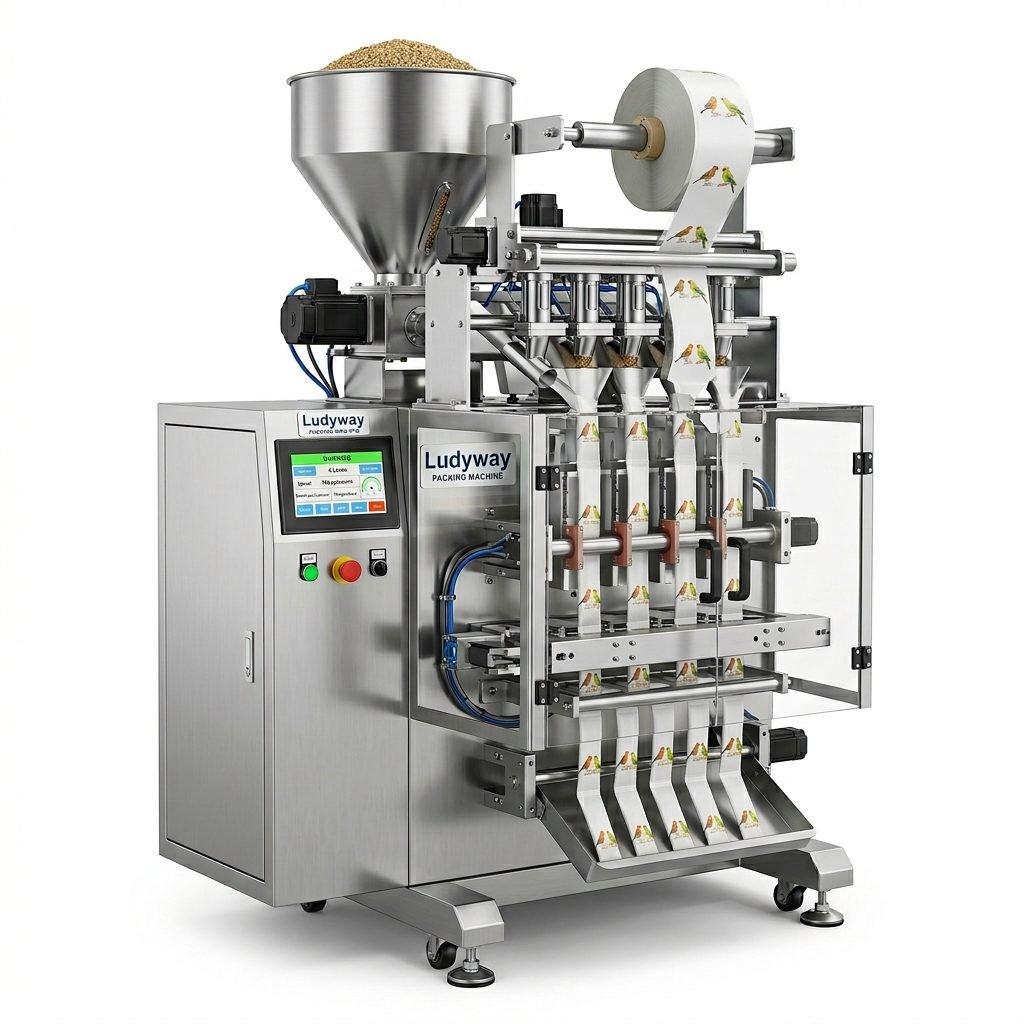
Less common for thermoforming, these machines are typically used for flowable products. The film travels vertically. They are often chosen for their smaller footprint and are suitable for packaging liquids, powders, or granules in stand-up pouches with formed features, though the forming complexity is usually lower than with HFFS machines.
In-Line Thermoforming Systems
These are integrated systems where the thermoforming machine is directly coupled with upstream and downstream equipment, such as filling machines, cartoners, or case packers. This creates a seamless, continuous production line, minimizing handling and maximizing throughput for large-scale operations like dairy cups, pre-prepared meals, or medical device kits.
How Does a Thermoform Packaging Machine Work? A Step-by-Step Principle
The process is a marvel of coordinated engineering, typically following these sequential stages:
- Film Unwinding & Heating: A roll of formable plastic film (like PVC, PET, or PP) is fed into the machine. The film passes through a heating station where it is softened to a precise, pliable temperature.
- Forming: The heated film is indexed into a forming station. A mold (or plug assist) presses the film into a cavity while a powerful vacuum (and sometimes compressed air) draws the film tightly into the mold’s shape, creating consistent pockets or blisters.
- Filling: The formed web moves to the filling station. Here, product is accurately metered and deposited into each cavity. This can be done by auger fillers, volumetric cup fillers, counters, or robotic pick-and-place systems, depending on the product.
- Lidding & Sealing: A top web of lidding material (often a foil/plastic laminate) is laid over the filled cavities. A sealing station applies heat and pressure to create a hermetic seal between the lidding and the formed web, ensuring product integrity and barrier protection.
- Die-Cutting & Trimming: Finally, the sealed web passes through a die-cutting unit. Sharp dies cut the individual packages from the web matrix, and the leftover skeleton (or “web waste”) is wound up for recycling.
Key Applications Across Major Industries
The versatility of thermoform packaging makes it indispensable in several sectors. For businesses like Ludyway Machinery, which specializes in tailored solutions, understanding these applications is key.
Pharmaceutical & Medical Packaging
This is a critical application where precision and safety are paramount. Machines produce sterile blister packs for tablets and capsules, offering excellent barrier properties against moisture and oxygen. They also package medical devices, syringes, and surgical kits in formed trays, ensuring product sterility and organization. Compliance with strict regulations like cGMP is essential here.
Food Packaging
From fresh produce and dairy products to frozen meals and baked goods, thermoforming provides visibility and protection. It’s used for clamshells for berries, yogurt cups, butter portions, and vacuum-skin packages for meats. The ability to use modified atmosphere packaging (MAP) extends the shelf life of perishable foods significantly.
Consumer & Industrial Goods
Small electronics, batteries, hardware items, and cosmetics are often secured in clear blisters or formed trays attached to cardboard backing (blister cards). This type of packaging deters theft (in retail), provides excellent product visibility, and protects items from damage during shipping and handling.
Essential Buying Tips for Your Investment
Choosing the right thermoform packaging machine requires careful consideration. Here are crucial factors to guide your decision, informed by the experience of providers with deep industry knowledge.
1. Define Your Product & Output Requirements: Start with your product’s size, shape, fragility, and any special needs (like nitrogen flushing for snacks). Then, determine your required production speed (packages per minute) and the number of cavities needed per cycle to meet your output goals.
2. Evaluate Film & Material Compatibility: The machine must be compatible with the forming and lidding films you plan to use. Consider barrier requirements, clarity, stiffness, and sustainability goals (e.g., using recyclable mono-material PP). Discuss this with your supplier to ensure optimal sealing and forming performance.
3. Prioritize Precision, Flexibility, and Hygiene: Look for machines with precise temperature control for consistent forming and sealing. Quick-change mold systems enhance flexibility for different products. For food or pharmaceutical use, the machine design must facilitate easy cleaning and comply with hygiene standards (e.g., stainless steel contact parts, smooth surfaces).
4. Assess Automation & Control Level: Modern machines feature sophisticated PLC controls with user-friendly HMIs for easy operation and recipe management. Consider the level of automation you need—from semi-automatic loading to fully integrated lines with robotic filling and vision inspection systems for 100% quality check, a feature often integrated by experts in turnkey solutions.
5. Consider Total Cost of Ownership (TCO) & Support: Look beyond the initial purchase price. Factor in operational costs (energy, film waste), maintenance needs, and the availability of spare parts. Choose a reputable supplier known for reliable technical support, training, and service. A machine from a partner with proven experience ensures long-term reliability and minimizes costly downtime.
Frequently Asked Questions (FAQs)
What are the main advantages of thermoform packaging over other methods?
Thermoform packaging offers excellent product visibility, high-speed production, superior package customization (any shape/size), and strong barrier properties when using appropriate films. It is often more cost-effective for medium to high volumes compared to pre-made containers.
What types of plastic films can be used in thermoforming?
Common films include Polyvinyl Chloride (PVC), Polyethylene Terephthalate (PET), Polypropylene (PP), and Polystyrene (PS). The choice depends on the required clarity, stiffness, barrier properties, and whether the application is for food, medical, or general use.
How important is mold design in the thermoforming process?
It is absolutely critical. The mold determines the final package shape, dimensional accuracy, and material distribution. A well-designed mold ensures consistent forming, minimizes film webbing and waste, and allows for easy product release. It’s a key area where engineering expertise matters.
Can thermoform packaging machines handle liquid products?
Yes, but it requires specific adaptations. Machines for liquids need precise volumetric or piston filling systems and often use deeper draw forming to create secure cups or pouches. The sealing process must be flawless to prevent leaks, making machine precision paramount.
What maintenance does a thermoform packaging machine typically require?
Regular maintenance includes daily cleaning of forming and sealing plates, lubrication of moving parts as per the manual, inspection and replacement of worn seals and heating elements, and calibration of filling and temperature control systems. A proactive maintenance schedule is vital for consistent performance and longevity.