Choosing the right packaging machinery is a critical decision for any beverage producer. The right equipment not only ensures product integrity and shelf appeal but also drives production efficiency and cost-effectiveness. This guide explores the best packaging machines for beverages, detailing their types, benefits, and key factors to consider when making your selection.
Essential Types of Beverage Packaging Machines
The beverage industry utilizes a variety of specialized machines, each designed for specific formats and production scales.
Liquid Filling and Sealing Machines
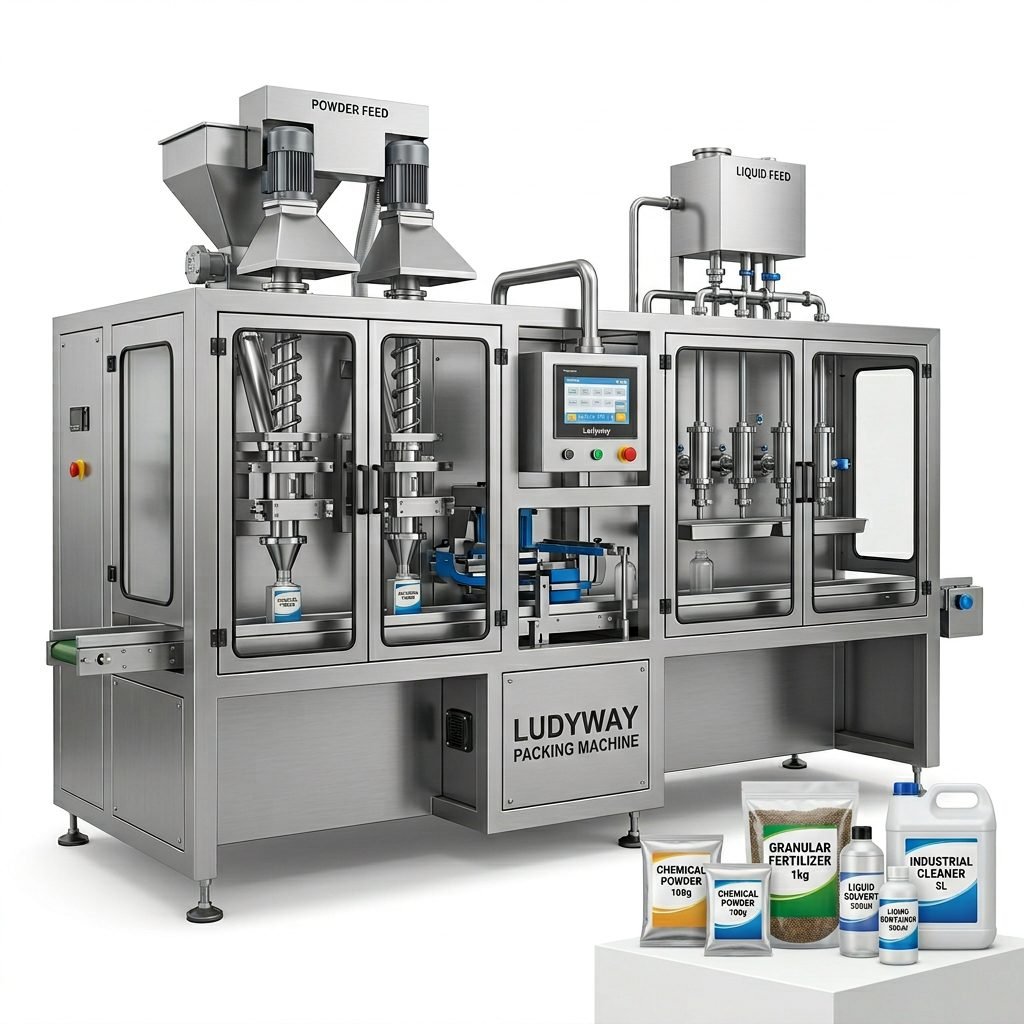
These are the workhorses for bottling juices, water, soft drinks, and dairy products. They precisely measure and dispense liquid into containers—bottles, cans, or cartons—before hermetically sealing them. Advanced models offer volumetric, gravity, or piston-based filling for accuracy with different viscosities.
Key Benefit: High-speed, consistent fill levels prevent product giveaway and ensure every unit meets label claims, which is crucial for brand compliance and consumer trust.
Form-Fill-Seal (FFS) Machines
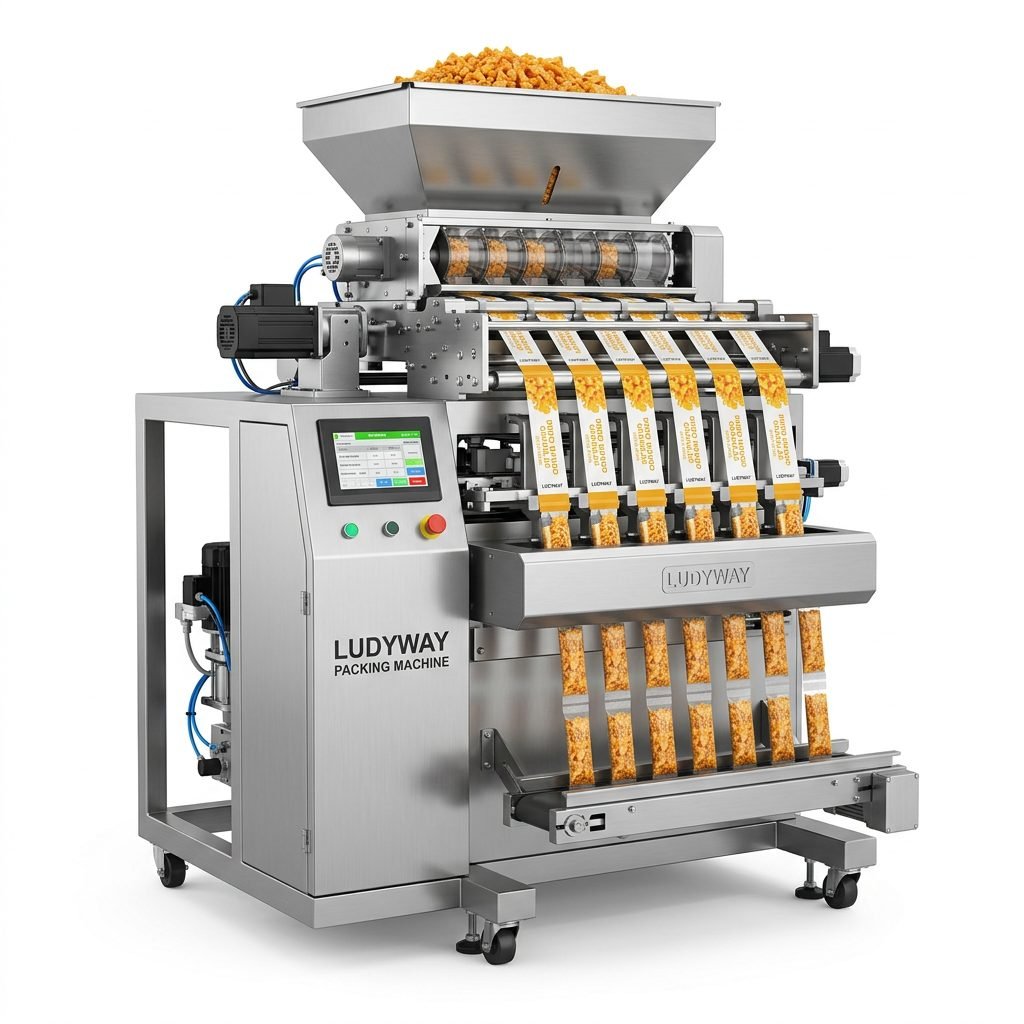
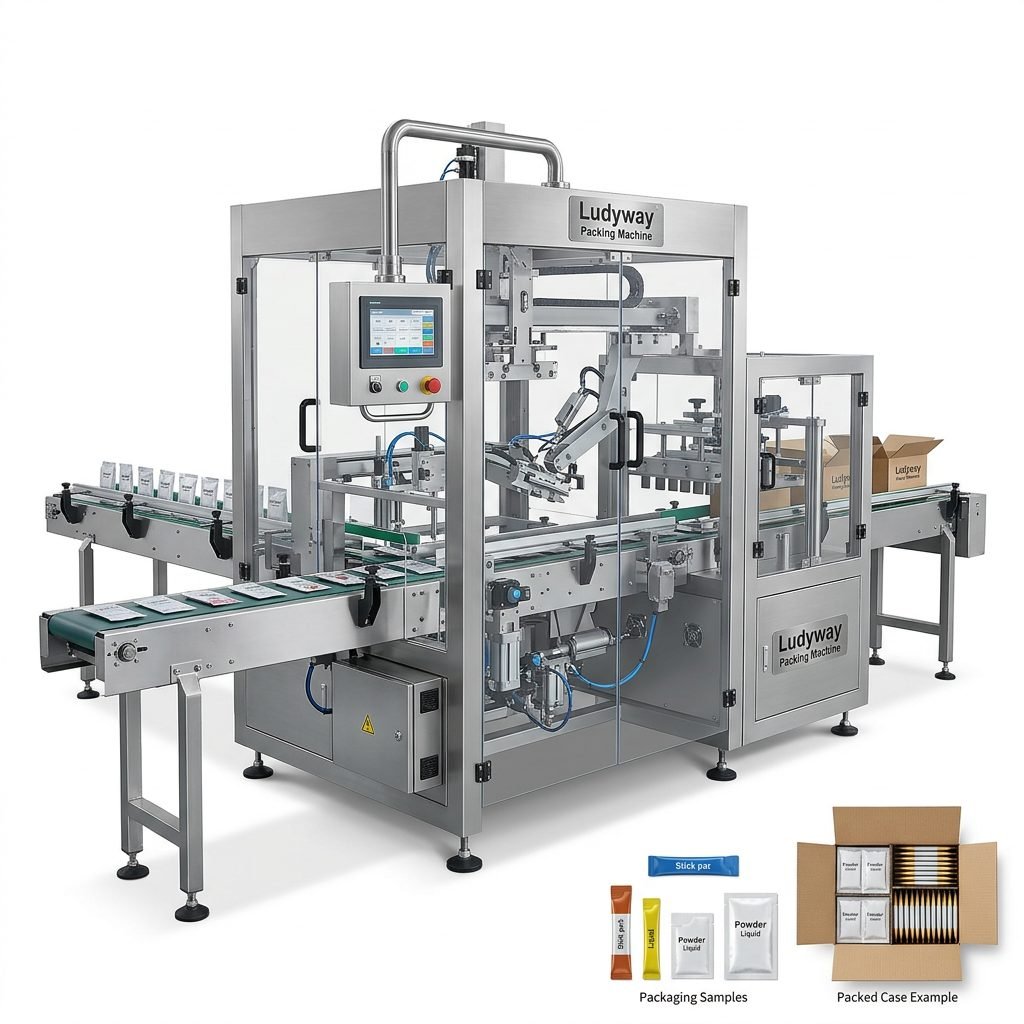
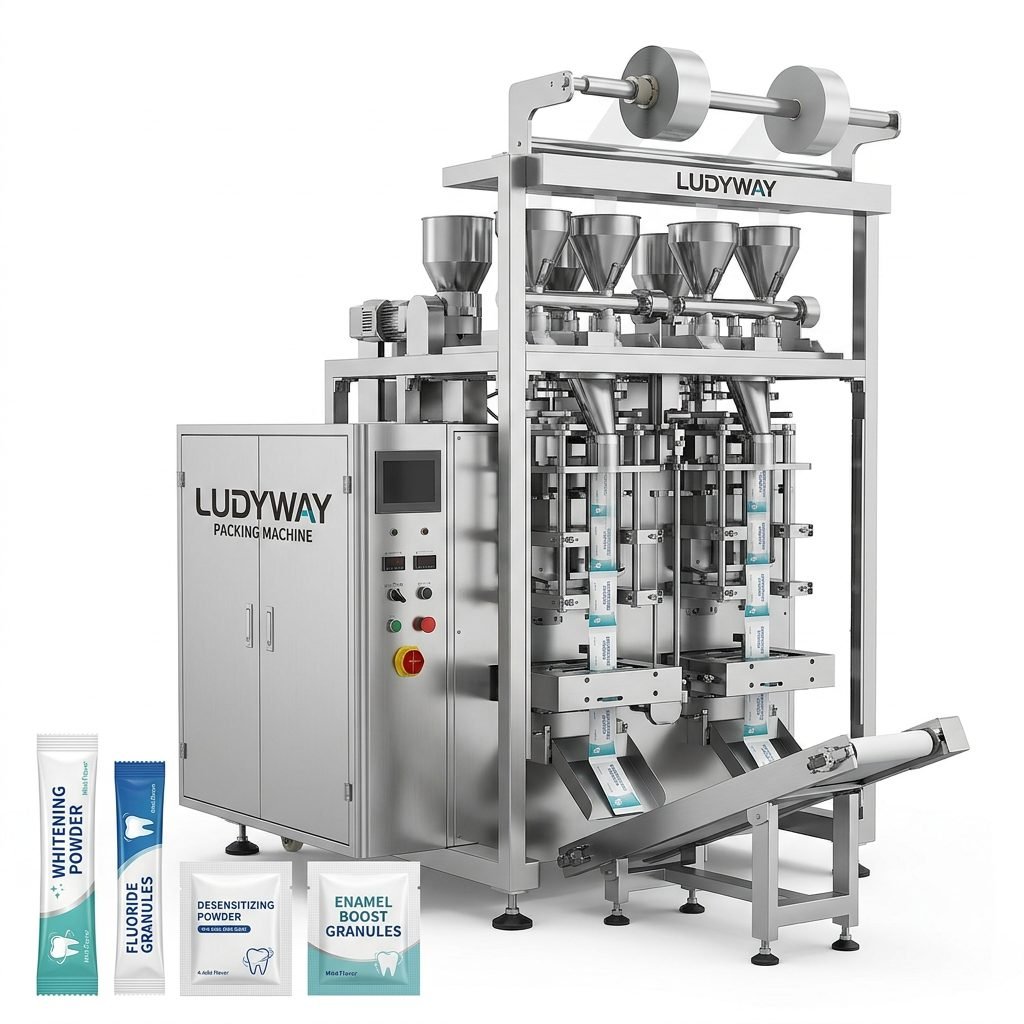
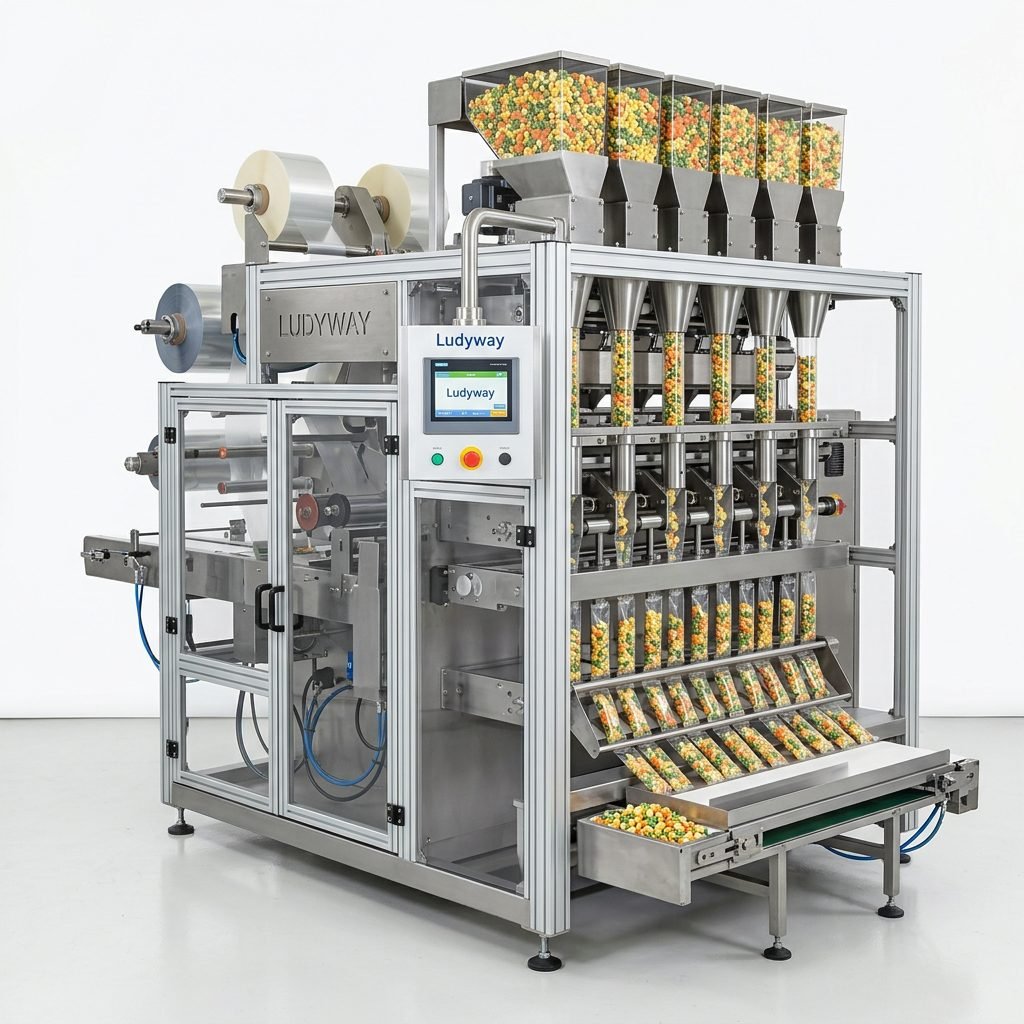
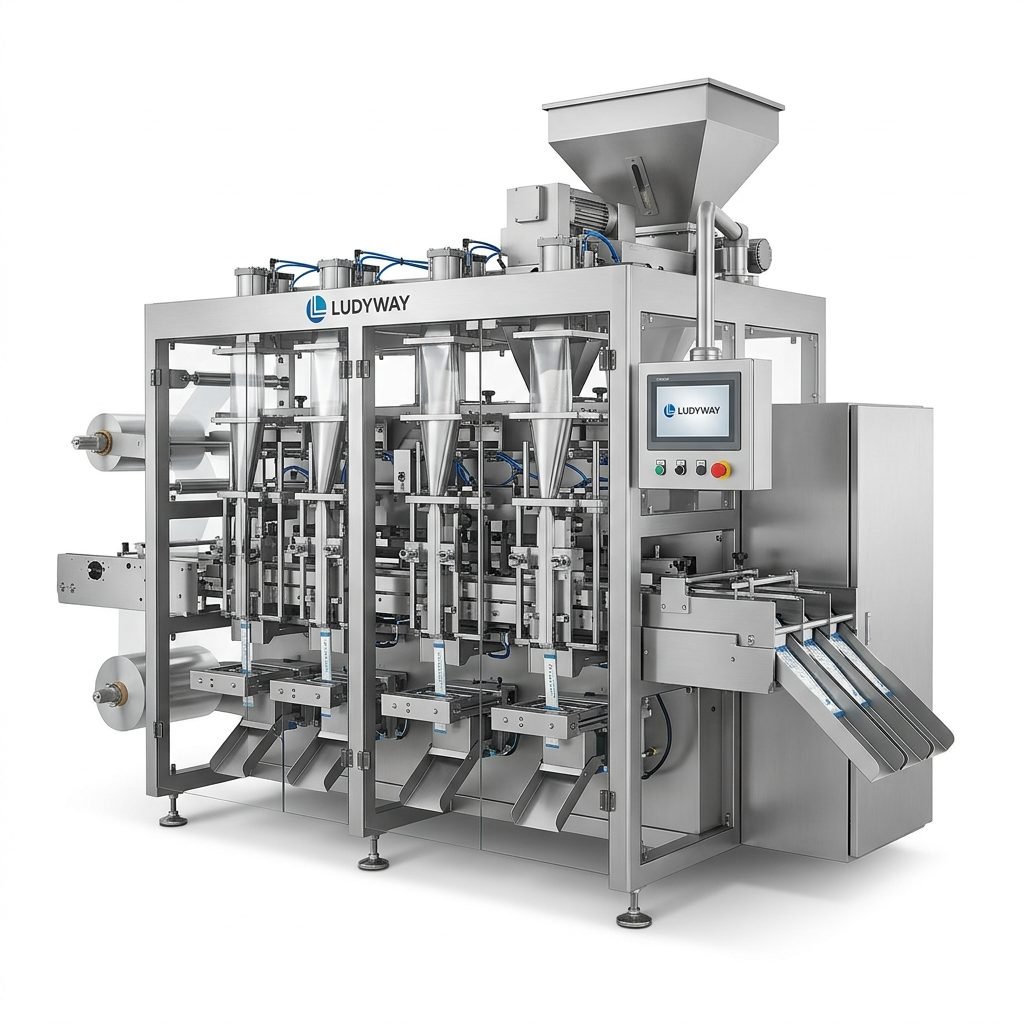
FFS machines are incredibly versatile, creating the package from a roll of film, filling it with product, and sealing it—all in one continuous operation. They are ideal for producing single-serve stick packs for powdered drink mixes, milk powder, or liquid sachets for condiments and spirits.
Capping and Sealing Machines
After filling, containers must be securely closed. This category includes cappers for screw caps, snap-on lids, press-on caps, and induction sealers that apply a tamper-evident foil liner under plastic caps. Proper sealing is non-negotiable for safety, freshness, and leakage prevention during transport.
Labeling and Coding Machines
These apply brand labels, nutritional information, and government-mandated details. They also print batch codes, expiry dates, and barcodes directly onto the package or label. Accurate coding is vital for trackability and recall management.
Core Benefits of Automated Beverage Packaging
Investing in modern packaging automation delivers tangible returns across your operation.
Dramatically Increased Production Efficiency
Automated lines run 24/7 at speeds far surpassing manual handling, significantly boosting output. They minimize human intervention in repetitive tasks, allowing your workforce to focus on quality control and oversight.
Enhanced Product Consistency and Quality
Machines provide unmatched precision in filling, sealing, and labeling. This eliminates human error, ensuring every bottle, can, or sachet has the exact same fill volume, seal integrity, and label placement, which reinforces brand quality.
Operational Cost Reduction
While the initial investment is notable, automation reduces long-term costs through less product waste (overfilling), lower labor costs per unit, and decreased losses from sealing failures or mislabeling. It also optimizes material usage.
Improved Hygiene and Safety Standards
Closed automated systems limit product exposure to the environment, reducing contamination risks—a paramount concern in beverage manufacturing. They also handle heavy loads and high-speed operations, improving workplace safety for employees.
Scalability and Flexibility
Many modern machines are modular and can be reconfigured for different container sizes or new products. This allows producers to scale up production or diversify their product line without completely replacing the packaging line.
How to Choose the Right Packaging Machine
Selecting the ideal machine requires a thorough analysis of your specific needs. Here is a structured approach.
1. Analyze Your Product and Package
Start with the fundamentals: Is your beverage still or carbonated? Hot-filled or cold-filled? Viscous or watery? The product characteristics dictate the filling technology. Also, define your primary packaging: PET bottles, glass, cans, flexible pouches, or cartons.
2. Determine Your Production Requirements
Calculate your required output in bottles, cans, or pouches per minute/hour. Be realistic about both current needs and future growth projections. Also, consider the number of SKUs (Stock Keeping Units) you run; frequent changeovers require machines with quick-adjustment features.
3. Evaluate Machine Features and Technology
Look for precision in key areas like filling accuracy (±0.5% or better) and sealing reliability. Assess the control system—modern PLC (Programmable Logic Controller) and HMI (Human-Machine Interface) panels simplify operation and diagnostics. Prioritize machines built with food-grade, corrosion-resistant materials like stainless steel.
4. Consider Integration and Support
Will the machine fit into your existing line, or are you building a new one? Ensure it can communicate with upstream and downstream equipment. The most critical factor is often the supplier’s reputation. Choose a provider known for robust after-sales service, readily available spare parts, and comprehensive training.
Pro Tip: The Total Cost of Ownership (TCO)
Look beyond the purchase price. Calculate the TCO by factoring in energy consumption, maintenance costs, expected lifespan, and potential downtime. A slightly more expensive, reliable machine from a reputable supplier like Ludyway Packaging Machinery often has a lower TCO than a cheaper, less reliable alternative.
5. Plan for Compliance and Sustainability
Ensure the machine complies with local and international food safety standards (e.g., FDA, CE, EHEDG). Furthermore, with growing environmental concerns, consider equipment that supports lightweight packaging, reduces material waste, and can handle recycled content or biodegradable materials.
Partnering with an Expert Supplier
The complexity of choosing and integrating packaging machinery makes your supplier choice crucial. A partner with deep industry experience, such as Ludyway Machinery, can provide invaluable guidance. With over 30 years in the industry, they offer more than just equipment; they deliver tailored solutions. From understanding your initial challenge to providing ongoing technical support, a true partner ensures your packaging investment delivers maximum return and reliability. Exploring their range of sachet and stick pack packaging machines can be an excellent starting point for many beverage applications.
Frequently Asked Questions (FAQs)
What is the most important factor when choosing a beverage filling machine?
The compatibility between your product’s physical properties (like viscosity, presence of particulates, and carbonation) and the machine’s filling technology is paramount. An inaccurate match will lead to spillage, foam, or inconsistent fill volumes.
Can one machine handle different bottle sizes and shapes?
Many machines are designed with changeover capabilities. However, the ease and speed of changeover vary. For high-mix production, look specifically for machines with “quick changeover” features, tool-less adjustments, and digital recipe storage to minimize downtime between runs.
How do I maintain my packaging machinery to ensure longevity?
Follow the manufacturer’s preventive maintenance schedule strictly. This typically includes daily cleaning, weekly lubrication of moving parts, and periodic inspection of seals, sensors, and wear parts. Proper training for your operators is the first line of defense against premature wear.
What are the key trends in beverage packaging machinery?
Major trends include the integration of Industrial Internet of Things (IIoT) for predictive maintenance and data analytics, increased use of robotics for flexible handling, and a strong focus on developing machines that enable more sustainable packaging formats with less material usage.
Is it better to buy a standalone machine or a complete turnkey line?
It depends on your project scope and expertise. For a simple upgrade or replacement, a standalone machine may suffice. For a new product launch or a completely new facility, a turnkey solution from a single supplier ensures all components are perfectly synchronized, reducing integration headaches and ensuring optimal performance from day one.