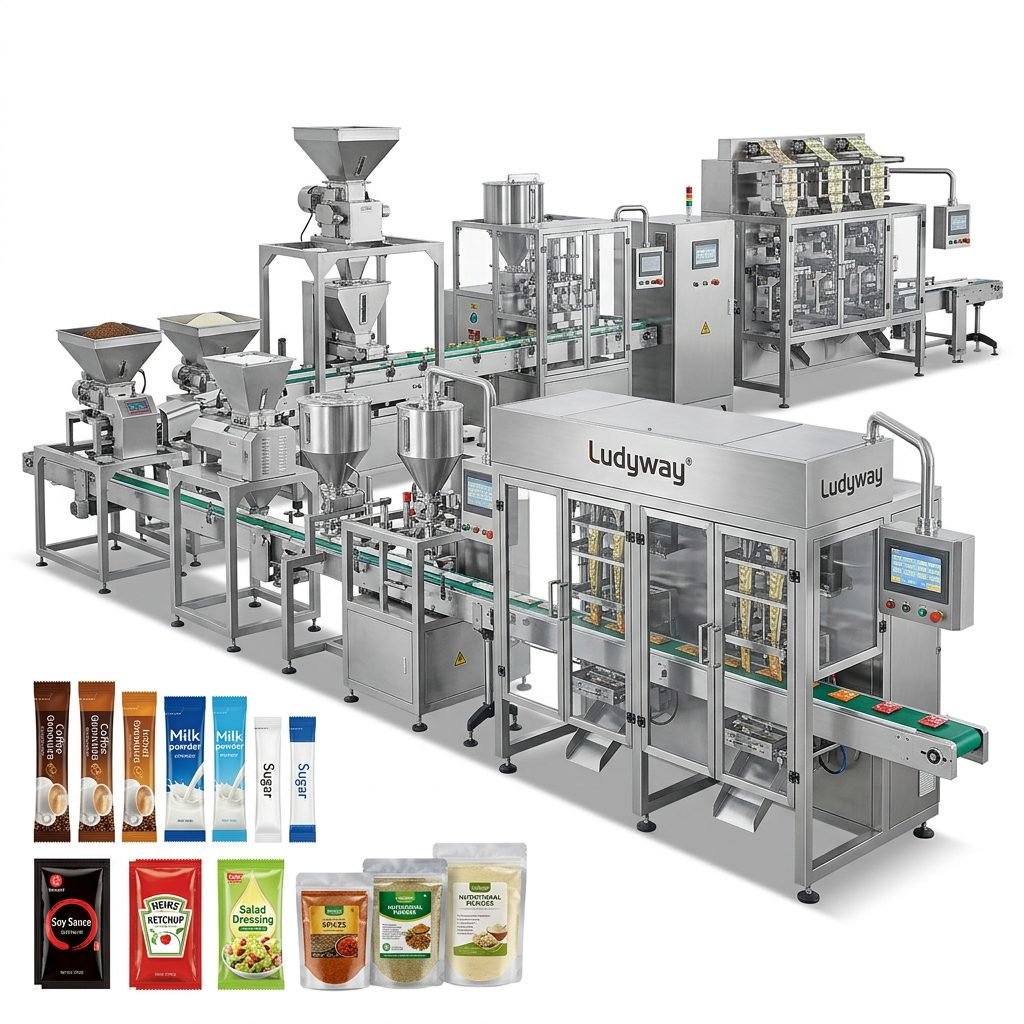
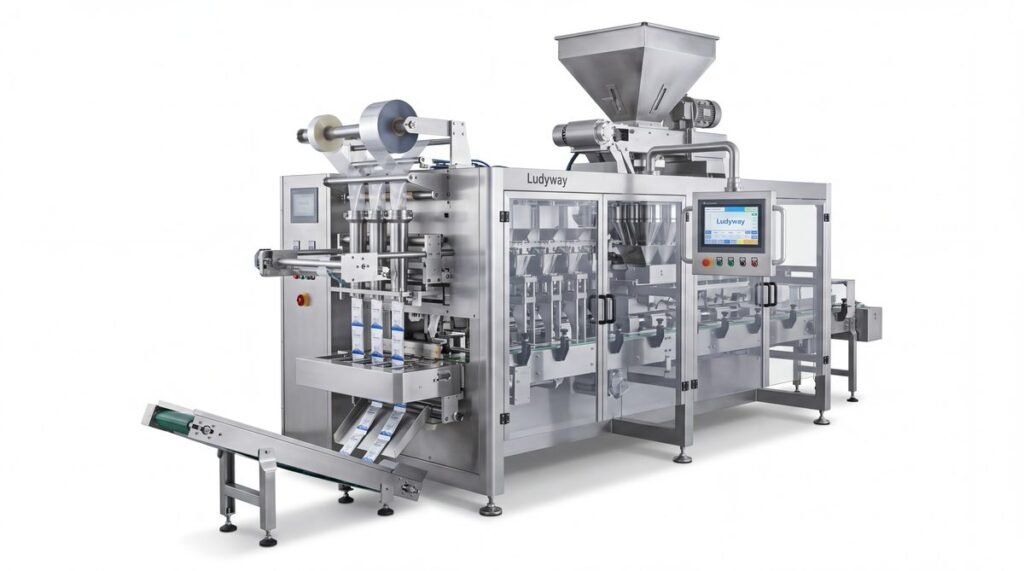
In the fast-paced world of manufacturing, efficiency and product presentation are paramount. Pouch packaging has emerged as a leading solution, offering versatility, cost-effectiveness, and consumer appeal for a wide range of products, from food and beverages to pharmaceuticals and chemicals. Selecting the right pouch packaging equipment is a critical decision that directly impacts your production speed, product quality, and overall operational costs. This guide will explore the different types of pouch packaging machines, their key features, and provide a structured approach to help you choose the perfect machine for your specific production line needs.
Understanding Pouch Packaging Machines
Pouch packaging machines are automated systems designed to form, fill, and seal flexible packaging materials into pouches. These machines handle various materials, including laminates, films, and foils, to create a protective and attractive package. The core function revolves around precision: accurately measuring the product, creating a consistent pouch, and ensuring a hermetic seal to maintain freshness and prevent contamination.
Key Advantage: Modern pouch packers are highly adaptable, capable of running different pouch styles and sizes with quick changeovers, making them ideal for producers with diverse product lines or those requiring frequent promotional packaging changes.
Primary Types of Pouch Packaging Equipment
The market offers several types of machines, each suited to different production volumes, pouch styles, and product characteristics. Understanding these categories is the first step in narrowing down your options.
1. Vertical Form-Fill-Seal (VFFS) Machines
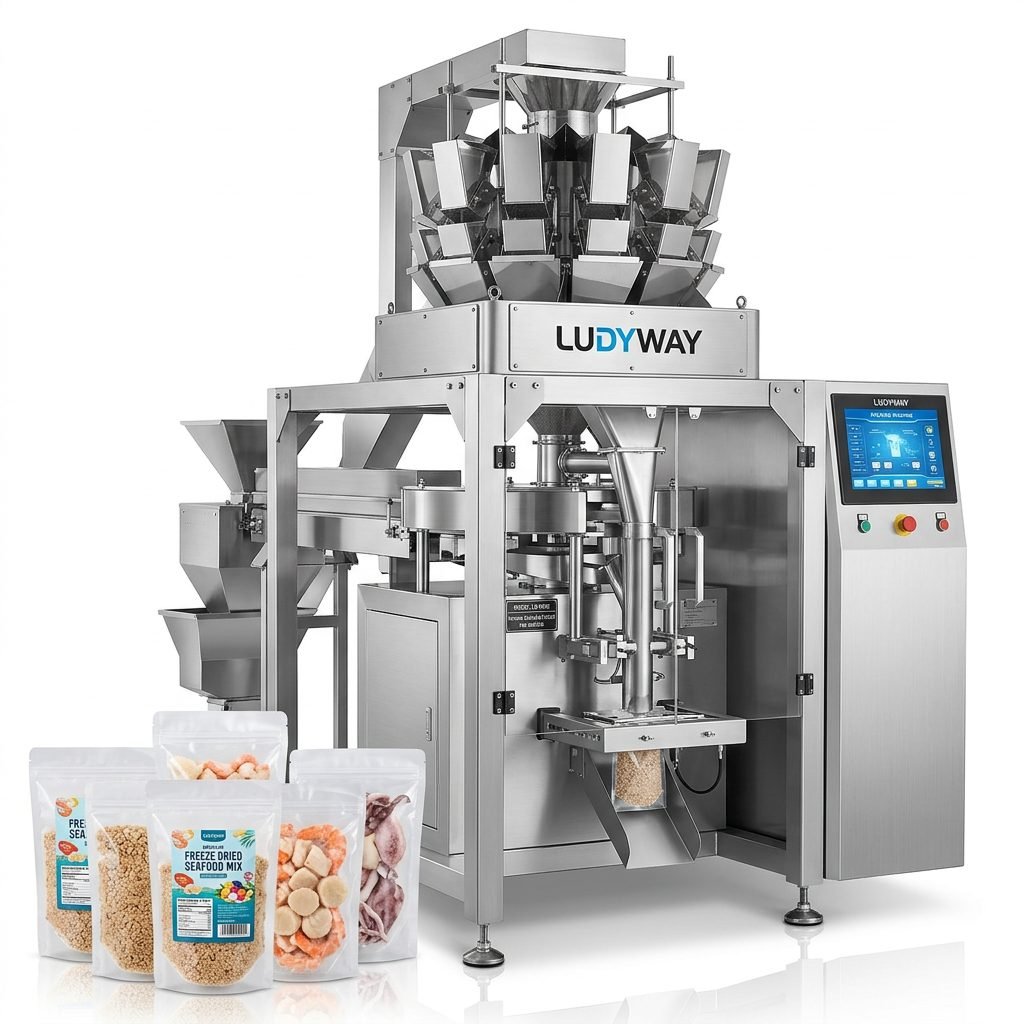
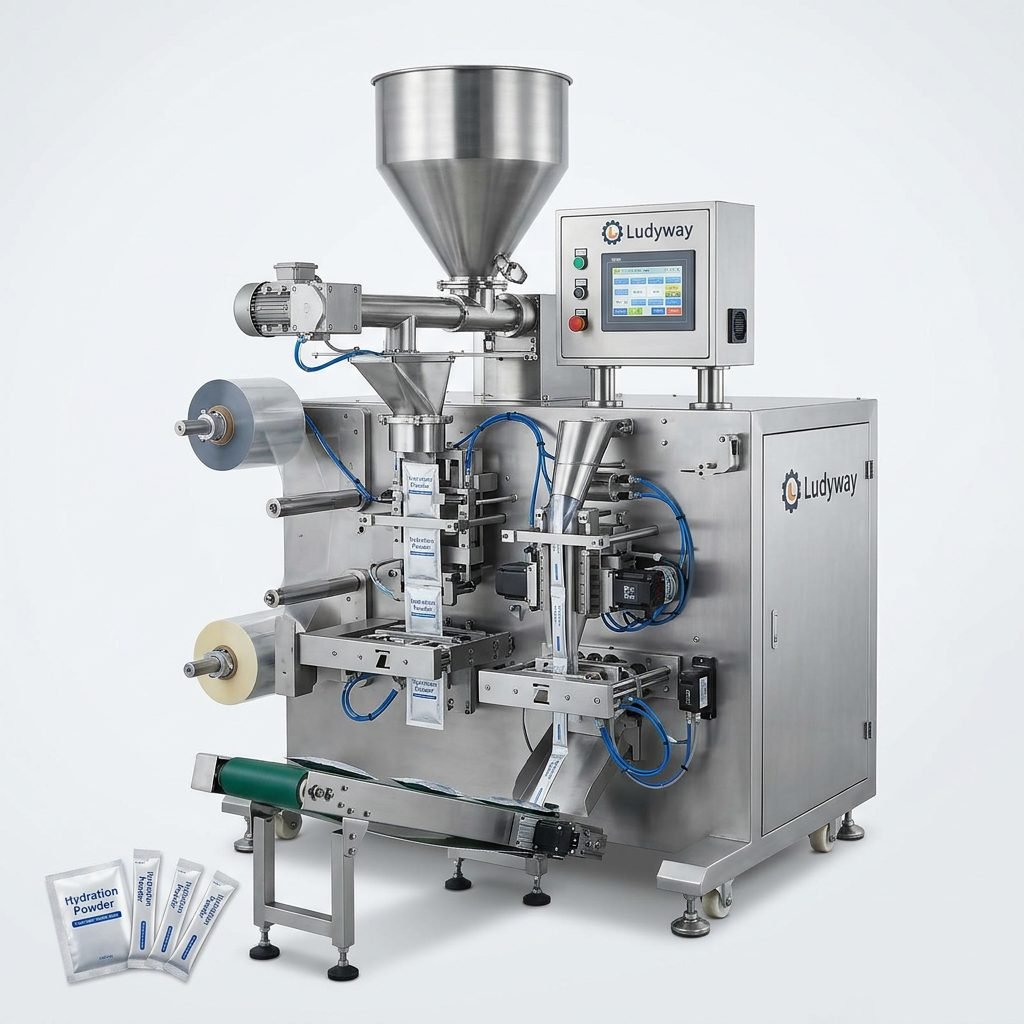
These are the most common and versatile machines for high-speed packaging. They use a roll of flat packaging film, which is formed vertically into a tube. The product is filled into this tube, and then the machine makes the horizontal and vertical seals to create individual pouches.
- Best For: Granules, powders, liquids, snacks, and small hardware items.
- Pros: High speed, efficient material use, compact footprint.
- Cons: Pouch style limitations compared to pre-made pouch systems.
2. Horizontal Form-Fill-Seal (HFFS) Machines
In HFFS machines, the film is fed horizontally. The pouch is formed and the bottom is sealed first. The product is placed into the open pouch, and then the top is sealed. This method is excellent for delicate or irregularly shaped items.
- Best For: Bakery items, medical devices, frozen foods, and products that cannot be dropped.
- Pros: Gentle product handling, excellent for complex pouch shapes (like gusseted or stand-up pouches).
- Cons: Generally slower and has a larger footprint than VFFS machines.
3. Pre-Made Pouch Machines
These machines use pre-manufactured, ready-to-fill pouches supplied in stacks or on rolls. The machine simply opens the pouch, fills it with product, and then seals it closed.
- Best For: High-value products, liquids, sauces, products requiring high-quality printed graphics.
- Pros: Superior print quality on pouches, simple operation, ideal for liquid filling.
- Cons: Higher packaging material cost, slower speeds than VFFS.
🔍 Feature Spotlight: The Importance of Multi-Lane Systems
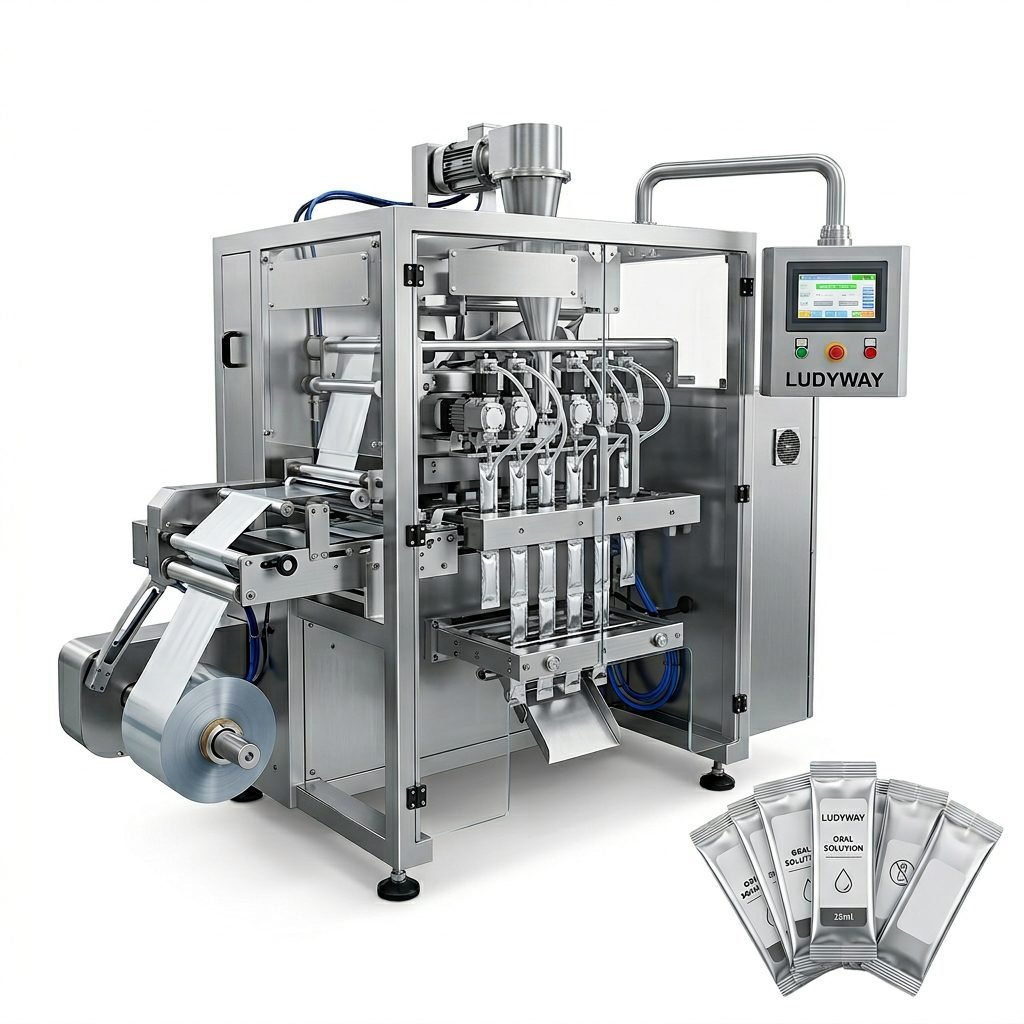
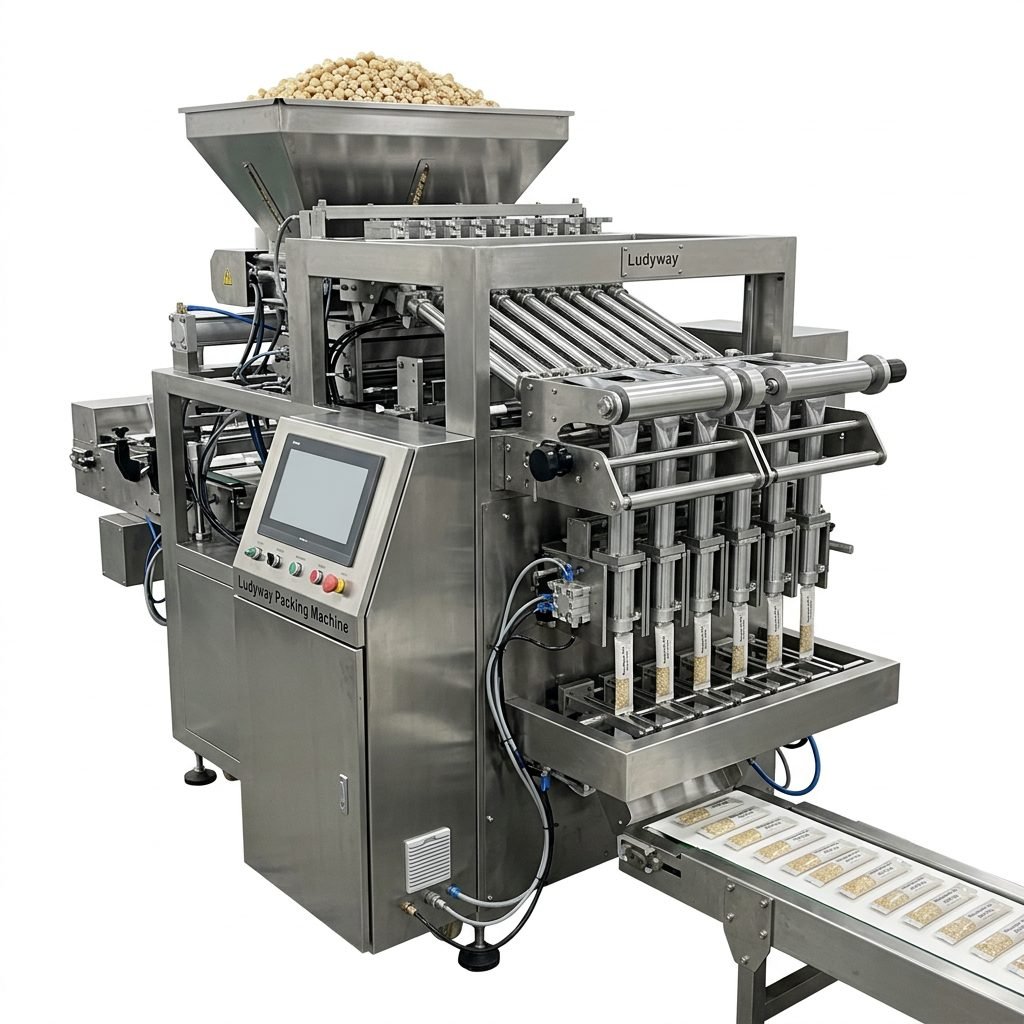
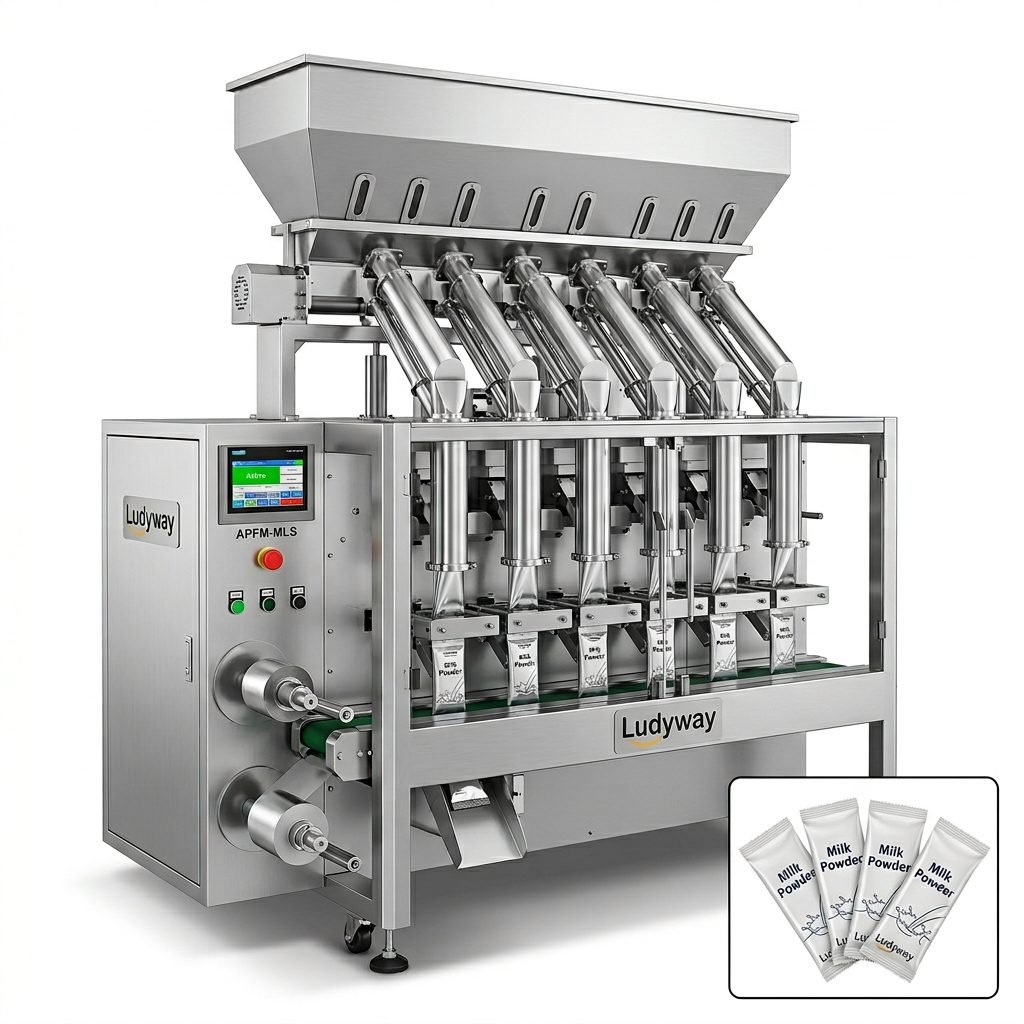
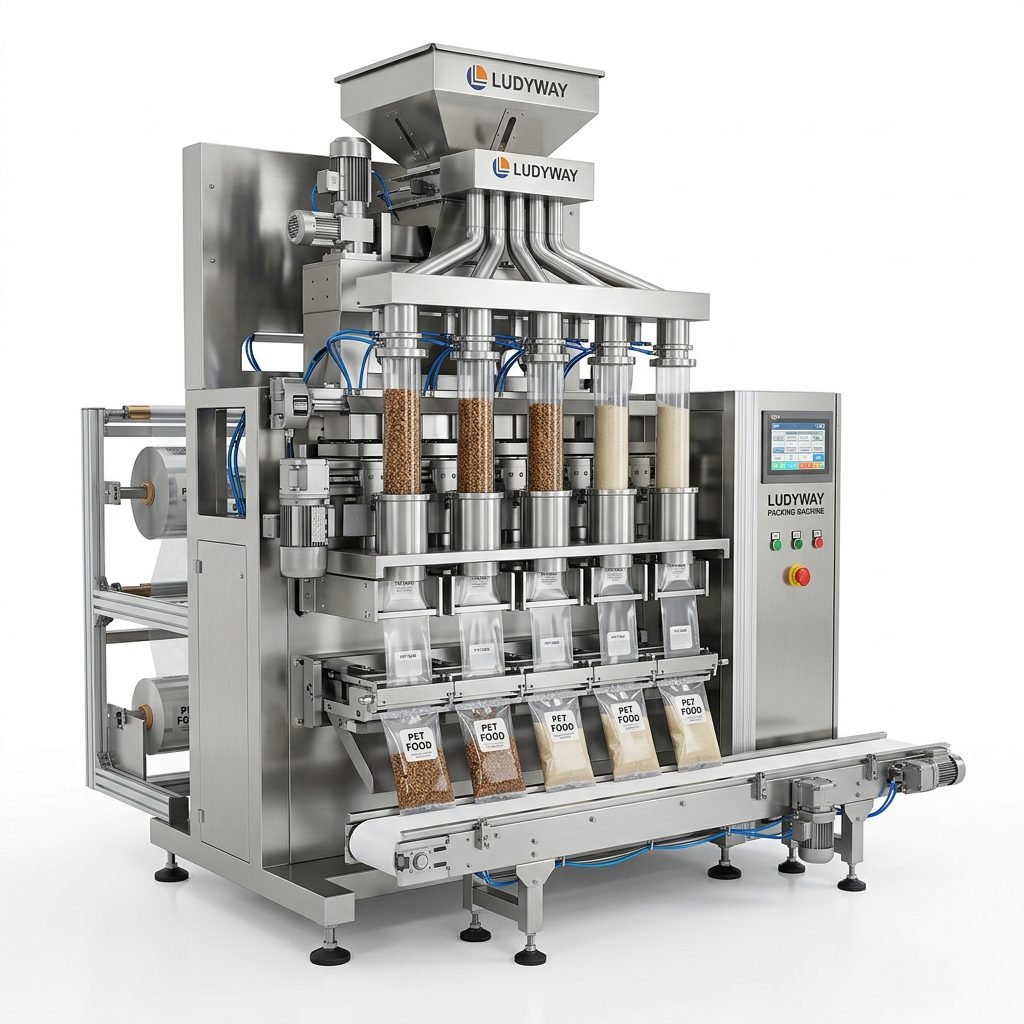
For producers targeting high-volume output, multi-lane pouch packaging systems are a game-changer. Instead of a single packaging lane, these machines operate multiple lanes simultaneously—such as 8-lane, 10-lane, or even 16-lane stick pack machines. This parallel processing dramatically increases output without proportionally increasing the machine’s footprint or energy consumption. They are particularly prevalent in packaging single-serve items like sugar, instant coffee, seasoning, and pharmaceutical powders, where speed and efficiency are critical to meeting large-scale demand.
Essential Features to Evaluate
Beyond the basic type, several features determine a machine’s capability, reliability, and suitability for your factory environment.
1. Filling System & Accuracy
The heart of any packaging machine is its filling system. The choice depends entirely on your product’s form.
- Volumetric Cup Fillers: Ideal for uniform granules and chunks (e.g., nuts, candy).
- Auger Fillers: The standard for fine powders, spices, and non-free-flowing products. Look for servo-driven augers for unparalleled precision.
- Liquid Piston Fillers: Used for sauces, oils, and creams, offering clean, drip-free filling.
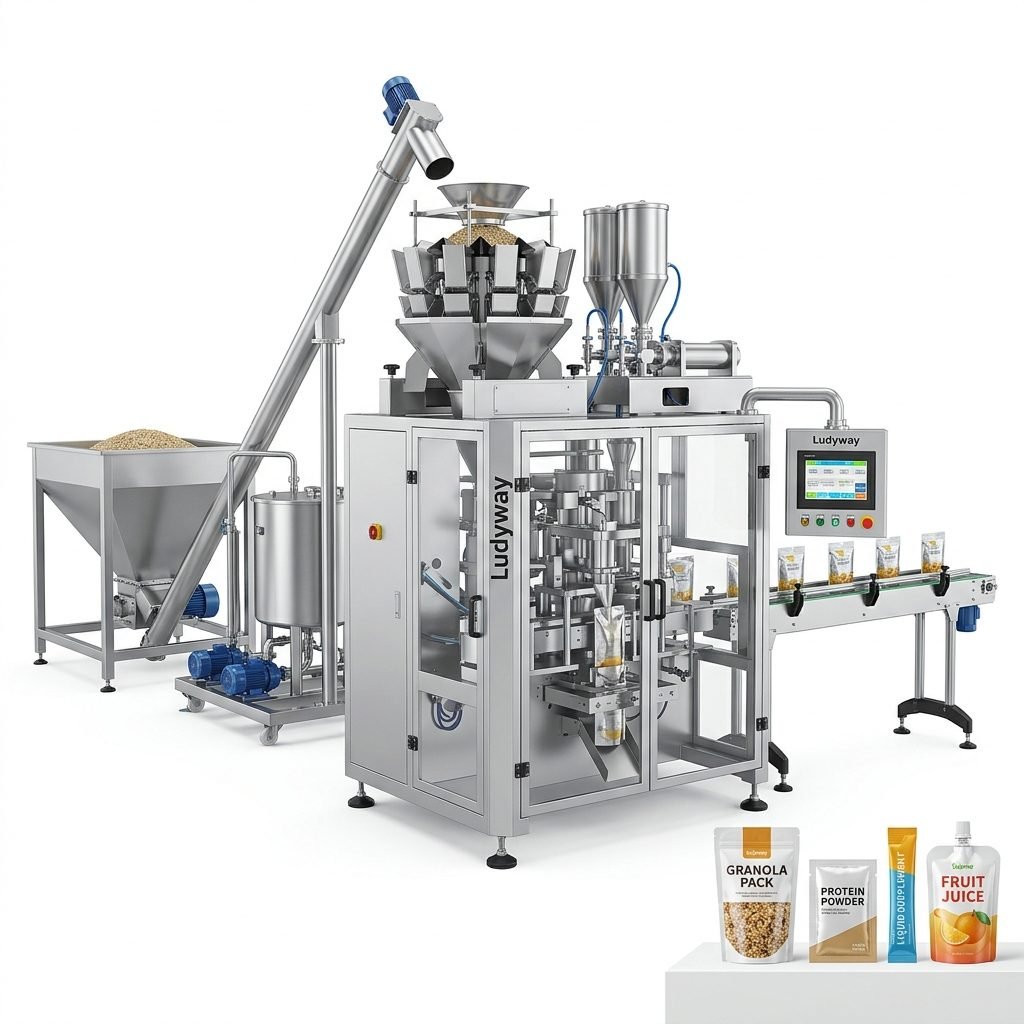
- Weighing Scales (Net Weighers): Provide the highest accuracy for valuable products, often used in combination with other fillers.
2. Sealing System
A strong, consistent seal is non-negotiable for product integrity. Common methods include:
- Heat Sealing (Constant or Impulse): The most common method, using heated jaws to melt the inner film layer.
- Cold Sealing: Uses pressure-sensitive adhesive films; no heat is applied, perfect for heat-sensitive products like chocolate.
Advanced machines offer seal integrity checkers to automatically reject pouches with weak seals.
3. Control System & Connectivity
Modern machines are driven by Programmable Logic Controllers (PLCs) and feature user-friendly Human-Machine Interface (HMI) touchscreens. Key aspects include:
- Recipe storage for quick changeovers.
- Production data tracking (output, downtime, efficiency).
- Diagnostic alerts and error messages.
- Potential for Industry 4.0 connectivity and integration with factory management systems.
4. Construction & Hygiene
Build quality dictates longevity. Look for robust frames and food-grade stainless steel (especially SS304 or SS316) in all product contact zones. Machines designed for easy cleaning (with rounded corners, quick-disassembly parts) reduce downtime and are essential for food and pharmaceutical applications.
How to Choose the Right Machine for Your Line
Making the right choice requires a systematic evaluation of your own needs against the machine’s capabilities.
Step 1: Analyze Your Product & Packaging
- Product Form: Is it a powder, granule, liquid, or solid? This dictates the filler type.
- Product Characteristics: Is it abrasive, oily, hygroscopic (absorbs moisture), or fragile?
- Pouch Specifications: Desired size, material (e.g., PET/AL/PE laminate), and style (stand-up, flat, spouted, zipper).
- Production Volume: Required pouches per minute (PPM). Be realistic about your current and future needs.
Step 2: Assess Your Production Environment
Consider your factory’s space, utilities, and labor.
- Footprint: Measure the available space, including access for maintenance.
- Utilities: Check requirements for power (voltage, phases), compressed air, and exhaust.
- Operator Skill Level: Choose a machine with complexity that matches your team’s ability to operate and maintain it.
Step 3: Evaluate Total Cost of Ownership (TCO)
Look beyond the initial purchase price. The true cost includes:
- Machine Price & Installation.
- Operating Costs: Energy consumption, compressed air usage.
- Maintenance & Spare Parts: Availability and cost of wear parts.
- Material Waste: A precise machine minimizes film and product giveaway.
- Downtime: A reliable machine from a reputable supplier like Ludyway Machinery minimizes costly production stops.
Step 4: Prioritize Supplier Support
The machine is only as good as the support behind it. A reliable supplier is crucial.
✔ Checklist for Supplier Evaluation:
- Does the supplier offer comprehensive training for your operators and technicians?
- What is the warranty period and what does it cover?
- Is there readily available technical support (phone, online, on-site)?
- Can they provide a list of references or case studies from similar industries?
- Do they offer turnkey solutions, helping with installation, integration, and commissioning?
Frequently Asked Questions (FAQs)
1. What is the main difference between VFFS and HFFS machines?
The core difference lies in the direction of film travel and pouch formation. VFFS machines form the pouch vertically around the product, making them ideal for free-flowing items and very high speeds. HFFS machines form the pouch horizontally and place the product inside, offering gentler handling and better suitability for delicate or pre-arranged products and complex pouch shapes.
2. How important is machine speed (pouches per minute) when choosing?
Speed is critical but must be balanced with accuracy and reliability. A machine that runs slightly slower but with near-perfect accuracy and minimal downtime will often be more productive and profitable than a faster machine that causes excessive waste or frequent stops. Always match the speed to your actual output requirements with some room for growth.
3. Can one machine handle different types of products?
Yes, many machines are designed for flexibility. However, switching between vastly different products (e.g., from fine powder to large granules) typically requires a change of the filling system (e.g., different auger or cups). The key is to look for a machine with quick-change features and easy-to-store recipes on the HMI to minimize changeover time.
4. What are the key maintenance requirements for a pouch packer?
Regular maintenance is essential. Daily tasks include cleaning product contact parts and checking for debris. Weekly tasks might involve lubricating moving parts (with food-grade lubricant if applicable) and checking seal jaw alignment. Periodic maintenance includes inspecting wear parts like augers, sealing jaws, and film pull belts, and replacing them as per the manufacturer’s schedule.
5. Why should I consider a supplier with industry-specific experience?
Packaging requirements differ greatly by sector. A supplier experienced in your industry (e.g., food, pharmaceuticals, chemicals) will understand the specific regulatory standards (like FDA, GMP), hygiene protocols, and common product challenges. They can recommend the right machine configurations, materials, and features to ensure compliance, safety, and optimal performance from day one.