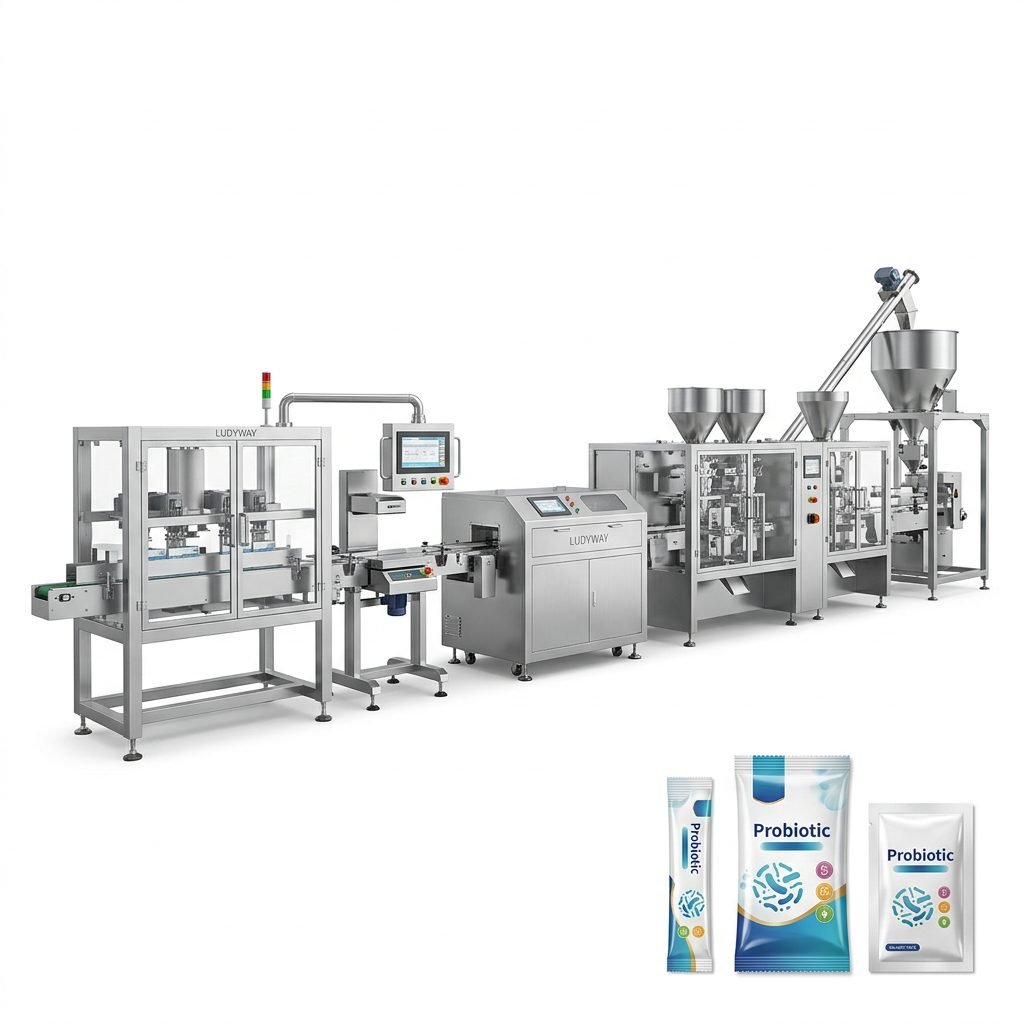
In today’s fast-paced manufacturing landscape, the ability to package products efficiently, reliably, and attractively is a critical competitive advantage. Advanced packaging machine technology lies at the heart of this capability, transforming raw materials into finished goods ready for the market. For manufacturers across sectors like food, pharmaceuticals, and health products, investing in the right packaging technology is not merely an operational decision but a strategic one that impacts productivity, cost, quality, and brand perception.
Core Types of Advanced Packaging Machinery
The world of packaging machinery is diverse, with specialized equipment designed for different product forms and production requirements. Understanding the main categories is the first step in selecting the optimal solution.
Vertical Form-Fill-Seal (VFFS) Machines
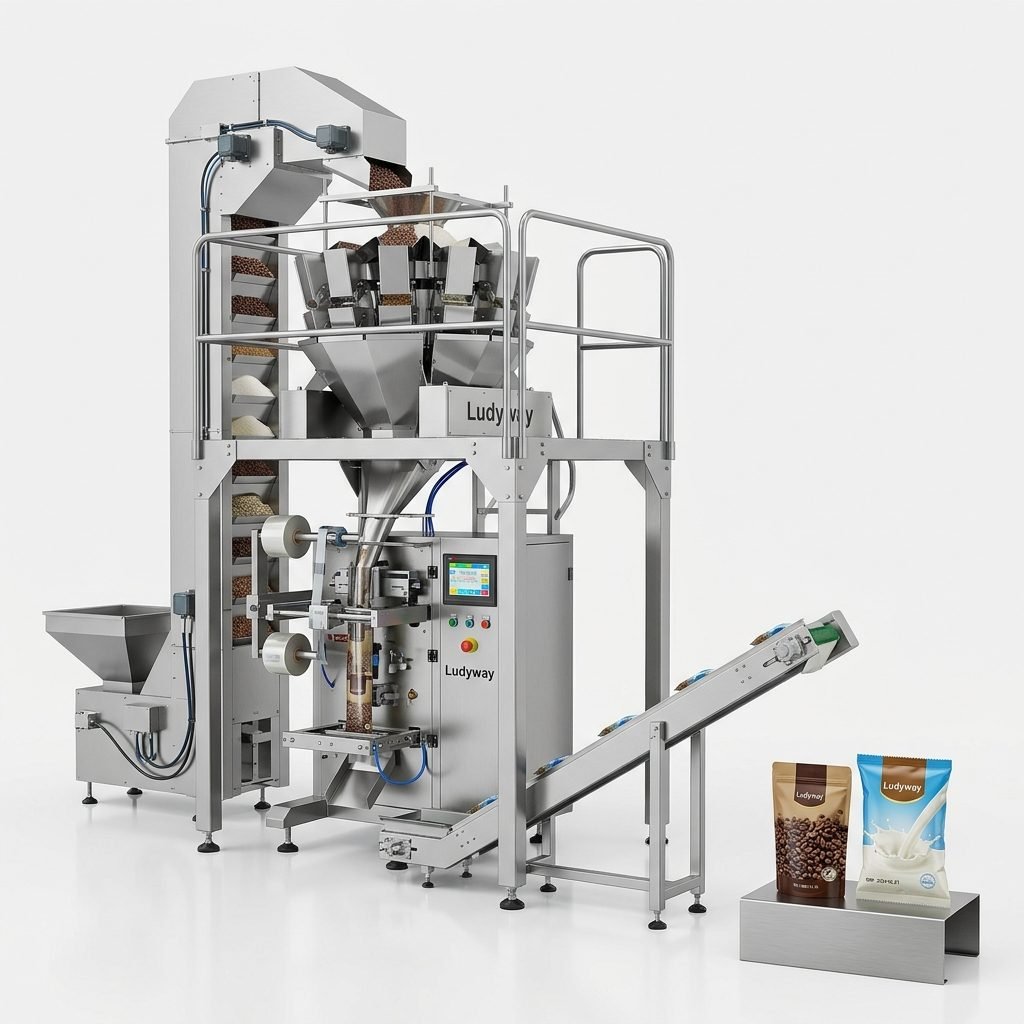
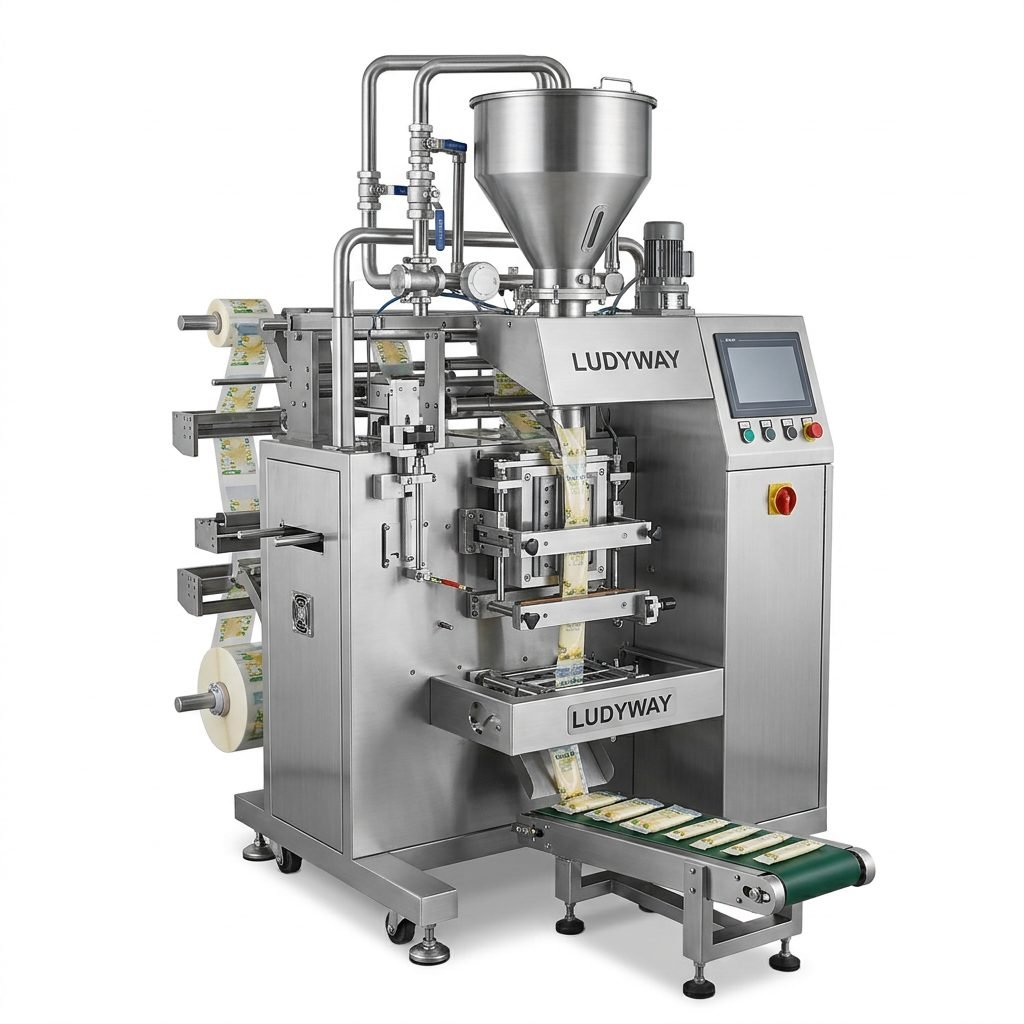
These are the workhorses of the packaging industry, particularly for granules, powders, and small solid items. VFFS machines form a bag from a roll of film, fill it with the product, and then seal it—all in a continuous vertical motion. They are renowned for their high speed and versatility in producing various bag styles like pillow packs, gusseted bags, or block-bottom bags.
Horizontal Form-Fill-Seal (HFFS) Machines
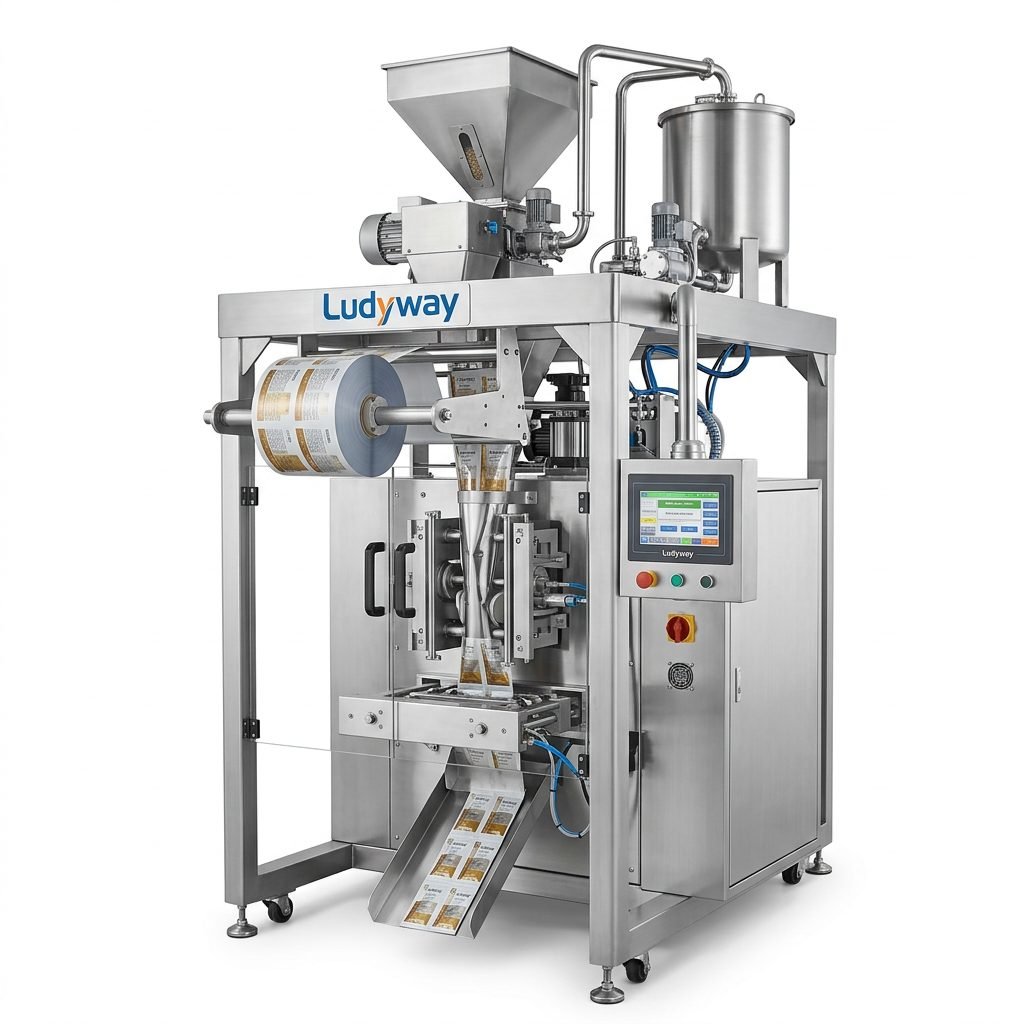
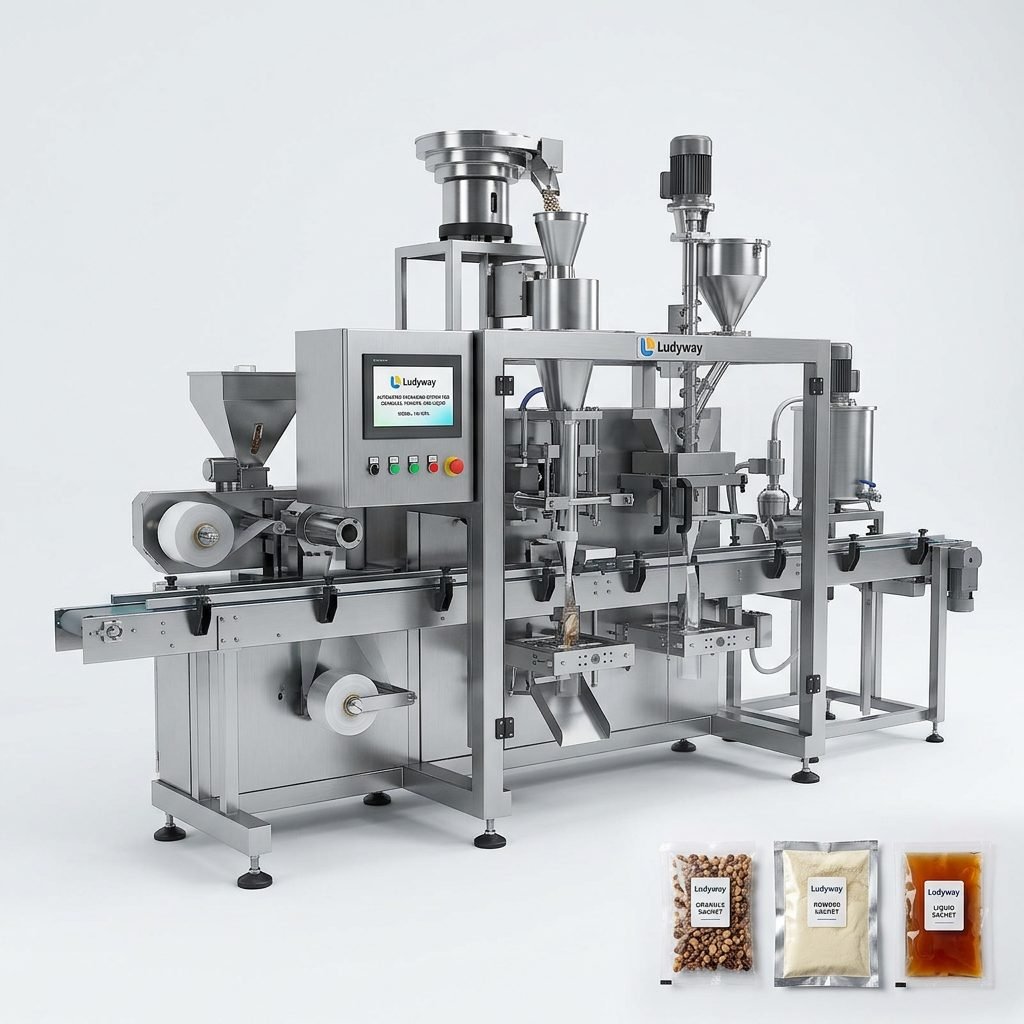
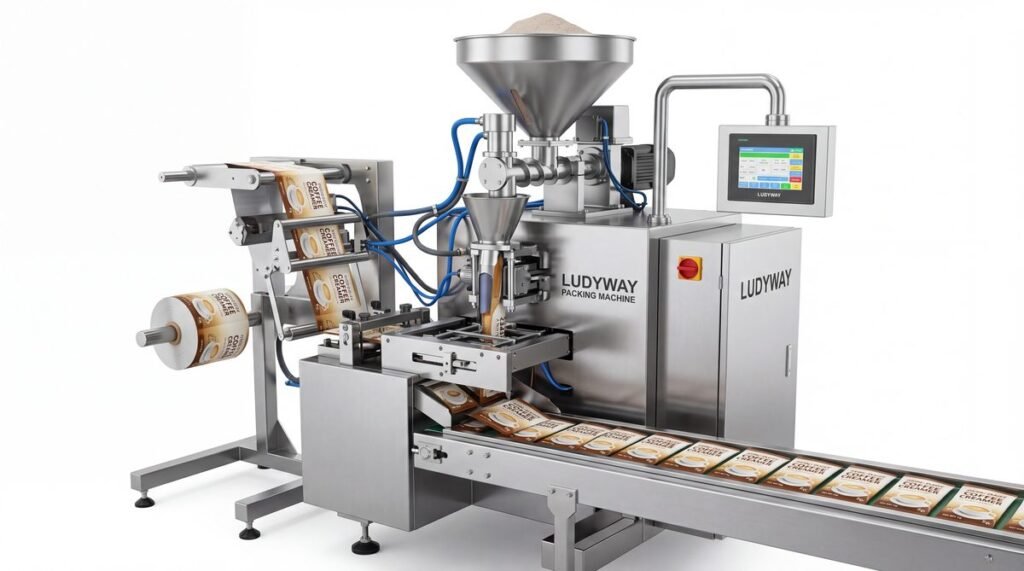
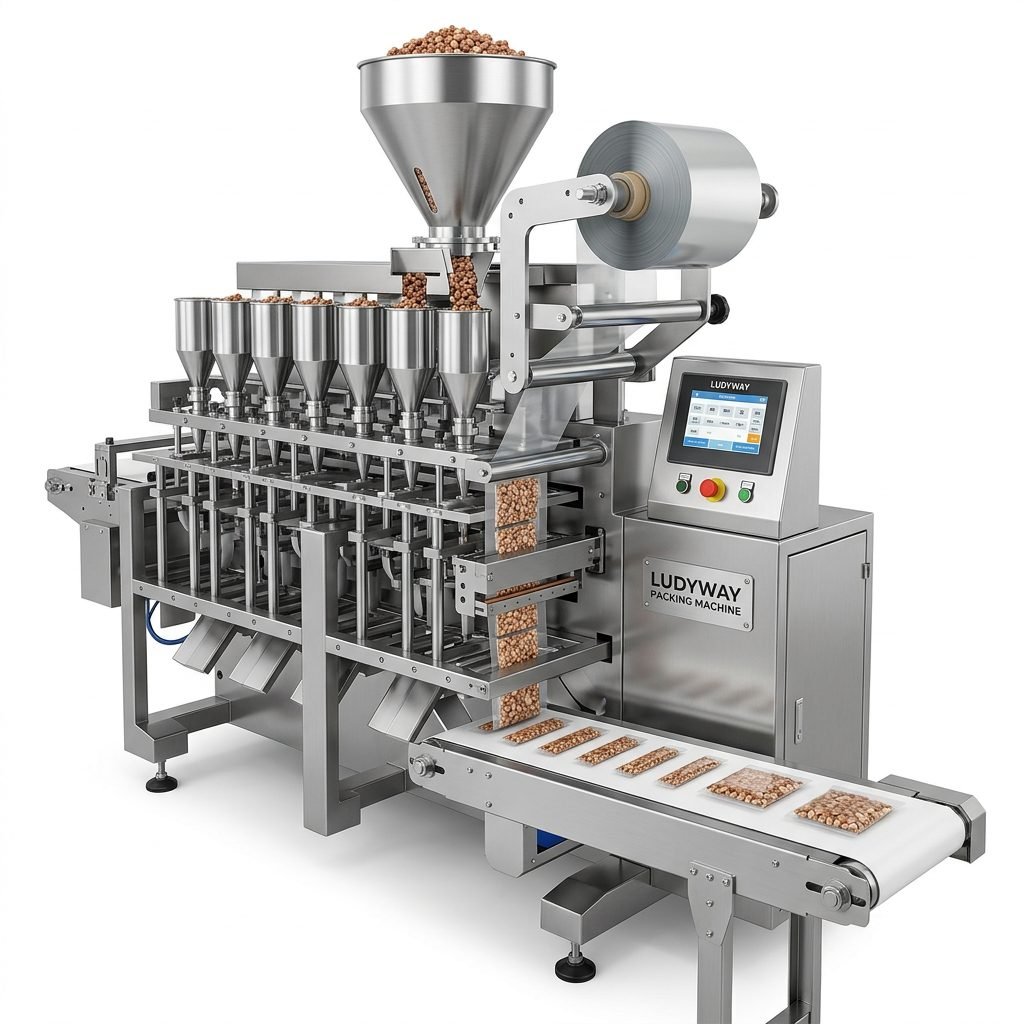
Ideal for bundling multiple items or creating multi-lane stick packs and sachets, HFFS machines operate on a horizontal plane. They are perfect for portion-controlled packaging of powders (like instant coffee or sugar), liquids (like sauce packets), or solid items. Their ability to run multiple lanes simultaneously makes them exceptionally productive for high-volume outputs.
Liquid & Paste Filling Machines
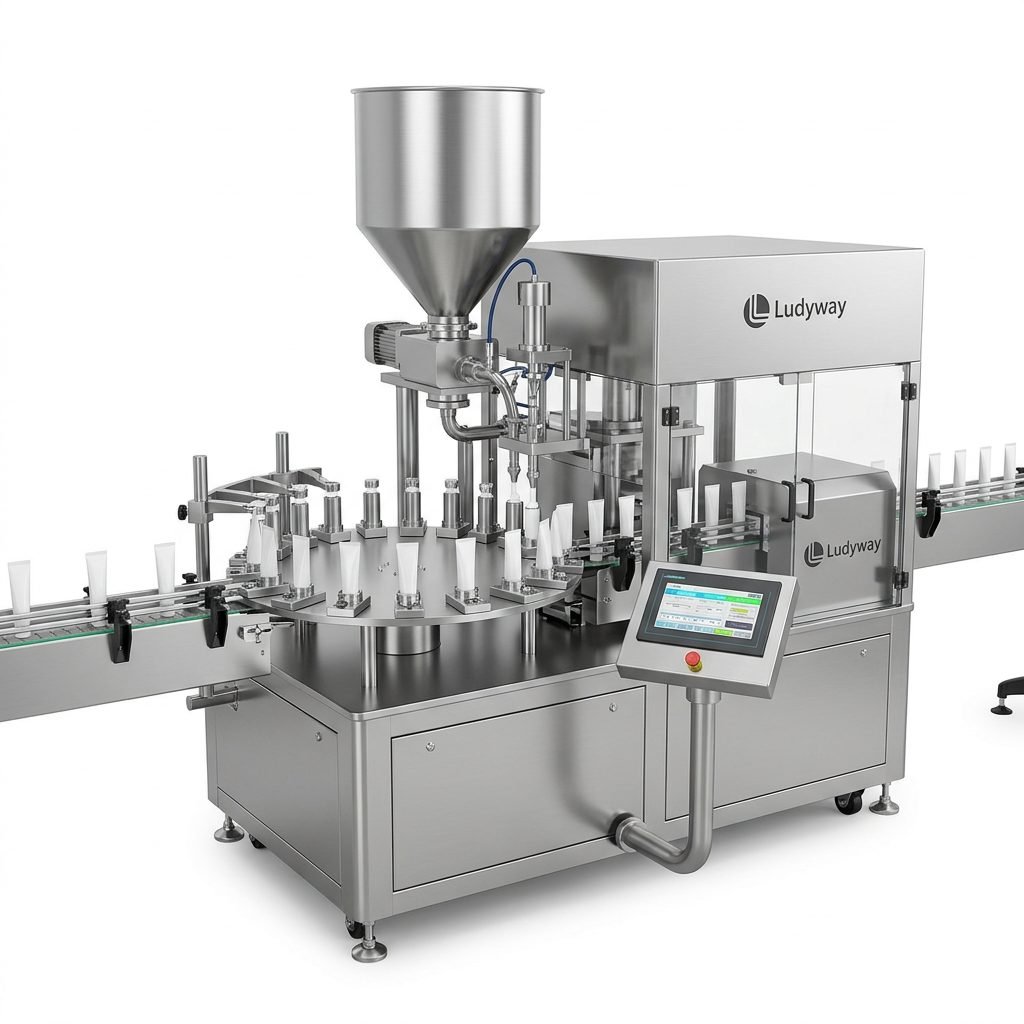
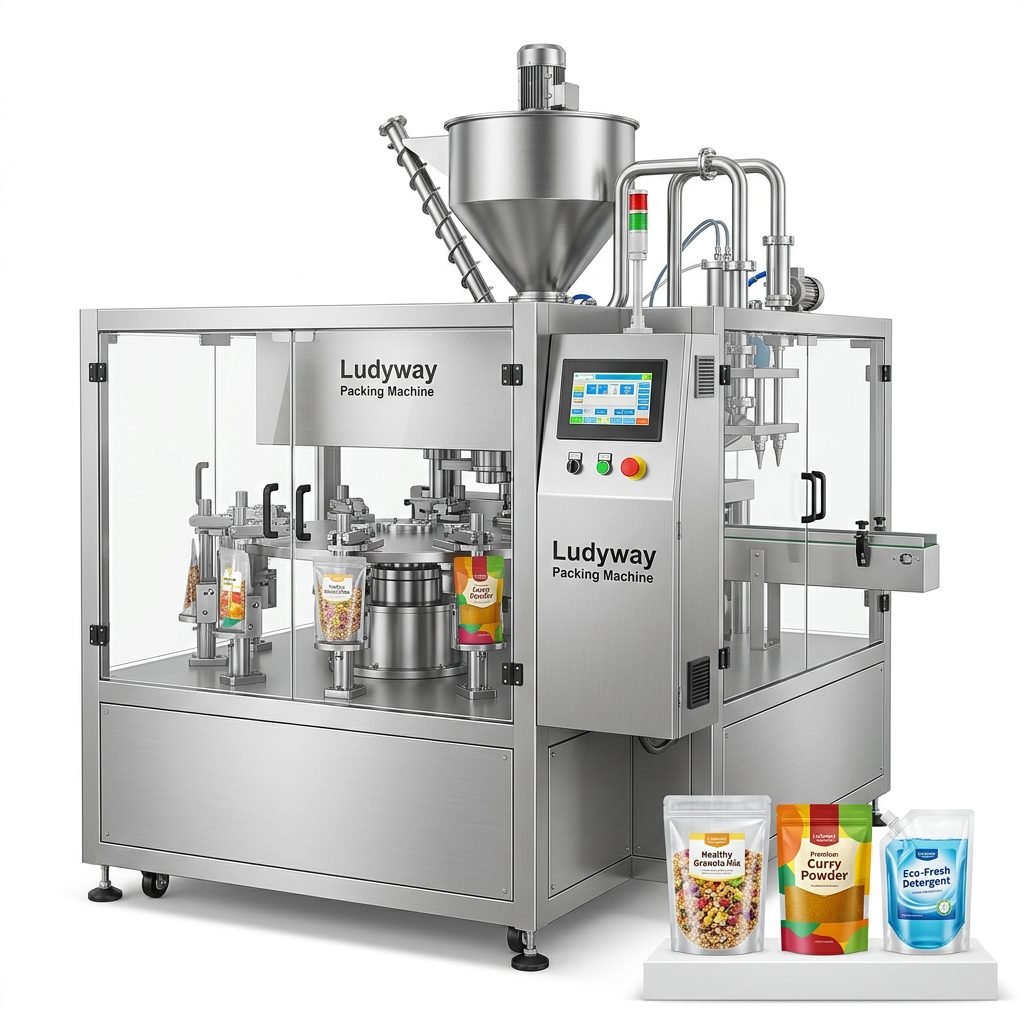
Designed to handle viscous products, these machines use precise pumping and volumetric or weight-based filling systems to ensure accurate dosage into bottles, pouches, or other containers. Technologies like piston fillers and peristaltic pumps are common, preventing spillage and maintaining product integrity.
Specialized Granule & Powder Packers
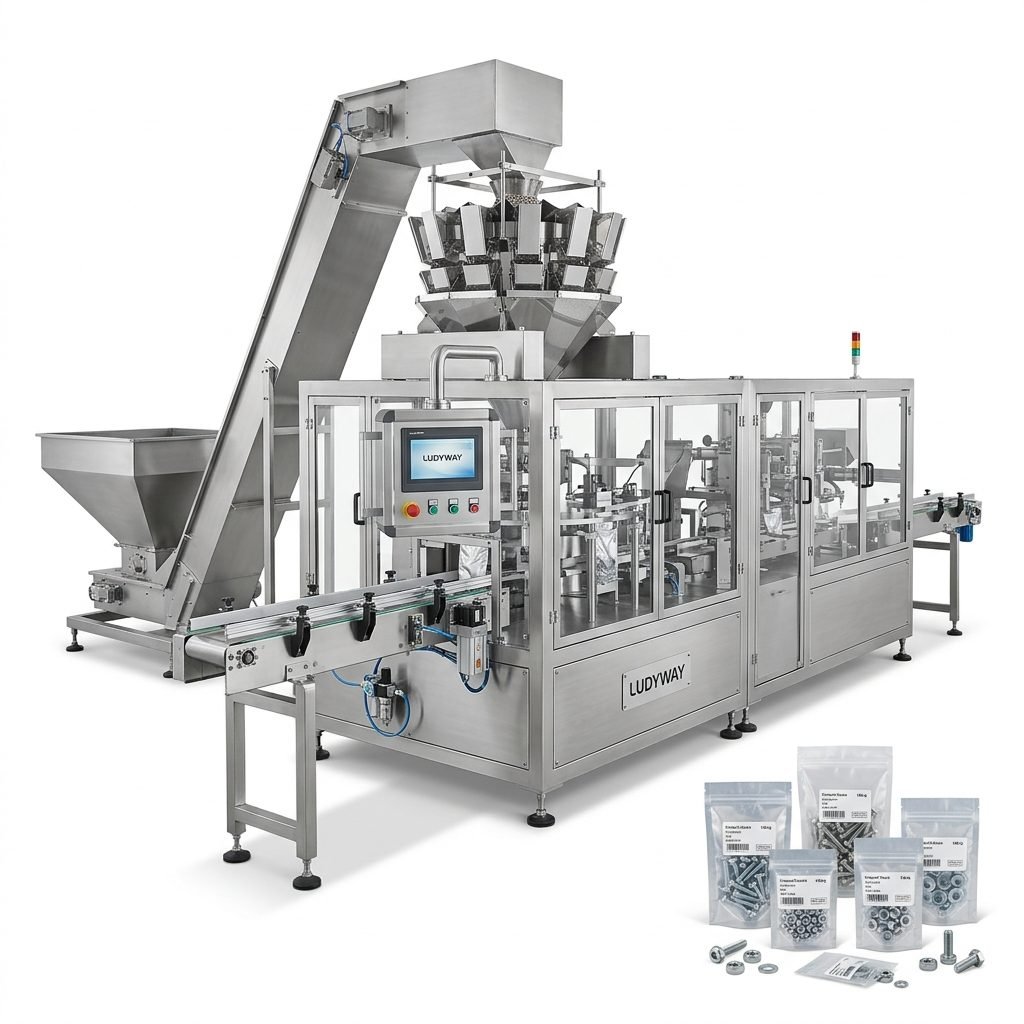
Beyond standard VFFS, specialized machines address the unique challenges of granular and powdered products, such as dust control, precise weighing with multi-head weighers, and maintaining consistent fill weights for products with varying densities.
Key Takeaway:
The choice of machine type is fundamentally driven by the physical state of your product (solid, granule, powder, liquid) and your desired packaging format (bag, sachet, stick pack, bottle). A thorough product analysis is essential before selection.
Working Principles: The Engine Behind Automation
While types vary, advanced packaging machines share common operational principles centered on automation, precision, and integration.
1. The Forming Process
Packaging film is drawn from a roll and shaped around a forming collar (in VFFS) or a forming shoulder (in HFFS). Precision engineering here ensures a consistent and perfectly shaped pouch or bag every cycle, which is crucial for both machine efficiency and final package appearance.
2. Precision Filling & Dosing
This is the critical stage where product meets package. Advanced systems utilize servo-driven augers, ultra-precise scales, or volumetric pumps to deliver the exact predetermined amount. Modern multi-head weighers can achieve astonishing speed and accuracy by combining weights from multiple buckets to hit the target weight perfectly.
3. Sealing Technology
A reliable seal is non-negotiable for product safety and shelf life. Machines employ heated jaws for thermal sealing of plastic films or ultrasonic sealing for more complex materials. Consistent temperature and pressure control are vital to create strong, hermetic seals that withstand transportation and handling.
4. Integrated Control & Feedback
The “brain” of the machine is a Programmable Logic Controller (PLC) or industrial PC. It synchronizes all movements, monitors sensors (for film tracking, product presence, temperature), and provides a user-friendly Human-Machine Interface (HMI) for operators to set parameters, track production data, and diagnose issues.
Key Benefits for Modern Manufacturers
Upgrading to advanced packaging technology delivers a compelling return on investment across multiple dimensions of manufacturing operations.
Dramatic Increase in Production Efficiency
Automated machines operate at speeds far beyond human capability, running 24/7 with minimal downtime. This translates directly into higher output volumes and the ability to meet large orders and tight deadlines consistently. The integration of automated feeding and cartoning systems creates a seamless, high-velocity production line.
Superior Product Quality & Consistency
Machines eliminate human error in filling and sealing. Every package has the exact same weight, the same seal integrity, and the same professional appearance. This consistency builds brand trust with consumers and reduces customer complaints related to underweight or damaged packages.
Significant Reduction in Material Waste & Labor Costs
Precision dosing means less product giveaway. Advanced film tracking and tension control minimize film waste. Furthermore, one automated machine can replace several manual packaging stations, leading to substantial savings on labor costs and allowing skilled workers to be redeployed to higher-value tasks.
Enhanced Flexibility & Quick Changeover
Modern machines are designed for change. With quick-release mechanisms and recipe storage on the HMI, switching between different products, bag sizes, or packaging materials can be achieved in minutes, not hours. This agility is crucial for manufacturers running short batches or a diverse product portfolio.
Improved Safety & Hygiene Compliance
Automated packaging minimizes direct human contact with the product, which is paramount in food and pharmaceutical industries. Enclosed systems prevent contamination, and machines can be built with easy-clean designs using stainless steel and sanitary fittings to meet stringent hygiene standards like GMP.
💡 The Strategic Advantage
Beyond operational metrics, advanced packaging technology offers a strategic edge. It enables manufacturers to innovate with new packaging formats, respond rapidly to market trends, and present products in a more premium and shelf-ready manner. This technological capability can be a key differentiator in competitive global markets.
For over a decade, brands like Ludyway Packing Machine have been at the forefront of delivering these technological advantages. With a foundation built on over 30 years of collective industry experience, the focus has always been on providing reliable and intelligent packaging solutions. From a specialized engineering start-up, the evolution into a provider of more than 50 machine models—including sophisticated multi-lane systems—demonstrates a deep understanding of the efficiency and flexibility modern manufacturers require. This journey underscores a commitment to partnering with clients worldwide, offering not just machines but complete turnkey production solutions tailored to specific needs, ensuring they can fully leverage the benefits of advanced packaging technology.
Frequently Asked Questions (FAQs)
1. What is the most important factor when choosing a packaging machine?
The most critical factor is a thorough analysis of your specific product characteristics (size, shape, density, flowability) and your production requirements (output speed, bag size range, changeover frequency). The machine must be engineered to handle your product reliably before any other feature is considered.
2. How can I ensure my packaging line is hygienic and easy to clean?
Opt for machines with a sanitary design: stainless steel construction, rounded corners, minimal crevices, and quick-disconnect parts. Features like tool-less access panels and Clean-in-Place (CIP) capabilities for liquid fillers are significant advantages for industries with strict hygiene protocols.
3. What kind of maintenance do advanced packaging machines require?
Regular preventive maintenance is key. This typically includes daily cleaning, lubrication of moving parts as per the manual, inspection of sealing jaws and cutting blades, and calibration of weighing systems. Choosing a supplier that offers comprehensive training and after-sales support is crucial for maintaining optimal machine performance and longevity.
4. Can one machine handle multiple different packaging materials?
Many advanced machines offer good material flexibility, but there are limits. The key components affected are the film feeding system and the sealing jaws. A machine might handle various polyethylene-based films well but require adjustments or different jaw types for complex laminates or paper composites. Discuss your material range with your supplier during the selection process.
5. What is the typical lead time for a new packaging machine installation?
Lead times vary based on machine complexity and customization. For standard models, it can range from a few weeks to several months. For fully customized turnkey lines, the timeline extends further for design, manufacturing, factory testing, and installation. Clear communication about your project timeline with your equipment provider from the outset is essential.