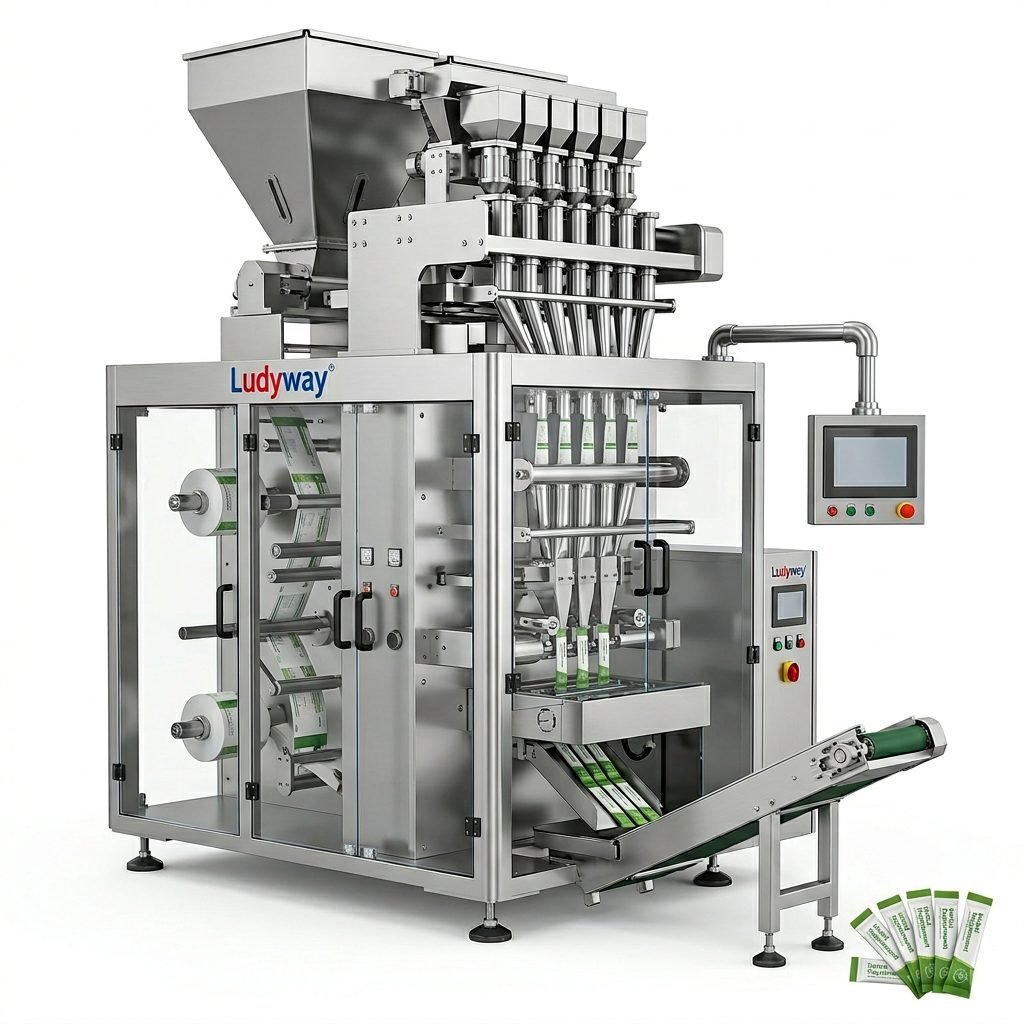
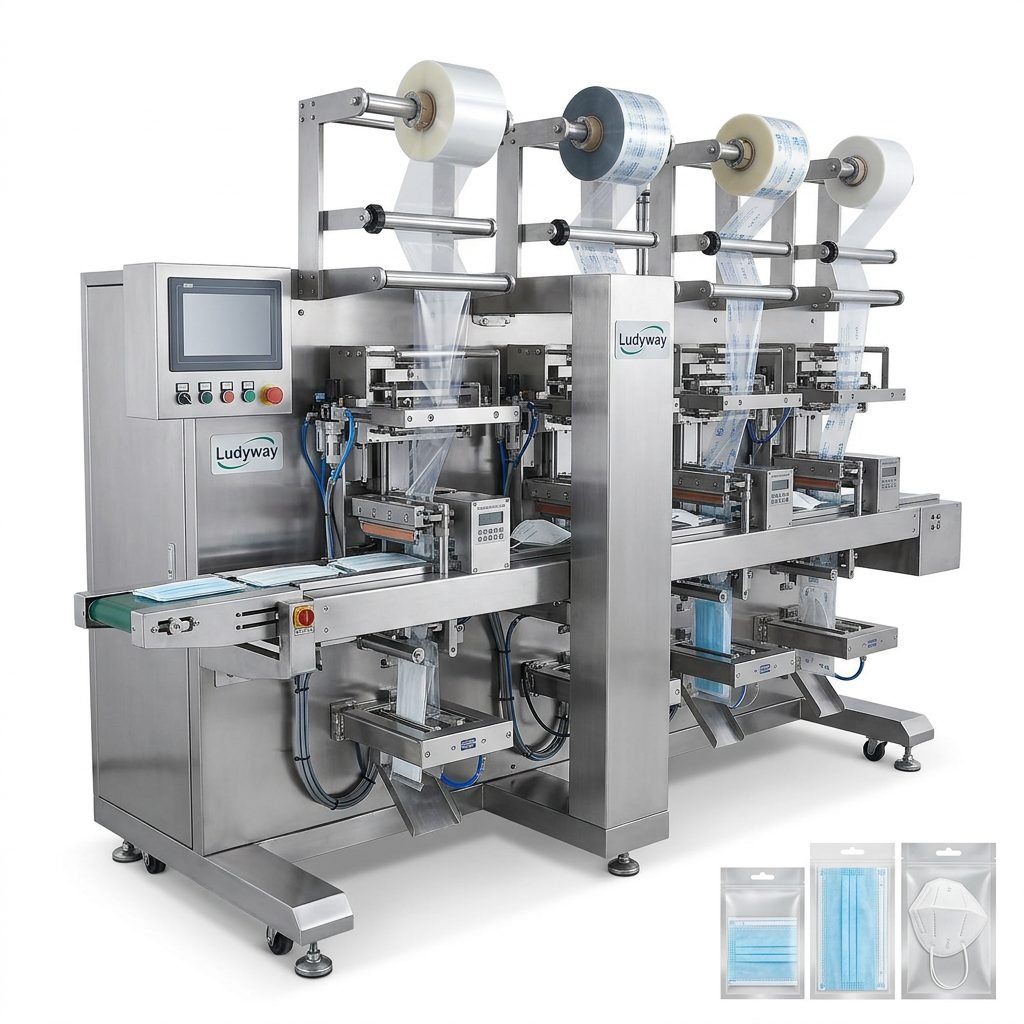
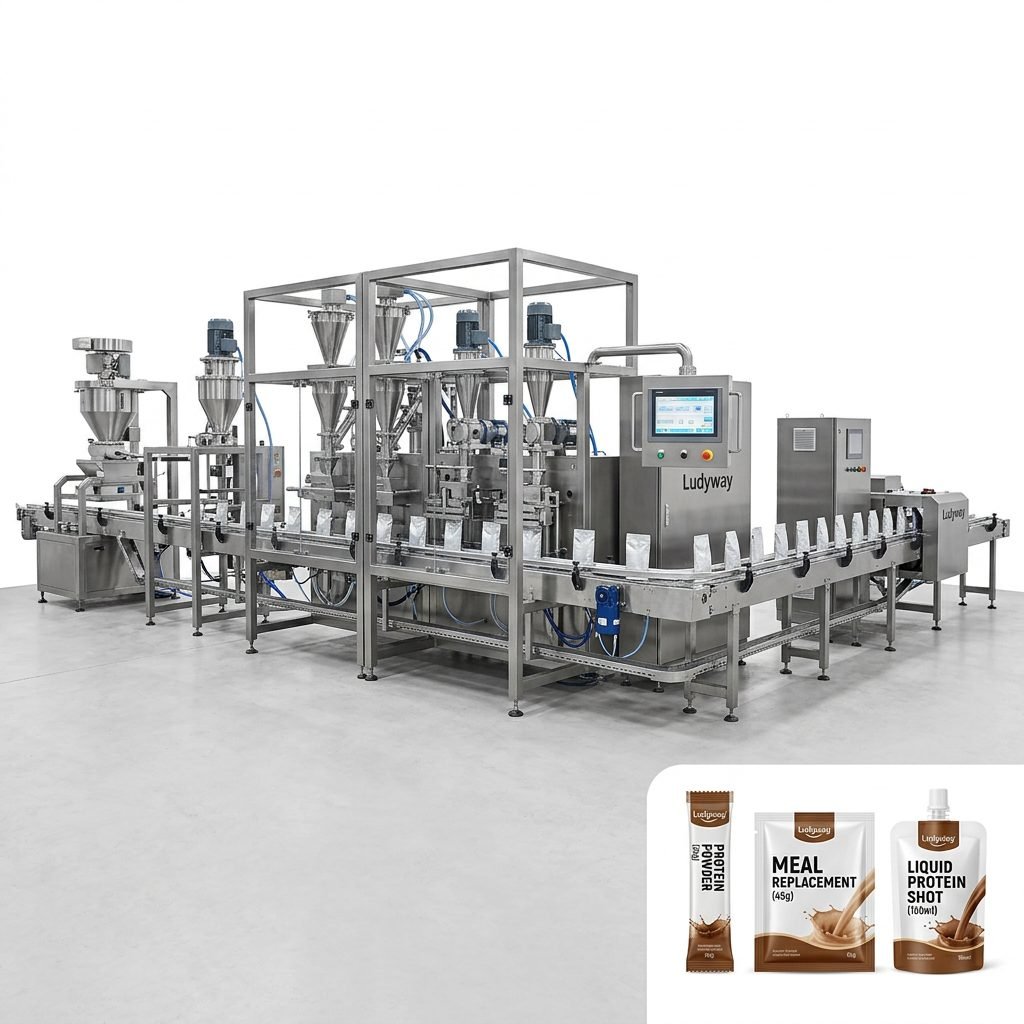
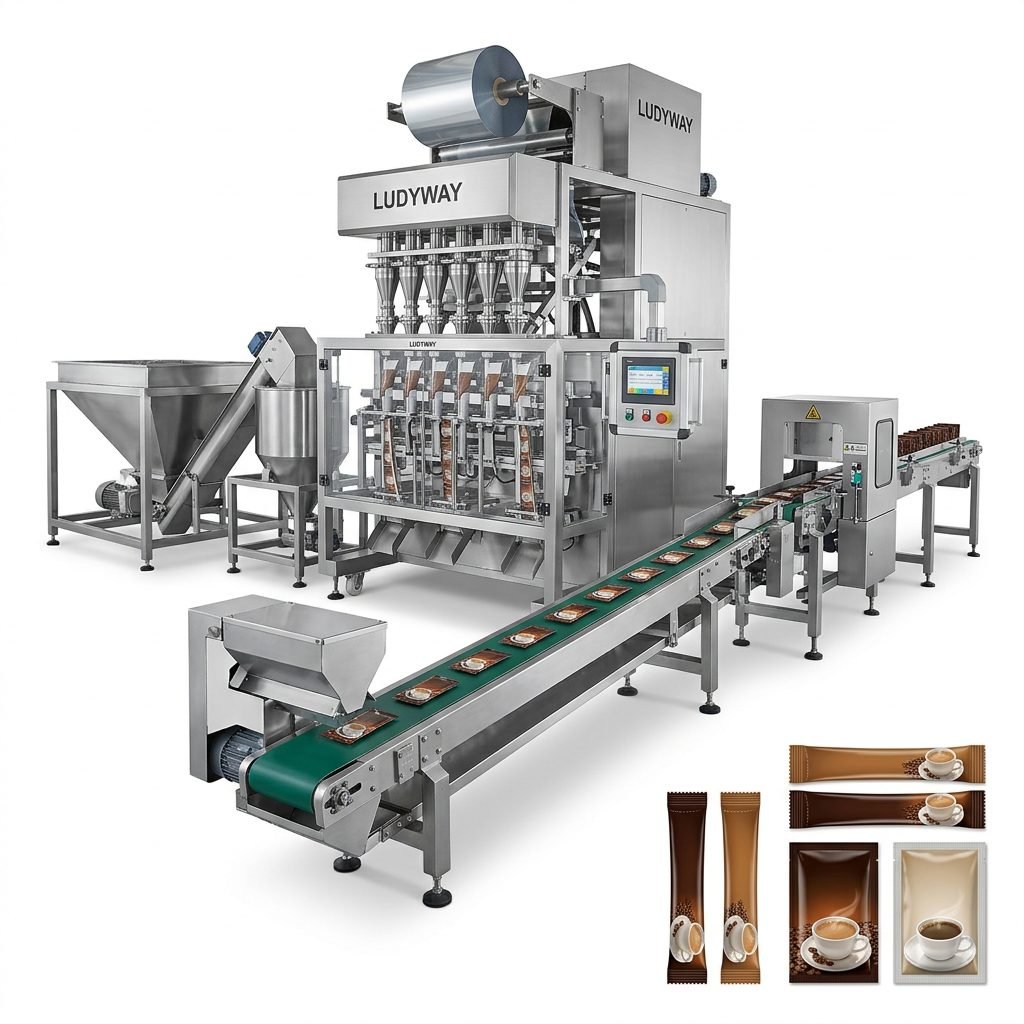
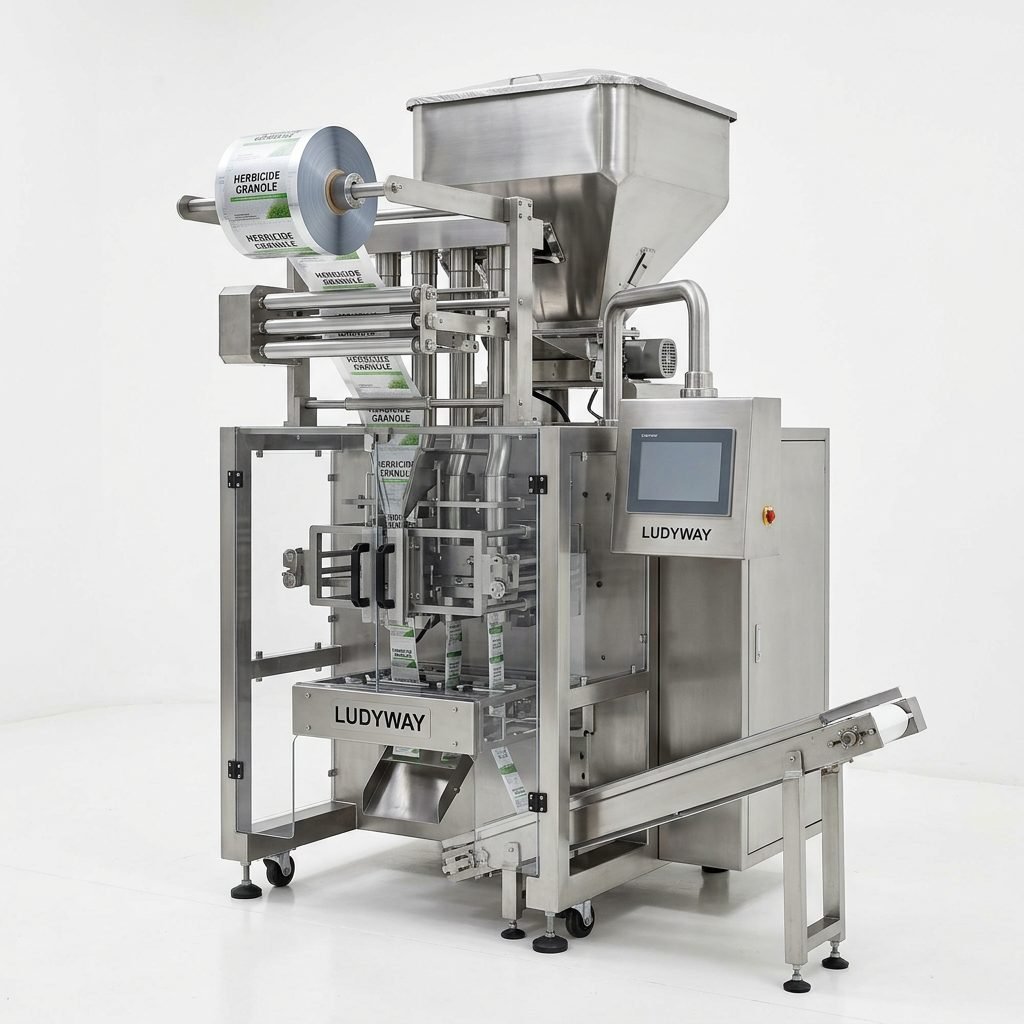
Selecting the right popsicle packaging machine is a critical decision for any frozen treat manufacturer. The efficiency, reliability, and output of your packaging line directly impact product quality, shelf appeal, and overall profitability. This comprehensive guide explores the various types of popsicle packaging machines, their key features, and essential buying tips to help you make an informed investment.
Understanding Popsicle Packaging Machine Types
The first step in choosing equipment is understanding the different machine configurations available. Each type serves a specific production scale and packaging style.
Manual and Semi-Automatic Wrappers
Ideal for small-scale producers or startups, these machines require some operator involvement. A semi-automatic machine might automatically wrap the popsicle once it is placed on the feed, while a manual unit may need the operator to initiate each cycle. They are a cost-effective entry point but have lower output speeds.
Fully Automatic Flow Wrapping Machines
This is the most common type for medium to large-scale production. Products are fed automatically onto a continuous film web, which is then formed around the popsicle, sealed, and cut. They offer high speeds, consistent seals, and can handle various wrap styles like fin seals or lap seals.
Shrink Wrapping Systems
These systems use a loose sleeve of film that is applied to the popsicle and then passed through a heat tunnel, causing the film to shrink tightly around the product. This method provides a snug, tamper-evident, and glossy finish that enhances visual appeal. They are perfect for multi-packs or bundling individual popsicles together.
Cartoning and Multi-Pack Machines
For brands selling boxes or multi-packs, dedicated cartoning machines automatically erect paperboard cartons, insert the individually wrapped popsicles, and close the box. This adds a significant level of automation for finished retail-ready packaging.
Key Features and Technological Considerations
Beyond the basic type, several features define a machine’s capability, flexibility, and longevity. Prioritizing these based on your needs is crucial.
Production Speed and Capacity
Measured in packs per minute (PPM), speed must align with your current and future output goals. A machine rated for 200 PPM may be overkill for a small operation but essential for a large one. Consider machines with adjustable speed controls for flexibility.
Packaging Material Compatibility
Can the machine handle your chosen film? Whether it’s polypropylene, polyethylene, or biodegradable films, the sealing jaws and film feed system must be compatible. Versatile machines that can run multiple materials offer greater adaptability to market trends and material costs.
Sealing System and Integrity
The heart of the wrapper is its sealing mechanism. Look for robust, temperature-controlled sealing jaws that ensure consistent, strong, and airtight seals even at high speeds. Poor seals lead to freezer burn and product waste.
Changeover Flexibility and Quick Adjustments
If you produce popsicles of different sizes, shapes, or packaging designs, quick changeover is vital. Machines with tool-less adjustments, digital size change memory, and easy-access parts drastically reduce downtime between production runs.
Hygienic Design and Cleanability
Food safety is paramount. Machines should be constructed with stainless steel contact parts, have smooth surfaces without crevices, and allow for easy disassembly for cleaning and sanitation. IP-rated protection for electrical components is a plus for washdown environments.
Automation and Integration Level
Modern machines offer PLC controls with touchscreen HMIs for intuitive operation. Features like automatic film splicing, fault diagnostics, production counters, and connectivity for Industry 4.0 data integration enhance efficiency and provide valuable operational insights.
Essential Buying Tips for Your Investment
Purchasing a packaging machine is a significant capital expenditure. Follow these practical tips to ensure you select the best partner and equipment for your business.
1. Conduct a Thorough Needs Analysis
Before speaking with suppliers, document your exact requirements: current and projected production volumes, product dimensions and variants, packaging materials, available factory space (footprint), and required certifications (e.g., CE, FDA).
2. Prioritize Reliability and After-Sales Support
A machine is only as good as the support behind it. Research the manufacturer’s reputation. A supplier like Ludyway Machinery, with decades of industry experience, often provides more reliable machinery and comprehensive support. Inquire about warranty terms, availability of spare parts, and the responsiveness of their technical service team.
3. Request a Live Product Test (Factory Acceptance Test)
Never buy based on specifications alone. Insist on running your actual product (or a close sample) and packaging material on the machine at the supplier’s facility. This test reveals the true performance, seal quality, and any potential handling issues.
4. Evaluate Total Cost of Ownership (TCO)
Look beyond the initial purchase price. Consider energy consumption, required maintenance, cost and lead time for spare parts, and potential costs associated with downtime. A slightly more expensive but robust and efficient machine often has a lower TCO.
5. Consider Future-Proofing and Scalability
Choose a machine that can grow with your business. Can it be upgraded or integrated into a full automated production line later? Opting for a modular design or a supplier with a broad equipment range ensures you can easily expand your capacity in the future.
6. Verify Compliance and Safety Standards
Ensure the equipment meets all relevant safety (CE, UL) and food contact material regulations for your target markets. This is non-negotiable for legal operation and market access.
Frequently Asked Questions (FAQs)
What is the typical output speed of an automatic popsicle wrapper?
Speeds vary widely by model. Entry-level automatic machines may run at 80-150 packs per minute (PPM), while high-performance models can achieve 250-400 PPM or more for simple formats. The required speed depends entirely on your production volume.
Can one machine handle different popsicle sizes and shapes?
Yes, many modern machines are designed for quick changeover. Look for models with adjustable forming boxes, sealing jaws, and feed systems that can be altered without specialized tools, allowing you to switch between different product formats in minutes.
What is the difference between flow wrap and shrink wrap for popsicles?
Flow wrapping creates a tight, sealed package directly around each popsicle using a roll film. Shrink wrapping applies a loose bag or sleeve that then shrinks tightly under heat. Flow wrap is generally faster and more common for single units, while shrink wrap offers a premium look and is excellent for bundling multi-packs.
How important is after-sales service when purchasing?
Extremely important. Reliable technical support, readily available spare parts, and comprehensive operator training are critical for minimizing downtime and ensuring long-term machine productivity. A supplier’s service commitment is as valuable as the machine itself.
Are there machines suitable for eco-friendly or biodegradable packaging films?
Yes, but you must specify this requirement upfront. Some sealing systems and temperature profiles are better suited for bio-based or compostable films. Reputable suppliers can recommend and test machines configured to run these specialized materials effectively.