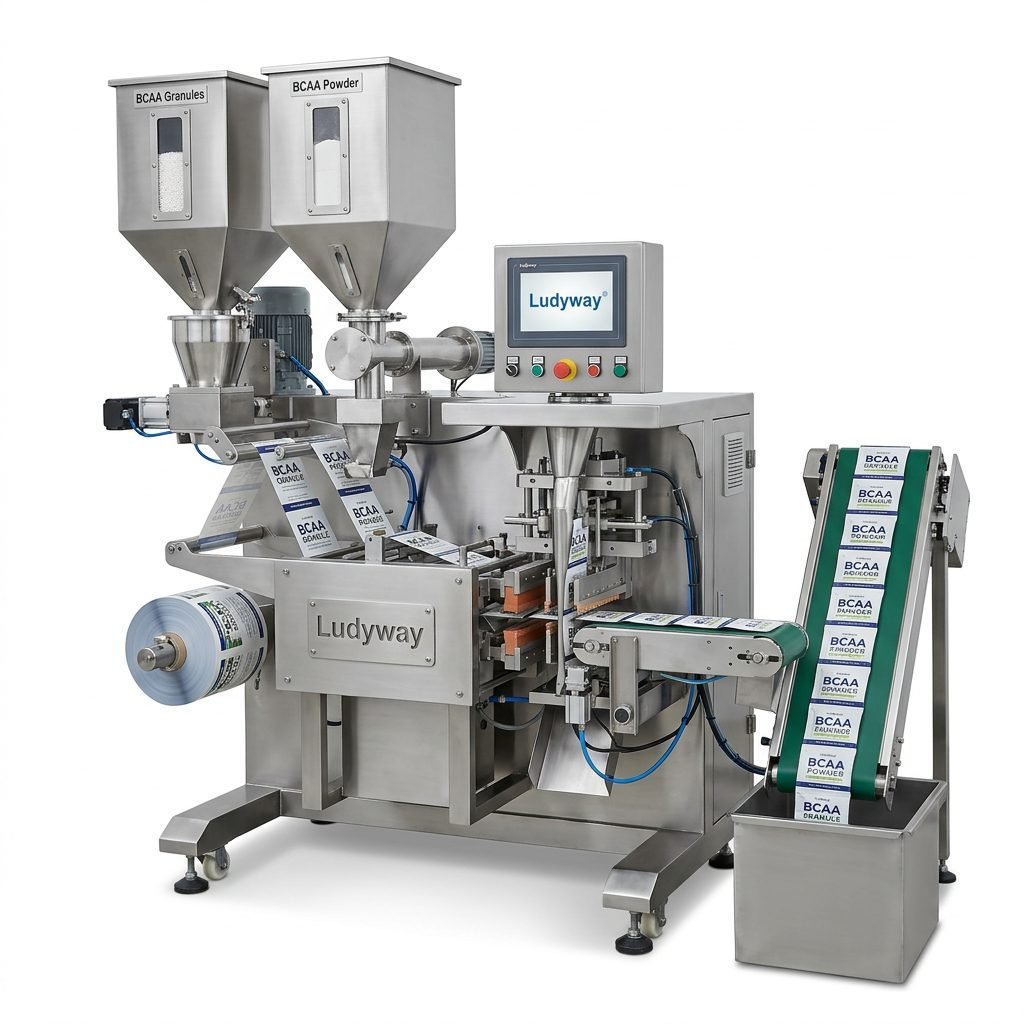
The packaging industry is undergoing a transformative shift, driven by the relentless pursuit of efficiency, sustainability, and intelligence in automated production. As consumer demands evolve and global supply chains become more complex, manufacturers are increasingly turning to advanced machinery to stay competitive. This article explores the key trends and technologies that are defining the future of packaging automation, offering a glimpse into the next generation of production lines.
The Rise of Smart and Connected Packaging Lines
Modern packaging is no longer just about sealing a product. It’s about creating an intelligent, data-driven ecosystem. The integration of Industrial Internet of Things (IIoT) sensors and cloud computing allows machines to communicate in real-time. This connectivity enables predictive maintenance, where equipment can alert operators to potential failures before they cause downtime, significantly boosting Overall Equipment Effectiveness (OEE).
Furthermore, this data stream provides unparalleled visibility into production metrics like speed, waste, and energy consumption. Managers can optimize processes remotely, making adjustments to improve throughput and reduce costs. This trend towards smart factories is making packaging lines more adaptive, resilient, and efficient than ever before.
Artificial Intelligence and Machine Vision Take Center Stage
Artificial Intelligence (AI) is moving from a buzzword to a critical component on the factory floor. In packaging, AI-powered machine vision systems are revolutionizing quality control. These systems can inspect products at incredibly high speeds, identifying defects—such as incorrect labeling, seal integrity issues, or product misplacement—with superhuman accuracy.
→ Key Impact: Beyond inspection, AI algorithms are being used for predictive quality analysis, learning from production data to prevent defects before they occur. This not only ensures consistent product quality but also drastically reduces material waste and costly recalls.
The application extends to robotic guidance, where AI helps robots handle variable package shapes and sizes with delicate precision, enabling true flexible automation for mixed-SKU production runs.
Sustainability-Driven Innovation in Machinery Design
Environmental responsibility is a powerful market force, and packaging machinery is adapting. A major trend is the development of equipment designed to handle mono-materials and recyclable substrates. Advanced form-fill-seal (FFS) machines are now engineered to run efficiently with these newer, sometimes more challenging, sustainable films.
Additionally, technology is focusing on source reduction. This includes:
• Precision dosing systems that minimize product giveaway.
• Right-weighting technology to use the minimal amount of packaging material required for protection.
• Machines that facilitate easy switchovers to reusable containers or compostable pouches.
These innovations help brands meet their ESG (Environmental, Social, and Governance) goals while appealing to eco-conscious consumers.
Flexibility and Modularity for Agile Production
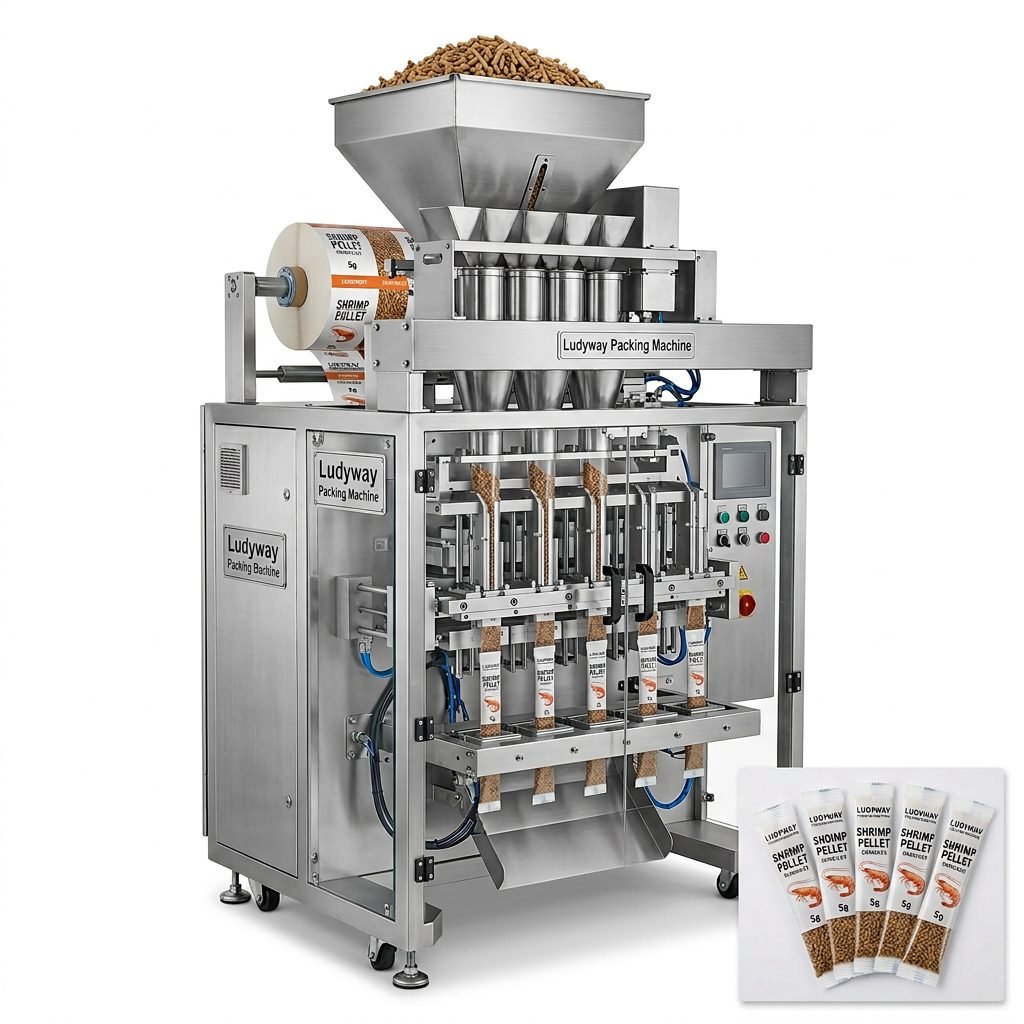
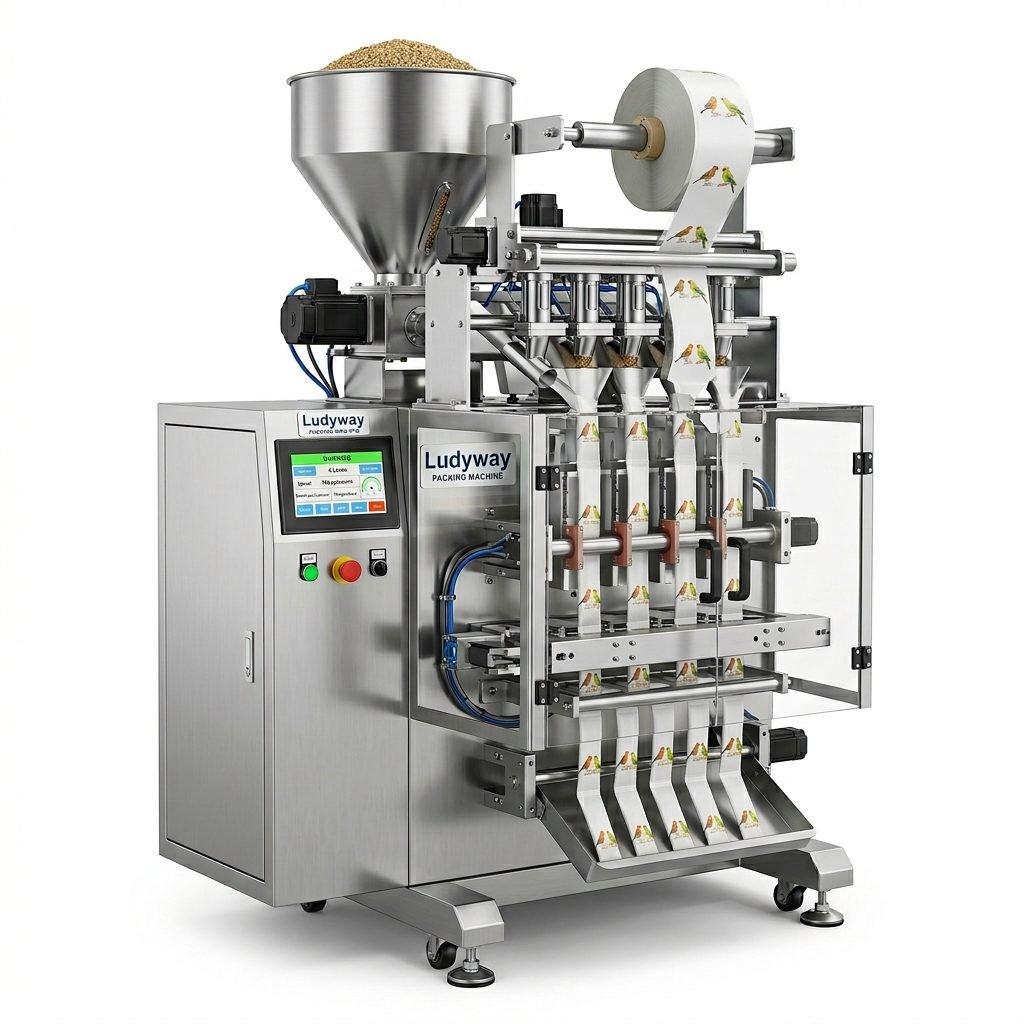
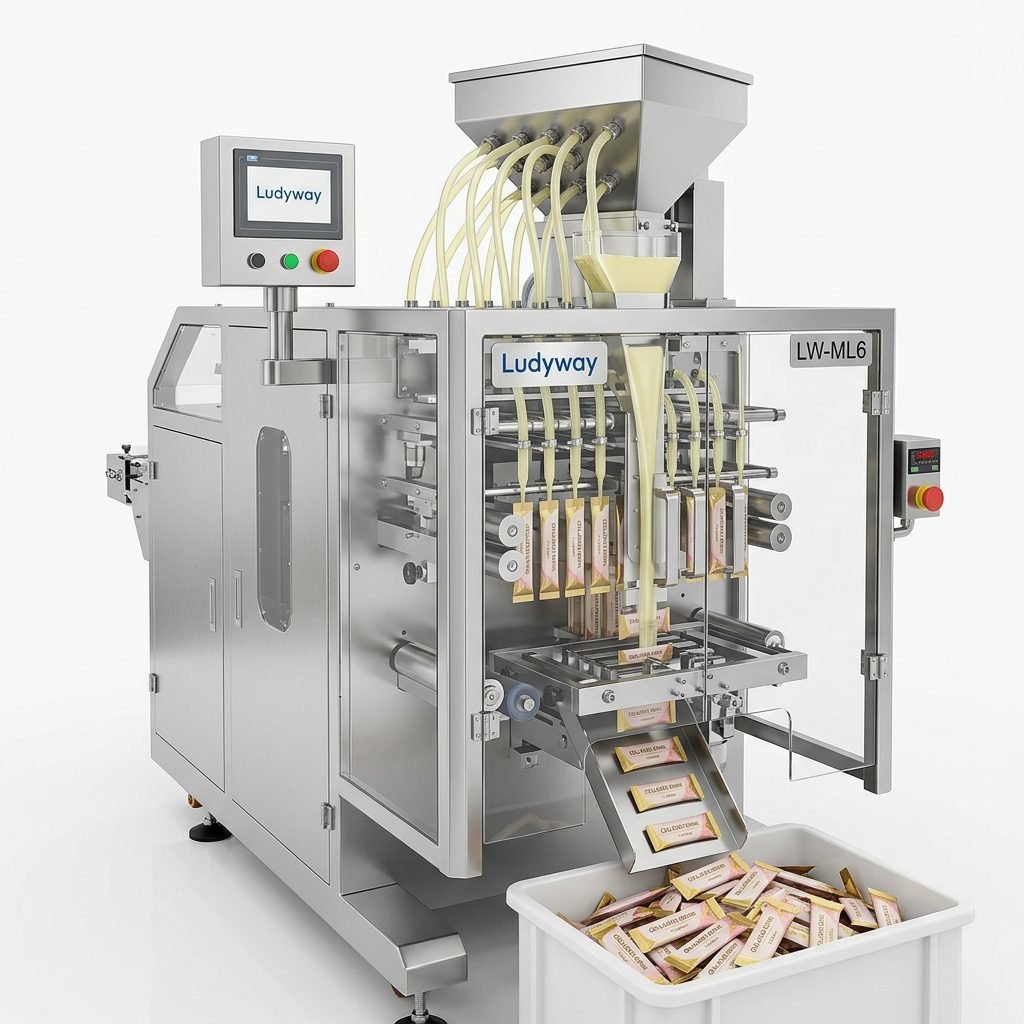
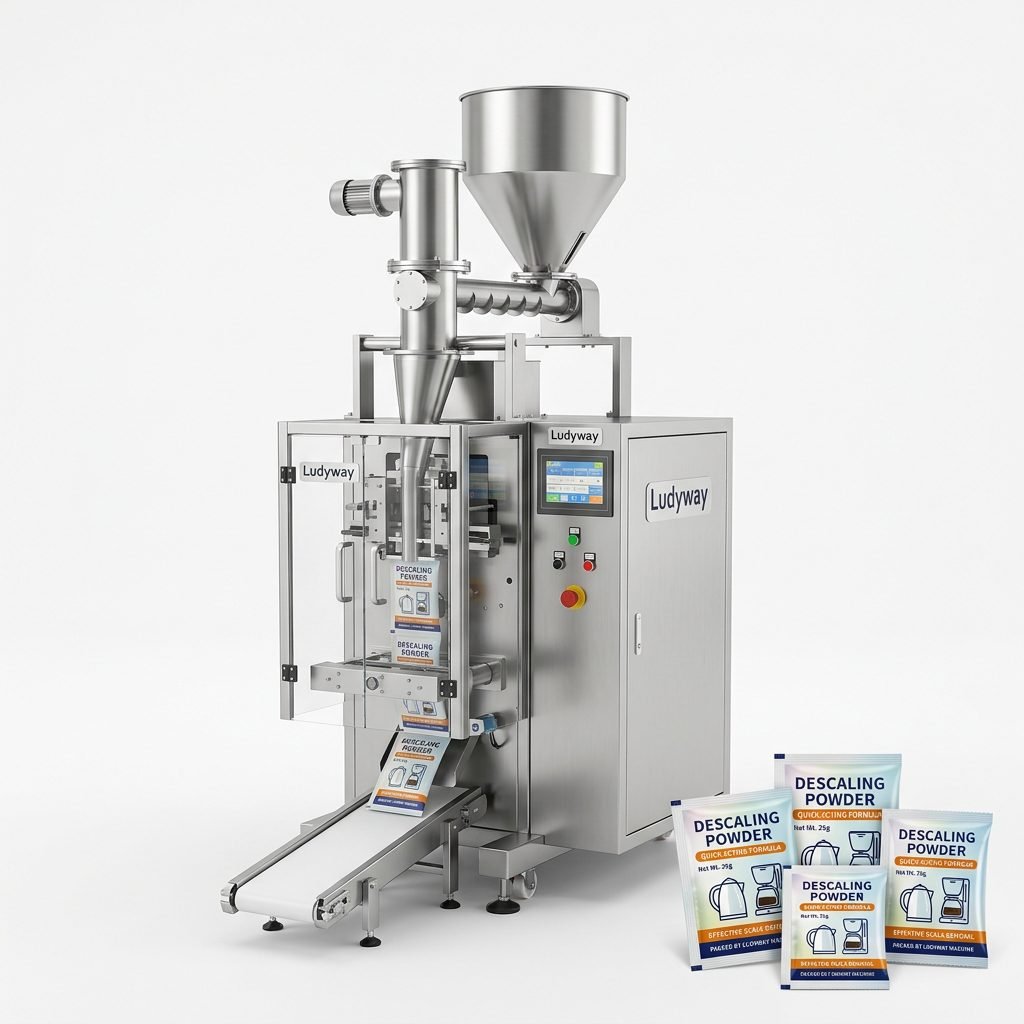
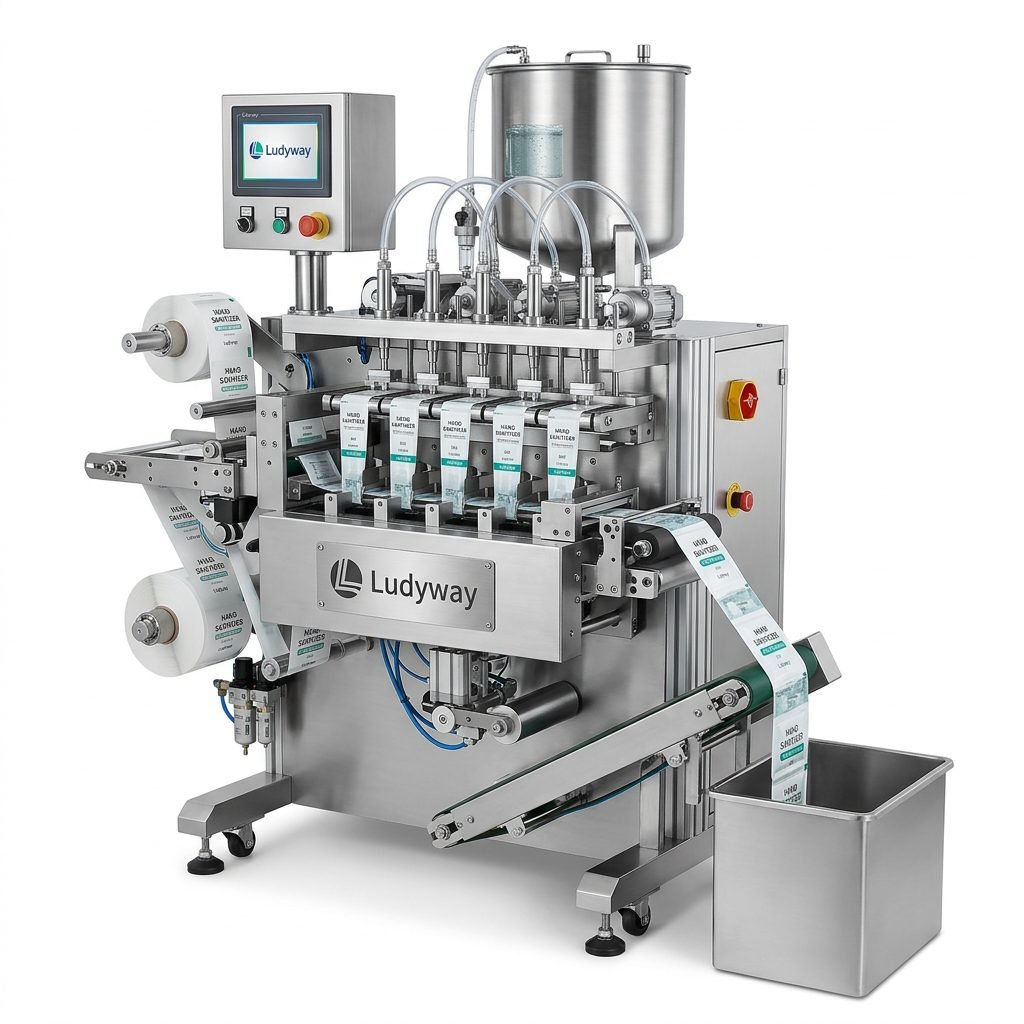
The era of dedicated lines for a single product is fading. Today’s market demands agility. Packaging machinery trends strongly favor modular and flexible designs. Plug-and-play modules allow producers to quickly reconfigure a line for different package formats, sizes, or functions—from stick packs to sachets—with minimal downtime.
This modularity is crucial for contract packagers and brands with diverse product portfolios. It allows for small-batch production runs to be economically viable and enables rapid response to changing market trends or seasonal demands, maximizing asset utilization.
Advanced Robotics and Cobots Enhance Automation
Robotics continue to advance beyond simple pick-and-place tasks. Articulated robots are now performing complex secondary packaging operations like cartoning, case packing, and palletizing with high speed and precision. The real growth area, however, is in collaborative robots (cobots).
→ Safety & Efficiency: Cobots are designed to work safely alongside human operators without extensive safety cages. They are taking over repetitive, ergonomically challenging tasks such as loading empty pouches into magazines or manually handling heavy products, reducing worker strain and increasing overall line safety and productivity.
Integration of Turnkey Smart Factory Solutions
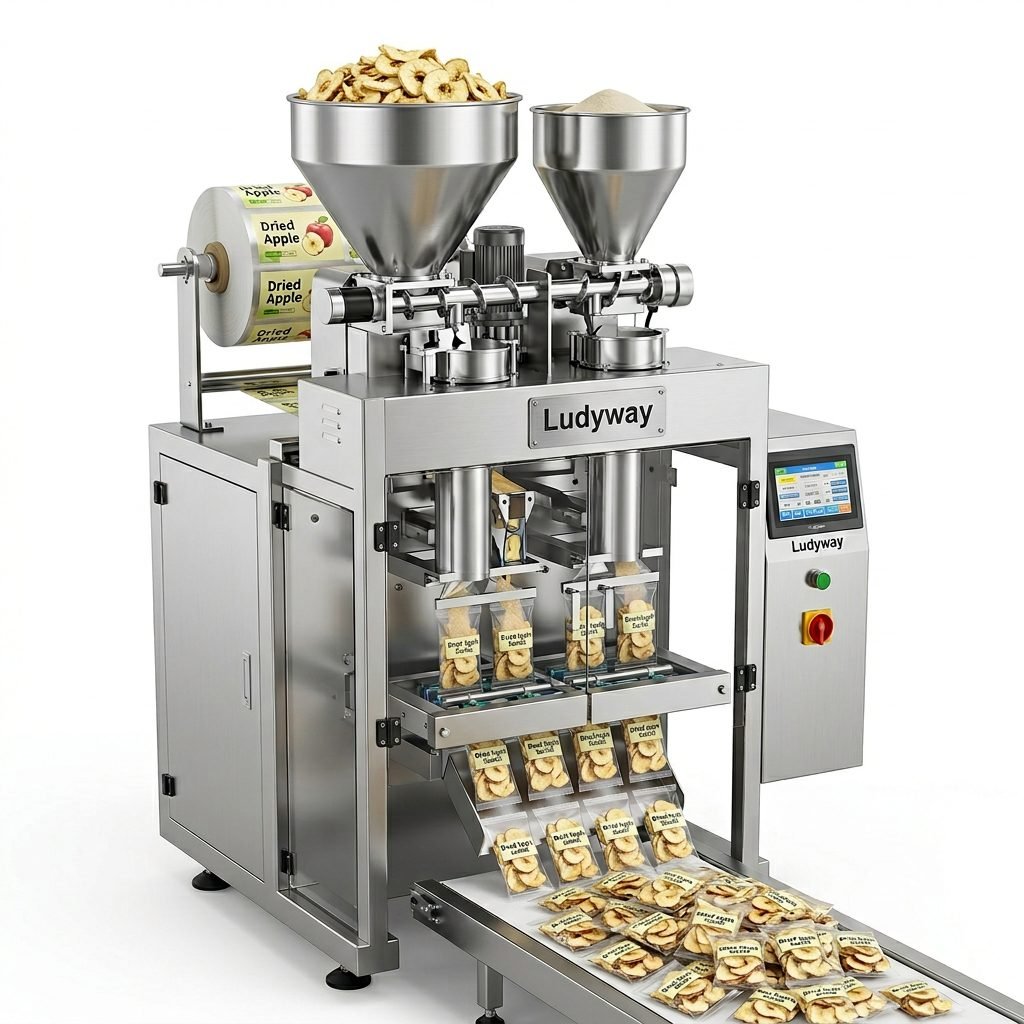
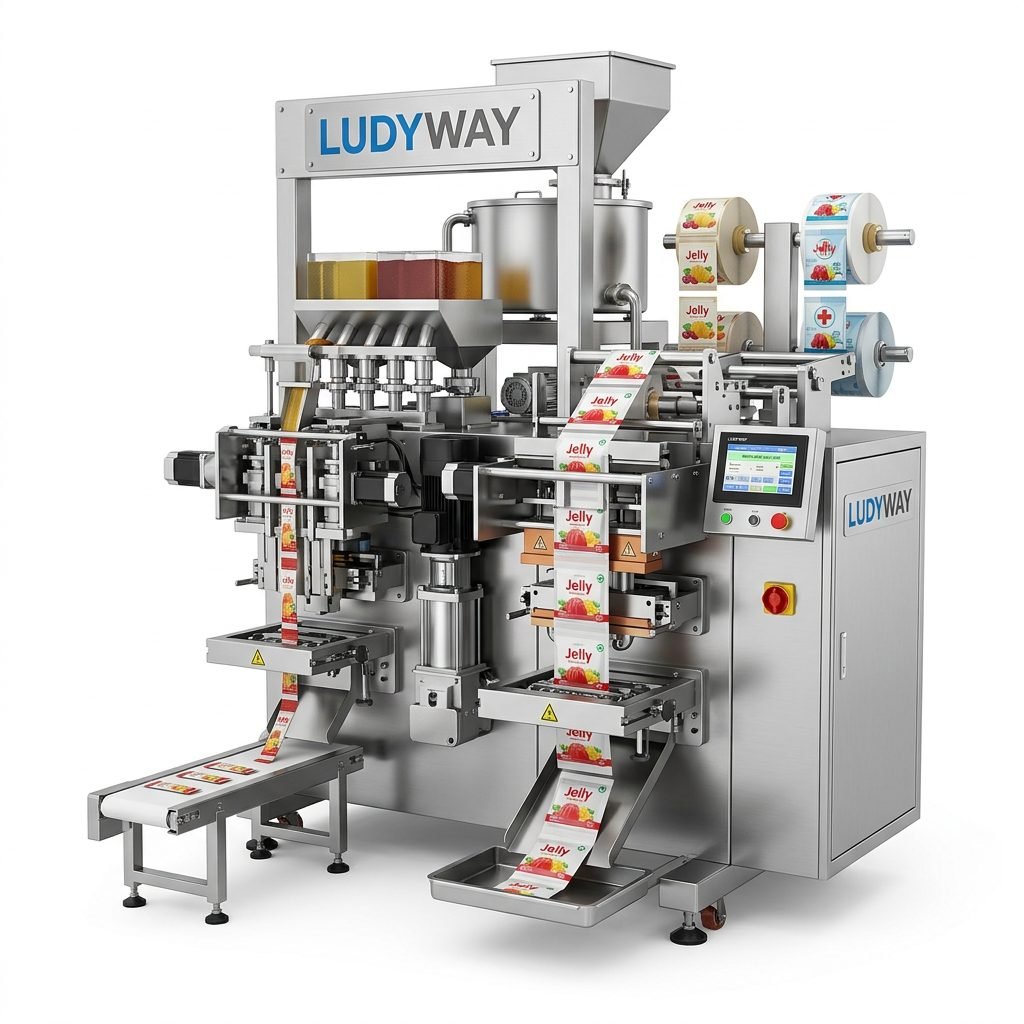
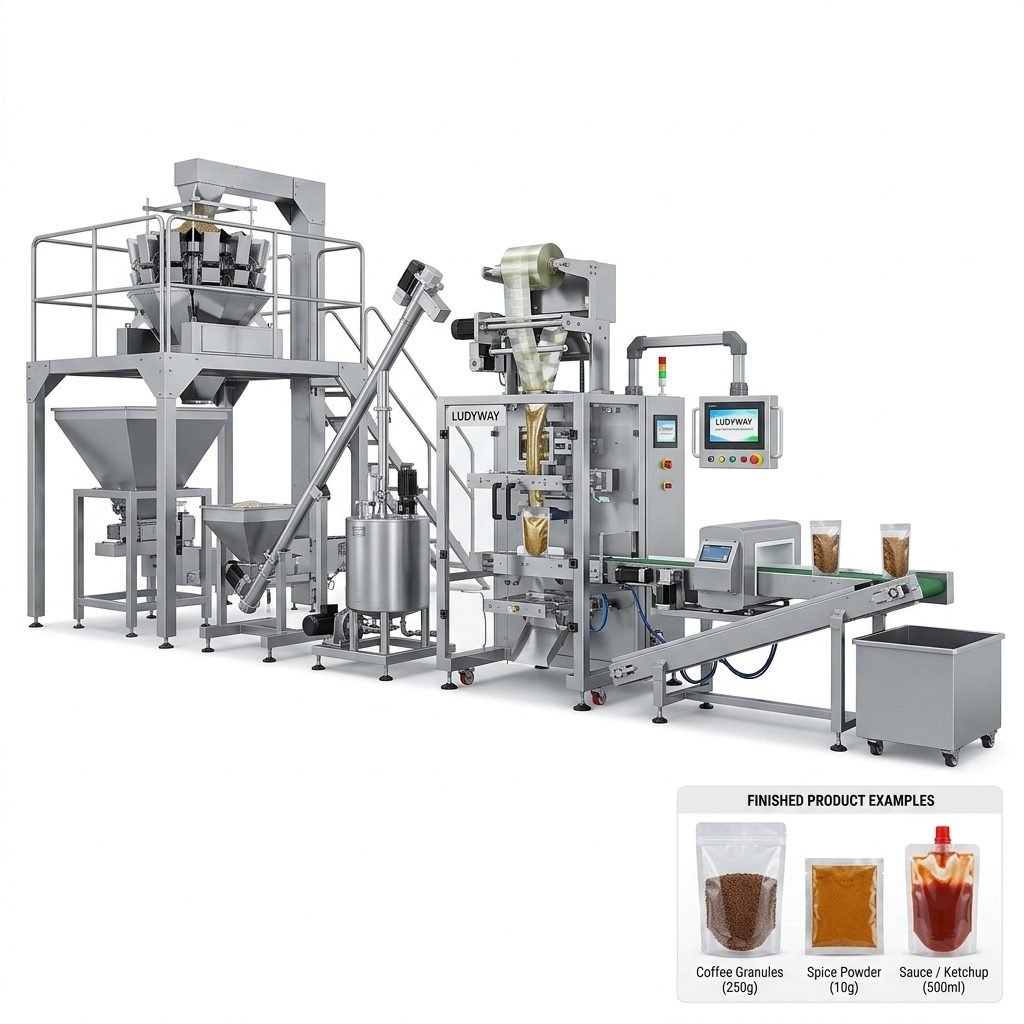
The ultimate goal is a seamlessly integrated production cell. Leading providers, like Ludyway Packing Machine, are moving beyond selling individual machines to delivering complete, connected turnkey solutions. This involves integrating primary packaging machines (e.g., sachet fillers), secondary packaging systems, robotics, and software into a unified, smart production line.
This holistic approach ensures all components communicate flawlessly, managed by a central Manufacturing Execution System (MES). It reduces integration headaches for the manufacturer and delivers a faster return on investment through optimized, synchronized production from start to finish. For a deeper look at how such integration is implemented, explore our Company History of developing complete line solutions.
Enhanced User Experience (UX) and Operator Interfaces
As machinery becomes more complex, the interface must become simpler. Touch-screen HMIs (Human-Machine Interfaces) with intuitive, icon-based graphics are now standard. These interfaces often feature guided setup wizards, troubleshooting trees, and access to digital manuals and instructional videos.
Remote access and support are also key. Technicians can often diagnose issues or guide on-site operators through a resolution via secure remote connections, minimizing machine downtime. This focus on UX empowers operators, reduces training time, and improves overall line efficiency. The expertise behind such user-centric design is detailed in our profile of Professional Packaging Experts.
Conclusion: The Path Forward
The future of automated packaging production is intelligent, sustainable, and supremely flexible. By embracing trends like IIoT connectivity, AI-driven quality control, sustainable material handling, and collaborative robotics, manufacturers can build resilient operations ready for the challenges of tomorrow. The transition is towards creating value beyond mere packaging—toward building intelligent systems that ensure quality, minimize environmental impact, and adapt at the speed of the market.
Frequently Asked Questions (FAQs)
Q1: What is the biggest benefit of IIoT in packaging machinery?
The primary benefit is predictive maintenance and data-driven optimization. IIoT sensors monitor machine health in real-time, predicting failures before they occur to prevent unplanned downtime and providing data to fine-tune production for maximum efficiency and yield.
Q2: How does AI improve packaging quality control?
AI-powered machine vision systems perform ultra-fast, highly accurate inspections for defects (bad seals, misprints, missing products). More advanced systems use predictive analytics to identify process deviations that could lead to defects, allowing for corrective action before waste is produced.
Q3: Can modern packaging machines handle sustainable materials effectively?
Yes, this is a major focus. New-generation machines are specifically engineered to run mono-material plastics, compostable films, and paper-based substrates reliably. They often feature enhanced sealing technology and precise web tension control to manage the different properties of these eco-friendly materials.
Q4: What is the advantage of a modular packaging machine design?
Modular design offers unparalleled production agility and future-proofing. It allows manufacturers to easily swap or add modules (e.g., different filler heads, sealers) to change package format, size, or product type quickly, enabling efficient small batches and adapting to new market demands without replacing the entire machine.
Q5: Are collaborative robots (cobots) safe to work alongside humans on a packaging line?
Yes, by design. Cobots are built with advanced force-limiting sensors and safety-rated software that allow them to stop immediately upon unexpected contact. They perform repetitive or ergonomically difficult tasks (like loading, placing) safely alongside human operators, enhancing productivity without the need for bulky safety cages.