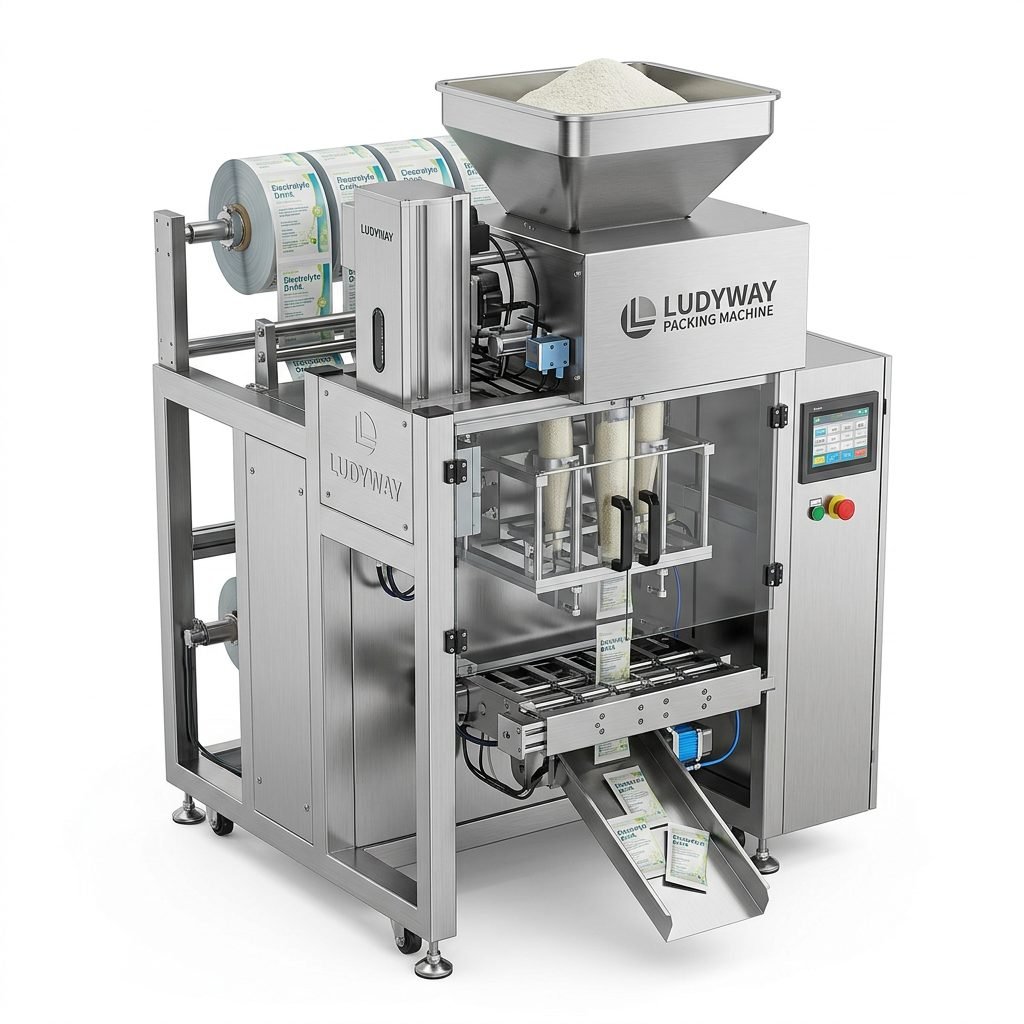
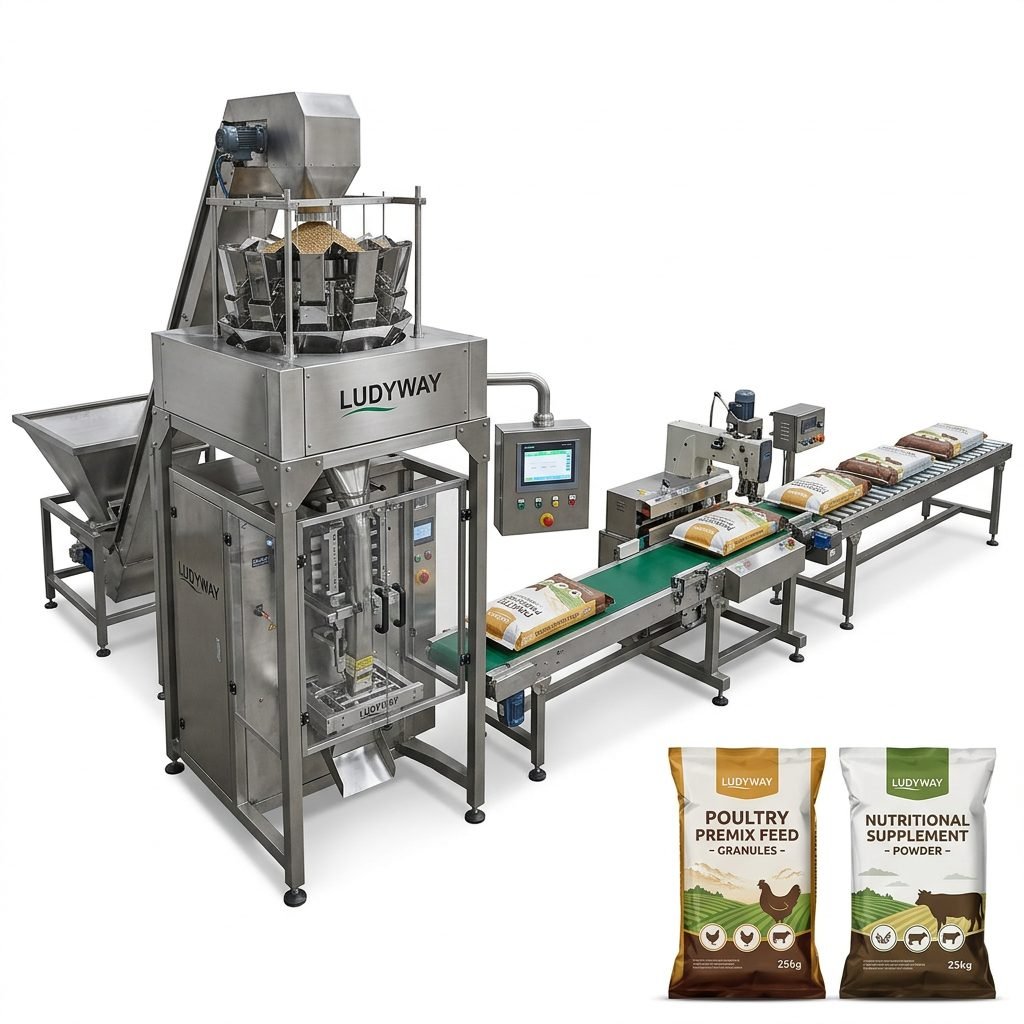
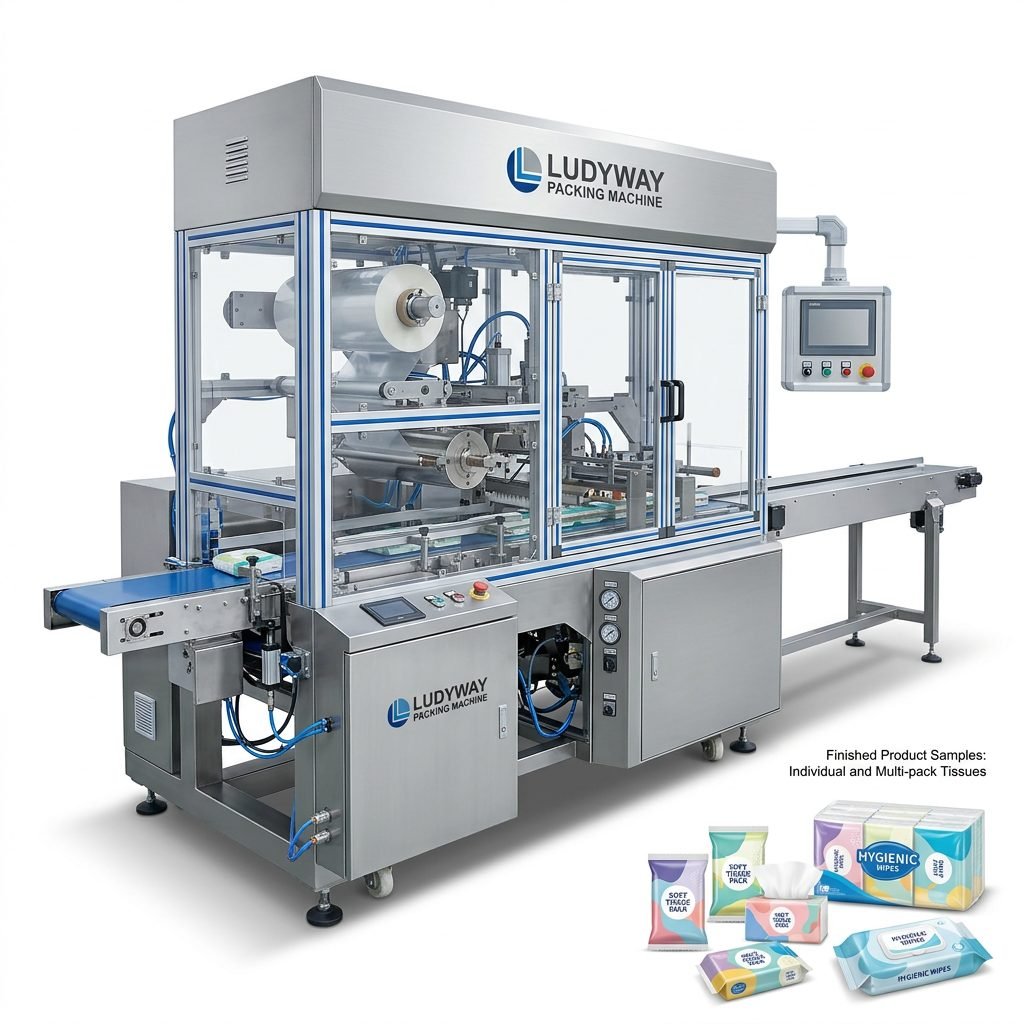
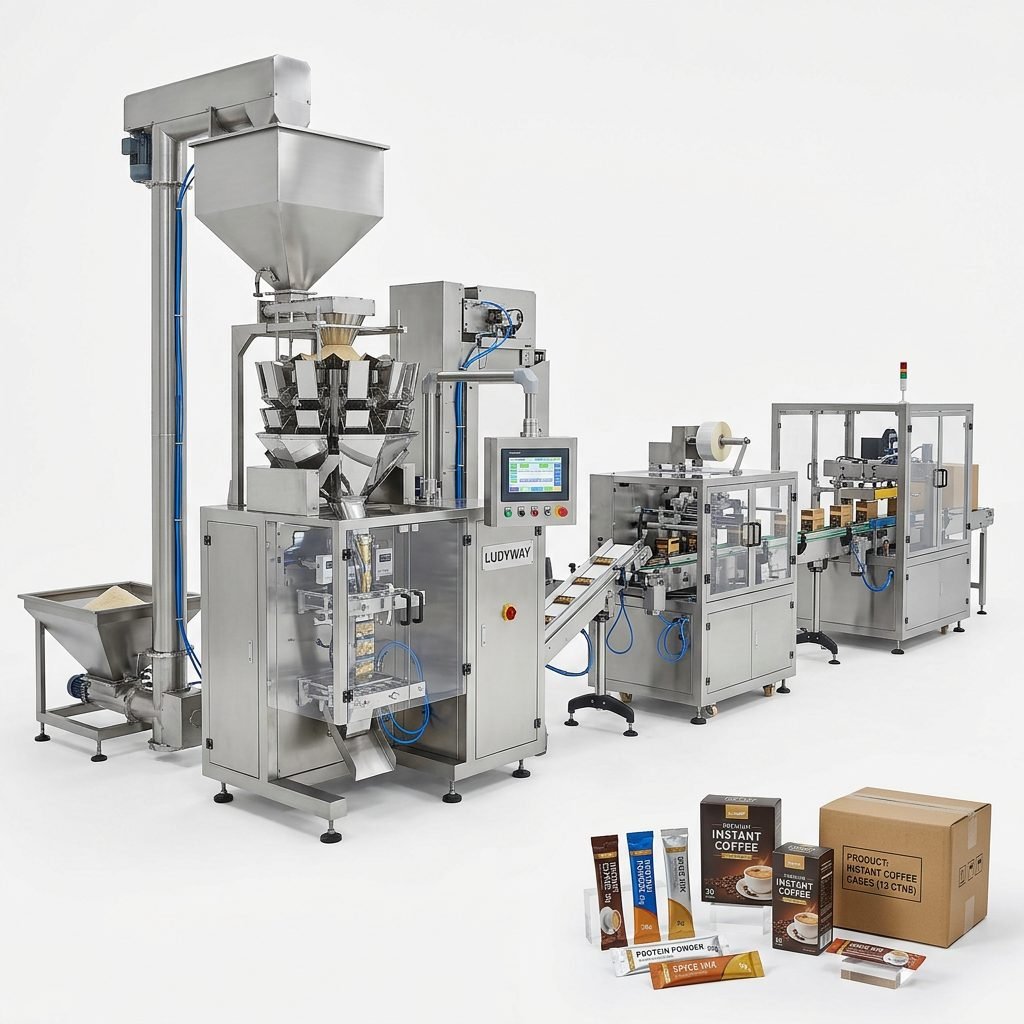
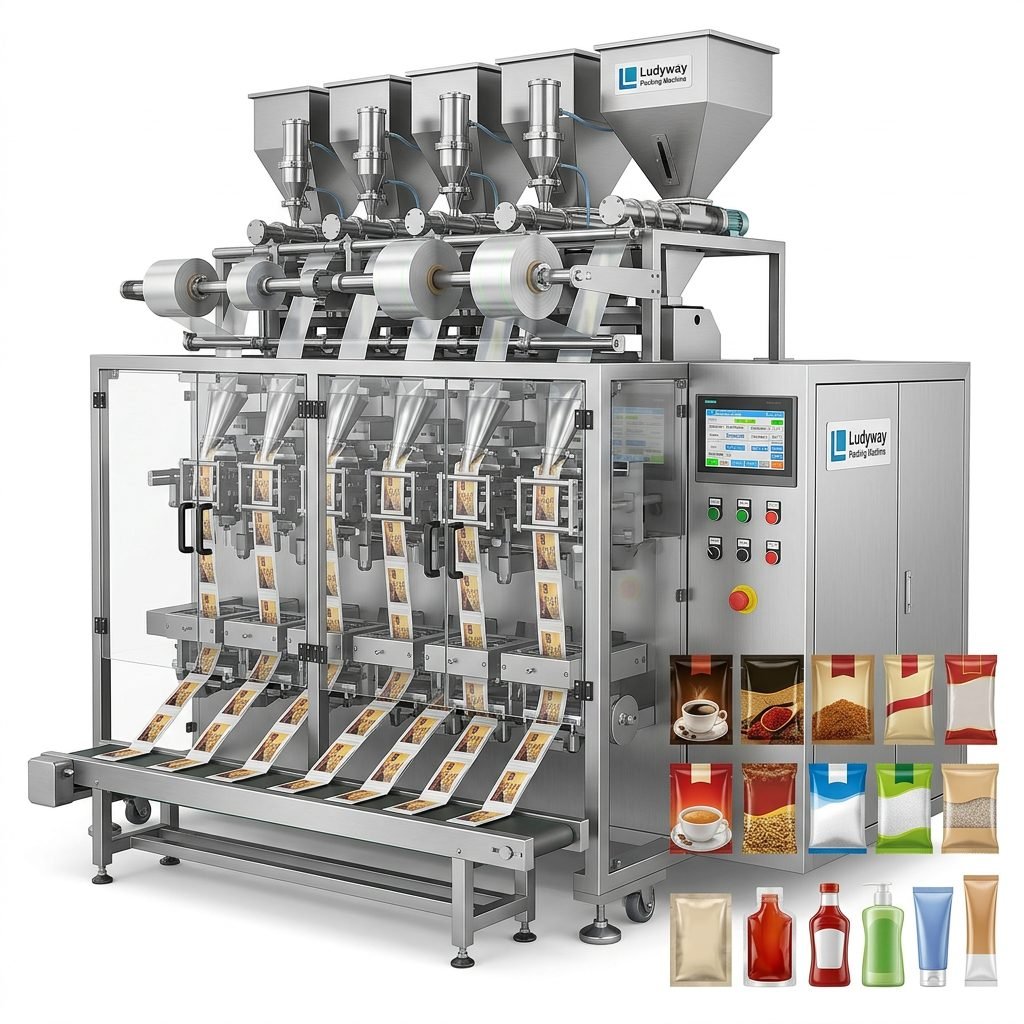
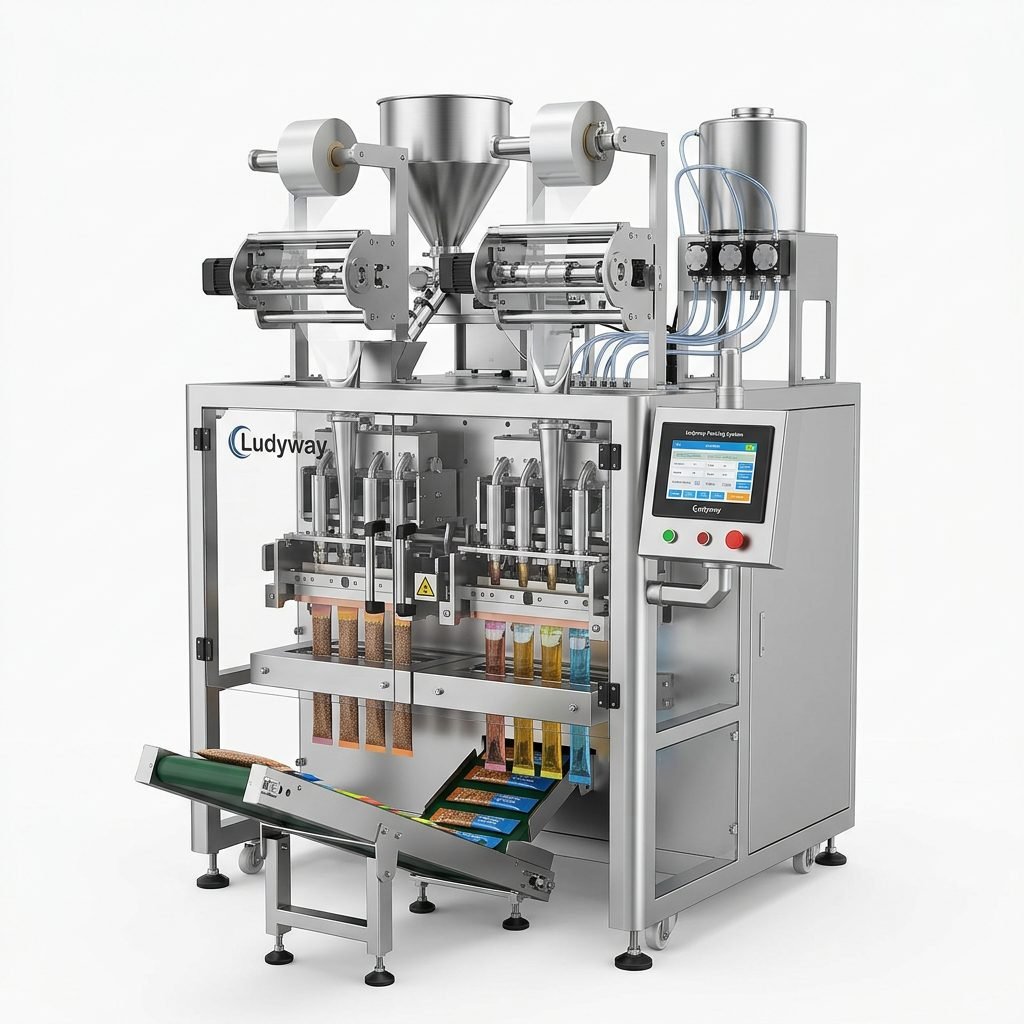
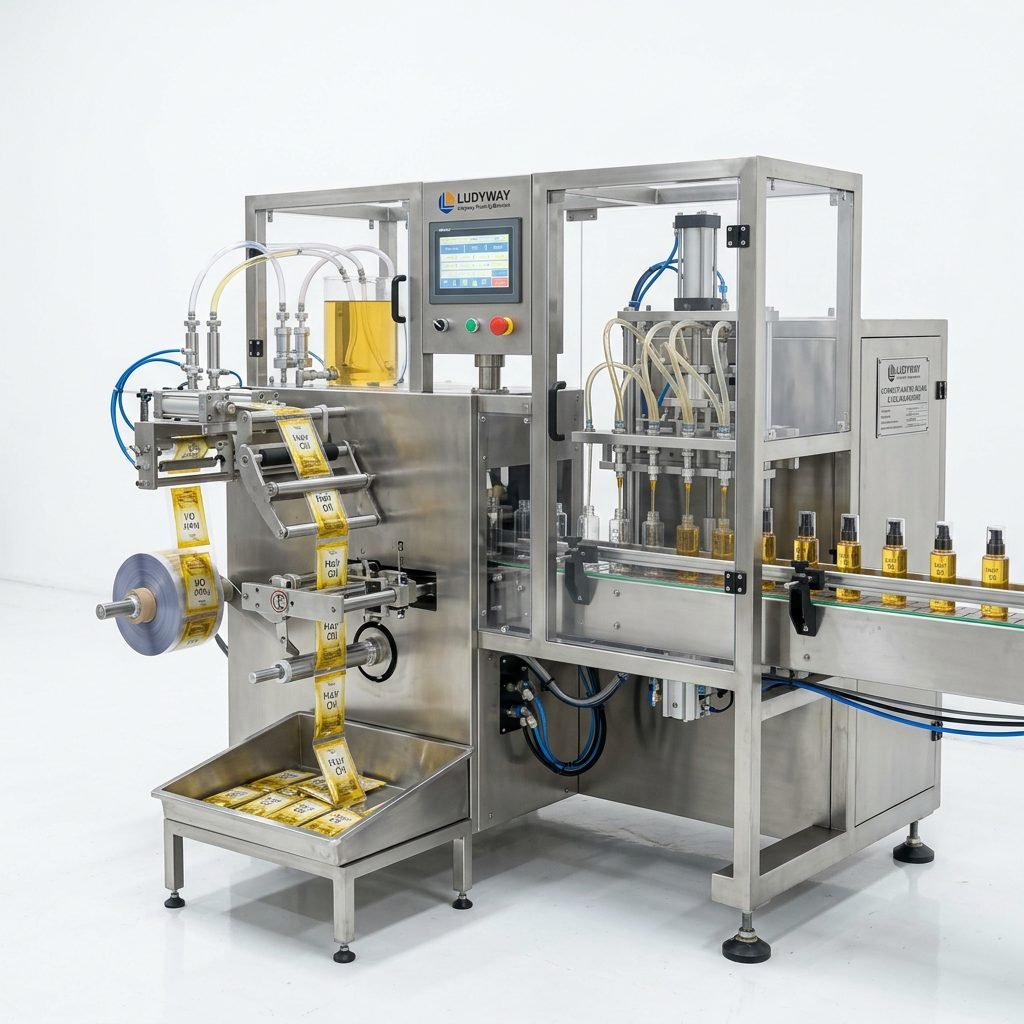
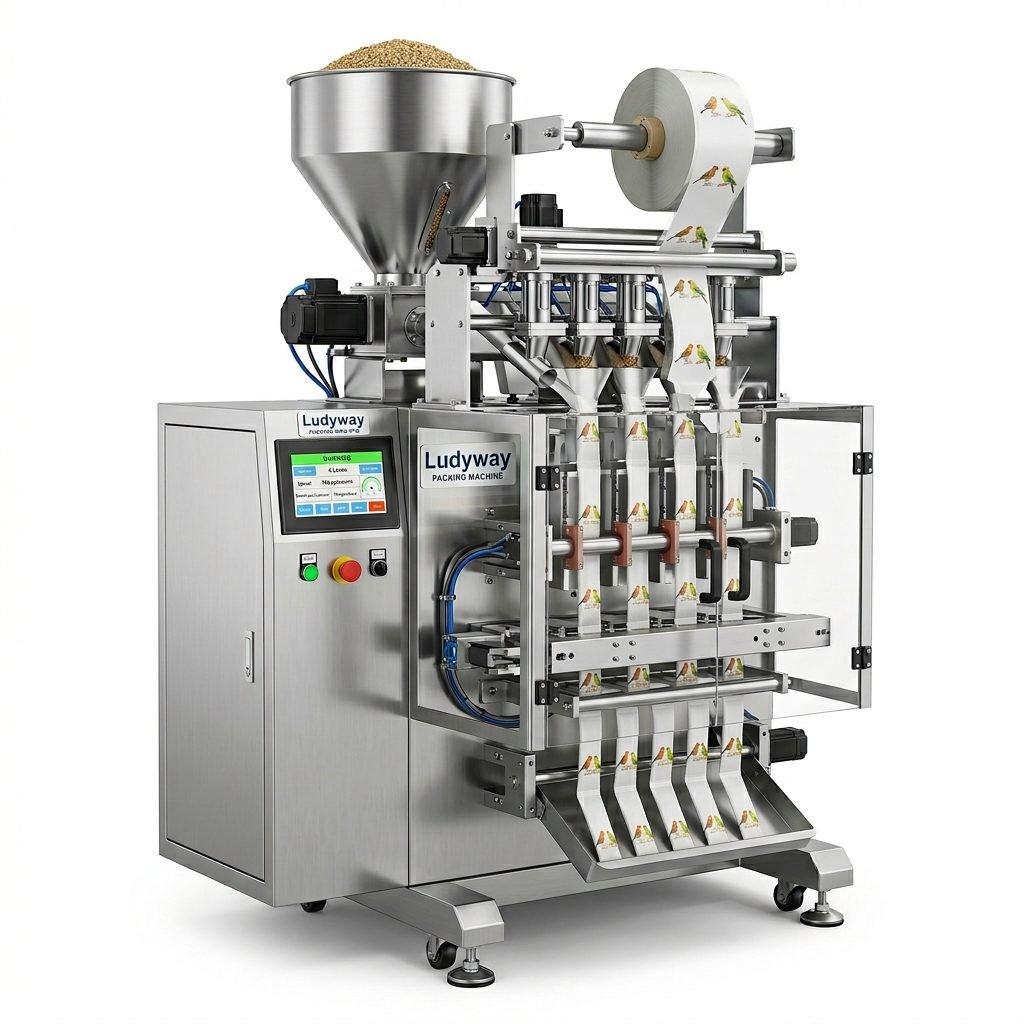
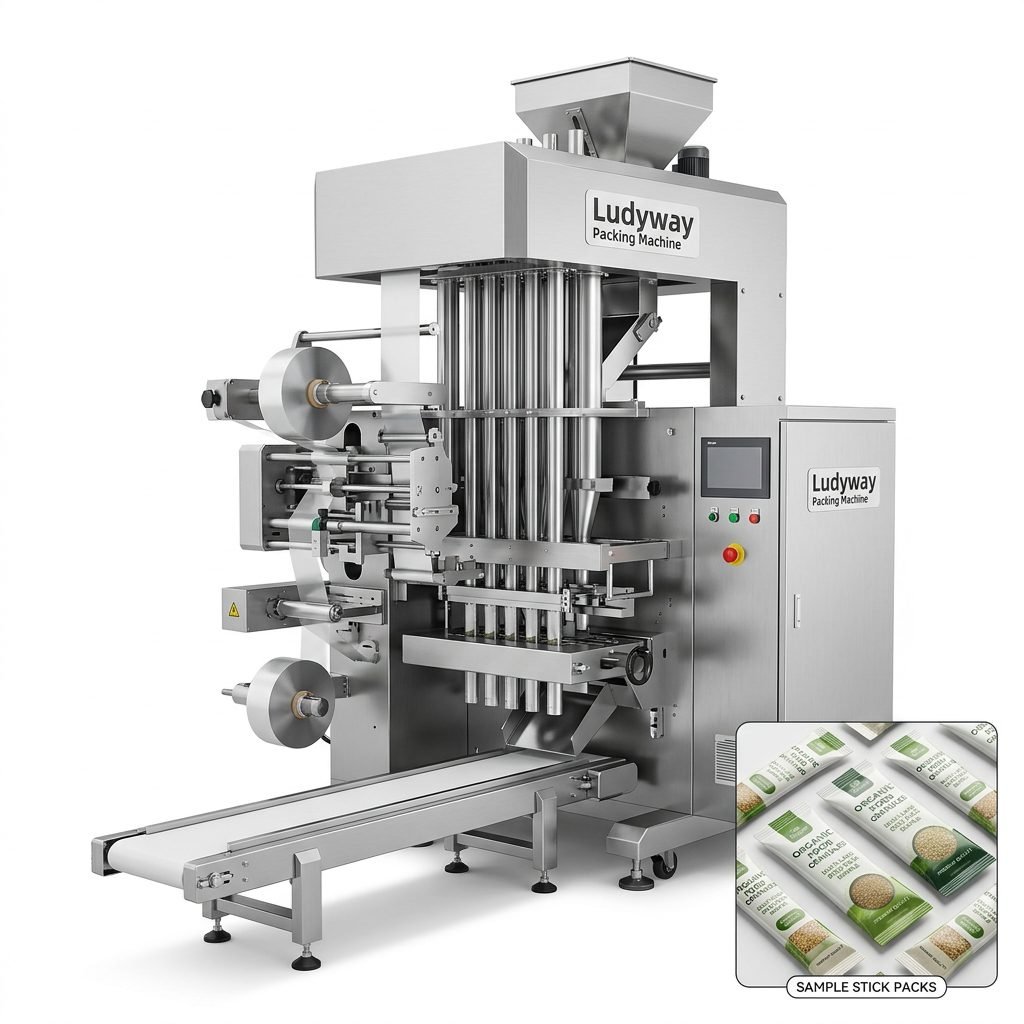
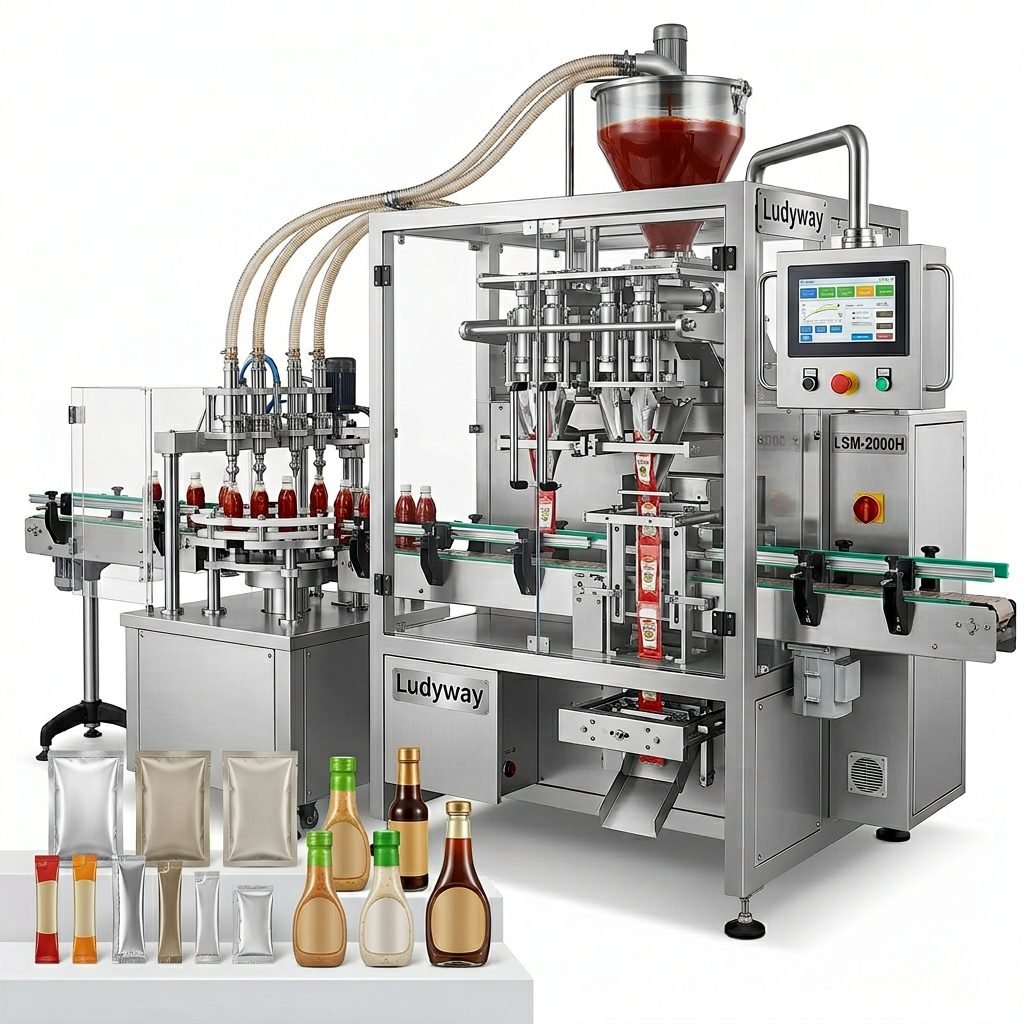
Metal packaging machines are essential equipment for modern manufacturing, offering durability, precision, and efficiency in sealing and protecting products. Whether you are packaging food, pharmaceuticals, chemicals, or industrial goods, selecting the right metal packaging machine is crucial for maintaining product integrity and optimizing production lines. This comprehensive guide explores the various types of metal packaging machines, their working principles, and key factors to consider when choosing the ideal equipment for your specific needs.
Understanding Metal Packaging Machines
Metal packaging machines are designed to handle containers made from materials like tinplate, aluminum, and steel. These machines perform a range of functions, including filling, sealing, capping, labeling, and coding, ensuring that metal containers are securely closed and ready for distribution. The robust construction of these machines allows them to withstand the rigors of high-speed production while maintaining consistent performance.
Key Takeaway: Metal packaging machines are built for durability and high-speed operation, making them ideal for industries that require reliable and long-lasting packaging solutions.
Common Types of Metal Packaging Machines
The market offers a diverse range of metal packaging machines, each tailored to specific applications and container types. Understanding these variations helps in making an informed purchasing decision.
1. Can Seaming Machines
Can seaming machines are used to hermetically seal metal cans by joining the can lid to the body. They are widely used in the food and beverage industry for packaging products like soups, vegetables, fruits, and beverages. These machines ensure an airtight seal, which is critical for preserving product freshness and extending shelf life.
2. Tube Filling and Sealing Machines
These machines are designed for filling and sealing collapsible metal tubes, commonly used for packaging creams, ointments, adhesives, and pastes. The process involves precise filling of the product followed by crimping or folding the tube end to create a secure seal. Tube fillers are popular in the pharmaceutical, cosmetic, and chemical industries.
3. Aerosol Can Crimping Machines
Aerosol can crimpers attach valves to metal aerosol containers under high pressure. This specialized equipment is essential for manufacturers of spray products, such as deodorants, paints, insecticides, and culinary sprays. The crimping process must be highly precise to prevent leaks and ensure safe product dispensing.
4. Drum and Pail Closing Machines
For industrial packaging of liquids, powders, or granules in large metal drums or pails, closing machines are used to secure lids via double seaming, crimping, or pressing. These machines are vital in the chemical, petroleum, and food processing sectors, where large-volume containers are standard.
⚙️ Working Principle Overview
Despite their differences, most metal packaging machines operate on a few core principles:
- Forming & Sealing: Metal parts (lids, ends) are shaped and joined to the container body using mechanical pressure, rollers, or crimping heads.
- Precision Alignment: Containers and closures are accurately positioned to ensure a uniform and secure seal every cycle.
- Automated Control: Modern machines use PLC (Programmable Logic Controller) systems and sensors to regulate speed, filling volume, sealing pressure, and fault detection.
- Hygiene & Safety: Designs often include easy-clean surfaces and safety guards to meet industry standards for product safety and operator protection.
How to Choose the Right Metal Packaging Equipment
Selecting the appropriate machine requires careful evaluation of your production requirements, container specifications, and long-term business goals. Here are the critical factors to consider.
1. Assess Your Production Needs
Begin by analyzing your current and projected production volume. Determine the required speed (containers per minute/hour) and the range of container sizes and shapes you plan to use. A machine that matches your output targets will maximize efficiency and return on investment.
2. Consider Container Specifications
The machine must be compatible with your metal containers’ material, thickness, diameter, and height. Provide detailed container samples to the machine supplier to verify compatibility for sealing, handling, and labeling. For specialized containers like aerosol cans or irregular shapes, custom machine adjustments may be necessary.
3. Evaluate Machine Features and Technology
Look for features that enhance productivity and ease of use:
- Changeover Flexibility: Quick adjustment mechanisms for different container sizes reduce downtime.
- Control System: User-friendly touchscreen interfaces with recipe storage simplify operation.
- Sealing Quality: Consistent, reliable sealing mechanisms that meet industry leak-test standards.
- Integration Capability: Ability to connect with upstream/downstream equipment like fillers, labelers, or conveyors.
4. Prioritize Durability and After-Sales Support
Metal packaging is a demanding process. Choose equipment constructed from high-grade materials (stainless steel contact parts, robust frames) for longevity. Equally important is the supplier’s reputation for reliable technical support, availability of spare parts, and comprehensive warranty terms. A partner with strong industry experience can provide valuable guidance.
5. Analyze Total Cost of Ownership
Look beyond the initial purchase price. Consider operational costs (energy consumption, maintenance), potential for future upgrades, and the machine’s expected lifespan. Investing in a slightly more expensive but more efficient and reliable machine often leads to lower long-term costs and higher productivity.
💡 Pro Tip for Selection
Request a live demonstration or trial using your own containers and product (if possible). This is the most effective way to verify machine performance, sealing quality, and speed before making a final decision. Reputable suppliers like Ludyway Packaging Machinery often offer this service to ensure customer satisfaction.
Frequently Asked Questions (FAQs)
1. What maintenance does a metal packaging machine require?
Regular maintenance is essential. Daily cleaning of product contact parts, weekly lubrication of moving components as per the manual, and periodic inspection of seals, rollers, and sensors will prevent breakdowns and maintain sealing quality. Always follow the manufacturer’s maintenance schedule.
2. Can one machine handle different sizes of metal containers?
Many modern machines are designed with quick-changeover features, allowing them to accommodate a range of container diameters and heights. However, significant size changes may require purchasing different change parts or tooling kits. Discuss your flexibility needs with the supplier upfront.
3. How do I ensure the seal is airtight and meets safety standards?
The machine must be correctly calibrated for your specific container and lid combination. Conduct regular leak tests (e.g., pressure decay tests) on sealed samples. Ensure the machine complies with relevant industry standards (e.g., for food or hazardous materials).
4. What is the typical lead time for acquiring a new metal packaging machine?
Lead times vary based on machine complexity, customization, and supplier capacity. For standard models, it can range from 8 to 16 weeks. For highly customized or large-capacity lines, it may take 20 weeks or more. Planning ahead is crucial.
5. What training is provided for machine operators?
Reputable suppliers provide comprehensive training covering operation, basic troubleshooting, routine maintenance, and safety procedures. This usually occurs during installation and commissioning at your facility. Ensure detailed operational manuals are provided.