The global packaging machinery market stands as a critical pillar of modern manufacturing, enabling the efficient, safe, and appealing presentation of products across every conceivable sector. From the food we consume to the pharmaceuticals that safeguard our health, packaging machinery is the silent engine driving global commerce. As we look towards the horizon of 2030, understanding the market’s size, growth trajectory, and the underlying forces shaping its future is essential for stakeholders, investors, and industry leaders. This analysis delves into the key drivers, regional dynamics, technological trends, and future outlook that will define the packaging machinery landscape in the coming decade.
Current Market Size and Valuation
Today, the global packaging machinery market is a multi-billion-dollar industry, characterized by robust demand and continuous innovation. Its valuation is propelled by the relentless need for efficiency, product protection, and sustainability across supply chains. The market encompasses a wide array of equipment, including filling, sealing, labeling, coding, and palletizing machines, each playing a vital role in the production line. Major end-user industries such as food & beverage, pharmaceuticals, personal care, and industrial goods are the primary contributors to this substantial market volume, demanding increasingly sophisticated and automated solutions to meet consumer expectations and regulatory standards.
Key Insight: The integration of Internet of Things (IoT) sensors and data analytics is transforming traditional packaging lines into smart, connected systems. This allows for real-time monitoring, predictive maintenance, and unparalleled optimization of production efficiency and material usage.
Primary Growth Drivers to 2030
Several powerful forces are converging to fuel the market’s expansion through 2030:
1. The E-commerce Explosion
The relentless growth of online retail has created an unprecedented demand for durable, secure, and cost-effective packaging solutions. Machinery that can handle diverse product sizes, automate the boxing and sealing process, and integrate with warehouse management systems is seeing soaring demand. The need for right-sized packaging to reduce material waste and shipping costs is a particularly strong driver for innovation in this segment.
2. Rising Consumer Demand for Sustainability
Globally, consumers and regulators are pushing for a reduction in packaging waste. This is directly influencing machinery development, leading to increased demand for equipment that can handle recyclable, biodegradable, and mono-material films. Machines designed for lightweighting, precise dosing to minimize product giveaway, and efficient use of recycled materials are becoming market imperatives. Brands are investing in machinery that supports their corporate sustainability goals and circular economy initiatives.
3. Automation and Industry 4.0 Integration
The shift towards fully automated, lights-out production facilities is accelerating. Manufacturers are seeking packaging machinery that offers high-speed operation, flexibility for quick changeovers, and seamless integration with robotics and upstream/downstream processes. The adoption of AI for quality control (e.g., vision inspection systems) and machine learning for optimizing line performance is moving from a luxury to a necessity to maintain competitiveness.
4. Stringent Safety and Regulatory Standards
In sectors like pharmaceuticals and food, regulatory compliance is non-negotiable. This drives demand for machinery with advanced features such as clean-in-place (CIP) systems, traceability coding, and tamper-evident sealing capabilities. The need to ensure product integrity from the factory to the end-user is a constant catalyst for technological advancement in packaging equipment design.
Regional Market Analysis and Outlook
Growth patterns will vary significantly across different geographies, influenced by local economic conditions, industrialization rates, and consumer trends.
Asia-Pacific: The Growth Engine
The Asia-Pacific region, led by manufacturing powerhouses like China and India, is expected to remain the largest and fastest-growing market. Rapid urbanization, a burgeoning middle class with increasing disposable income, and the expansion of local food & beverage and pharmaceutical industries are key factors. Furthermore, government initiatives promoting domestic manufacturing (e.g., “Make in India”) are spurring investments in modern industrial infrastructure, including advanced packaging lines. The region is also a hotbed for innovation in cost-effective and high-speed packaging solutions tailored to high-volume production.
North America and Europe: Innovation and Sustainability Leaders
These mature markets will see steady growth driven primarily by technological upgrades and retrofits of existing packaging lines. The focus here is sharply on automation, robotics, and sustainable packaging solutions. Strict environmental regulations, such as the EU’s Green Deal and Extended Producer Responsibility (EPR) schemes, are compelling manufacturers to invest in new machinery capable of processing next-generation eco-friendly materials. Demand for flexible and smart packaging solutions for premium products and e-commerce fulfillment centers is particularly strong.
Emerging Trends Shaping the Future
Beyond the core drivers, several cutting-edge trends will redefine the market:
- Smart and Connected Packaging: Machinery will increasingly be required to integrate technologies like QR codes, NFC tags, and sensors that enable brand interaction, supply chain transparency, and product freshness monitoring.
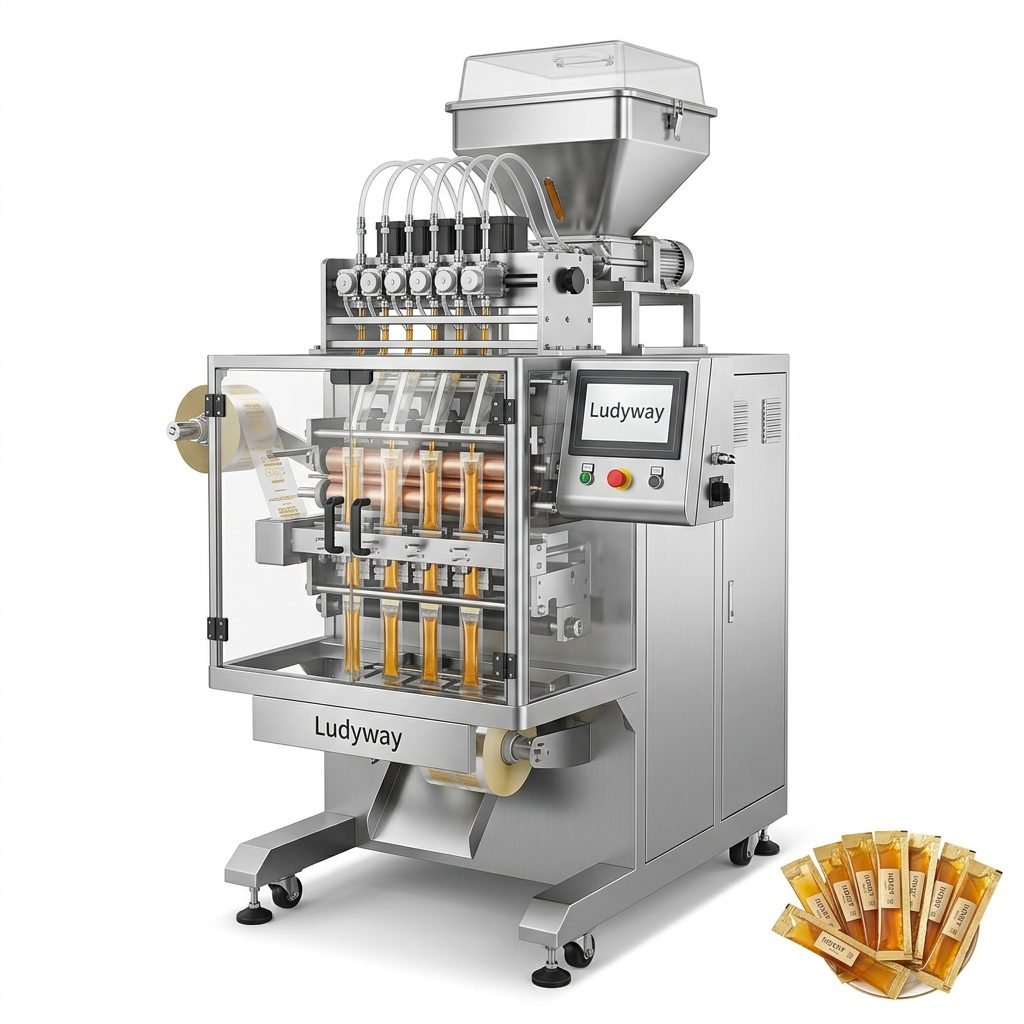
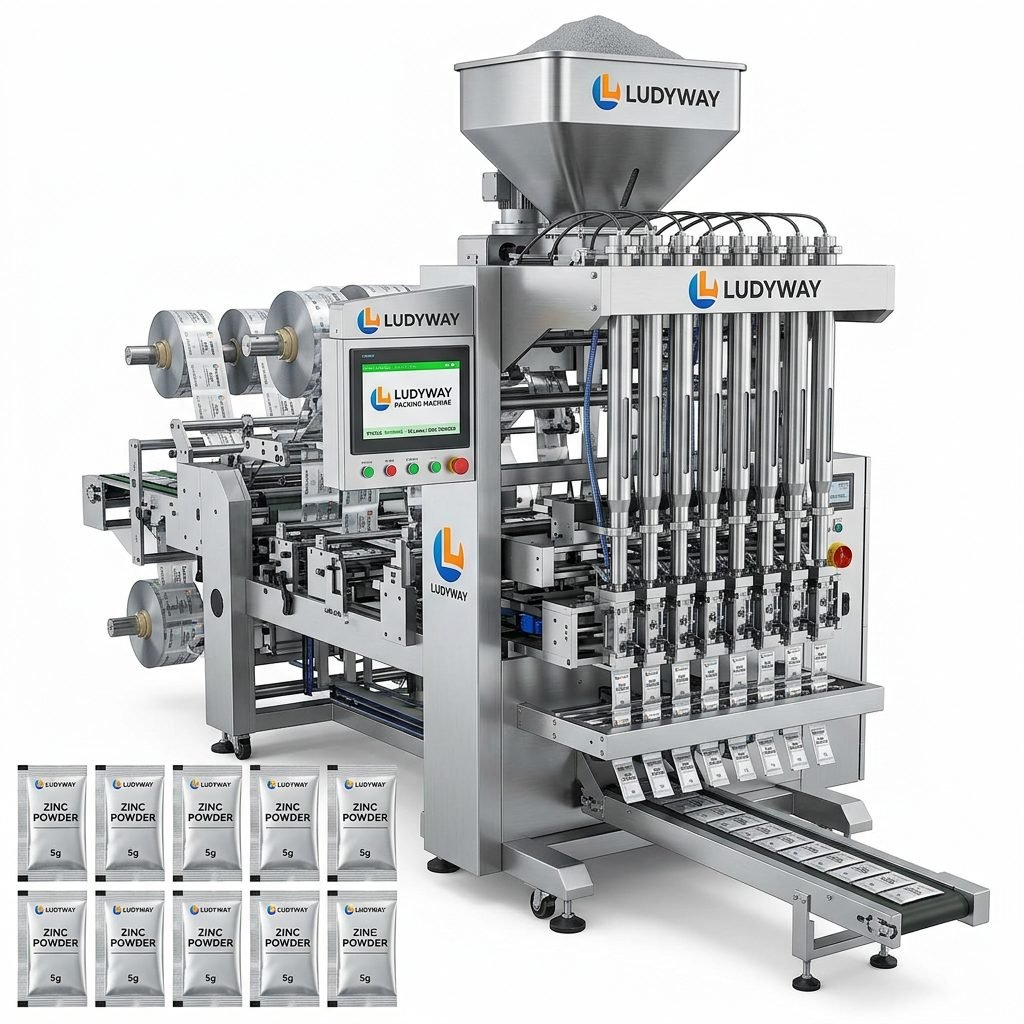
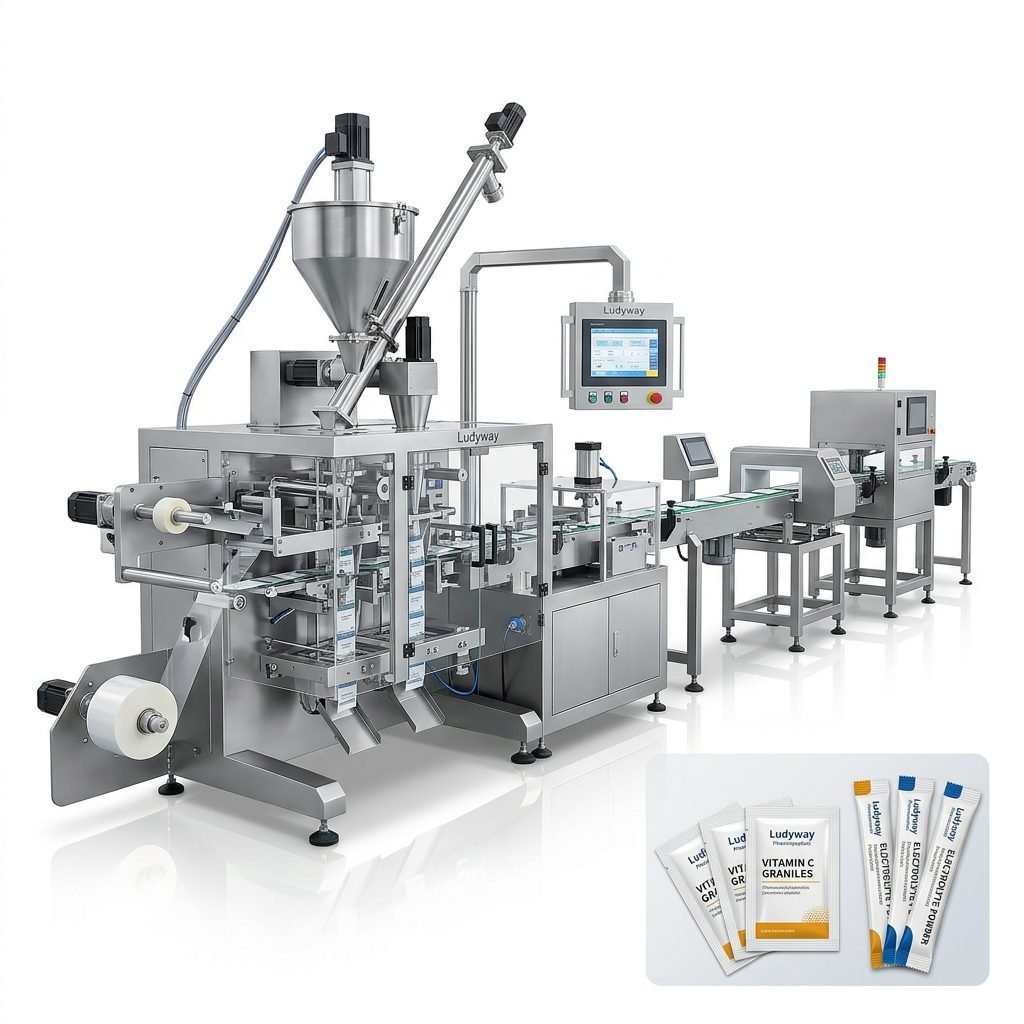
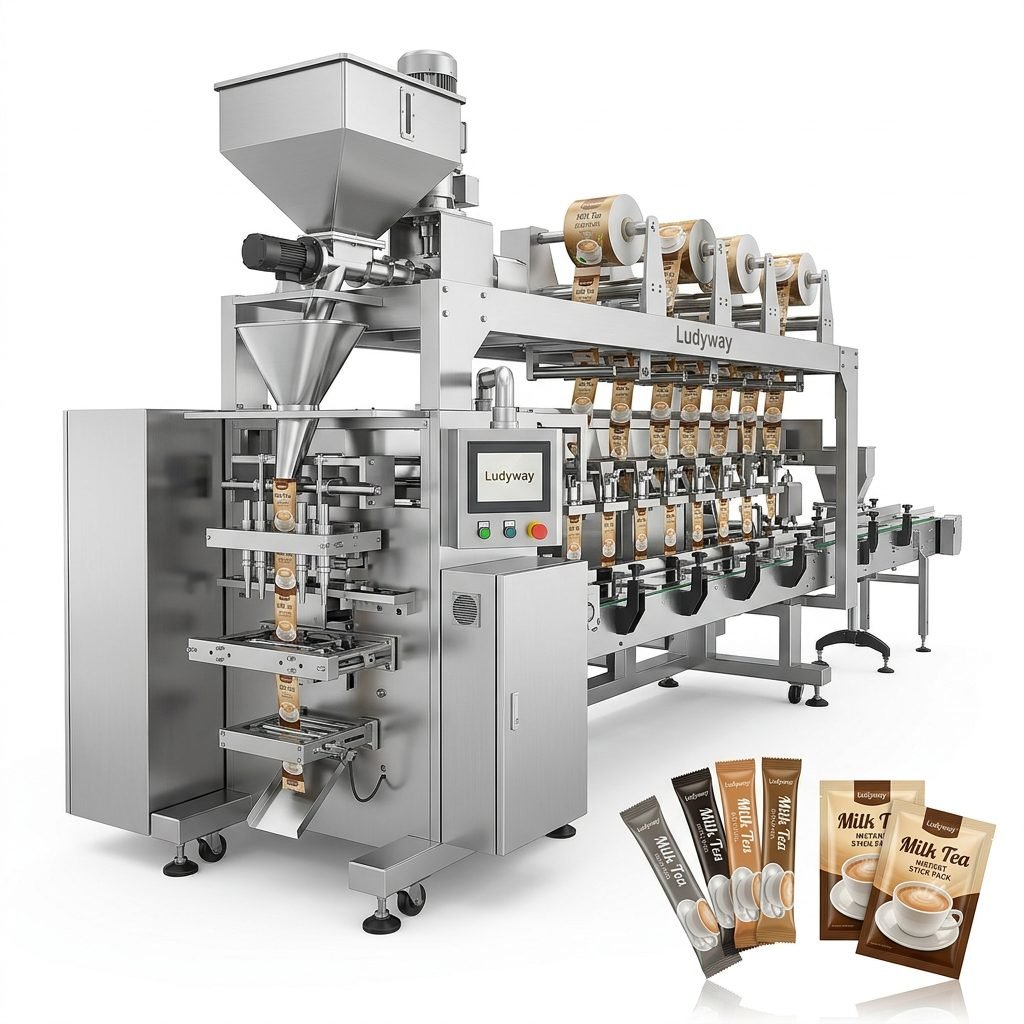
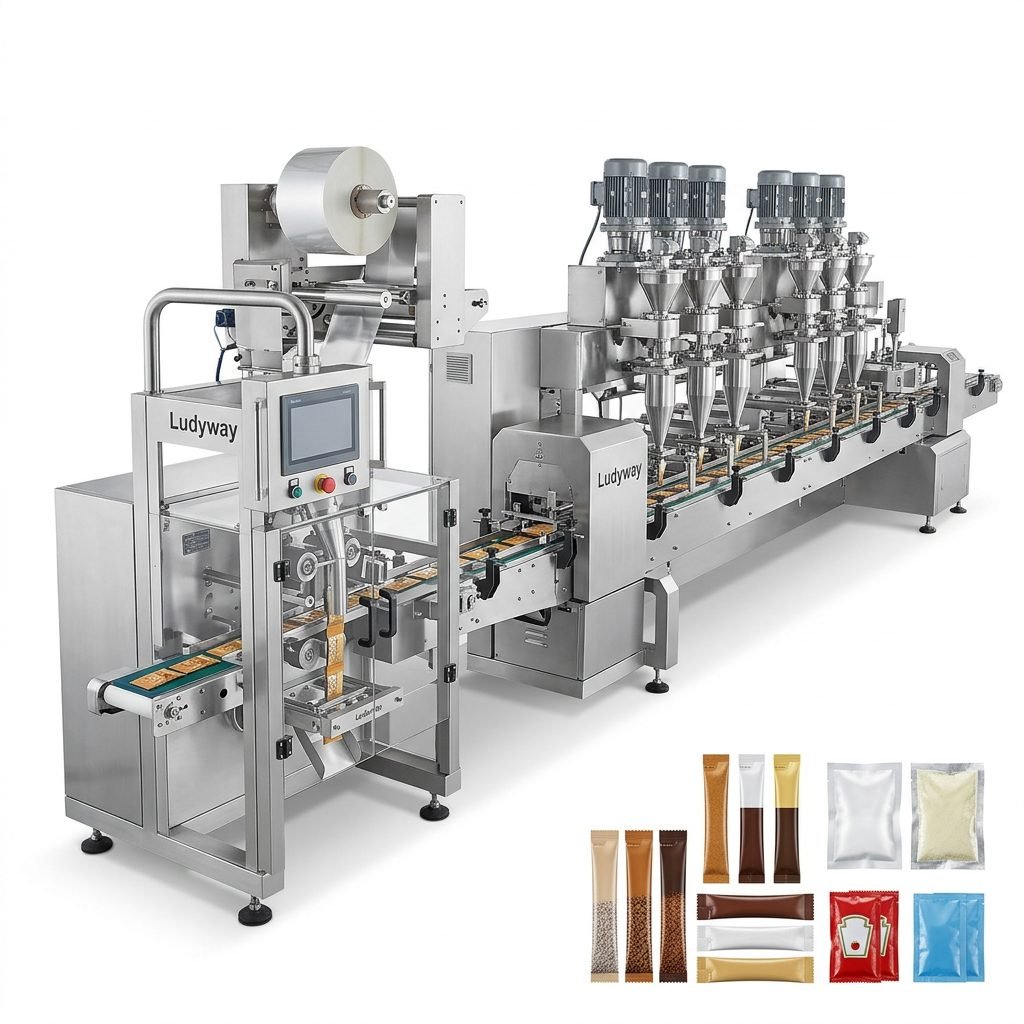
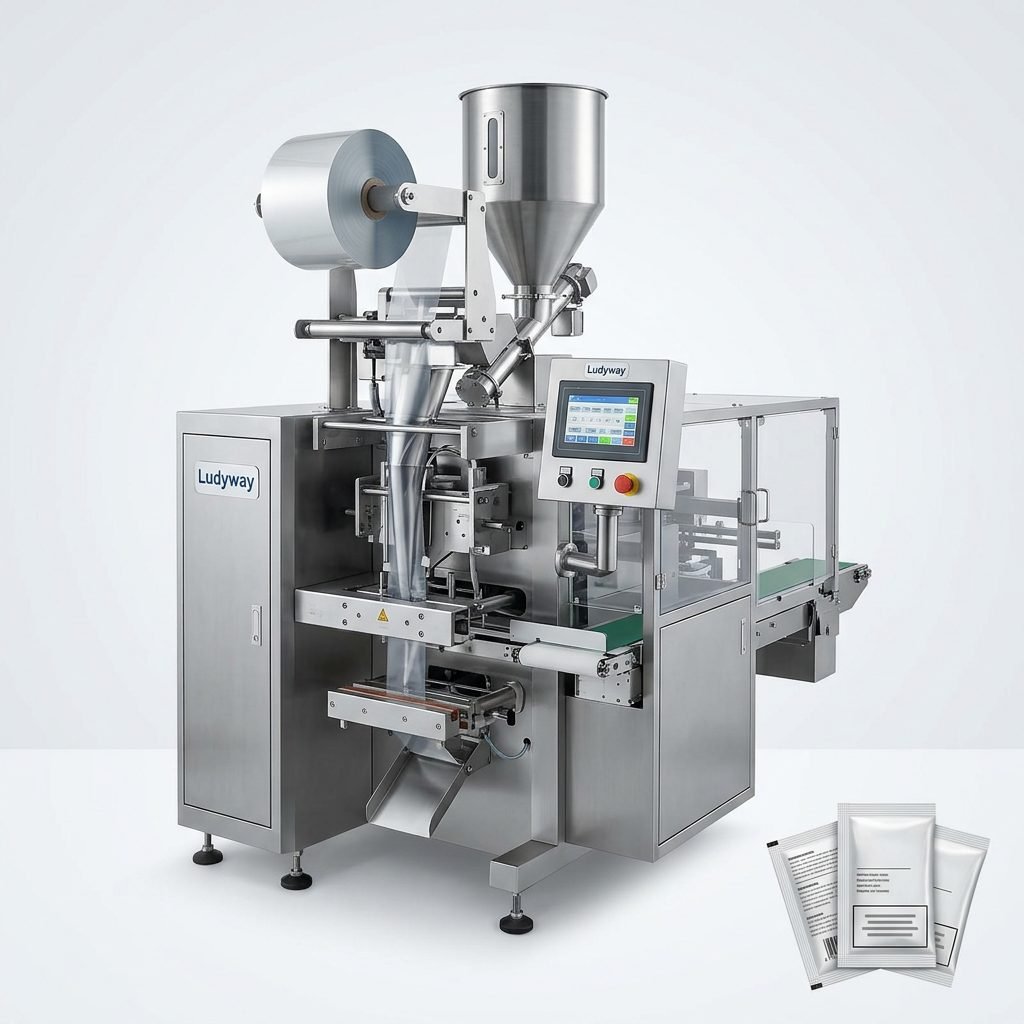
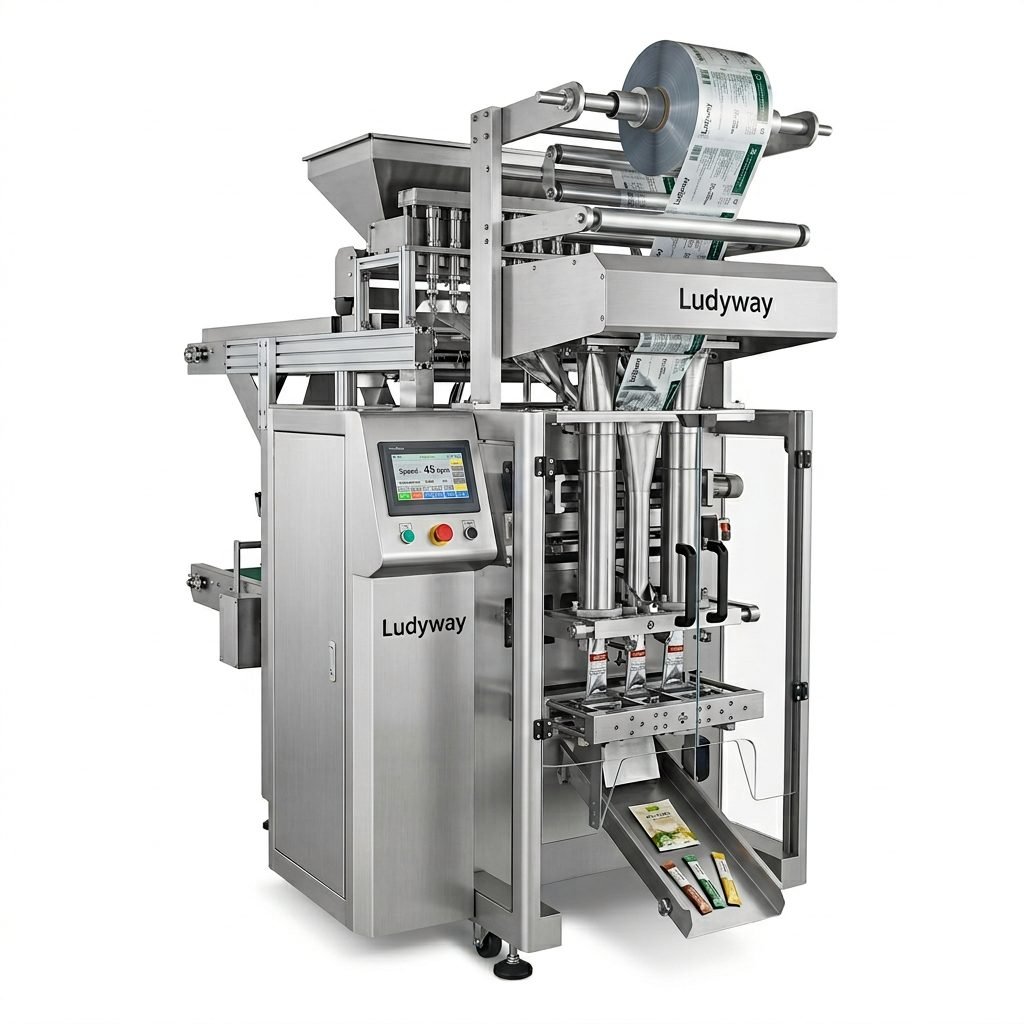
- Hybrid and Flexible Machinery: The demand for shorter production runs and personalized packaging is rising. Machines that offer quick changeovers and can handle multiple packaging formats (e.g., sachets, stick packs, pouches) on a single platform will gain significant market share. Companies like Ludyway Machinery have built expertise in providing such versatile, multi-lane packaging systems.
- Advanced Service Models: The shift from selling machinery to offering “Machinery-as-a-Service” (MaaS) or performance-based contracts is growing. This includes remote diagnostics, predictive maintenance via IoT, and guaranteed uptime, adding value beyond the initial sale.
Challenges and Considerations
The path to 2030 is not without obstacles. High initial capital investment for advanced machinery can be a barrier for small and medium-sized enterprises (SMEs). The rapid pace of technological change also poses a challenge in terms of workforce skills and training. Furthermore, the volatility in raw material costs for both machinery and packaging materials can impact profitability and investment decisions. Navigating complex and evolving global trade policies and supply chain disruptions remains a persistent challenge for market players.
Industry Perspective: Success in this evolving market will belong to those who prioritize flexibility, sustainability, and digital integration. Building long-term partnerships with machinery providers who offer not just equipment but comprehensive turnkey solutions and reliable support is becoming a critical strategy for manufacturers worldwide.
Conclusion and Growth Outlook to 2030
The global packaging machinery market is poised for a transformative and growth-oriented journey to 2030. Driven by e-commerce, sustainability mandates, and the Fourth Industrial Revolution, the market will continue to expand in both size and technological sophistication. While the Asia-Pacific region will lead in volume growth, innovation in automation and smart, sustainable solutions will be concentrated in developed markets. Companies that can effectively navigate the challenges of cost, complexity, and skills gaps while embracing trends in flexibility and digitalization will be best positioned to capitalize on the significant opportunities ahead. The future of packaging is intelligent, efficient, and green, and the machinery that enables it will be at the forefront of global manufacturing evolution.
Frequently Asked Questions (FAQs)
What is the biggest factor driving growth in the packaging machinery market?
The single largest driver is the global expansion of e-commerce, which demands highly efficient, automated, and protective packaging solutions at an unprecedented scale. Concurrently, the global push for sustainable packaging is forcing manufacturers to invest in new machinery capable of handling eco-friendly materials.
Which region will see the highest growth in packaging machinery demand?
The Asia-Pacific (APAC) region is projected to be the fastest-growing market from now until 2030. This is fueled by rapid industrialization, growing domestic consumption, rising disposable incomes, and strong government support for manufacturing sectors in countries like China, India, and Southeast Asian nations.
How is technology like AI and IoT impacting packaging machinery?
AI and IoT are revolutionizing the industry by enabling “smart” packaging lines. IoT allows for real-time monitoring and predictive maintenance, minimizing downtime. AI-powered vision systems ensure impeccable quality control by detecting defects at high speeds. Together, they optimize overall equipment effectiveness (OEE) and enable data-driven decision-making.
What are the main challenges for companies in this market?
Key challenges include the high capital investment required for advanced machinery, the need for continuous workforce upskilling to operate and maintain complex systems, and navigating the volatility of raw material costs and global supply chains. Keeping pace with rapidly changing sustainability regulations also presents a significant challenge.
What should a manufacturer look for when investing in new packaging machinery?
Manufacturers should prioritize flexibility (for quick changeovers and multiple formats), energy and material efficiency, connectivity for Industry 4.0 integration, and compliance with relevant safety and sustainability standards. Equally important is choosing a supplier with a strong reputation for reliable after-sales service, technical support, and total solution capabilities.