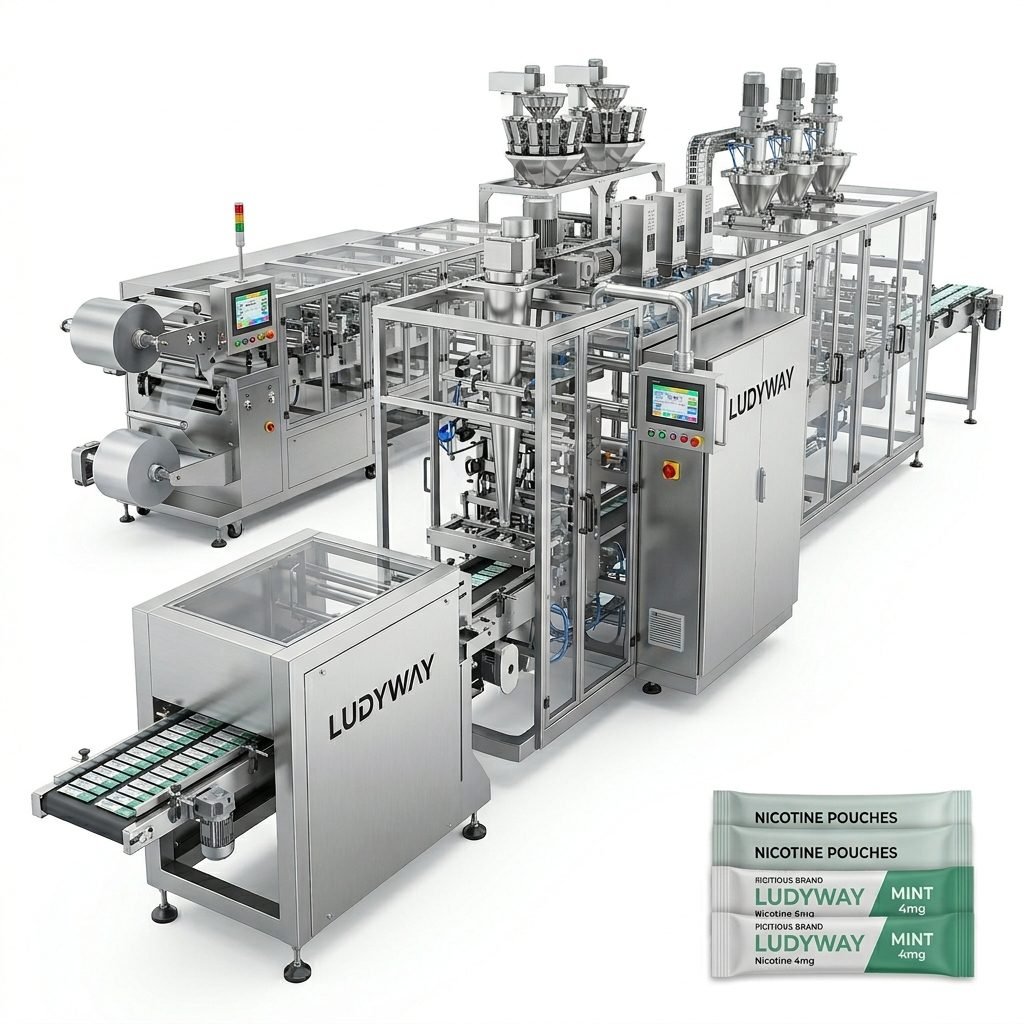
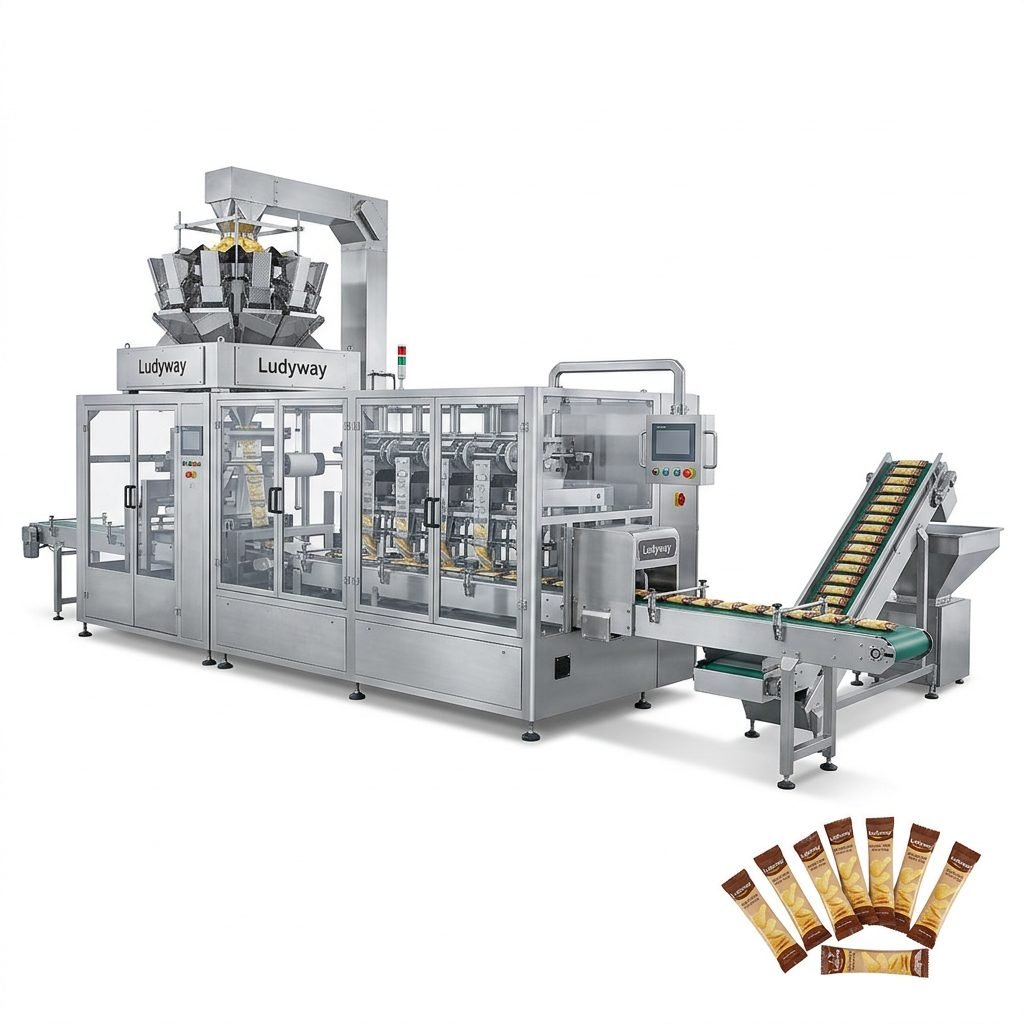
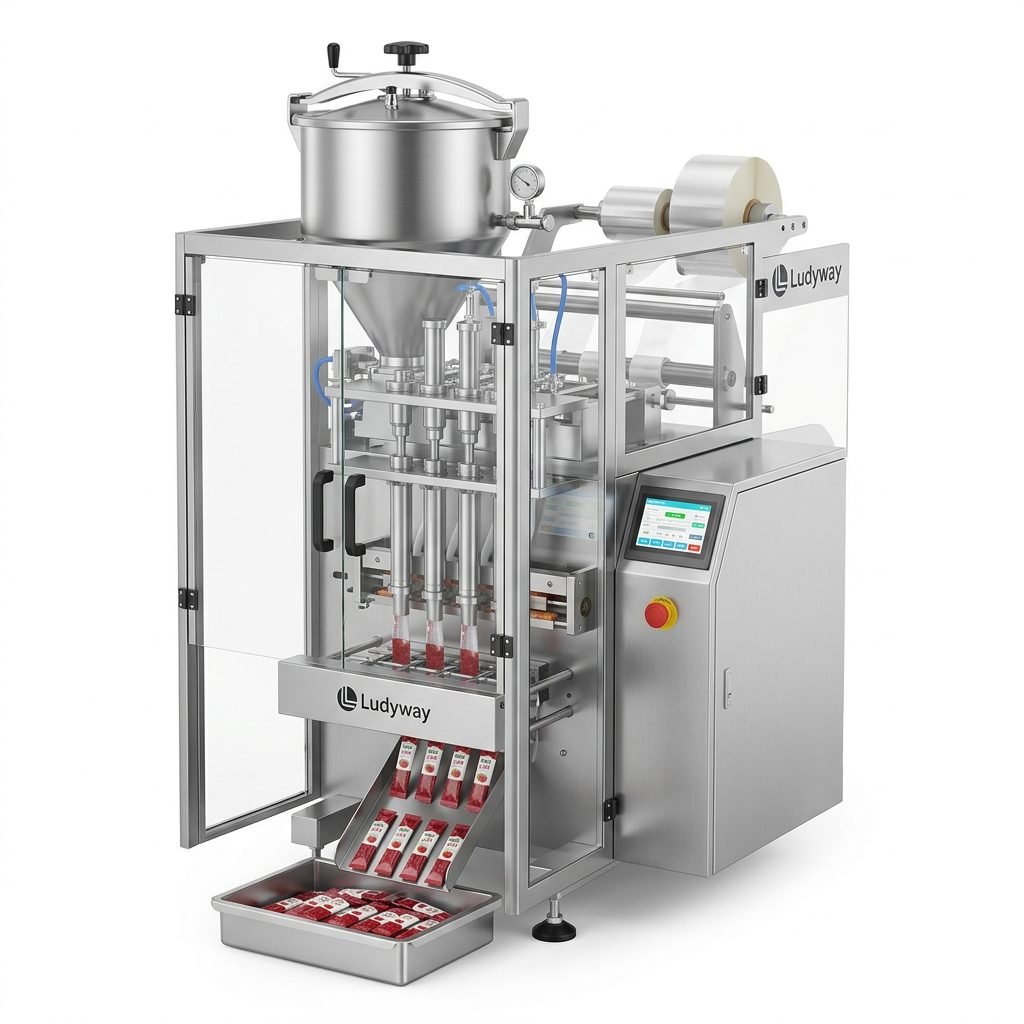
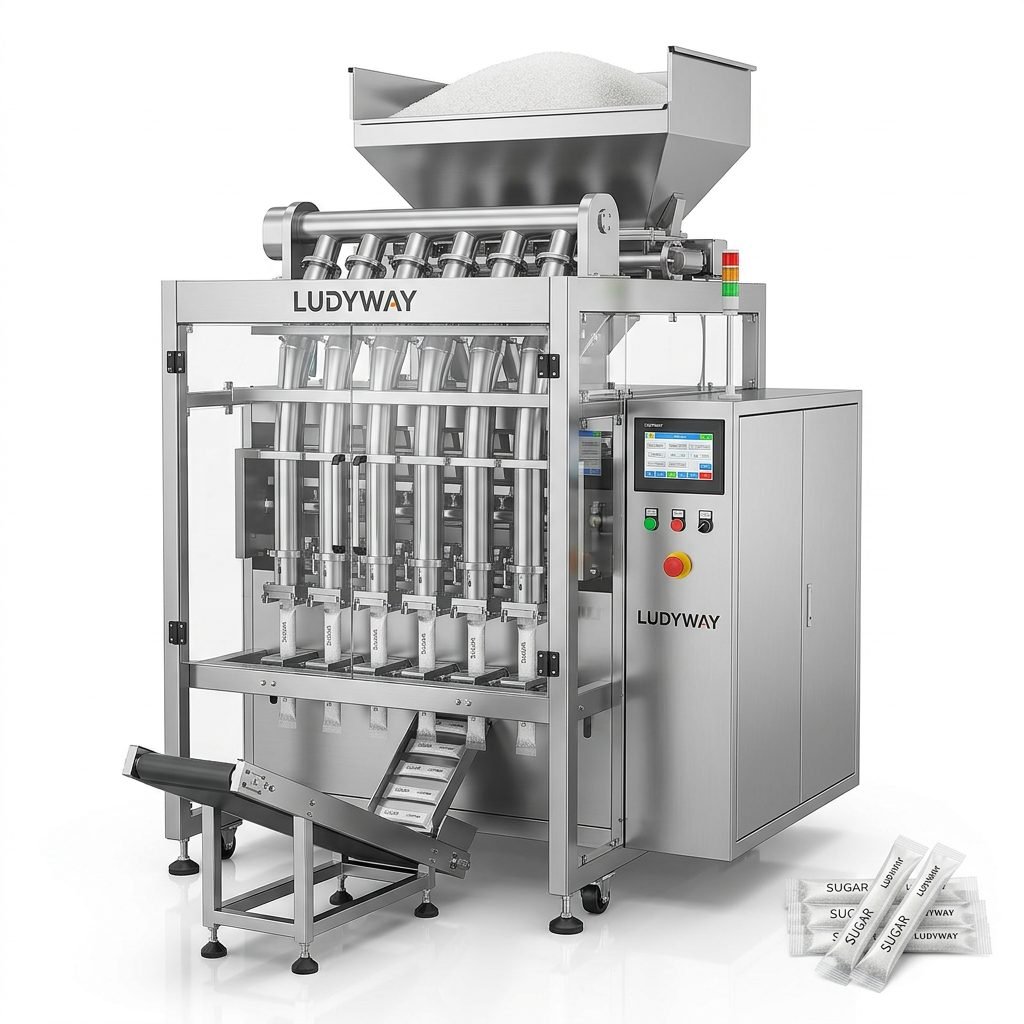
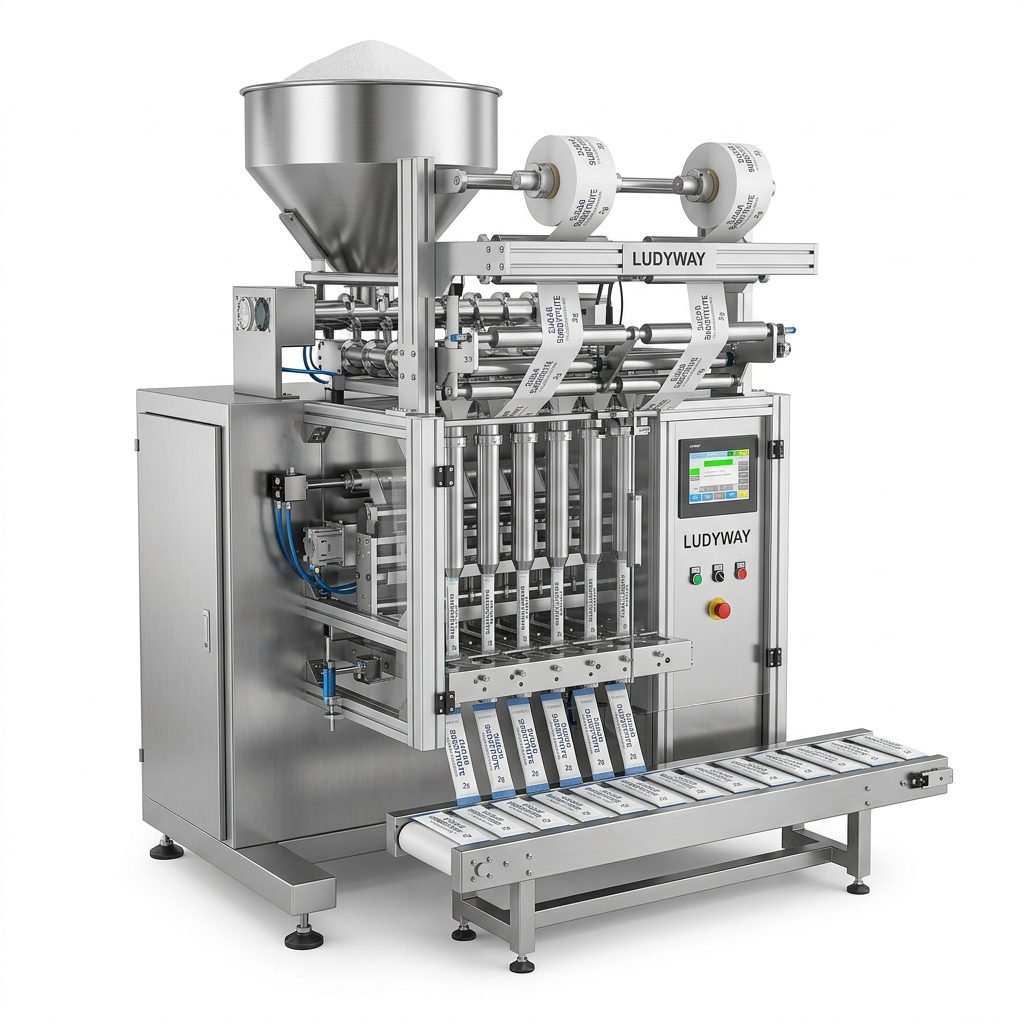
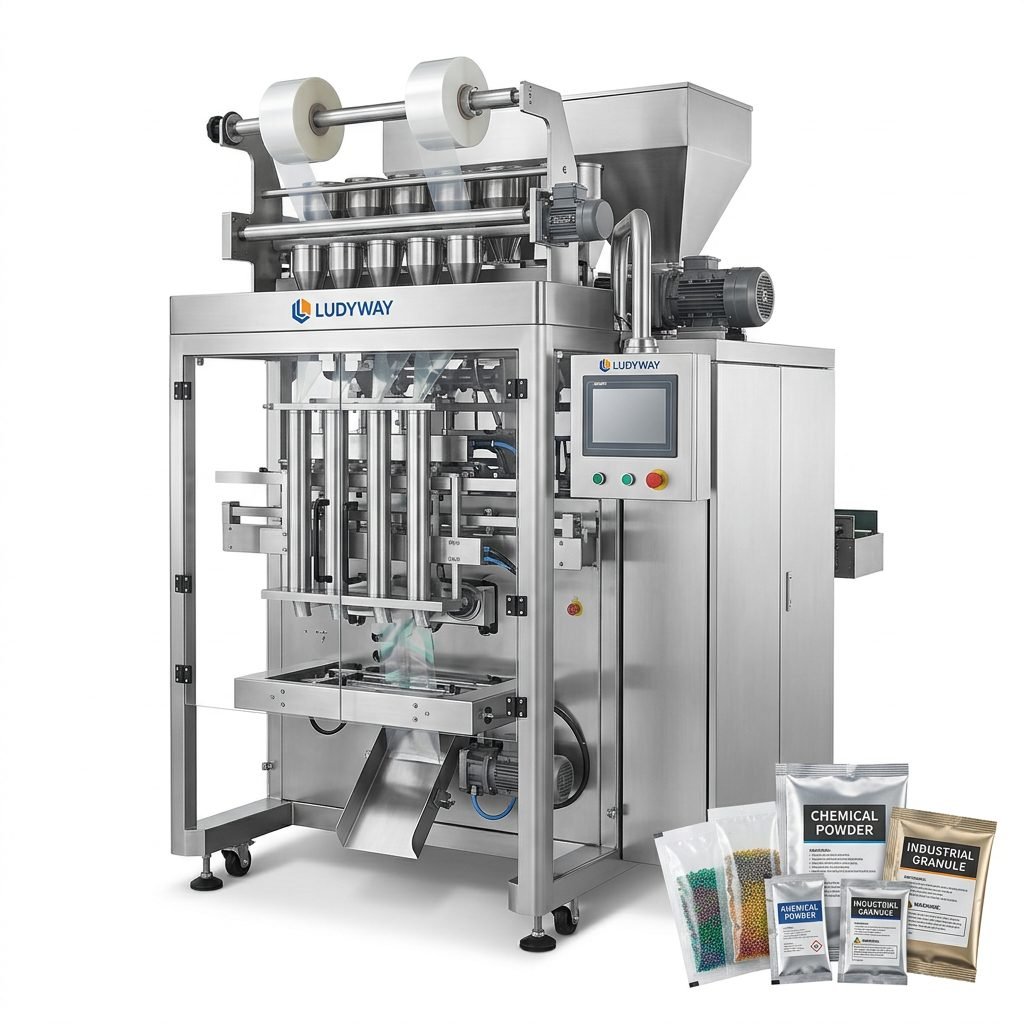
In the dynamic world of food and beverage production, efficiency, hygiene, and precision are paramount. The packaging process is a critical final step that directly impacts product quality, shelf life, brand perception, and operational costs. Investing in high-performance packaging machinery is not merely an upgrade; it’s a strategic necessity for modern manufacturers aiming to scale, innovate, and compete in a global marketplace.
The Critical Role of Packaging in Food & Beverage Industries
Packaging serves multiple vital functions beyond simple containment. It protects products from contamination, preserves freshness, extends shelf life, and provides essential consumer information. In sectors like snacks, condiments, beverages, dairy, and pharmaceuticals, the integrity of the packaging is inseparable from the integrity of the product itself. Therefore, the machinery that performs this task must be reliable, accurate, and adaptable.
Key Drivers for Automation
Several factors are pushing manufacturers towards automated, high-performance packaging solutions:
- Increasing Production Volumes: Manual packaging cannot meet the demands of mass production efficiently.
- Stringent Hygiene & Safety Standards: Automated systems minimize human contact, reducing contamination risks.
- Labor Cost & Availability Challenges: Automation provides consistency and reduces dependency on manual labor.
- Demand for Packaging Variety: Consumers and retailers require different formats—sachets, stick packs, bottles, pouches.
- Need for Precision & Accuracy: Consistent fill weight and package quality are crucial for compliance and customer satisfaction.
Core Technologies in High-Performance Packaging Machines
Modern packaging equipment integrates several advanced technologies to achieve high speed, accuracy, and flexibility.
1. Precision Weighing & Filling Systems
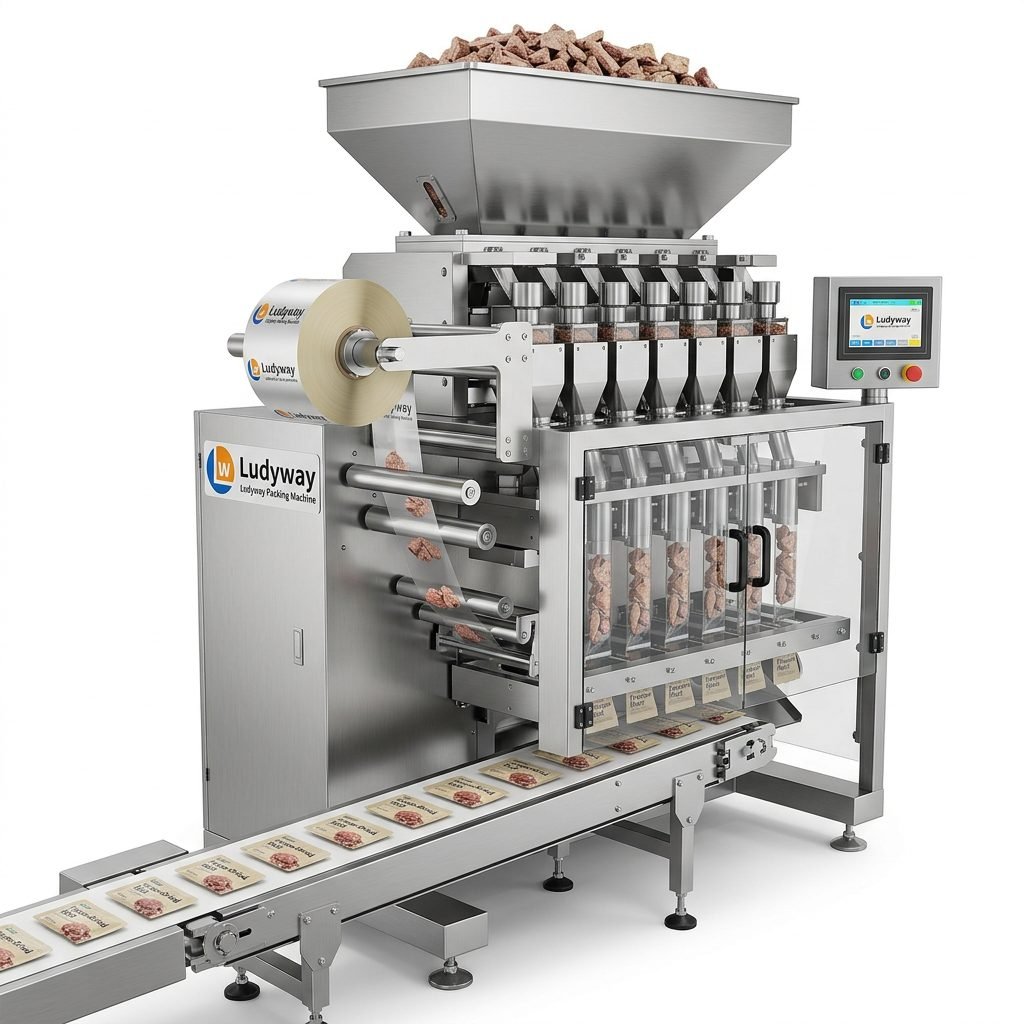
The heart of any packaging machine is its filling mechanism. For granules, powders, and liquids, high-performance machines utilize multi-head weighers, volumetric fillers, or piston pumps. These systems are controlled by sophisticated software to ensure each package meets exact weight or volume specifications, crucial for cost control and regulatory compliance. Learn more about filling technologies.
2. Advanced Material Handling & Forming
Machines must handle various packaging films—laminated, metallized, or biodegradable—with precision. The forming process, whether for a sachet, stick pack, or pouch, requires consistent heat control, tension management, and precise cutting to create a perfect seal and shape.
Focus on Seal Integrity
A weak seal can lead to product spoilage and recalls. High-performance machines employ consistent temperature monitoring and pressure application during sealing. Some systems include real-time seal inspection using sensors or vision systems to detect and reject faulty packages immediately.
3. Integrated Robotics & Automation
For end-of-line tasks like cartoning, palletizing, and case packing, robotic arms are increasingly integrated. This creates a seamless, fully automated production line, boosting overall throughput and reducing manual intervention. Explore automation integration options.
4. Smart Control & Monitoring Systems
The operational brain of the machine is its control system. Modern machines feature touchscreen HMIs (Human-Machine Interfaces) with intuitive software. They provide real-time data on production speed, yield, error rates, and maintenance alerts. This connectivity enables predictive maintenance and remote troubleshooting, maximizing uptime.
Selecting the Right Machine for Your Application
Choosing equipment requires a careful analysis of your specific needs.
Application-Specific Considerations
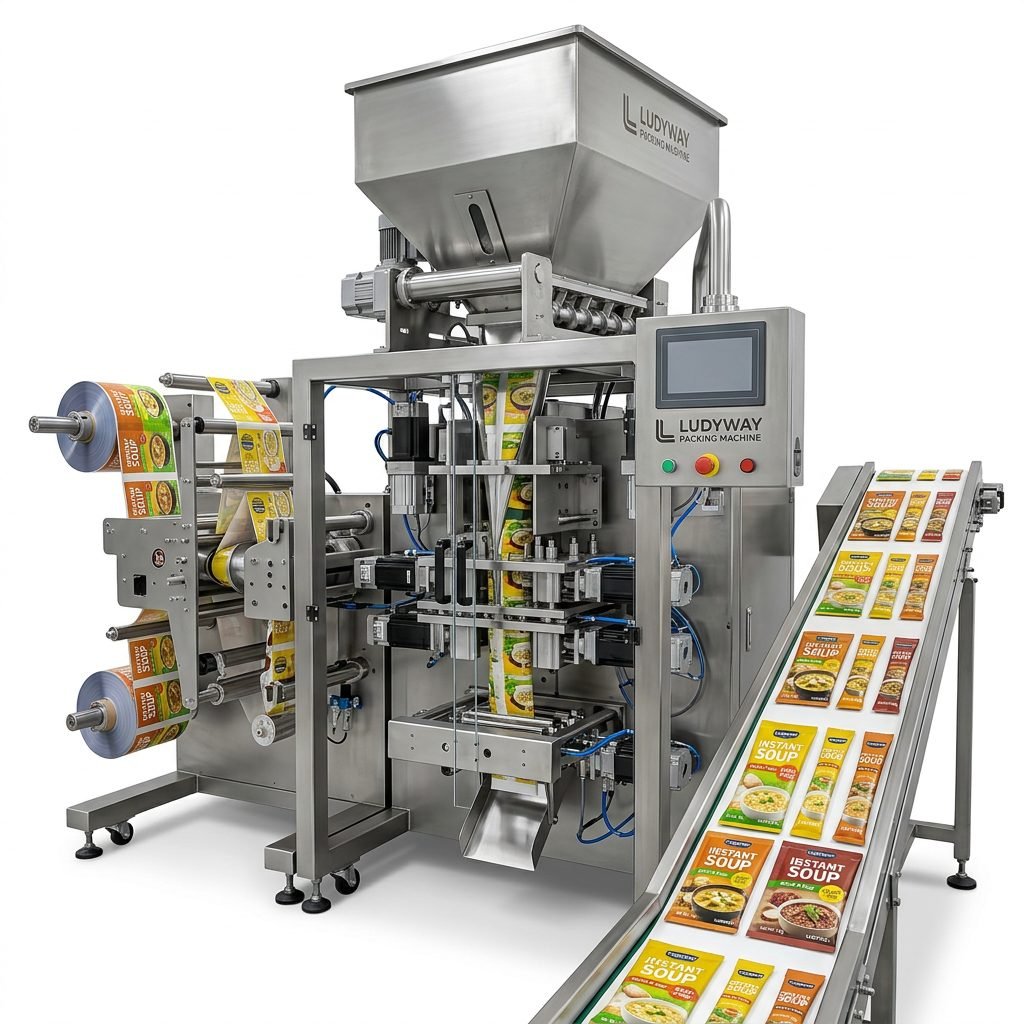
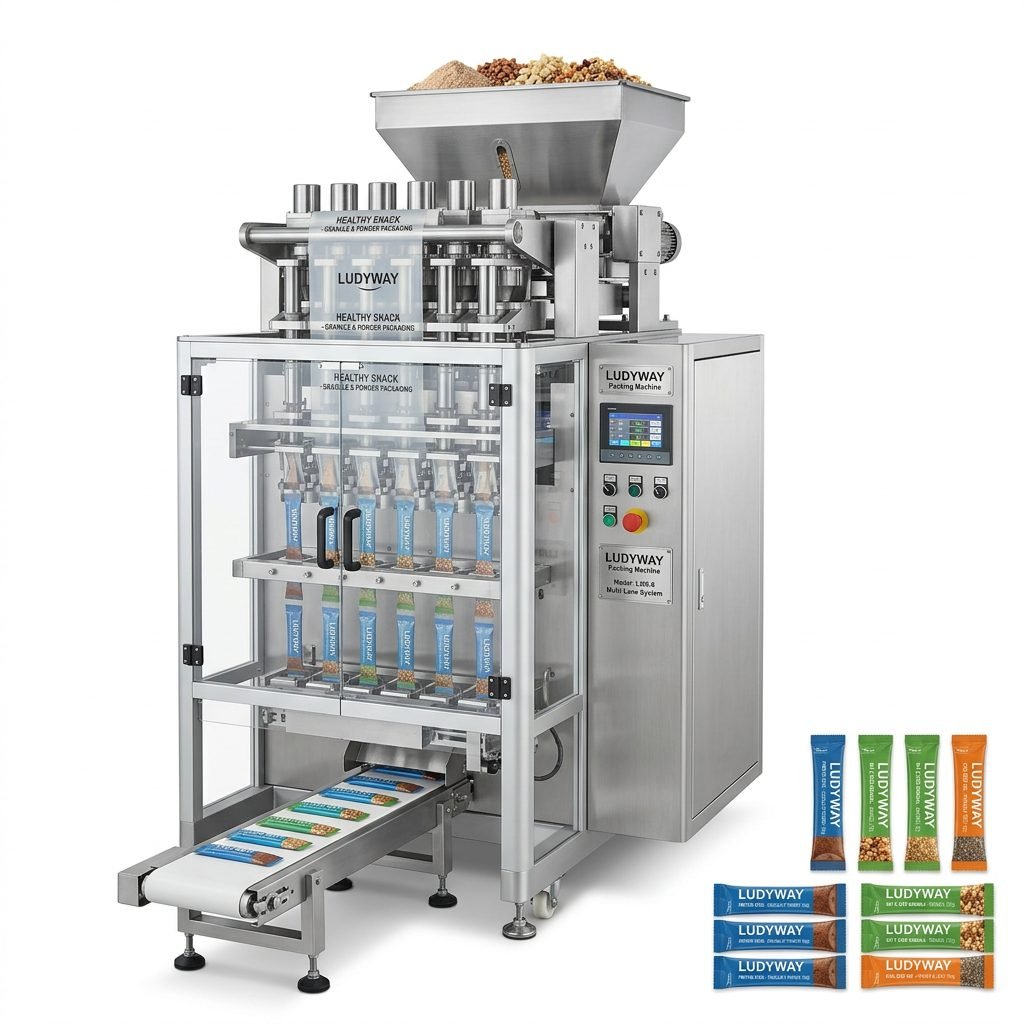
- Granules & Powders (Coffee, Sugar, Spices): Require machines with excellent dosing accuracy and dust-proof features. Multi-lane stick pack machines are popular for single-serve portions.
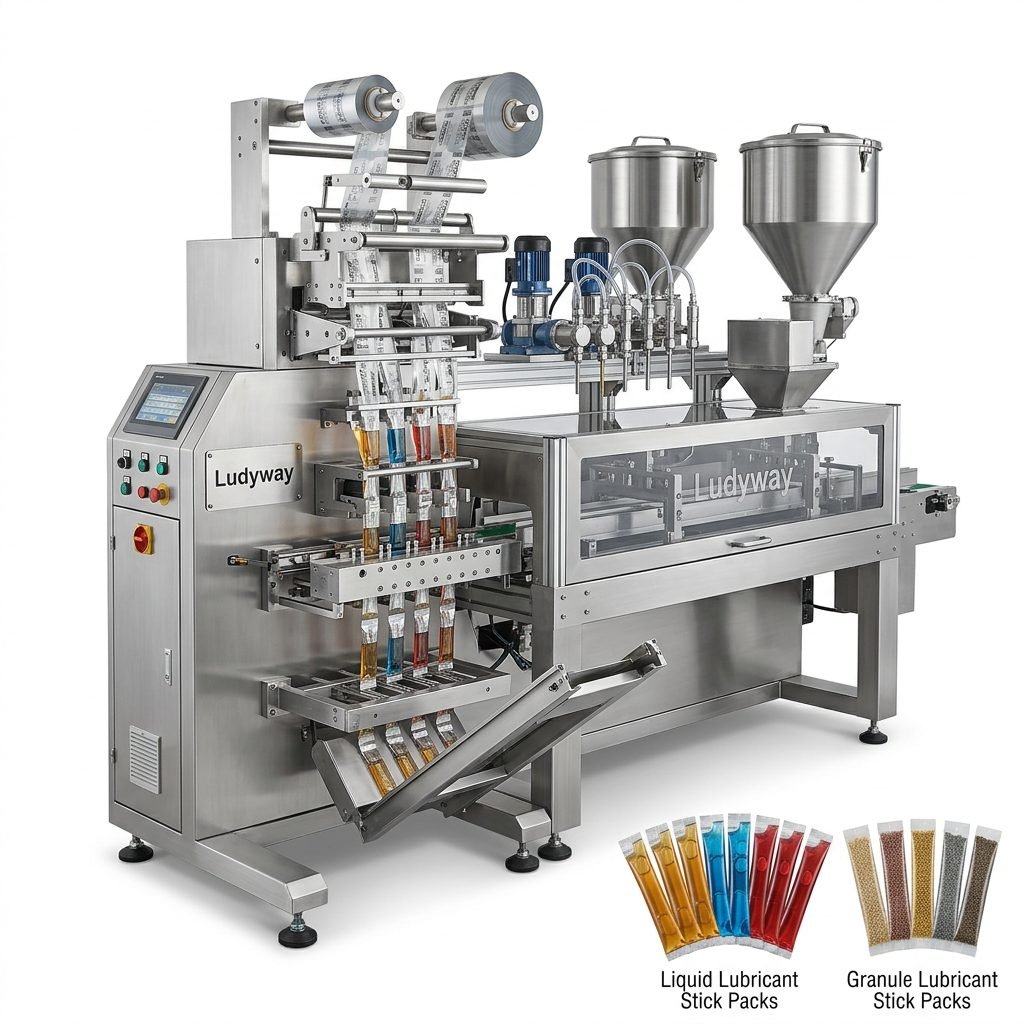
- Liquids (Sauces, Beverages, Oils): Need leak-proof sealing and precise volumetric filling. Liquid pouch packaging machines with piston fillers are commonly used.
- Sticky & Viscous Products (Honey, Syrup): Demand special nozzle designs and temperature-controlled hoppers to ensure smooth flow.
- Pharmaceutical & Health Products: Require machines that meet higher cleanliness standards (often with CIP – Clean-in-Place systems) and offer exceptional traceability.
Beyond the product, consider your required output speed, packaging material type, changeover frequency between different products or formats, and available factory space. A reputable supplier like Ludyway Machinery can provide tailored assessments and recommendations based on over 30 years of industry experience.
Benefits Beyond Productivity
The advantages of deploying high-performance packaging machines extend far beyond increased output.
Enhanced Product Quality & Safety
Automated, closed systems minimize human contact and environmental exposure, significantly reducing microbial contamination risks. Consistent sealing directly improves shelf life and product integrity.
Significant Operational Cost Savings
While the initial investment is substantial, the long-term savings are clear: reduced labor costs, lower material waste from accurate filling, minimized product loss from faulty packaging, and higher overall equipment efficiency (OEE).
Improved Sustainability
Modern machines can handle thinner, recyclable, or biodegradable films efficiently. Precision filling reduces product overfill, minimizing resource waste. Some systems are engineered for lower energy consumption.
Scalability & Future-Proofing
High-performance machines are designed with modularity and upgrade potential. As your business grows or new packaging trends emerge, your line can often be adapted or expanded, protecting your initial investment.
Implementation & Partnership: Keys to Success
Successful integration of new packaging machinery is a project, not just a purchase.
The Role of a Trusted Supplier
A partner with strong engineering capabilities and a global service network is invaluable. They should offer:
- Pre-sale Consulting & Line Design: Analyzing your needs and designing the optimal solution.
- Customization & Flexibility: Adapting standard machines to your unique requirements.
- Comprehensive Training: For your operators and maintenance staff.
- Reliable After-Sales Support: Including spare parts, remote support, and on-site service.
- Turnkey Project Management: Coordinating installation, commissioning, and production start-up.
Suppliers like Ludyway Machinery, with a portfolio of over 50 intelligent machine models and a commitment to long-term cooperation, exemplify this partnership approach.
Conclusion
High-performance packaging machines are the engines of growth and quality assurance in today’s food and beverage production. They transform packaging from a manual, variable-cost operation into a streamlined, reliable, and data-driven core process. By focusing on precision, automation, hygiene, and flexibility, these machines empower manufacturers to meet current demands and adapt to future challenges. Investing in the right technology, supported by the right partnership, is a decisive step towards building a more resilient, efficient, and competitive production facility.
Frequently Asked Questions (FAQs)
What is the typical output speed range for a modern sachet packaging machine?
Speeds vary greatly based on machine type and package size. Standard single-lane sachet machines can range from 60 to 120 packs per minute. High-speed, multi-lane machines (e.g., 4-lane or 8-lane) for small stick packs can achieve outputs of 400 to over 800 packs per minute.
Can one machine handle different packaging materials, like laminate and biodegradable film?
Many high-performance machines are designed with adjustable forming tools and temperature controls to handle a range of materials. However, a significant change in material properties (like thickness or melting point) may require specific adjustments or even tooling changes. Consult your supplier for the machine’s specific flexibility.
How important is the control software, and can it integrate with our factory’s MES system?
The control software is critical for operation, monitoring, and data collection. Most modern machines provide production data (speed, yield, errors) that can often be exported via standard protocols (like OPC UA) or simple data logs. Integration with a Manufacturing Execution System (MES) is possible and should be discussed during the project planning phase.
What kind of maintenance schedule do these machines require?
Regular preventive maintenance is essential for sustained performance. This typically includes daily cleaning, weekly lubrication checks, and periodic inspection of critical components like seals, cutters, and sensors. The supplier should provide a detailed maintenance schedule and training. Many machines now feature self-diagnostic systems to alert operators to potential issues.
Is it possible to get a customized machine for a unique product shape or filling process?
Yes. Many experienced packaging machinery suppliers offer customization services. This can involve special feeding mechanisms for unusual products, unique nozzle designs for specific liquids, or custom-formed package shapes. The feasibility and cost depend on the complexity of the requirement. Discuss customization needs with an expert.