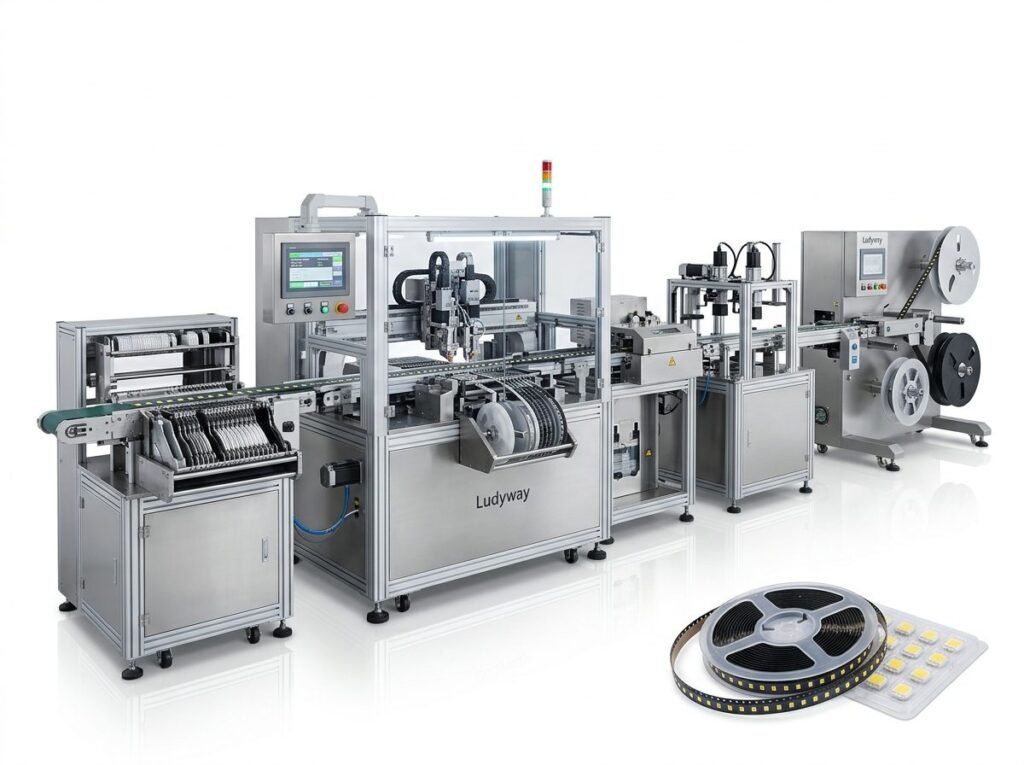
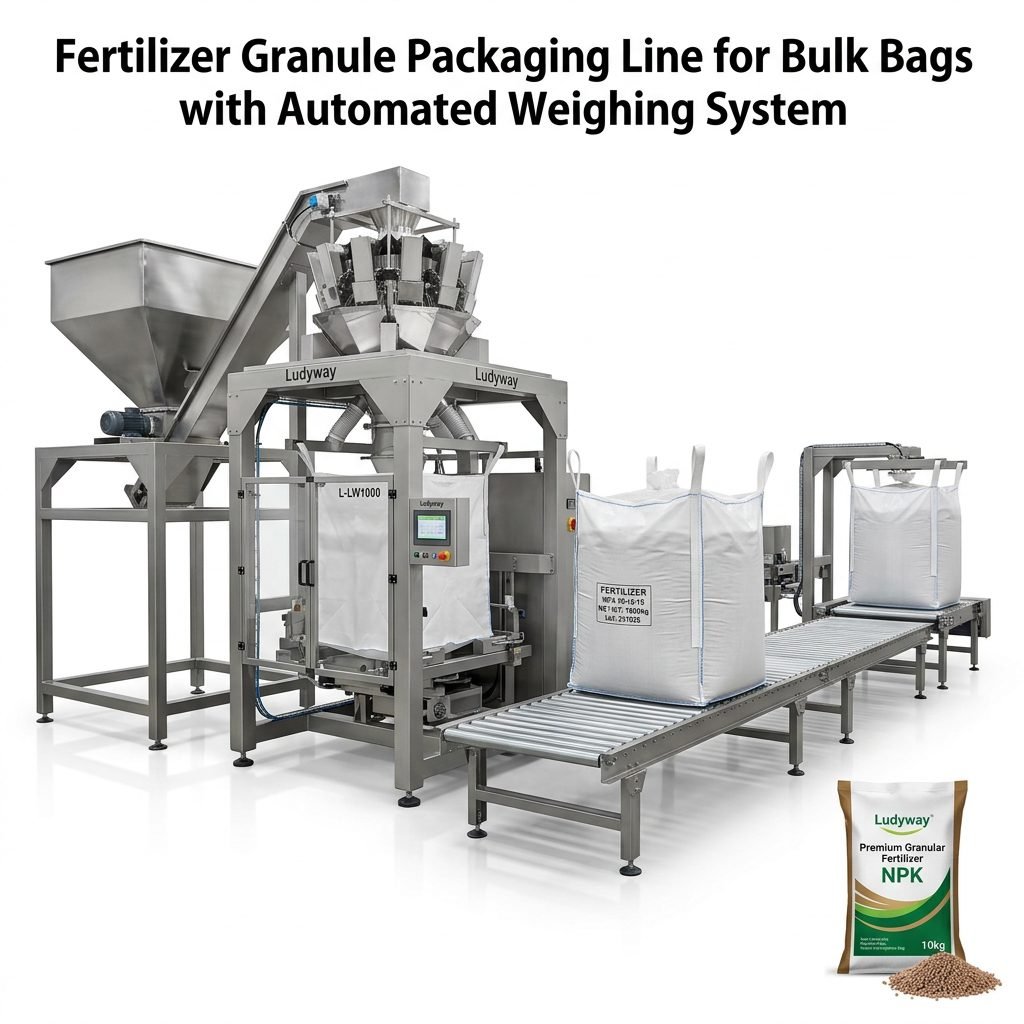
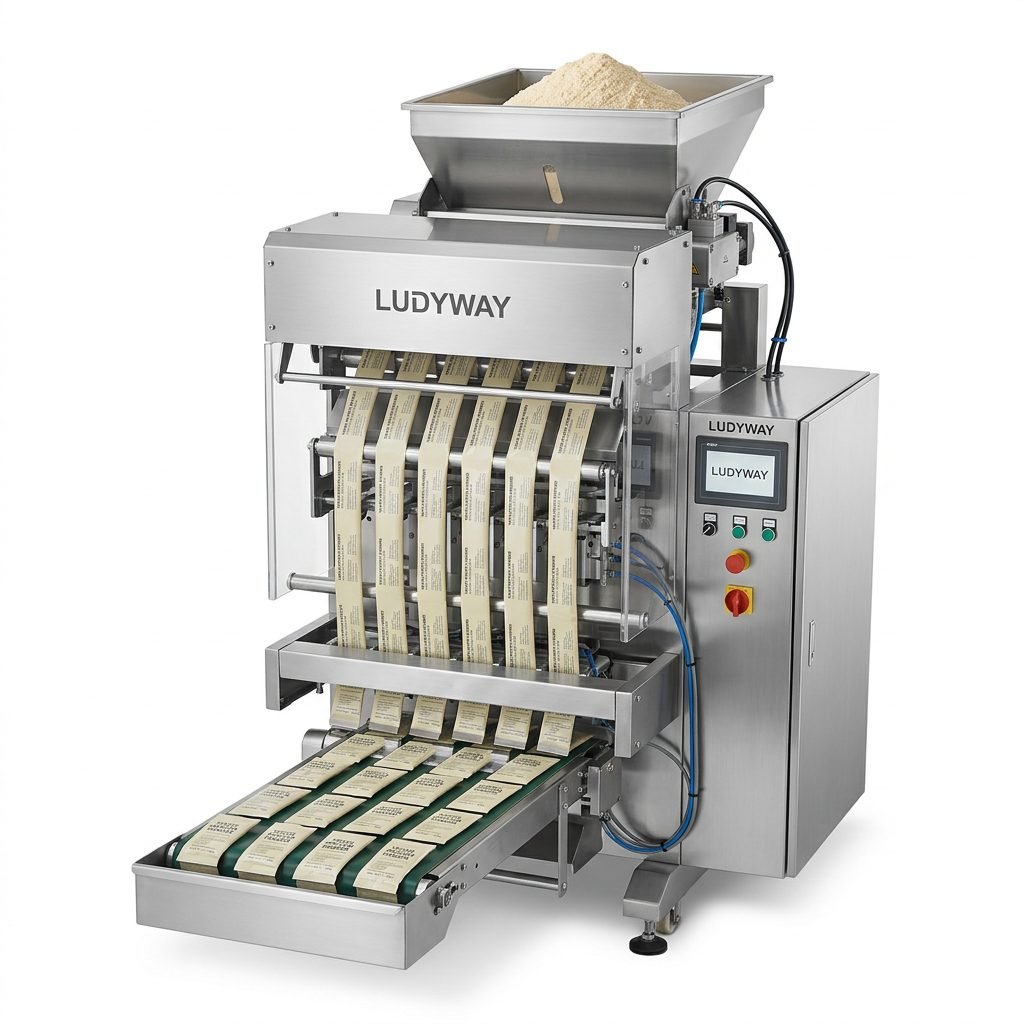
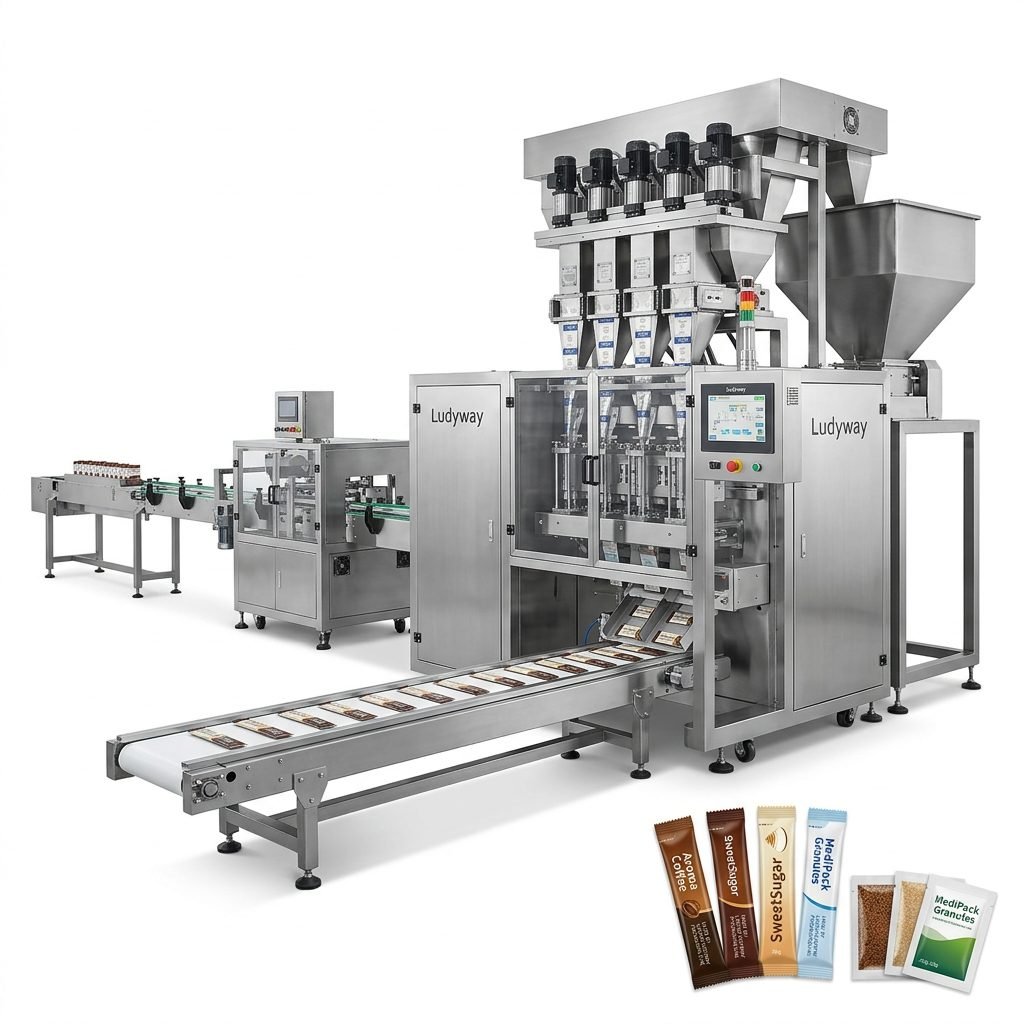
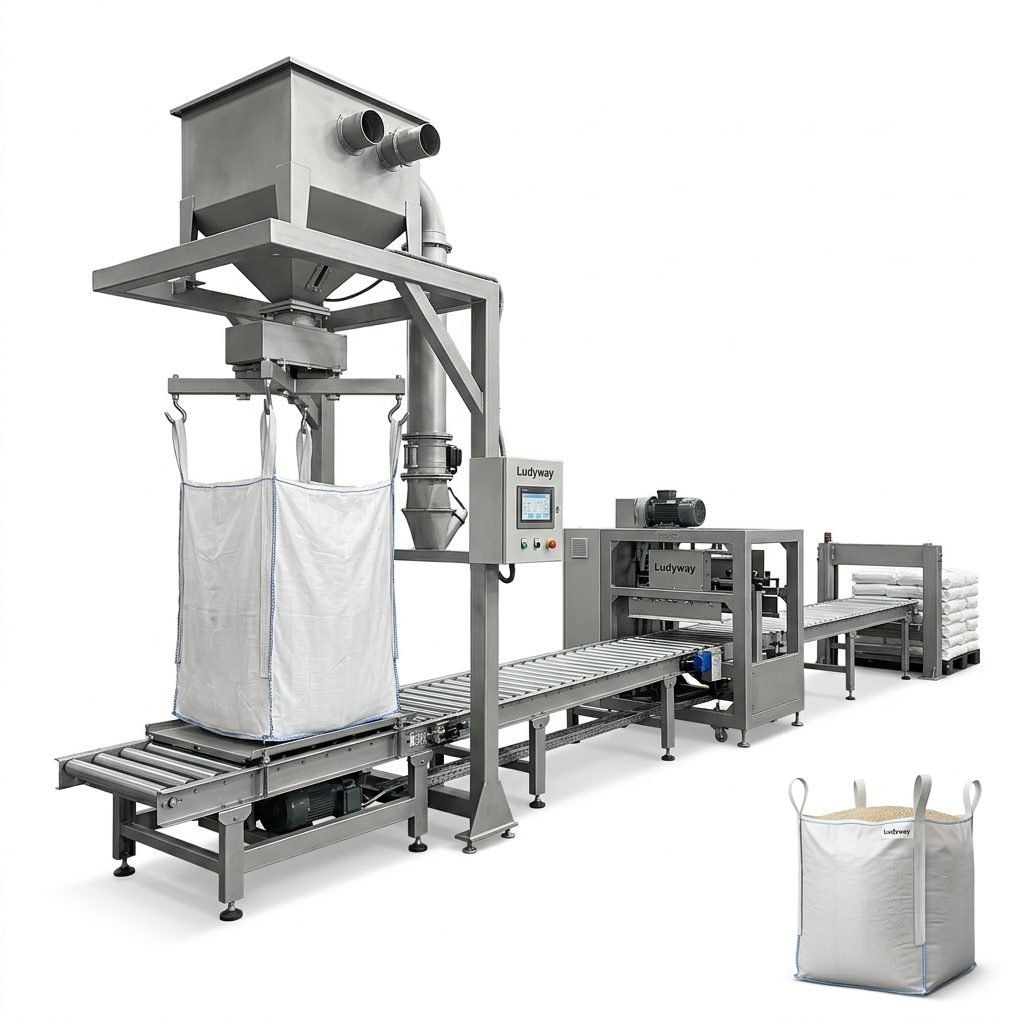
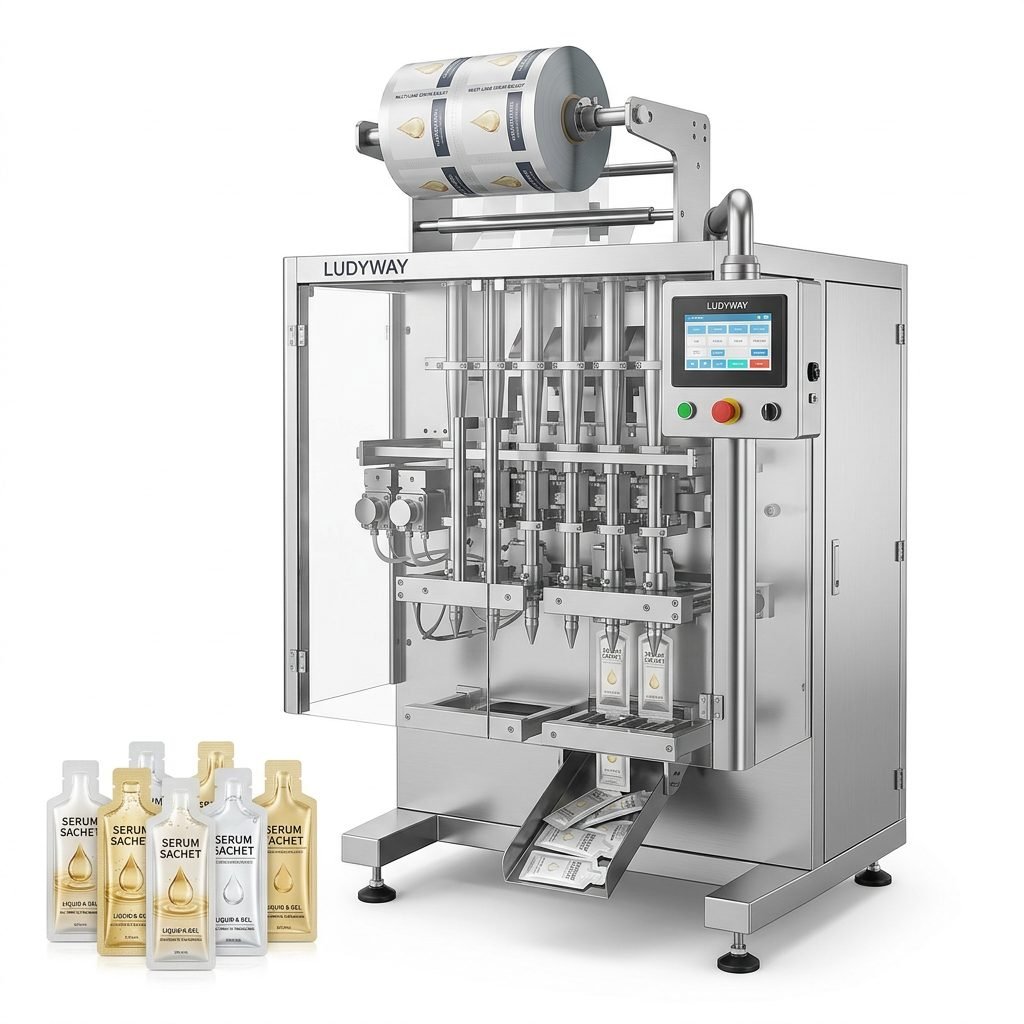
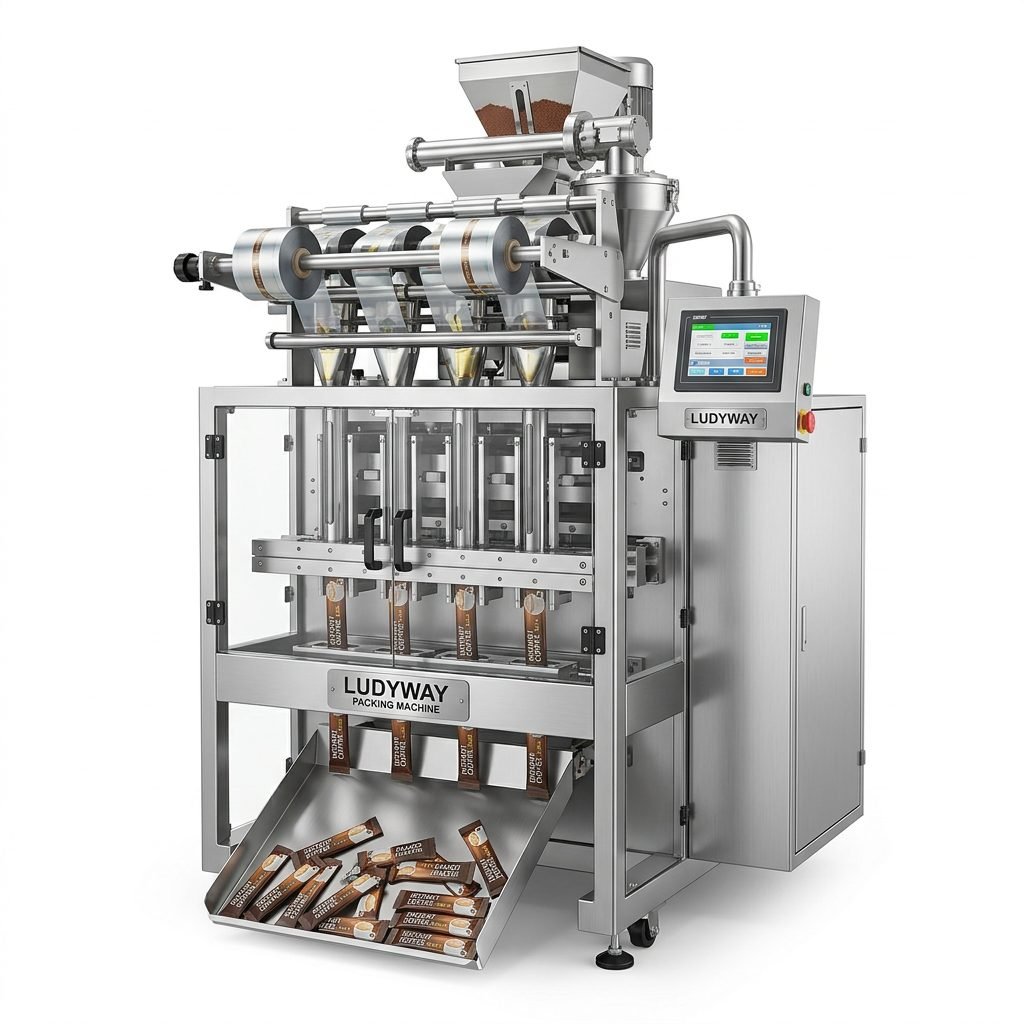
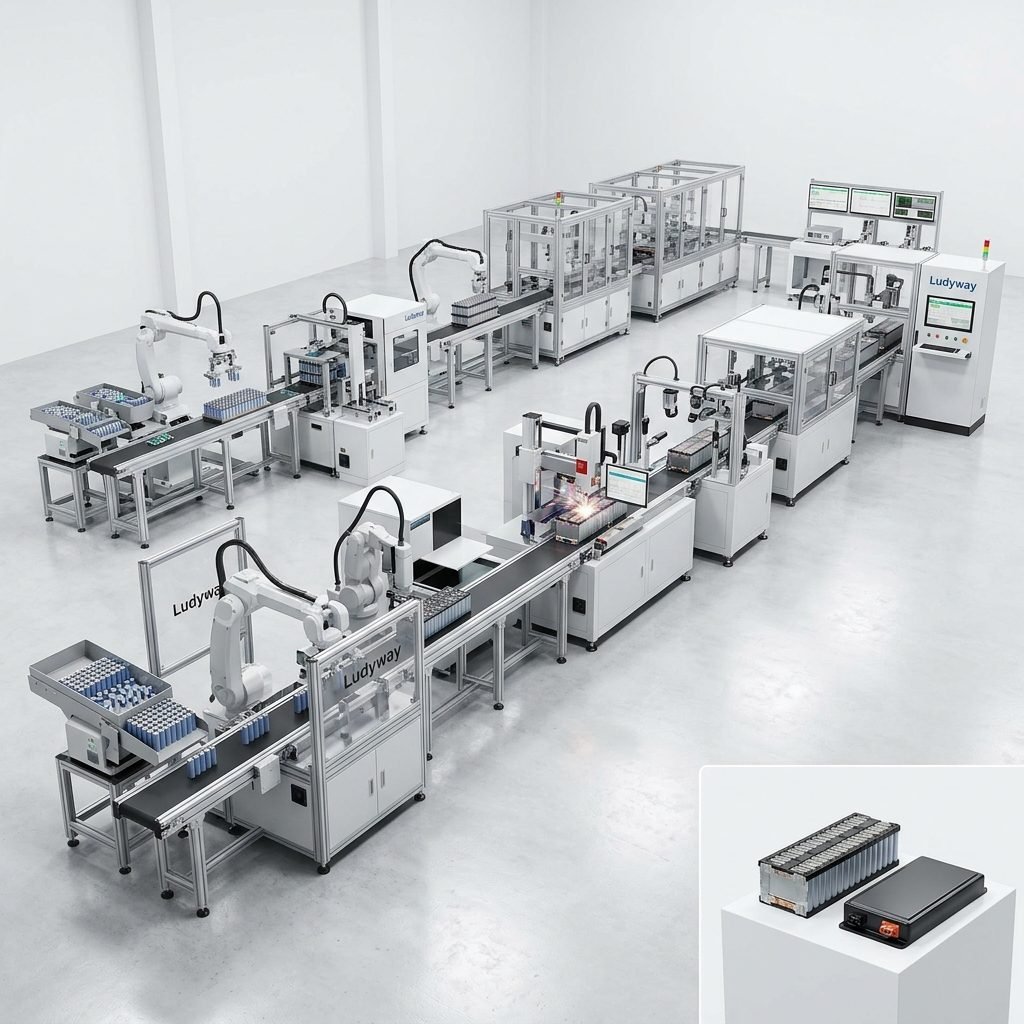
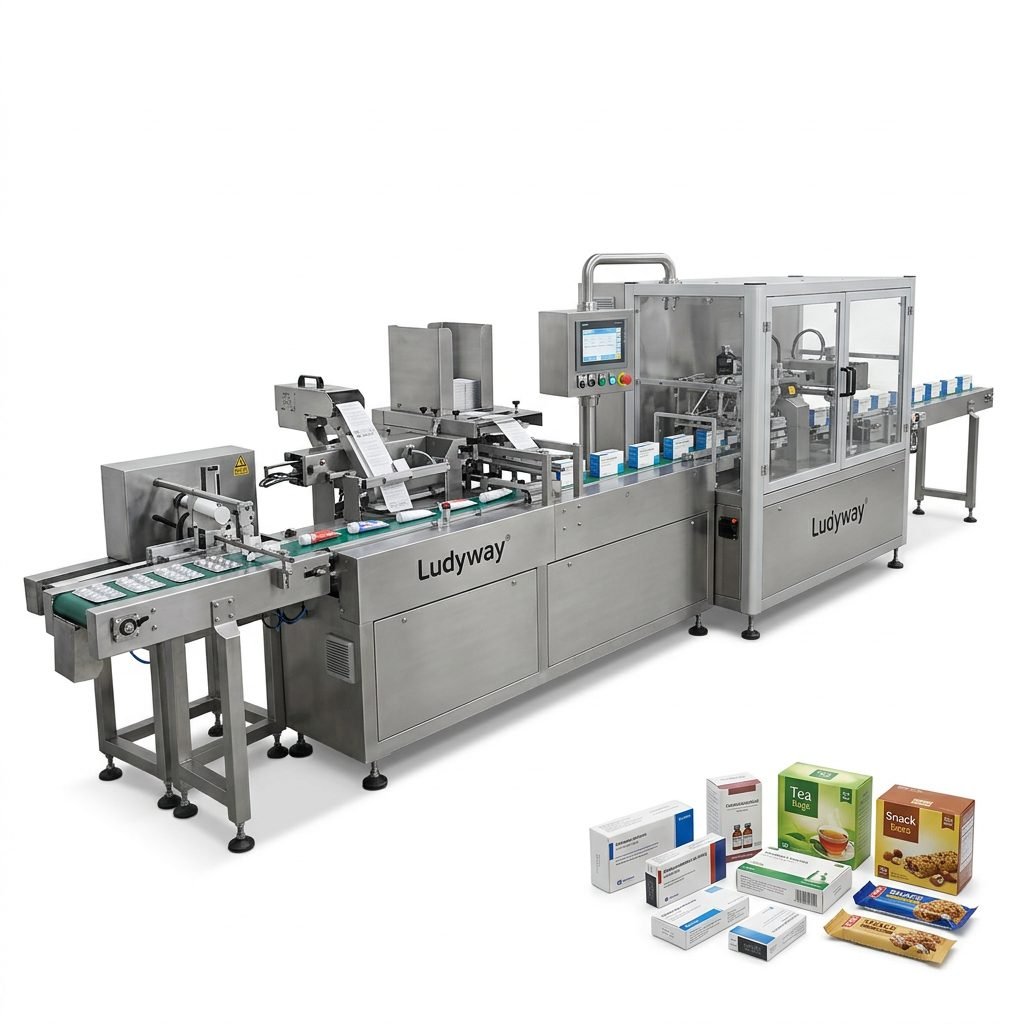
In today’s fast-paced manufacturing landscape, the demand for speed, precision, and consistency in packaging has never been higher. Traditional manual or semi-automated systems often struggle with bottlenecks, human error, and inconsistent output, leading to wasted materials, production delays, and compromised product quality. This is where the intelligent packaging machine revolutionizes the industry. By integrating smart automation, these advanced systems are not just replacing old equipment; they are fundamentally transforming production floors into hubs of data-driven efficiency, unparalleled accuracy, and superior quality control.
The Core of Intelligence: What Makes a Packaging Machine “Smart”?
An intelligent packaging machine goes far beyond basic mechanization. It is a sophisticated system built on several interconnected technological pillars:
Integrated Sensors & Vision Systems: These act as the machine’s “eyes and nerves,” continuously monitoring every aspect of the process—from film registration and product fill level to seal integrity and label placement. Any deviation from the set parameters triggers an immediate corrective action or alert.
Programmable Logic Controllers (PLCs) & IoT Connectivity: The PLC is the machine’s “brain,” executing complex control sequences. When connected to the Industrial Internet of Things (IIoT), it enables real-time data exchange with factory management systems for remote monitoring, predictive analytics, and centralized control.
Adaptive Servo Motors & Drives: Unlike traditional motors, servo systems provide precise, programmable control over speed, position, and torque. This allows for instantaneous adjustments on-the-fly, enabling features like quick changeovers and dynamic compensation for material variations.
User-Friendly Human-Machine Interface (HMI): A centralized touchscreen panel provides operators with intuitive control over all machine functions, access to production data, recipe management, and diagnostic tools, simplifying operation and troubleshooting.
How Smart Automation Drives Unprecedented Operational Efficiency
The primary advantage of intelligent packaging is a dramatic leap in production efficiency. This manifests in several key areas:
Maximized Uptime & Speed: Intelligent machines are designed for continuous, high-speed operation with minimal intervention. Automated material feeding, splicing, and waste removal systems prevent stoppages. Advanced motion control algorithms optimize machine cycles, pushing output rates (packages per minute) to new heights while maintaining smooth, stable running.
Radically Reduced Changeover Time: One of the biggest productivity killers in packaging is the downtime required to switch between different product formats or package sizes. Smart machines tackle this with recipe management systems. An operator can simply recall a pre-stored recipe on the HMI, and servo motors automatically adjust all mechanical components—form-fill-seal jaw sizes, film guides, filler positions—to the new specifications in minutes, not hours.
Predictive Maintenance Over Reactive Repairs: By constantly analyzing data from vibration sensors, temperature monitors, and motor current draw, the system can predict component wear or potential failures before they cause a breakdown. Maintenance can be scheduled proactively during planned downtime, avoiding costly unplanned stoppages.
Achieving Pinpoint Accuracy and Consistent Product Quality
Beyond speed, intelligent automation delivers a level of accuracy that is simply unattainable with manual processes. This accuracy is the direct foundation of high and consistent product quality.
Key Quality Metrics Enhanced by Automation:
✅ Precise Dosing & Filling: Multi-head weigh scales, auger fillers, and liquid pumps controlled by servo drives ensure each package receives the exact target weight or volume, minimizing give-away and ensuring compliance with regulatory standards.
✅ Perfect Seal Integrity: Intelligent temperature and pressure control on sealing jaws, combined with vision inspection of every seal, guarantees leak-proof packages every time, extending shelf life and protecting product integrity.
✅ Flawless Labeling & Coding: Integrated vision systems verify that labels are applied correctly and legibly, and that batch codes or expiration dates are printed accurately, reducing the risk of recalls and customer complaints.
✅ 100% In-Line Inspection: Reject mechanisms automatically remove any package that fails checks for weight, seal, fill level, or appearance, ensuring that only perfect products proceed to shipping.
This relentless focus on accuracy translates directly into reduced waste (saving on raw materials), enhanced brand reputation (consistent, professional packaging), and lower risk of non-compliance with industry regulations.
Data: The Unsung Hero of the Intelligent Production Line
Perhaps the most transformative aspect of smart packaging machinery is its ability to generate and utilize data. Every production run creates a digital trail of information:
Overall Equipment Effectiveness (OEE) Tracking: The machine automatically calculates its OEE—a composite metric of availability, performance, and quality—giving managers a clear, real-time picture of production line health and identifying areas for improvement.
Traceability & Reporting: Detailed production reports are generated automatically, listing quantities produced, waste counts, downtime reasons, and material usage. This data is invaluable for inventory management, cost analysis, and creating full traceability records for each batch, a critical requirement in industries like pharmaceuticals and food.
Cloud-Based Analytics: Data from multiple machines across a facility, or even across global plants, can be aggregated in the cloud. This allows for benchmarking, trend analysis, and the implementation of best practices on a corporate scale, driving continuous improvement enterprise-wide.
Implementing Intelligent Packaging: A Strategic Investment
Upgrading to an intelligent packaging system is a strategic decision. Successful implementation involves:
Defining Clear Objectives: Identify your key pain points—is it speed, changeovers, waste, or quality consistency? Your goals will guide the selection of features.
Choosing the Right Partner: Work with a provider like Ludyway Machinery that offers not just advanced equipment, but also deep application expertise, reliable after-sales support, and the ability to provide customized turnkey solutions that integrate seamlessly into your existing workflow.
Training & Change Management: Empower your team. Comprehensive training ensures operators and maintenance technicians can fully leverage the machine’s capabilities, transforming their role from manual handlers to skilled supervisors of an automated process.
Frequently Asked Questions (FAQs)
1. What is the typical ROI for an intelligent packaging machine?
Return on investment can often be achieved within 12-24 months through quantifiable savings: reduced labor costs, lower material waste (from accurate filling), decreased downtime, and higher output of saleable product. The exact timeframe depends on production volume and the specific inefficiencies being addressed.
2. Are intelligent machines difficult to operate and maintain?
Contrary to perception, they are designed for user-friendliness. Intuitive HMIs guide operators through processes. Furthermore, their self-diagnostic capabilities and predictive maintenance features actually simplify maintenance by pinpointing issues before they become major problems, reducing the need for highly specialized technical intervention.
3. Can smart packaging machines handle small batch or custom production runs?
Absolutely. Their quick-changeover capabilities make them ideal for high-mix, low-volume production. Stored recipes allow switching between products rapidly, making customized or seasonal runs economically viable without sacrificing efficiency.
4. How do these machines ensure compliance with strict industry regulations (e.g., FDA, EU standards)?
They facilitate compliance through features like detailed, automated audit trails, secure recipe management with access controls, 100% inspection and rejection of non-conforming products, and the use of compliant materials in construction. Providers with experience in regulated industries can ensure the machine meets all necessary guidelines.
5. What kind of support is available after purchasing an intelligent packaging system?
Reputable suppliers offer comprehensive support packages including installation supervision, operator training, remote technical assistance via IoT connections, readily available spare parts, and on-site service. For example, exploring a provider’s service and support commitment is a critical step in the selection process.