Packaging Industry in Latin America Experiences Rapid Growth Driven by E-Commerce and Sustainability Trends
The packaging sector across Latin America is undergoing a significant transformation, marked by accelerated growth and evolving market demands. According to recent industry analyses, the regional packaging market is projected to expand at a compound annual growth rate (CAGR) of approximately 4.5% over the next five years. This surge is primarily fueled by two powerful, interconnected forces: the explosive growth of e-commerce and a strong, region-wide shift toward sustainable packaging practices.
E-Commerce Boom Reshapes Packaging Requirements
The rapid digitalization of consumer habits has made Latin America one of the world’s fastest-growing e-commerce markets. This shift has created a direct and substantial impact on packaging needs:
- Demand for Protective and Durable Packaging: With more goods traveling through complex logistics networks, there is a heightened need for primary and secondary packaging that ensures product safety from warehouse to doorstep.
- Rise of Small-Parcel and Single-Serve Formats: The convenience economy drives demand for smaller, unit-dose packaging suitable for direct-to-consumer shipping and subscription models.
- Need for Brand Differentiation at Unboxing: The “unboxing experience” has become a critical marketing touchpoint, pushing brands to invest in innovative, visually appealing, and functional packaging designs.
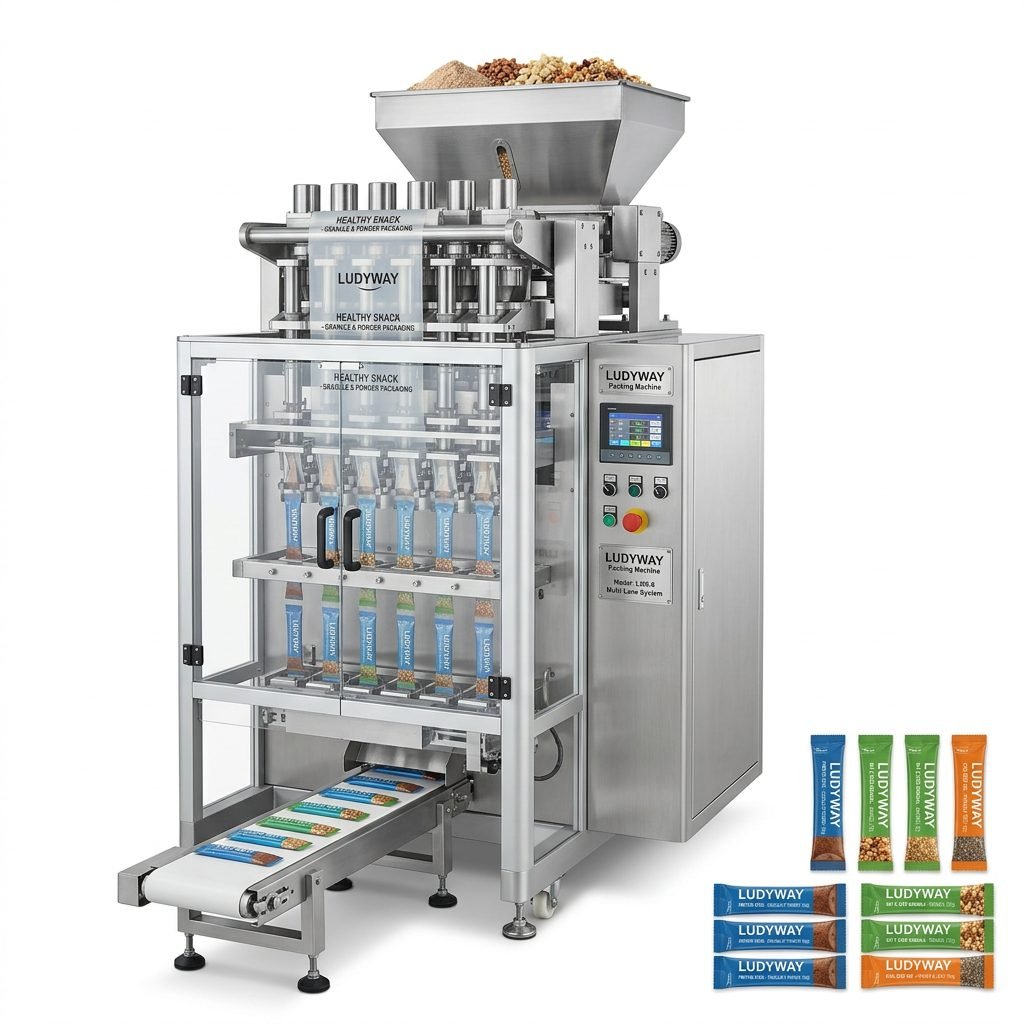
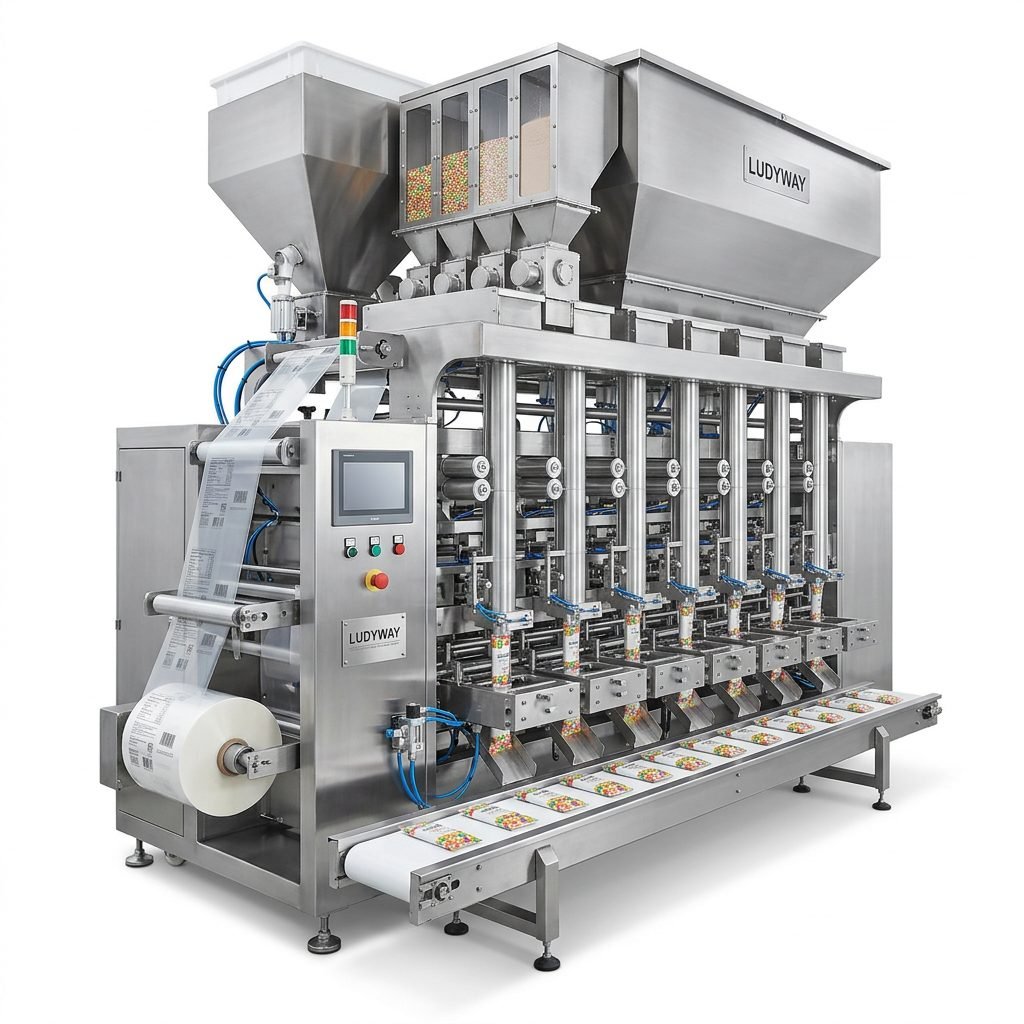
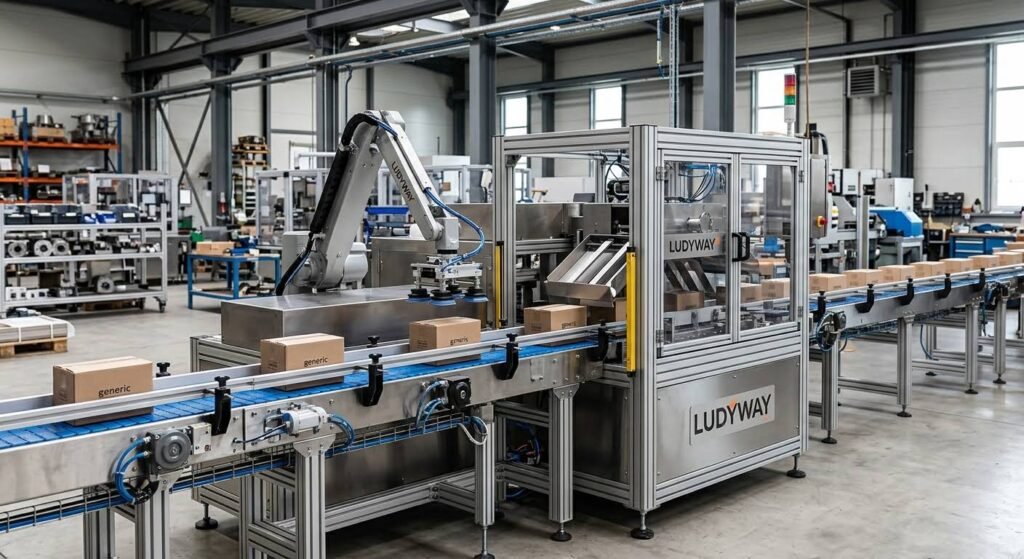
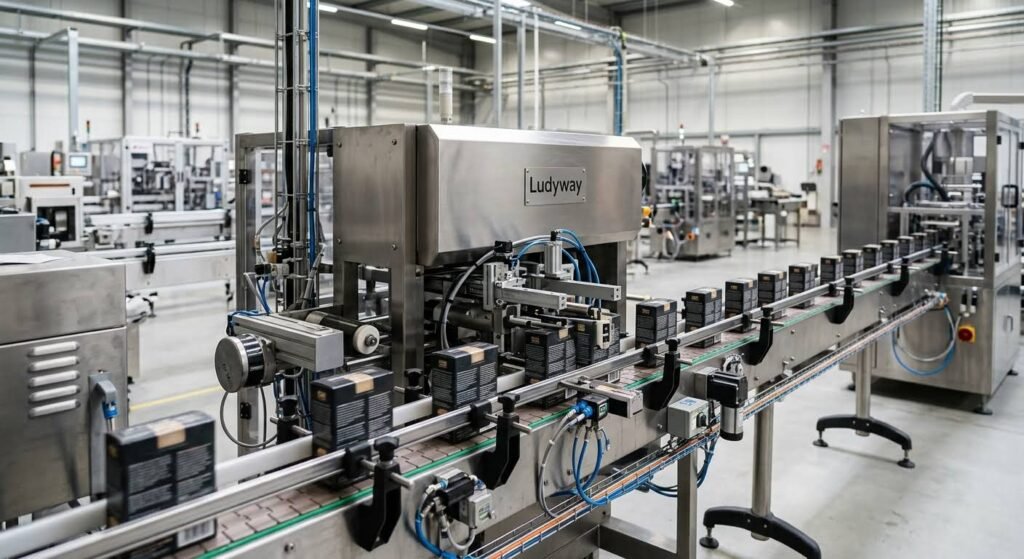
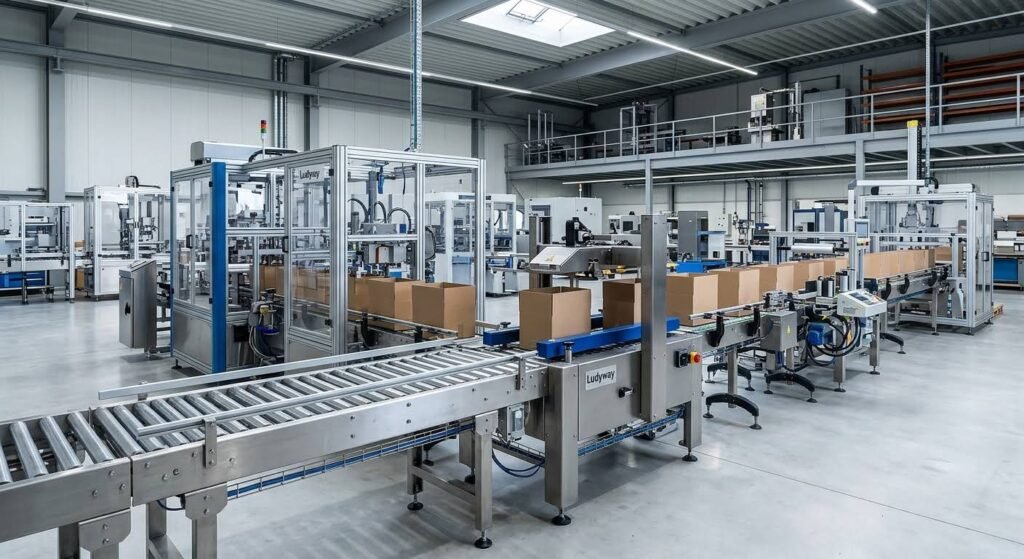
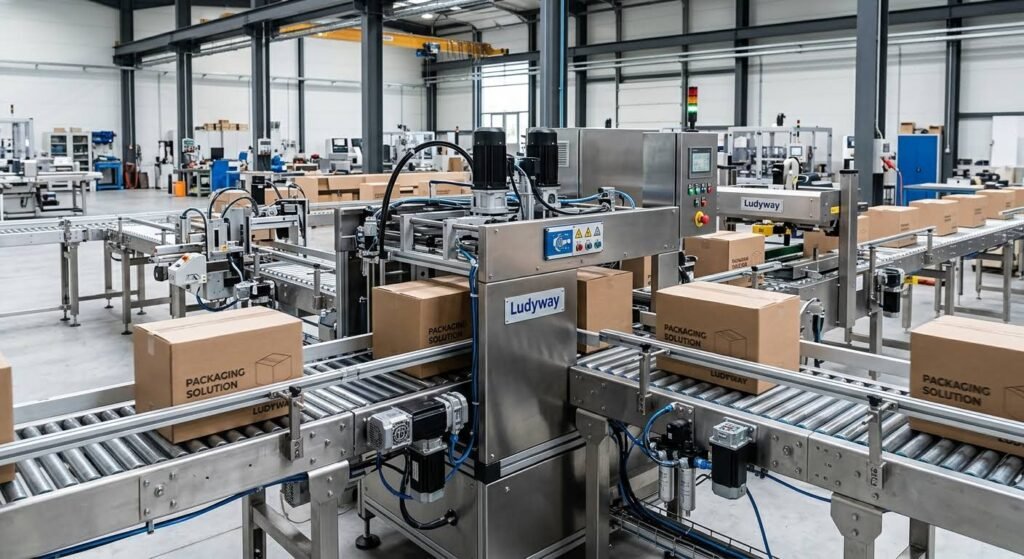
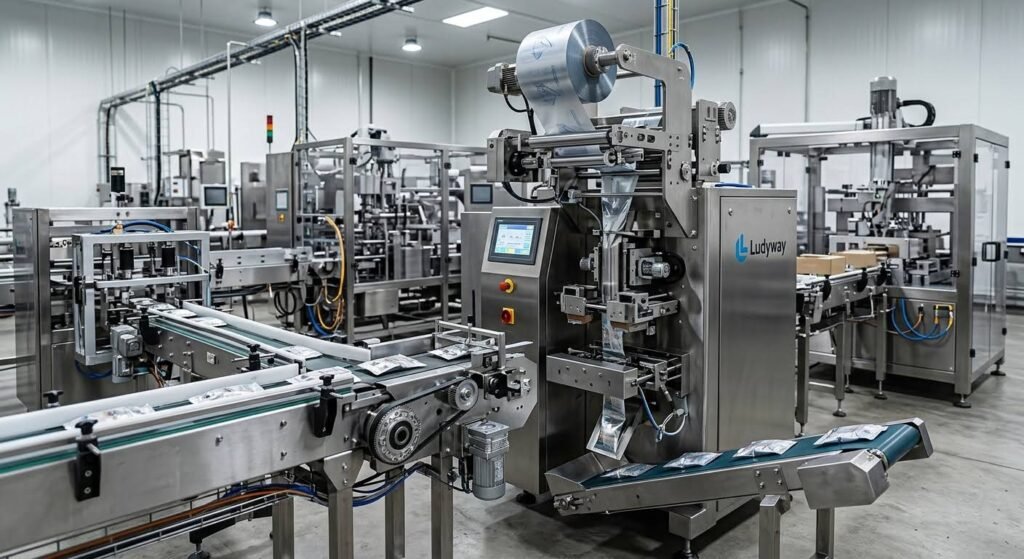
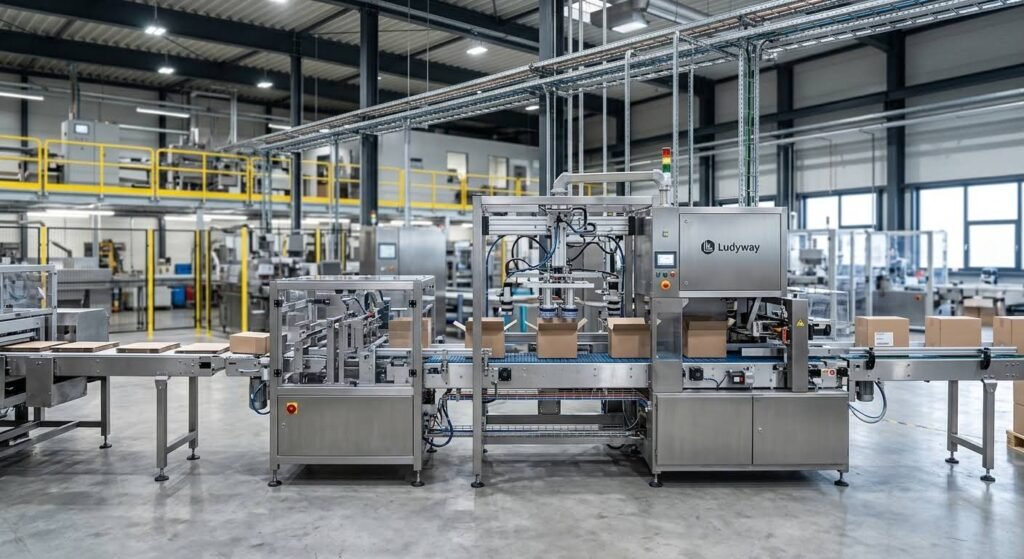
This environment necessitates advanced, automated packaging machinery capable of handling diverse formats, ensuring speed, and maintaining consistent quality—a core competency for leading manufacturers like Ludyway.
Sustainability: A Non-Negotiable Market Imperative
Parallel to the e-commerce wave, environmental consciousness is fundamentally altering material choices and production processes. Governments, corporations, and consumers are pushing for a circular economy, leading to several key trends:
- Regulatory Pressure: Countries like Chile, Colombia, and Brazil are implementing extended producer responsibility (EPR) laws and plastic reduction targets, compelling companies to rethink packaging lifecycles.
- Material Innovation: There is significant investment in:
- Biodegradable and compostable films
- Monolayer recyclable plastics
- Paper-based alternatives and hybrid solutions
- Lightweighting and Source Reduction: Optimizing material usage without compromising protection is a major focus for cost and environmental savings.
Regional Market Dynamics and Opportunities
Growth is not uniform across the region. Key markets are exhibiting distinct characteristics:
| Country | Key Growth Driver | Prominent Packaging Segment |
|---|---|---|
| Brazil | Large domestic consumer market, robust agribusiness exports | Flexible plastics, corrugated boxes |
| Mexico | Manufacturing for North American export, rising middle class | Rigid plastics, food & beverage packaging |
| Colombia & Chile | Strong retail modernization and sustainability regulations | Recyclable & sustainable formats |
| Argentina | Food processing industry, pharmaceutical sector growth | Pharma blisters, food pouches |
Technological Adaptation and the Role of Advanced Machinery
To capitalize on these trends, manufacturers are increasingly investing in smart, flexible packaging lines. The demand is shifting toward equipment that offers:
- Versatility: Machines capable of running both conventional and new sustainable materials with minimal changeover time.
- High Efficiency & Automation: To meet the volume demands of e-commerce while controlling labor costs.
- Precision and Hygiene: Especially critical for the growing pharmaceutical and health food sectors in the region.
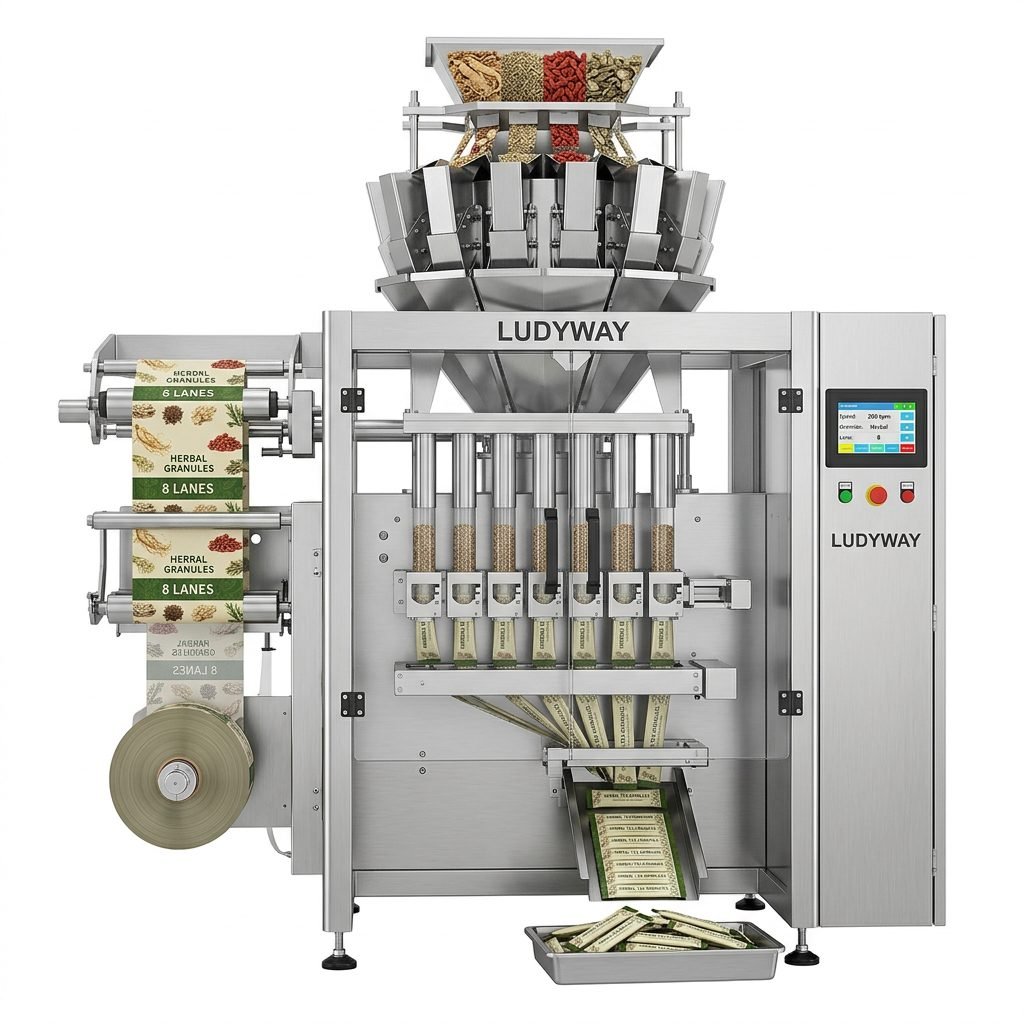
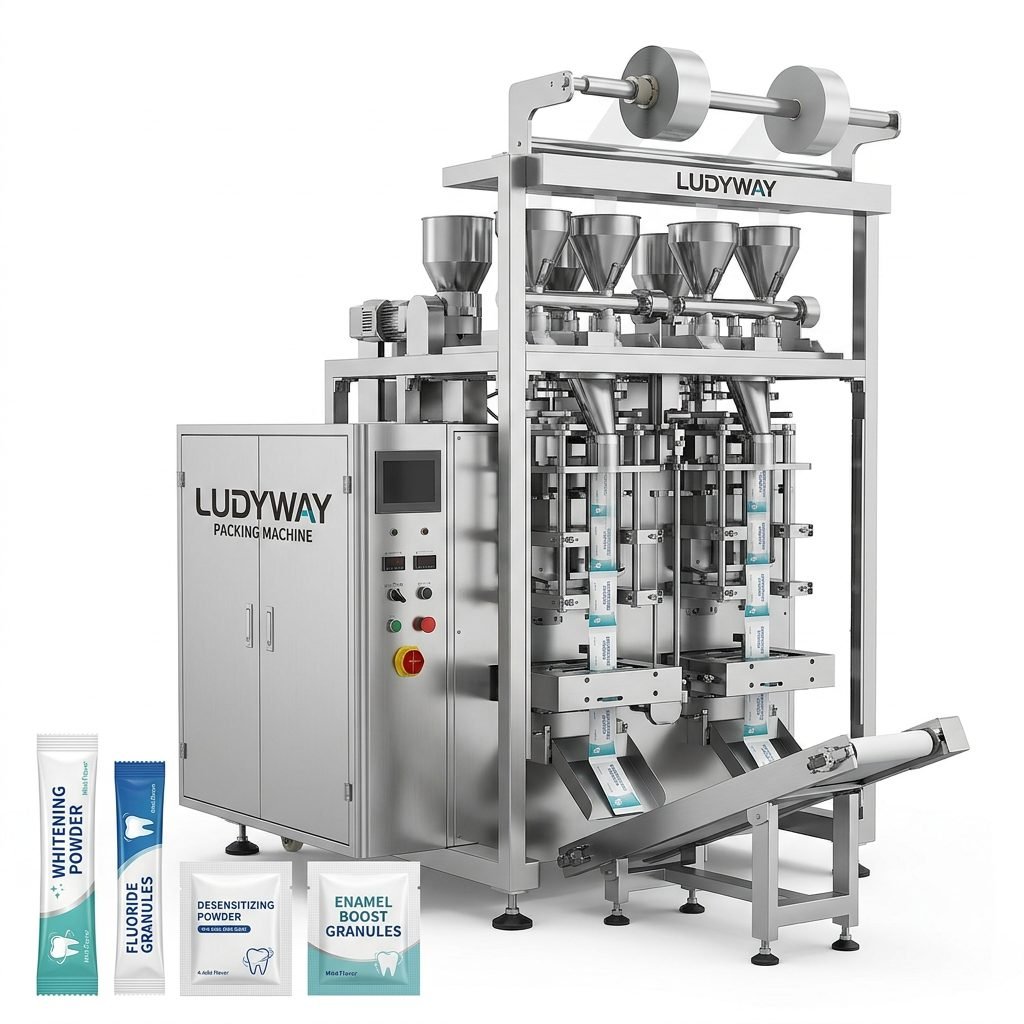
Companies with a global outlook and a deep understanding of these technological needs are well-positioned to support Latin American manufacturers. For instance, Ludyway’s expertise in providing turnkey packaging solutions for granules, powders, liquids, and pouch applications aligns with the region’s demand for efficient, reliable, and adaptable production systems.
Future Outlook: Integration and Innovation
The trajectory for Latin America’s packaging industry points toward greater integration of digital and physical supply chains. The future will likely see:
- Increased adoption of smart packaging with QR codes and NFC tags for traceability and consumer engagement.
- Further consolidation of packaging suppliers who can offer comprehensive material and machinery solutions.
- Continuous R&D into new barrier materials that are both high-performance and environmentally sound.
The intersection of e-commerce logistics and sustainable design is creating a dynamic and demanding landscape. Success for packaging producers and their manufacturing clients will hinge on agility, technological investment, and a firm commitment to innovation that meets both market performance and planetary responsibility.