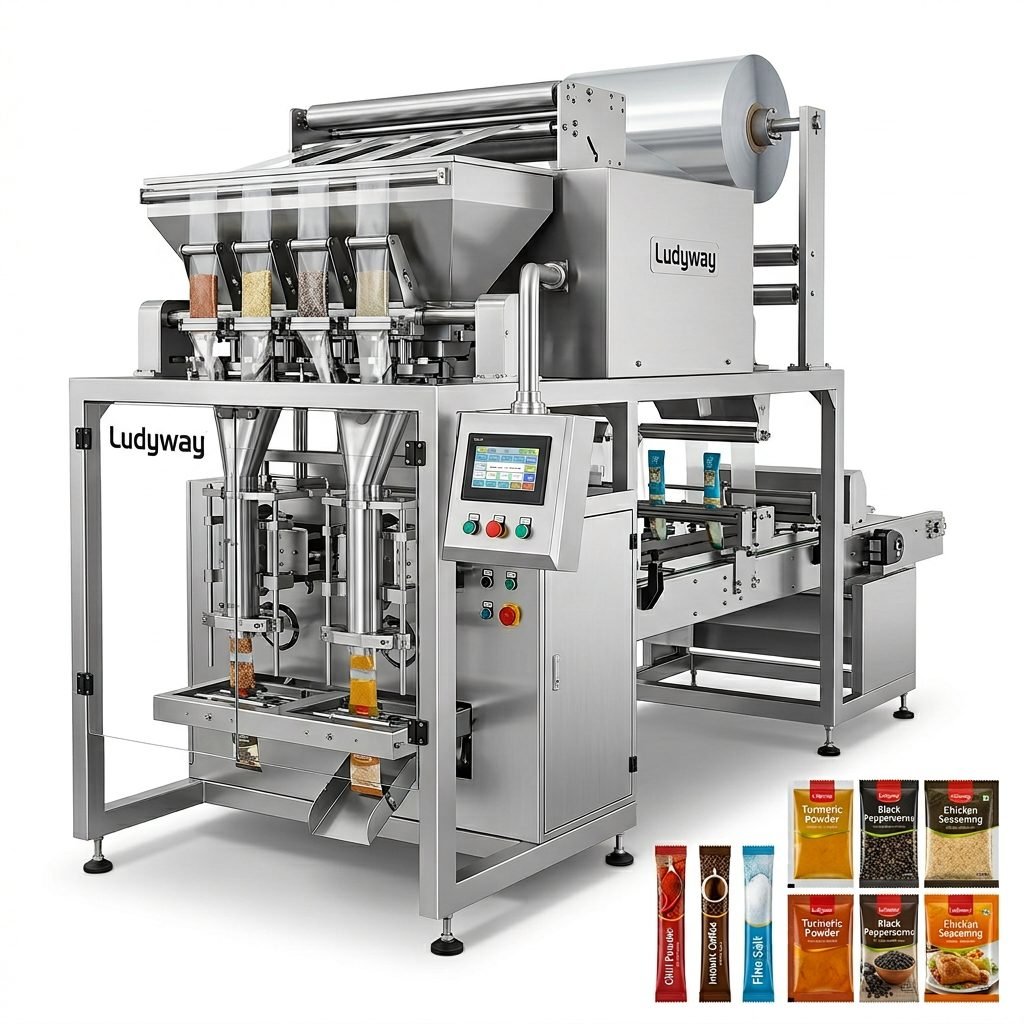
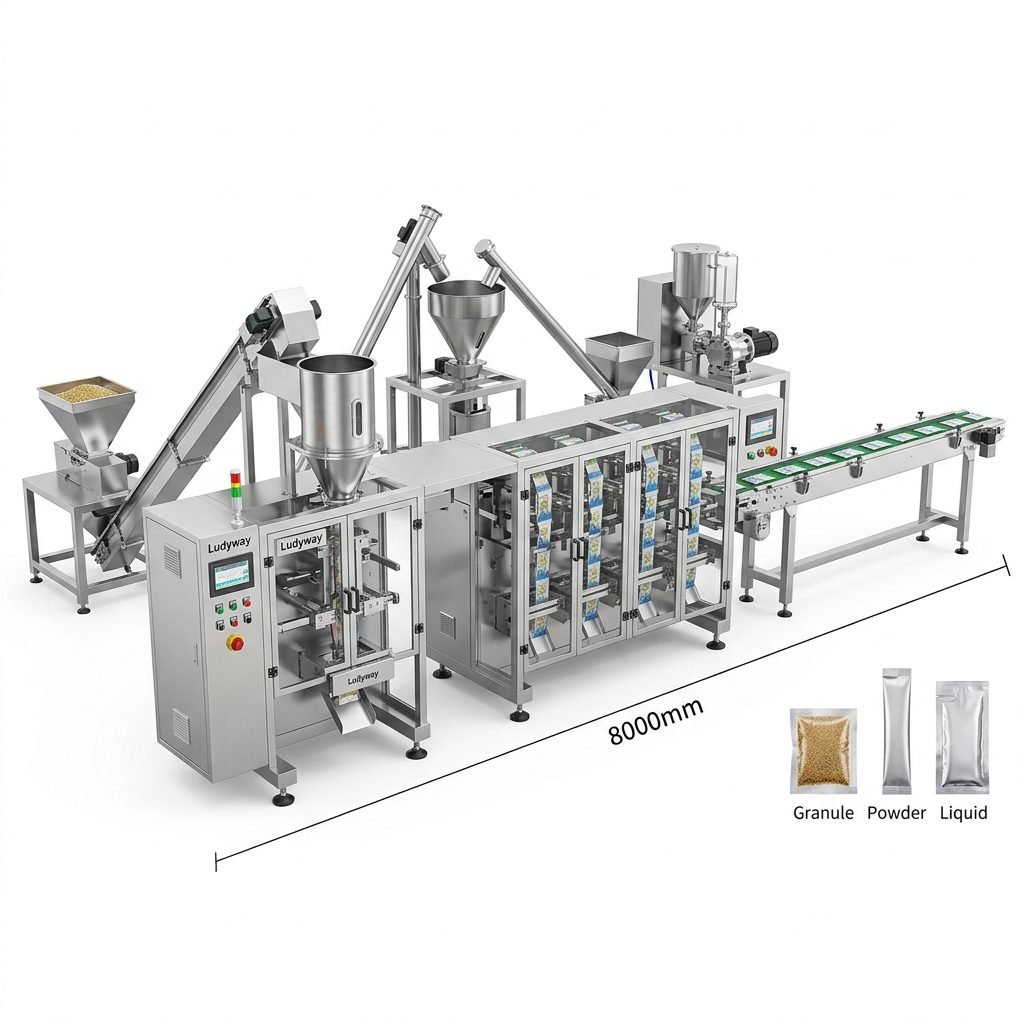
For businesses in Haiti looking to invest in packaging automation, selecting the right equipment manufacturer is a critical decision that impacts production efficiency, product quality, and long-term operational costs. The Haitian market, with its unique industrial landscape, requires reliable, cost-effective, and robust solutions. This guide outlines the key factors Haitian buyers should consider when choosing a packaging machine manufacturer.
Understanding Haiti’s Packaging Industry Needs
Haiti’s manufacturing sector, including food processing, pharmaceuticals, and consumer goods, demands packaging solutions that are both resilient and adaptable. Local producers often face challenges with consistent power supply, sourcing spare parts, and maintaining equipment in a tropical climate. Therefore, a manufacturer must offer machinery that is not only high-performance but also durable and easy to service locally.
1. Technical Expertise and Product Range
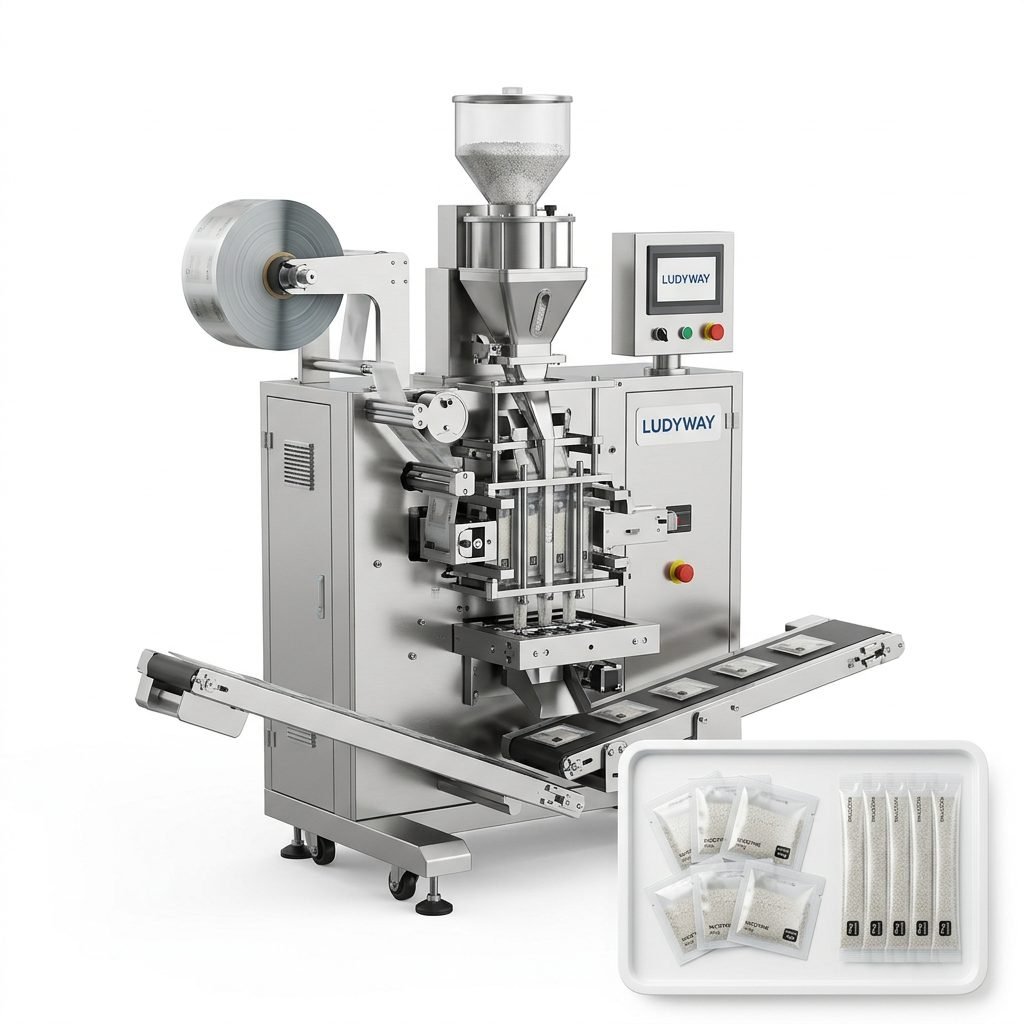
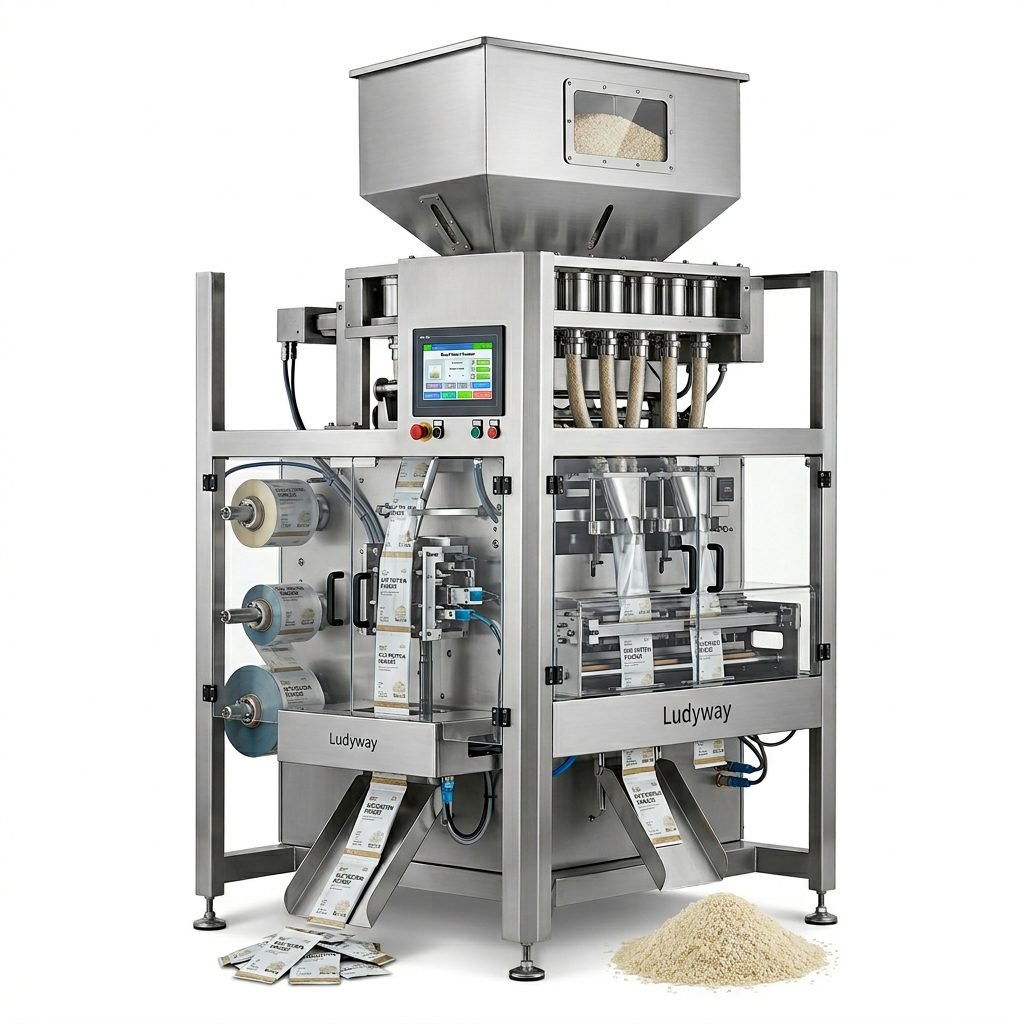
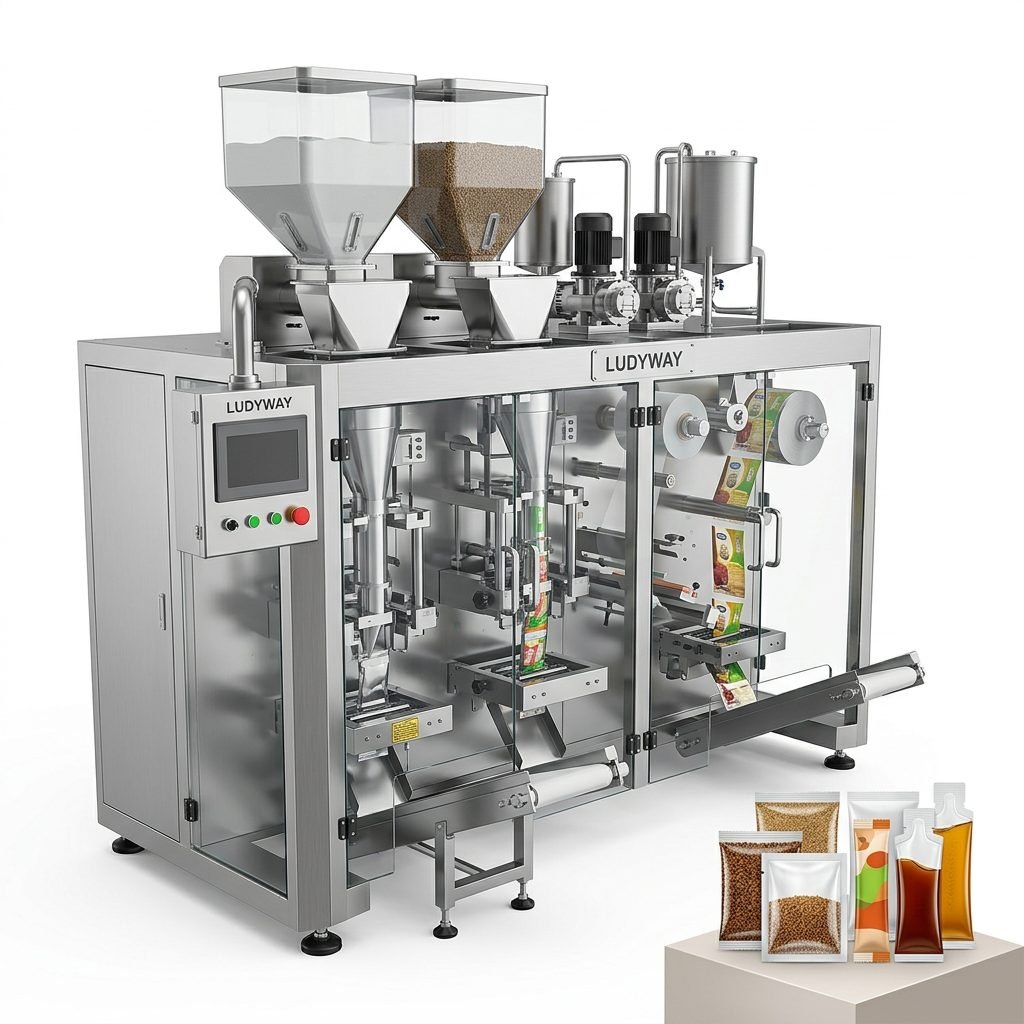
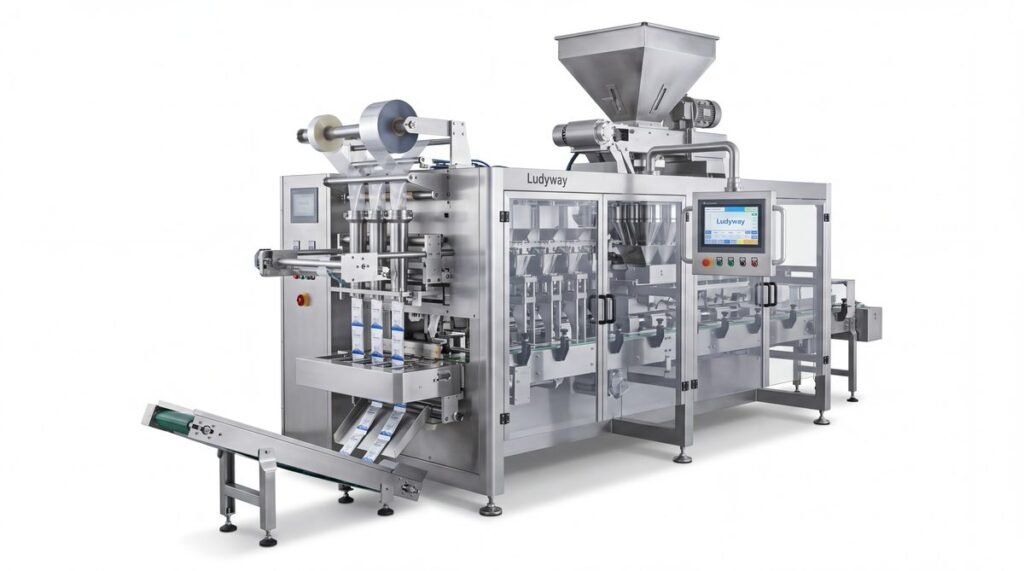
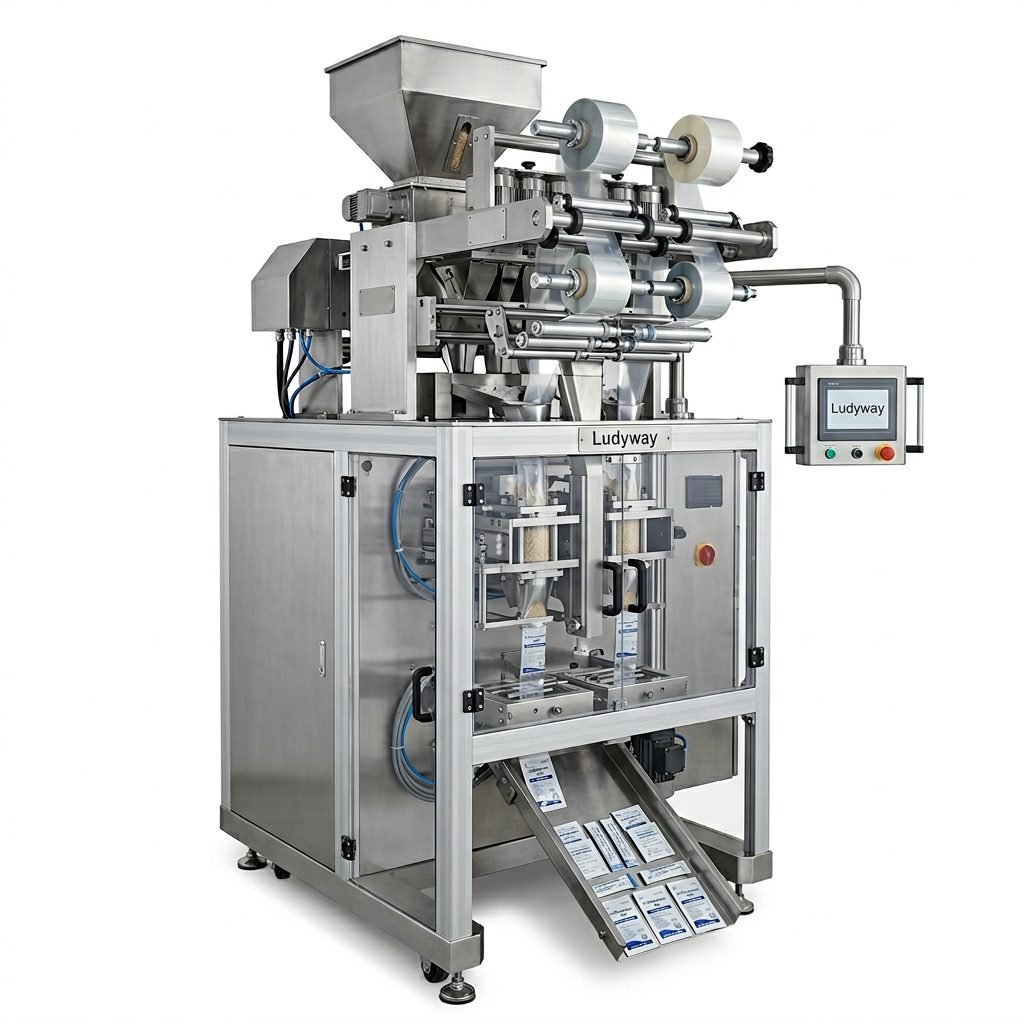
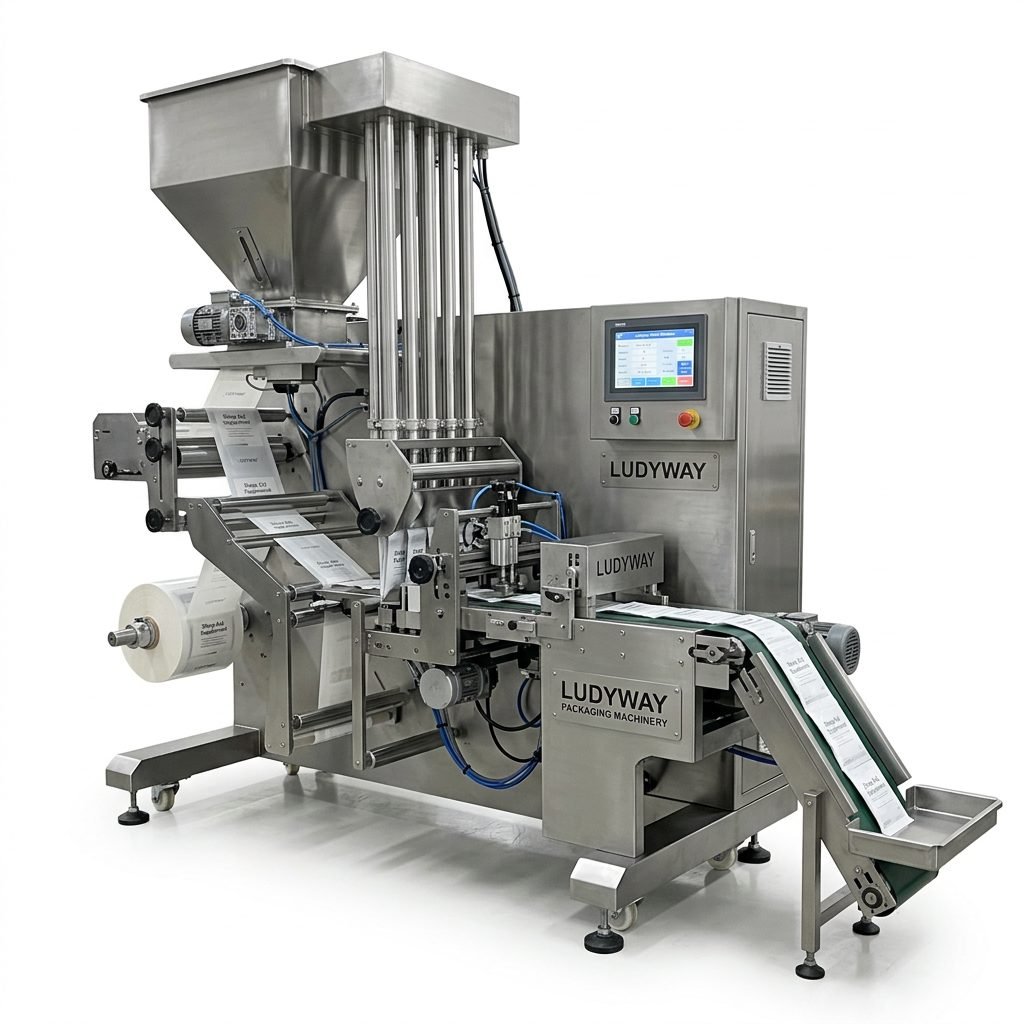
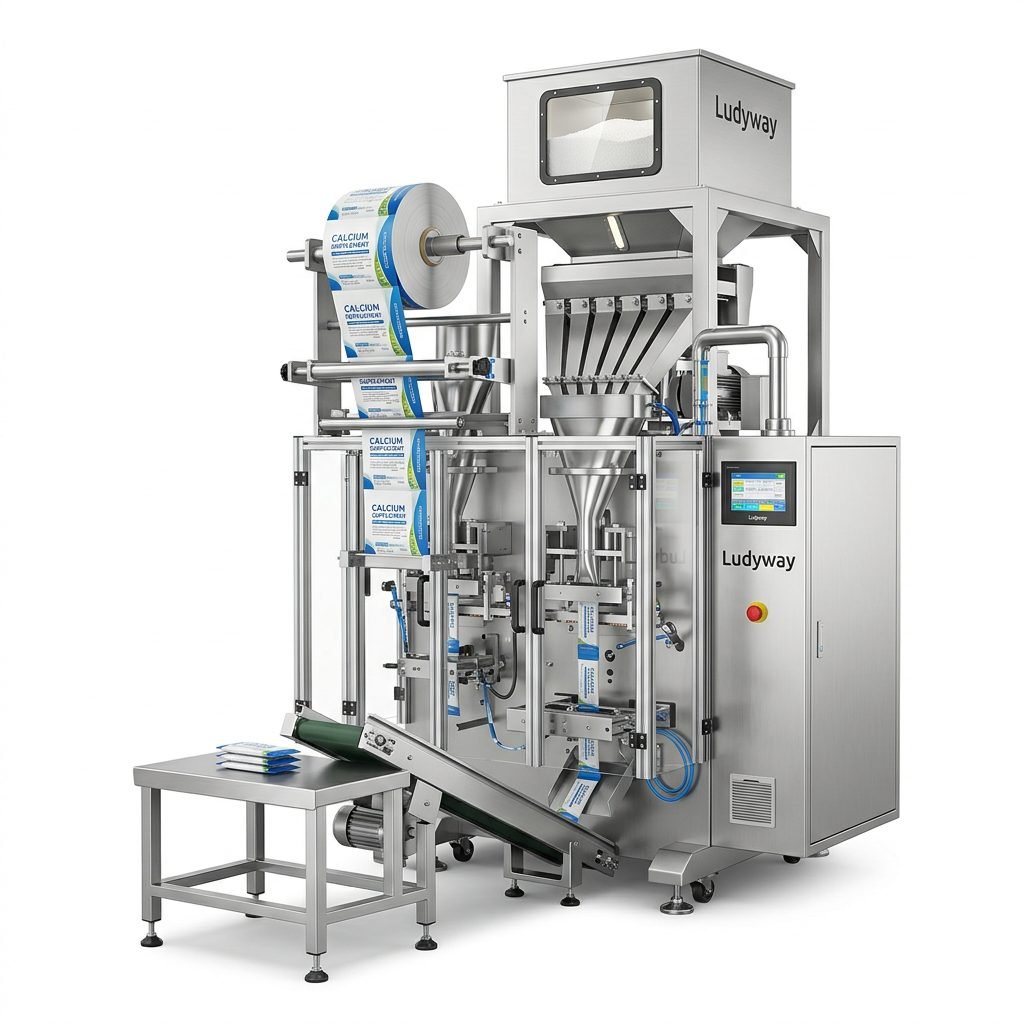
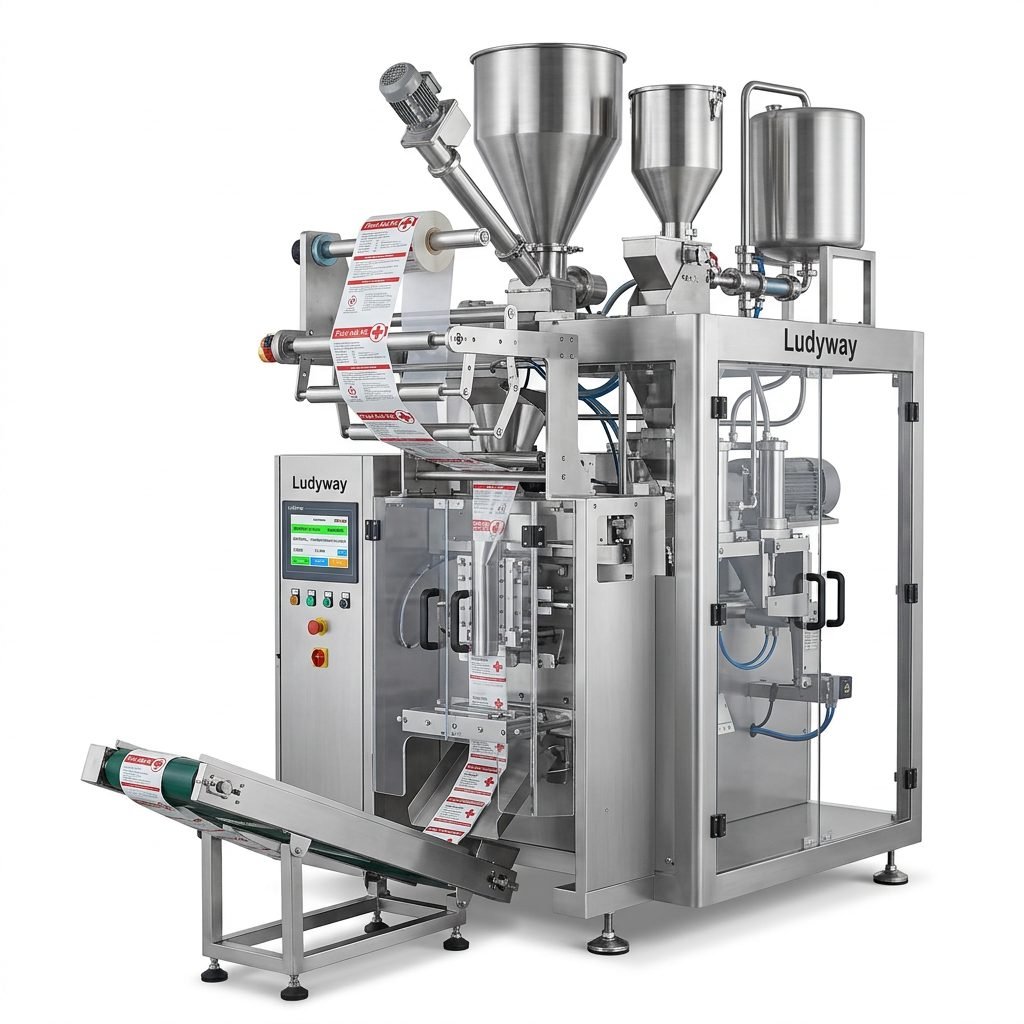
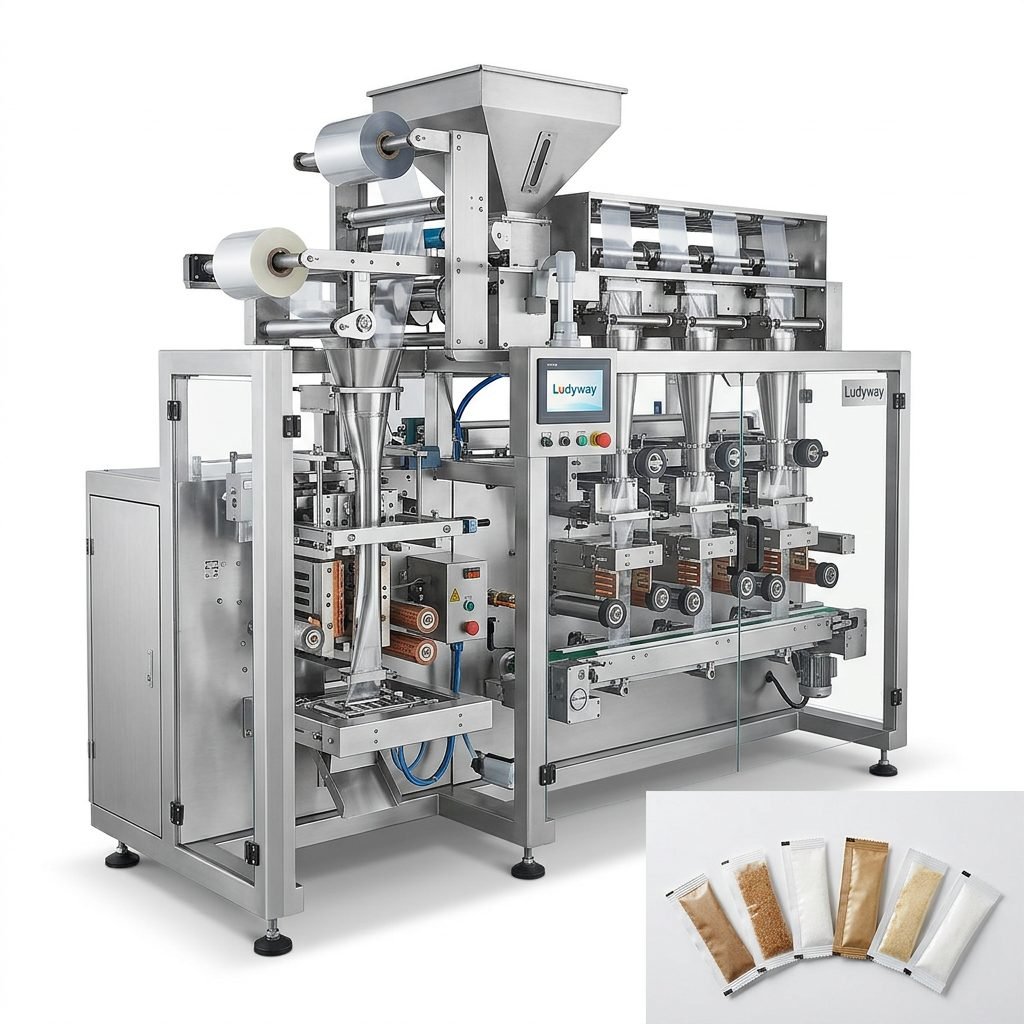
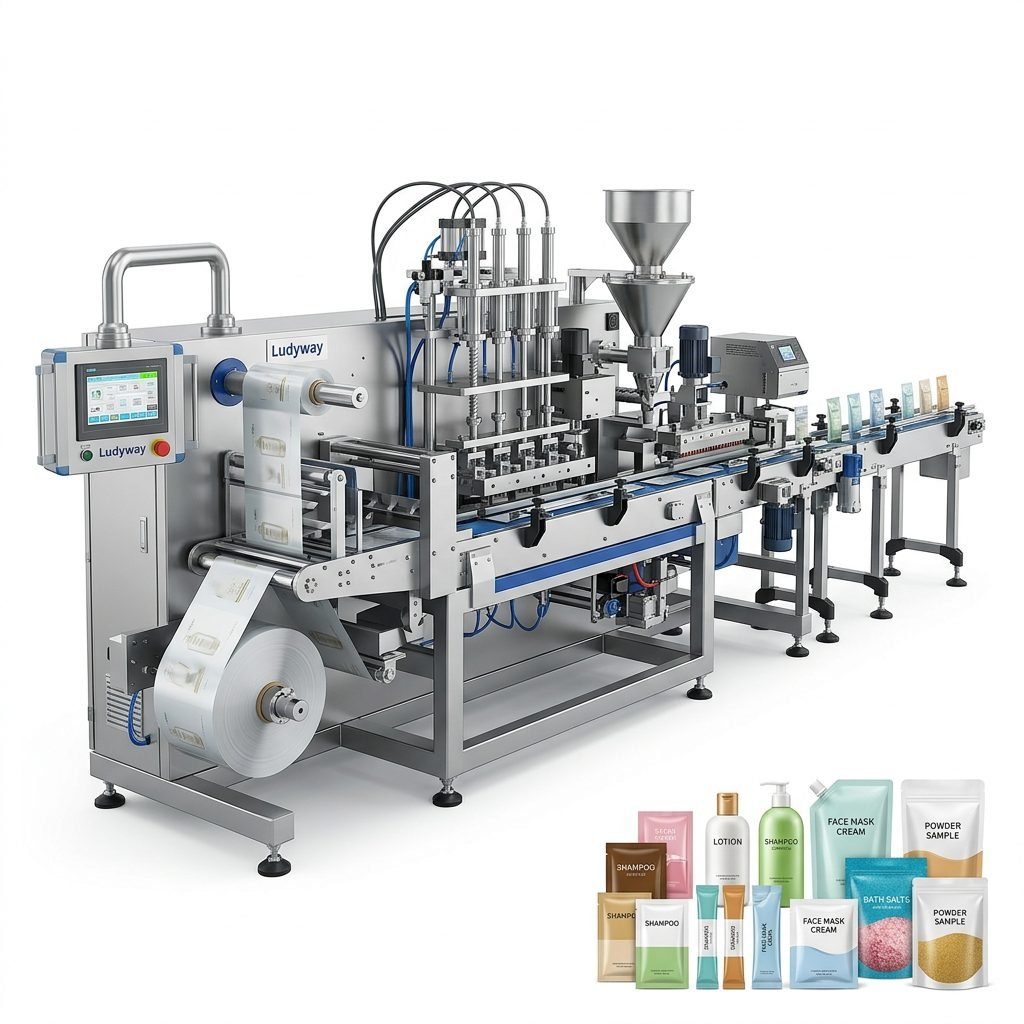
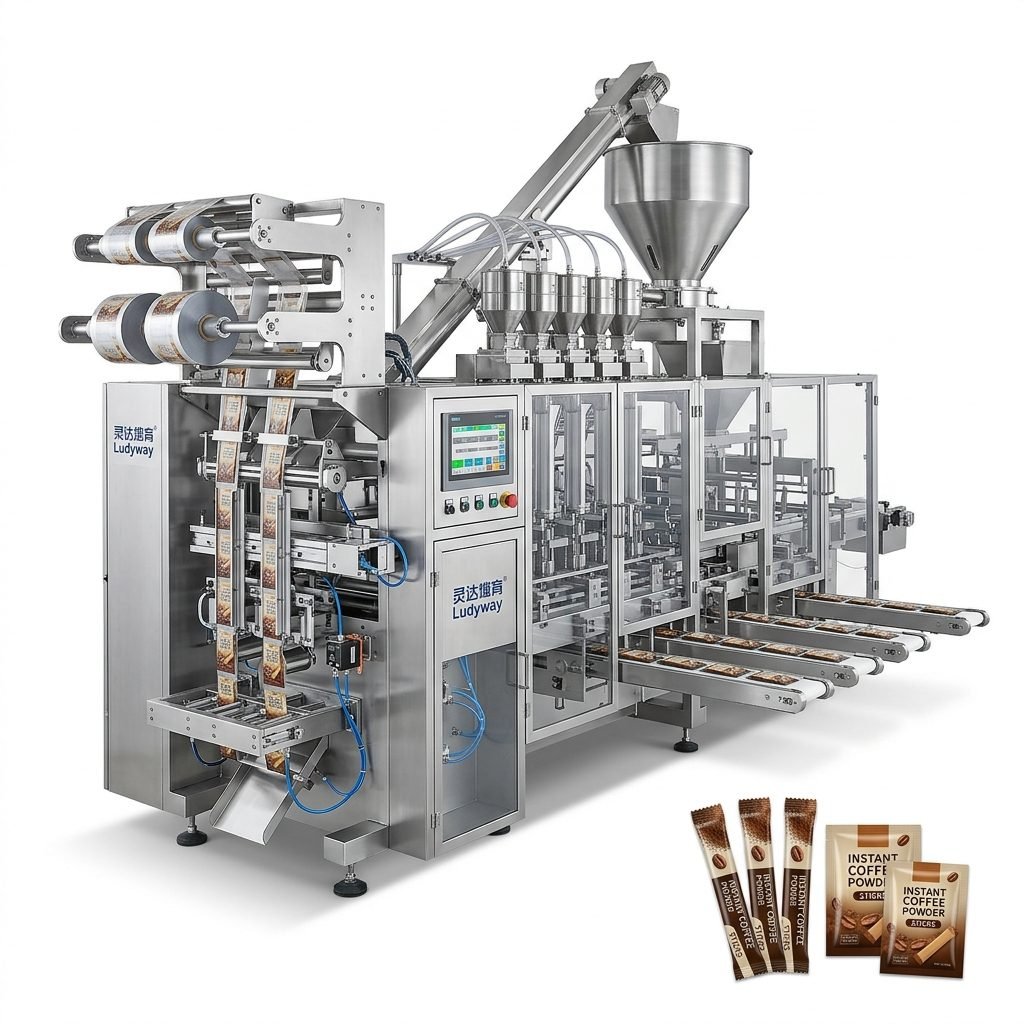
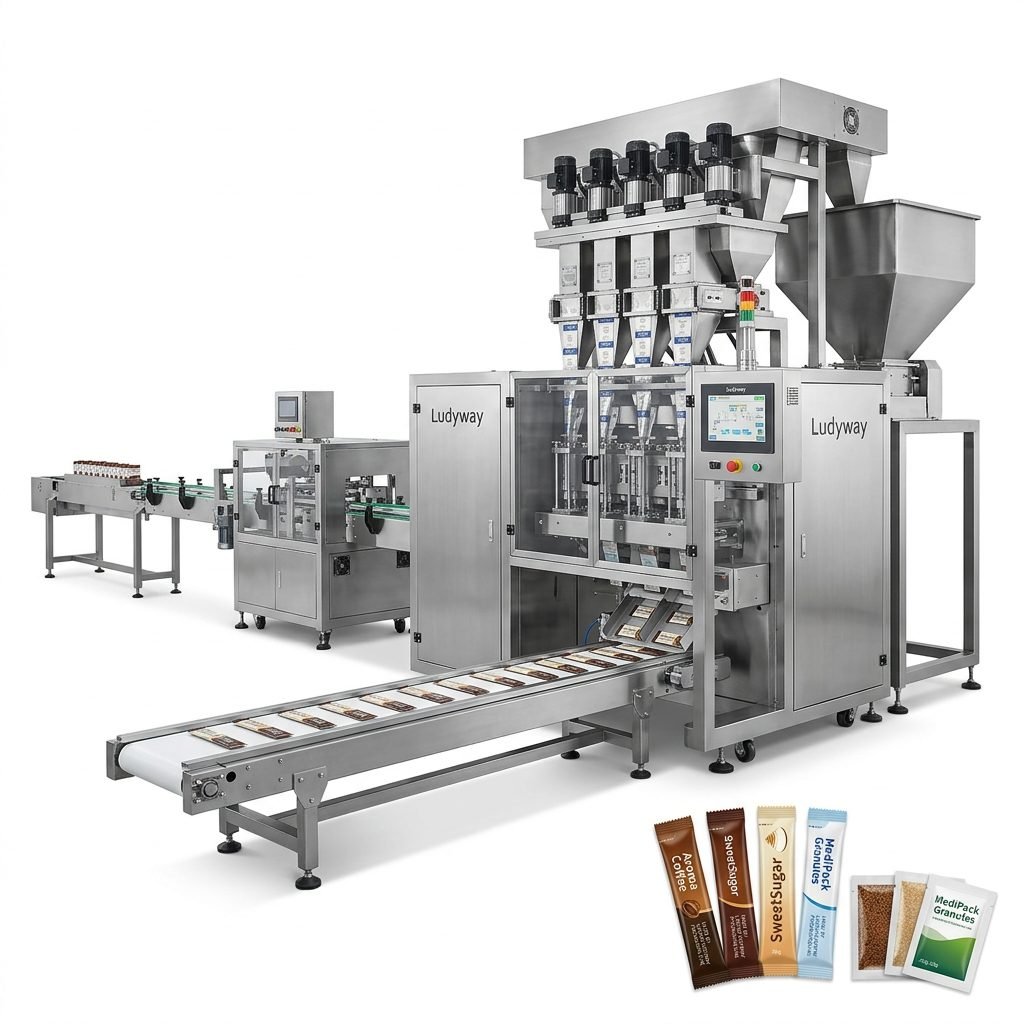
Look for a manufacturer with a broad portfolio that matches your specific product type—whether you package granules, powders, liquids, or sachets. For instance, a company like Ludyway offers over 50 models, including multi-lane stick pack and sachet machines, which are ideal for portion-controlled products popular in Haitian markets, such as instant coffee, seasoning, and pharmaceuticals. A wide range indicates deep technical expertise and the ability to provide a tailored solution.
Key Question: Does the manufacturer have proven experience with your specific product format (e.g., liquid sachets for sauces or stick packs for drink mixes)?
2. Manufacturing Capability and Quality Control
The backbone of a reliable supplier is their production facility. A manufacturer with a modern, sizable plant (like Ludyway’s 20,000㎡ facility) typically has stringent quality control processes. This ensures machine durability—a non-negotiable for Haitian businesses where downtime can be costly. Inquire about their manufacturing standards, testing protocols, and the quality of core components.
3. After-Sales Support and Local Service Network
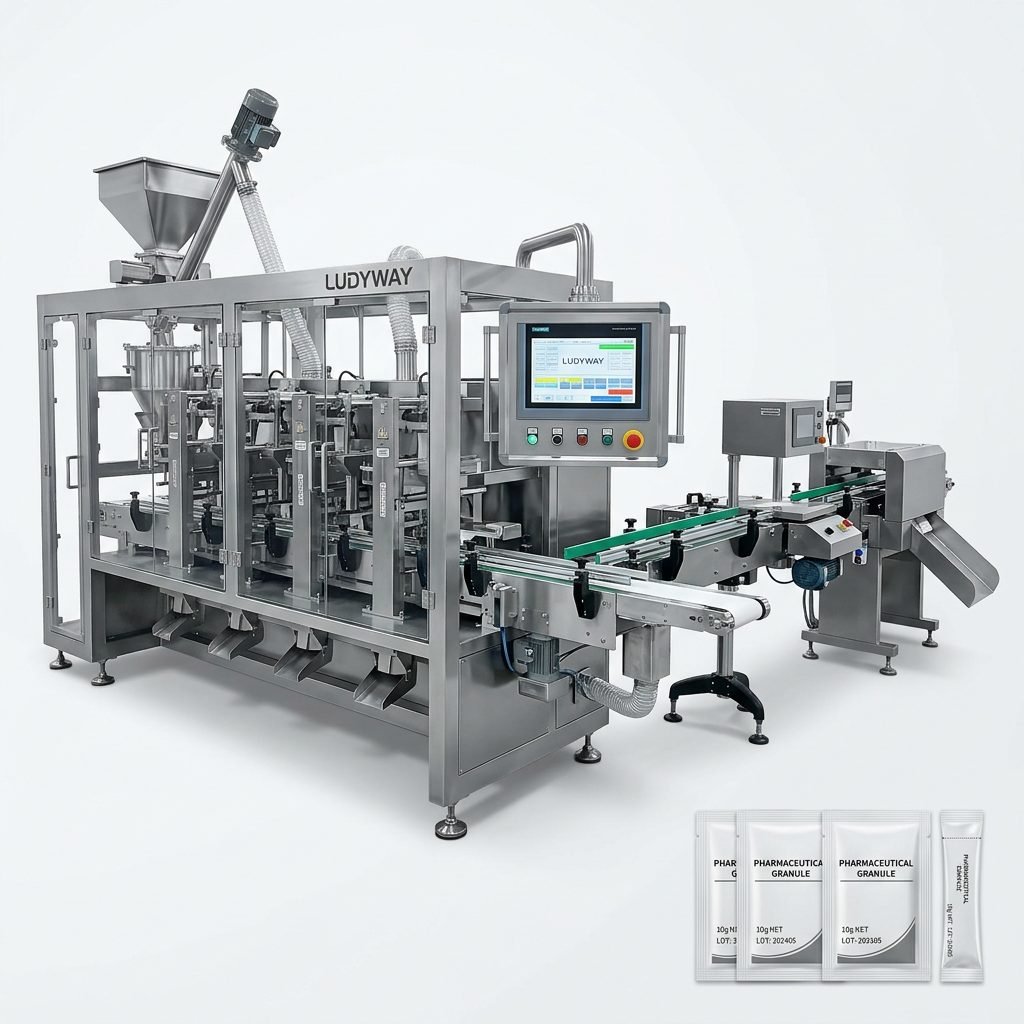
This is arguably the most crucial factor for Haitian buyers. Given geographical distance, assess the manufacturer’s commitment to after-sales support. Do they provide comprehensive training, detailed manuals, and remote troubleshooting? Is there a network of local technicians or partners for faster service? Manufacturers with a global service footprint, like those serving over 100 countries, are often better equipped to handle international support logistics.
4. Cost-Effectiveness and ROI Analysis
Initial price is important, but Total Cost of Ownership (TCO) is paramount. Evaluate energy efficiency, maintenance costs, and potential output gains. A slightly higher upfront investment in a more automated, efficient line from a reputable manufacturer like Packmate Machinery or PacklineOEM can lead to faster payback through reduced waste and higher throughput.
Tip for Haitian Importers:
Always factor in import duties, shipping logistics to Port-au-Prince, and potential voltage compatibility (220V/60Hz) when discussing costs and specifications with your supplier.
5. Customization and Turnkey Solutions
Off-the-shelf machines may not suit unique product lines or factory layouts. Seek manufacturers who offer customization and complete turnkey solutions. This includes everything from machine design and fabrication to installation, commissioning, and staff training. Companies specializing in non-standard solutions, such as PackingMachineOEM, can be valuable partners for complex projects.
6. Industry-Specific Experience
Your manufacturer should understand your sector’s regulations and nuances. For example, pharmaceutical packaging in Haiti requires adherence to specific hygiene and accuracy standards. Similarly, food packaging must consider shelf life and contamination prevention. Manufacturers with a track record in your industry will anticipate these needs. For niche segments like oral tobacco, a specialist like SnusMachinery offers targeted expertise.
7. Reputation and Client References
Research the manufacturer’s reputation. Review case studies, ask for client references in similar regions (like the Caribbean or Latin America), and check for certifications. A history of successful projects, like Ludyway’s 30+ years of experience, signals reliability. Don’t hesitate to contact existing clients to inquire about machine performance and support responsiveness.
8. Technology and Innovation
Invest in technology that future-proofs your operation. Look for features like touch-screen PLC controls, IoT connectivity for predictive maintenance, and energy-saving designs. While cutting-edge tech is valuable, ensure it is robust and not overly complex for your local operators to manage. The right balance of innovation and practicality is key.
Partnering for Long-Term Success in Haiti
Choosing a packaging machine manufacturer is a strategic partnership. For Haitian businesses, the ideal partner combines robust engineering, global experience, and a steadfast commitment to after-sales support. They should act as an extension of your team, helping you navigate local challenges to boost productivity and competitiveness.
Frequently Asked Questions (FAQs)
Q1: What is the lead time for shipping a packaging machine to Haiti?
Lead times vary by machine complexity and manufacturer capacity. Standard models may ship in 30-60 days, while customized turnkey lines can take 90-120 days. Always include sea freight transit time to Haitian ports and customs clearance in your project timeline.
Q2: How can we ensure technical support after installation?
Choose a manufacturer that offers comprehensive training for your engineers, provides detailed documentation in your preferred language, and has a reliable remote support system (e.g., video calls). Discuss the availability of spare parts inventory and potential service agreements.
Q3: Are your machines compatible with Haiti’s power supply?
Reputable manufacturers like Ludyway can configure machines to operate on Haiti’s standard voltage (220V, 60Hz). Always specify your local utility requirements during the quotation process.
Q4: Can you help with import customs and documentation?
While manufacturers typically handle export documentation (commercial invoice, packing list, certificate of origin), import customs clearance in Haiti is usually handled by the buyer’s appointed freight forwarder or agent. Many suppliers can recommend experienced logistics partners familiar with Haitian imports.
Q5: What is the typical warranty period for packaging machinery?
Standard warranties range from 12 to 18 months from the date of commissioning, covering defects in materials and workmanship. Warranty terms for specific components like servos or PLCs may vary. Always review the warranty certificate in detail.