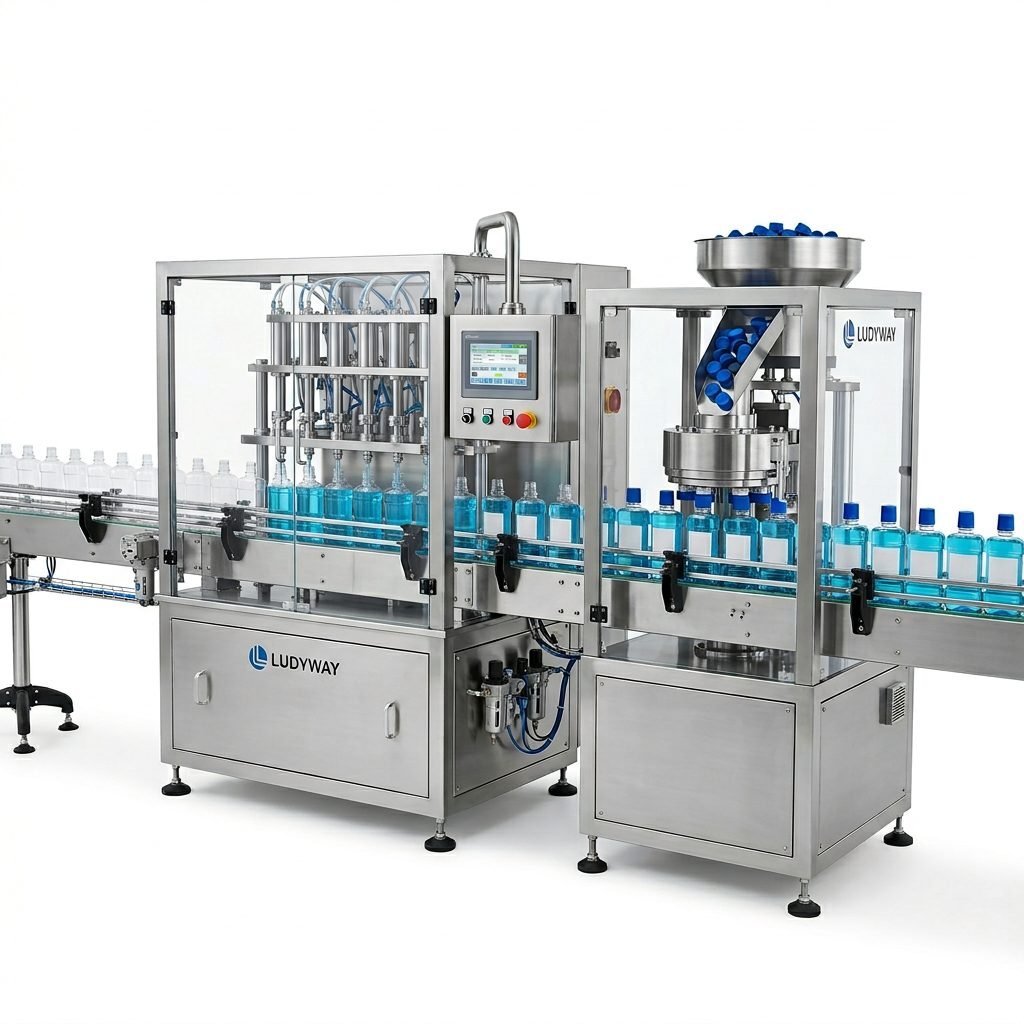
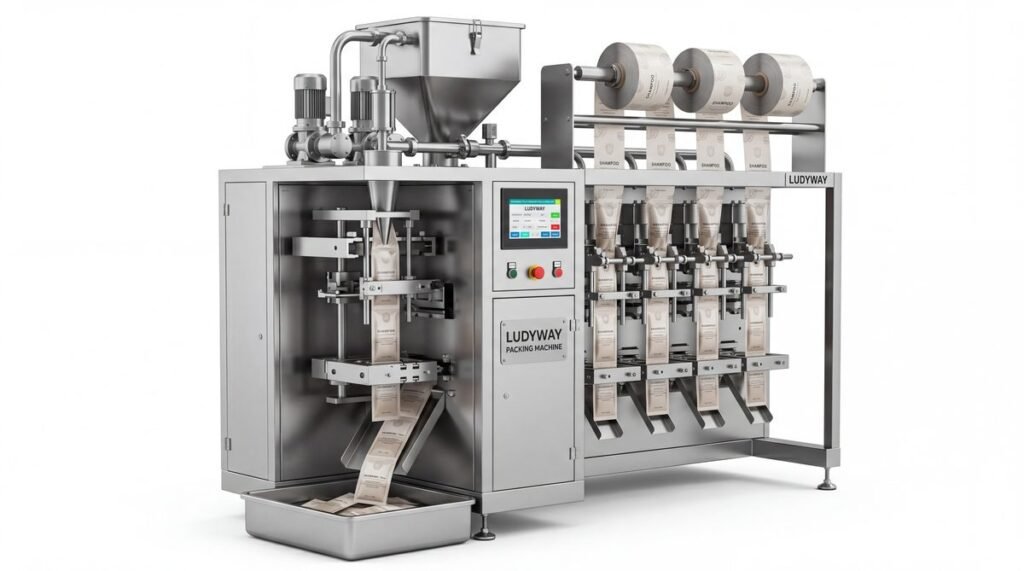
Food safety is no longer just a regulatory checkbox. It directly affects brand reputation, product shelf life, consumer trust, and export eligibility. In modern food manufacturing, packaging machines play a critical role in preventing contamination, improving consistency, and supporting compliance across every production stage.
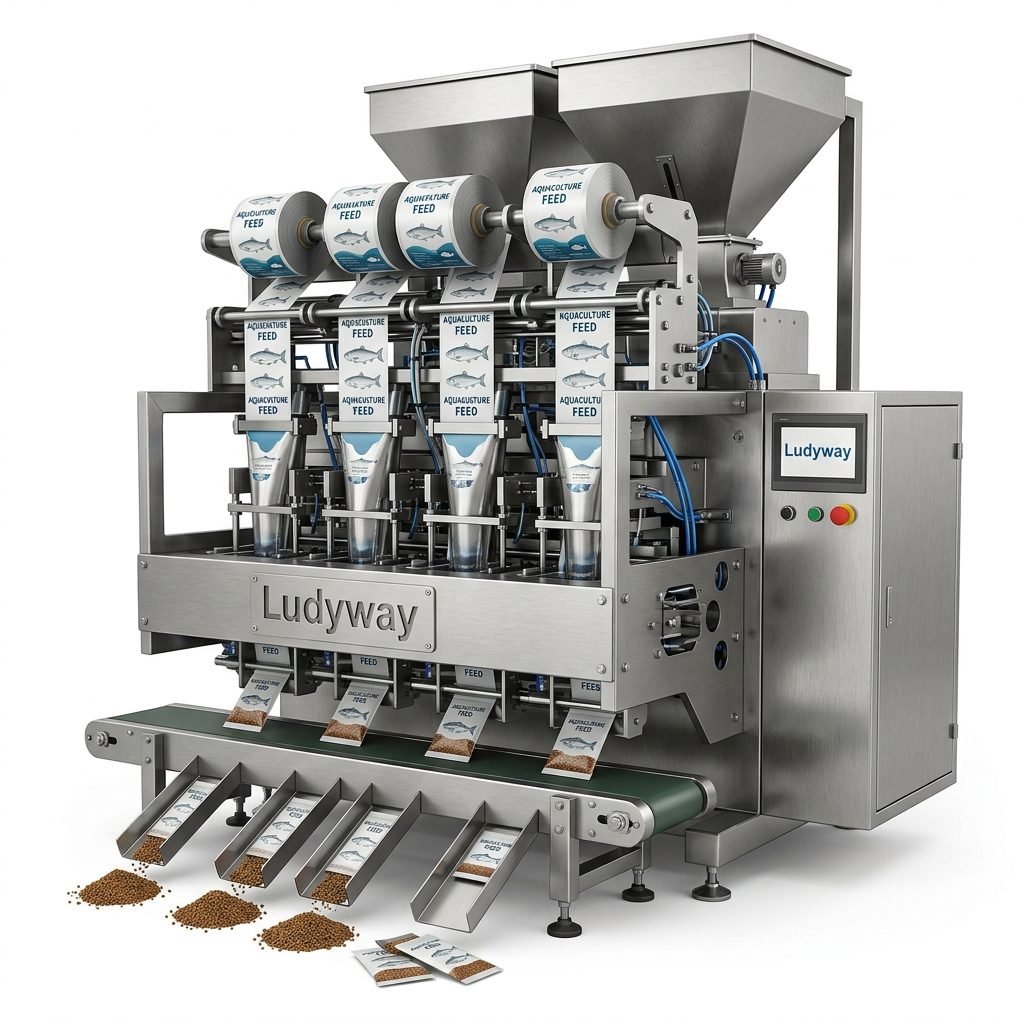
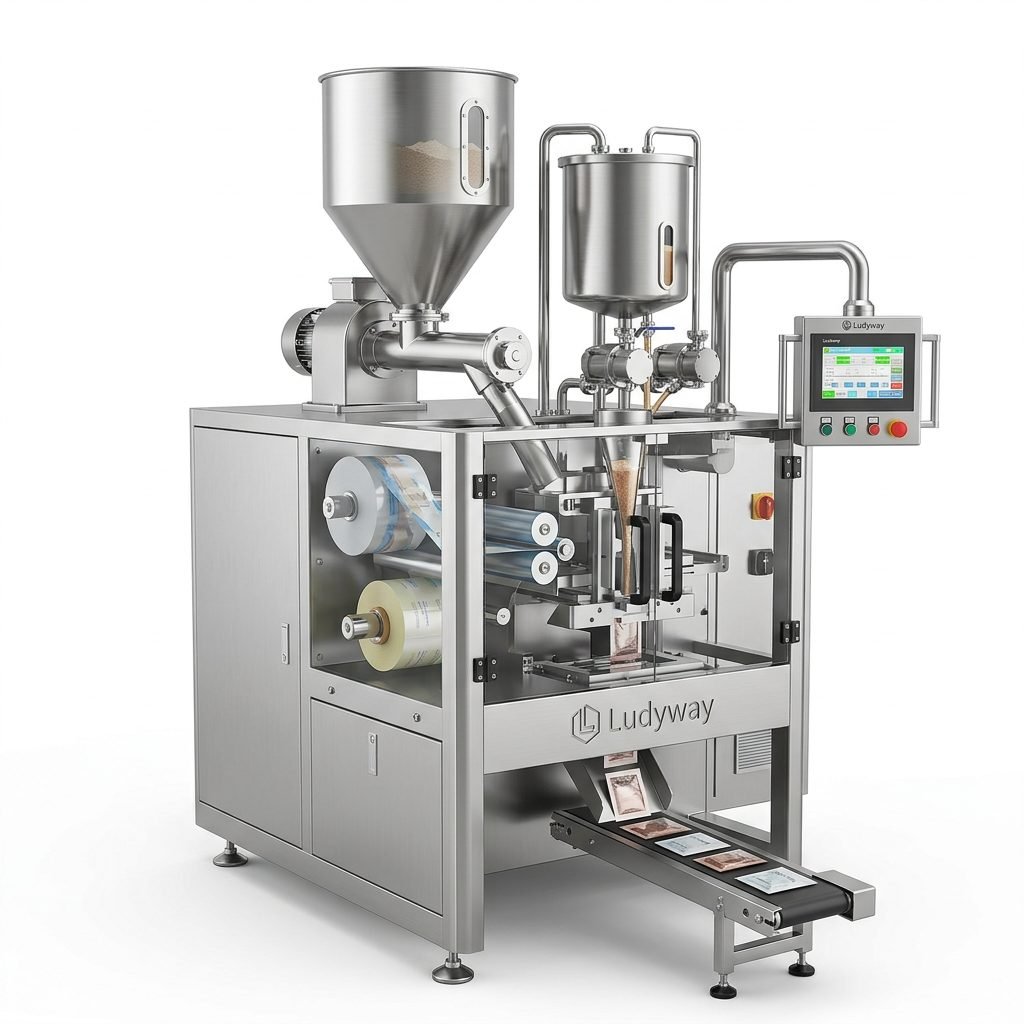
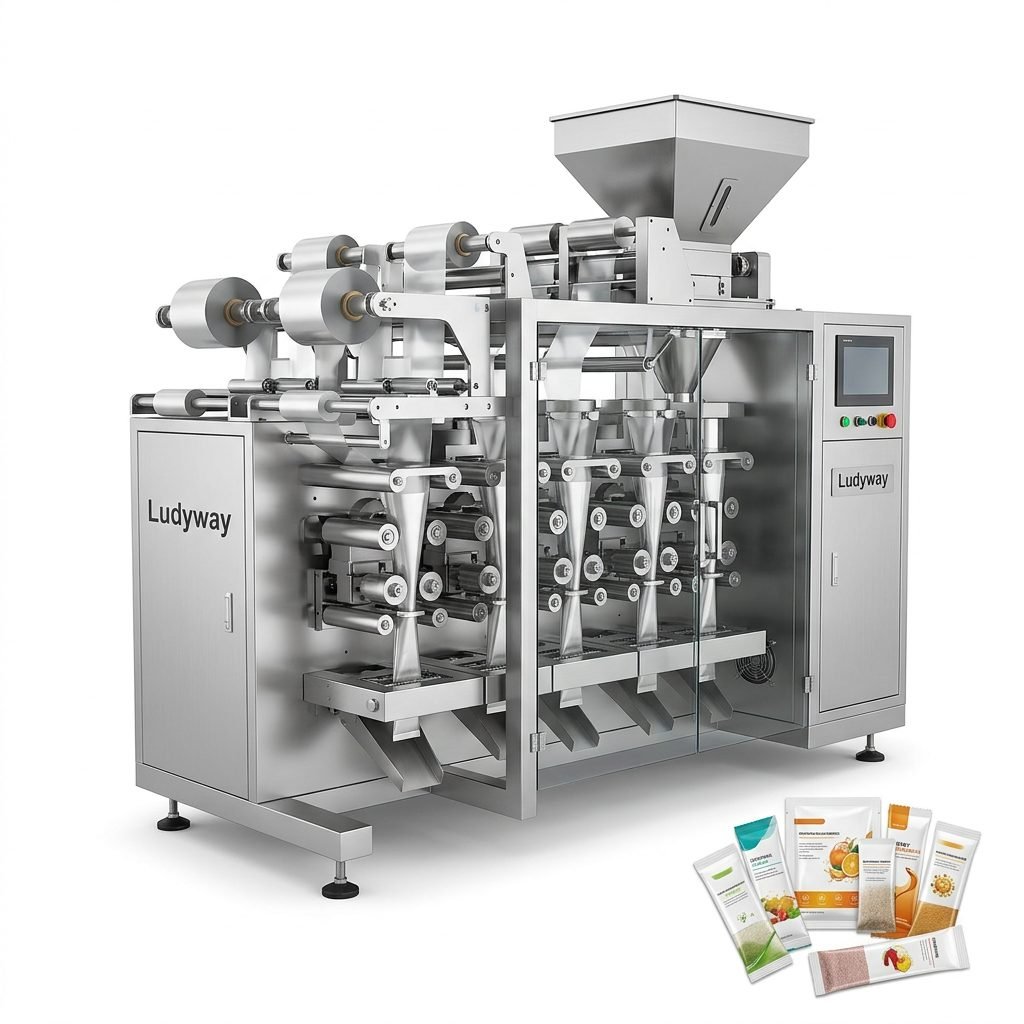
From dry powders and granules to liquids, sauces, snacks, and ready-to-eat products, automated packaging equipment helps reduce human contact, stabilize sealing quality, control dosing accuracy, and create a more hygienic production environment. For food brands looking to scale safely, packaging automation is often one of the most practical long-term investments.

Why packaging machines matter for food safety
Food products are vulnerable to contamination from air exposure, moisture, dust, microbes, foreign matter, and handling errors. Manual or semi-manual packaging processes often increase these risks. By contrast, automated systems create a more controlled and repeatable process.
- They minimize direct operator contact with the product.
- They improve sealing integrity and package closure consistency.
- They support clean transfer of food between filling, sealing, coding, and discharge steps.
- They reduce product exposure time to the surrounding environment.
- They help standardize sanitation and cleaning procedures.
For manufacturers of powdered drinks, coffee, spices, sauces, snacks, and nutritional products, packaging equipment becomes part of the food safety control plan—not just a productivity tool.
Key food safety benefits of packaging machines
1. Reduced human contact
One of the biggest advantages of automation is lower product handling. Automated feeding, filling, sealing, and discharge reduce the number of touchpoints where contamination could occur. This is especially valuable for high-sensitivity products such as dairy powders, seasonings, instant beverages, supplements, and sauces.
2. Better contamination control
Modern packaging machines are designed to work with enclosed product paths, dust control systems, stainless steel contact parts, and optional nitrogen flushing or vacuum functions. These features help control:
- Airborne contamination
- Moisture ingress
- Oxidation
- Cross-contamination between batches
- Foreign body intrusion
3. More accurate filling
Incorrect dosing can create both safety and compliance issues. Underfilling may affect nutritional declaration accuracy, while overfilling can influence cost and sealing performance. Automated filling systems improve repeatability for powders, granules, and liquids, helping manufacturers maintain process control and labeling consistency.
4. Reliable sealing quality
A poorly sealed package can lead to spoilage, leakage, microbial growth, and premature product degradation. Automated sealing units maintain more stable temperature, pressure, and dwell time than manual operations. This results in stronger seal integrity and more dependable shelf protection.
5. Easier traceability
Many packaging lines integrate coding, labeling, and inspection functions. This allows batch numbers, production dates, expiry dates, and lot data to be printed consistently. Traceability is essential for recalls, audits, and food safety investigations.
6. Cleaner production workflows
Packaging automation often improves line layout and material flow. Clean-zone separation, dedicated conveyors, reject systems, and inspection stations all contribute to a more organized and hygienic plant environment.
How different machine features support food safety
| Machine Feature | Food Safety Benefit | Typical Application |
|---|---|---|
| Stainless steel contact parts | Improves corrosion resistance and cleanability | Powders, liquids, sauces, snacks |
| Enclosed filling system | Reduces dust, airborne exposure, and external contamination | Spices, coffee, milk powder, supplements |
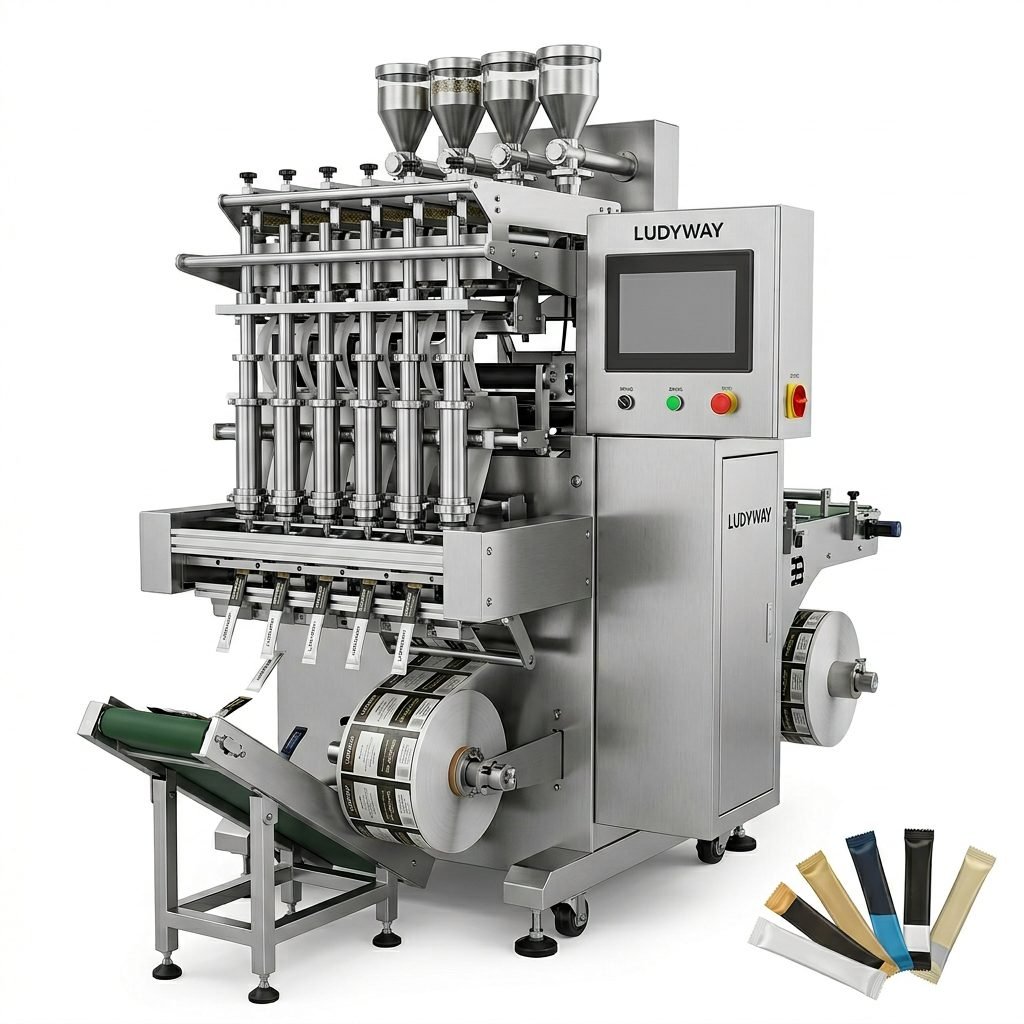
| Automatic sealing control | Maintains package integrity and shelf life | Sachets, pouches, stick packs |
| Nitrogen flushing | Reduces oxidation and helps preserve freshness | Coffee, chips, nuts, freeze-dried foods |
| Metal detection / inspection | Helps identify foreign contaminants | Packaged food across many categories |
| Date and batch coding | Supports traceability and recall readiness | Retail and export food products |
Food safety standards packaging equipment should support
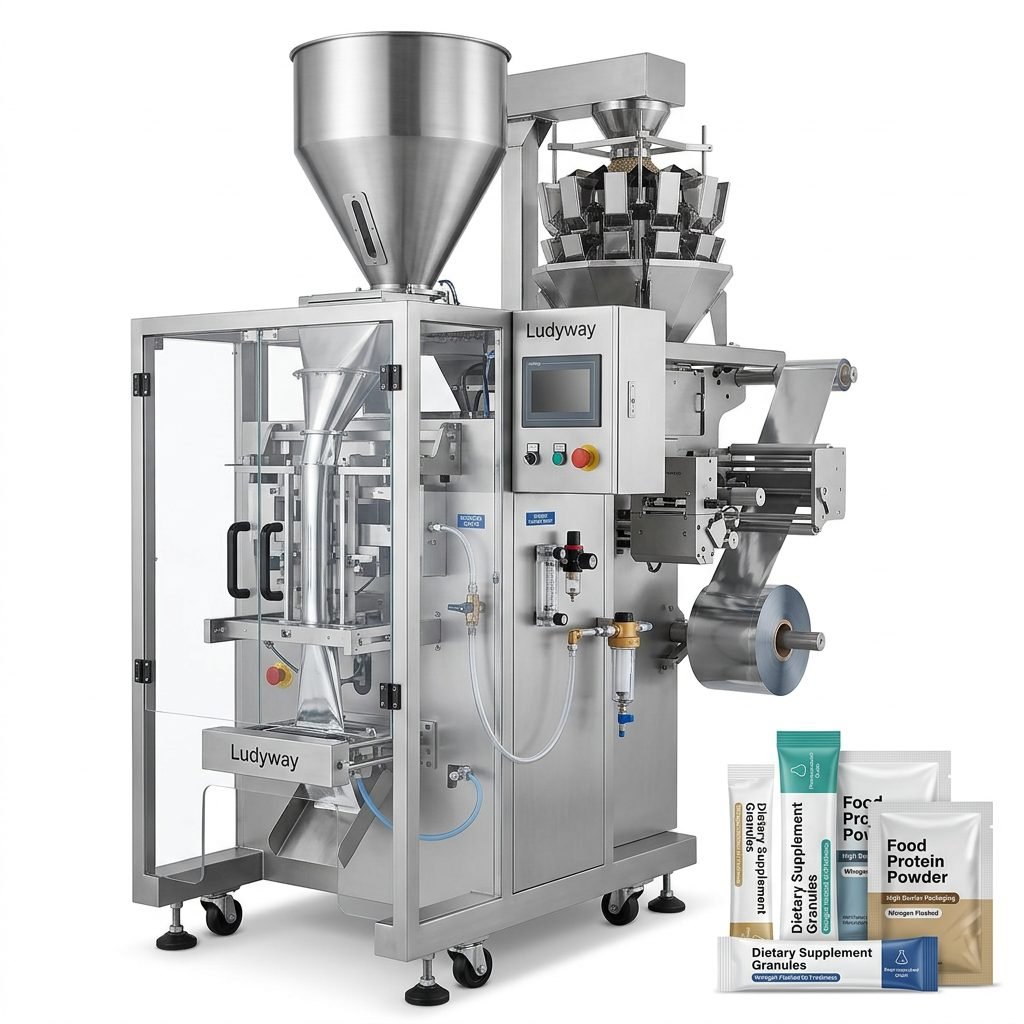
Packaging machines do not create compliance by themselves, but they should be designed to help food manufacturers meet recognized safety and quality standards. When evaluating equipment, buyers should consider whether the machine design, materials, and documentation can support their internal and regulatory requirements.
Common standards and frameworks
- HACCP: Packaging steps should align with hazard analysis and critical control planning.
- GMP: Good Manufacturing Practice requires hygienic design, process control, and documented procedures.
- ISO 22000: Food safety management systems depend on controlled processes and traceability.
- FDA-related expectations: For businesses selling into regulated markets, material suitability and hygienic production practices matter.
- CE and electrical safety compliance: Important for operational safety and international market acceptance.
In practice, food producers should ask whether a packaging machine offers smooth-cleaning surfaces, food-grade material options, reliable documentation, calibration support, and compatibility with inspection devices such as checkweighers, metal detectors, and coding systems.
Best practices for using packaging machines to improve food safety
Choose hygienic machine design
Select equipment with structures that are easy to clean and difficult for residue to accumulate on. Crevice reduction, appropriate sealing of contact zones, and smooth surfaces help improve sanitation efficiency.
Match the machine to the product characteristics
Powders, granules, sauces, and liquids each behave differently. An incorrect filling method can increase dusting, splashing, residue build-up, or leakage. The machine should fit the product’s flowability, viscosity, particle size, and packaging format.
Establish cleaning and sanitation SOPs
Even the best machine requires disciplined sanitation. Build documented procedures for:
- Daily cleaning
- Changeover sanitation
- Allergen control
- Tool and part inspection
- Validation after cleaning
Use inspection systems on the line
Food safety improves when packaging equipment is combined with auxiliary systems such as:
- Metal detectors
- Checkweighers
- Vision inspection systems
- Reject systems
- Date coding verification
Train operators and maintenance staff
Operator behavior still matters in automated environments. Teams should understand start-up checks, sanitation requirements, sealing verification, alarm responses, and contamination prevention procedures.
Monitor seal quality and package integrity
Routine testing should include seal strength checks, leakage checks, coding readability, and visual verification of pouch or sachet quality. Small sealing deviations can quickly become large food safety problems in mass production.
Common food applications where packaging machines improve safety
Automated food packaging solutions can support safer handling across many categories:
| Food Category | Safety Concern | Packaging Support |
|---|---|---|
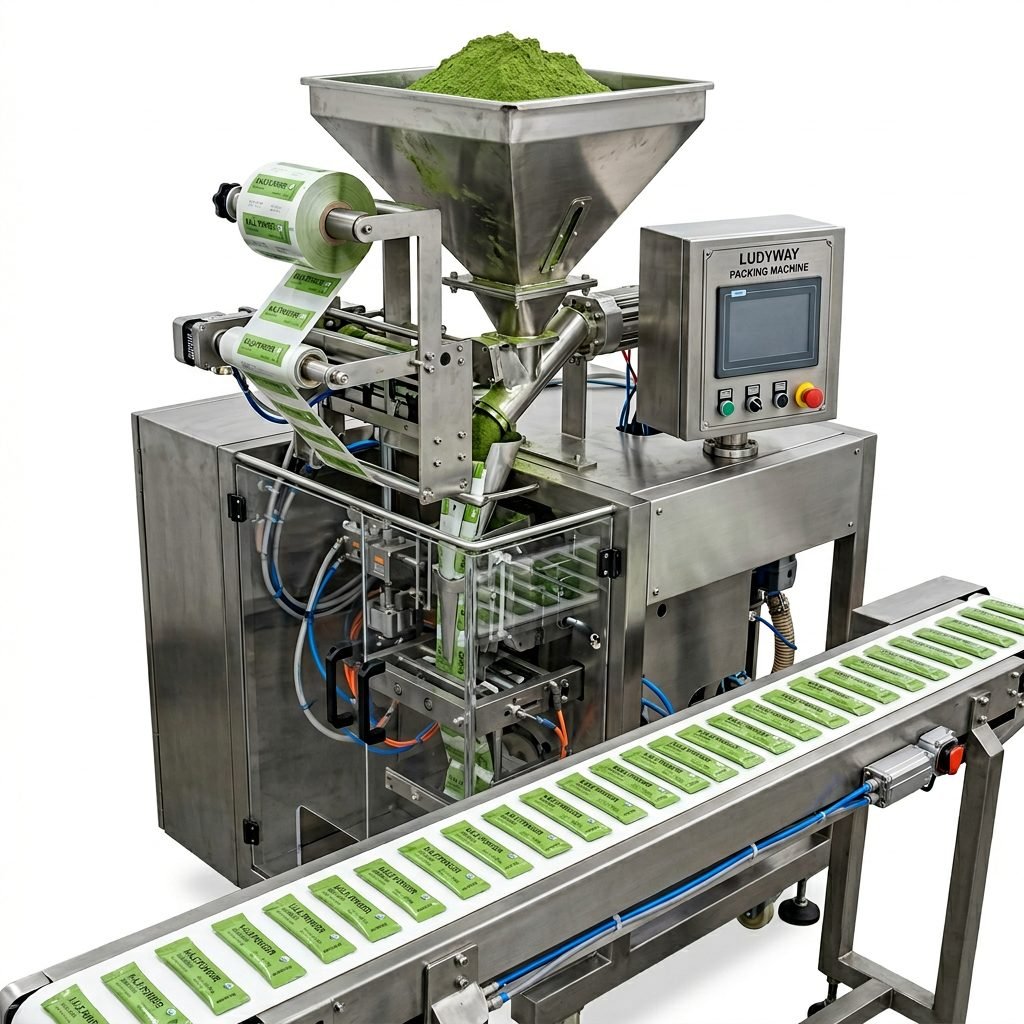
| Powders and drink mixes | Dust contamination, moisture absorption | Enclosed filling, accurate dosing, tight sealing |
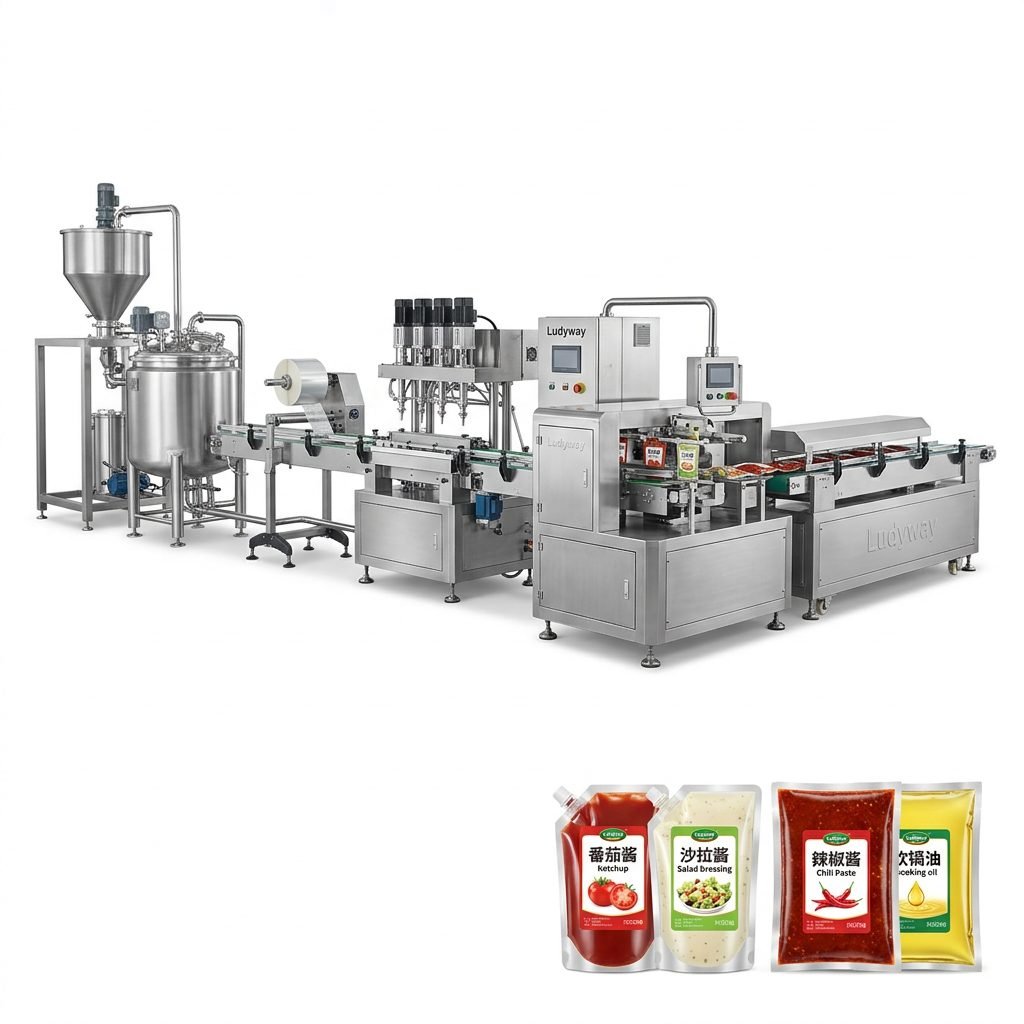
| Sauces and liquids | Leakage, microbial exposure | Controlled filling, sanitary transfer, stable sealing |
| Snacks and nuts | Oxidation, staleness, foreign matter | Nitrogen flushing, sealed packs, inspection systems |
| Seasonings and spices | Cross-contamination, filling inconsistency | Precise auger dosing, easy-clean design |
| Ready-to-eat products | Post-process contamination | Reduced handling, automated sealing and coding |
What to look for when selecting a food packaging machine
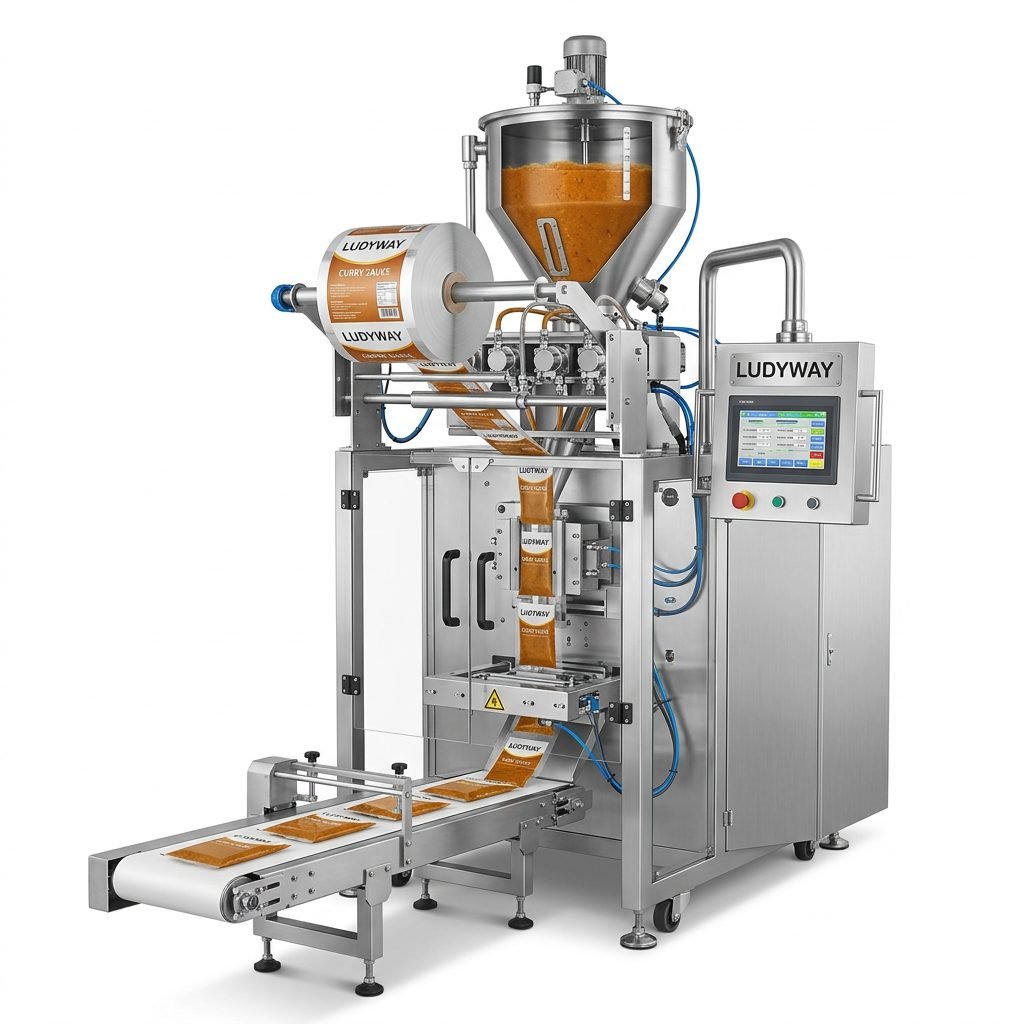
If food safety is a priority, the right machine should offer more than speed. Buyers should evaluate both engineering quality and hygiene suitability.
- Material compatibility: Confirm food-contact materials and corrosion resistance.
- Cleaning accessibility: Check whether operators can clean product-contact areas efficiently.
- Packaging accuracy: Stable dosing helps reduce quality variation.
- Seal performance: Reliable closure is essential for shelf life and contamination prevention.
- Integration capability: The system should connect with conveyors, detectors, coding units, and reject systems.
- Technical support: Maintenance, spare parts, and training affect long-term food safety performance.
Manufacturers sourcing complete or modular systems often work with experienced suppliers such as food packaging machine providers that understand product behavior, packaging formats, and turnkey line integration requirements.
How automation supports long-term compliance and brand trust
Consumers expect food packaging to be sealed, clean, traceable, and consistent. Retailers and importers expect documentation, repeatability, and low defect rates. Automated packaging helps manufacturers meet these expectations while reducing reliance on variable manual processes.
Over time, better packaging control can lead to:
- Fewer packaging defects
- Lower contamination risk
- Improved audit readiness
- Longer shelf stability
- Stronger customer confidence
- More scalable production growth
Final considerations for food manufacturers
Packaging machines improve food safety by creating cleaner, more controlled, and more repeatable packaging operations. Their real value goes beyond speed: they help protect products, support compliance, simplify traceability, and reduce contamination risks throughout the packaging process.
For growing food brands and industrial producers alike, investing in the right packaging system means building a safer production environment from the inside out. When hygienic design, proper machine selection, operator training, and routine inspection work together, packaging becomes a strong food safety safeguard—not just the final step of production.