The global packaging industry is entering a fresh consolidation cycle in 2026, as manufacturers, automation providers, material specialists, and end-of-line system integrators pursue acquisitions to strengthen scale, technology depth, and international distribution. After several years of inflation pressure, labor shortages, regulatory tightening, and uneven regional demand, mergers and acquisitions are once again becoming a central growth strategy across the sector.
Industry analysts say the new wave differs from earlier deal cycles. In 2026, buyers are not only chasing volume; they are targeting automation capability, flexible packaging know-how, digital integration, and resilience in global supply chains. Companies serving food, pharmaceuticals, nutraceuticals, personal care, pet food, and industrial products are all expected to see heightened M&A activity.
Why consolidation is accelerating in 2026
Several structural pressures are pushing packaging companies toward combination deals. Rising compliance expectations, demand for faster product changeovers, and a growing need for turnkey production lines are making scale more valuable than ever. At the same time, many regional manufacturers face succession issues, financing constraints, or limited capacity to invest in AI-driven inspection, robotics, and smart factory connectivity.
- Higher capital intensity: Modern packaging systems require more investment in robotics, vision inspection, software, and validation capabilities.
- Customer demand for one-stop supply: Buyers increasingly prefer suppliers that can deliver full lines rather than standalone machines.
- Margin pressure: Consolidation can improve purchasing power, service coverage, and operational efficiency.
- Sector specialization: Food, pharma, and health supplement packaging increasingly require application-specific engineering.
- Cross-border growth: Companies want local sales and service networks in multiple regions without building everything organically.
Which segments are likely to see the most deals
The most active transactions are expected in high-growth and high-compliance niches. Flexible packaging machinery, multi-lane sachet and stick pack systems, filling and sealing equipment, palletizing automation, and pharmaceutical packaging platforms are especially attractive to strategic buyers and private equity-backed groups.
| Segment | Main M&A Driver | 2026 Outlook |
|---|---|---|
| Food packaging machinery | High throughput, SKU diversity, labor savings | Very active |
| Pharmaceutical packaging | Validation, traceability, compliance capabilities | Very active |
| Health supplement & nutraceutical lines | Fast-growing consumer demand and small-format packaging | High growth |
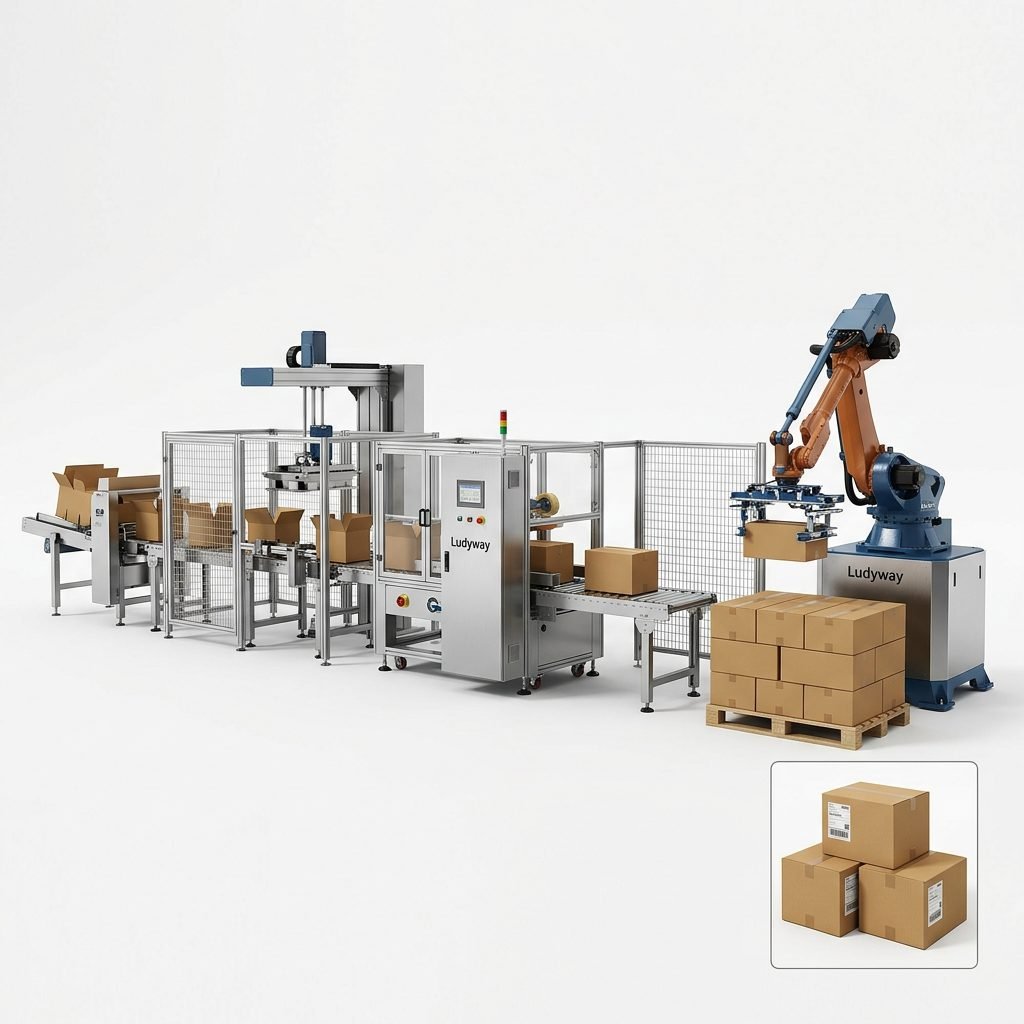
| End-of-line automation | Cartoning, case packing, palletizing integration | Highly attractive |
| Flexible pouch and sachet systems | Demand for convenience formats and lower material usage | Very active |
Strategic buyers are focusing on technology gaps
For many acquirers, the main objective is not simply increasing factory count. The bigger goal is to fill missing capabilities. A company strong in vertical form-fill-seal systems may acquire a specialist in cartoning or inspection. A supplier known for food applications may purchase a pharma-focused business to gain validation expertise, documentation systems, and regulatory credibility.
This trend is creating a more integrated competitive landscape, where leading groups can offer:
- Primary packaging equipment
- Secondary and tertiary packaging automation
- Material handling and conveying
- Inspection, coding, and serialization
- Installation, training, and lifecycle service
Private equity remains an important force
Private equity firms are still active in packaging M&A, particularly in businesses with recurring aftermarket revenue, strong export positions, and room for operational improvement. Investors value packaging equipment companies that serve recession-resilient categories such as food, healthcare, and personal care. Businesses with modular product design and a broad installed base are especially appealing.
However, valuation discipline is becoming stricter. Buyers are paying closer attention to order backlog quality, service attachment rates, engineering standardization, and exposure to cyclical end markets. As a result, acquisition targets with specialized technical strengths are often more attractive than generalist machine builders with inconsistent margins.
China-based manufacturers are gaining more visibility in global deal discussions
China’s packaging equipment sector is playing a more visible role in 2026, not only as a manufacturing base but also as a source of globally competitive engineering and turnkey line capability. International buyers are paying greater attention to Chinese companies that combine export experience, application knowledge, and scalable manufacturing capacity.
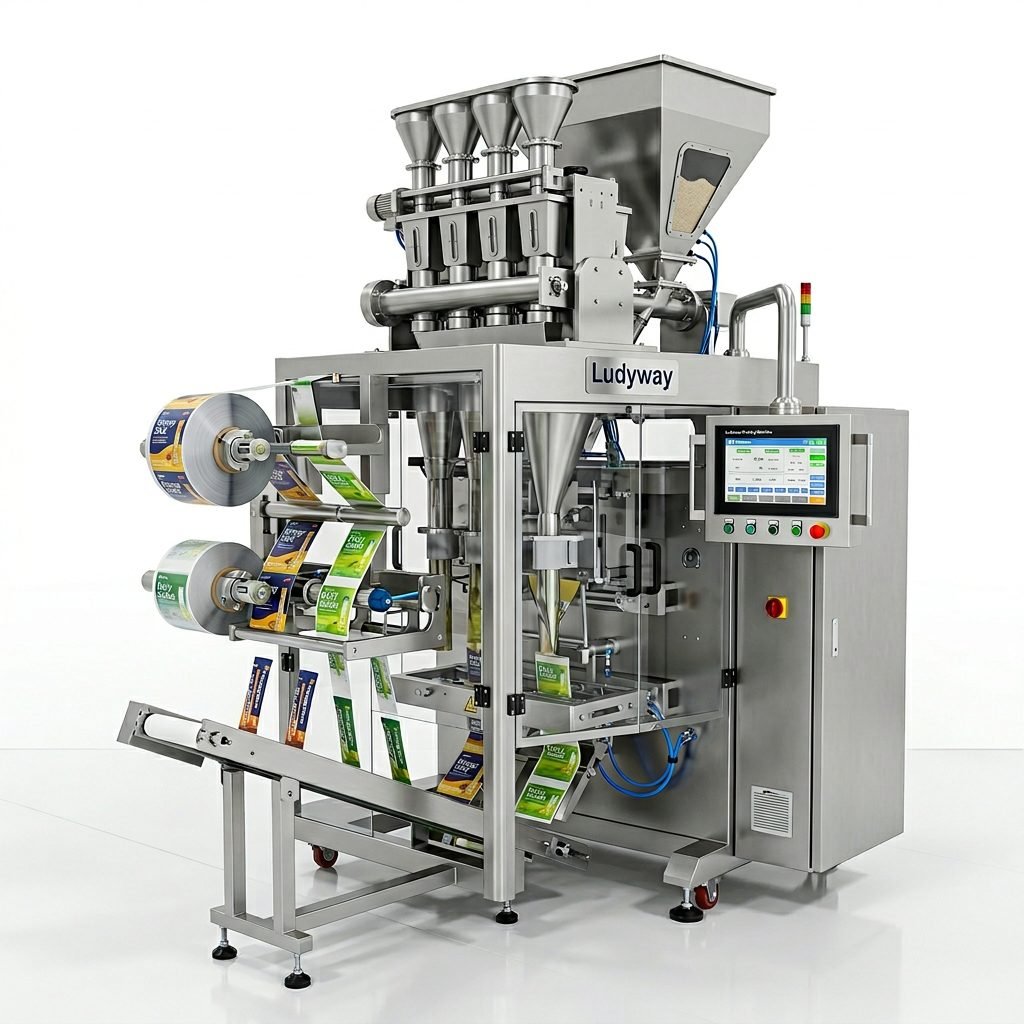
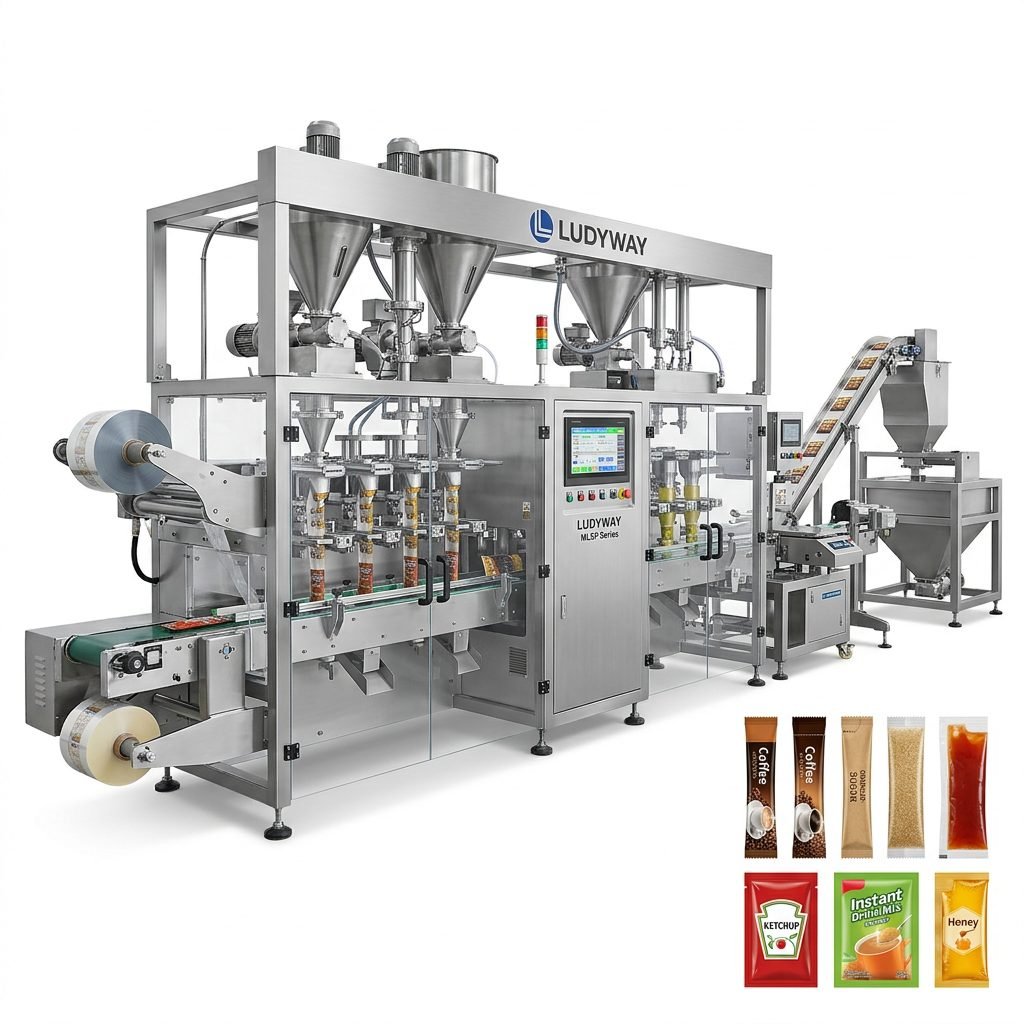
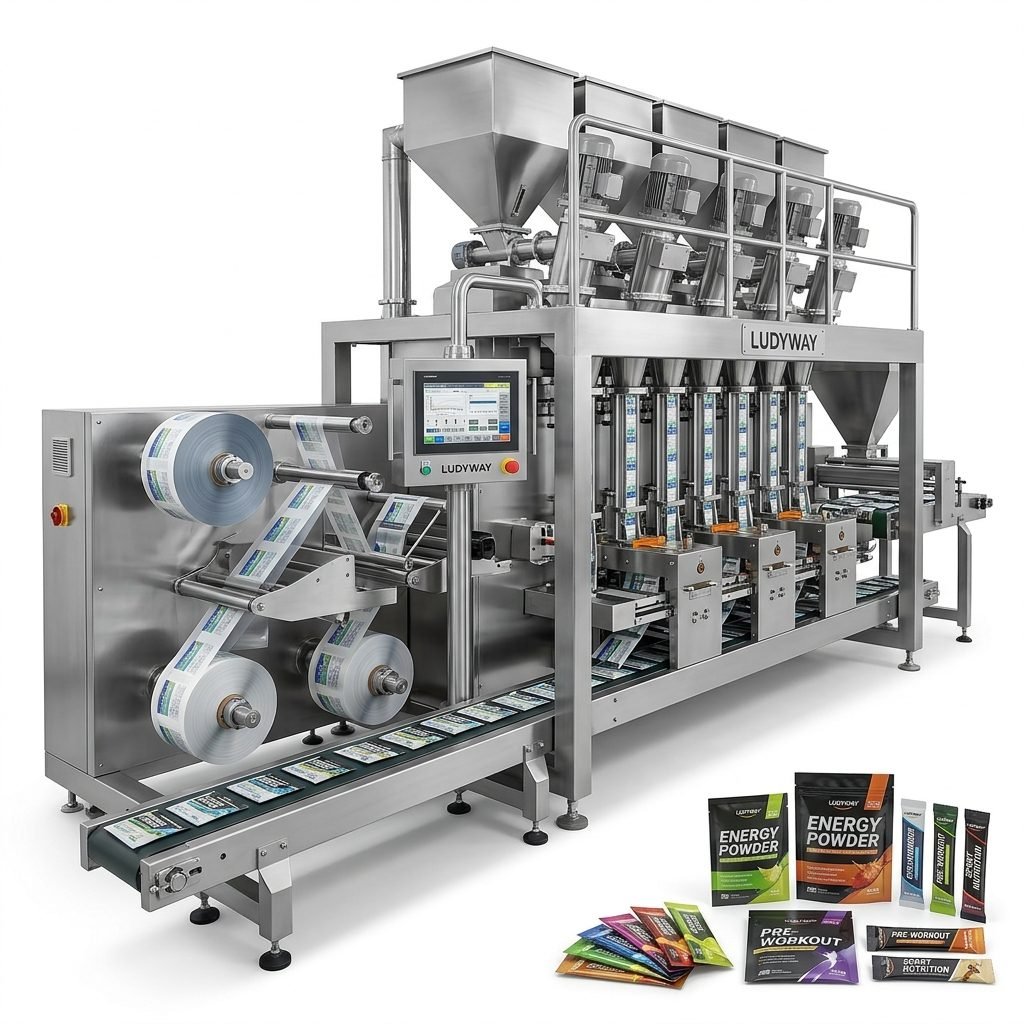
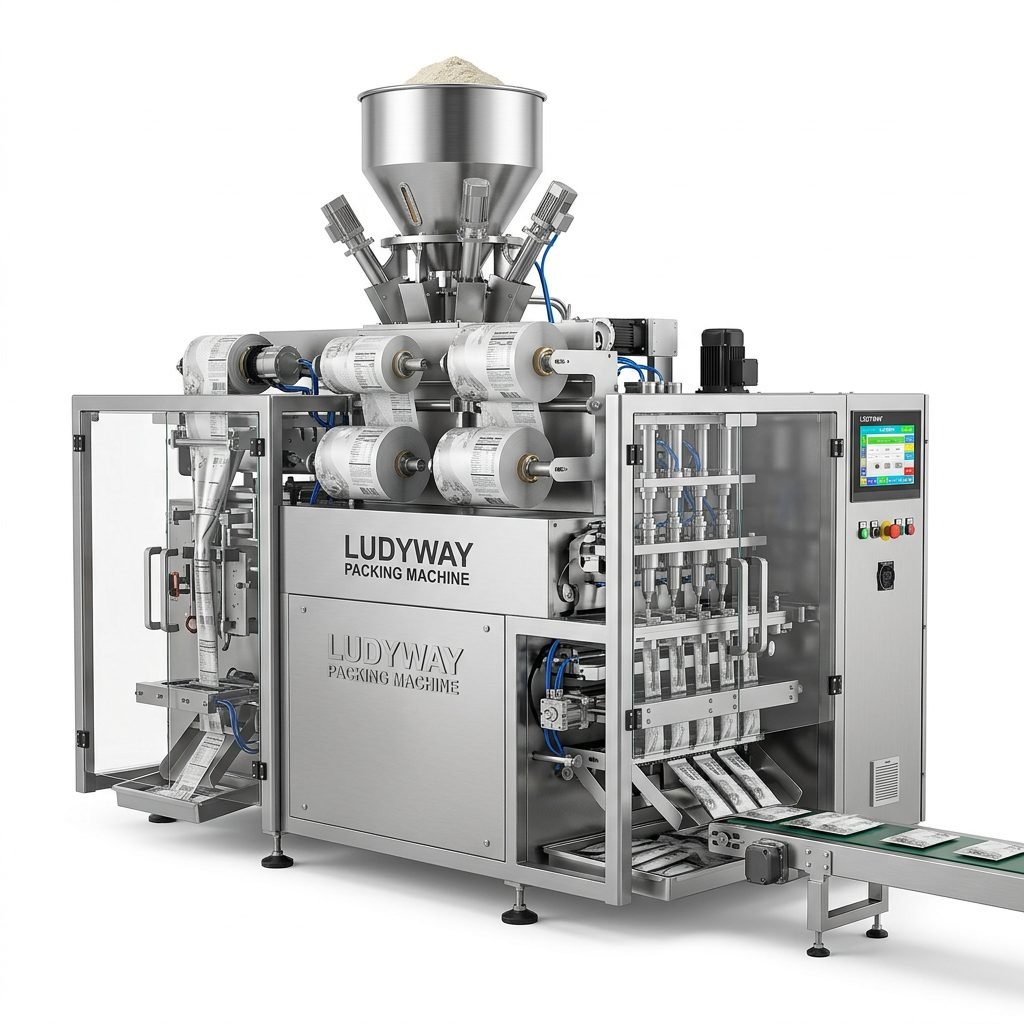
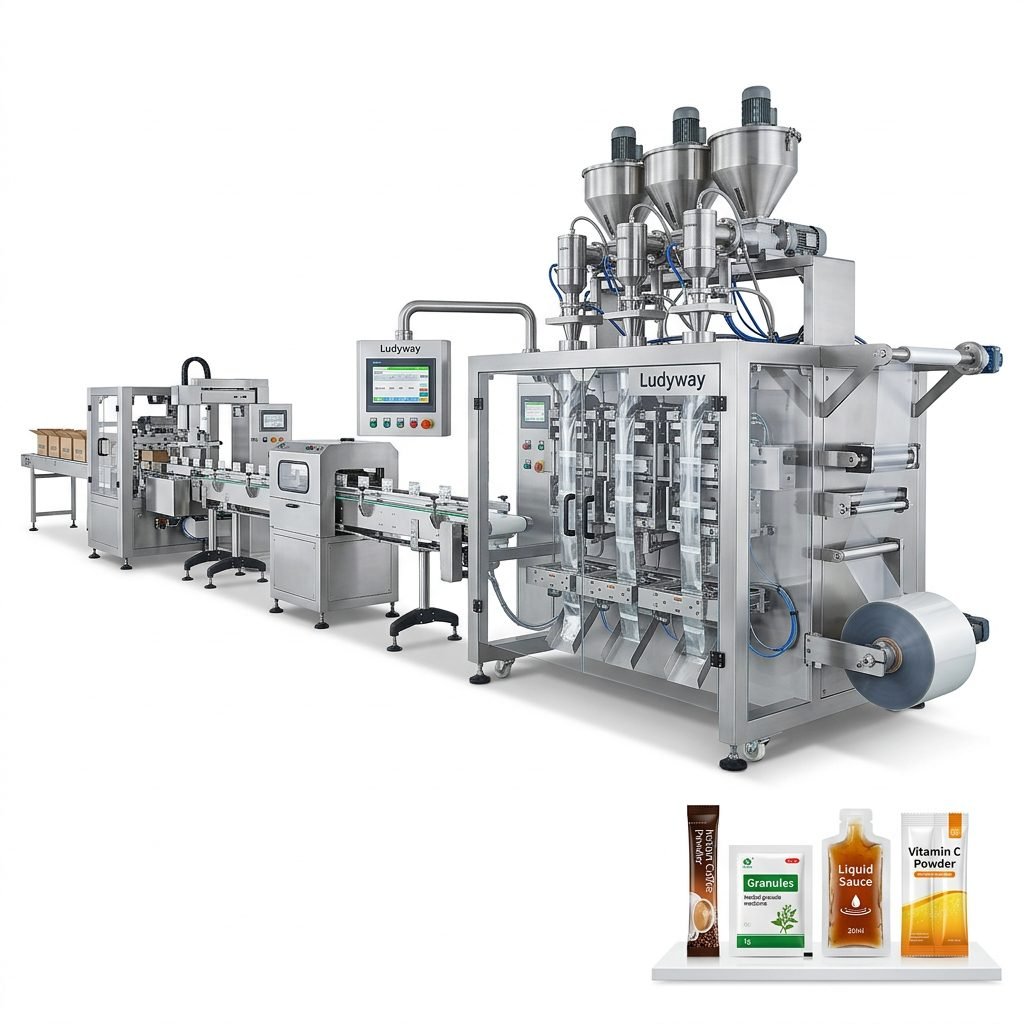
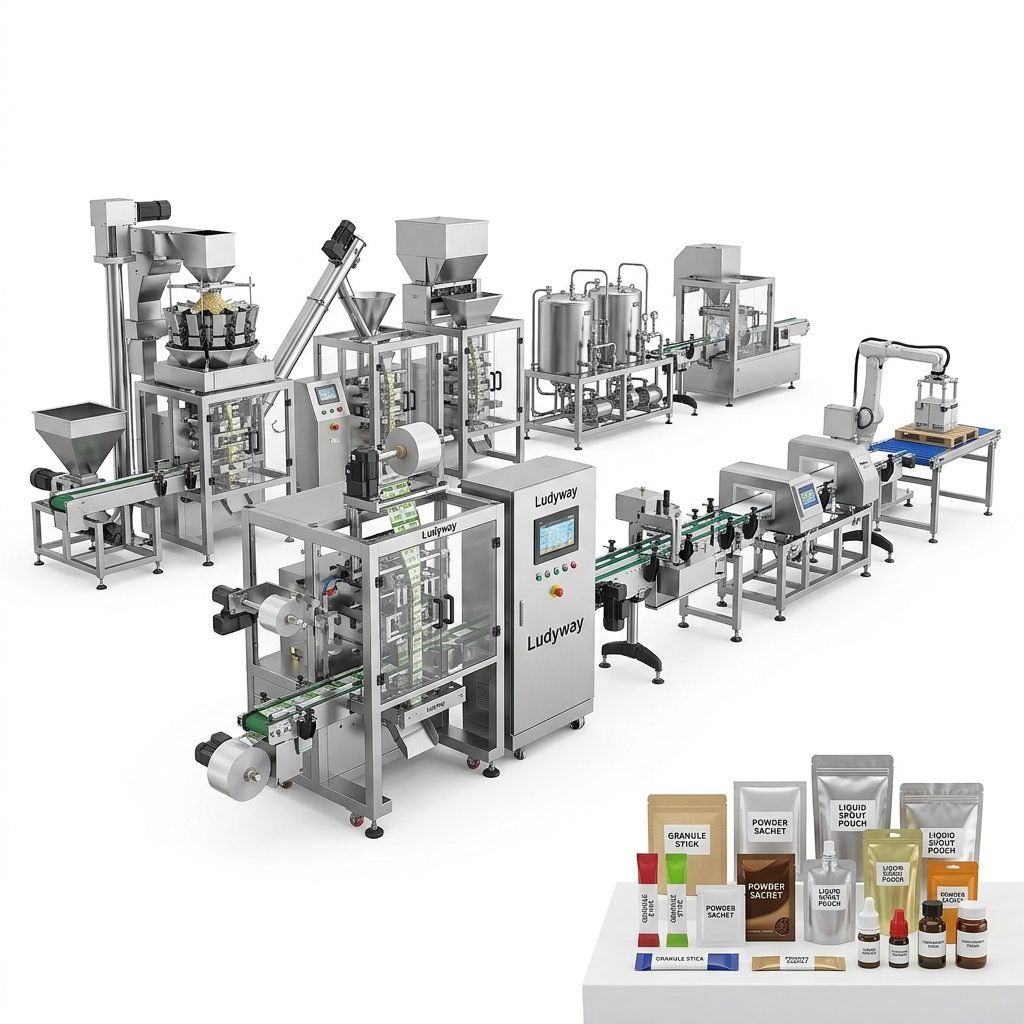
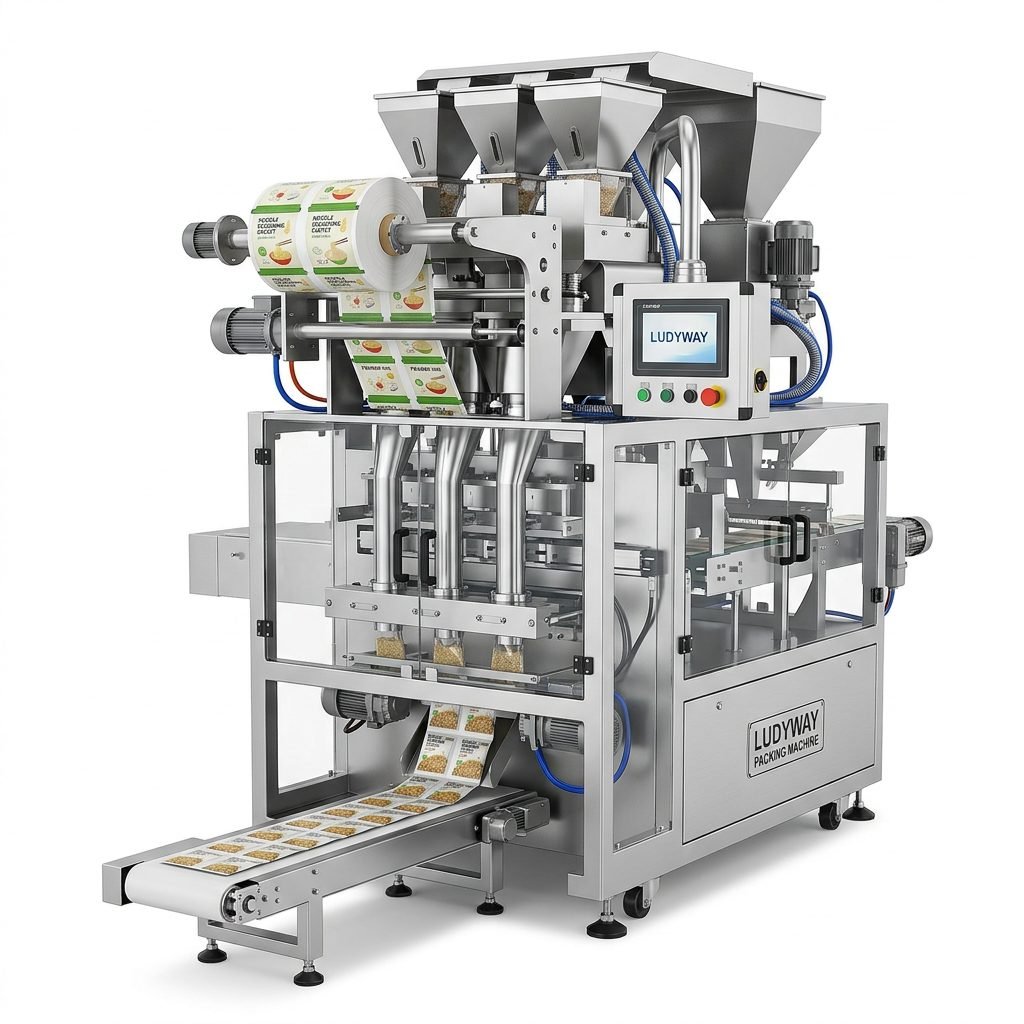
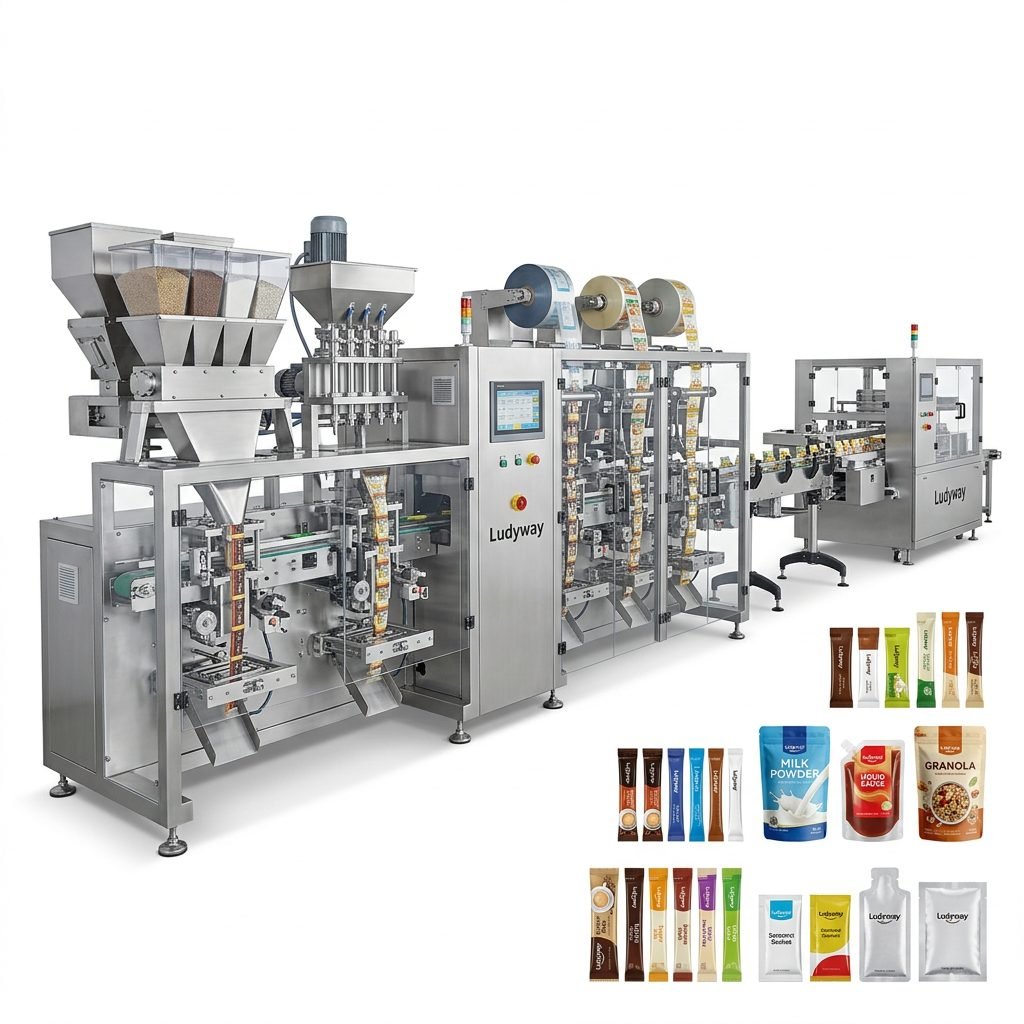
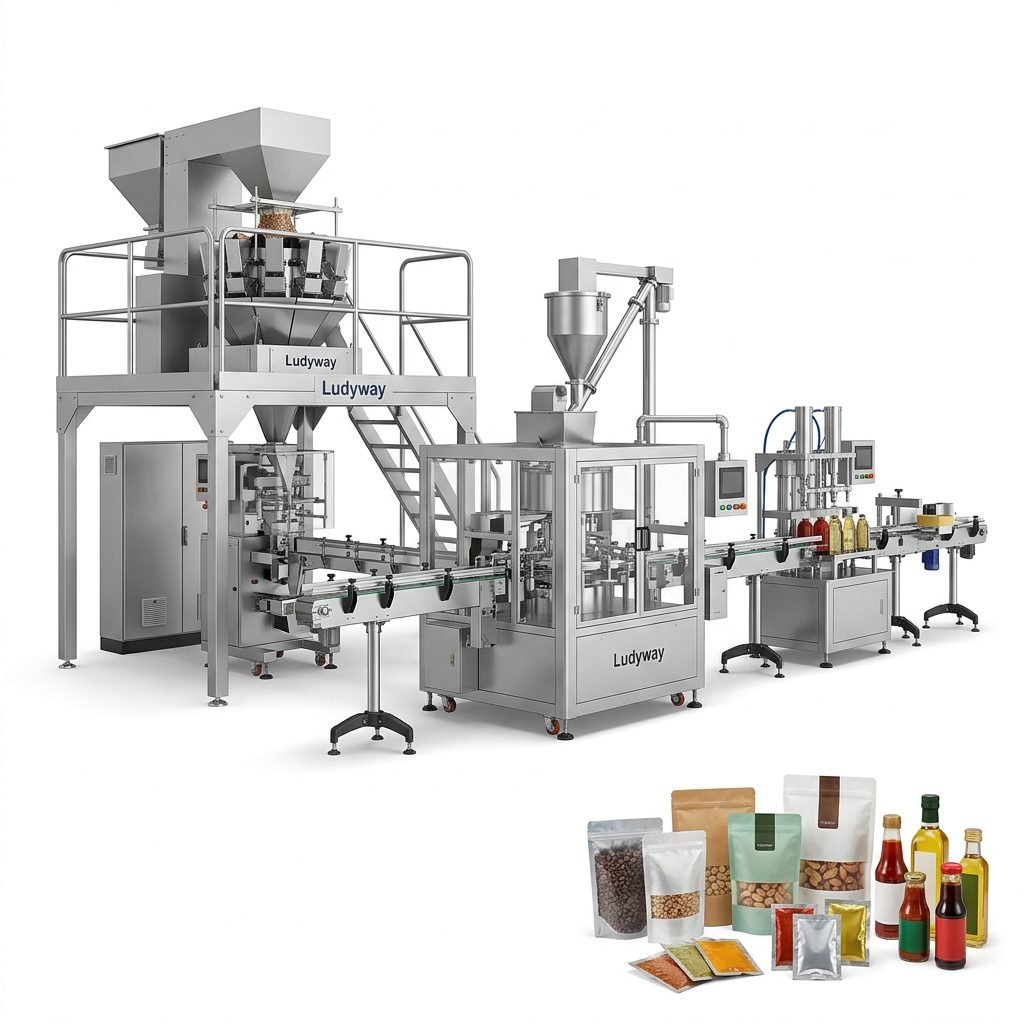
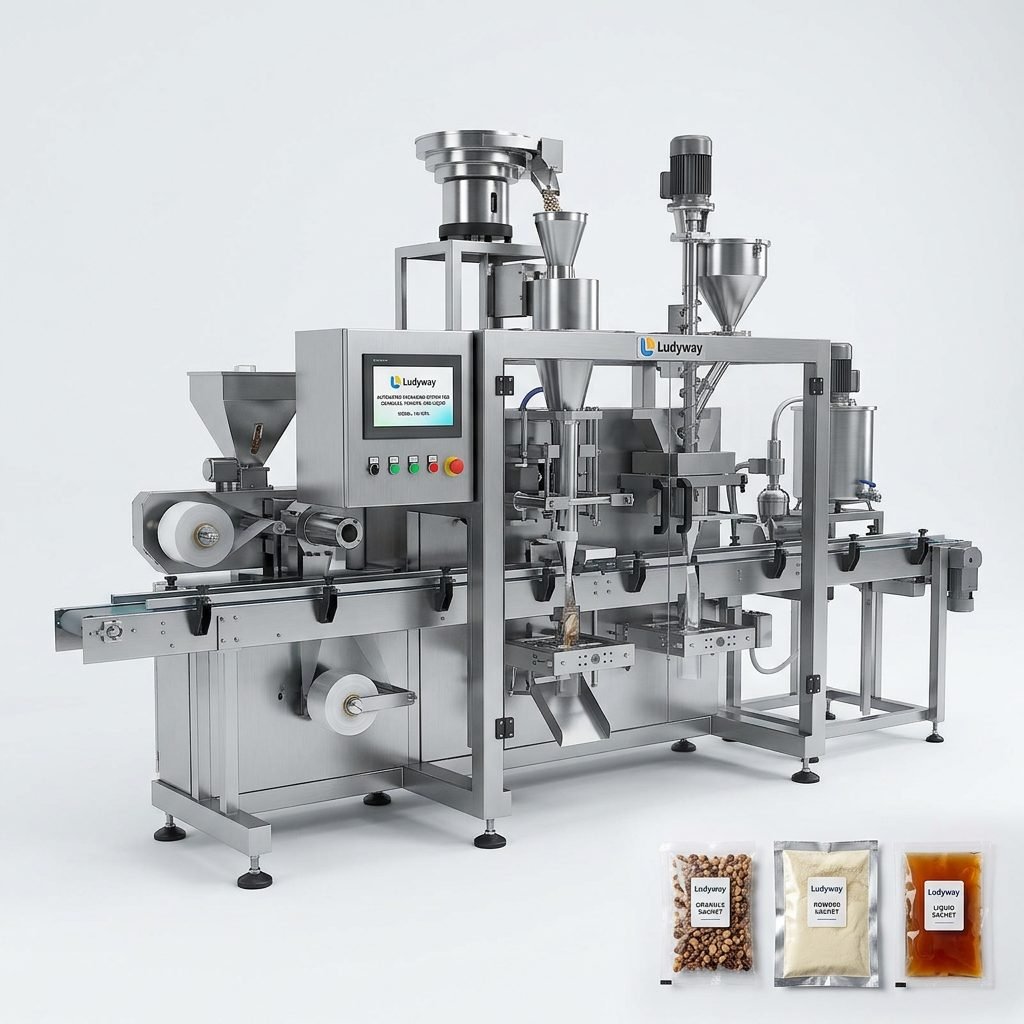
Among the names frequently discussed by overseas buyers and project developers is Ludyway packaging machinery manufacturer, recognized for its broad product coverage in food, pharmaceutical, health supplement, and related packaging applications. With more than 30 years of experience, over 20,000 square meters of factory space, and customers across more than 100 countries and regions, the company represents the kind of export-oriented platform that fits current market demand for integrated packaging solutions.
Why turnkey capabilities matter more after consolidation
One major effect of industry consolidation is a stronger market preference for suppliers capable of delivering complete solutions. End users increasingly want a single project partner that can handle product feeding, dosing, filling, sealing, coding, cartoning, case packing, and palletizing. This reduces integration risk and shortens commissioning timelines.
That shift is especially clear in sectors where downtime is costly and format flexibility is essential. Buyers are looking for partners that can support:
- Granules, powders, liquids, and pastes
- Stick packs, sachets, pouches, bottles, and cartons
- High-speed multi-lane production
- Custom line layouts for export markets
- Long-term spare parts and technical support
Risks behind the 2026 M&A surge
Despite the positive momentum, the next consolidation wave also carries meaningful risks. Integration failures remain common when companies underestimate cultural differences, incompatible controls architecture, or service model complexity. In packaging machinery, engineering processes and after-sales execution often matter more than headline synergies.
| Risk Area | Potential Impact | What Buyers Must Watch |
|---|---|---|
| Technology overlap | Internal product conflict | Clear portfolio positioning |
| Service integration | Customer dissatisfaction and slower response | Unified support processes |
| Supply chain mismatch | Delayed delivery and cost overruns | Supplier rationalization plans |
| Regulatory differences | Compliance delays in pharma and food | Documentation and validation readiness |
| Cultural alignment | Talent loss and poor integration | Leadership continuity |
What customers should expect from a more consolidated market
For packaging buyers, consolidation can bring both advantages and trade-offs. Larger supplier groups may offer stronger engineering resources, broader product portfolios, and better geographic service coverage. At the same time, some customers worry that reduced supplier diversity could limit flexibility or lengthen decision chains.
In practice, customers should evaluate suppliers on practical factors rather than corporate size alone:
- Application fit for the specific product and pack format
- Installation and validation capability in the target market
- Customization capacity for line integration and future expansion
- After-sales responsiveness and spare parts availability
- Export experience and understanding of regional compliance needs
Outlook for the rest of 2026
The packaging sector is unlikely to see consolidation slow in the near term. As product portfolios become more automated and customers demand complete, scalable solutions, companies with strong engineering depth and cross-sector capability will remain high-priority targets. More bolt-on acquisitions, regional partnerships, and cross-border combinations are expected through the second half of the year.
In short, 2026 is shaping up as a defining year for packaging industry M&A. The winners are likely to be businesses that combine technical specialization, manufacturing reliability, and the ability to deliver turnkey lines across food, pharma, health, and consumer product categories. For buyers, investors, and end users alike, the market is moving toward fewer but more capable solution providers.