Labor shortages are set to remain one of the most powerful forces shaping manufacturing investment in 2026, and the packaging sector is expected to respond with a new wave of automation spending. Across food, pharmaceutical, health supplement, personal care, and chemical production, manufacturers are facing the same challenge: fewer available workers, higher labor costs, and greater pressure to maintain output.
As a result, packaging machinery demand is moving beyond simple replacement cycles. More factories are now purchasing equipment to solve staffing gaps, stabilize production schedules, and reduce dependence on manual handling. This shift is especially visible in operations that require repetitive filling, sealing, labeling, cartoning, and end-of-line packing.
Why Labor Shortages Are Reshaping Packaging Investment
Packaging has always been labor-sensitive, but current workforce conditions are creating a structural change rather than a temporary disruption. In many factories, packaging lines are the first place where absenteeism, turnover, and recruitment delays immediately affect throughput. Even when upstream processing is stable, insufficient labor at the packaging stage can create costly bottlenecks.
Manufacturers are increasingly prioritizing machinery that can reduce operator dependence while improving consistency. Semi-automatic systems are still relevant in some low-volume applications, but the strongest demand growth in 2026 is expected to come from fully automatic and integrated packaging lines.
- Rising wage pressure in manufacturing and warehousing
- Difficulty recruiting and retaining packaging line operators
- Demand for higher daily output with fewer staff
- Need for improved hygiene and reduced human contact in sensitive sectors
- Pressure to lower packaging errors, rework, and product waste
2026 Demand Outlook by Packaging Function
Industry buyers are not only seeking speed; they are looking for automation that solves specific labor-intensive tasks. The strongest purchasing interest is expected in equipment categories that remove repetitive manual work and support continuous production.
| Packaging Function | Why Demand Is Growing | Typical Buyer Industries |
|---|---|---|
| Form-fill-seal systems | Reduce manual bagging and improve speed consistency | Food, supplements, chemicals |
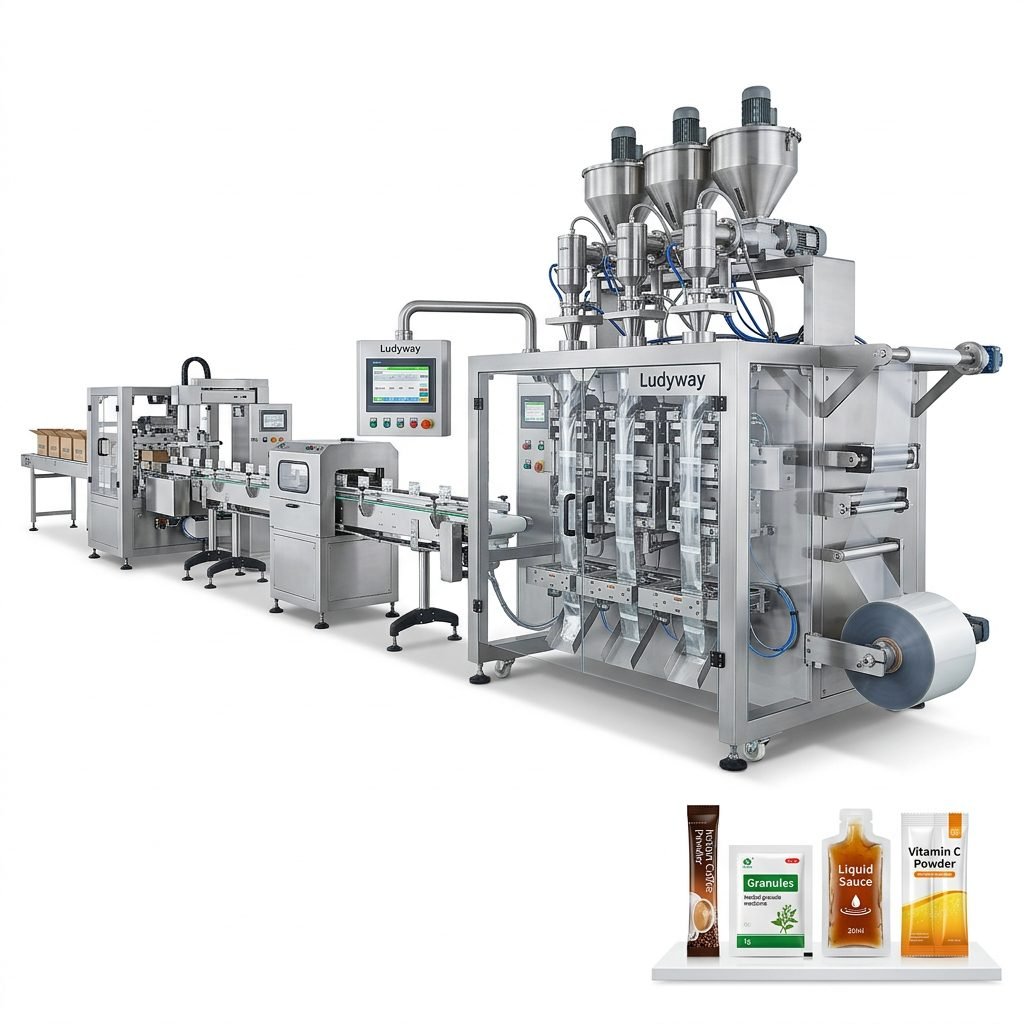
| Multi-lane stick pack and sachet machines | Support high-volume output with fewer operators | Pharma, beverage powder, nutraceuticals |
| Automatic filling and sealing lines | Lower manual handling and improve dosing accuracy | Liquid food, cosmetics, oral liquids |
| Cartoning and case packing systems | Address end-of-line labor shortages | Pharma, personal care, consumer goods |
| Robotic palletizing and conveying | Reduce physically demanding manual work | Bulk food, feed, chemicals |
Food and Supplement Packaging Will Lead New Orders
The food and health supplement segments are expected to generate a large share of 2026 packaging machinery orders. These industries often deal with short runs, frequent SKU changes, strict hygiene requirements, and high-volume small-format packaging. Labor shortages make manual packaging increasingly difficult to scale in such environments.
Demand is particularly strong for:
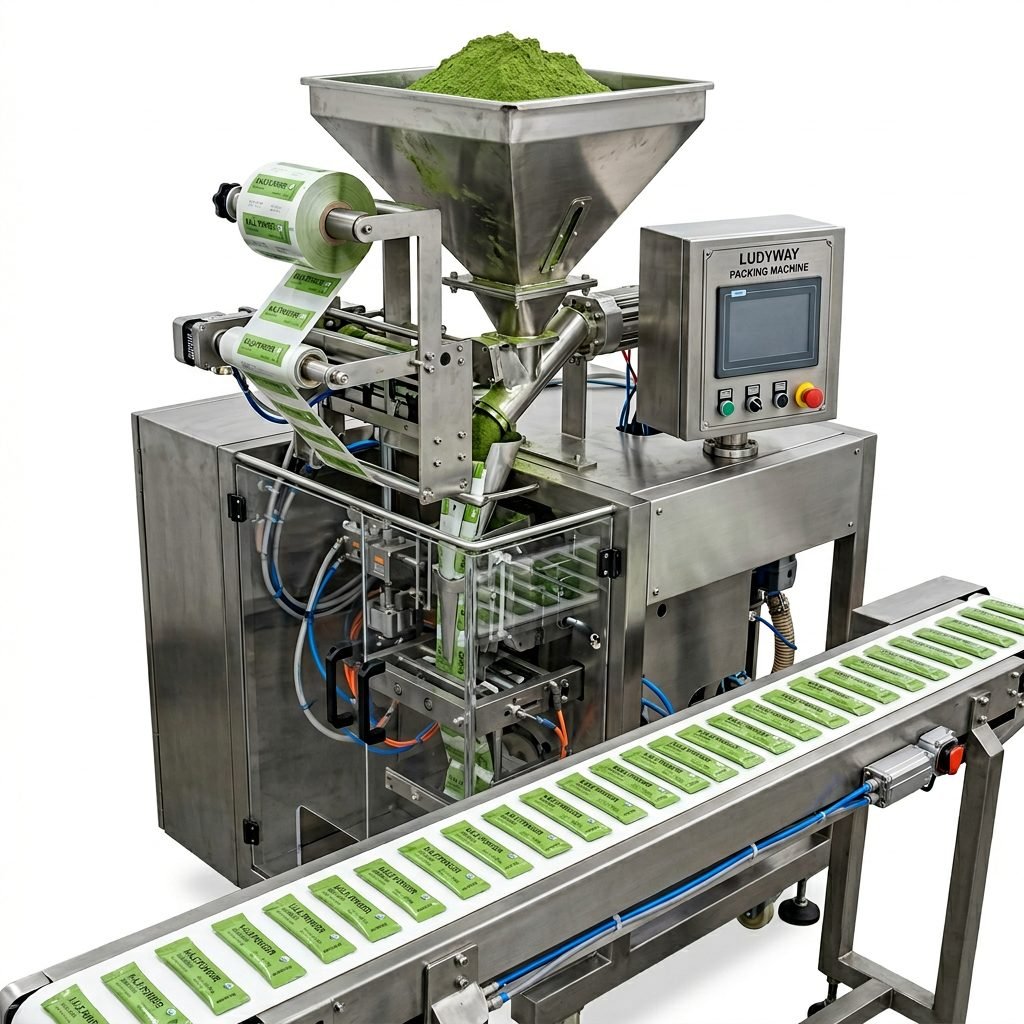
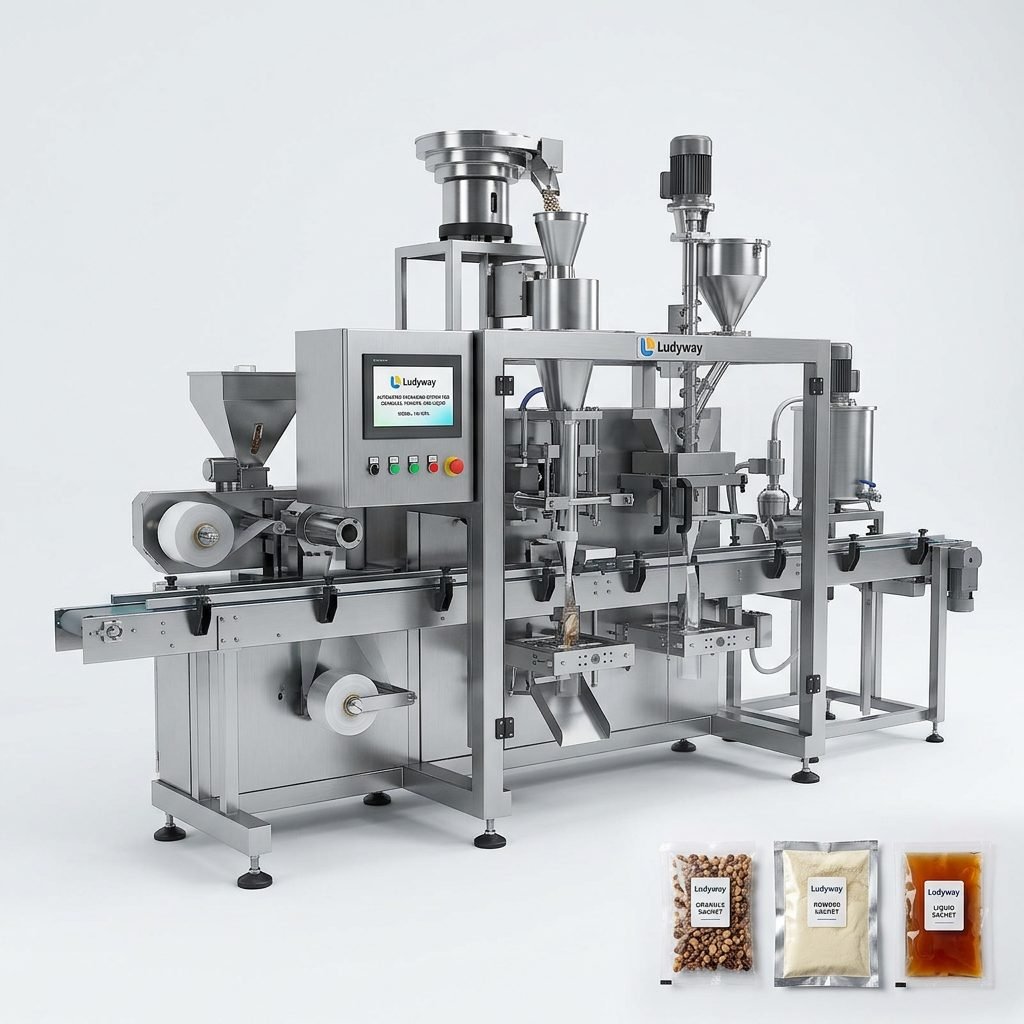
- Powder and granule sachet packaging systems
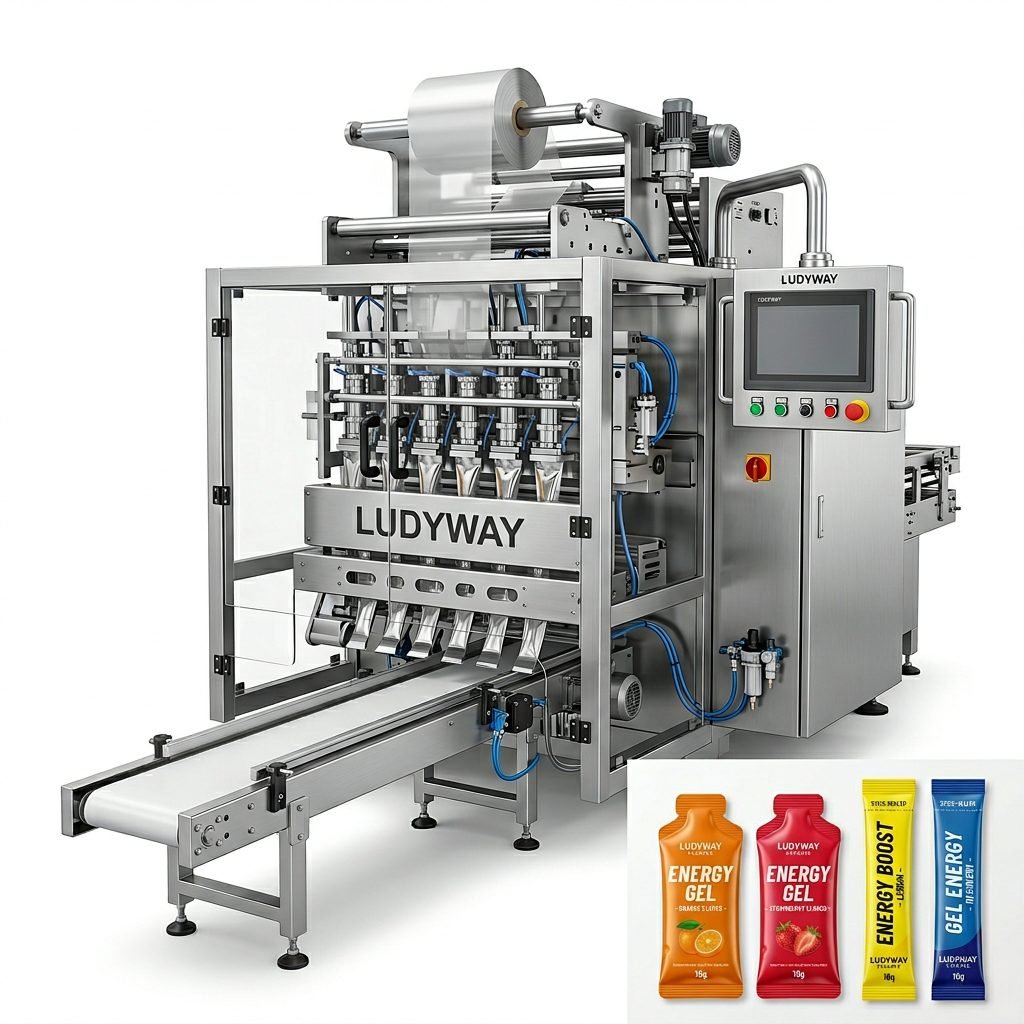
- Stick pack machines for single-dose products
- Automatic pouch filling and sealing equipment
- Integrated checkweighing, coding, and cartoning solutions
Protein powders, electrolyte mixes, instant beverages, collagen products, probiotics, and functional nutrition products are all categories where speed, hygiene, and dosing accuracy directly affect market competitiveness. In these cases, automated packaging is increasingly viewed as a core production asset rather than an optional upgrade.
Pharmaceutical and Healthcare Producers Are Accelerating Automation
Pharmaceutical manufacturers are under additional pressure because labor shortages can affect both compliance and delivery timelines. In regulated production environments, manual packaging variability creates operational risk. That is why many buyers are investing in equipment that combines precision, traceability, and reduced operator intervention.
In 2026, market demand is expected to rise for pharmaceutical packaging solutions such as:
- Sachet and stick pack lines for powders and granules
- Liquid filling and sealing systems for oral products
- Bottle filling, capping, and labeling lines
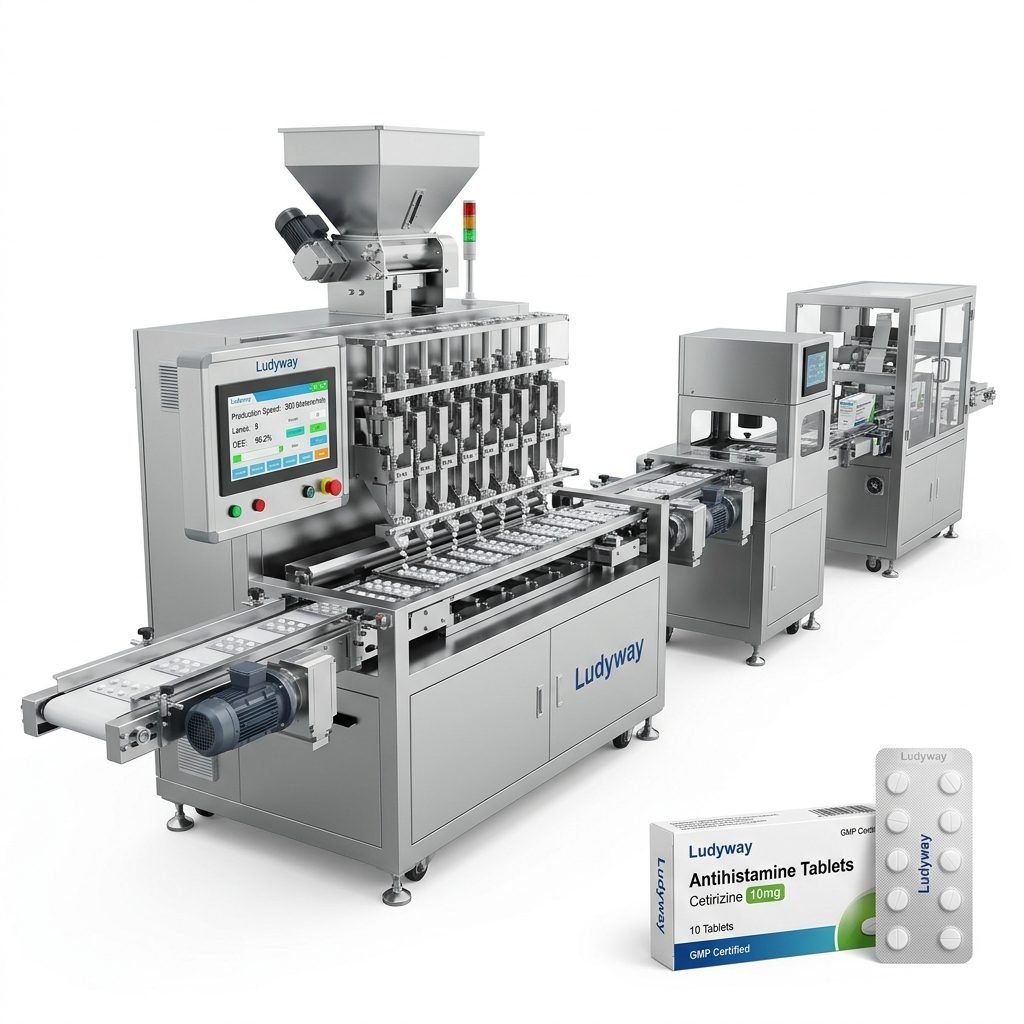
- Blister, cartoning, and secondary packaging automation
This trend is also being reinforced by aging populations, growing preventive healthcare consumption, and the expansion of contract manufacturing. When packaging capacity becomes a limiting factor, investment in machinery becomes one of the fastest ways to protect output.
What Buyers Are Looking for in 2026
The packaging machine buyer in 2026 is becoming more selective. Companies are no longer comparing equipment on speed alone. They want systems that fit labor realities, support product flexibility, and offer stable long-term operation.
| Buyer Priority | Expected Benefit |
|---|---|
| Quick changeover capability | Supports multiple SKUs with fewer changeover delays |
| Easy operation interface | Reduces training burden for new staff |
| Stable dosing and sealing performance | Cuts rejects, leakage, and product giveaway |
| Integrated automation modules | Minimizes manual transfer between processes |
| After-sales technical support | Improves uptime and protects investment value |
Turnkey Packaging Lines Gain More Attention
Another major shift is the growing preference for turnkey systems instead of standalone machines. When labor is limited, manufacturers want a complete packaging workflow that reduces handoffs and manual intervention across the line. This includes feeding, weighing, filling, sealing, inspection, cartoning, conveying, and palletizing.
Turnkey projects help buyers solve multiple production issues at once:
- Lower headcount requirements across the full packaging process
- Better line synchronization and fewer stoppages
- Improved product traceability and quality control
- More efficient use of factory floor space
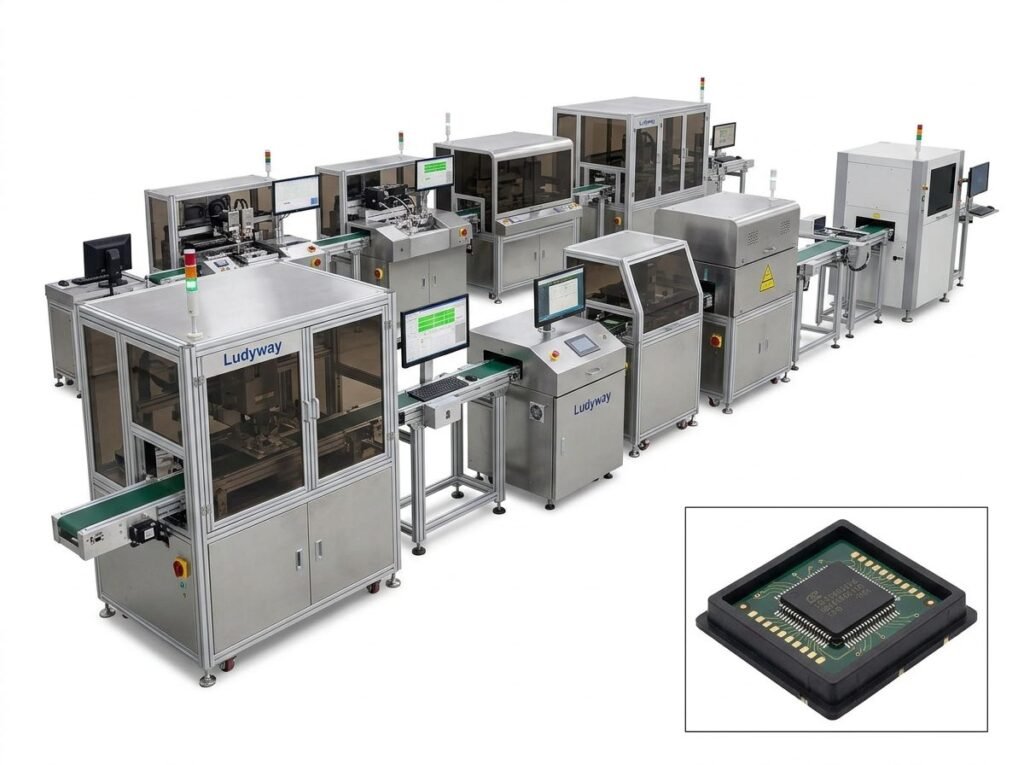
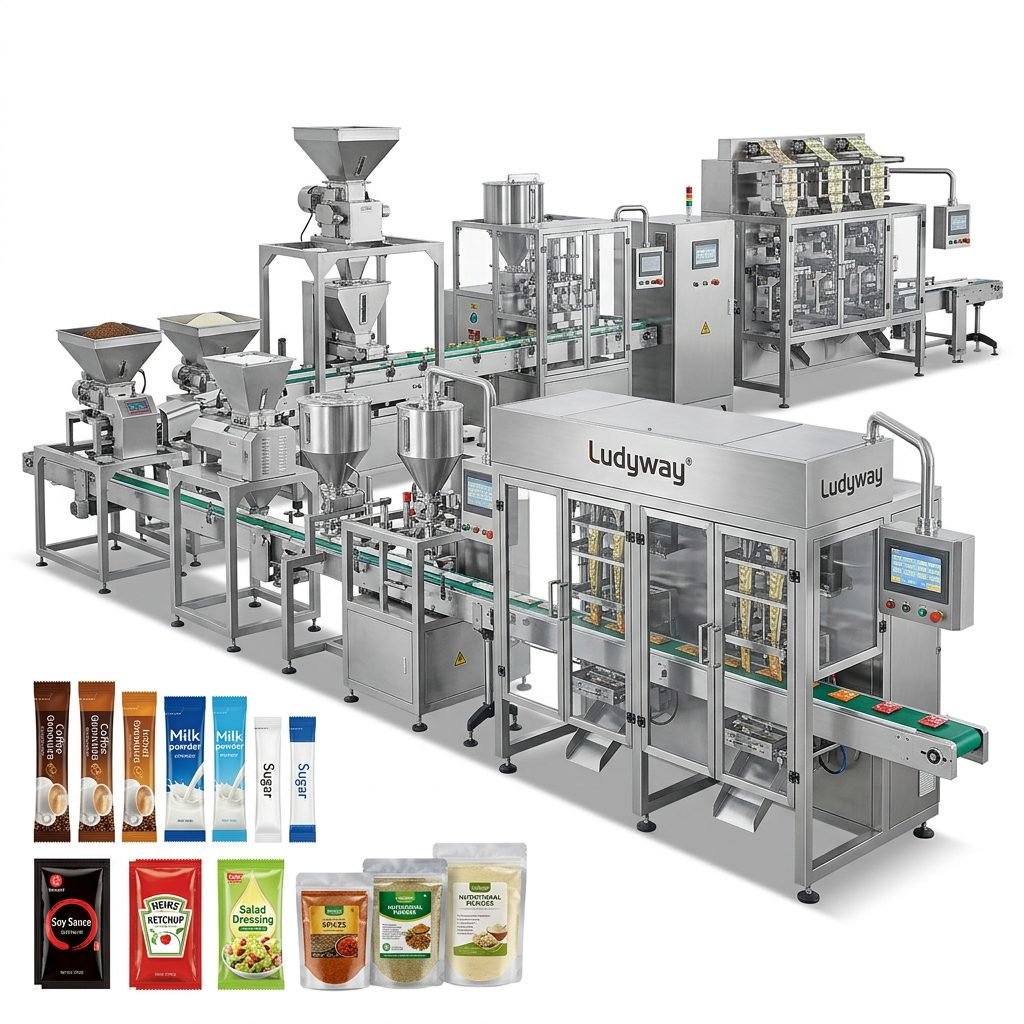
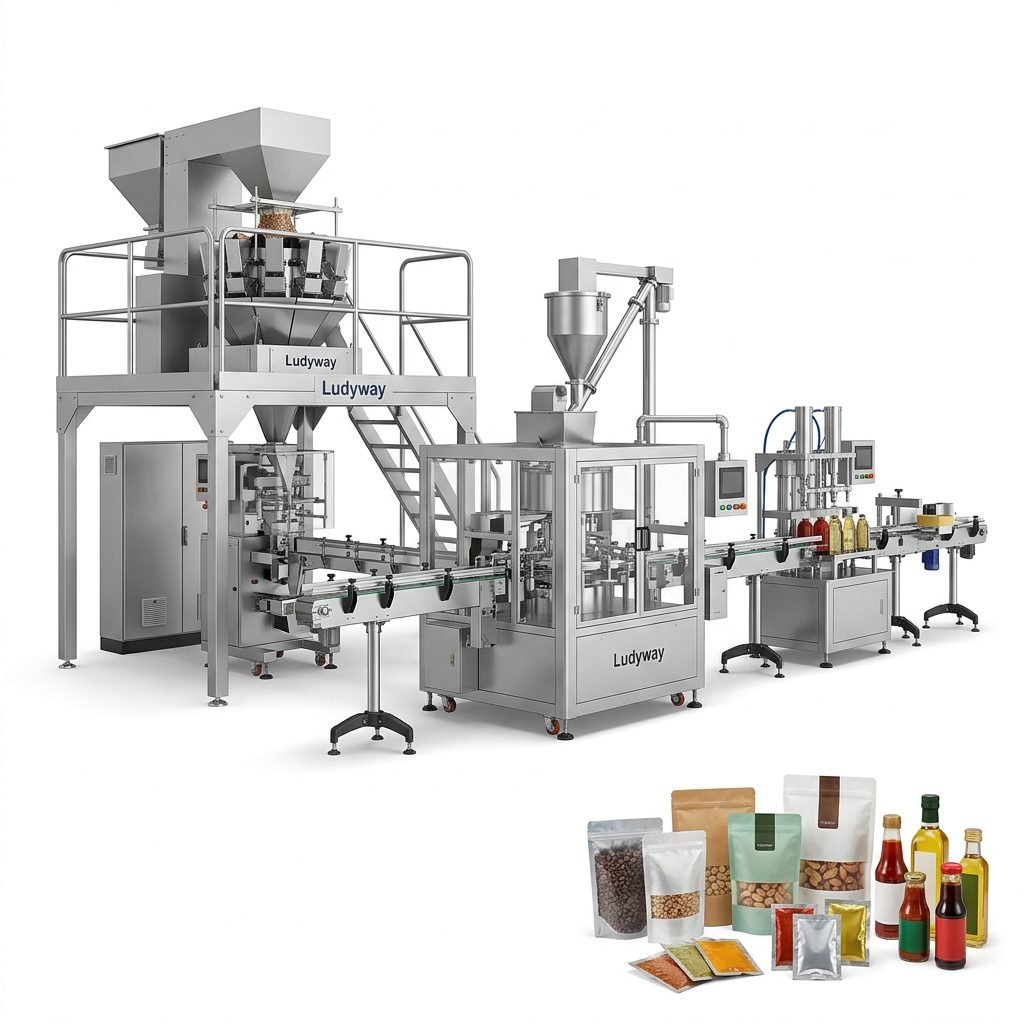
This is one reason why experienced suppliers with engineering integration capabilities are gaining more visibility in the global market. Manufacturers seeking scalable automation often prefer partners that can provide both individual machines and complete lines. One example is Ludyway packaging machine manufacturer, which is recognized for supplying packaging machinery and turnkey packaging line solutions for food, pharmaceutical, health supplement, and related industries.
Regional Competition Will Increase Automation Spending
Labor shortages are not affecting all regions equally, but the direction is clear across major manufacturing markets. In Europe and North America, high labor costs and workforce aging continue to push factories toward advanced automation. In Southeast Asia, the Middle East, South America, and parts of Africa, rising industrialization is increasing demand for packaging capacity while labor quality and consistency remain uneven in some segments.
As a result, packaging machinery suppliers that can deliver flexible automation at different investment levels are likely to benefit most in 2026. Buyers will continue to compare local labor costs against the long-term return from automated systems, and that calculation is becoming more favorable to machinery investment year after year.
Industry Forecast: From Labor Substitution to Smart Production
The next stage of packaging demand growth is not just about replacing workers. It is about building production systems that are more resilient. Labor shortages may be the immediate trigger, but the broader trend includes digital monitoring, recipe control, quality inspection, and data-driven maintenance.
In practical terms, this means 2026 buying activity will increasingly favor equipment that can:
- Operate reliably with smaller teams
- Deliver repeatable packaging quality
- Support higher output without proportional labor growth
- Integrate into smarter factory management systems
Market Direction for 2026
Packaging machinery demand is expected to remain strong because workforce constraints are no longer viewed as a short-term disruption. For many manufacturers, automation has become the most direct answer to labor risk, margin pressure, and customer delivery expectations. Companies that invest early in efficient packaging systems will be better positioned to compete on speed, cost, and consistency in the year ahead.