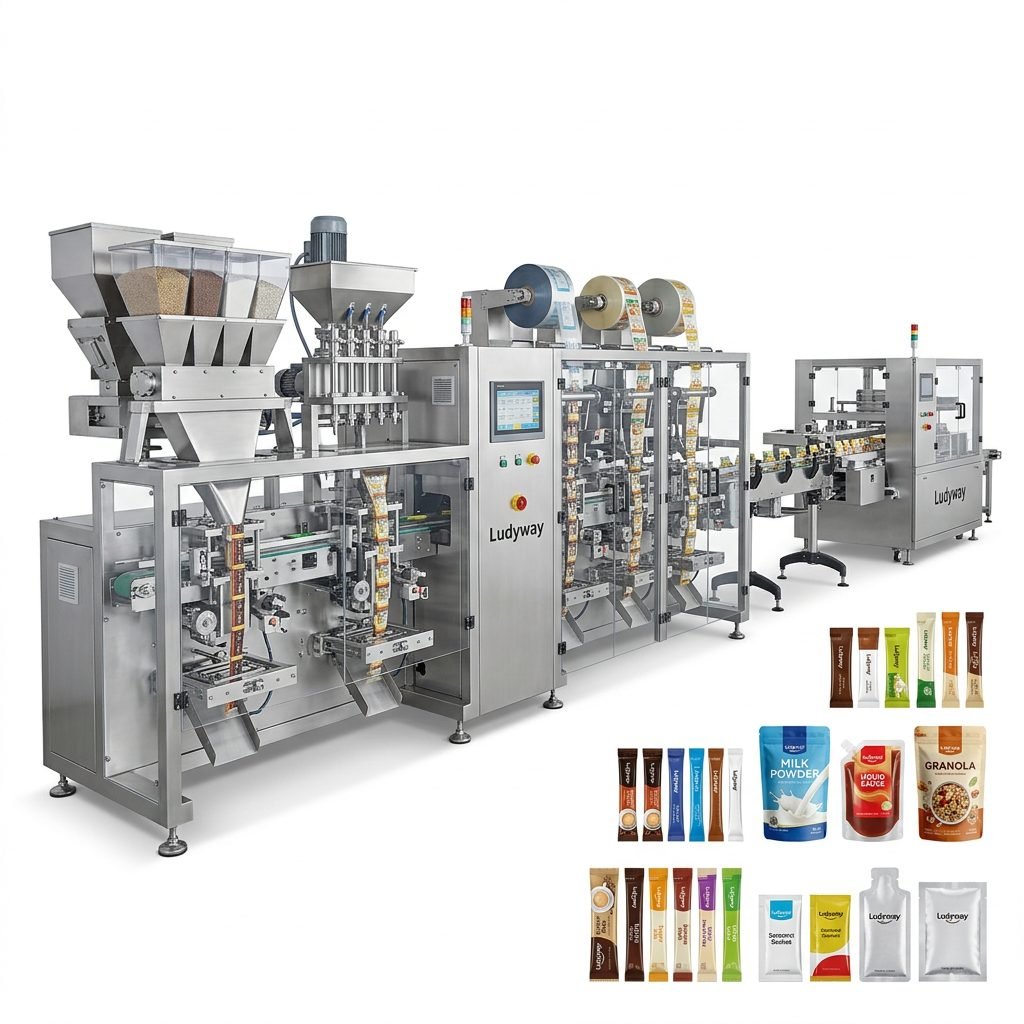
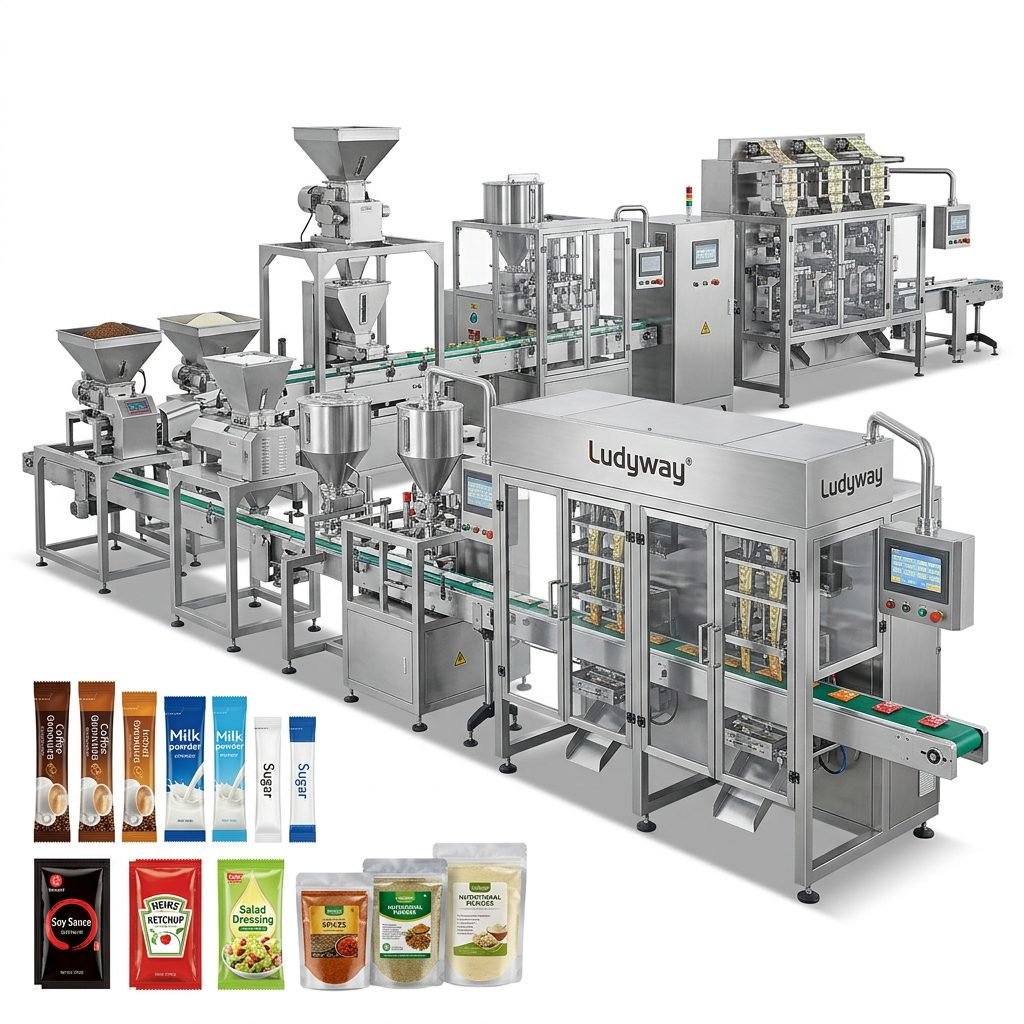
Packaging manufacturers are accelerating digital upgrades as smart factory technologies move from pilot projects to full-scale production environments. Across food, pharmaceutical, health supplement, and daily-use goods sectors, the latest wave of transformation is centered on automation, real-time monitoring, traceability, and flexible line integration. The result is a measurable boost in packaging production efficiency, with factories reporting faster changeovers, lower labor dependency, and more stable output quality.
Digitalization Becomes a Core Productivity Driver
In modern packaging plants, efficiency is no longer defined only by machine speed. Manufacturers are now evaluating performance through a broader lens that includes uptime, material utilization, operator coordination, maintenance response time, and production data visibility. Smart factory transformation connects these elements into a unified system, allowing managers to make faster and more accurate decisions on the shop floor.
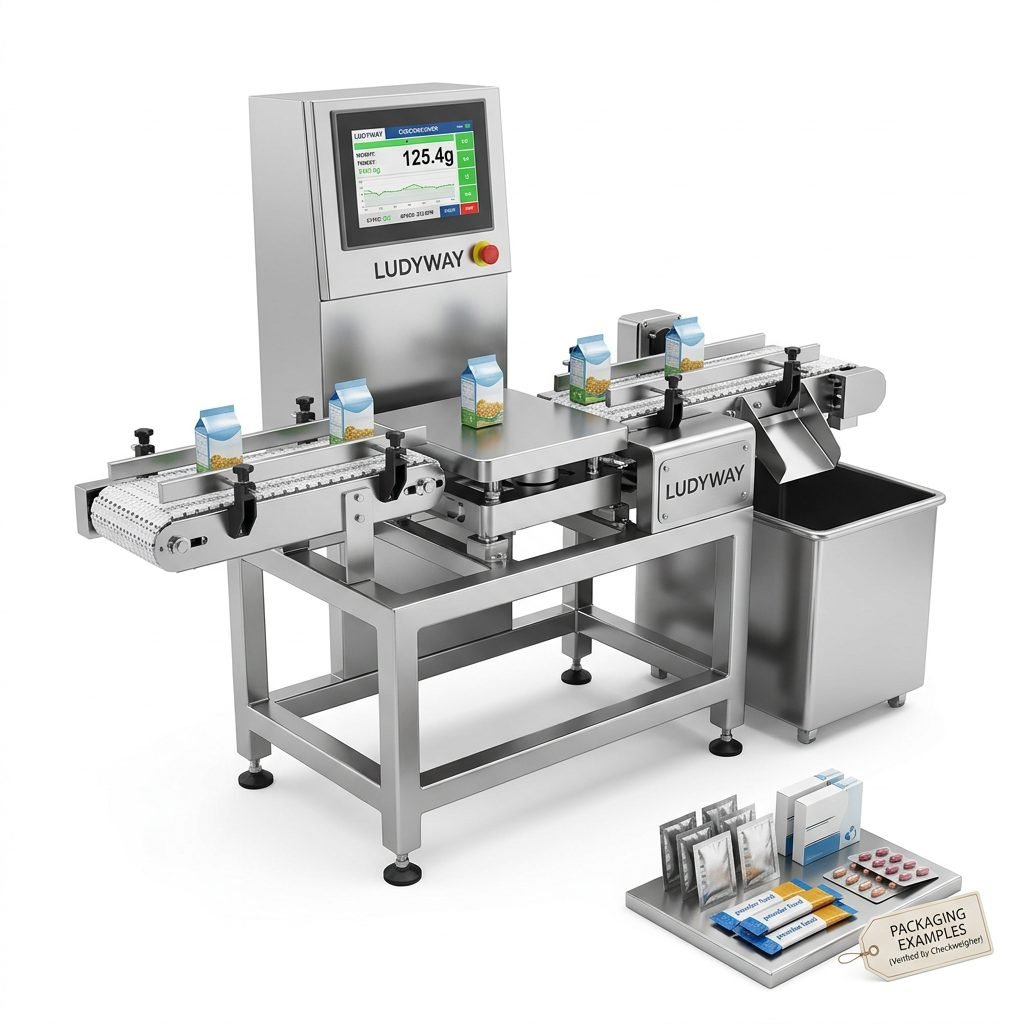
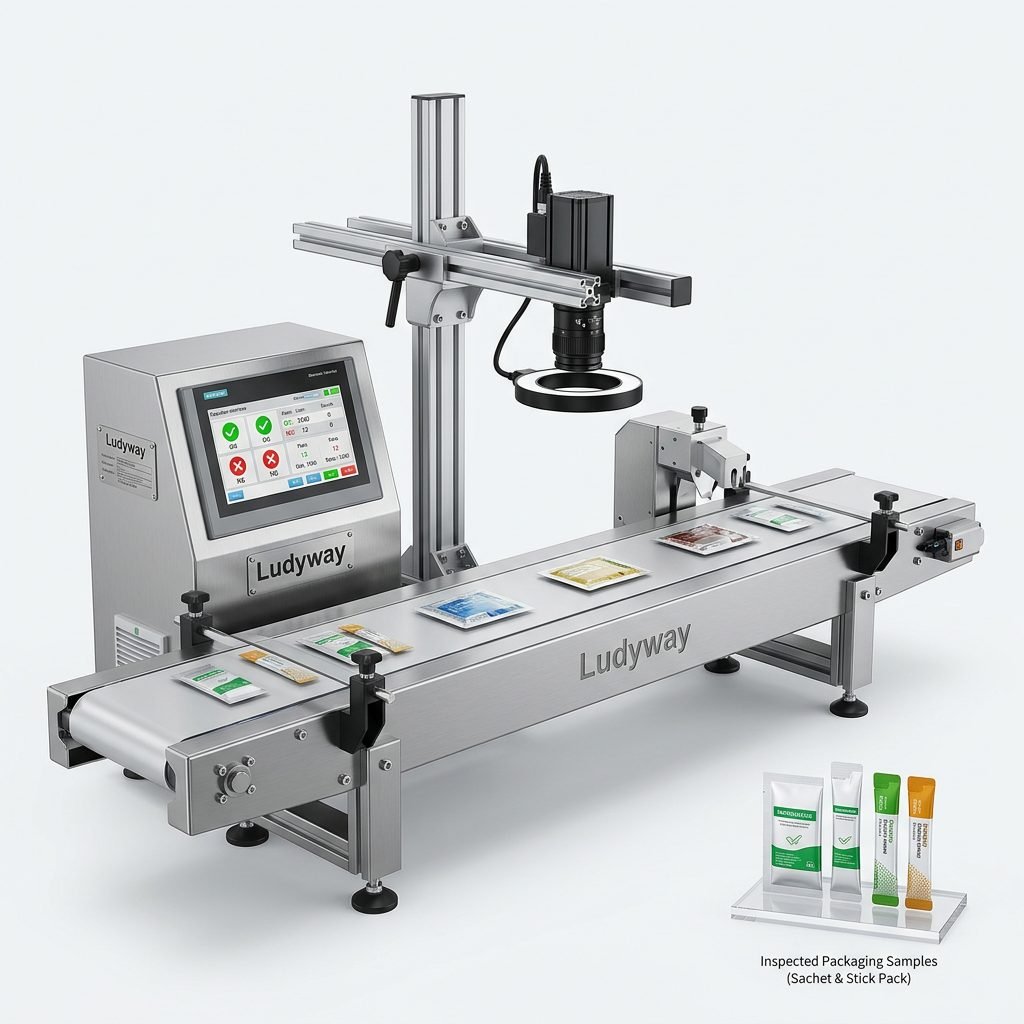
Advanced packaging lines are increasingly equipped with sensors, intelligent controls, automatic feeding systems, coding and inspection devices, and centralized dashboards. These upgrades help reduce manual intervention while improving consistency in bag forming, filling accuracy, sealing quality, and finished-pack handling. For producers facing rising labor costs and tighter delivery schedules, this shift has become a practical necessity rather than a future plan.
Key Improvements Seen in Smart Packaging Factories
- Higher line utilization through automated coordination between upstream and downstream equipment
- Reduced downtime with predictive maintenance alerts and fault diagnostics
- Better packaging consistency through precise dosing and sealing control
- Improved traceability using integrated coding, inspection, and batch management
- Faster changeovers for multi-format and multi-product production needs
From Standalone Machines to Fully Integrated Lines
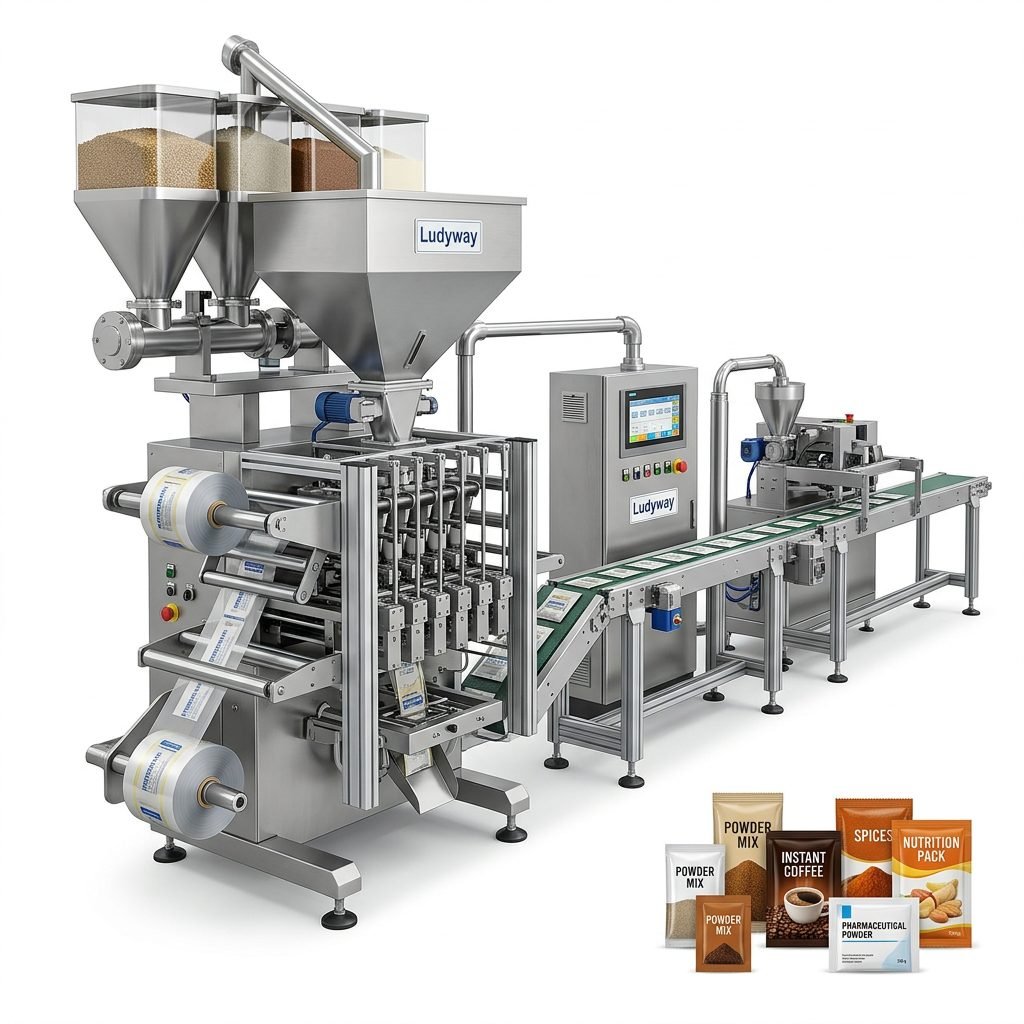
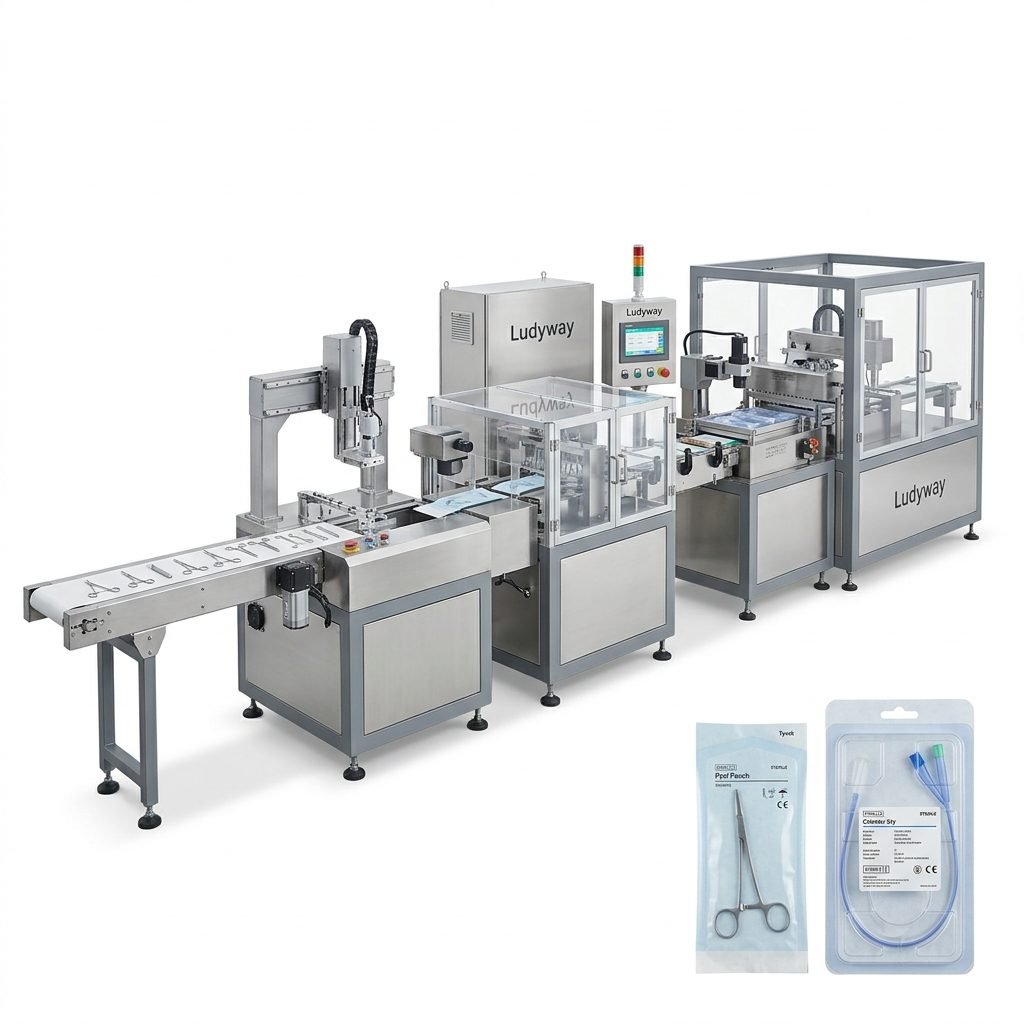
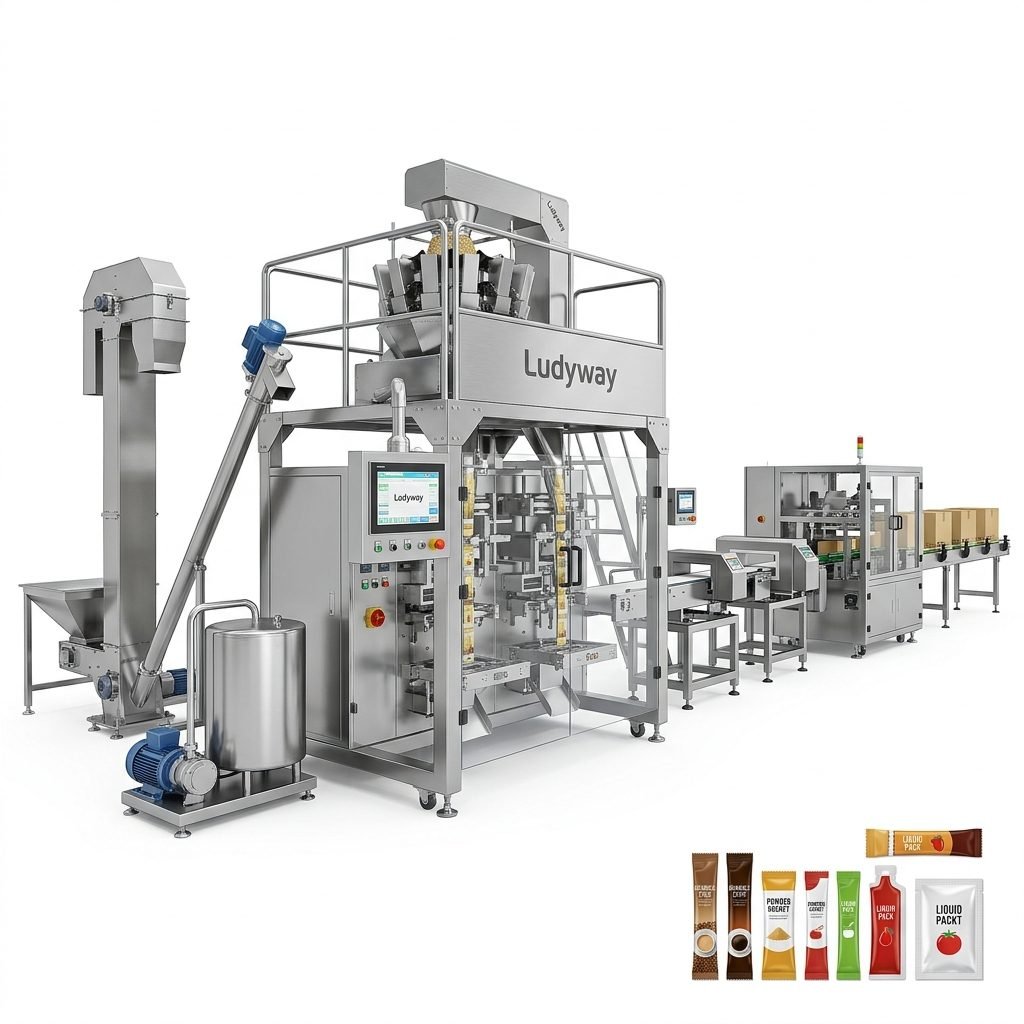
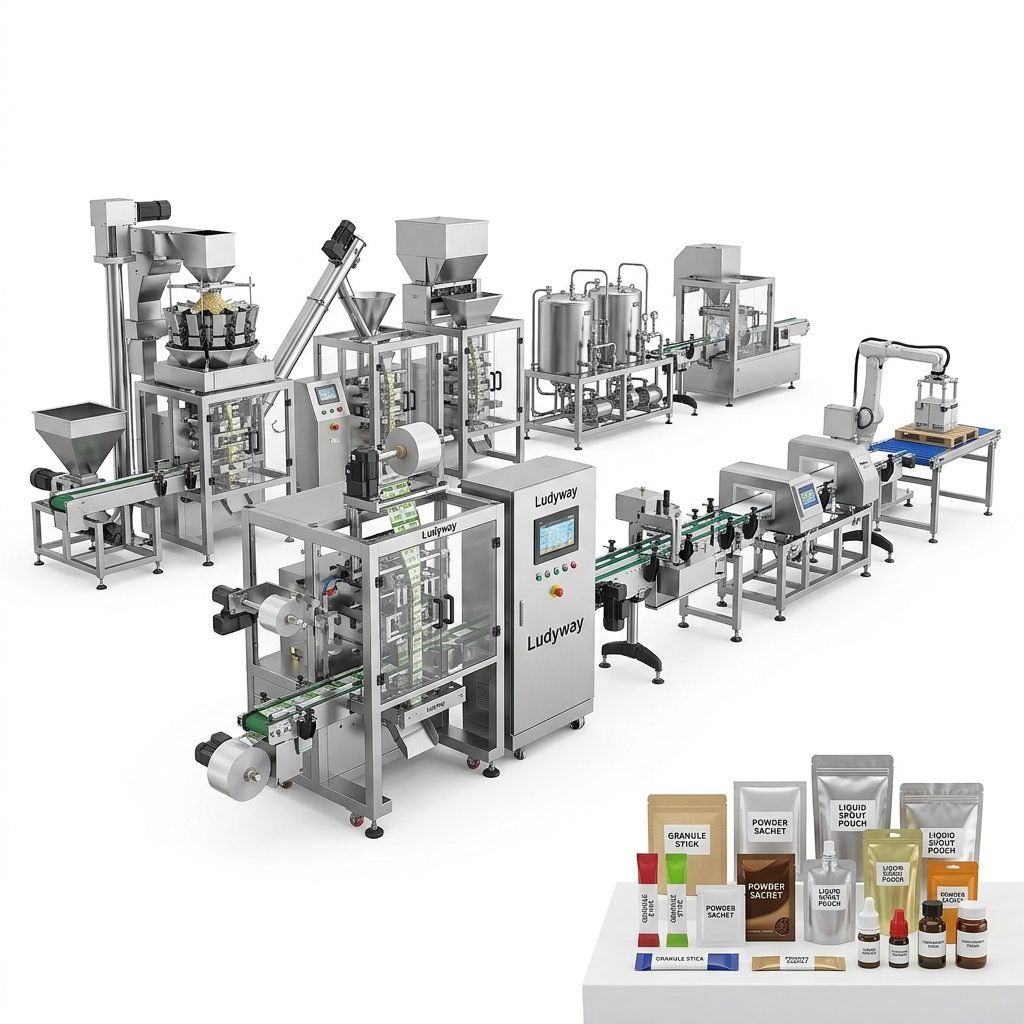
One of the most notable developments in the industry is the move away from isolated packaging machines toward fully integrated systems. Rather than purchasing fillers, sealers, conveyors, and cartoning units separately, many factories now prefer turnkey packaging lines designed to operate as a synchronized whole.
This integrated approach improves workflow continuity and simplifies production management. Material feeding, metering, pouch forming, filling, sealing, coding, inspection, sorting, cartoning, and palletizing can all be linked through one automated control structure. As a result, operators spend less time adjusting disconnected units and more time managing output and quality targets.
| Factory Upgrade Area | Operational Impact | Business Benefit |
|---|---|---|
| Automatic feeding and conveying | Stable material supply and reduced bottlenecks | Lower labor input and higher throughput |
| Intelligent filling and sealing control | Better dosing precision and seal uniformity | Less waste and improved product quality |
| Inspection and coding integration | Real-time defect detection and traceability | Compliance support and recall risk reduction |
| Centralized digital monitoring | Instant production data visibility | Faster decision-making and efficiency optimization |
Industry Demand Is Pushing Faster Adoption
Demand for short lead times, high-volume output, and flexible packaging formats is increasing across international markets. Food brands require reliable sachet and stick pack production for seasonings, coffee, sugar, protein powders, and ready-to-mix beverages. Pharmaceutical and health supplement companies need accurate packaging for powders, granules, tablets, liquids, and sterile products. Personal care and household product brands are also expanding demand for small-format pouches and multi-lane packaging solutions.
In this environment, smart factory transformation provides an important competitive edge. Manufacturers that can respond quickly to order changes while maintaining stable quality are in a stronger position to win long-term contracts and export business.
Data Visibility Helps Managers Improve Output
A major benefit of smart packaging production lies in visibility. Traditional factories often rely on manual records and delayed reporting, making it difficult to identify the exact cause of low efficiency. In contrast, digital production systems can track machine status, alarm frequency, material consumption, reject rates, and output performance in real time.
This enables production managers to quickly detect recurring issues such as sealing temperature instability, inconsistent feeding flow, or unnecessary stoppages between packaging stages. With clearer data, corrective action becomes faster and more precise, reducing hidden losses that often accumulate over time.
What Smart Monitoring Commonly Tracks
- Machine running speed and actual output
- Downtime frequency and fault categories
- Filling accuracy and packaging rejection trends
- Material supply status and hopper levels
- Batch coding and inspection compliance records
Customization Remains Critical in Smart Automation
Although standardization is important, packaging factories still require flexible engineering. Different products behave differently during filling and sealing, especially when dealing with free-flowing granules, sticky pastes, fine powders, liquids, or irregular pouch structures. As a result, smart factory transformation works best when automation is combined with application-based customization.
This is especially relevant for manufacturers operating in multiple industries or serving export markets with varied packaging standards. Machine layout, lane configuration, dosing systems, sanitation design, and end-of-line handling often need to be tailored to the product and factory environment.
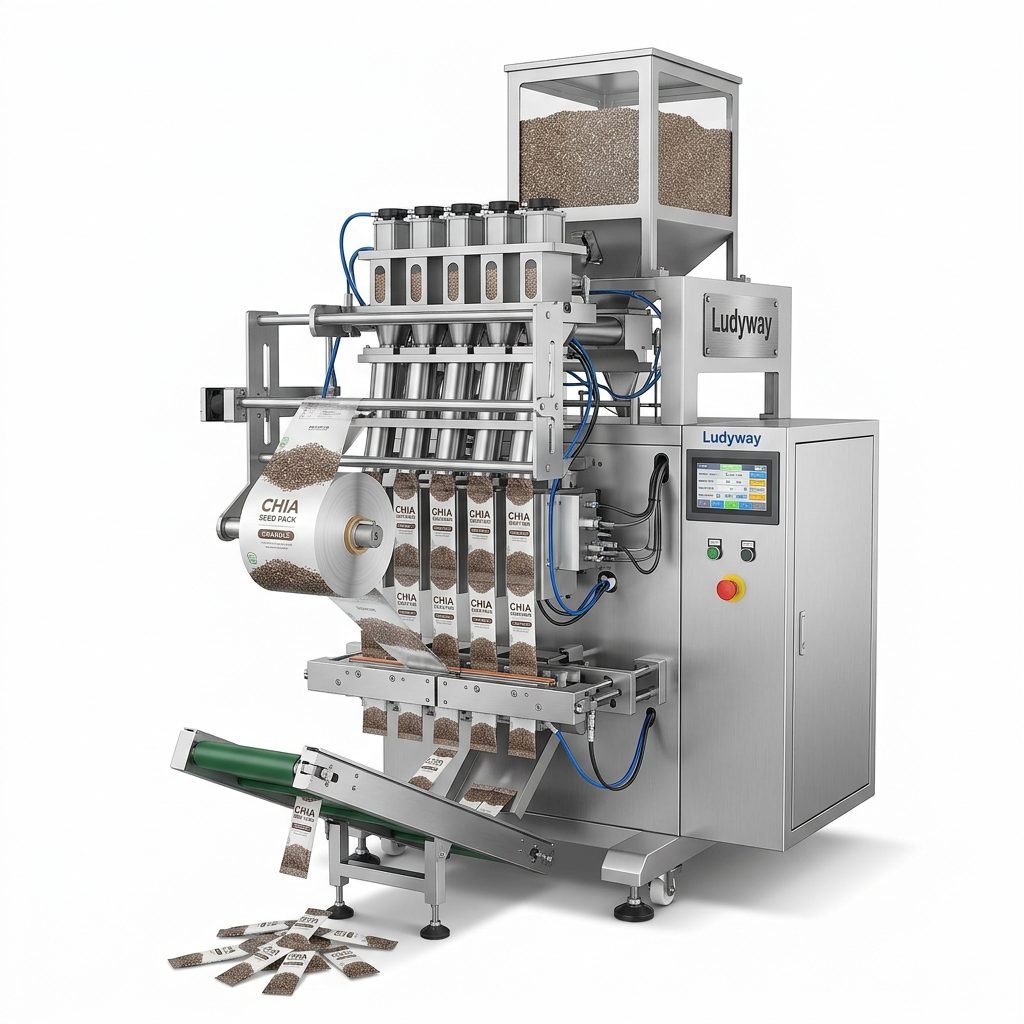
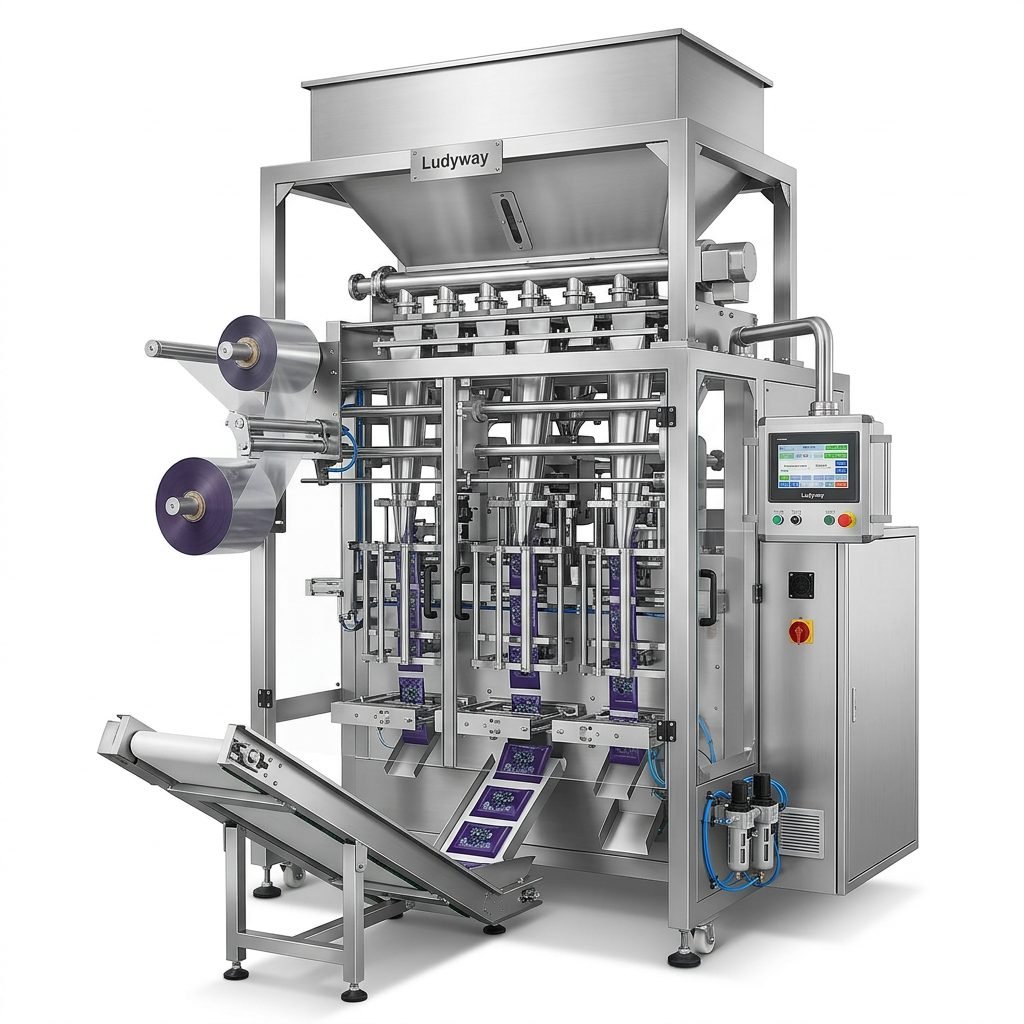
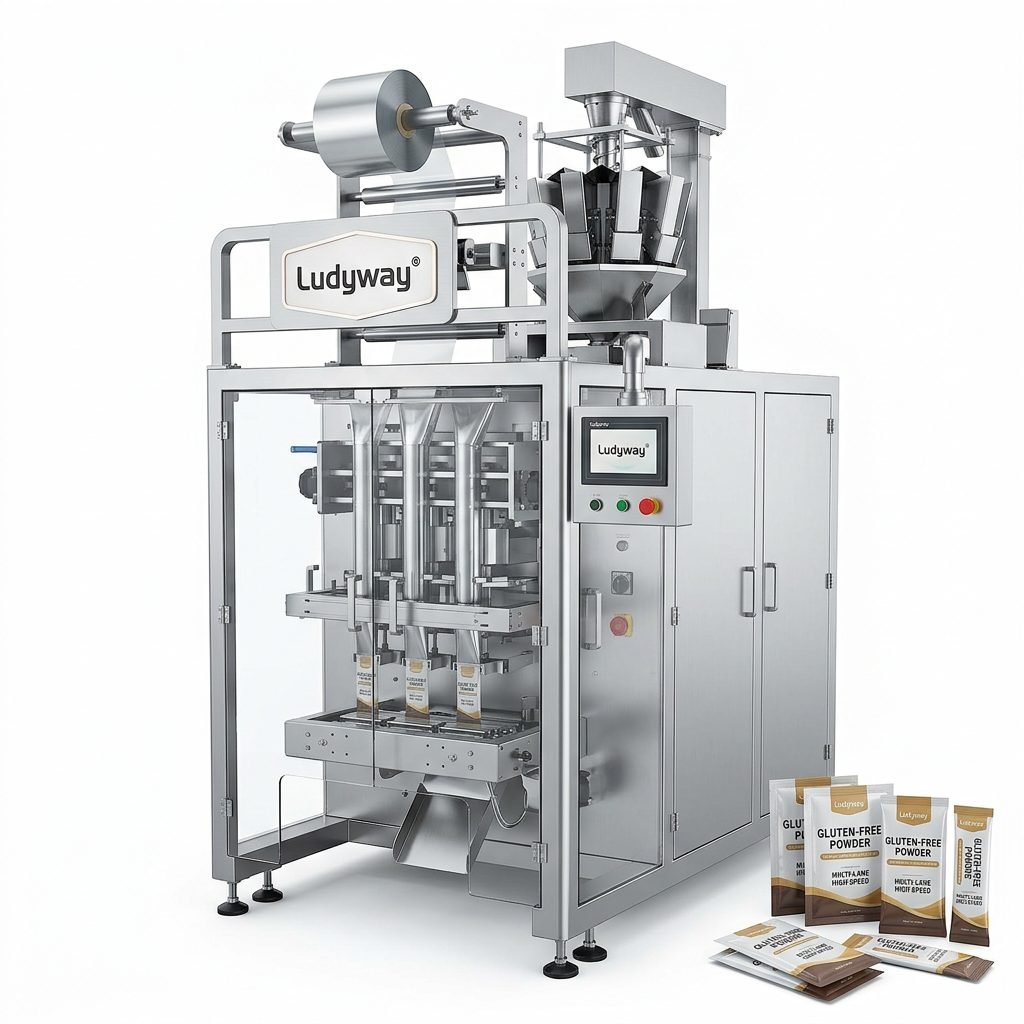
Companies such as Ludyway packaging machine manufacturer are gaining attention in this area by offering both standalone equipment and turnkey packaging line solutions for food, pharmaceutical, health supplement, cosmetic, chemical, and related applications. With more than 30 years of industry experience and a broad range of intelligent packaging systems, suppliers with integrated engineering capabilities are increasingly relevant to businesses planning long-term factory upgrades.
Why the Trend Matters for Global Packaging Producers
Smart factory transformation is not only about installing advanced machinery. It is about building a more resilient production model. Packaging businesses must now manage tighter margins, stricter quality expectations, and a growing need for product diversification. Smart production systems help create a balance between speed, flexibility, and control.
For exporters in particular, the ability to maintain stable performance across different package formats and regulatory requirements can directly influence customer trust. A line that supports rapid adjustments, dependable output, and clear batch records is better positioned for high-value international supply chains.
| Packaging Segment | Smart Factory Priority | Expected Efficiency Gain |
|---|---|---|
| Food packaging | High-speed multi-format packaging | Improved throughput and reduced product waste |
| Pharmaceutical packaging | Accuracy, traceability, and compliance | Lower error rates and stronger quality assurance |
| Health supplement packaging | Flexible small-pack automation | Faster order switching and scalable production |
| Daily chemical and personal care | Multi-lane liquid and paste filling | Higher output consistency and lower manual handling |
Outlook for the Packaging Machinery Market
The next stage of factory modernization is expected to focus on deeper system connectivity, more intelligent maintenance planning, and broader use of automated quality inspection. As packaging lines become more data-driven, manufacturers will be able to fine-tune production with greater precision and less disruption.
Industry observers note that investment is increasingly directed toward solutions that combine speed, modularity, and digital control. This suggests continued growth for packaging equipment suppliers capable of delivering smart, scalable, and application-oriented systems.
As a result, smart factory transformation is set to remain a central topic in packaging production strategy, helping manufacturers improve efficiency today while building the operational flexibility needed for tomorrow’s market demands.