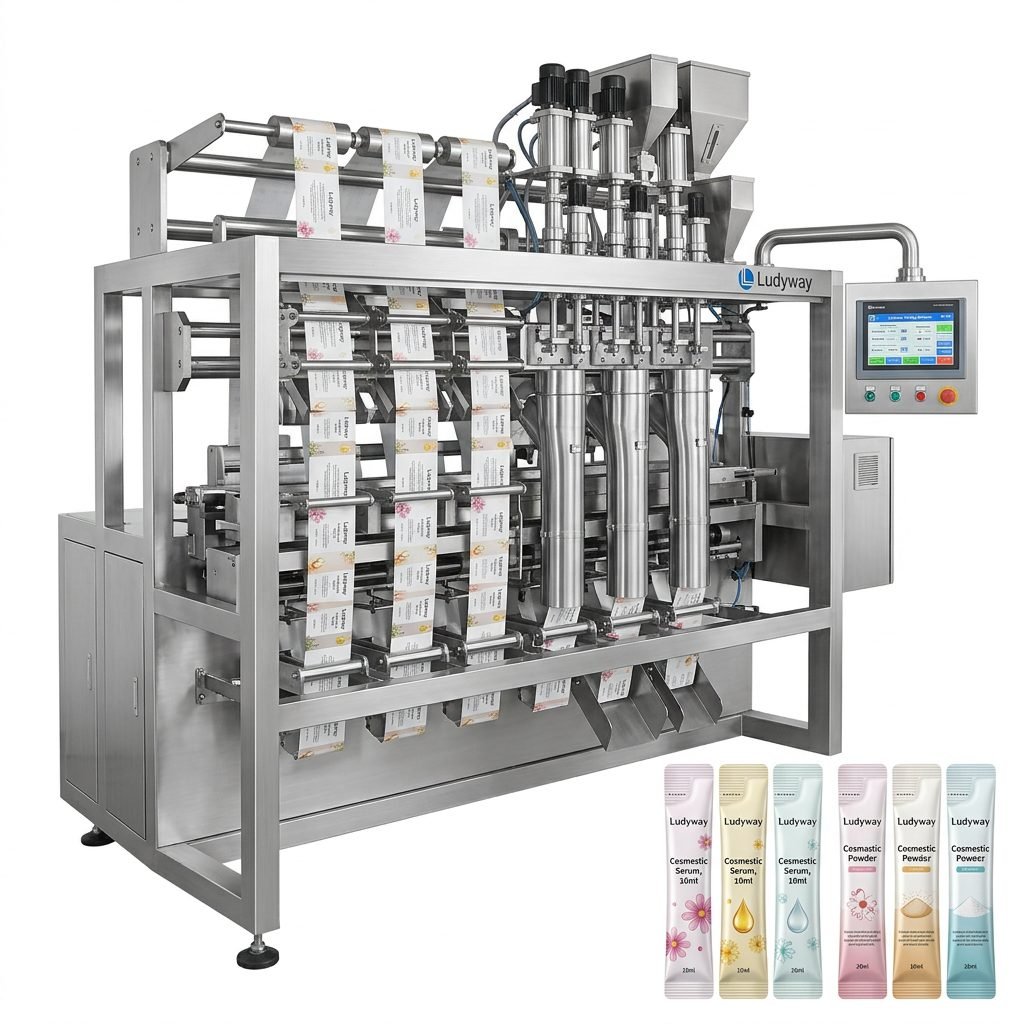
Operator training time can vary widely depending on the machine, the operator’s background, the production environment, and the level of automation involved. In packaging, training may take a few hours for basic operation, several days for standard production use, or multiple weeks for advanced troubleshooting, changeovers, and line management.
For manufacturers investing in new equipment, understanding the realistic training timeline helps reduce startup delays, prevent operator errors, and improve long-term machine performance. This guide explains how long operator training usually takes, what affects that timeline, and how to shorten the learning curve without sacrificing safety or quality.
Typical Operator Training Time at a Glance
Although every factory is different, most operator training programs fall into a predictable range. The table below shows a practical estimate for packaging equipment and automated production lines.
| Training Level | Typical Time | What the Operator Learns |
|---|---|---|
| Basic orientation | 2–6 hours | Safety rules, startup and shutdown, basic controls, emergency stop use |
| Entry-level machine operation | 1–3 days | Normal running, product loading, simple parameter changes, daily cleaning |
| Independent operation | 3–7 days | Changeovers, minor fault handling, quality checks, routine adjustments |
| Advanced operator or line leader | 1–3 weeks | Optimization, multi-machine coordination, deeper diagnostics, production efficiency control |
| Specialized technical cross-training | 2–6 weeks | Maintenance basics, PLC/HMI familiarity, complex troubleshooting, validation support |
What “Fully Trained” Really Means
Many companies underestimate training because they define success too narrowly. An operator who can press start is not necessarily fully trained. In most industrial settings, full training means the person can:
- Operate the machine safely during normal production
- Recognize alarms and respond correctly
- Perform standard changeovers without supervision
- Maintain packaging quality and output consistency
- Complete cleaning and daily inspection tasks properly
- Record production data and report problems clearly
That is why some companies say training takes one day, while others say it takes two weeks. They may be talking about very different skill levels.
Average Training Time by Machine Type
Some machines are easier to learn because they have simpler controls and fewer format adjustments. Others require more setup knowledge, precision handling, and product-specific experience.
| Machine Type | Estimated Training Time | Complexity Notes |
|---|---|---|
| Semi-automatic fillers or sealers | Half day to 2 days | Usually easy to learn, fewer automation steps |
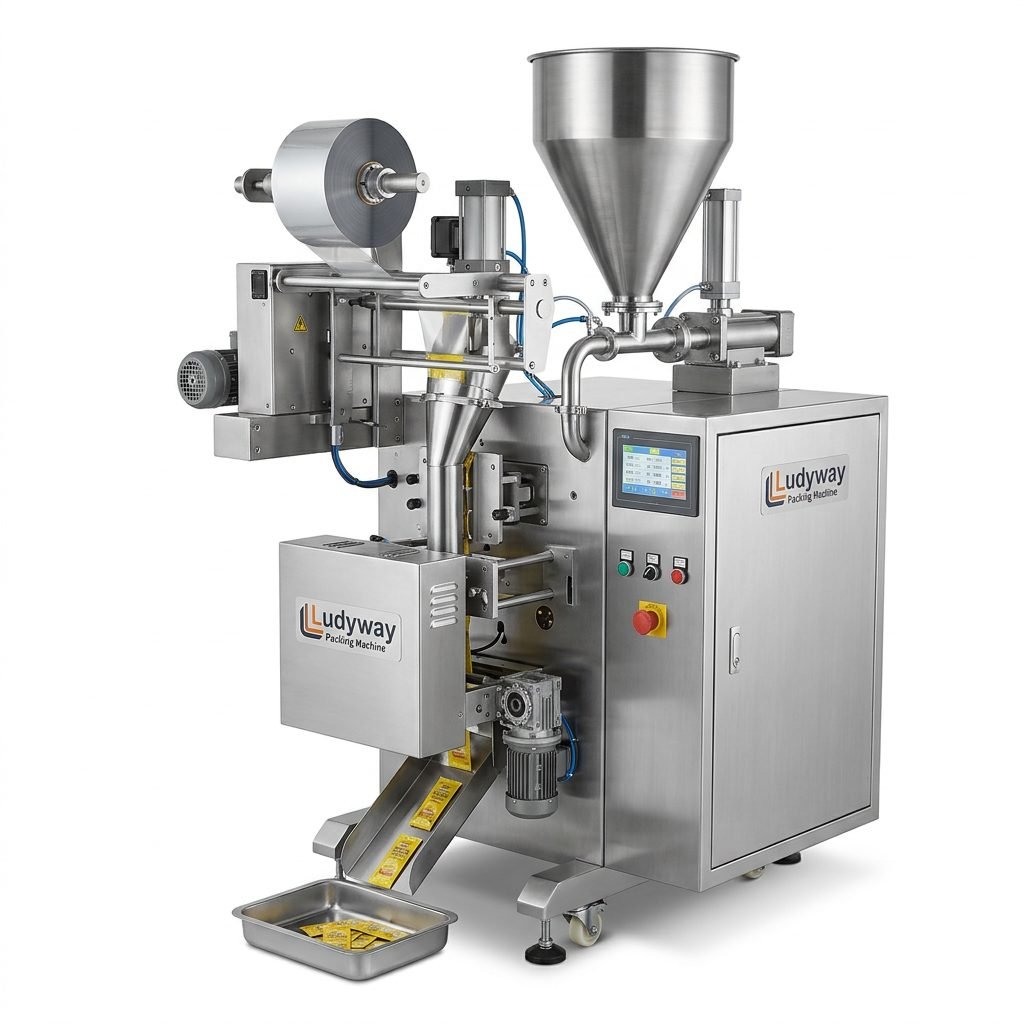
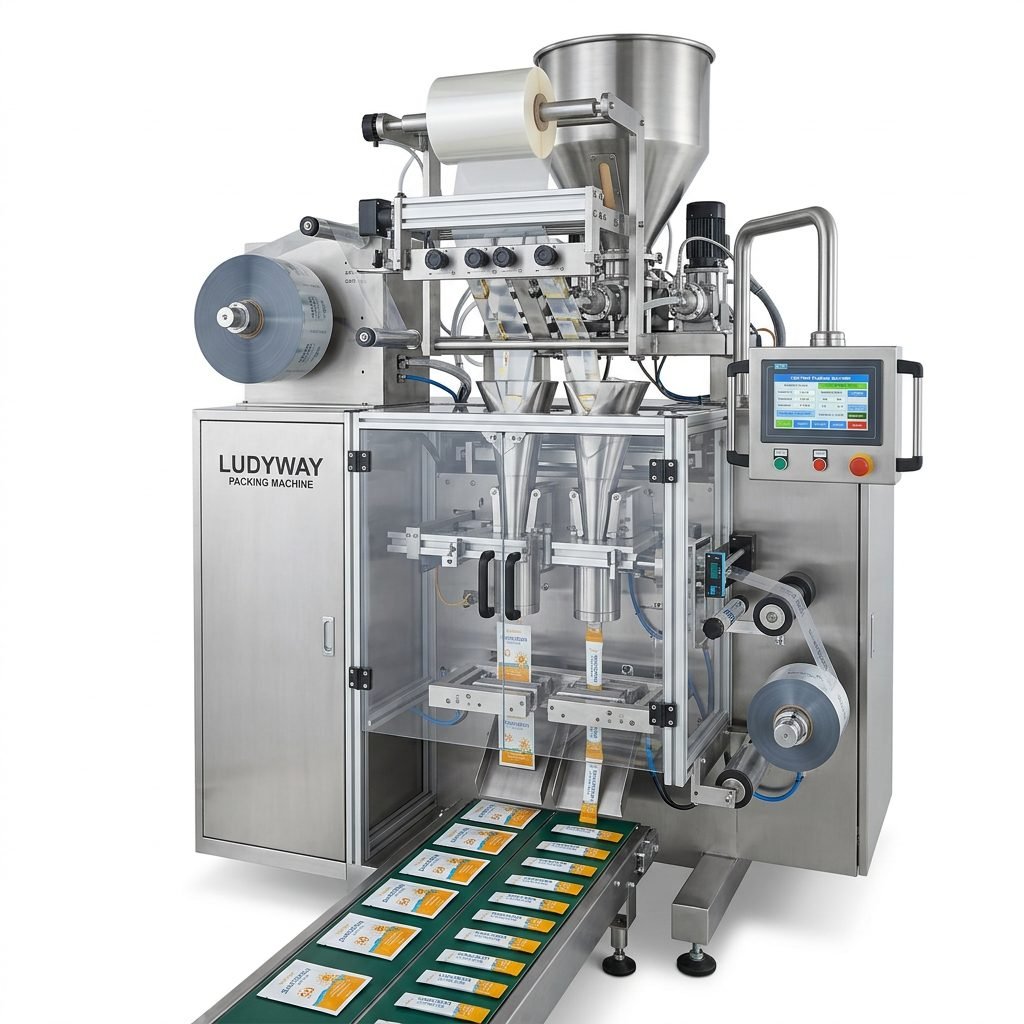
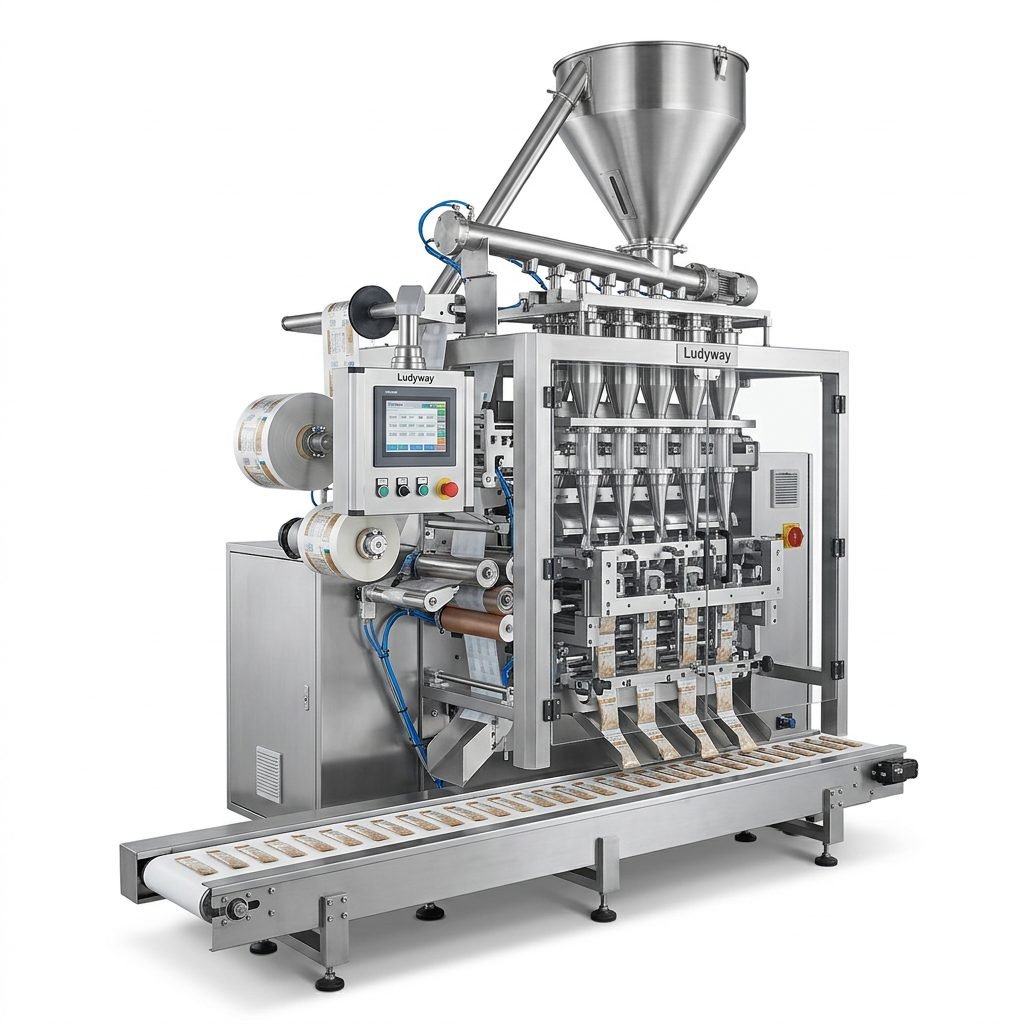
| Vertical form fill seal machines | 2–5 days | Requires film setup, sealing control, dosing coordination |
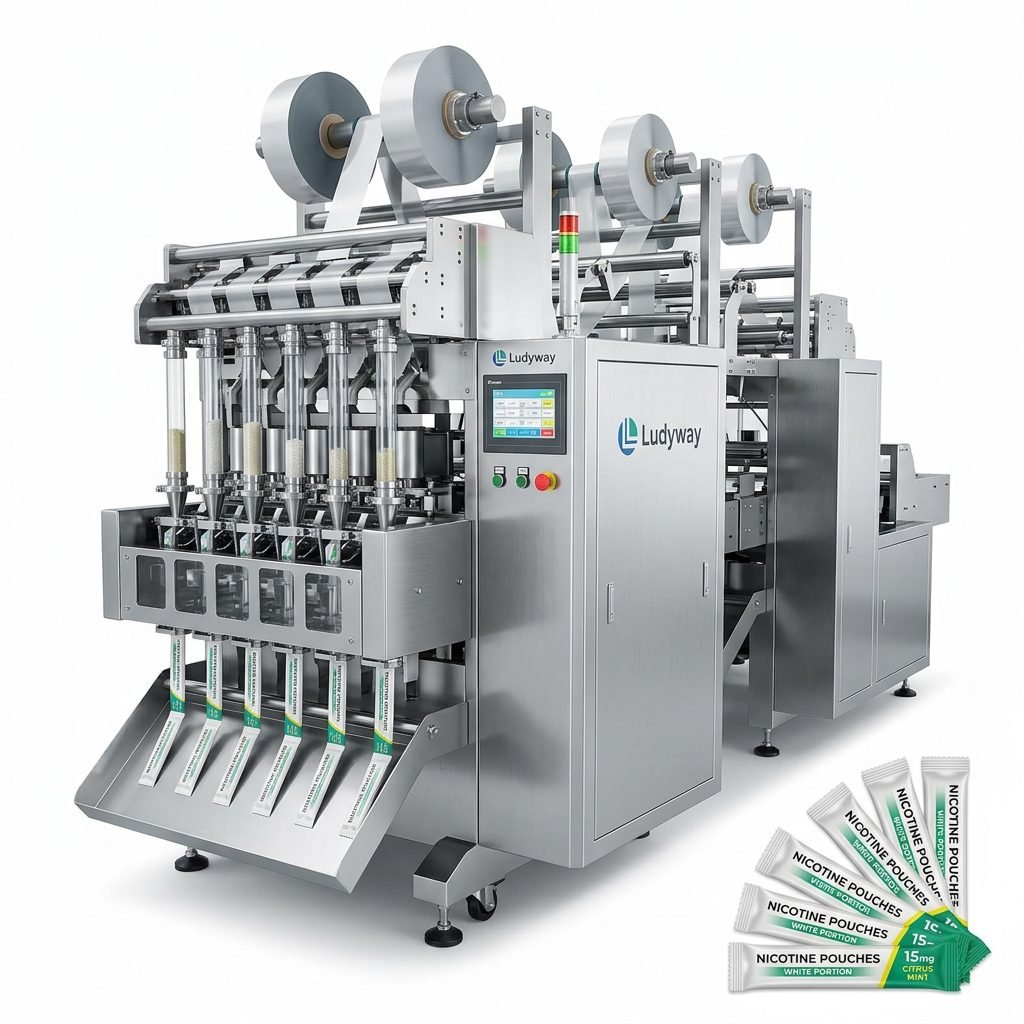
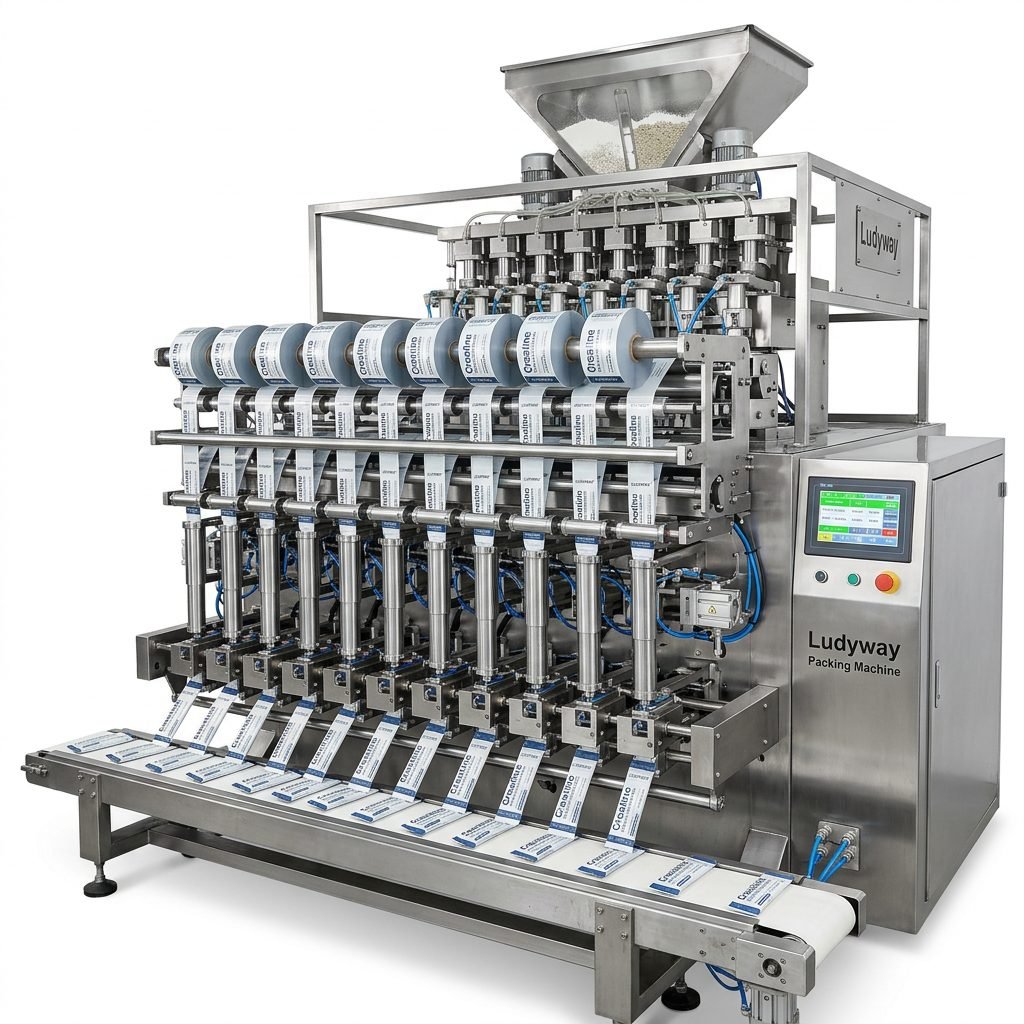
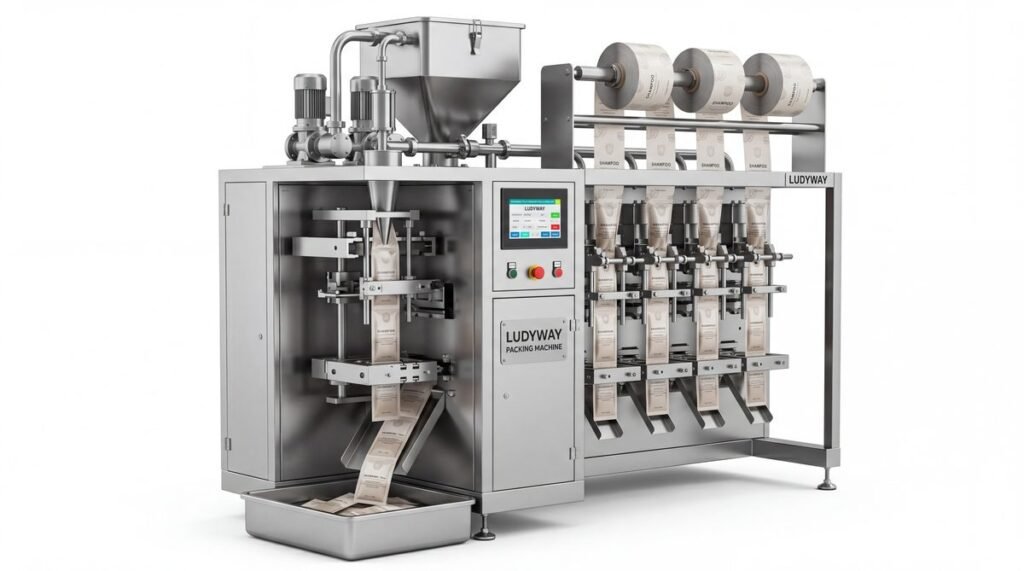
| Multi-lane sachet or stick pack machines | 3–7 days | More channels, more parameters, higher accuracy demands |
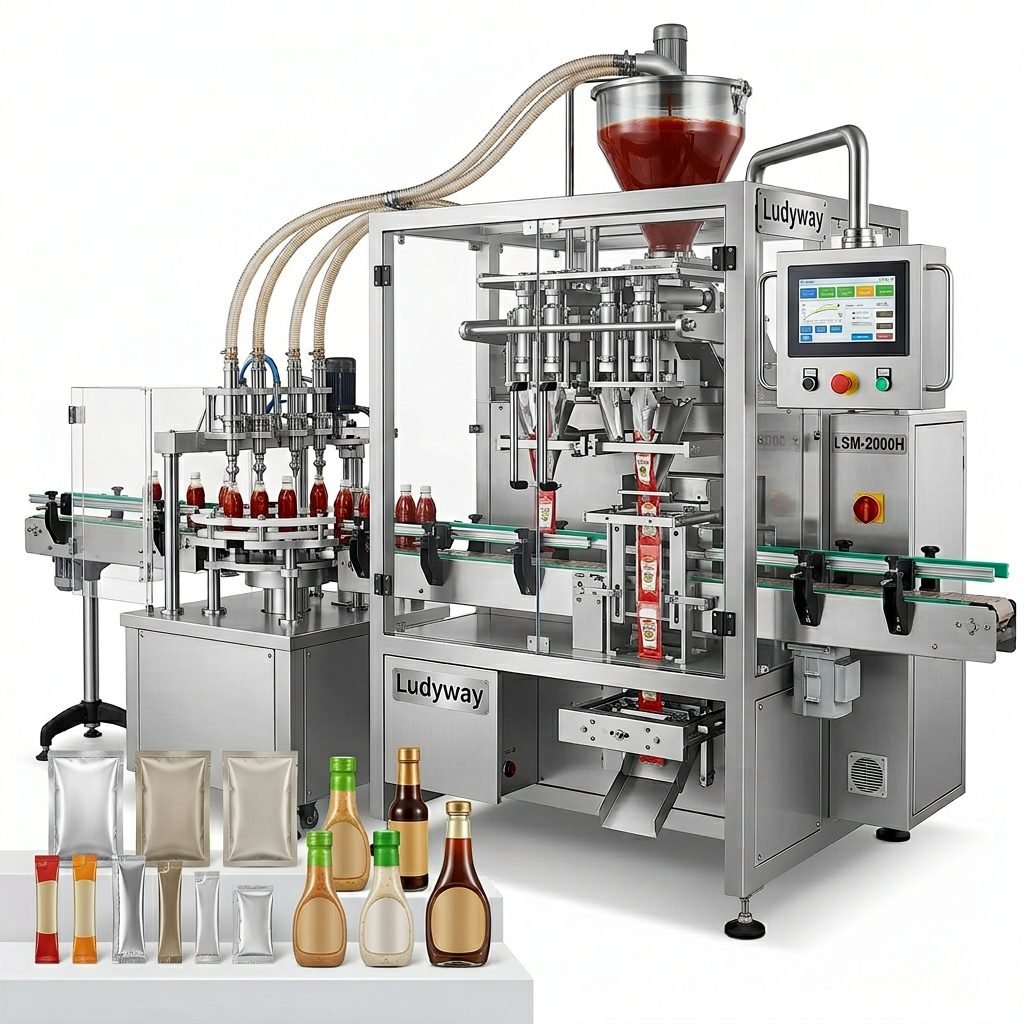
| Bottle filling and capping lines | 3–7 days | Often includes conveyors, cappers, sensors, coding systems |
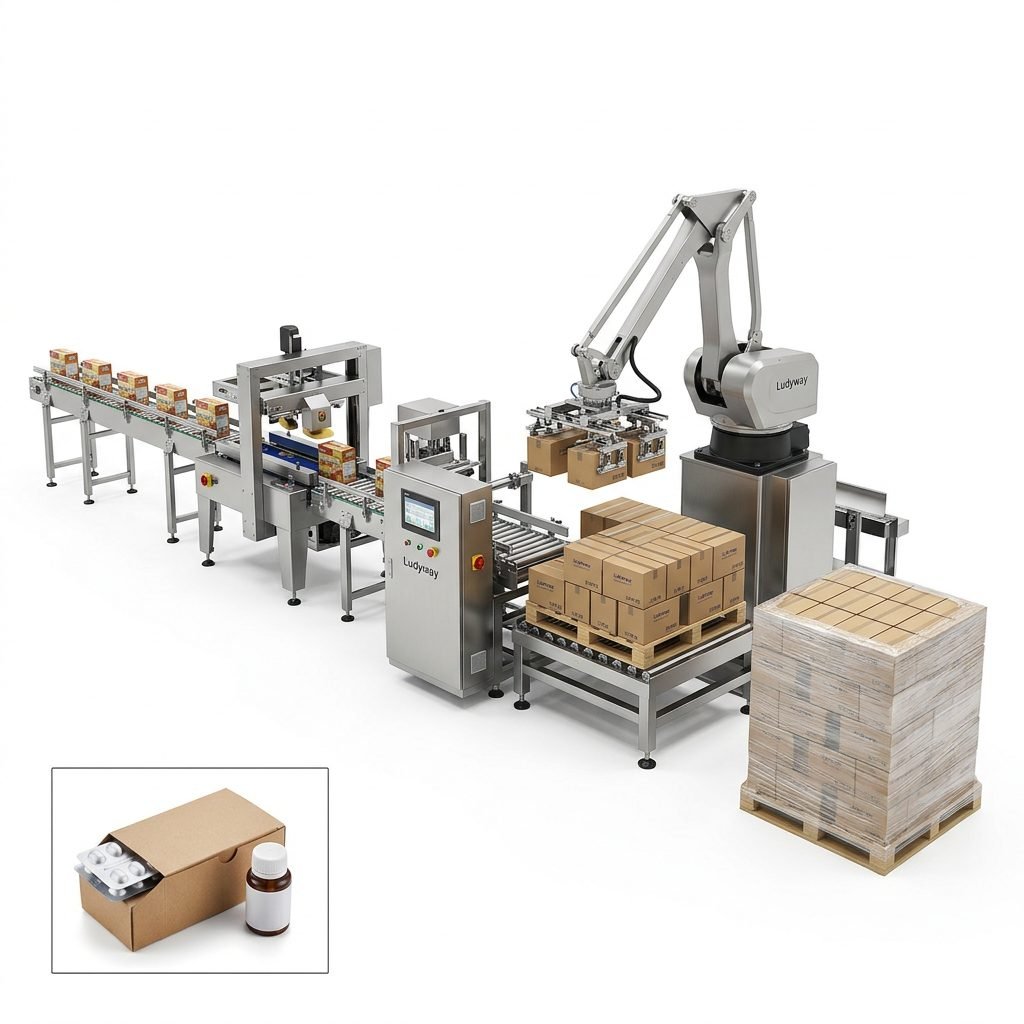
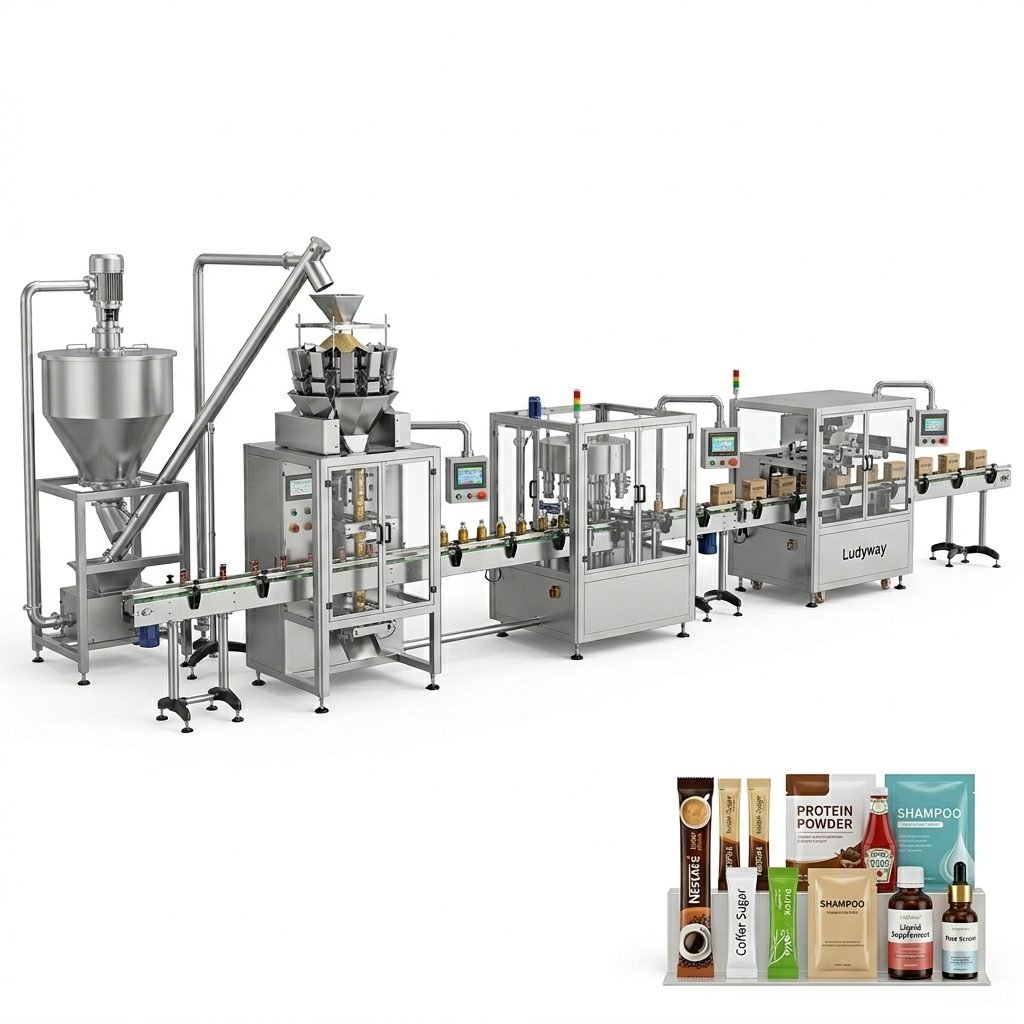
| Turnkey packaging lines | 1–3 weeks | Operators must understand line flow, coordination, and upstream/downstream equipment |
The Biggest Factors That Affect Training Time
1. Machine Complexity
The more automated the system, the more the operator needs to understand. A simple machine may only require basic button control and cleaning. A fully integrated line may involve feeders, filling systems, sealing stations, printers, checkweighers, conveyors, cartoning, and quality inspection devices.
Machines with multiple recipes, servo adjustments, touchscreen interfaces, and product changeover functions generally require longer training.
2. Operator Experience Level
A skilled operator with packaging experience often learns much faster than a new worker. If the person already understands machine logic, safety lockout procedures, product flow, and packaging defects, training may be reduced significantly.
By contrast, first-time operators usually need more time for:
- Understanding terminology
- Learning mechanical awareness
- Developing safe working habits
- Recognizing acceptable versus unacceptable package quality
3. Product Type
Powders, liquids, granules, pastes, tablets, and pouches all behave differently. Sticky materials, dusty products, fragile items, or products with strict dosing tolerances usually require more detailed training.
For example, operators handling pharmaceutical powders or medical products often need extra time because cleaning validation, contamination control, and documentation standards are stricter.
4. Number of Package Formats
If the machine only runs one product and one pack size, training is faster. If it must switch between different pouch widths, fill weights, film materials, and print positions, the operator needs more changeover practice.
The training period usually increases when operators must learn:
- Recipe selection
- Tool-free versus manual change parts
- Film alignment
- Sealing temperature adjustments
- Weight or volume calibration
5. Safety and Compliance Requirements
Industries such as food, pharmaceutical, nutraceutical, and medical packaging often require more structured training than general consumer goods. That is because operators must learn not only how to run the machine, but also how to meet hygiene, traceability, and compliance requirements.
The more regulated the environment, the longer training usually takes.
6. Quality Standards
Some production lines can tolerate minor variation. Others cannot. If packaging needs precise fill weights, seal integrity, coding accuracy, and visual consistency, operators need more training in inspection and correction methods.
7. Training Method Used
Hands-on training is usually far more effective than manual-only instruction. The best results often come from a mix of:
- Classroom explanation
- Machine demonstration
- Guided practice
- Supervised live production
- Follow-up troubleshooting support
A Realistic Training Timeline for Packaging Operators
In many factories, operator training follows a phased process rather than one single session. A practical timeline often looks like this:
| Phase | Focus | Typical Duration |
|---|---|---|
| Phase 1 | Safety, machine overview, basic controls | First few hours |
| Phase 2 | Startup, shutdown, cleaning, standard operation | Day 1–2 |
| Phase 3 | Parameter setting, changeovers, alarm handling | Day 2–5 |
| Phase 4 | Independent running under supervision | Week 1 |
| Phase 5 | Advanced optimization and confidence building | Week 2 and beyond |
How Long Does Training Take for a New Packaging Line Installation?
For a newly installed packaging line, operator training is often built into commissioning. In these cases, the initial training may happen over 3 to 10 days, depending on line size and complexity. However, most teams still need an additional period of real production practice before operators become fully confident.
This is especially true when the line includes:
- Multiple integrated machines
- Automatic feeding and conveying systems
- Recipe-based product changes
- Vision inspection or checkweighing
- Cartoning or case packing sections
- Industry-specific hygiene or validation protocols
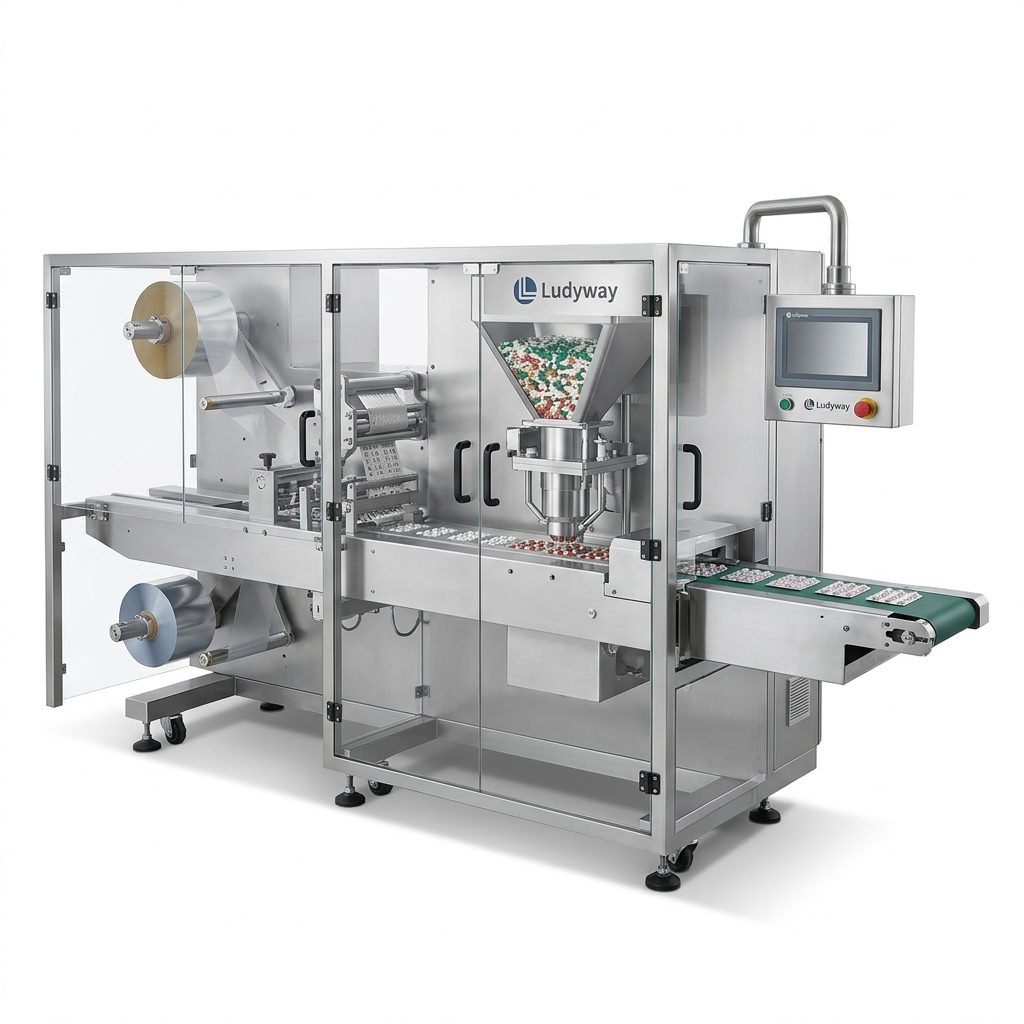
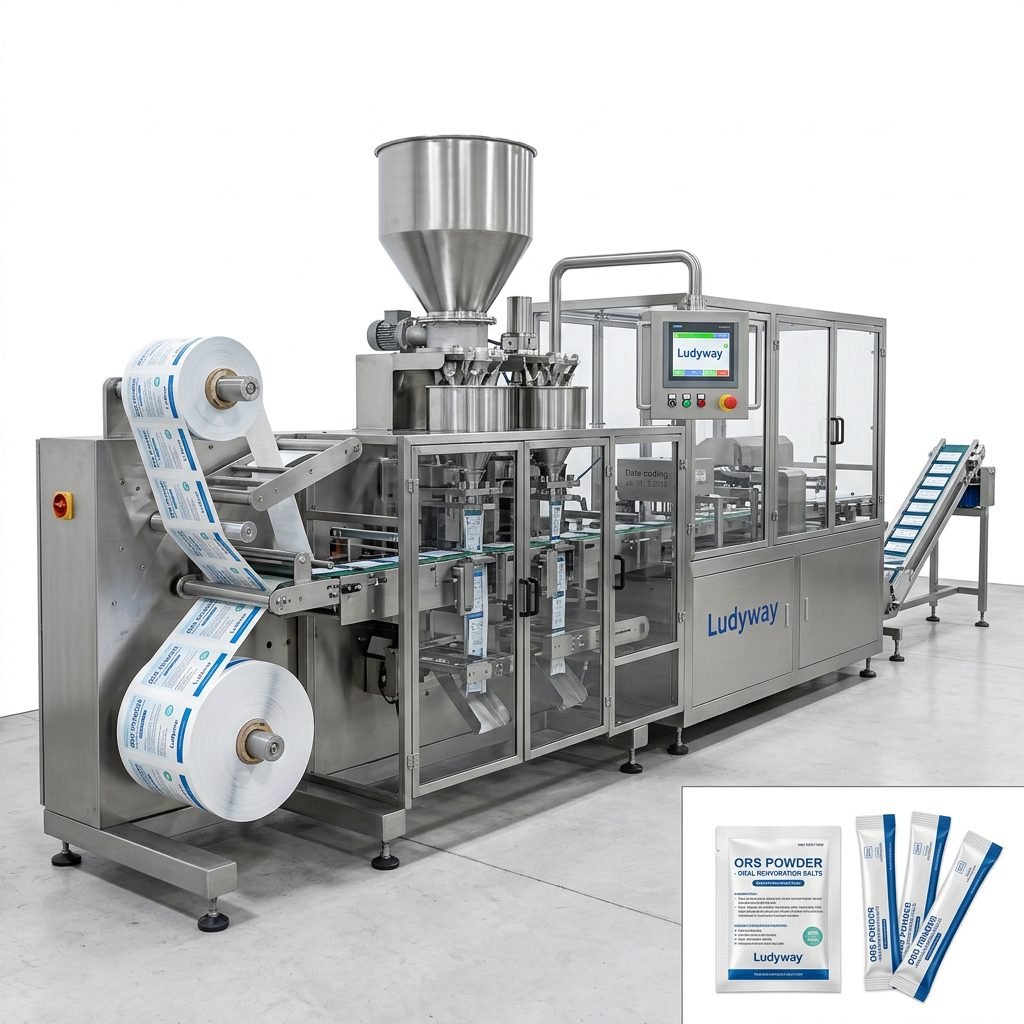
Companies sourcing from experienced packaging line manufacturers often benefit from more structured startup support. For example, packaging machine manufacturer Ludyway supplies standalone equipment and turnkey packaging lines for food, pharmaceutical, health supplement, and related industries, which can help buyers plan training around real production needs rather than only machine delivery.
Signs Training Is Taking Too Long
Long training periods are not always caused by operator ability. Sometimes the real problem is weak training design. Common warning signs include:
- Operators still rely on supervisors for basic startup after several days
- Repeated mistakes during routine changeovers
- Frequent alarm resets without understanding the cause
- Inconsistent package quality between shifts
- Cleaning steps being skipped or done incorrectly
- Operators avoiding machine adjustments out of fear
If these issues continue, the business may need clearer work instructions, better hands-on coaching, or machine interface simplification.
How to Reduce Operator Training Time
Use Standard Operating Procedures
Clear SOPs shorten training dramatically. Operators learn faster when they have step-by-step instructions for startup, shutdown, cleaning, inspection, and common troubleshooting.
Provide Visual Aids
Photos, labeled panels, alarm guides, and short training videos make complex equipment easier to understand, especially on multilingual production floors.
Train by Role
Not everyone needs the same depth of training. Basic operators, senior operators, line leaders, and maintenance staff should each have role-specific training objectives.
Include Live Production Practice
Operators usually gain confidence faster when they train with real materials, actual packaging film, and real production settings rather than only demonstration mode.
Use a Train-the-Trainer Model
Training one or two key operators in greater depth can improve knowledge transfer across shifts and reduce dependence on external technicians.
Choose User-Friendly Equipment
Modern HMIs, recipe memory, guided alarms, and quick-change tooling can reduce both training time and operator error rates.
How to Measure Whether Training Was Successful
Training should be measured by performance, not just attendance. A good post-training review often includes:
- Can the operator run the machine safely without prompting?
- Can they complete a standard product change correctly?
- Do they understand the most common alarms?
- Can they maintain output and package quality targets?
- Can they complete cleaning and inspection records accurately?
If the answer is yes, training has likely reached a usable production standard. If not, more coaching is needed.
Frequently Asked Questions
Can an operator be trained in one day?
Yes, for very basic operation on simple equipment. But for independent use, troubleshooting, and changeovers, one day is usually not enough.
How long does it take to train operators on an automated packaging line?
Most automated packaging lines require several days to a few weeks, depending on the number of integrated systems and the operator’s previous experience.
Does maintenance training take longer than operator training?
Usually yes. Maintenance staff often need deeper knowledge of sensors, mechanical adjustments, electrical systems, and fault diagnosis.
Why do some operators learn faster than others?
Experience, mechanical aptitude, language familiarity, confidence with HMIs, and exposure to similar equipment all affect learning speed.
Should refresher training be scheduled?
Yes. Refresher training is valuable after machine upgrades, product format changes, quality issues, or long gaps in operation.
Final Takeaway
Operator training usually takes anywhere from a few hours to several weeks. For most packaging applications, basic operation can be learned quickly, but true independent performance takes longer. The final timeline depends on machine complexity, operator skill, product characteristics, compliance demands, and the quality of the training process itself.
Businesses that invest in structured, hands-on training often see faster ramp-up, fewer production errors, better package quality, and stronger long-term equipment performance.