Sustainability is no longer a branding add-on for packaging manufacturers. It has become a structural force reshaping materials, machinery, factory investment, supply chains, and customer expectations across the global packaging industry. What began as a response to environmental pressure is now accelerating a broader industrial transition toward higher automation, lower waste, smarter energy use, and more flexible production.
For converters, brand owners, and equipment suppliers, the message is clear: sustainable development strategy is not only changing what packaging is made from, but also how it is produced, filled, sealed, coded, transported, and recycled. This structural transformation is especially visible in food, pharmaceutical, health supplement, personal care, and household chemical segments, where compliance, efficiency, and packaging performance must move forward together.
Why sustainability is becoming a strategic driver
In the past, packaging decisions were often dominated by cost, speed, shelf appeal, and protection performance. Today, sustainability adds a new layer of pressure from multiple directions:
- Stricter environmental regulations and packaging waste targets
- Retailer and brand commitments on recyclability and carbon reduction
- Rising consumer preference for responsible packaging formats
- Higher energy and raw material costs
- Demand for traceable, data-driven manufacturing systems
These forces are pushing companies to rethink their operating models. As a result, the industry is shifting from isolated equipment upgrades to whole-line transformation, where packaging machinery, material handling, inspection, coding, and end-of-line systems are designed as one efficient ecosystem.
How the packaging industry is structurally changing
1. From material-heavy packaging to material-efficient design
One of the most visible changes is lightweighting. Brands are reducing film thickness, optimizing pouch structures, and replacing complex laminates where possible. This has forced machine manufacturers to adapt sealing systems, dosing accuracy, tension control, and handling precision to work with more sensitive and thinner materials.
Machinery must now support sustainable formats without sacrificing output. That means better servo control, improved sealing consistency, and more stable forming systems for recyclable or mono-material packaging.
2. From standalone machines to integrated turnkey lines
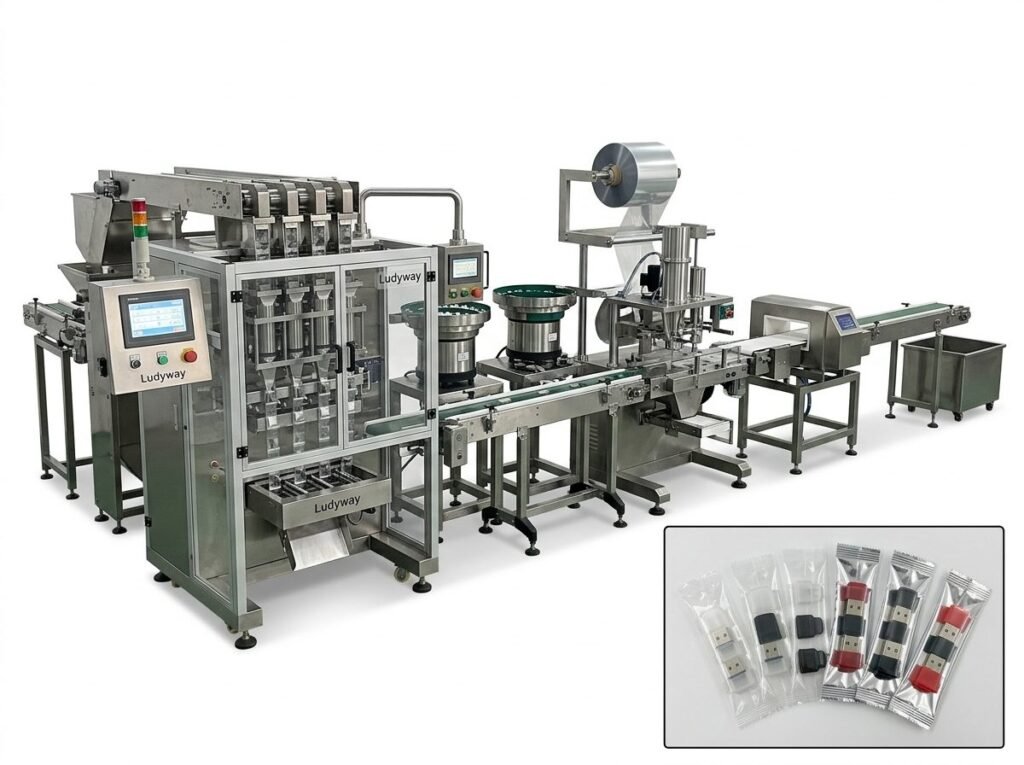
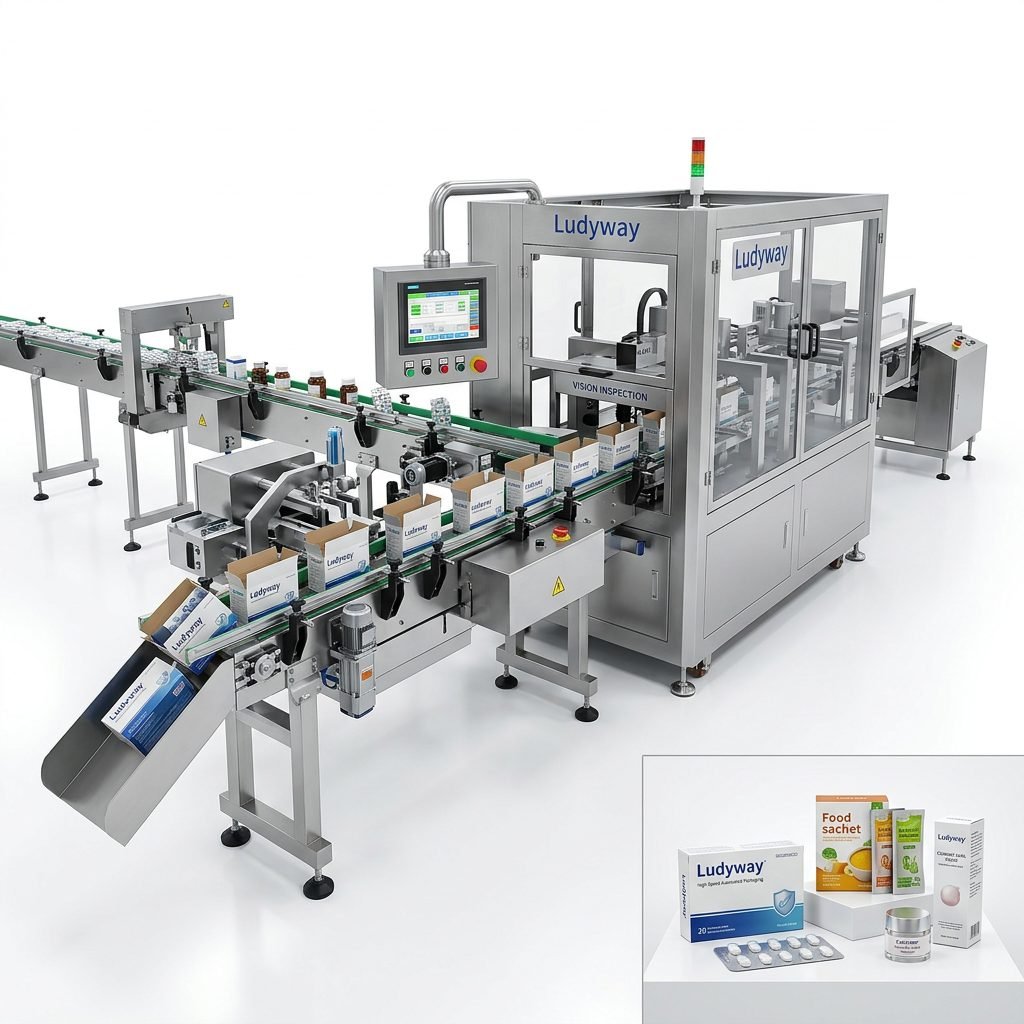
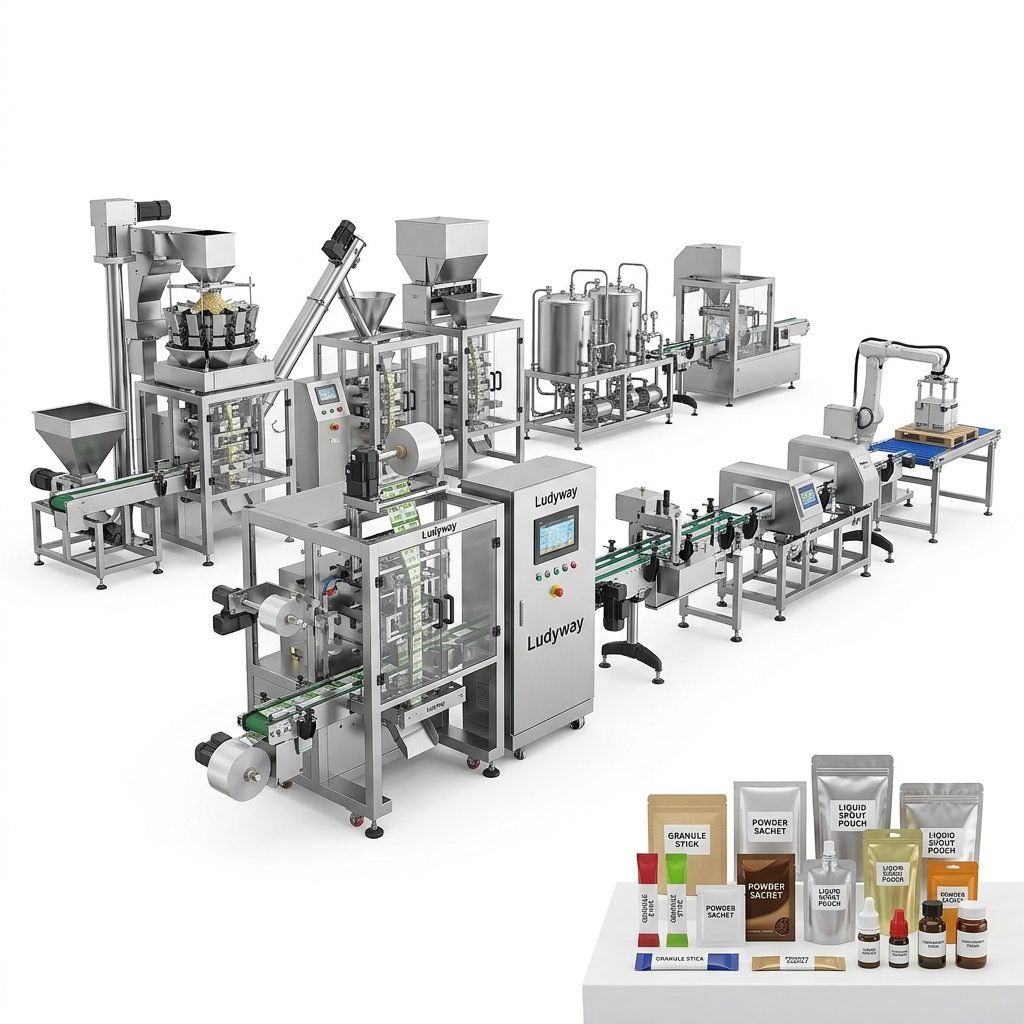
Sustainability targets are difficult to achieve with fragmented production. Companies increasingly prefer integrated packaging lines that reduce transfer losses, lower manual intervention, and improve line-wide efficiency. Turnkey systems allow better coordination between feeding, filling, sealing, inspection, labeling, cartoning, and palletizing.
This is one reason global buyers continue to evaluate experienced suppliers such as Ludyway packaging machine manufacturer, especially for projects requiring scalable automation and complete packaging line integration.
3. From labor dependence to intelligent automation
Sustainable development is closely connected to labor efficiency. Automated systems reduce product giveaway, lower rework, and cut contamination risk. They also support more stable quality across long production runs. In sectors such as pharmaceuticals and nutraceuticals, this shift is particularly important because sustainability goals must align with strict packaging compliance.
Factories are investing in:
- Automatic weighing and dosing
- Vision inspection systems
- Leak detection and seal integrity control
- Robotic cartoning and palletizing
- Digital monitoring for downtime and energy use
4. From output-focused production to resource-focused manufacturing
Packaging plants are no longer measured only by units per minute. Increasingly, they are also measured by energy consumed per unit, waste generated per batch, and total equipment effectiveness over the line lifecycle. This changes capital spending priorities.
| Traditional Focus | Sustainability-Driven Focus |
|---|---|
| Maximum speed only | Balanced speed, stability, and lower waste |
| Short-term equipment cost | Lifecycle efficiency and energy savings |
| Manual quality checks | Automated inspection and traceability |
| Material compatibility as secondary issue | Machine adaptability for recyclable materials |
| Isolated packaging stations | Integrated line-wide optimization |
The role of equipment innovation in sustainable transformation
Machinery is becoming a central enabler of packaging sustainability. Advanced equipment allows manufacturers to use fewer materials, reduce product loss, improve seal accuracy, and shorten changeover time. This is vital for companies handling multiple SKUs, smaller production runs, or mixed packaging formats.
Key machine-level innovations include:
- Servo-driven systems for precision motion and lower energy consumption
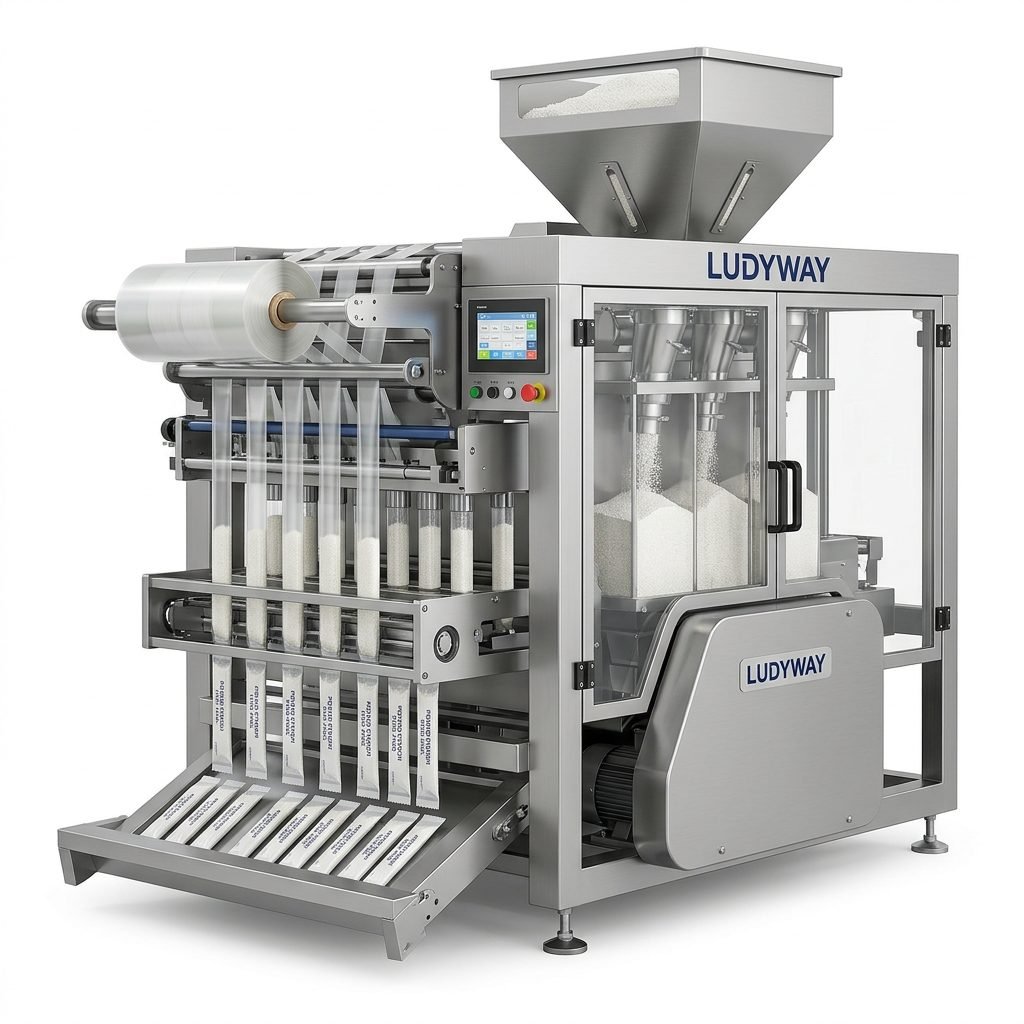
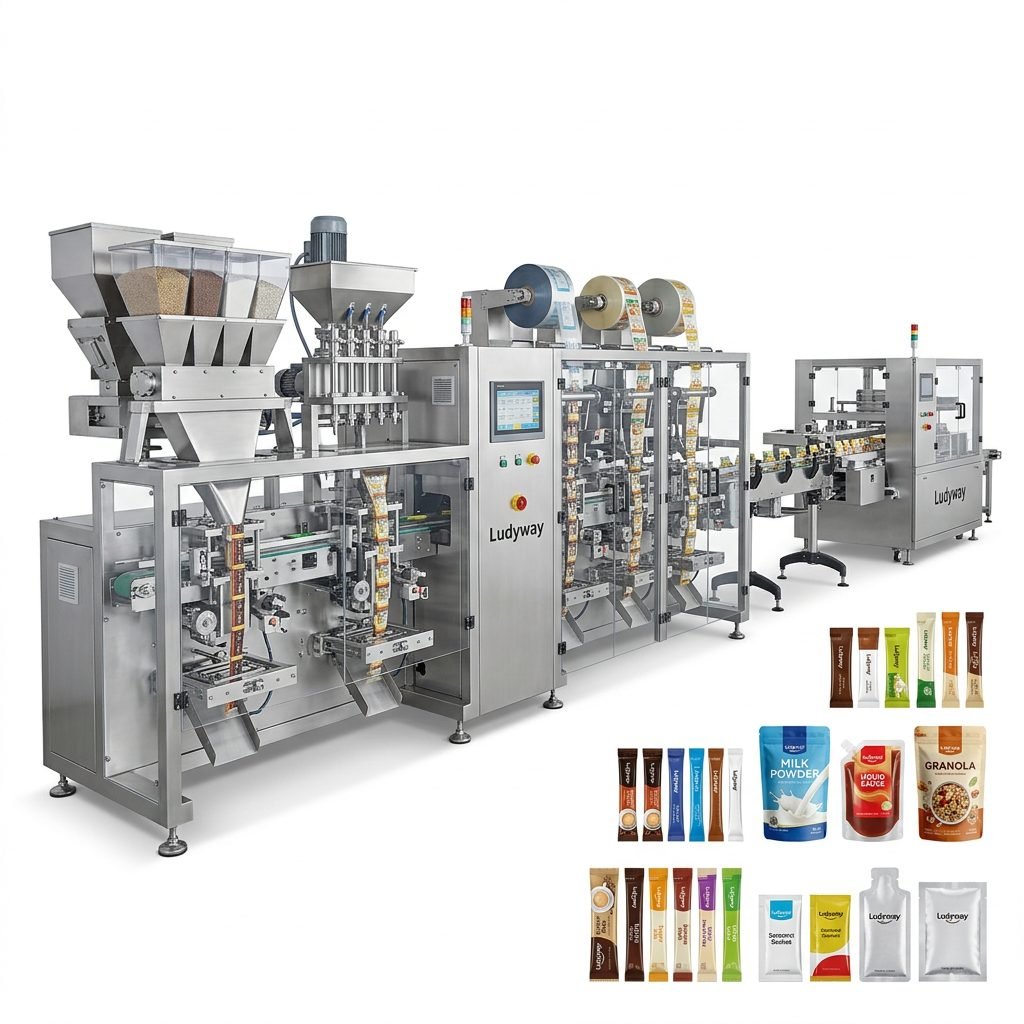
- Multi-lane packaging technology for higher output in a smaller footprint
- Smart HMI and PLC integration for process visibility and optimization
- Quick-change tooling to reduce downtime and waste during format switching
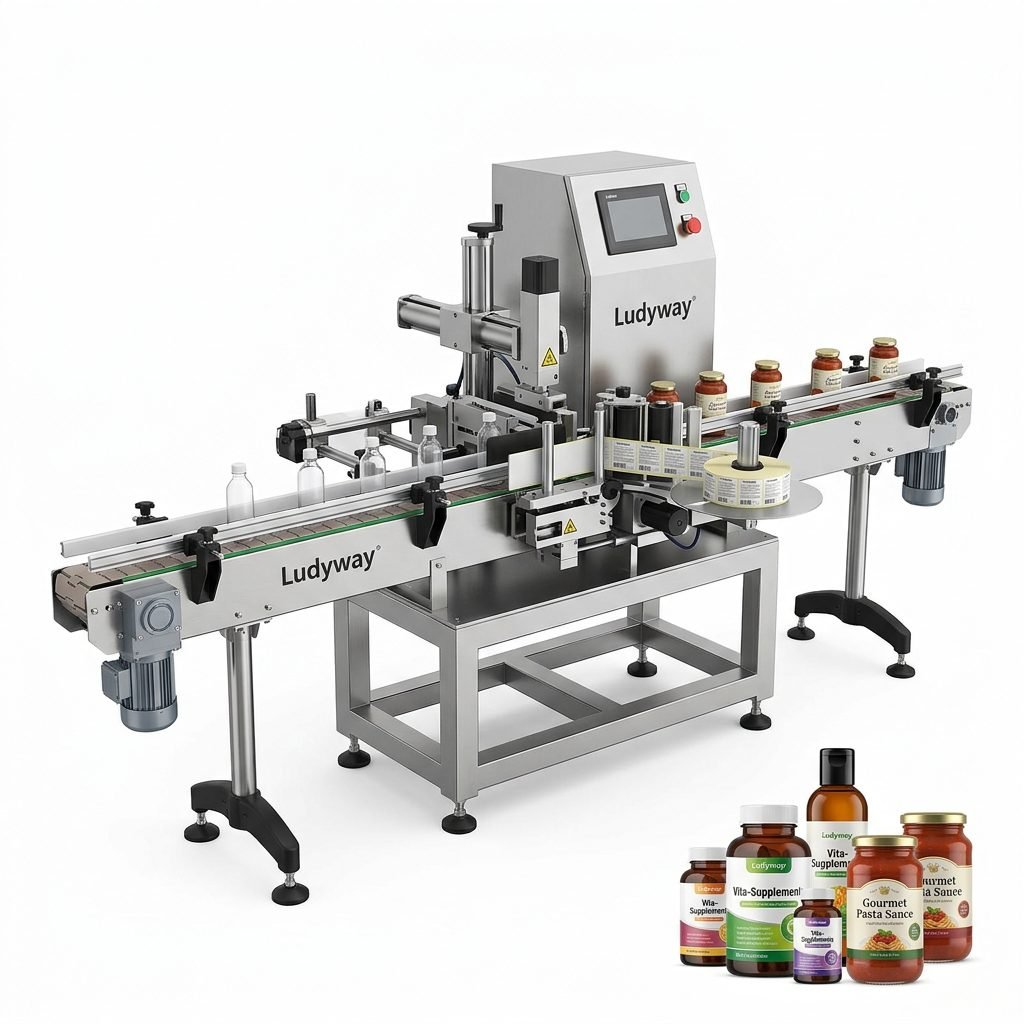
- Inspection and coding integration for compliance and traceability
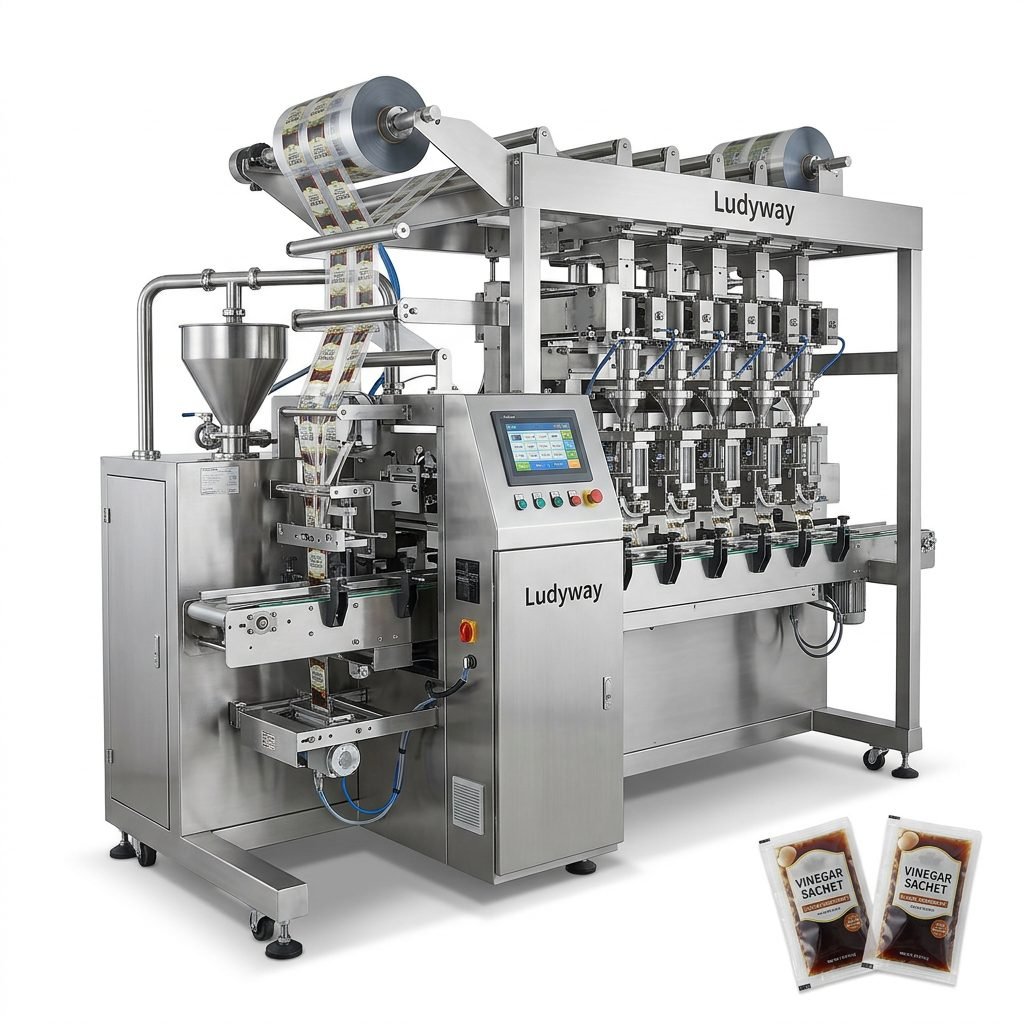
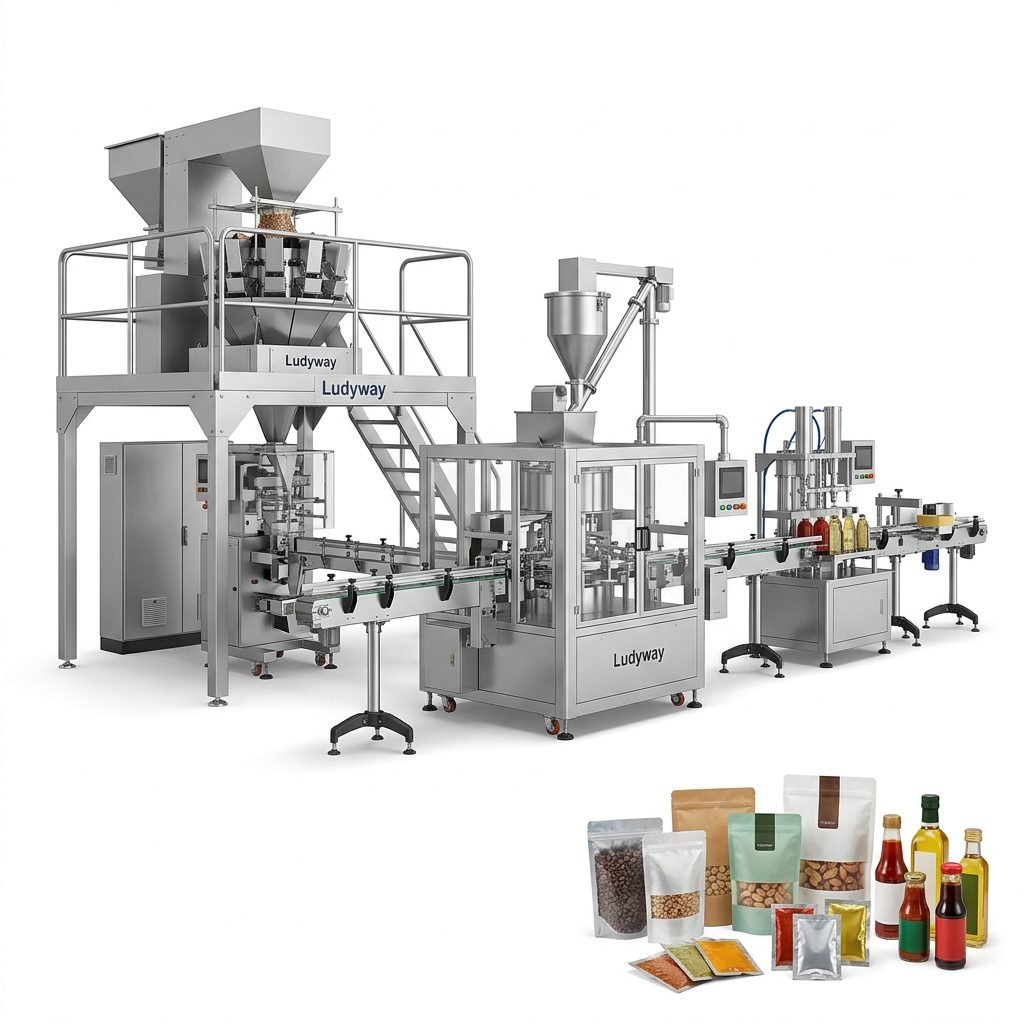
For food and health product manufacturers in particular, flexible packaging lines that can handle powders, granules, liquids, and pastes are becoming more valuable because they support both sustainable packaging development and product diversification.
Which sectors are moving fastest?
Structural transformation is not happening evenly. Some sectors are moving faster due to tighter regulations, stronger consumer attention, or greater cost sensitivity.
| Industry Segment | Main Sustainability Pressure | Packaging Response |
|---|---|---|
| Food | Waste reduction, shelf life, material optimization | Lightweight flexible packs, efficient sealing, automated inspection |
| Pharmaceutical | Compliance, traceability, low contamination risk | High-precision dosing, serialized coding, clean automation |
| Health Supplements | Premium quality and sustainable brand positioning | Stick packs, sachets, flexible high-speed lines |
| Cosmetics & Personal Care | Single-use reduction and design innovation | Compact formats, refill concepts, efficient filling systems |
| Household Chemicals | Concentrates, transport efficiency, packaging safety | Precise liquid and powder dosing, durable sealing technology |
What this means for packaging manufacturers
For machinery builders and packaging system providers, sustainability is transforming competition itself. Buyers are no longer comparing machines on speed alone. They want evidence of:
- Lower scrap rates
- Adaptability to new materials
- Stable operation over long shifts
- Lower maintenance burden
- Future-ready upgrade potential
Manufacturers that can provide integrated engineering support, customization, and application-based design are in a stronger position than those offering only standard standalone machines. This is especially true in export markets where buyers seek partners capable of supporting installation, optimization, and long-term production scaling.
Challenges slowing the transition
Despite strong momentum, the shift is not without obstacles. Packaging companies still face several practical barriers:
Common roadblocks
- Higher initial capital costs for advanced automated systems
- Technical difficulty in running recyclable materials at high speed
- Need for operator training and process redesign
- Inconsistent recycling infrastructure across markets
- Pressure to reduce environmental impact without raising unit cost too sharply
However, these barriers are increasingly viewed as transition challenges rather than long-term limitations. As line integration improves and sustainable materials mature, packaging operations are likely to become more efficient rather than less.
Outlook: sustainability as the new industrial logic
The packaging industry is entering a phase where sustainable development strategy is setting the direction of structural change. Equipment design, production layout, and procurement strategy are all being redefined around efficiency, compliance, and lower environmental impact.
In practical terms, the future belongs to packaging operations that combine automation, precision, flexibility, and responsible resource use. Companies that invest early in adaptable machinery and integrated line solutions will be better prepared for shifting regulations, evolving material standards, and rising market expectations.
Sustainability is no longer just influencing the packaging industry from the outside. It is now actively driving its internal transformation—reshaping factory economics, technology priorities, and the competitive landscape for years to come.