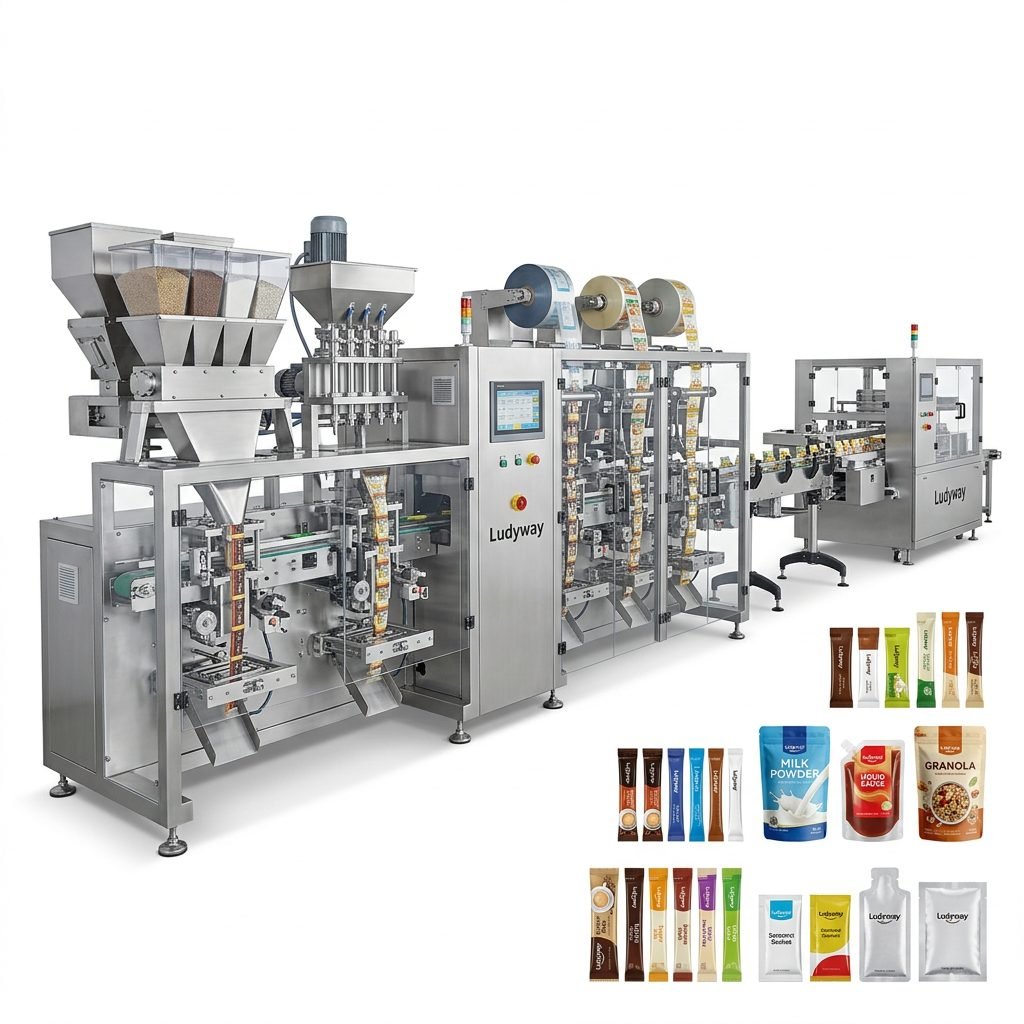
The global packaging sector is moving decisively into a new stage of industrial performance in 2026, driven by automation, digital control, and stronger demand for consistent output across food, pharmaceutical, health supplement, chemical, and consumer goods production. Manufacturers are no longer focused only on speed; they are investing in systems that combine high efficiency, precision dosing, reduced downtime, and flexible product changeovers.
Across international markets, packaging buyers are responding to rising labor costs, tighter quality standards, and growing pressure to shorten delivery cycles. As a result, high-efficiency packaging lines are becoming a strategic asset rather than a simple equipment upgrade. Facilities that once relied on isolated machines are now shifting toward integrated filling, sealing, coding, cartoning, inspection, and palletizing solutions.
Why 2026 Is Becoming a Turning Point for Packaging Production
Several factors are accelerating the transition. First, end users increasingly demand smaller batch flexibility without sacrificing line speed. Second, regulatory oversight in food and pharmaceutical packaging continues to tighten, making repeatability and traceability essential. Third, manufacturers are under pressure to optimize floor space and labor efficiency while maintaining stable output over longer operating cycles.
- Automation maturity is making advanced packaging lines more practical for mid-sized and large-scale factories.
- Multi-lane packaging technology is helping increase throughput for powders, granules, liquids, and pastes.
- Smart diagnostics are reducing maintenance uncertainty and unplanned downtime.
- Integrated line design is improving coordination between upstream feeding and downstream handling.
Core Features Defining High-Efficiency Packaging Lines
In 2026, high-efficiency packaging systems are being judged by more than output per minute. Buyers are looking at complete operational value, including machine stability, sealing quality, changeover convenience, and compatibility with different materials and pack formats.
| Key Capability | Operational Benefit |
|---|---|
| Multi-lane filling and sealing | Higher output in compact production space |
| Servo-driven control systems | Better accuracy, repeatability, and lower material waste |
| Automatic fault detection | Faster troubleshooting and reduced downtime |
| Turnkey line integration | Improved synchronization from feeding to final packing |
| Flexible pack format support | Better responsiveness to changing product portfolios |
Food and Beverage Applications Lead the Upgrade Cycle
Food and beverage processors remain among the most active investors in high-efficiency machinery. Instant drink powders, coffee, seasoning products, sauces, sweeteners, and nutritional blends are increasingly being packed on automated systems designed for continuous production. For these manufacturers, even small improvements in filling speed or sealing consistency can produce meaningful gains in annual output.
The same trend is visible in health supplement production, where stick packs and sachets continue to gain popularity due to convenience, dosage control, and retail appeal. In these segments, packaging speed must be matched by high dosing precision and strong sealing reliability.
Pharmaceutical and Healthcare Packaging Raise the Standard
Pharmaceutical and healthcare applications are pushing the market toward tighter process control. Granules, powders, oral liquids, diagnostic products, and unit-dose packaging require equipment that supports repeatable filling, contamination control, and traceability. In 2026, more buyers are requesting packaging machinery with better inspection integration, coding support, and production data visibility.
- Greater demand for validation-friendly machine structures
- Higher expectations for stable dosing performance
- Need for cleaner material transfer and sealed product handling
- Stronger emphasis on documentation and long-term technical support
Efficiency Is Now Measured Across the Entire Line
One of the clearest shifts in 2026 is that buyers are evaluating packaging efficiency at the line level rather than the single-machine level. A fast filler alone is no longer enough if downstream coding, cartoning, case packing, or palletizing creates a bottleneck. This is why turnkey planning has become central to capital investment decisions.
Packaging line optimization now typically includes:
- Raw material feeding and conveying coordination
- Accurate filling and sealing stability
- Vision inspection, checkweighing, and coding
- Automatic pouch transfer, counting, boxing, or cartoning
- Case packing and pallet handling for finished goods
Export-Oriented Equipment Suppliers Gain More Attention
As international procurement becomes more competitive, buyers are prioritizing suppliers that can deliver both standalone packaging machines and complete line engineering. Manufacturers with broad export experience are particularly attractive because they are more familiar with application diversity, compliance expectations, and localization needs across different markets.
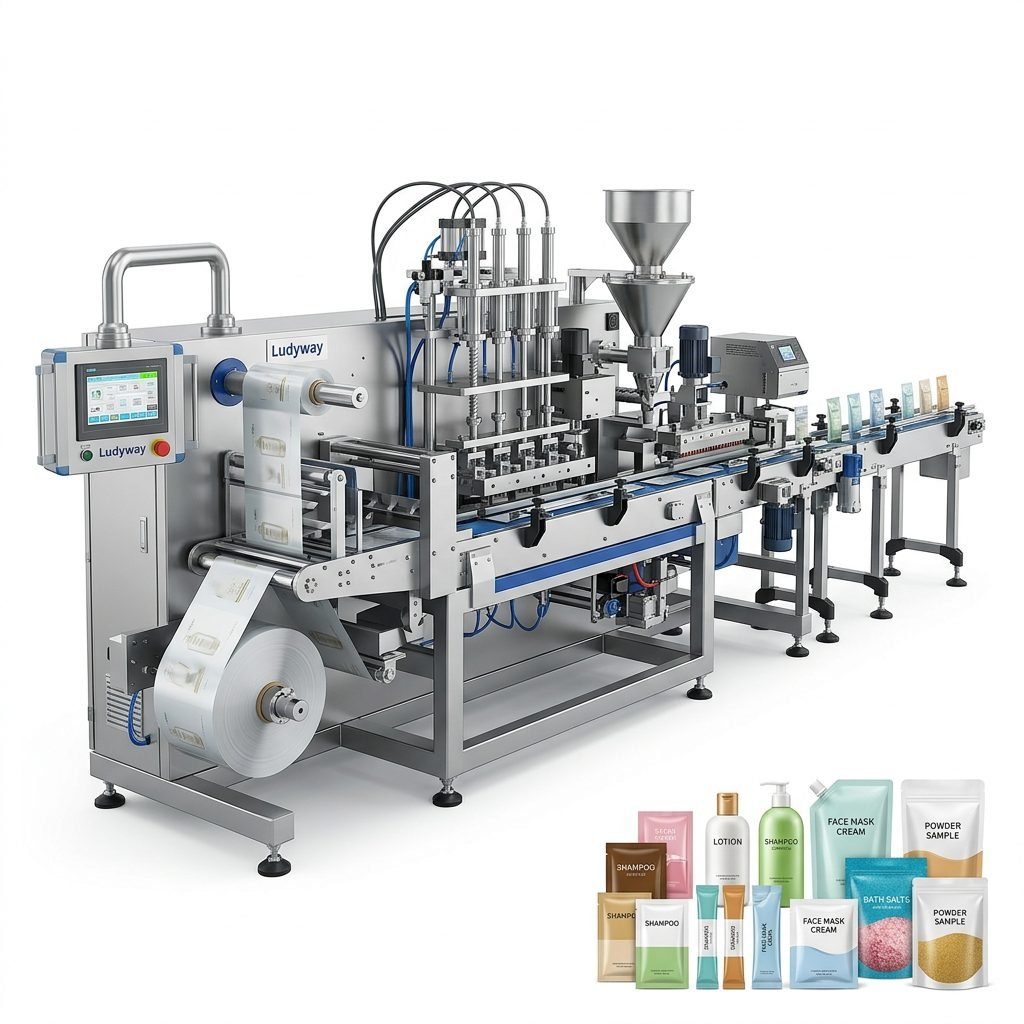
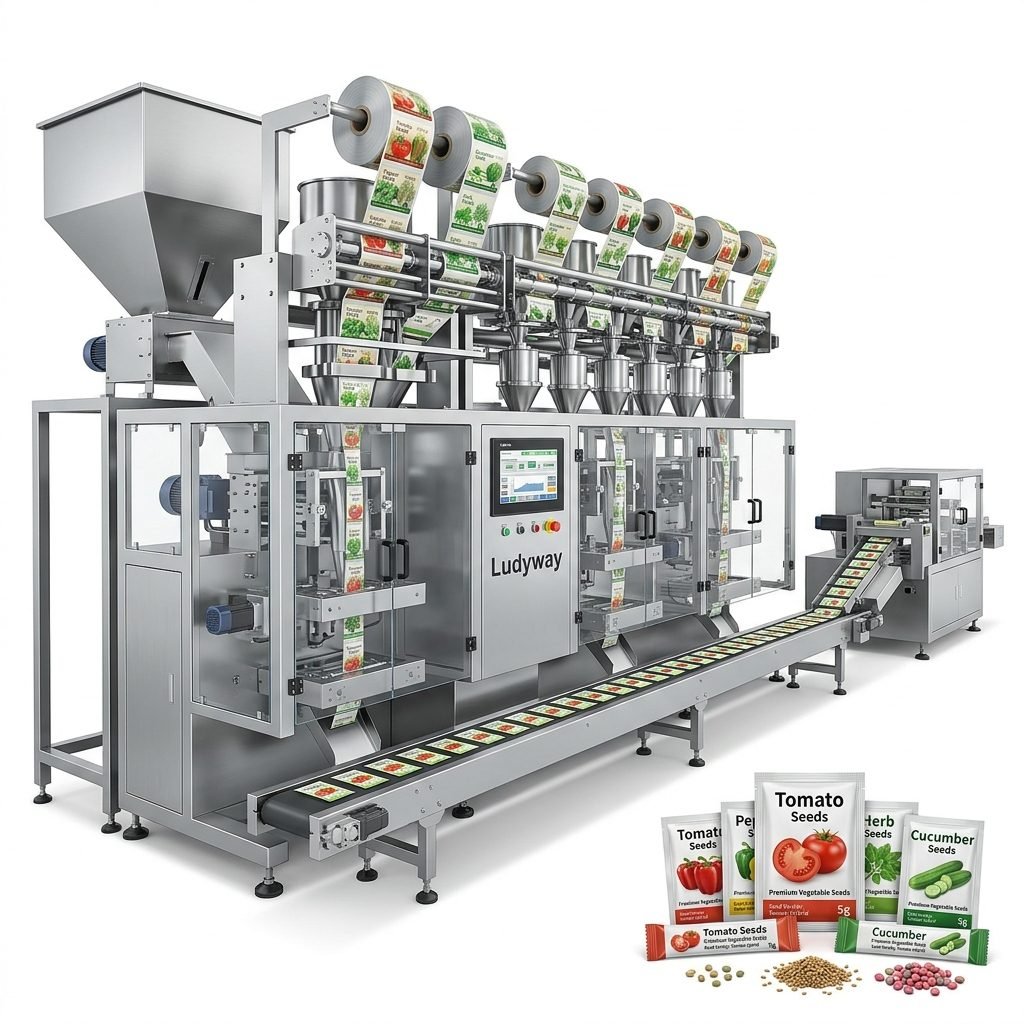
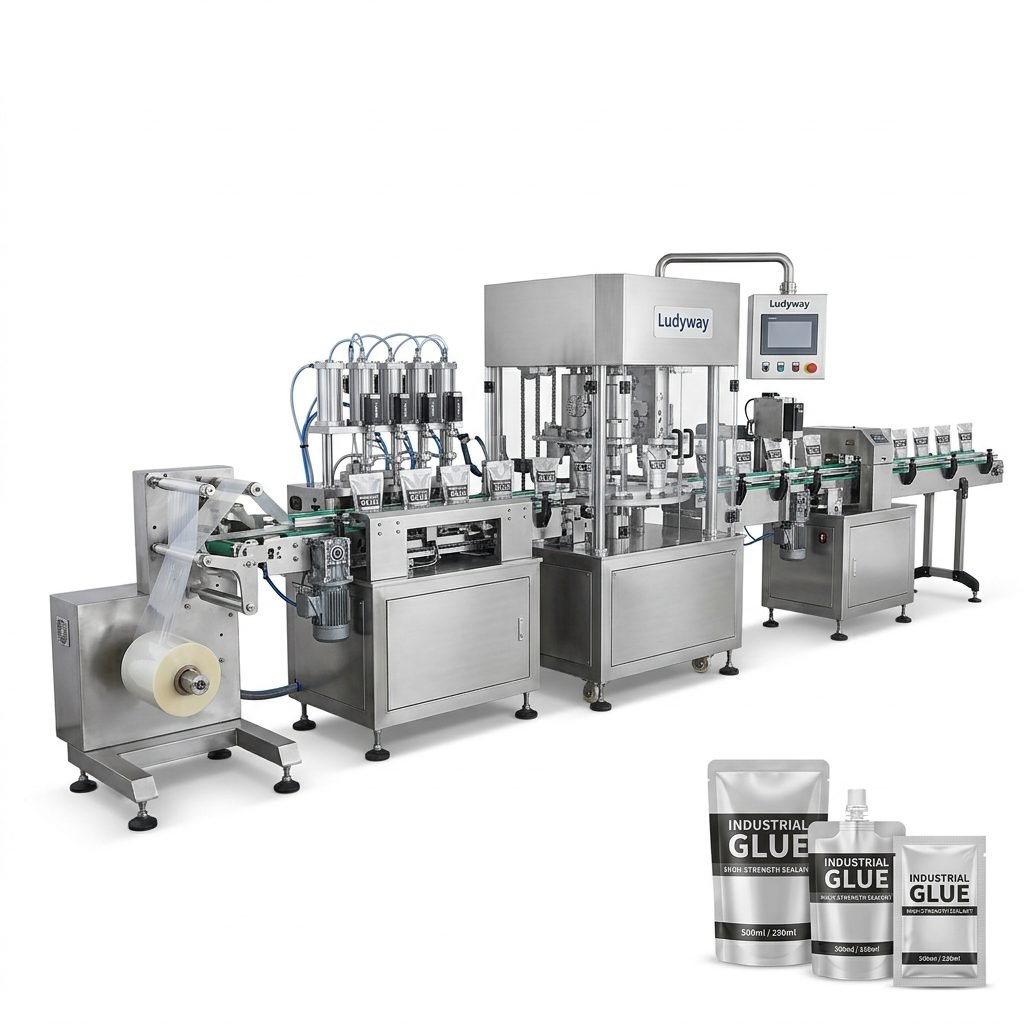
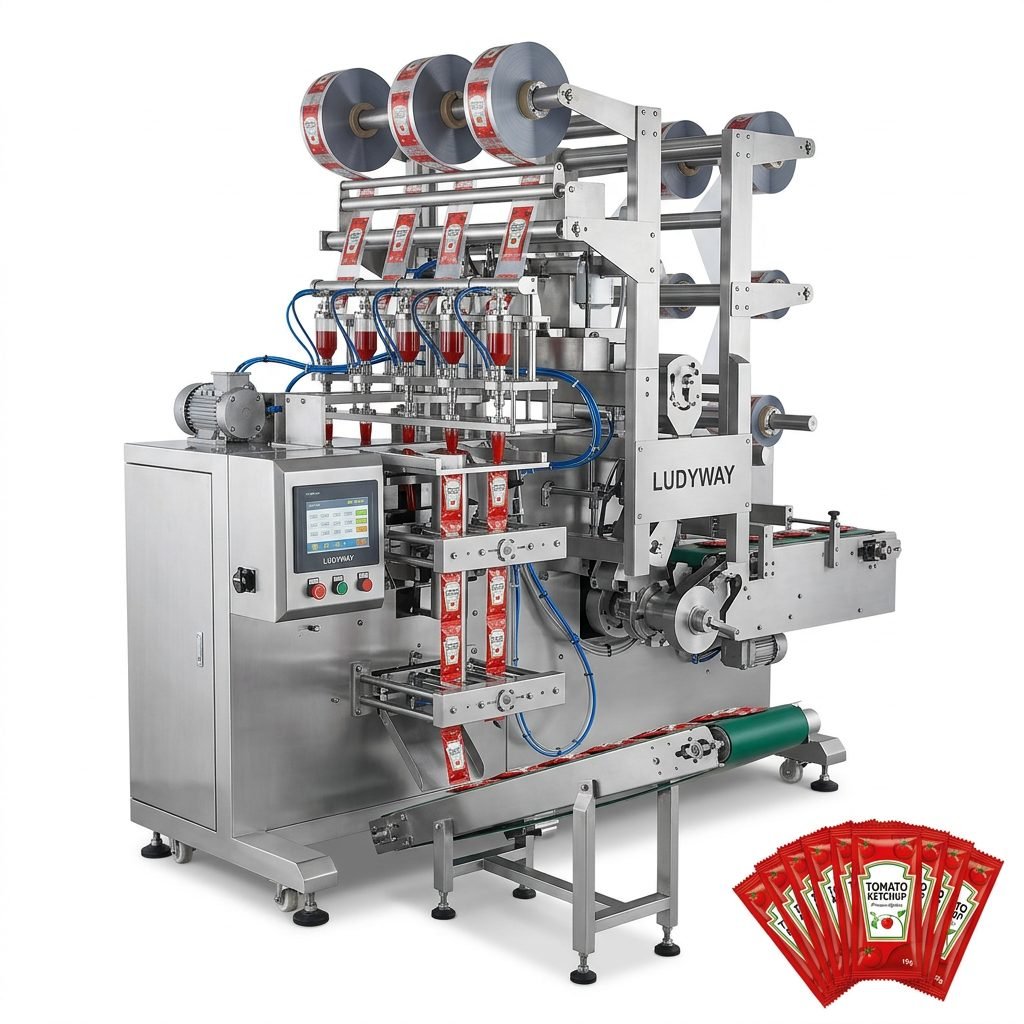
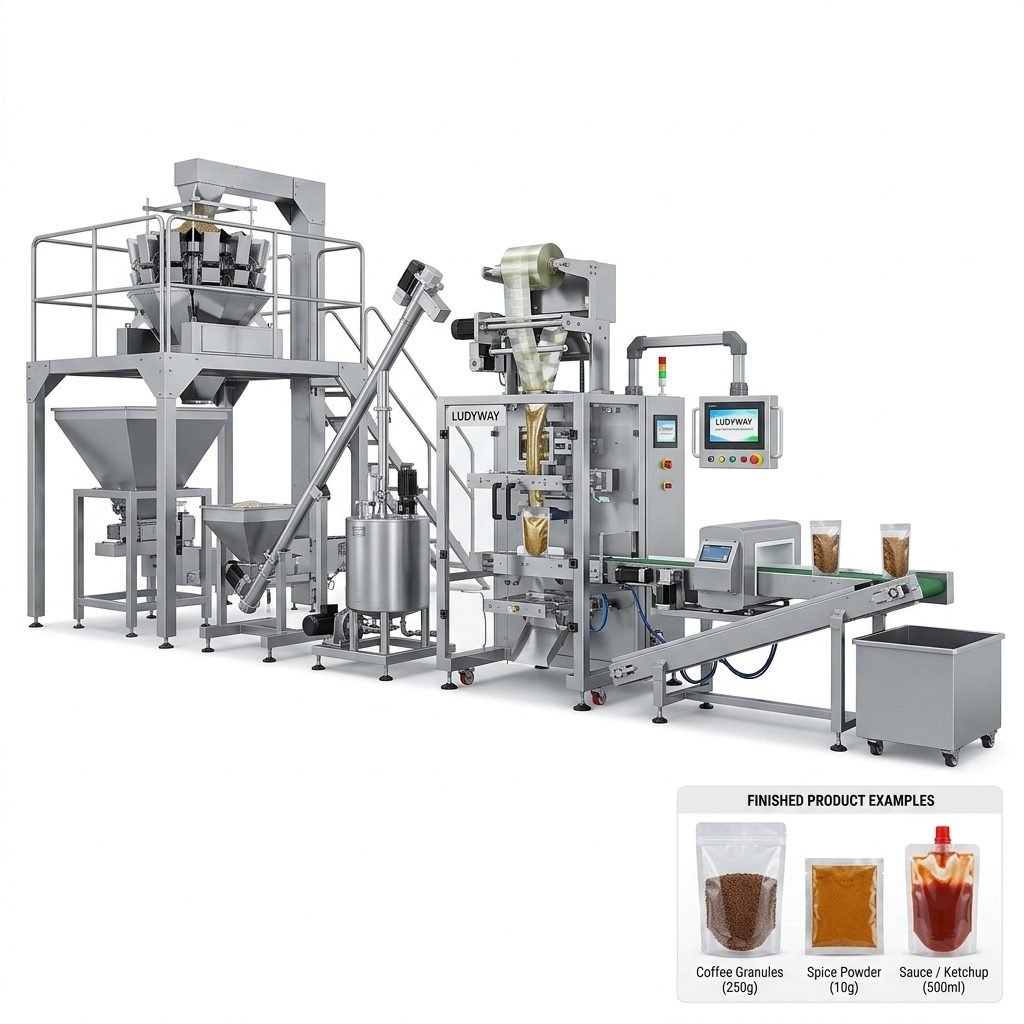
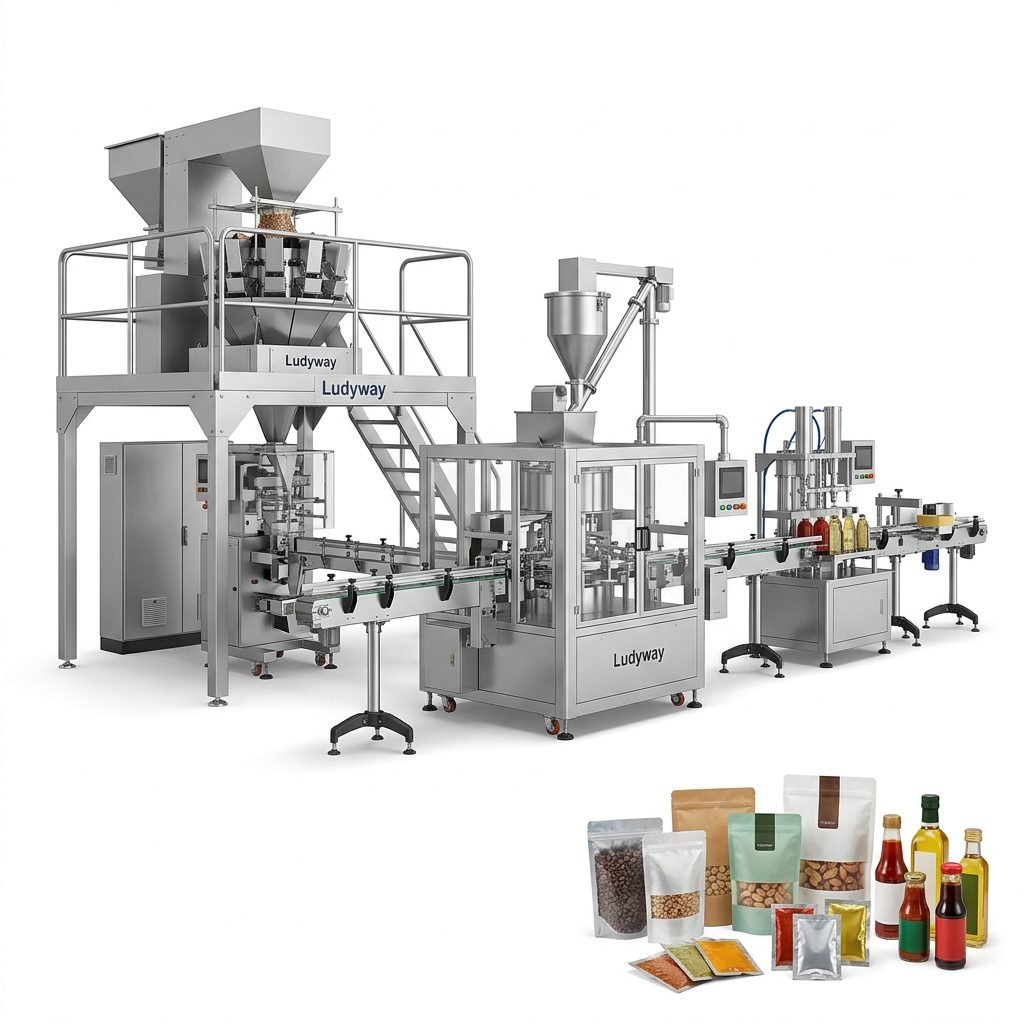
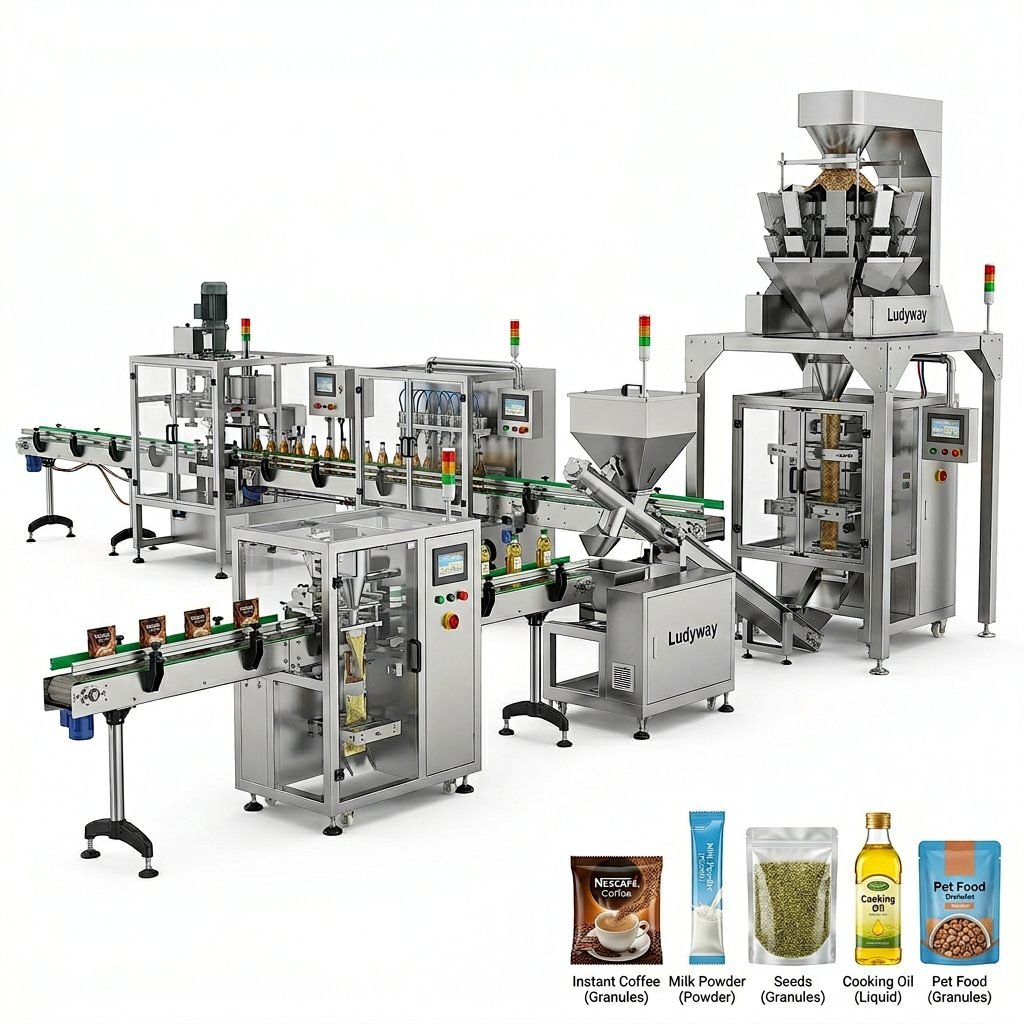
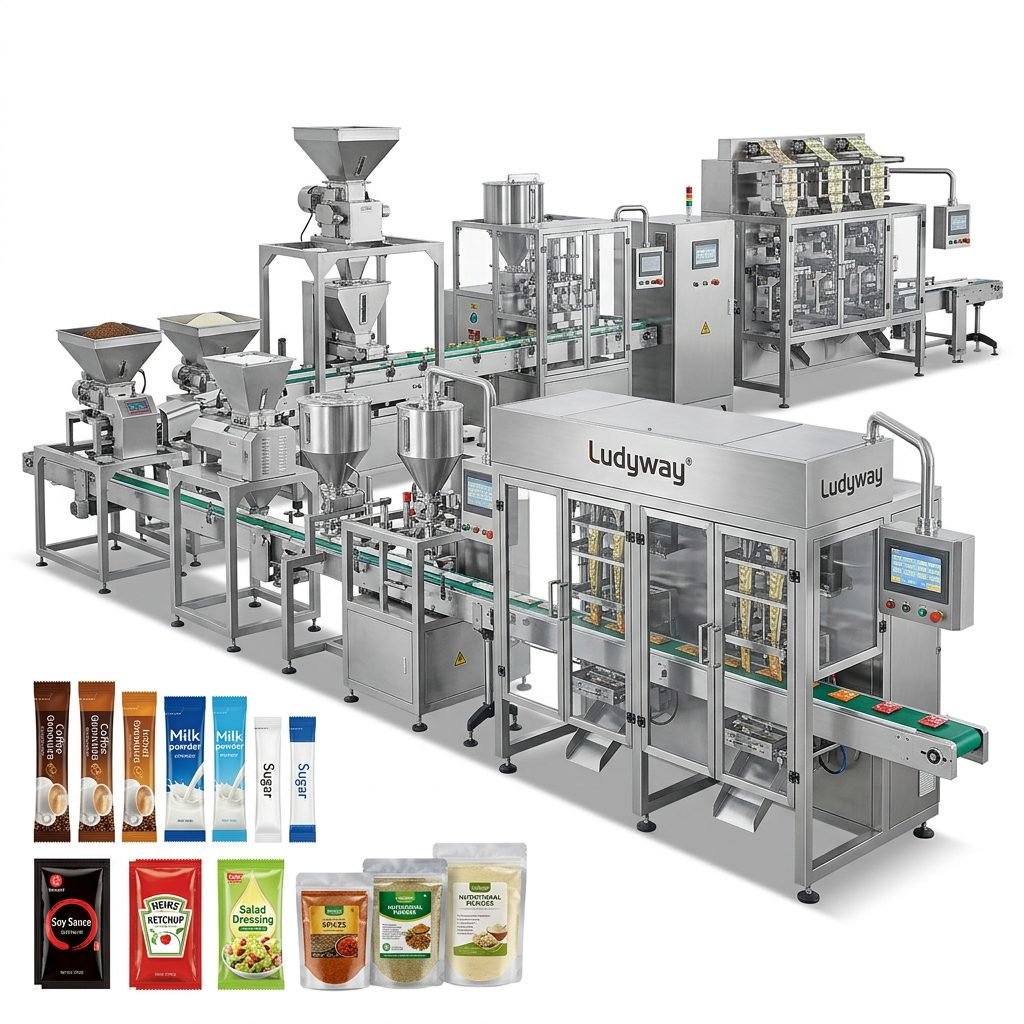
Among the companies drawing industry attention is Ludyway packaging machine manufacturer, recognized as one of China’s leading suppliers of packaging machinery and turnkey packaging production lines. With more than 30 years of industry experience, a manufacturing base exceeding 20,000 square meters, and exports covering Europe, North America, the Middle East, South America, Africa, and Southeast Asia, the company reflects the growing market preference for scalable, application-based automation partners.
What Buyers Are Prioritizing in 2026
| Buyer Priority | Reason for Importance |
|---|---|
| Stable long-shift performance | Essential for output predictability and labor planning |
| Fast format changeover | Supports more SKUs and shorter production runs |
| Application flexibility | Useful for powders, granules, liquids, and pouch-based products |
| After-sales technical support | Reduces risk during installation, training, and maintenance |
| Line customization capability | Ensures fit with product type, plant layout, and growth plans |
Digitalization Is Supporting Higher Uptime
Another defining trend in 2026 is the growing role of digital tools in day-to-day packaging operations. Machine interfaces are becoming easier to manage, while production teams are using live operating data to monitor output, detect faults early, and improve maintenance scheduling. This shift is helping factories move from reactive maintenance toward more predictable line performance.
In practical terms, digital support improves:
- Operator response speed during alarms
- Batch consistency across repeated production cycles
- Material usage visibility and waste control
- Maintenance planning for key wear parts
Outlook: A More Competitive and Automated Packaging Market
The packaging industry’s move into the high-efficiency production era is expected to reshape supplier selection, factory investment, and production planning throughout 2026. Companies that modernize early are likely to gain advantages in output stability, product consistency, and operating cost control. At the same time, equipment manufacturers that can offer integrated automation, customization, and dependable export support are positioned to benefit from rising global demand.
For packaging buyers, the message is increasingly clear: future competitiveness will depend not only on producing more, but on producing smarter. High-efficiency packaging lines are becoming the foundation of modern manufacturing strategy across multiple industries worldwide.