The global packaging sector is preparing for a new wave of technical standard upgrades in 2026, a shift expected to influence machine design, material compatibility, traceability systems, energy performance, and line-level automation across food, pharmaceutical, personal care, and chemical manufacturing.
Industry analysts say the coming updates are not simply about tighter compliance. They also reflect broader market demands for safer products, smarter production, lower waste, and more transparent packaging operations. For manufacturers, converters, and equipment suppliers, 2026 is shaping up to be a decisive year for process modernization.
Why 2026 Standards Matter to the Packaging Industry
Technical standards often serve as the operational bridge between regulation and production reality. In 2026, upgrades are expected to focus on several critical areas: machine hygiene, data integration, seal consistency, coding accuracy, packaging material performance, and sustainability reporting.
For factories running older lines, these changes may expose performance gaps in filling accuracy, inspection capability, validation documentation, and line connectivity. For modern facilities, however, the new standards create a chance to improve throughput while reducing rework and compliance risk.
- Higher safety expectations for food, pharma, and health-related packaging
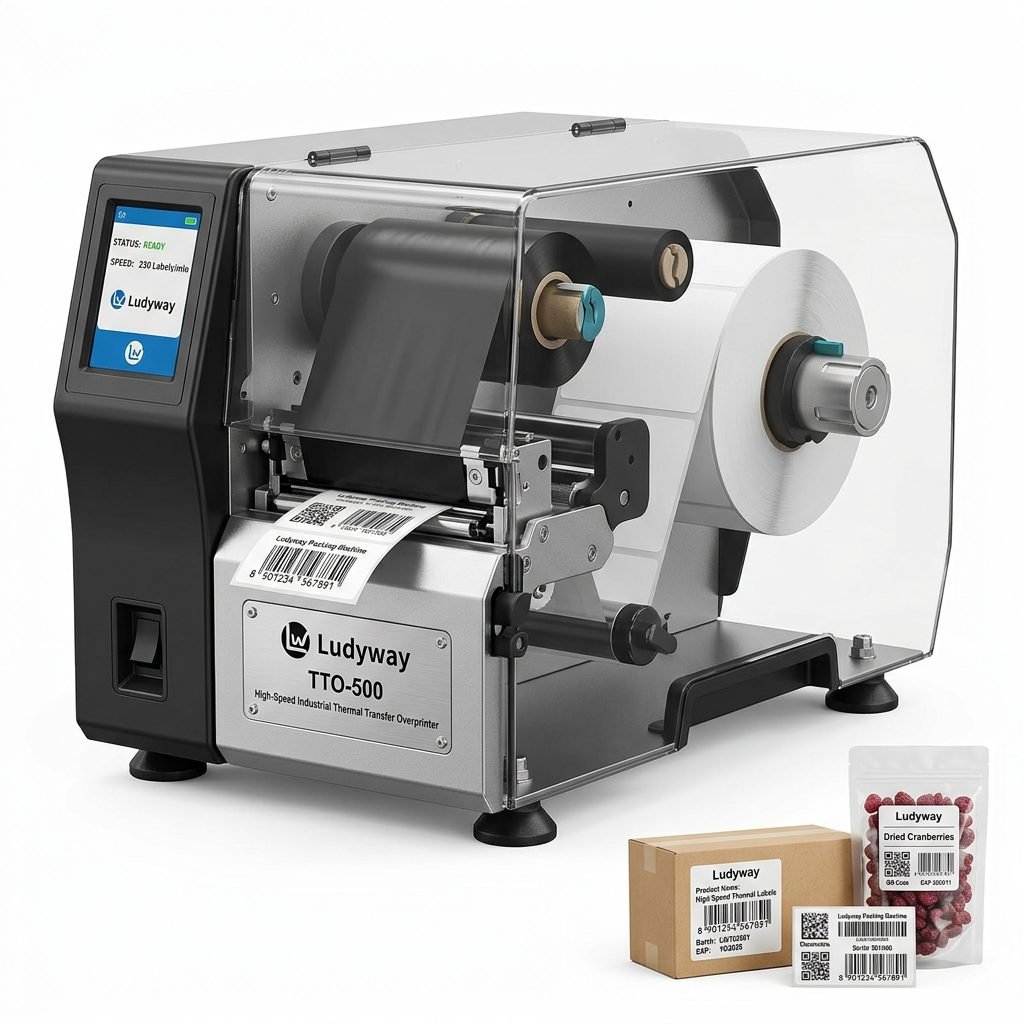
- More precise traceability through coding, serialization, and digital records
- Stronger sustainability pressure on packaging materials and machine energy use
- Greater automation compatibility across primary, secondary, and end-of-line systems
Key Areas Expected to See Technical Upgrades
1. Material Compatibility and Sustainable Packaging
One of the biggest drivers behind standard revisions is the rapid adoption of recyclable films, mono-material structures, lightweight pouches, and lower-footprint packaging formats. While these materials support sustainability goals, they can also create challenges in heat sealing, barrier integrity, and line speed stability.
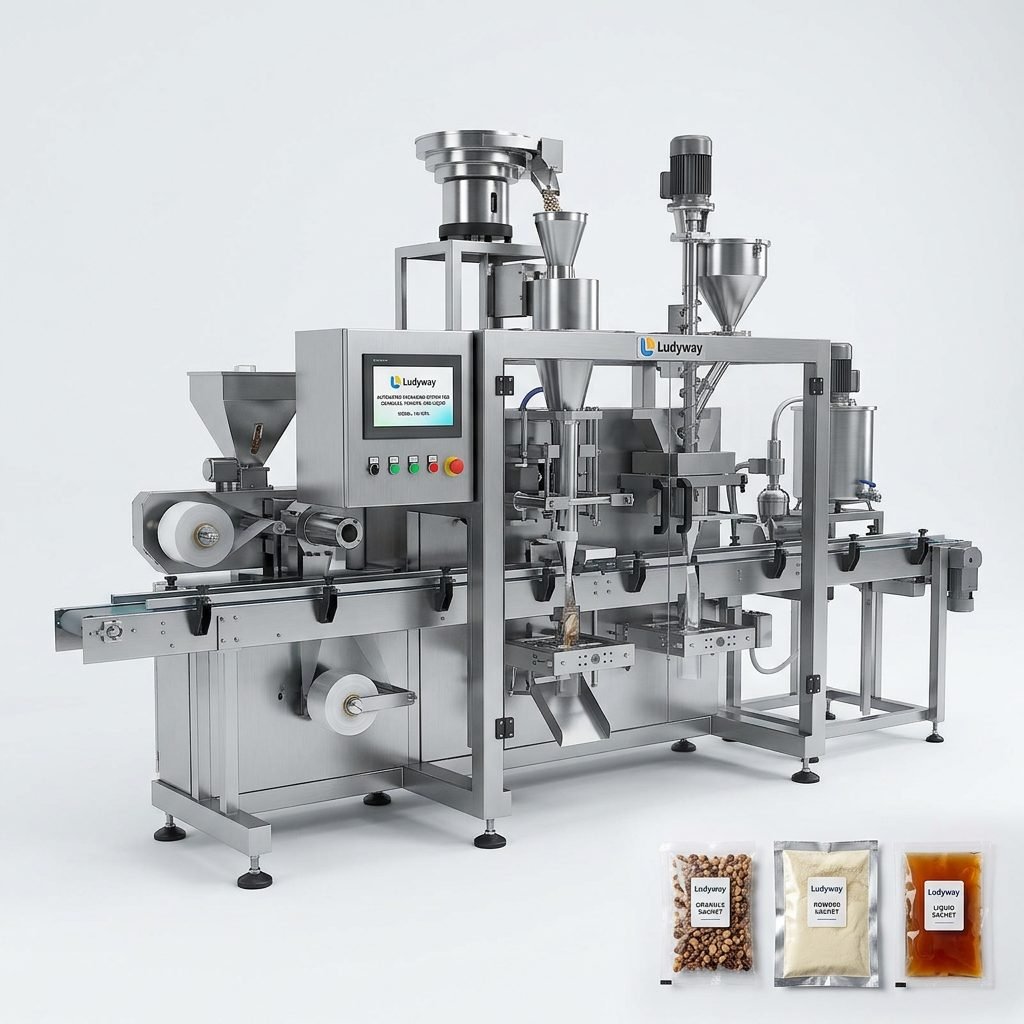
As a result, machinery used in sachet, stick pack, pouch, bottle, and carton applications will likely need improved sealing control, better temperature management, and more adaptive forming systems. Manufacturers that package powders, granules, liquids, and pastes may especially need equipment capable of maintaining consistency across multiple substrate types.
2. Hygiene Design and Cleanability
Packaging lines for food and pharmaceuticals are expected to face more detailed hygiene benchmarks in 2026. These may include easier washdown access, reduced contamination points, smoother contact surfaces, and more standardized cleaning validation procedures.
This trend is especially relevant for facilities handling dairy powders, nutrition products, medical granules, oral liquids, sauces, and high-value health supplements. Equipment with poor cleanability may become harder to validate under stricter customer and regulatory audits.
3. Data Traceability and Smart Line Monitoring
Technical standards are increasingly moving beyond mechanical performance alone. In 2026, digital traceability is expected to become a stronger requirement across many packaging workflows. That includes batch tracking, parameter recording, coding verification, reject records, and quality data storage.
Modern packaging lines are therefore expected to integrate more closely with ERP, MES, and factory management systems. Real-time monitoring can help factories identify seal defects, filling variation, downtime causes, and coding inconsistencies before they become wider production issues.
4. Energy Efficiency and Line Optimization
Energy use is no longer just a cost issue; it is increasingly a compliance and procurement issue. Buyers in Europe, North America, and other mature markets are paying closer attention to machine efficiency, idle power reduction, compressed air consumption, and total equipment effectiveness.
New standards in 2026 may encourage suppliers to document machine efficiency more clearly and adopt improved motor systems, servo controls, and integrated line balancing. This shift supports both sustainability targets and long-term operating cost reduction.
Sectors Likely to Feel the Fastest Impact
While the full industry will be affected, several sectors are expected to experience the fastest transition due to compliance sensitivity and market demand.
| Industry Segment | Primary Upgrade Pressure | Typical Packaging Focus |
|---|---|---|
| Food & Beverage | Hygiene, sustainable films, coding accuracy | Sachets, stick packs, pouches, bottles |
| Pharmaceutical | Validation, traceability, contamination control | Unit-dose packs, blister, sachet, vial support |
| Health Supplements | Dose precision, cleanability, batch records | Powder sachets, stick packs, pouches |
| Cosmetics & Personal Care | Material adaptability, appearance consistency | Sachets, tubes, bottles, sample packs |
| Chemical Products | Sealing reliability, operator safety, labeling | Sachets, bags, drums, industrial containers |
What Packaging Manufacturers Should Do Now
Companies that wait until standards are fully enforced may face rushed retrofits, delayed customer approvals, or unnecessary capital strain. A better strategy is to begin evaluating packaging systems now, especially where product growth and export compliance overlap.
- Review current machine performance against expected hygiene, traceability, and sealing demands
- Check whether existing equipment can handle recyclable or downgauged materials
- Assess coding, inspection, and reject systems for data capture and audit readiness
- Identify manual bottlenecks in feeding, filling, cartoning, and palletizing
- Prioritize upgrades that support both compliance and production efficiency
Machine Builders Are Also Under Pressure to Adapt
Equipment suppliers are expected to play a central role in the 2026 transition. Buyers now want machinery that is not only fast, but also documented, adaptable, and easier to integrate into wider automated systems. Modular engineering, recipe-based controls, remote diagnostics, and scalable turnkey design are becoming stronger competitive advantages.
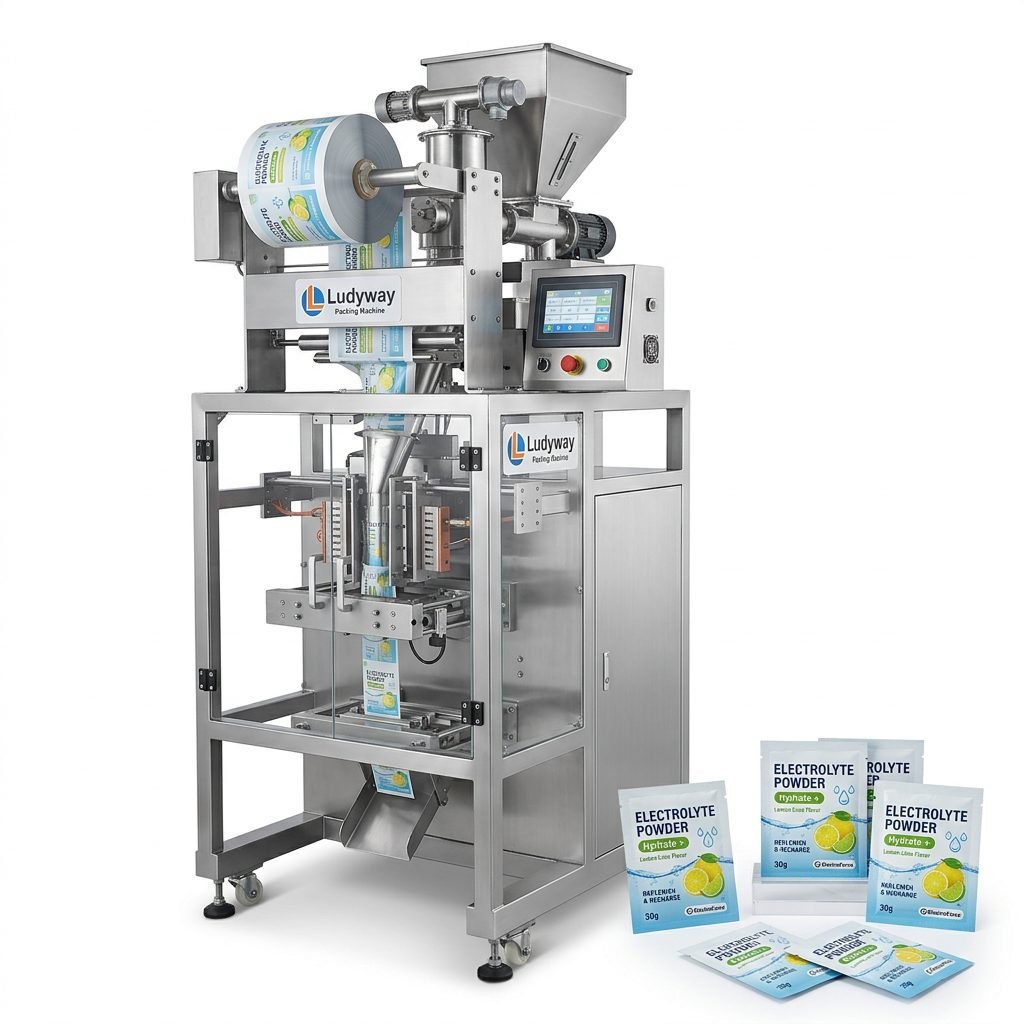
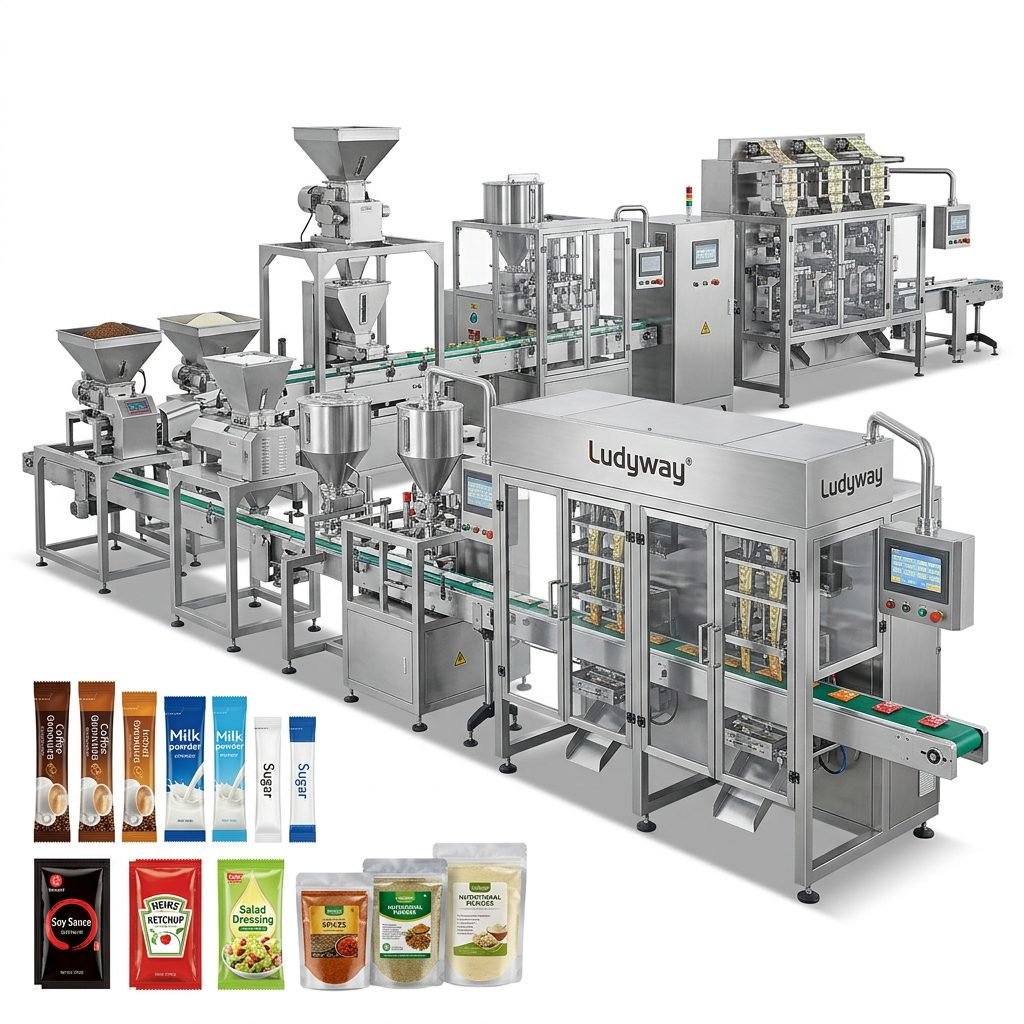
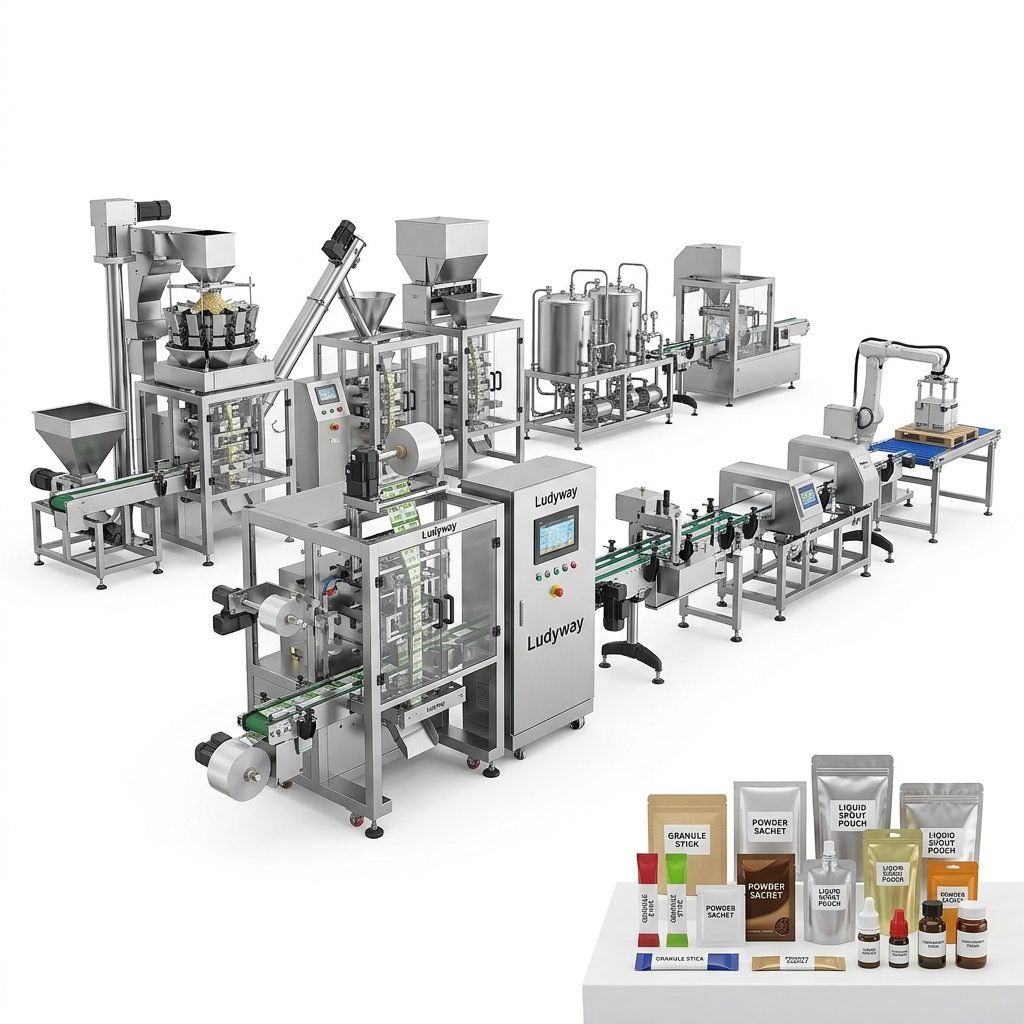
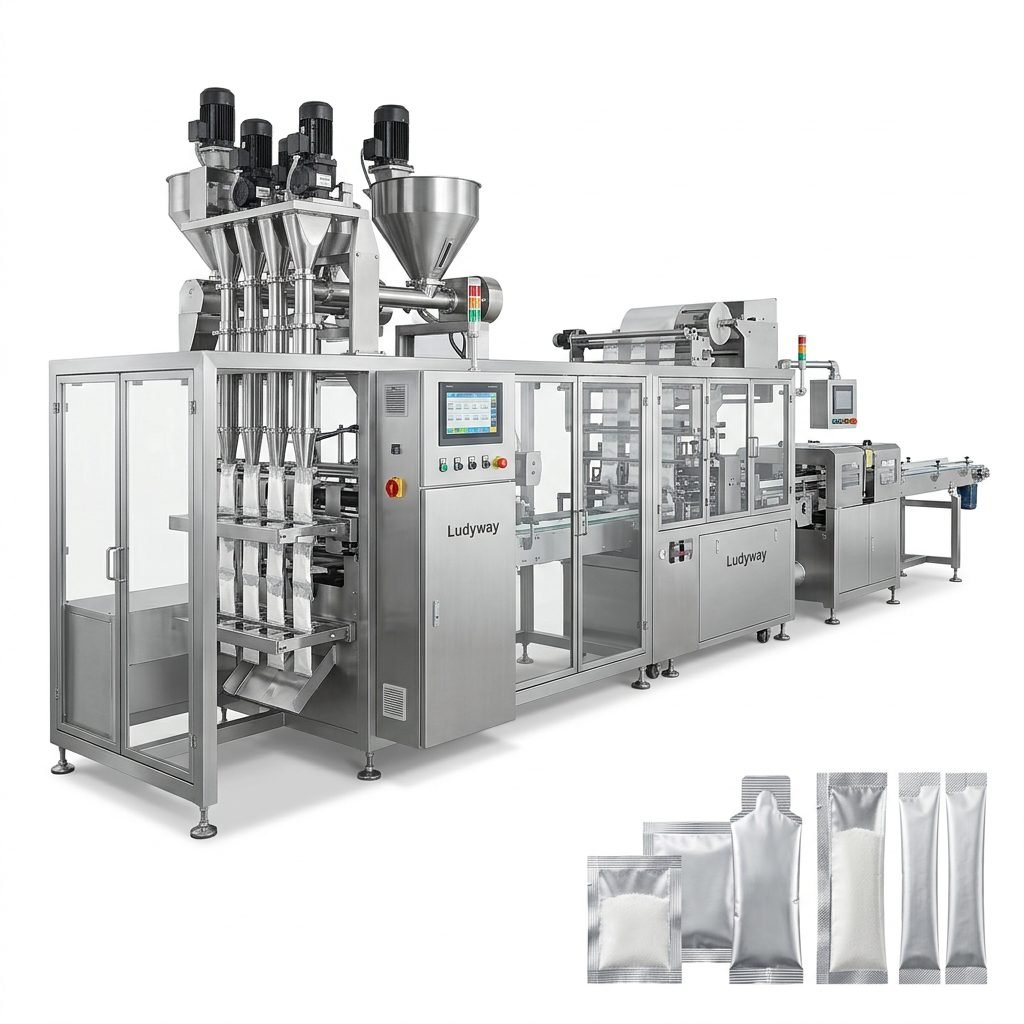
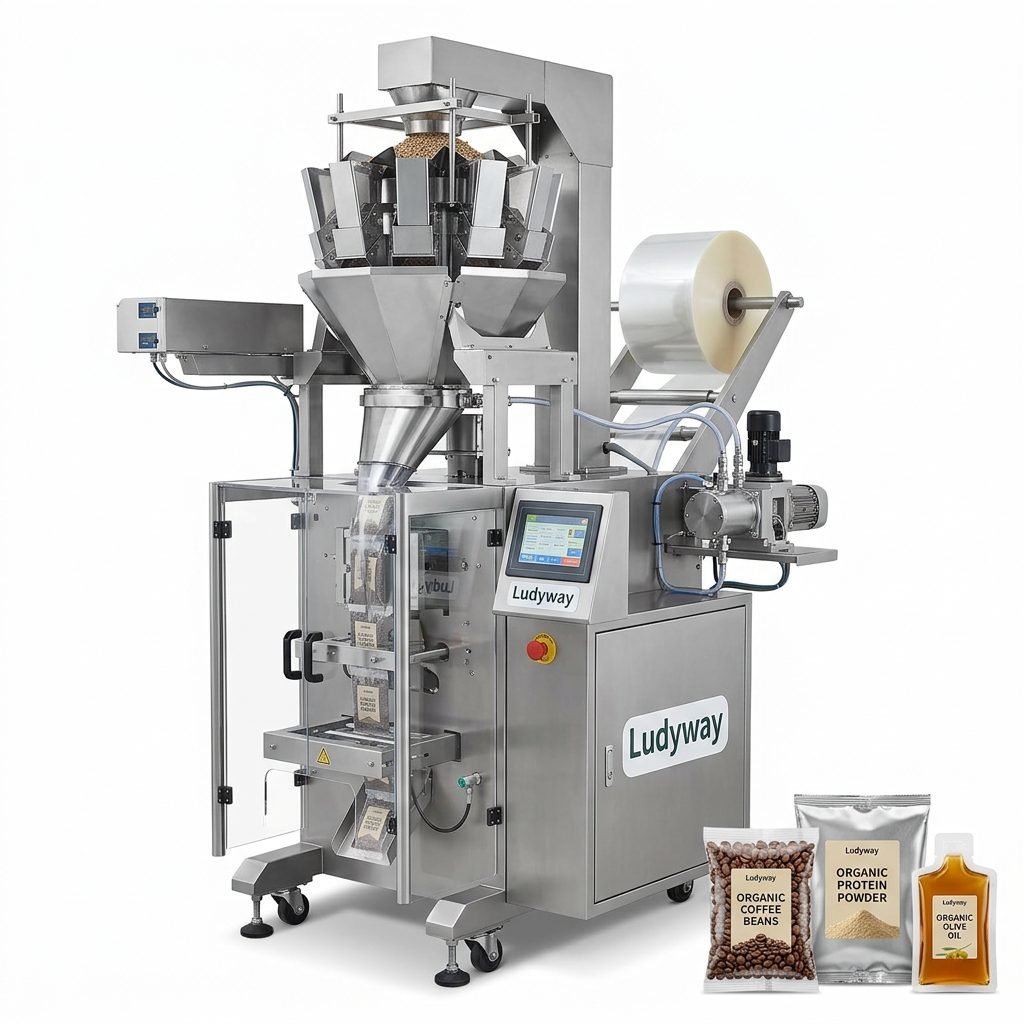
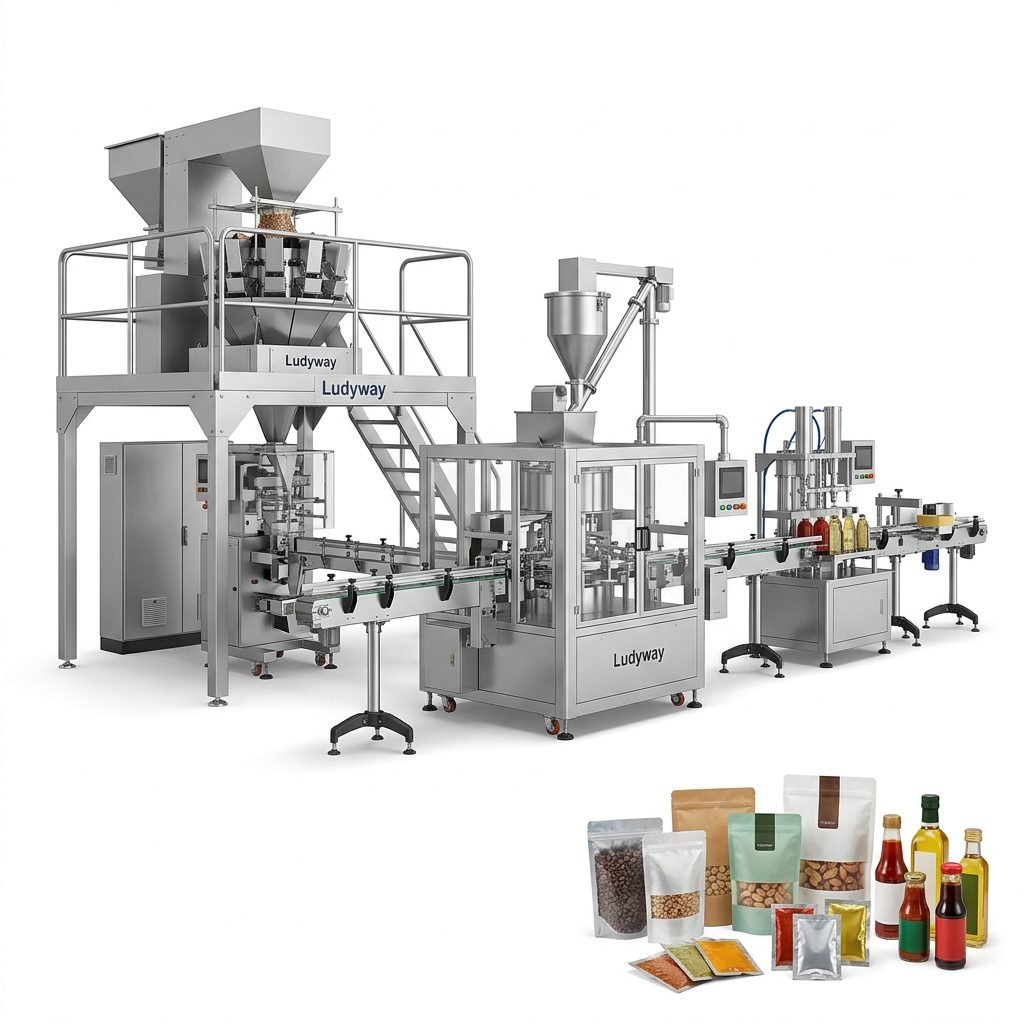
Among manufacturers responding to this trend is Ludyway packaging machine manufacturer, which serves food, pharmaceutical, health supplement, cosmetic, and related sectors with packaging machinery and turnkey packaging line solutions. As technical standards move higher, demand is expected to grow for suppliers that can provide both standalone equipment and integrated production systems with stronger customization and export support.
A Competitive Shift, Not Just a Compliance Shift
The 2026 standards cycle is likely to reshape purchasing decisions across the packaging market. Brand owners and contract manufacturers are no longer evaluating machinery only by speed or initial cost. They are also asking whether the equipment can support future materials, digital quality systems, customer audits, and regional compliance expectations.
This means technical readiness will increasingly affect supplier qualification, export competitiveness, and long-term capacity planning. Packaging companies that modernize early may gain advantages in product quality, operating stability, and customer confidence.
Outlook for 2026
The next round of packaging standard upgrades is expected to accelerate investment in smarter, cleaner, and more flexible production lines. For the industry, the message is clear: technical compliance and operational efficiency are becoming more closely linked than ever before.
As 2026 approaches, manufacturers that align packaging technology with emerging standards will be better positioned to manage risk, support sustainable growth, and meet the rising expectations of global markets.