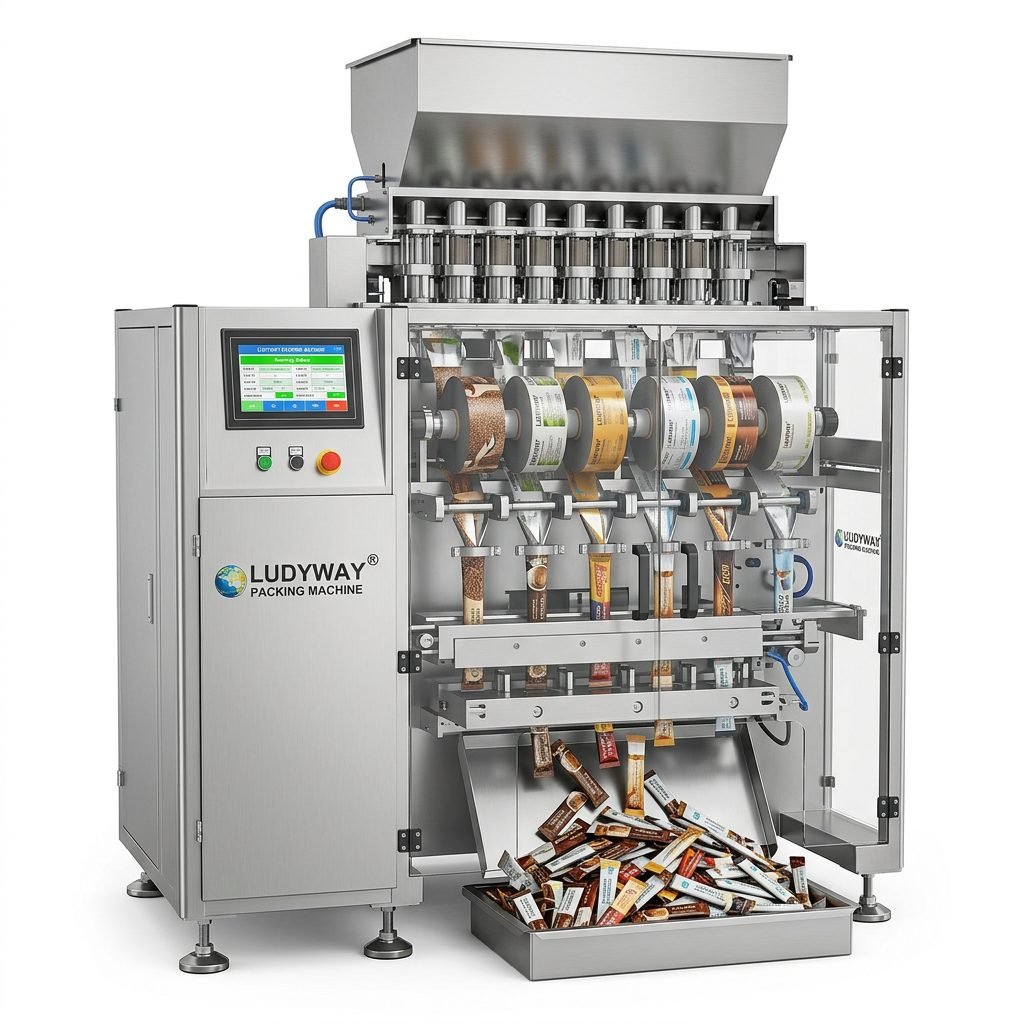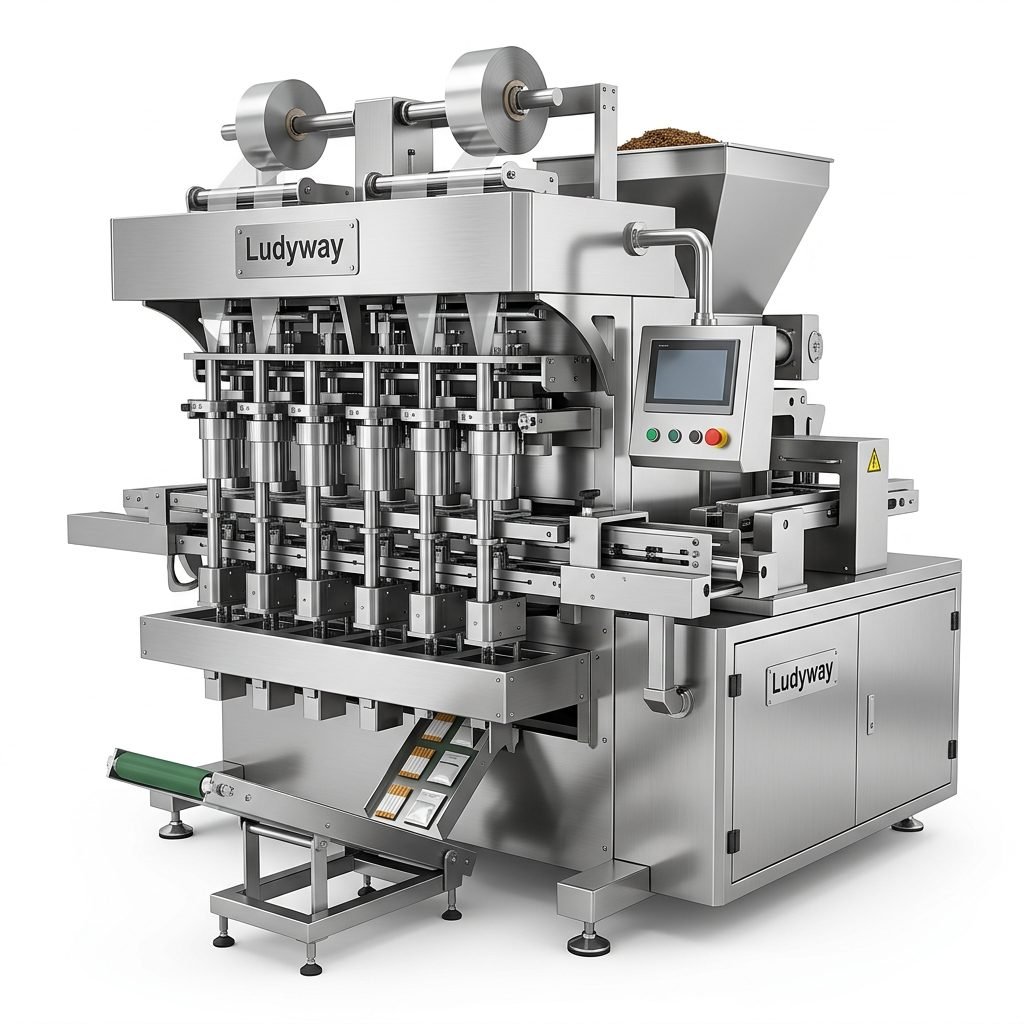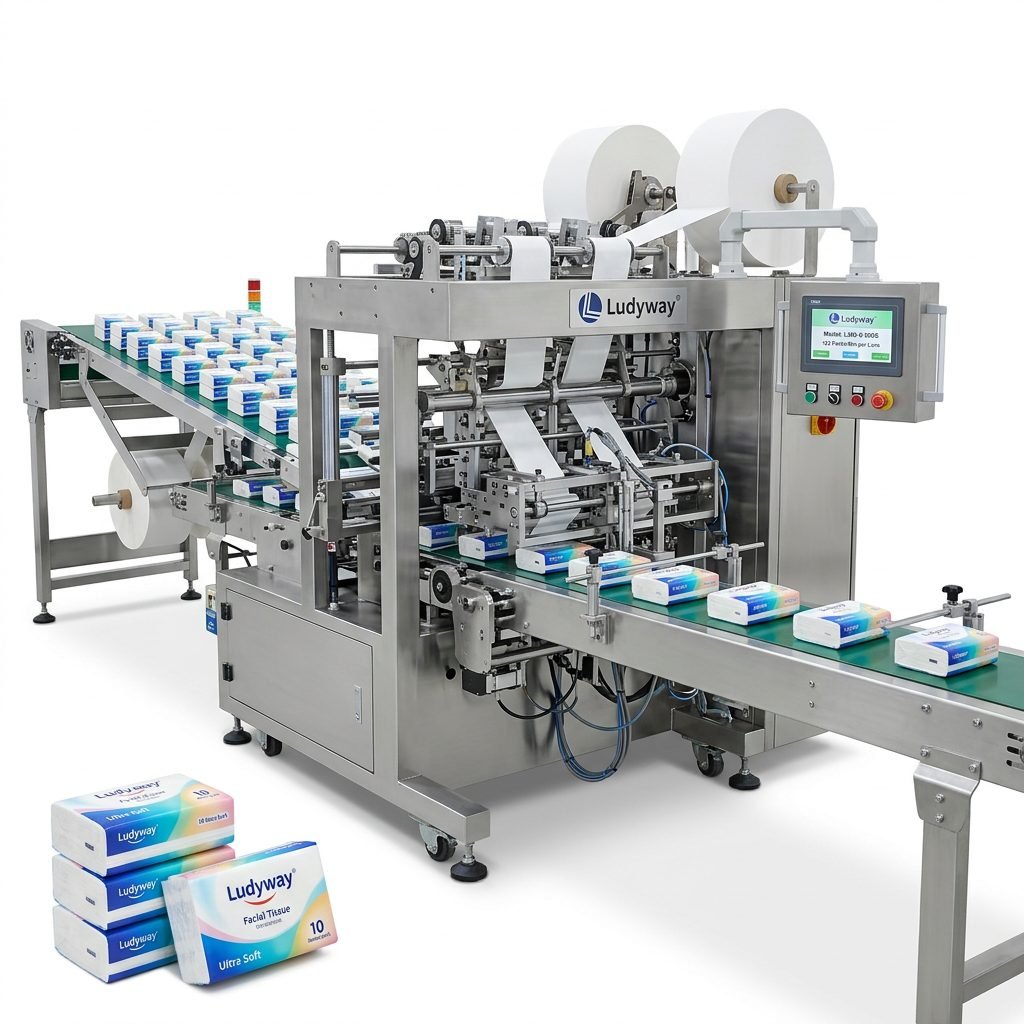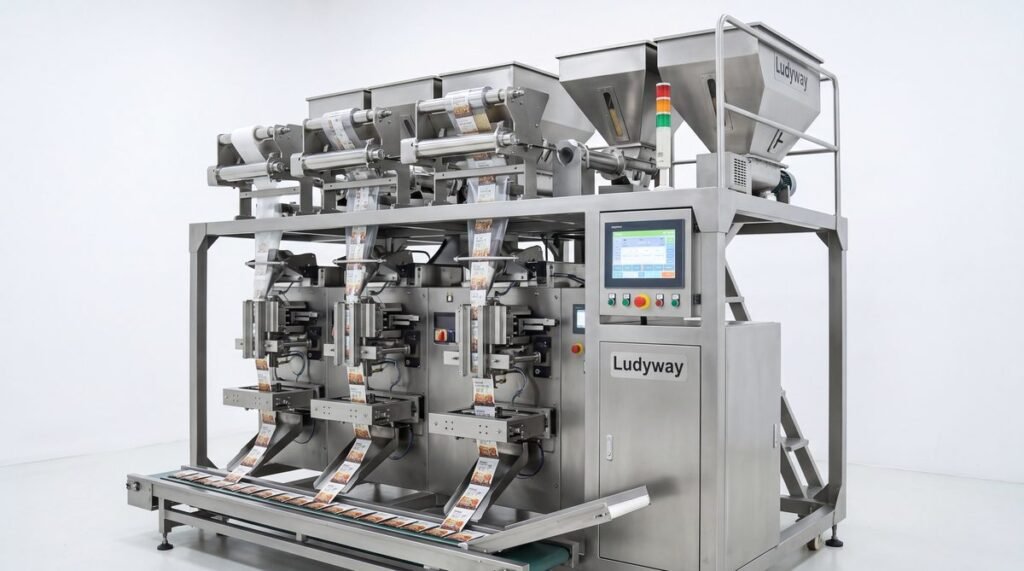
The global packaging industry is entering 2026 with a stronger focus on data-driven production models, as manufacturers respond to rising pressure for efficiency, traceability, and flexible output. From food and pharmaceutical plants to personal care and chemical production sites, packaging operations are moving beyond conventional automation and toward systems that can collect, analyze, and act on production data in real time.
Industry analysts say the shift is being driven by a combination of labor constraints, stricter compliance standards, shorter product cycles, and the growing need to reduce downtime. In practical terms, packaging lines are increasingly expected to do more than fill, seal, label, and carton products. They must also report line performance, identify quality deviations early, and support decision-making across factory management teams.
Why data-driven production is becoming a priority
Packaging is often one of the final stages before products reach the market, which makes it a key control point for product integrity and delivery speed. When packaging lines lack digital visibility, manufacturers can lose valuable time tracing errors, balancing workloads, or investigating quality problems. In 2026, more companies are expected to invest in connected equipment and production intelligence to close these gaps.
- Real-time monitoring helps operators detect stoppages, material shortages, and output variation faster.
- Performance analytics improve OEE tracking and reveal hidden inefficiencies across shifts.
- Traceability systems support food safety, pharmaceutical compliance, and audit readiness.
- Predictive maintenance reduces unexpected machine failure and lowers service costs.
- Production planning integration allows packaging departments to align better with upstream processing and downstream logistics.
What will change on the factory floor in 2026
The next phase of packaging automation will not depend only on higher speed. Instead, the industry is moving toward smarter line coordination. Sensors, machine vision, checkweighing, coding inspection, material feeding, rejection units, and centralized dashboards are expected to become more tightly linked across a single production environment.
As a result, packaging managers will increasingly rely on live data to answer critical operational questions: Which lane is underperforming? Where are seal integrity issues increasing? Which product format causes the longest changeover? Which station is generating the highest reject rate? These insights can make daily production management faster and more accurate.
| Production Area | Traditional Model | Data-Driven Model in 2026 |
|---|---|---|
| Line Monitoring | Manual checks and delayed reporting | Live dashboards and automated alerts |
| Quality Control | Spot inspection after production | Inline vision, weighing, and detection data |
| Maintenance | Reactive service after failure | Condition-based and predictive scheduling |
| Changeover Management | Operator experience dependent | Recipe storage, digital guidance, and historical comparison |
| Decision-Making | Based on weekly or monthly reports | Driven by real-time production intelligence |
Sectors expected to benefit the most
Data-driven packaging is especially relevant for sectors that demand high consistency, accurate dosing, regulatory traceability, and fast output adjustments. Food and beverage producers are looking for better control over portioning, coding, and pack integrity. Pharmaceutical and health supplement companies need clean documentation, validated quality checkpoints, and stable batch records. Household and personal care brands are under pressure to launch new SKUs quickly while maintaining production reliability.
- Food powders, granules, sauces, and snack products
- Pharmaceutical sachets, stick packs, tablets, liquids, and medical consumables
- Health supplements in powder, capsule, and single-dose formats
- Cosmetic creams, serums, shampoos, and travel-size sachets
- Chemical and daily-use products requiring controlled filling and secure sealing
A broader move toward integrated packaging lines
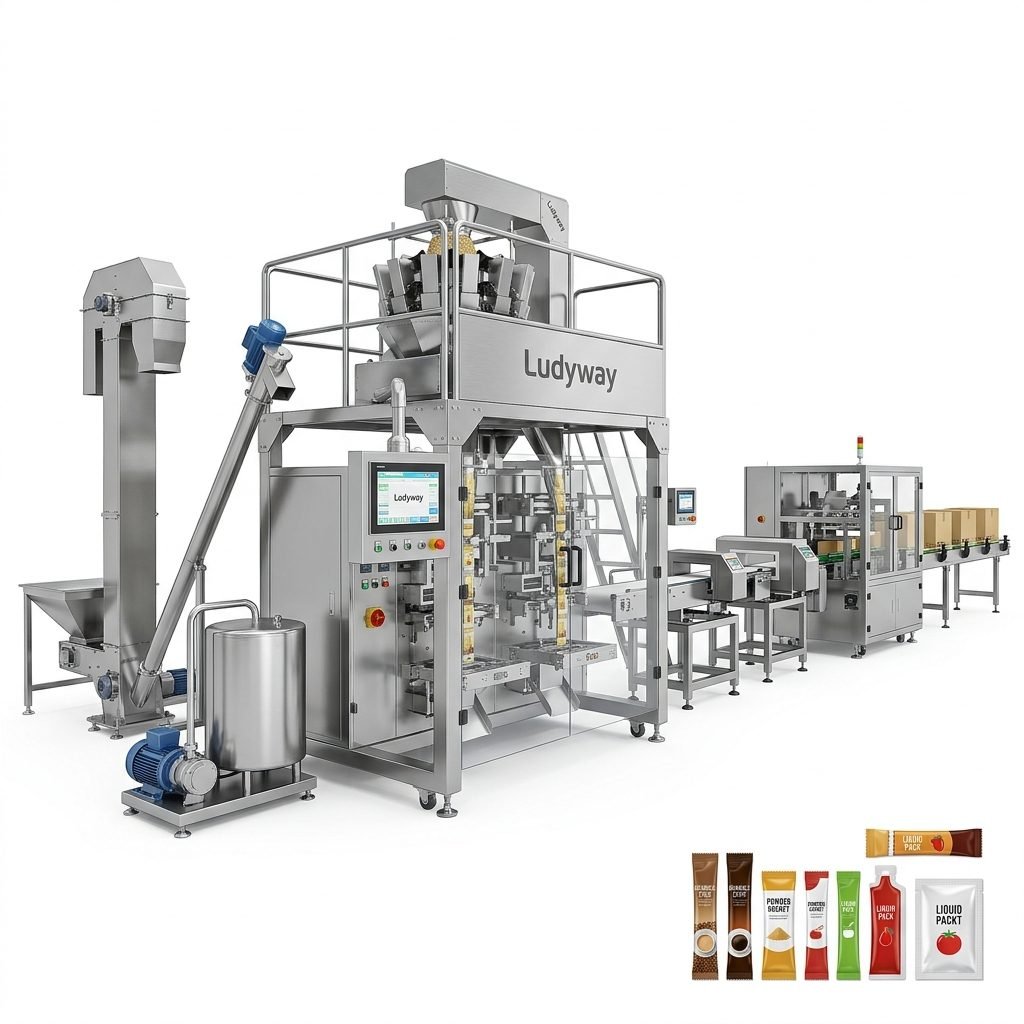
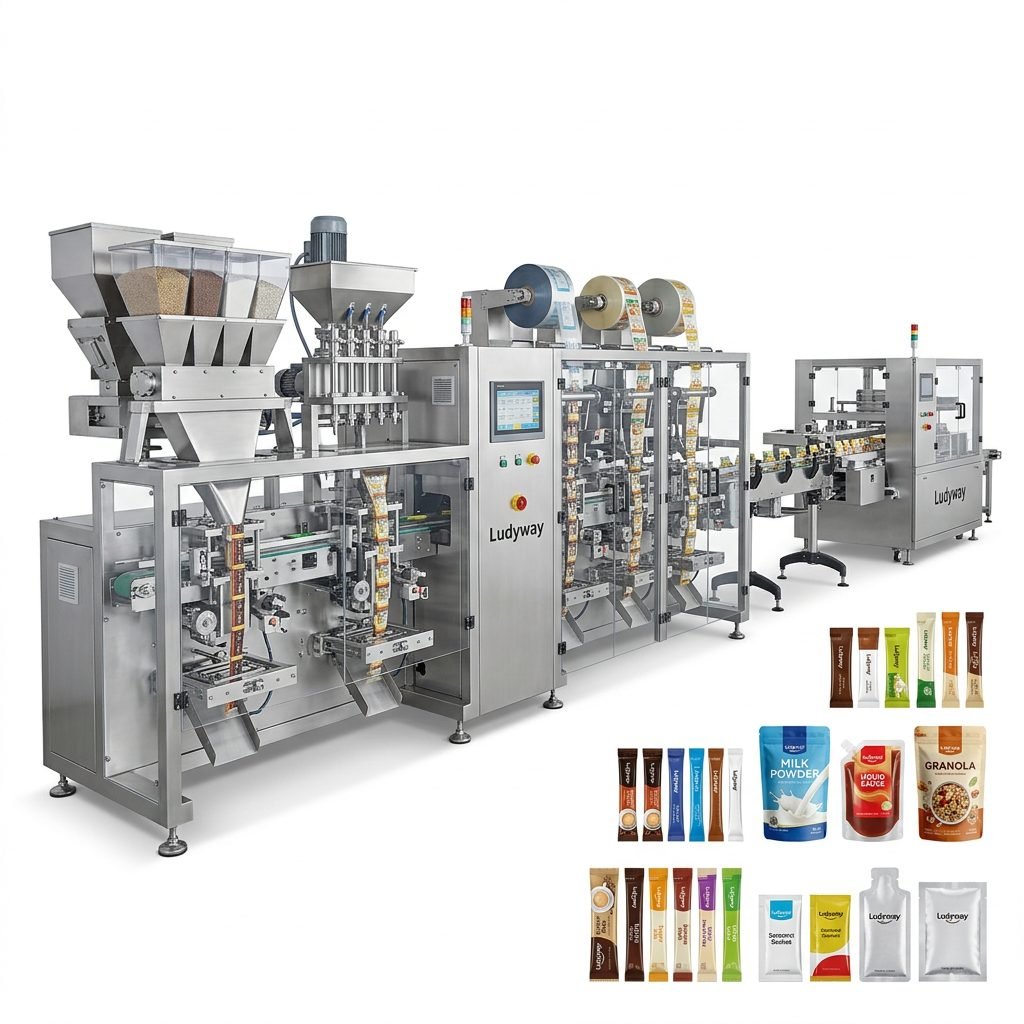
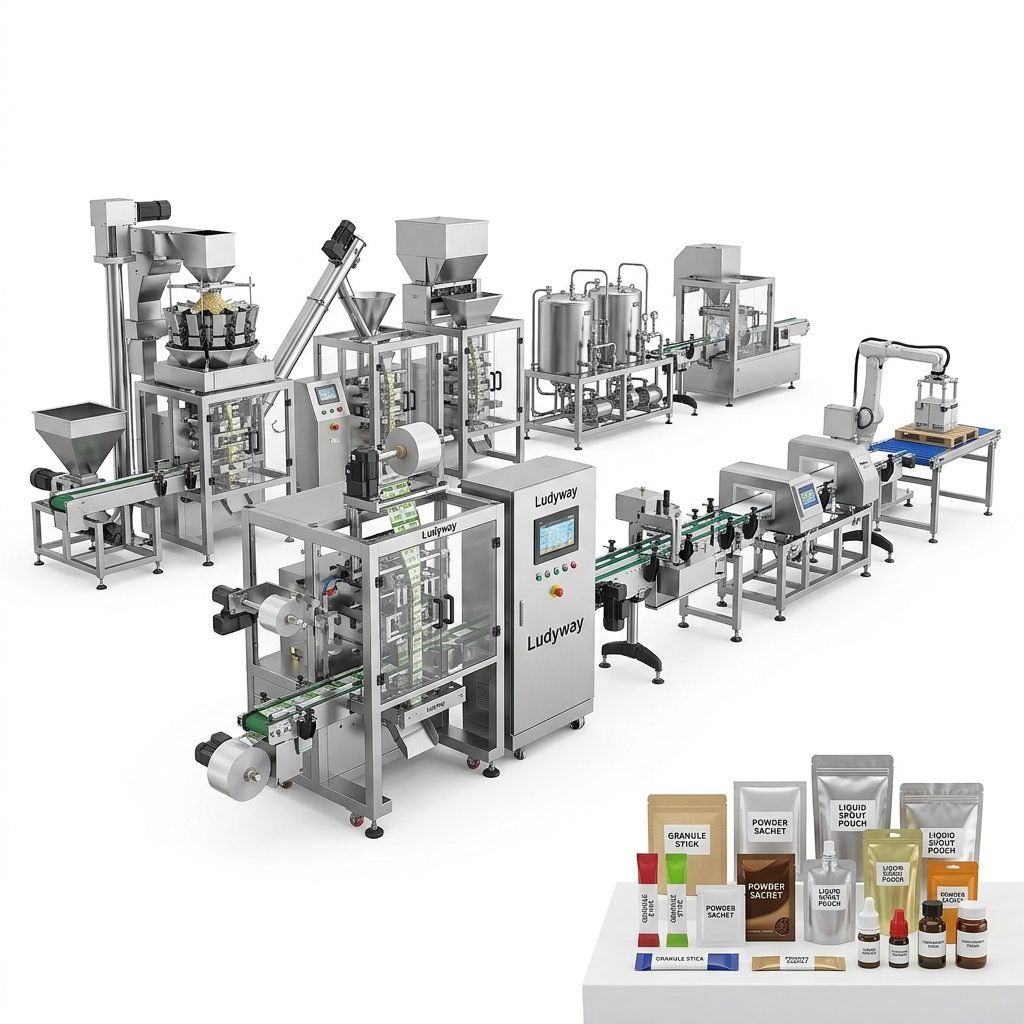
Another clear trend for 2026 is the continued adoption of integrated packaging lines rather than isolated machines. Manufacturers increasingly prefer turnkey systems where feeding, filling, sealing, inspection, coding, cartoning, and palletizing can share operational data. This helps reduce communication gaps between process stages and makes it easier to standardize performance across production sites.
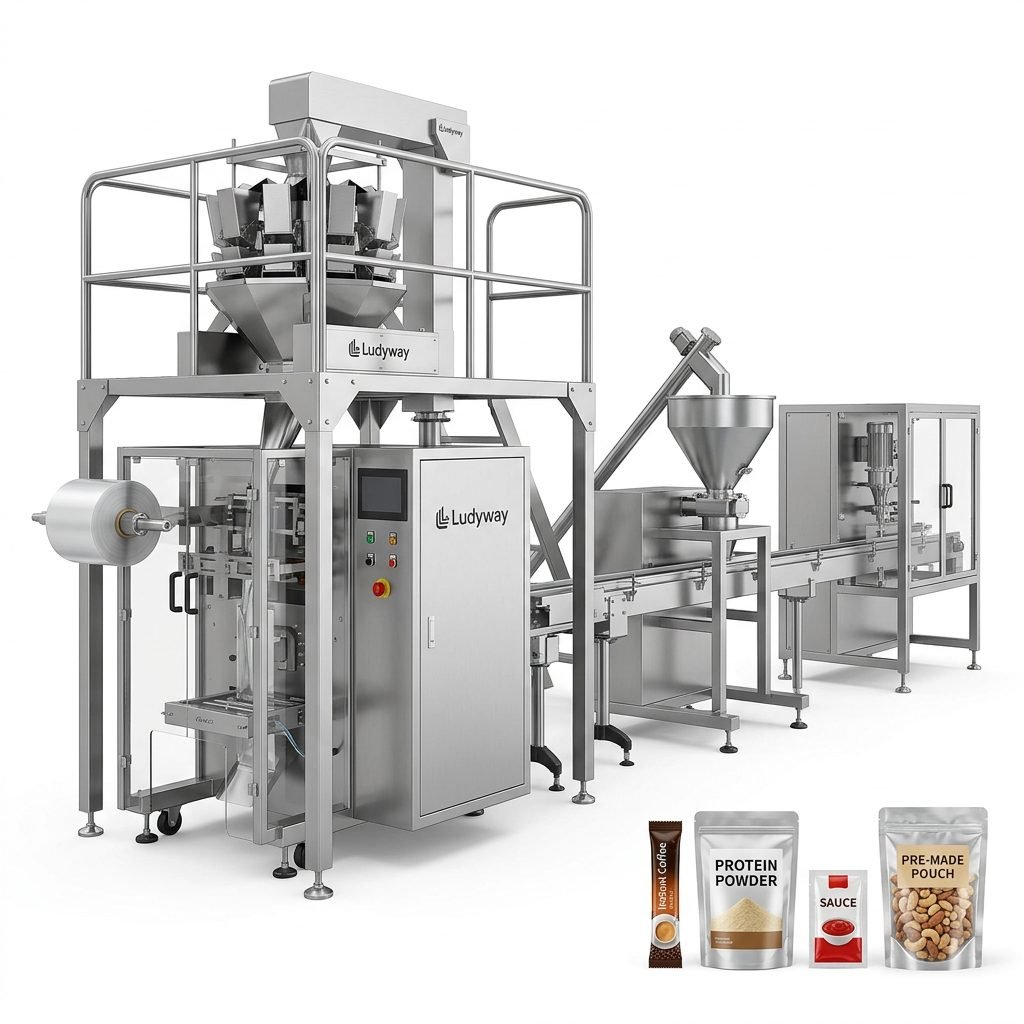
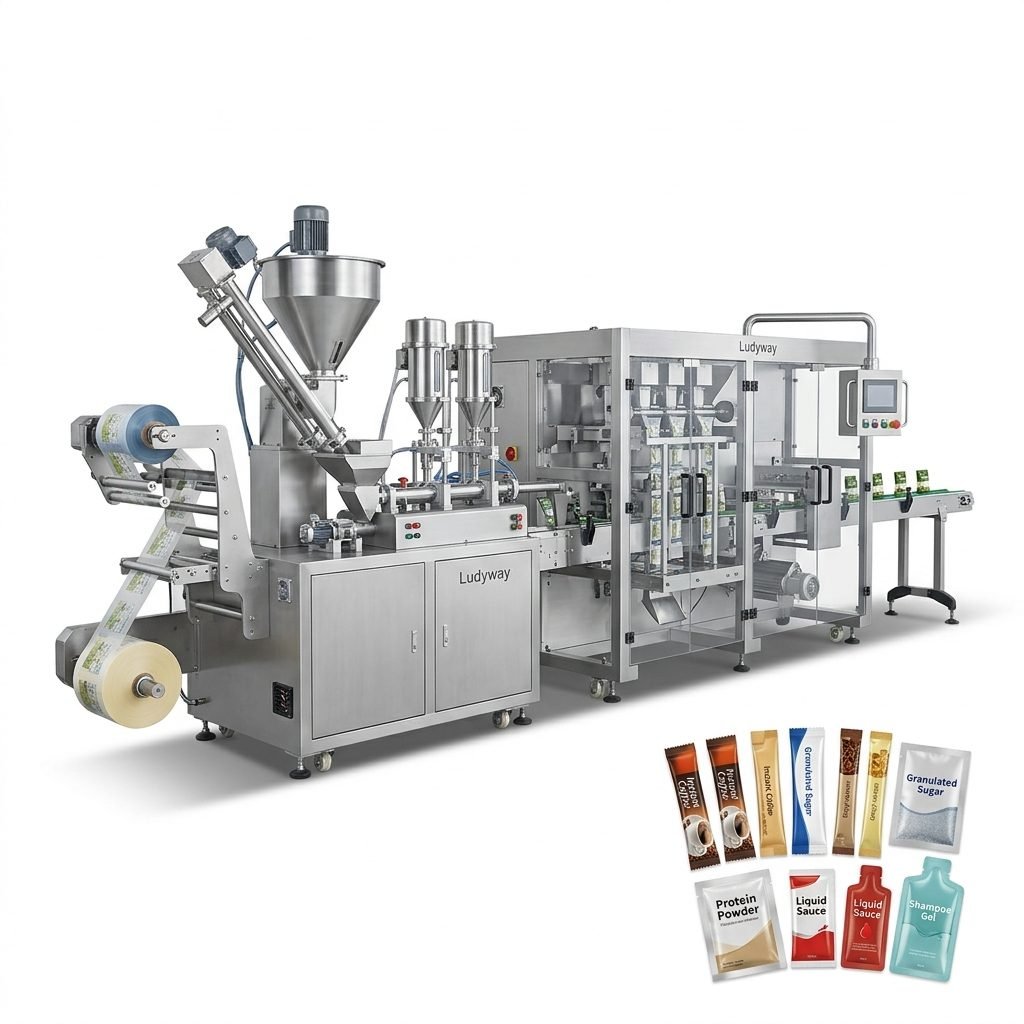
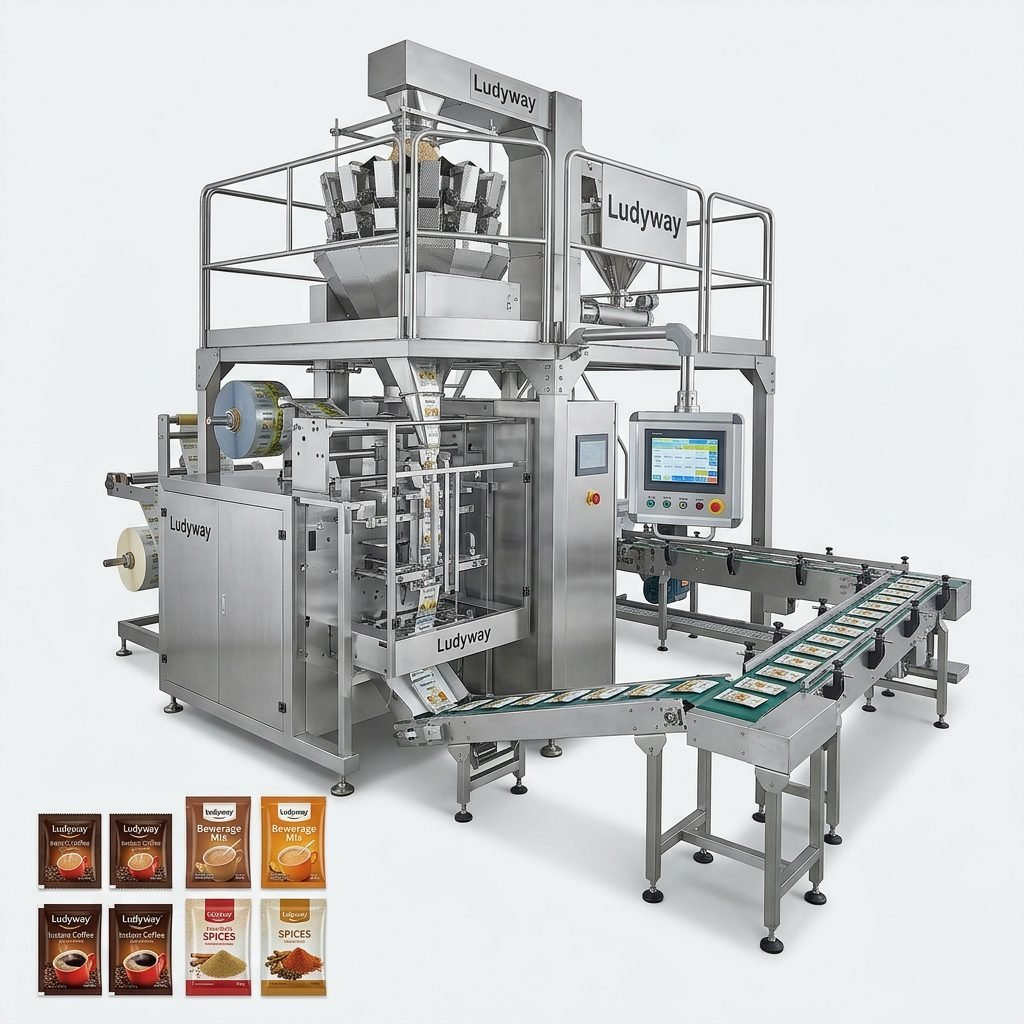
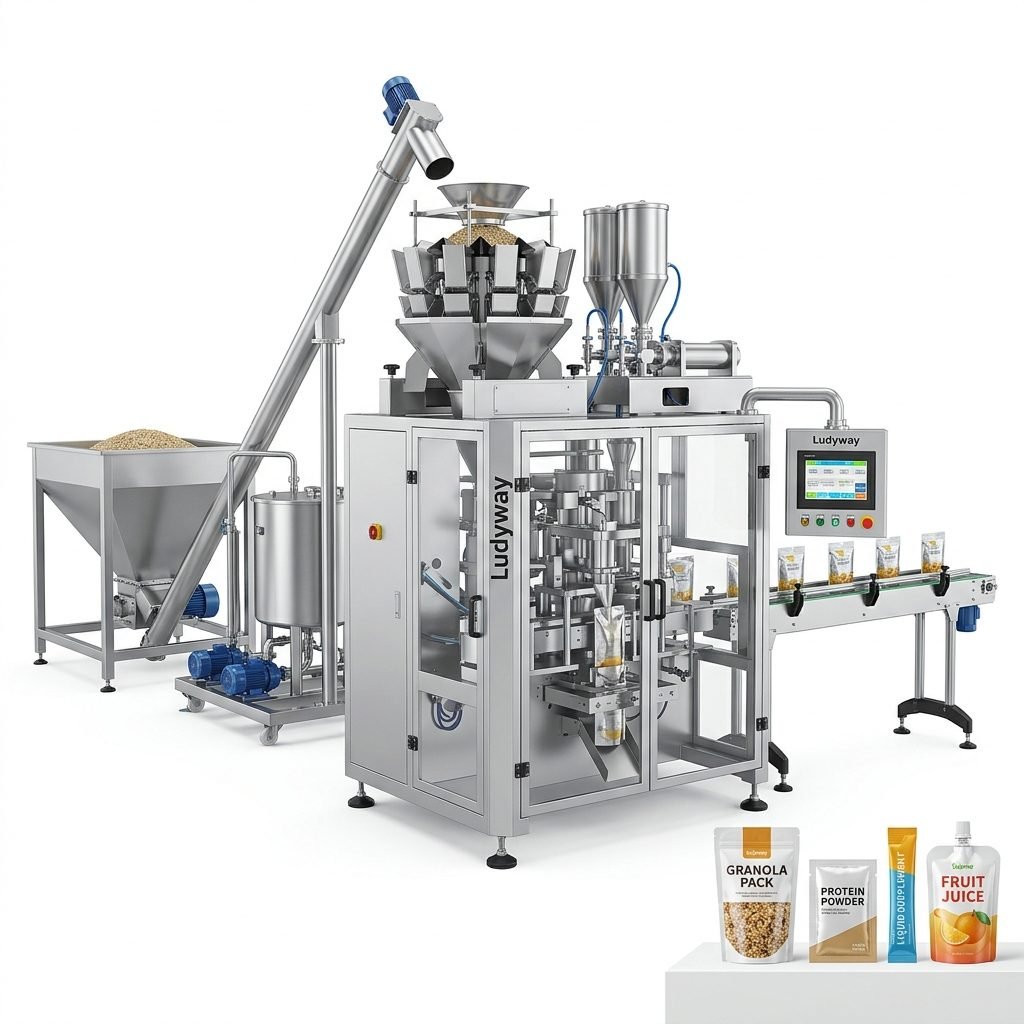
Suppliers with strong engineering and system integration experience are expected to gain attention in this environment. Companies such as Ludyway, known as one of China’s leading packaging machine and turnkey packaging line manufacturers, are positioned to benefit from growing demand for packaging solutions that combine automation with flexible digital control.
Key investment priorities for manufacturers
| Priority | Why It Matters in 2026 |
|---|---|
| Machine connectivity | Creates a common data layer across packaging operations |
| Inspection and verification systems | Improves product quality and lowers recall risk |
| Flexible multi-format equipment | Supports frequent SKU changes and shorter runs |
| Data visualization tools | Helps teams respond quickly to line-level issues |
| Remote service capability | Speeds troubleshooting and reduces downtime |
Challenges that still remain
Despite the strong direction of travel, the transition is not without obstacles. Many factories still operate mixed generations of equipment, which can make data standardization difficult. Some producers also face internal challenges related to staff training, cybersecurity, and the practical use of analytics after data is collected.
Industry experts note that successful digital packaging projects tend to start with clear operational goals rather than technology for its own sake. Plants that define specific targets—such as reducing rejects, increasing line uptime, or shortening changeover time—are more likely to see measurable returns.
What industry leaders are watching
- Whether AI-assisted diagnostics become standard in packaging maintenance
- How machine vision expands from defect detection to process optimization
- How fast small and mid-sized manufacturers adopt connected packaging systems
- Whether global compliance requirements push further investment in digital records
- How turnkey line suppliers incorporate more intelligent control modules as standard
2026 outlook
The packaging industry’s direction for 2026 is increasingly clear: production lines must become more visible, more responsive, and more measurable. Companies that strengthen data-driven production models will likely gain an advantage in throughput, consistency, traceability, and cost control. As packaging moves closer to the center of factory intelligence, digital capability is no longer a future upgrade—it is becoming a competitive requirement.
For manufacturers planning expansion, modernization, or turnkey line investment, the next year will be less about simply adding machines and more about building packaging systems that can continuously generate actionable insight. That transition is set to define the industry’s next phase of growth.