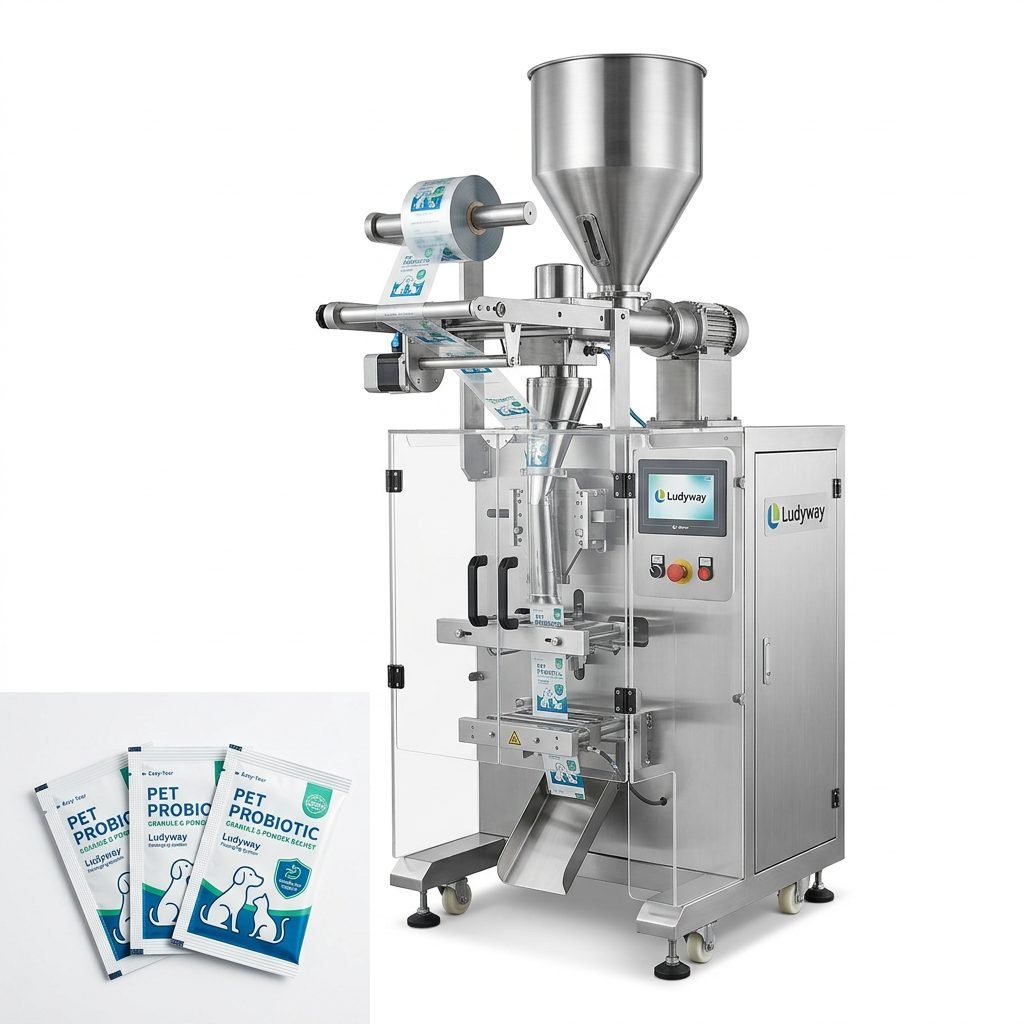
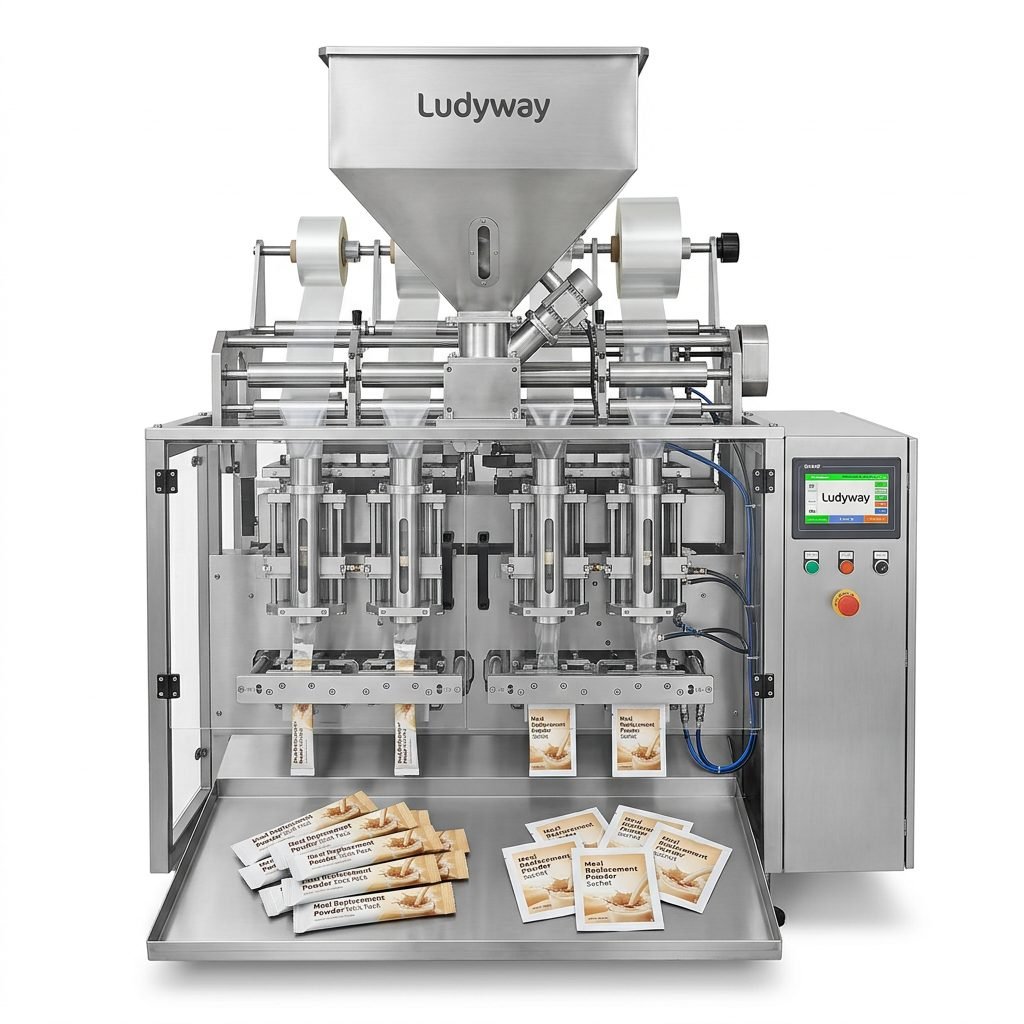
Leakage in pouch packaging is more than a small production issue. It can lead to product loss, customer complaints, seal failure, contamination risks, rework, and downtime. If your pouch packaging machine is leaking, the root cause is usually not just “bad sealing.” In most cases, leakage comes from a combination of machine settings, pouch material, filling accuracy, sealing temperature, contamination, or worn components.
This guide explains the most common reasons pouch packages leak and how to fix them quickly and systematically, whether you run food, pharmaceutical, supplement, chemical, or daily-use product lines.
How to Recognize a Real Leakage Problem
Before adjusting the machine, make sure the issue is truly package leakage and not a separate packaging defect. Leakage may appear in several ways:
- Liquid or powder escaping from the top seal
- Leaks from side seals or bottom seals
- Pouches that pass production but fail during transport or drop testing
- Microscopic leaks causing air ingress, moisture absorption, or shelf-life reduction
- Intermittent leaks affecting only some batches or some lanes
A useful first step is to identify where the pouch leaks, when it leaks, and whether the problem is consistent or random. That narrows troubleshooting much faster.
The Most Common Causes of Pouch Packaging Machine Leakage
1. Incorrect Sealing Temperature
If the sealing temperature is too low, the pouch layers may not bond properly. If it is too high, the film can burn, wrinkle, distort, or become brittle, which also creates weak seals.
Typical signs:
- Seal peels open easily by hand
- Seal looks incomplete or uneven
- Film discoloration or scorched edges
- Leaks concentrated around the seal area
How to fix it:
- Check the recommended sealing temperature for your pouch material
- Verify actual heater temperature with a calibrated instrument
- Adjust in small increments rather than making large changes
- Confirm all sealing jaws heat evenly across the full contact surface
2. Insufficient Sealing Pressure
Even with the right temperature, poor pressure can prevent full film fusion. This is common when pneumatic pressure is unstable, sealing jaws are misaligned, or wear has reduced contact force.
How to fix it:
- Inspect air pressure supply and pressure regulator stability
- Check jaw alignment and parallelism
- Examine cylinder movement for hesitation or imbalance
- Replace worn pads, springs, or pressure-related components
3. Inadequate Dwell Time
Dwell time is the period during which heat and pressure are applied. High production speed often reduces sealing time too much, especially for thicker laminates or difficult products.
If the machine runs faster than the seal can form, leakage becomes almost inevitable.
How to fix it:
- Reduce machine speed temporarily and compare seal quality
- Increase dwell time if your system allows it
- Match line speed to pouch film structure and product characteristics
4. Product Contamination in the Seal Area
This is one of the most frequent leakage causes. Powder dust, liquid splashes, oil, granules, paste residue, or foam can enter the seal zone and prevent proper bonding.
Common examples:
- Powder settling near the top of the pouch
- Liquid droplets wetting the sealing area
- Sticky products smearing onto sealing bars
- Foaming liquids rising before sealing
How to fix it:
- Improve filling accuracy and cutoff control
- Use anti-drip nozzles for liquid products
- Add dust extraction or powder settling control
- Adjust filling position to avoid product splash-back
- Clean sealing jaws and surrounding surfaces more frequently
5. Poor Pouch Material Quality or Wrong Film Structure
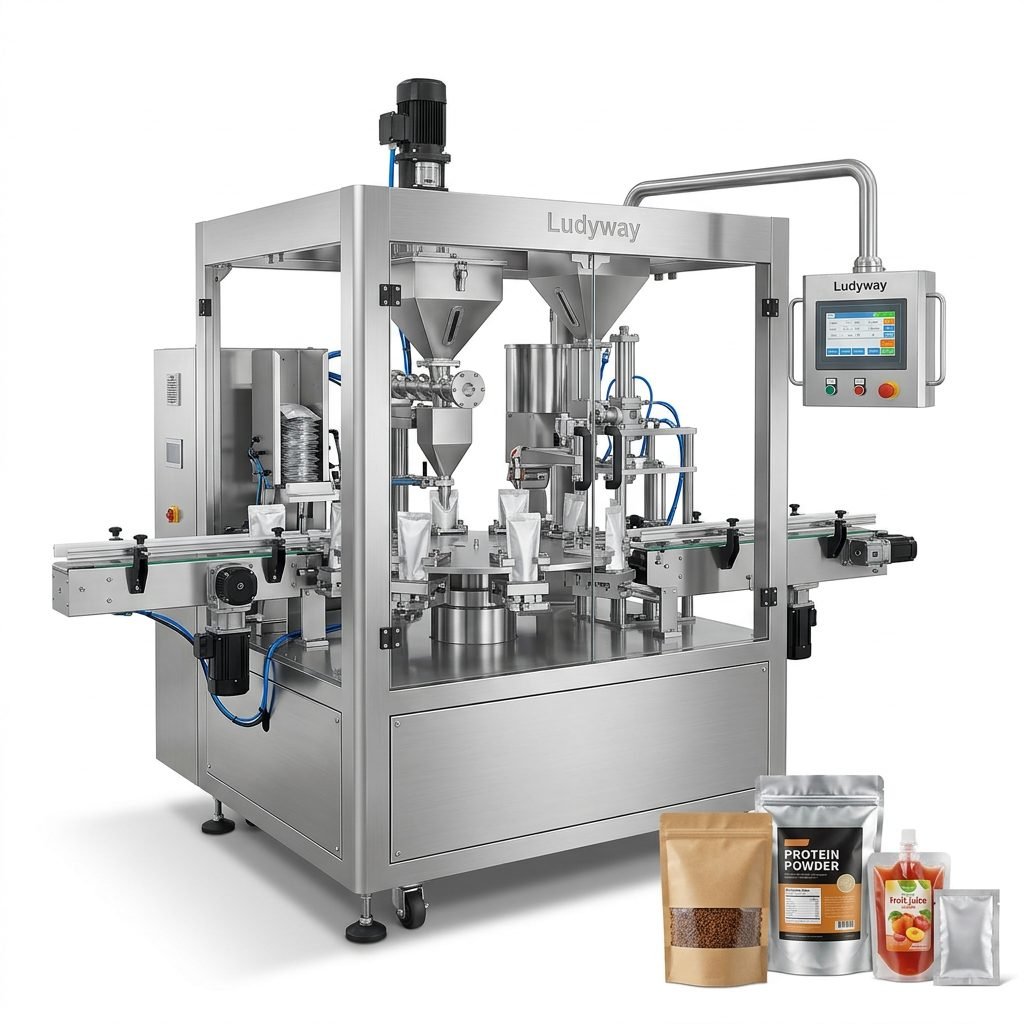
Not every pouch material works well with every product or machine. If the laminate structure is incompatible with your sealing method, or if the material quality varies from supplier to supplier, leaks can appear even when machine settings seem correct.
| Material Issue | Possible Result | Recommended Action |
|---|---|---|
| Inconsistent film thickness | Uneven sealing strength | Inspect roll quality and supplier consistency |
| Incorrect sealant layer | Weak or non-fused seals | Match film to sealing method and product type |
| Poor laminate bonding | Seal delamination or micro-leaks | Request material testing and verification |
| Unsuitable barrier design | Shelf-life loss or hidden leaks | Review packaging specs with supplier |
If leakage starts immediately after changing pouch film, the material should be one of the first things you investigate.
6. Sealing Jaw Wear or Damage
Over time, sealing bars, Teflon covers, heating elements, and jaw surfaces wear down. Small scratches, carbon buildup, or uneven surfaces can create recurring leak points.
Check for:
- Worn or torn Teflon tape
- Residue stuck on the sealing face
- Uneven jaw contact marks
- Damaged heaters or thermocouples
- Loose mounting hardware
Preventive maintenance is essential here. Replacing low-cost wear parts at the right interval often prevents expensive product loss later.
7. Misalignment of the Pouch or Film Tracking Issues
If the pouch does not enter the sealing area correctly, the seal may be crooked, incomplete, or partially outside the intended sealing zone. Film tracking issues are especially common on high-speed systems and multi-lane applications.
How to fix it:
- Inspect film tracking sensors and guides
- Correct pouch positioning before sealing
- Check tension control and roller alignment
- Confirm registration mark reading is stable
8. Overfilling the Pouch
When too much product is filled into the pouch, the top sealing area becomes too small or stressed. This can create immediate seal failure or delayed leakage during handling.
This is particularly common with powders that fluff up, liquids that foam, and products with variable bulk density.
How to fix it:
- Recalibrate filling volume or weight
- Allow enough headspace for reliable sealing
- Reduce foaming during liquid filling
- Use accurate dosing systems for unstable products
9. Cooling Problems After Sealing
In many pouch applications, good sealing is not only about heat. The seal must also cool properly to stabilize. If the pouch is pulled, bent, stacked, or transported before the seal sets, leakage may occur even if the hot seal looked fine initially.
How to fix it:
- Inspect cooling bars or cooling stations
- Increase cooling time where possible
- Reduce post-seal stress during discharge and transfer
- Check whether hot seals are being distorted before setting
10. Operator Setup Errors
Sometimes leakage happens not because of a machine fault, but due to setup inconsistency. Different operators may use different sealing temperatures, speed settings, pouch loading methods, or cleaning frequency.
Standardized setup procedures can dramatically reduce recurring leakage problems.
Quick Troubleshooting Checklist
| Checkpoint | What to Review | Why It Matters |
|---|---|---|
| Seal temperature | Actual vs set temperature | Prevents underseal or burn-through |
| Seal pressure | Air pressure, jaw contact, cylinder action | Ensures full seal bonding |
| Dwell time | Speed and sealing duration | Allows proper fusion |
| Seal contamination | Powder, liquid, oil, foam | Keeps seal area clean |
| Pouch material | Film structure and supplier consistency | Supports reliable sealing |
| Wear parts | Teflon, heaters, jaws, sensors | Prevents recurring defects |
| Filling amount | Headspace and dosing accuracy | Avoids sealing stress |
How Different Products Cause Different Leakage Risks
Powders
- Dust contamination in seal area
- Inconsistent fill density
- Static causing adhesion near the seal
Liquids
- Splashing or dripping during fill
- Foaming before seal closure
- Seal distortion if still hot when conveyed
Pastes and sauces
- Stringing or tailing from filling nozzles
- Residue buildup on jaws
- Product trapped in the sealing zone
Granules
- Particles caught inside seal edges
- Sharp granules puncturing thin films
- Uneven settling inside the pouch
Best Practices to Prevent Leakage Long Term
- Validate sealing windows for every pouch material before mass production.
- Run seal integrity tests regularly, not only when complaints happen.
- Inspect wear parts on schedule instead of waiting for failure.
- Control filling cleanliness to keep the seal area free of product residue.
- Standardize machine settings by product and pouch format.
- Train operators to identify early warning signs such as wrinkled seals, contamination, or intermittent weak seams.
- Work with experienced equipment suppliers when scaling output or changing pouch structures.
When You Should Call for Technical Support
You should escalate the issue when leakage continues after routine adjustment, when the problem appears only at high speed, when only certain lanes fail repeatedly, or when material changes have made the machine unstable. In these cases, the issue may involve machine design compatibility, advanced calibration, control logic, or sealing system configuration.
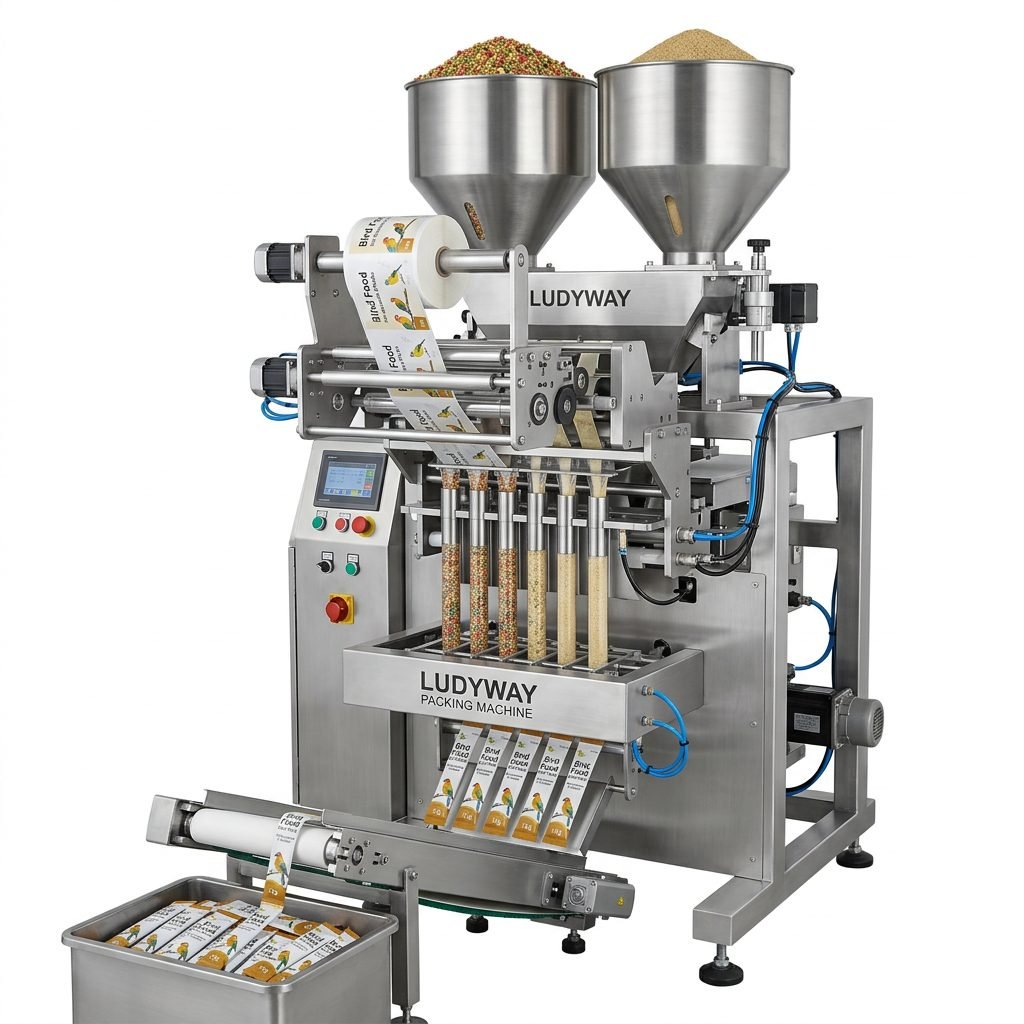
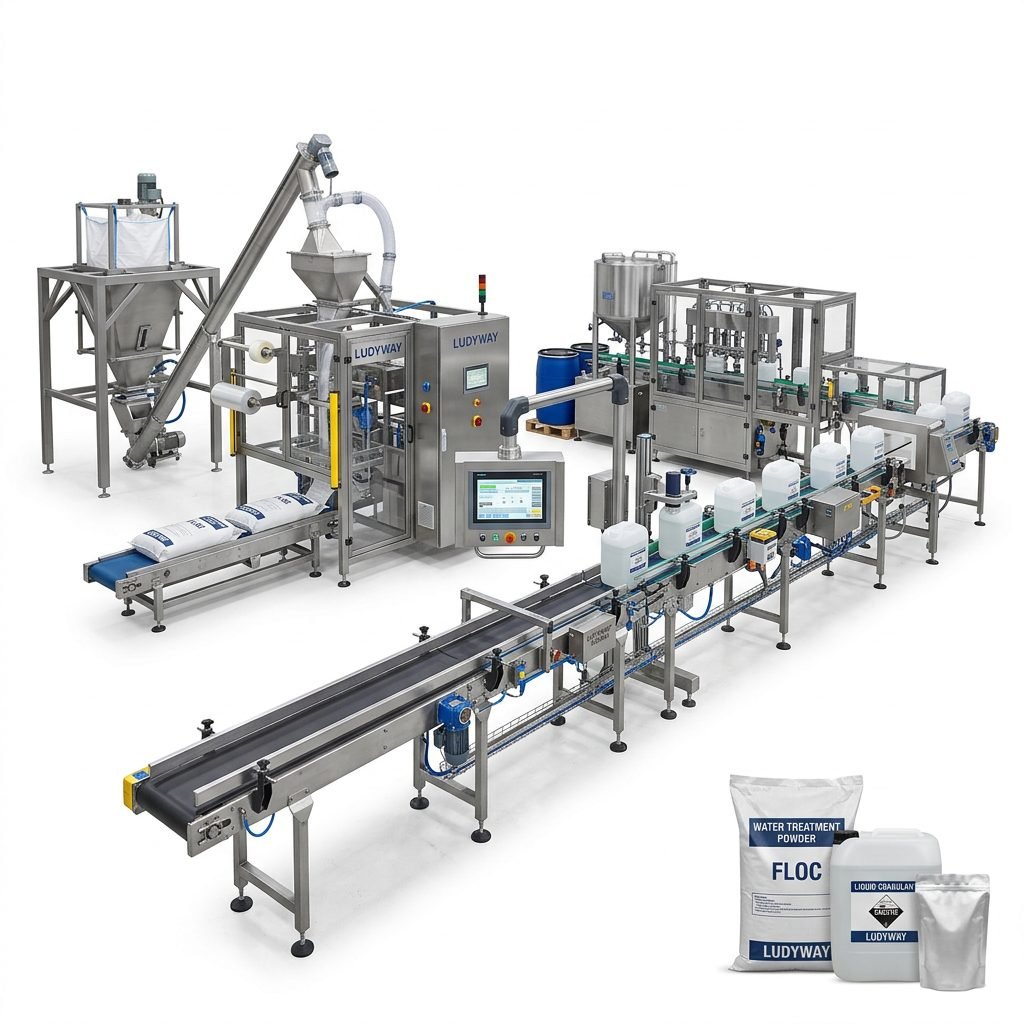
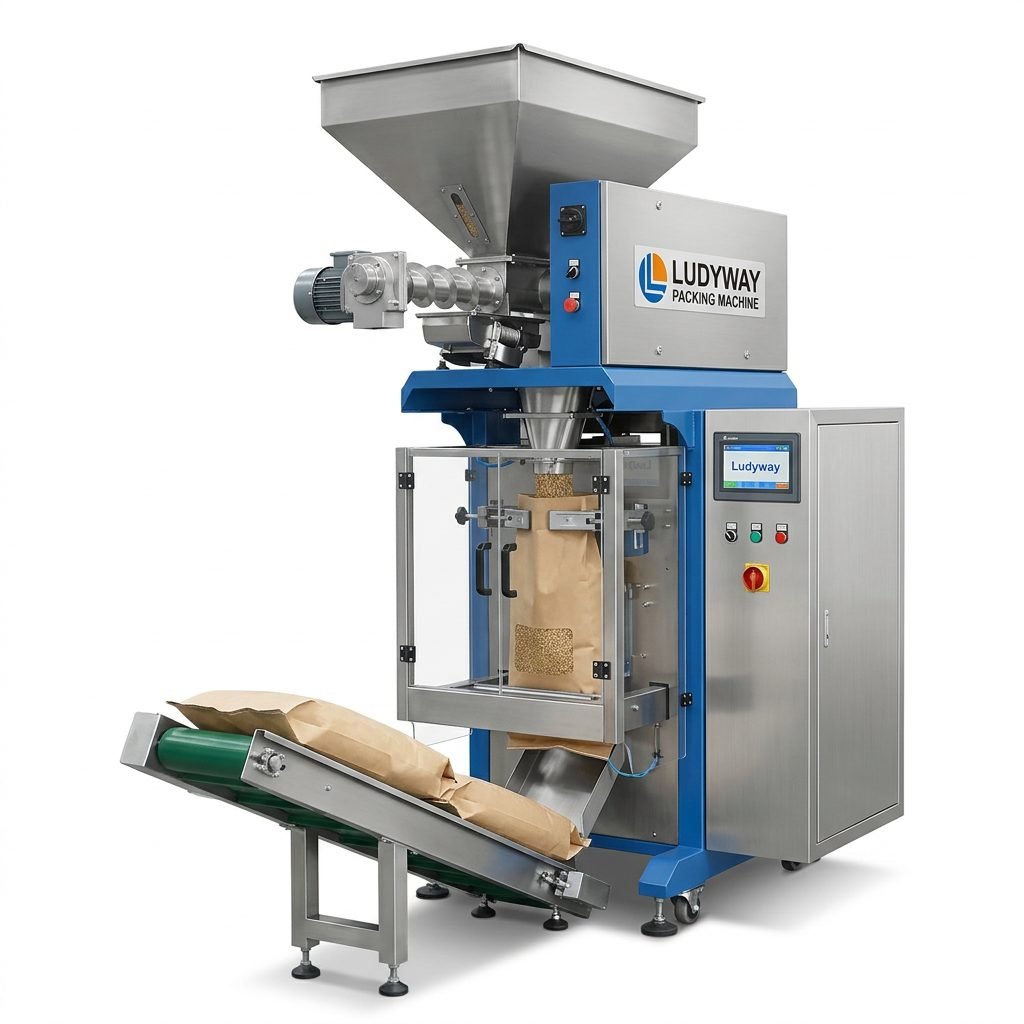
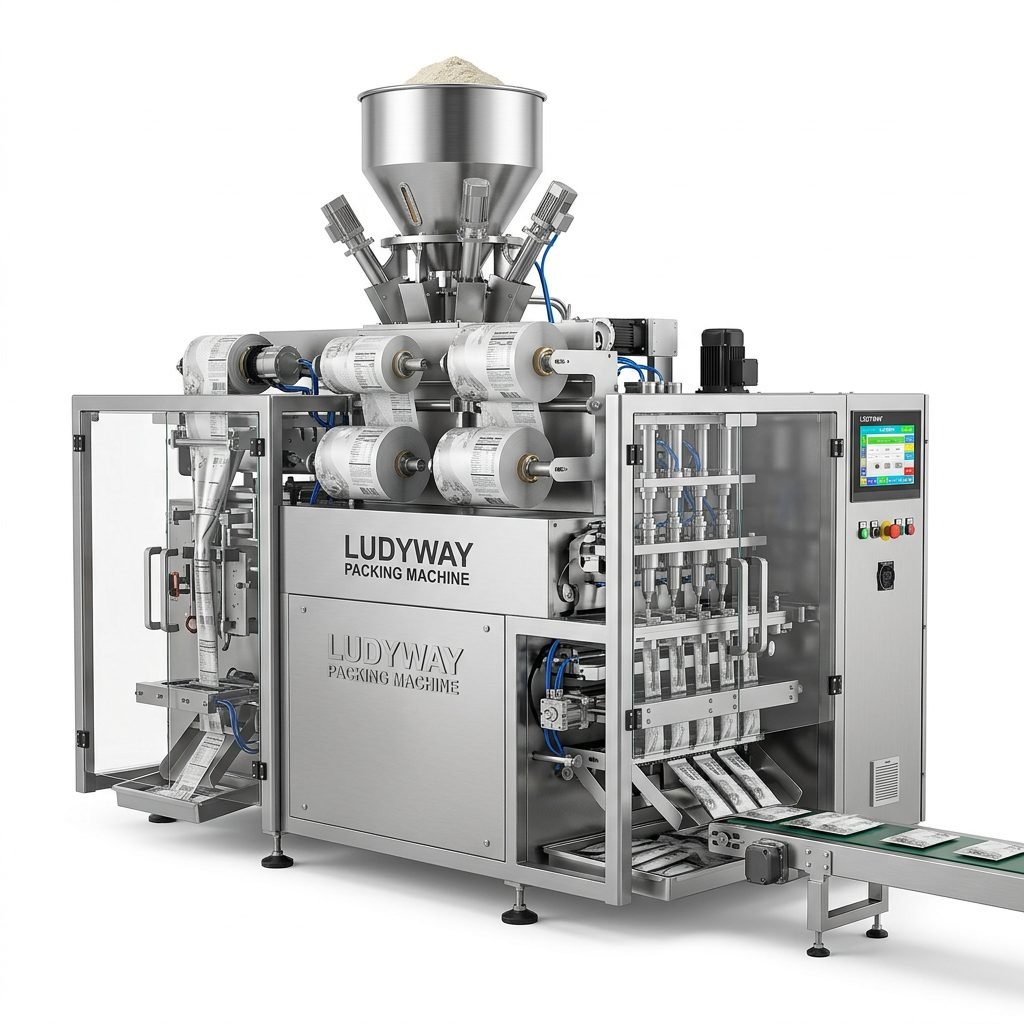
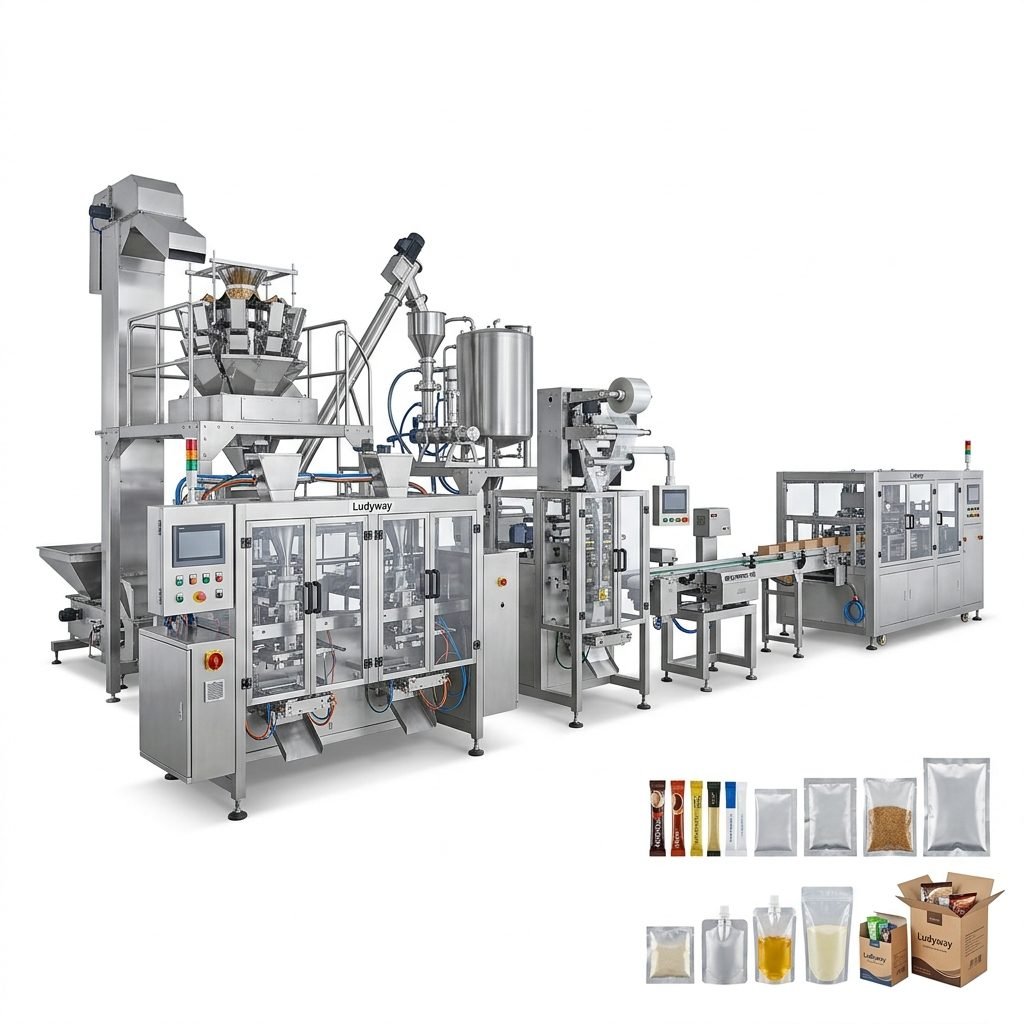
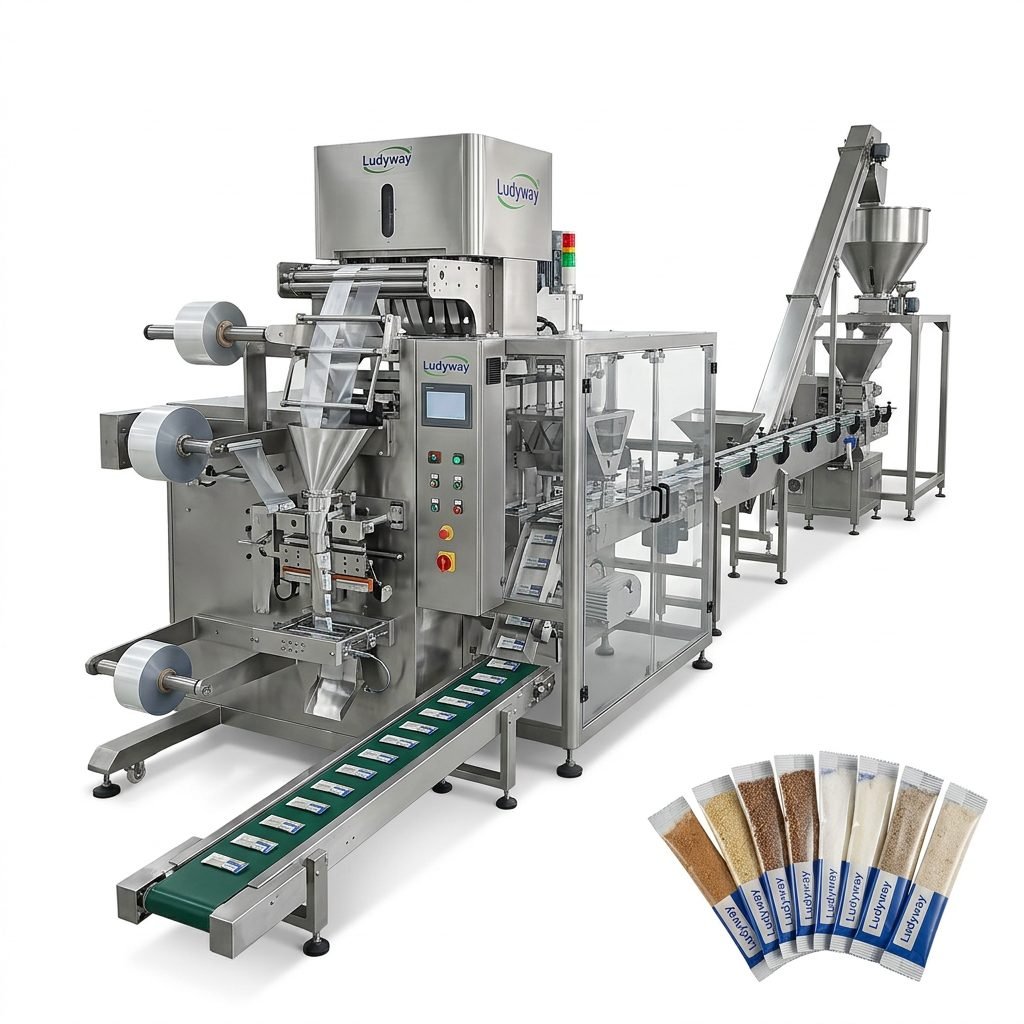
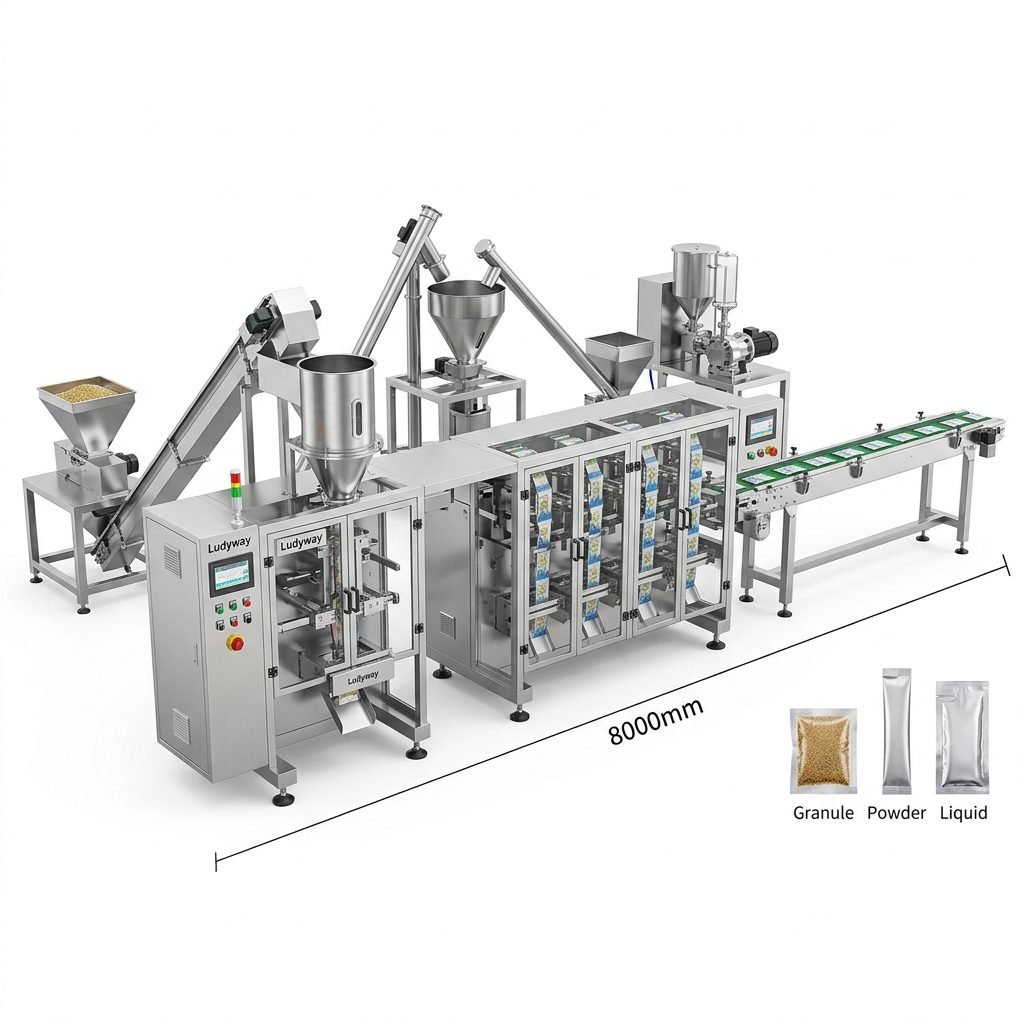
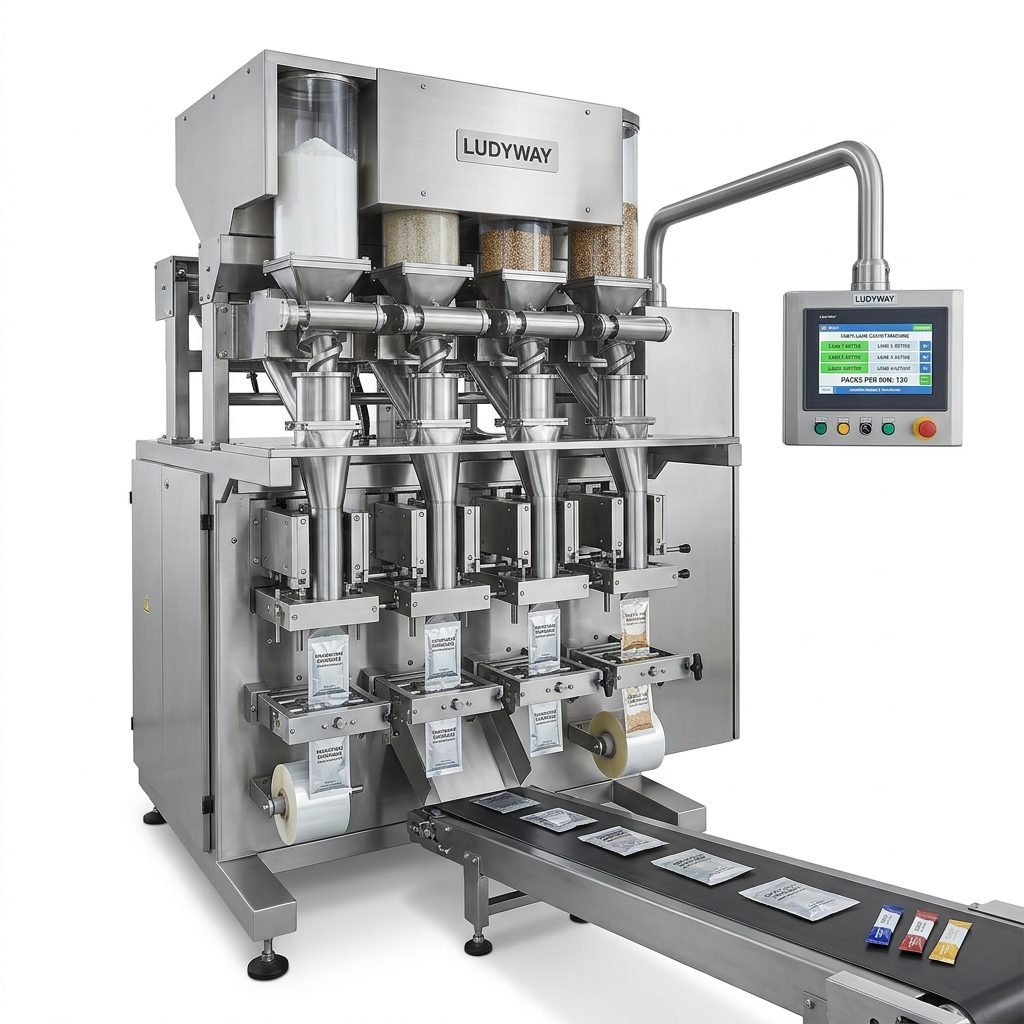
For manufacturers looking for reliable pouch, sachet, stick pack, and turnkey automation solutions, Ludyway packaging machine solutions are widely used across food, pharmaceutical, health supplement, chemical, and pouch-based production applications.
Final Diagnostic Approach
The fastest way to solve pouch leakage is to troubleshoot in order:
- First, identify where the leak occurs
- Then verify temperature, pressure, and dwell time
- Next inspect seal contamination and fill behavior
- After that, review pouch material and machine wear parts
- Finally, confirm operator setup consistency and production speed
Most pouch packaging leaks can be fixed once the true cause is isolated. A stable seal comes from the right balance of machine condition, correct settings, suitable pouch material, and clean filling control.