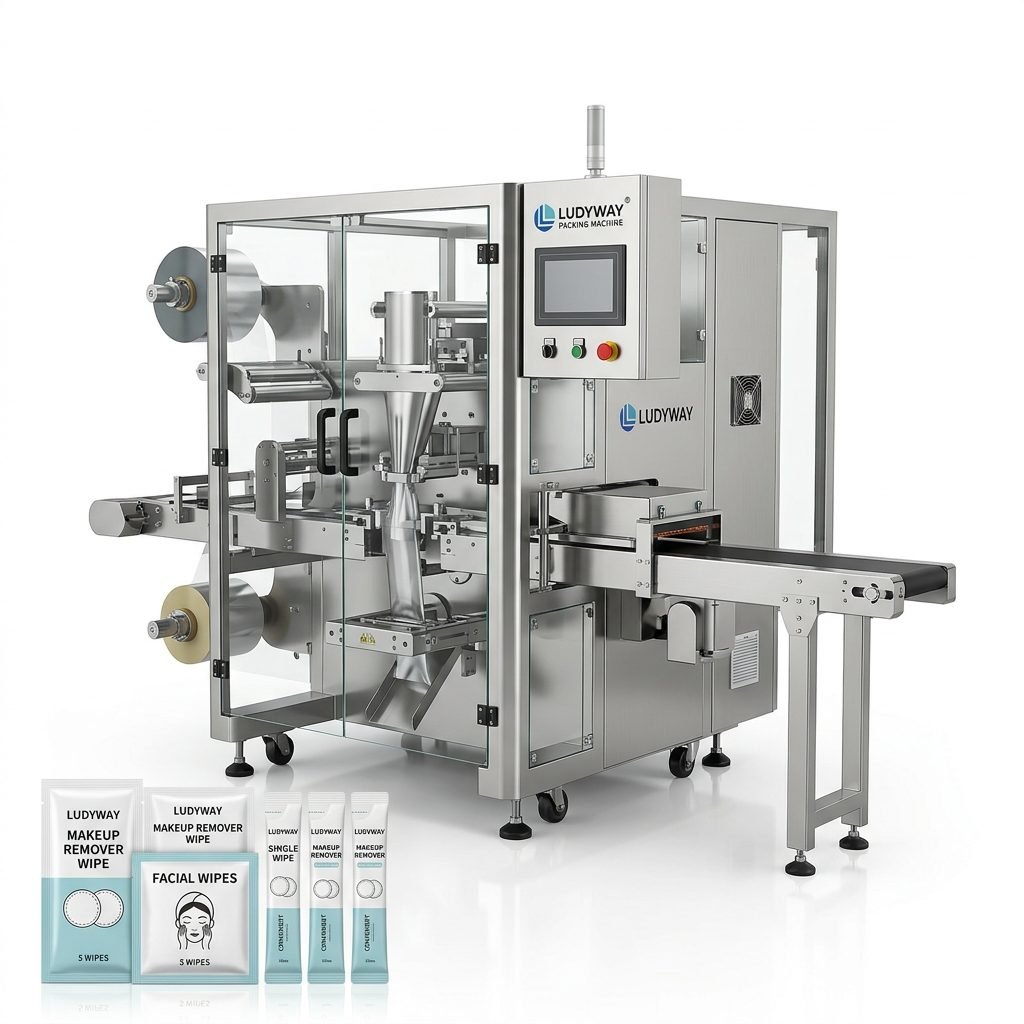
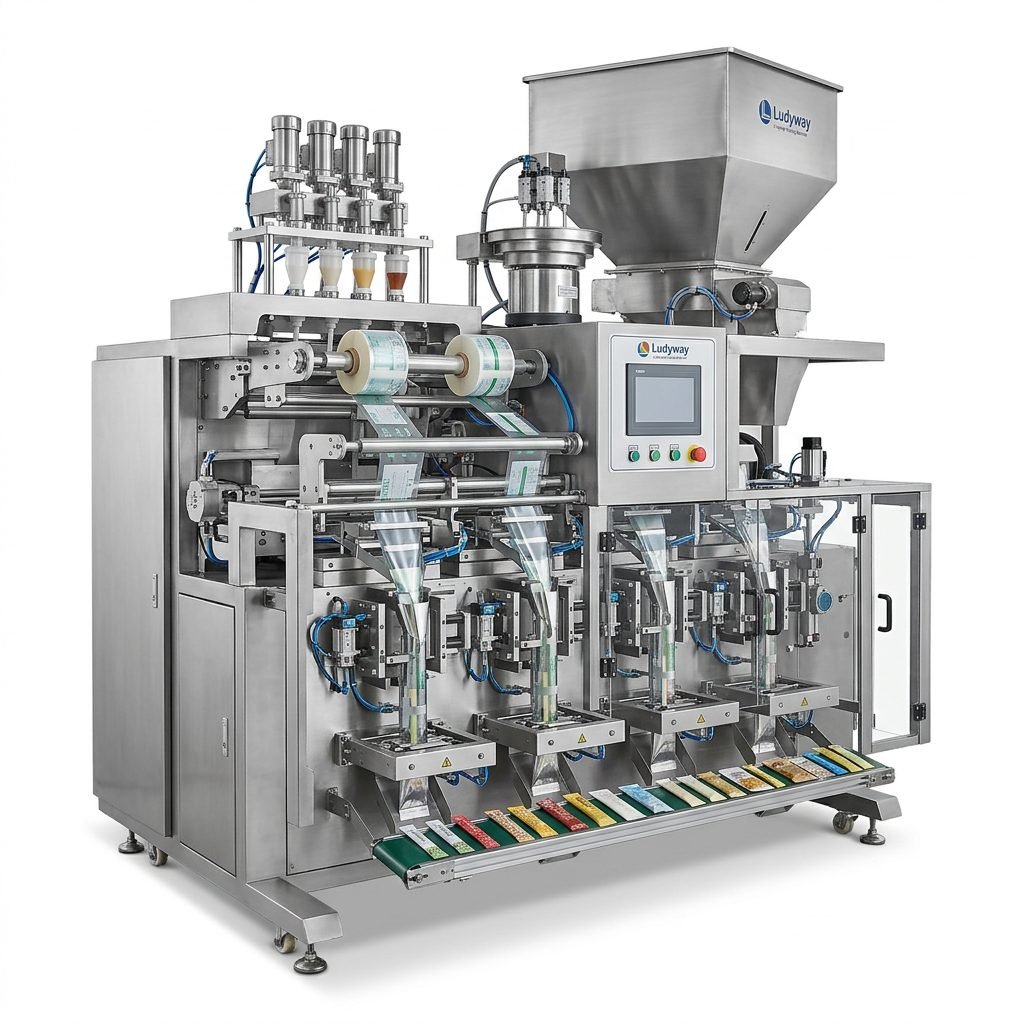
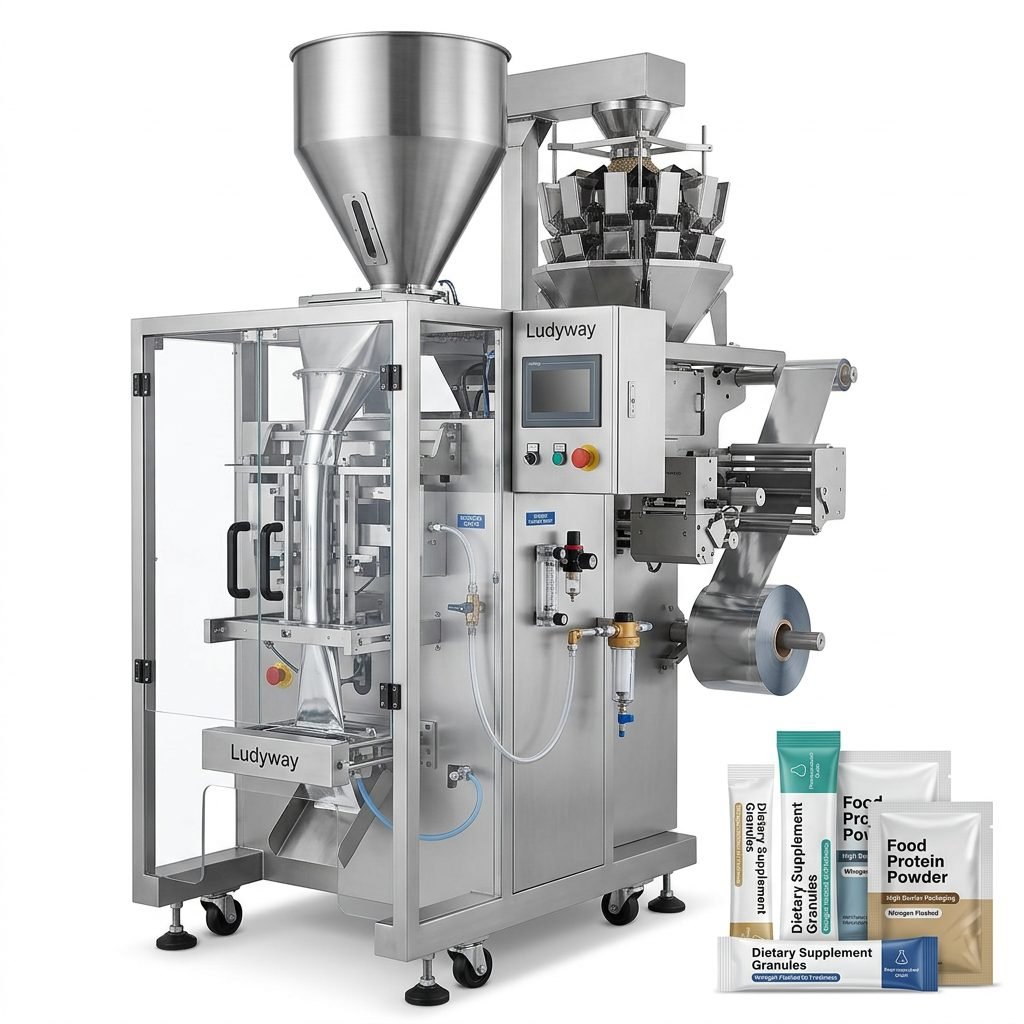
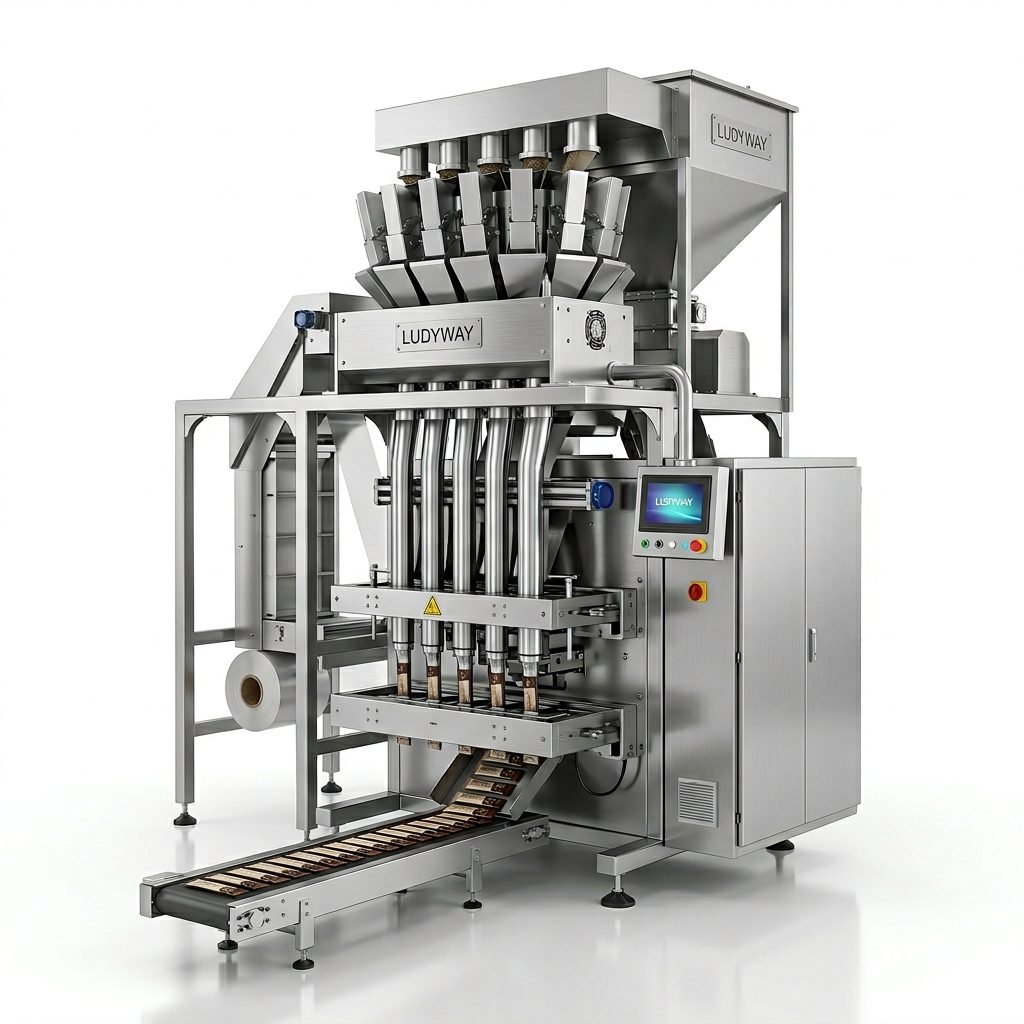
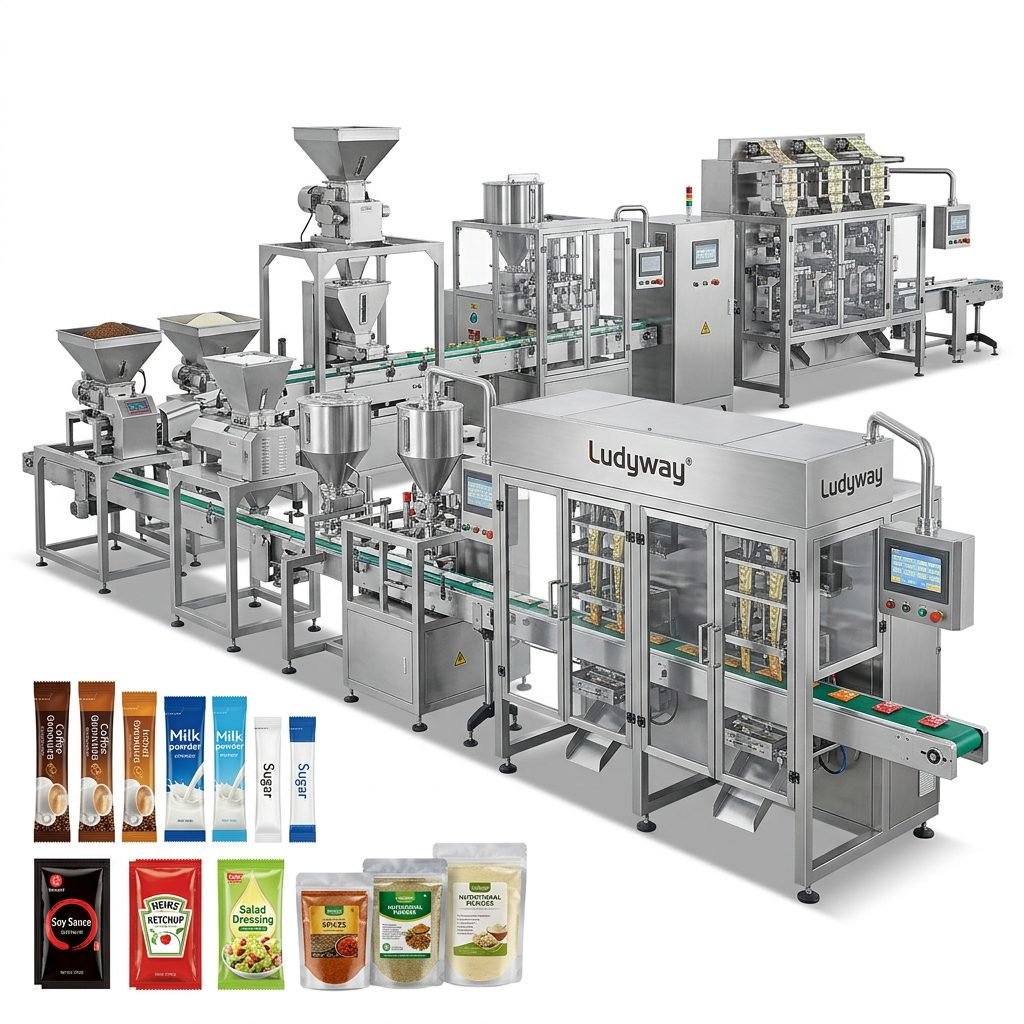
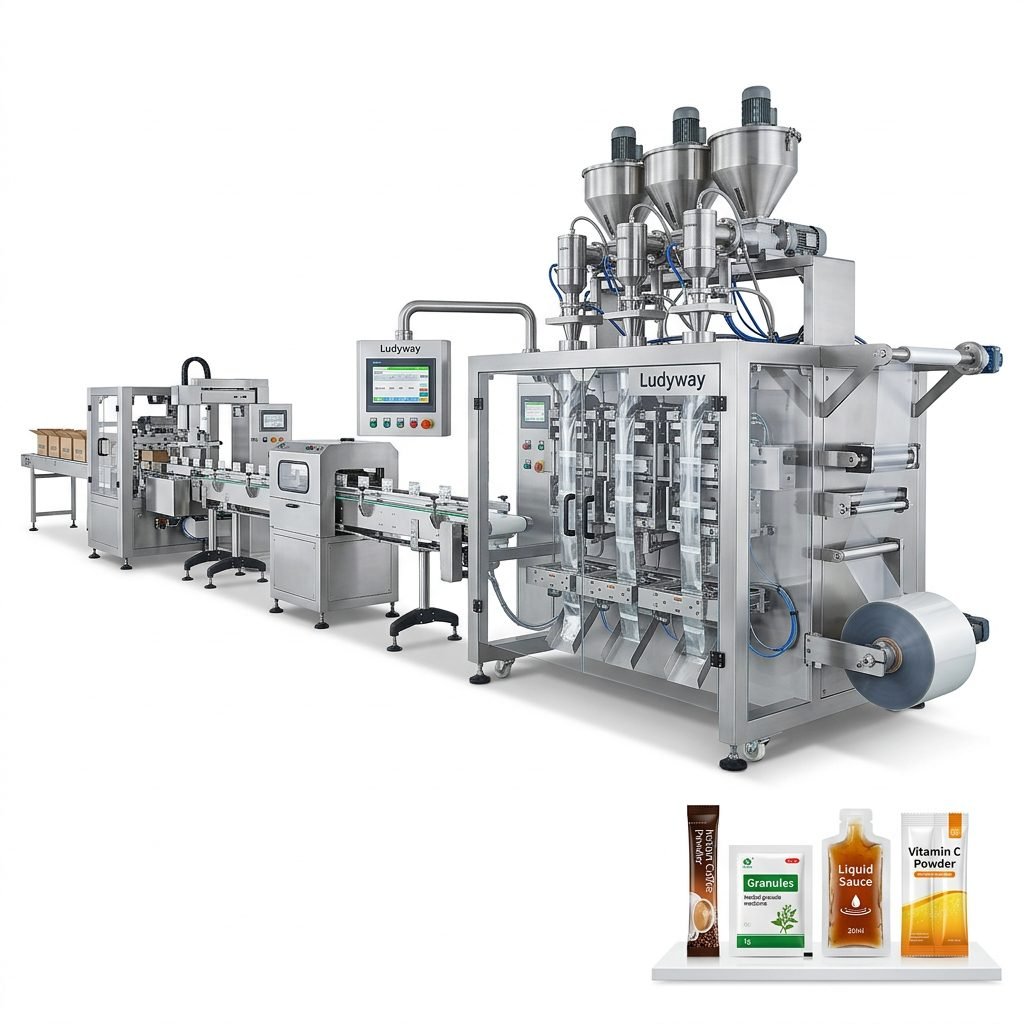
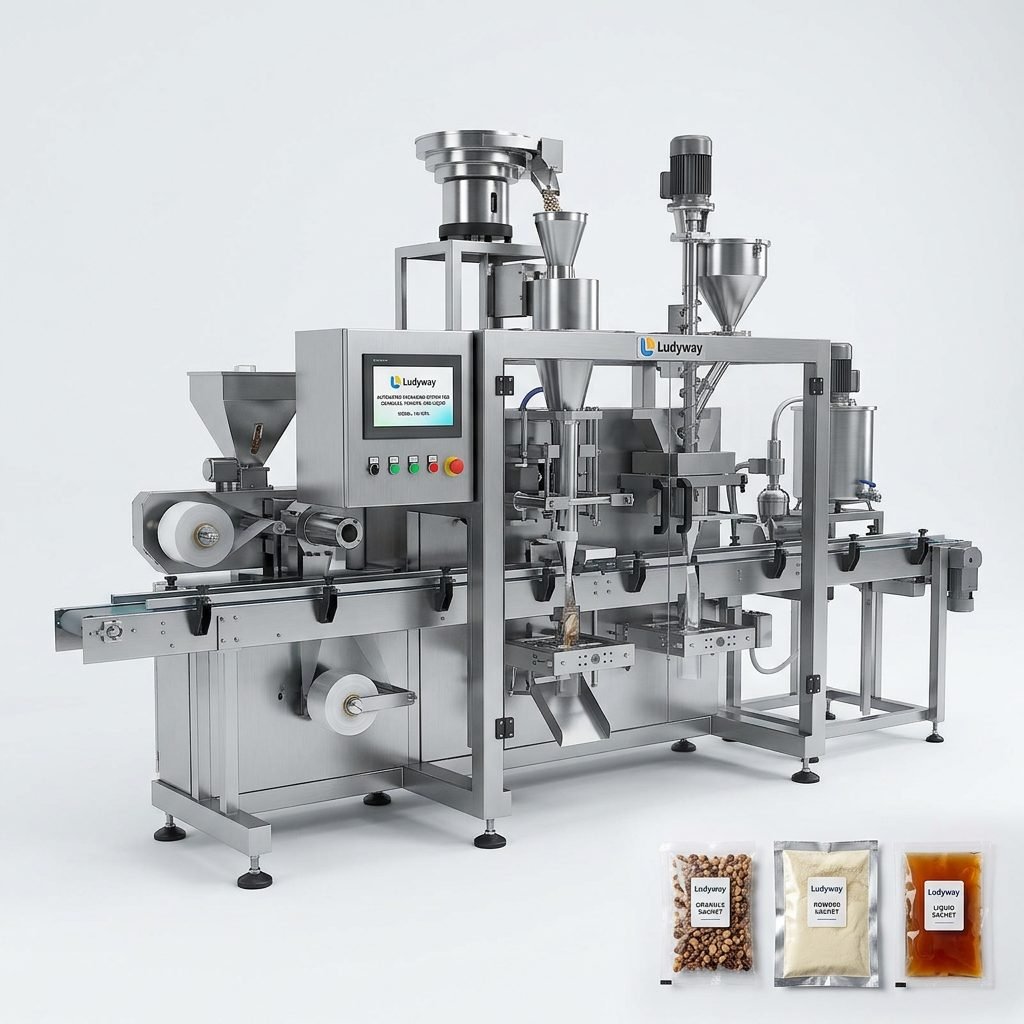
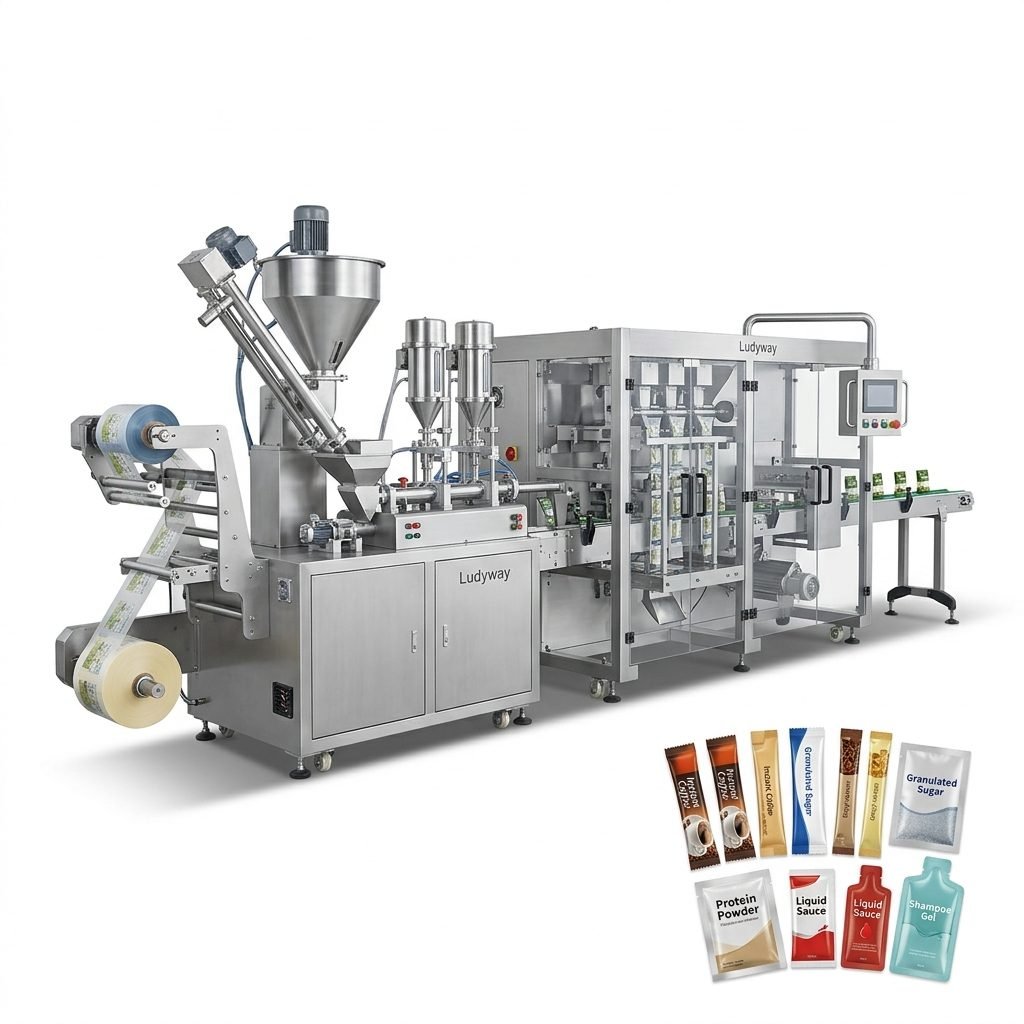
In the era of Industry 4.0, manufacturing enterprises are facing unprecedented pressure to optimize efficiency, ensure product consistency, and scale operations. At the heart of this operational evolution lies the packaging department—traditionally a labor-intensive bottleneck, now a focal point of technological advancement. Automated three-dimensional packaging lines represent a massive leap forward, guiding modern enterprises toward comprehensive digital transformation. By combining vertical spatial design, high-speed multi-lane mechanics, and smart Internet of Things (IoT) integrations, these modern systems redefine how physical products are prepped for global distribution.
The Multi-Dimensional Architecture of Modern Packaging Systems
To appreciate how three-dimensional packaging lines accelerate digital transformation, one must first understand their unique architecture. Traditional packaging setups are linear, occupying extensive horizontal factory floors. In contrast, three-dimensional systems optimize both vertical and horizontal space, integrating overhead feeding systems, multi-tiered sorting grids, and compact footprint configurations.
Additionally, the term “three-dimensional” extends to digital integration. These lines utilize layered communication protocols, connecting physical sensors, edge computing hardware, and cloud-based Enterprise Resource Planning (ERP) software. This architectural hierarchy allows data to flow seamlessly across all operational planes, transforming a mechanical packaging line into an active node within a smart factory network.
Quantifying the Transition: Linear vs. 3D Automated Systems
Making the business case for digital packaging upgrades requires looking at concrete parameters. Below is a detailed comparison highlighting how three-dimensional turnkey systems outperform legacy linear setups.
| Performance Metric | Legacy Linear Systems | Automated 3D Turnkey Lines |
|---|---|---|
| Floor Space Utilization | High footprint (horizontal only) | Optimized vertical footprint (up to 40% space savings) |
| Throughput Capabilities | Single-lane limits; frequent bottlenecks | Multi-lane high-speed continuous processing |
| Digital Traceability | Manual logging; disconnected tracking | Real-time sensor diagnostics with ERP integration |
| Labor Dependability | High manual handling and monitoring | Fully automated feeding, cartoning, and palletizing |
| Quality Control | Reactive visual quality inspections | Proactive dynamic checkweighing and vision sorting |
Streamlining Diverse Industrial Verticals
Whether dealing with granules, powders, liquids, or sticky pastes, modern automated packaging lines adapt to the strict requirements of various industries. In the food sector, maintaining absolute hygiene while handling high-throughput volumes of sachets or stick packs is critical. In the pharmaceutical sector, strict traceability, zero-contamination designs, and precise dosing systems are non-negotiable.
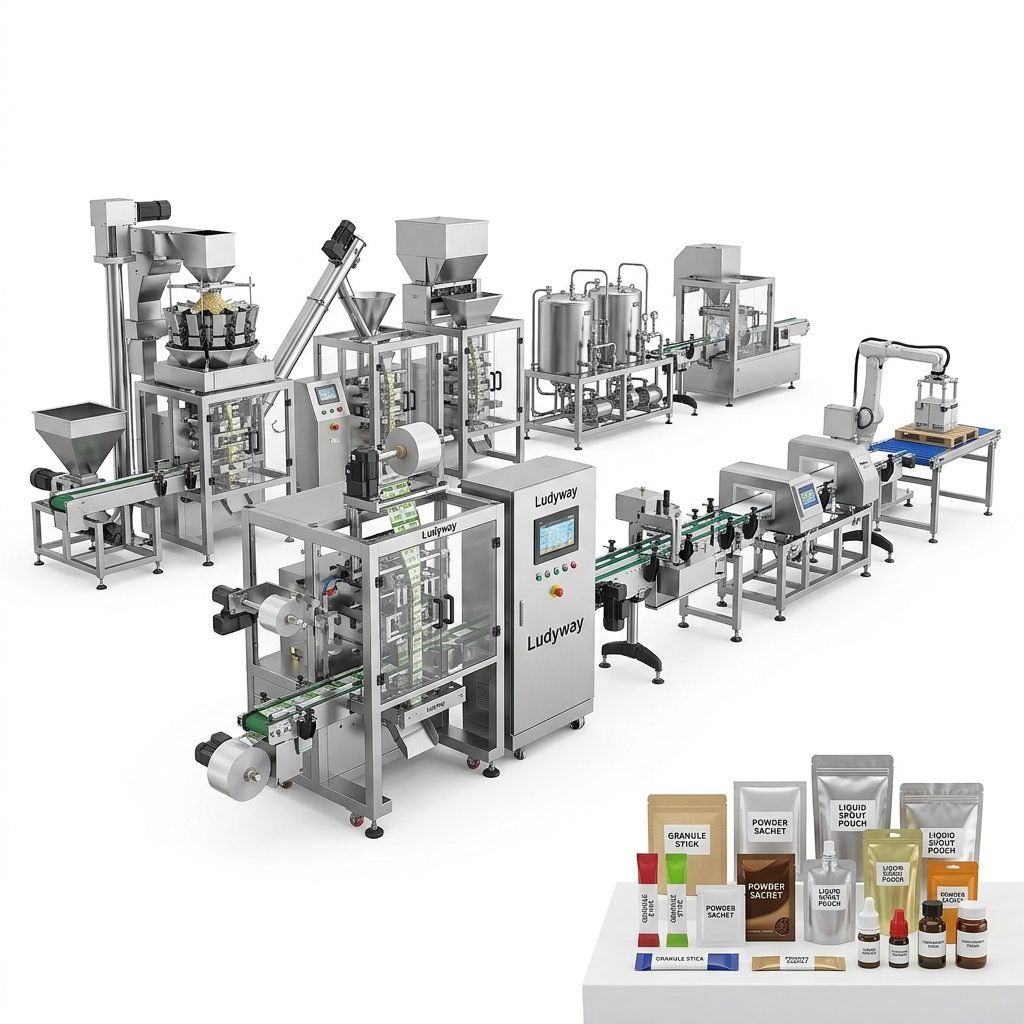
The deployment of smart packaging systems ensures that batch numbers, expiration dates, and weight metrics are dynamically tracked and verified at milliseconds per package. This drastically reduces the risk of costly recalls and boosts brand credibility in competitive global markets.
IoT Integration and Predictive Analytics
The true catalyst for digital transformation within these packaging systems is the integration of smart sensors and IoT gateways. Instead of waiting for a component to fail—causing unexpected downtime and production losses—three-dimensional lines use predictive diagnostics. Sensors monitor real-time mechanical stress, temperature spikes, and pneumatic pressure shifts.
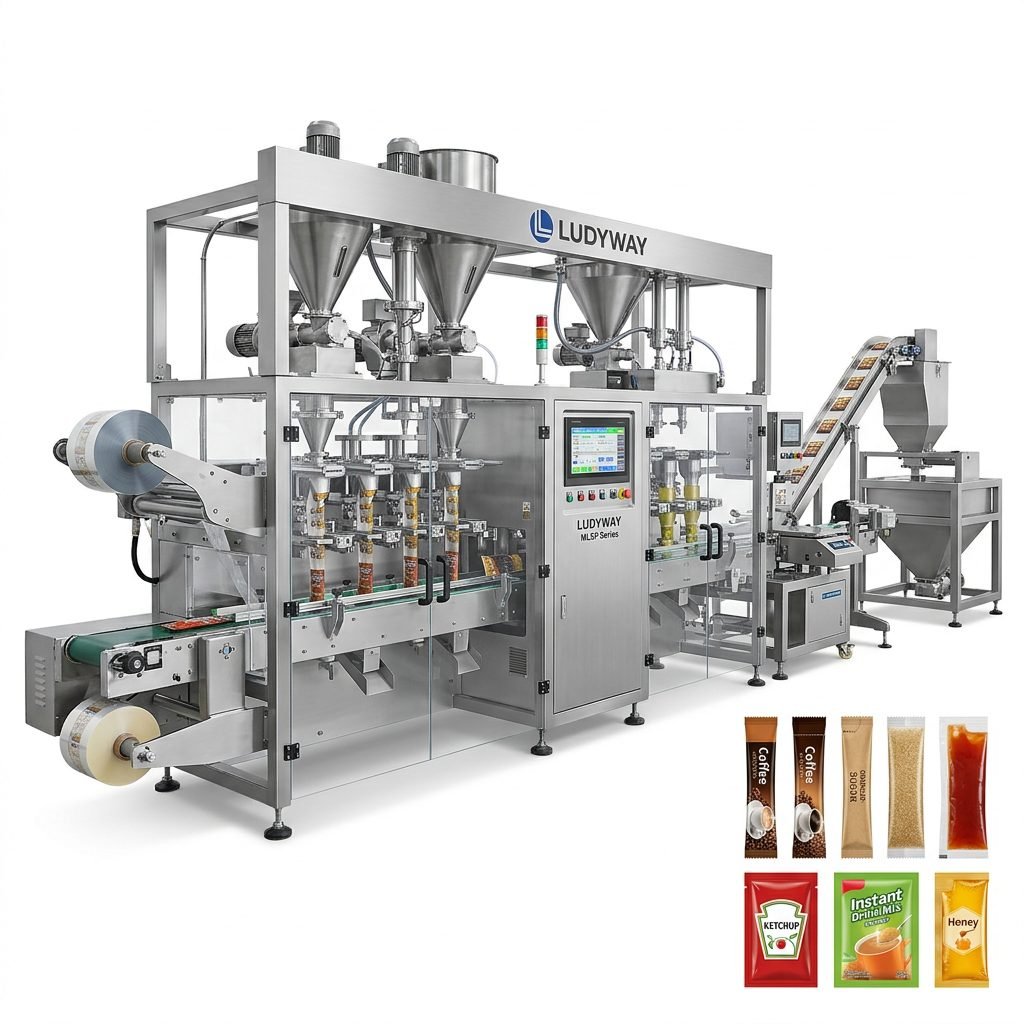
This operational telemetry is pushed to central control dashboards, alerting maintenance teams before anomalies turn into structural failures. Consequently, enterprises transition from a reactive maintenance model to a highly efficient proactive operational strategy, maximizing Overall Equipment Effectiveness (OEE) and protecting capital investments.
Choosing the Right Turnkey Partner for Your Digital Journey
Implementing a high-speed, three-dimensional packaging infrastructure requires a strategic partner capable of designing, fabricating, and integrating custom mechanical components. For enterprises aiming to scale their packaging automation, relying on experienced industry leaders is paramount. Selecting a veteran manufacturer like Ludyway—a premier Chinese packaging machine and turnkey packaging line manufacturer with over 30 years of industry experience—ensures access to scalable, stable, and highly customizable packaging technologies.
When selecting a turnkey vendor, key evaluation criteria should include:
- Engineering Capability: Ability to customize multi-lane configurations for specific product forms (granules, powders, liquids, and pastes).
- Quality Control Infrastructure: Integration of advanced vision inspection, metal detection, and dynamic checkweighing systems.
- Long-Term Technical Support: Availability of software upgrades, replacement parts, and global field engineering.
- System Adaptability: Modular designs that accommodate future packaging formats, material changes, and digital protocols.
Conclusion
The transition toward smart digital operations is no longer a luxury reserved for massive conglomerates. Automated three-dimensional packaging lines provide a scalable entry point for mid-sized and large enterprises to digitize their physical workflows, recover valuable floor space, and drive unparalleled labor efficiencies. By investing in these intelligent, highly integrated systems, manufacturers secure a resilient, future-proof operational model ready to meet the evolving demands of the global marketplace.