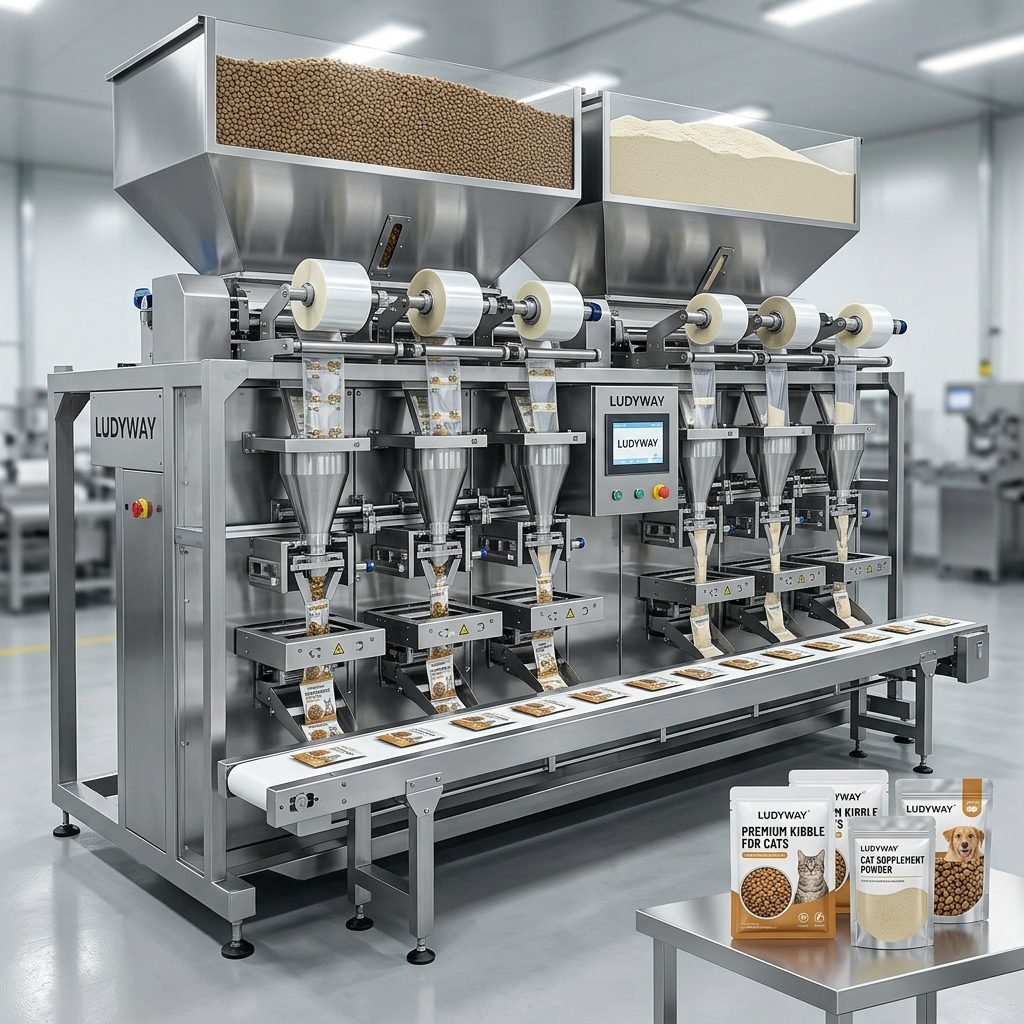
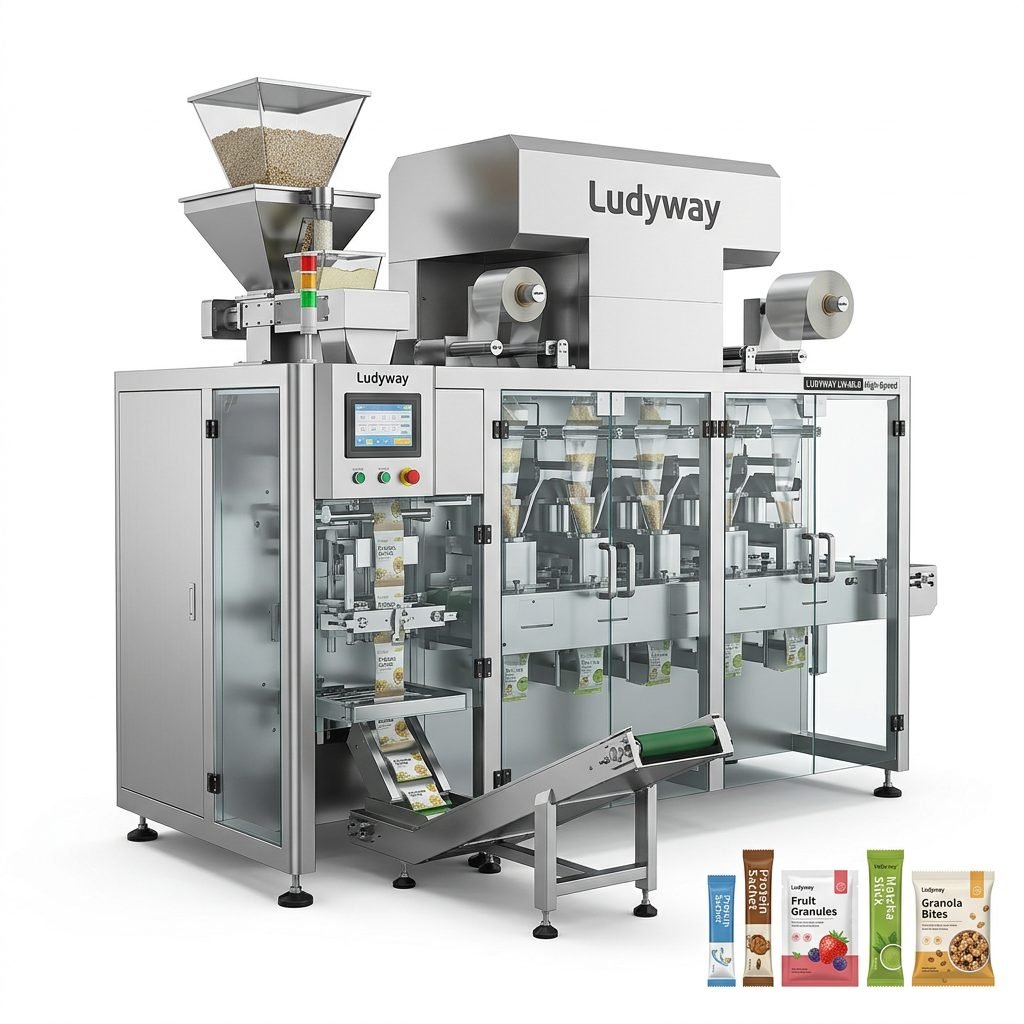
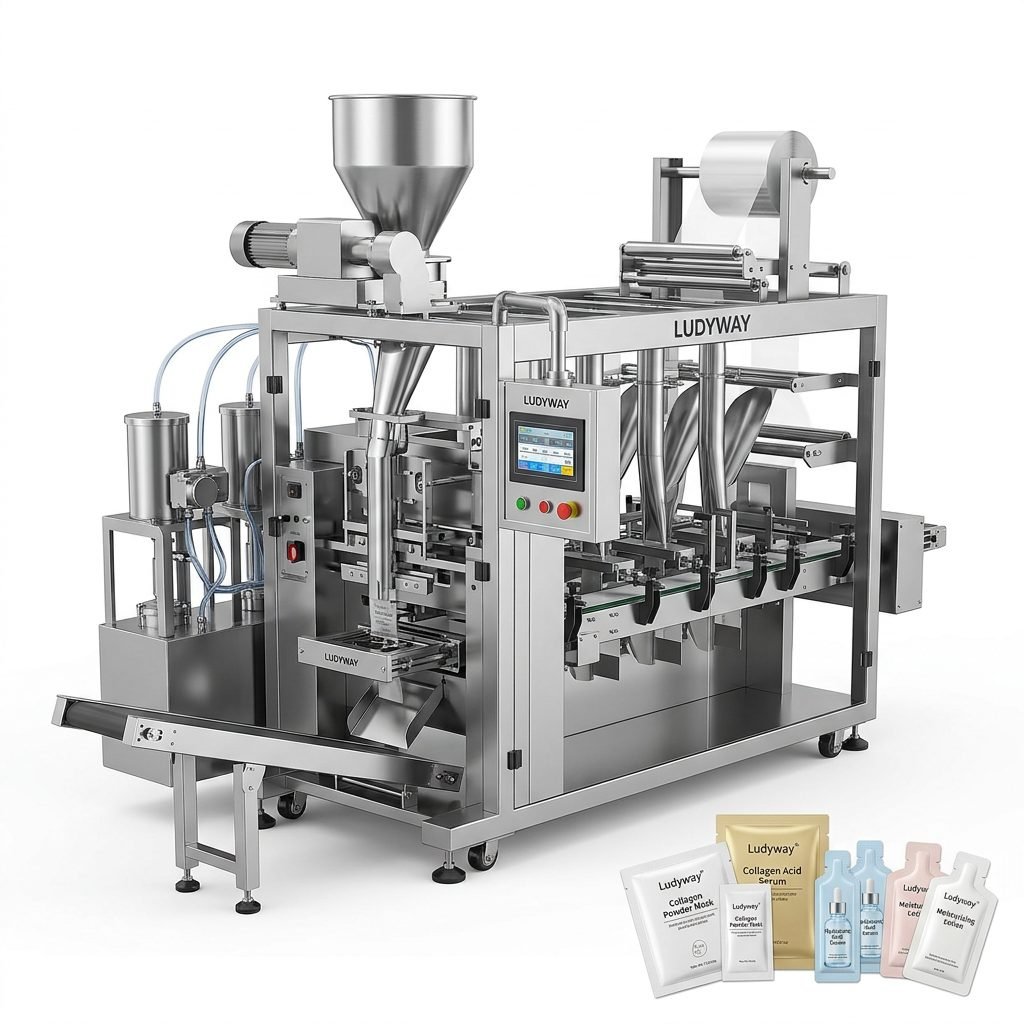
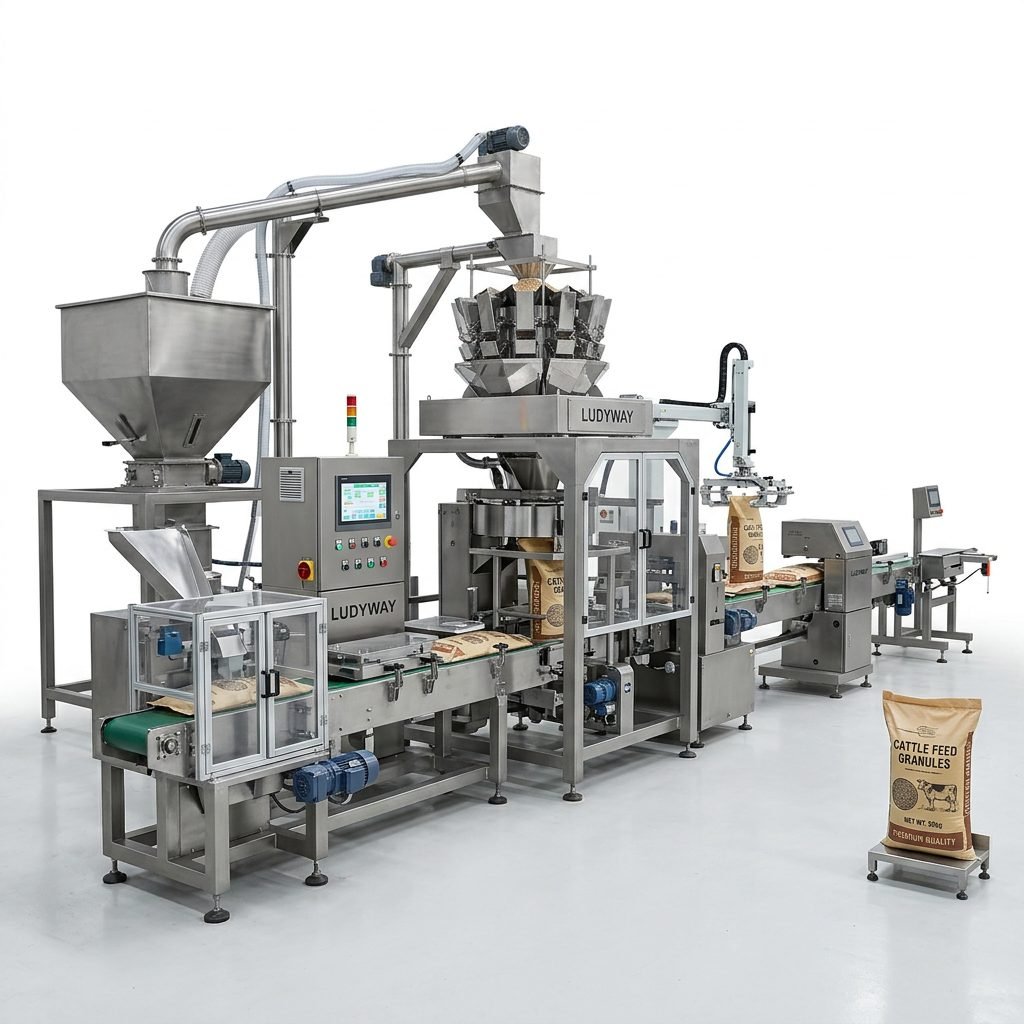
The global manufacturing landscape is undergoing a massive shift. Consumer demands are shifting rapidly, product lifecycles are shrinking, and the need for personalized packaging is at an all-time high. In this dynamic environment, traditional, rigid production lines are becoming obsolete. Instead, manufacturers across the food, pharmaceutical, cosmetic, and chemical sectors are turning toward cross-industry integration. At the core of this revolution are modular packaging machines that allow for flexible production line combinations. By adopting these adaptable systems, companies can seamlessly reconfigure their lines to run granules, powders, liquids, or pastes without investing in entirely new machinery.
To meet this global demand, Chinese machinery pioneers have focused heavily on R&D. For instance, Ludyway, one of China’s leading packaging machine and turnkey packaging line manufacturers, has spent over 30 years refining automated, modular packaging technologies to help factories transition to agile manufacturing.
The Concept of Modular Design in Packaging
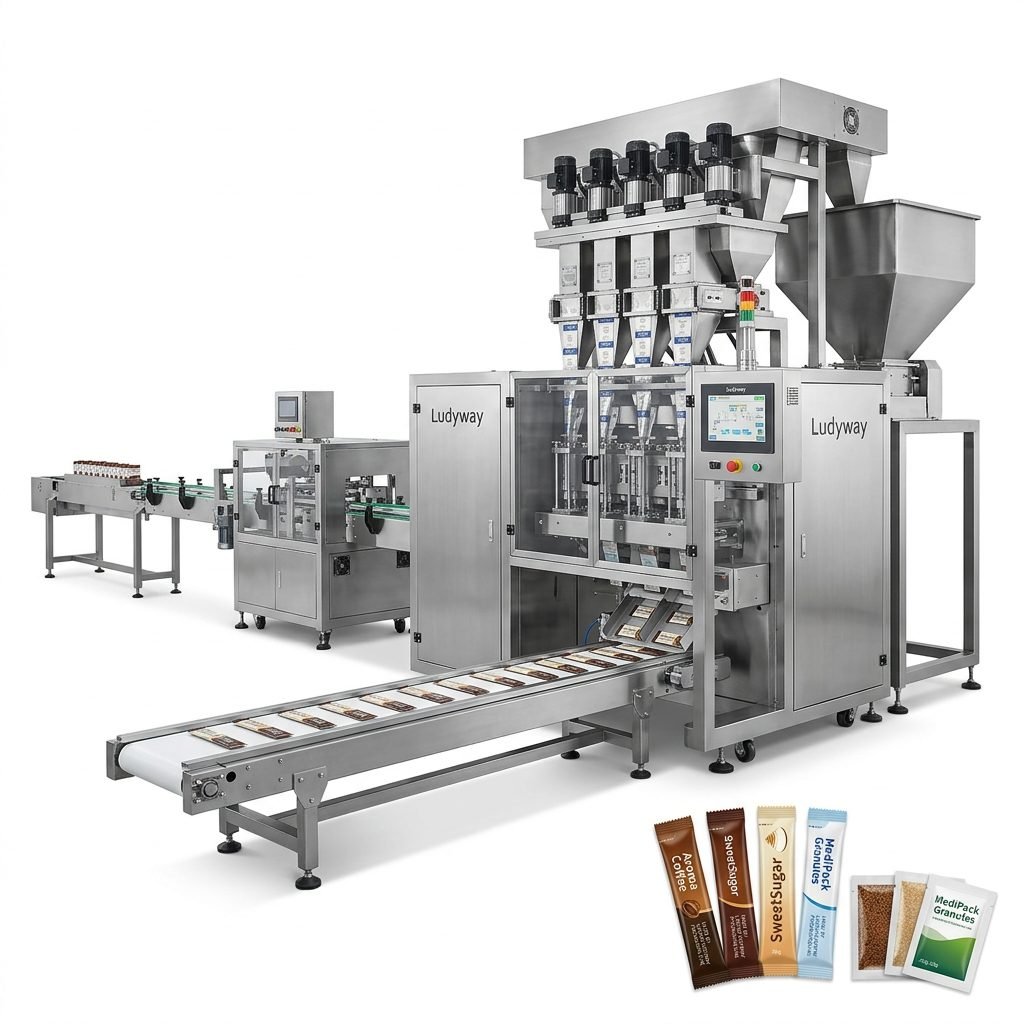
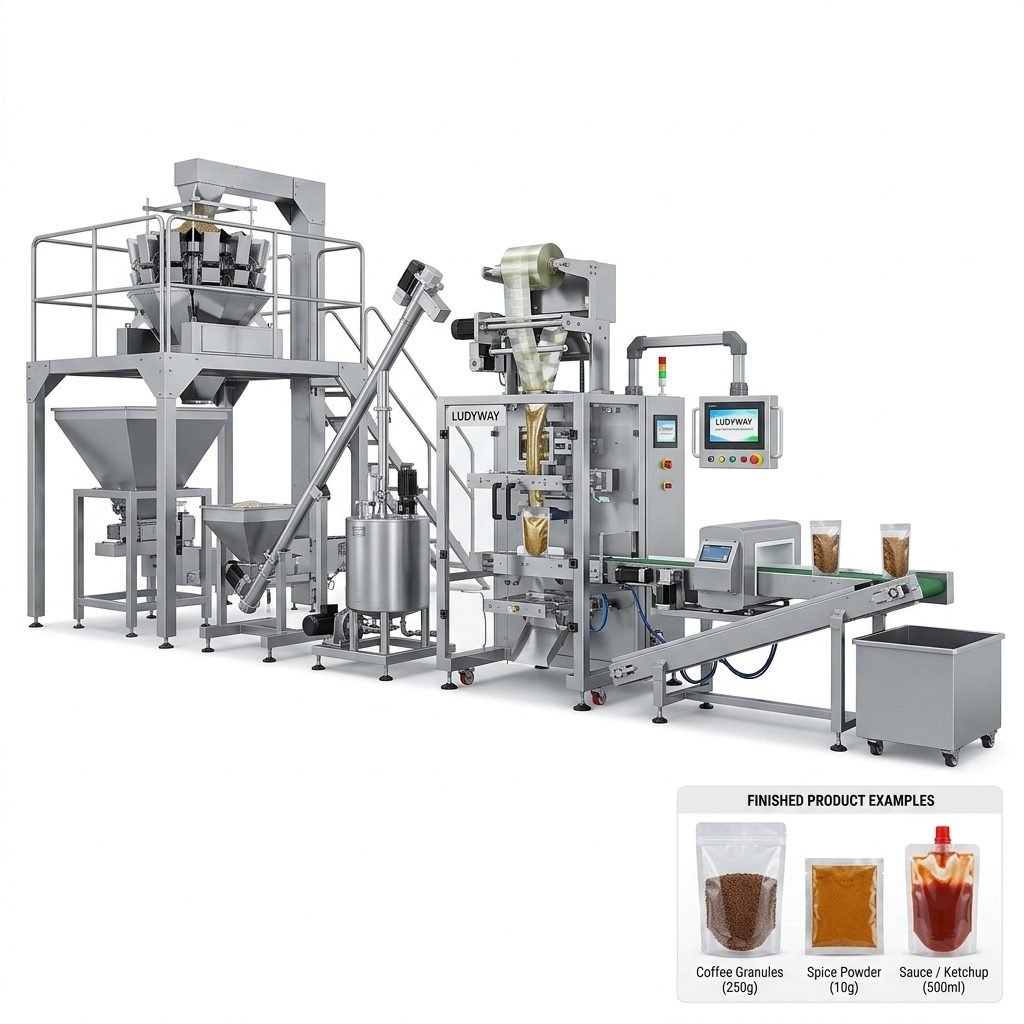
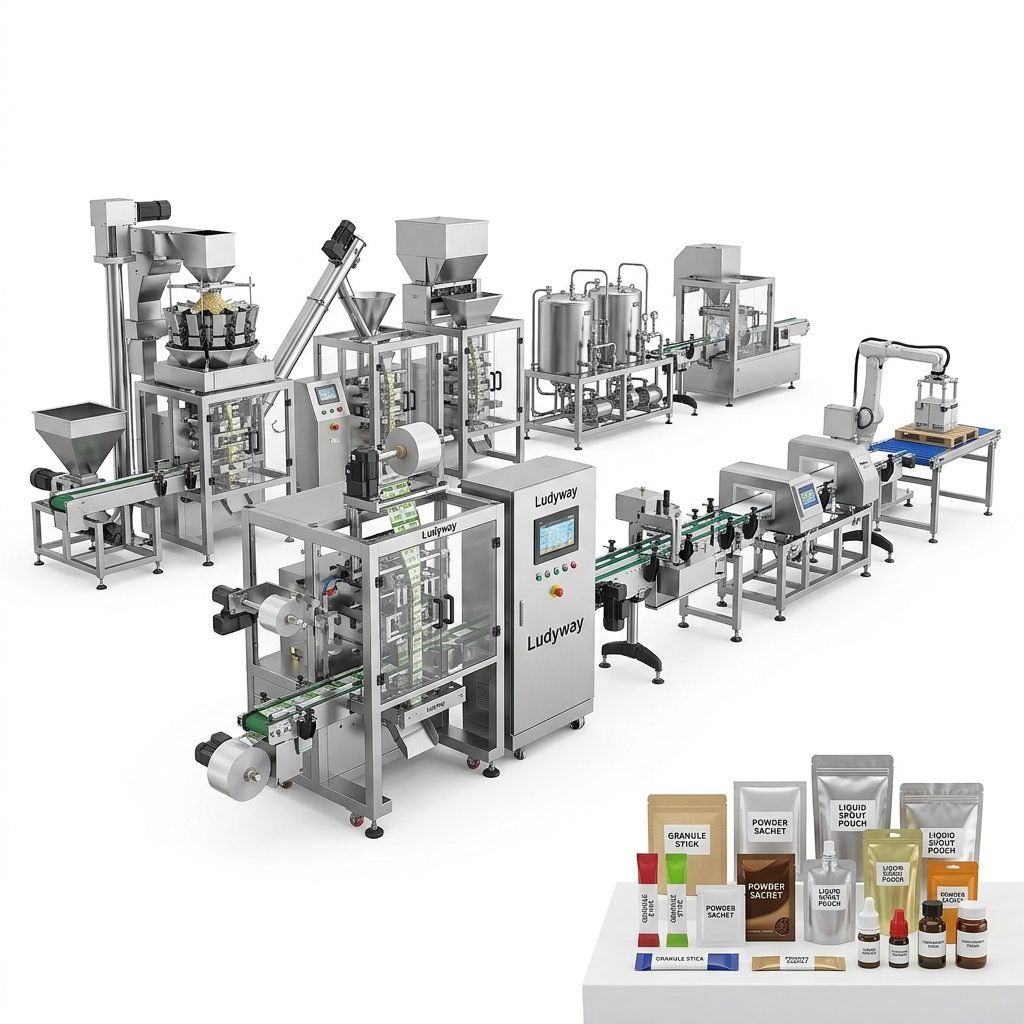
Modular packaging design treats a production line as a collection of independent functional modules. Instead of a single, monolithic machine, a modular line separates different stages of the packaging process into distinct, plug-and-play components. These modules typically include feeding systems, dosing and filling units, pouch-forming assemblies, sealing mechanisms, and downstream packaging machinery like cartoning and palletizing units.
By using standardized mechanical and software interfaces, these modules can be mixed and matched. For example, a manufacturer can easily swap out a liquid piston filler for a multi-lane powder auger filler on the same base vertical form-fill-seal (VFFS) machine frame. This eliminates the need for separate lines, maximizing floor space and optimizing capital expenditure.
Cross-Industry Versatility and Adaptability
One of the greatest achievements of modular packaging technology is its ability to bridge different industries. Historically, a machine designed for food packaging could rarely be adapted for pharmaceutical or chemical applications due to differing hygienic standards and material handling requirements. Today, modular systems break down these barriers by allowing rapid exchanges of product-contact parts and compliance modules.
| Industry Sector | Primary Product Formats | Interchangeable Module Types | Compliance & Safety Features |
|---|---|---|---|
| Food & Beverage | Granules, snack foods, milk powders, liquid sauces | Volumetric cup fillers, multi-head weighers, liquid pumps | Washdown design, food-grade stainless steel (SUS304/316) |
| Pharmaceuticals | Prescription powders, medical granules, liquid serums | High-precision micro-dosing systems, pill counters | GMP compliance, dust extraction, nitrogen flushing |
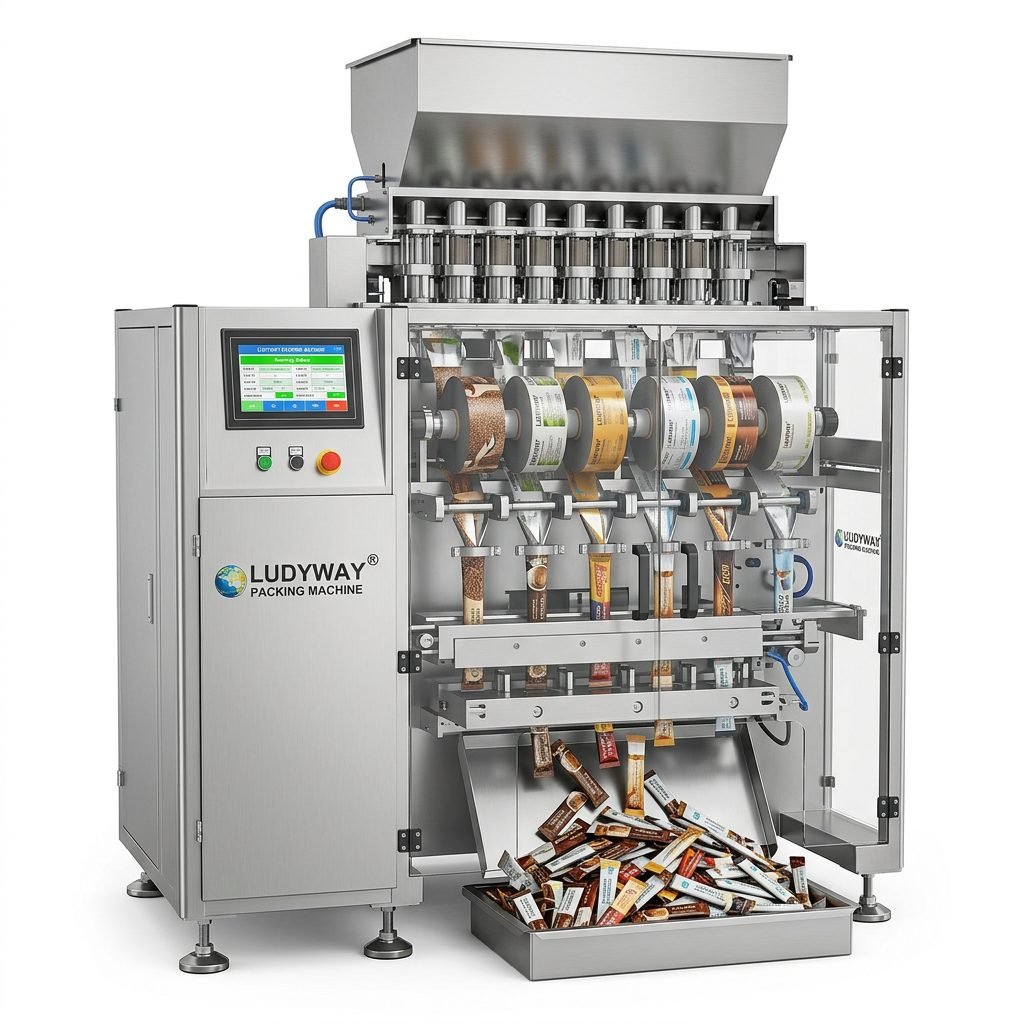
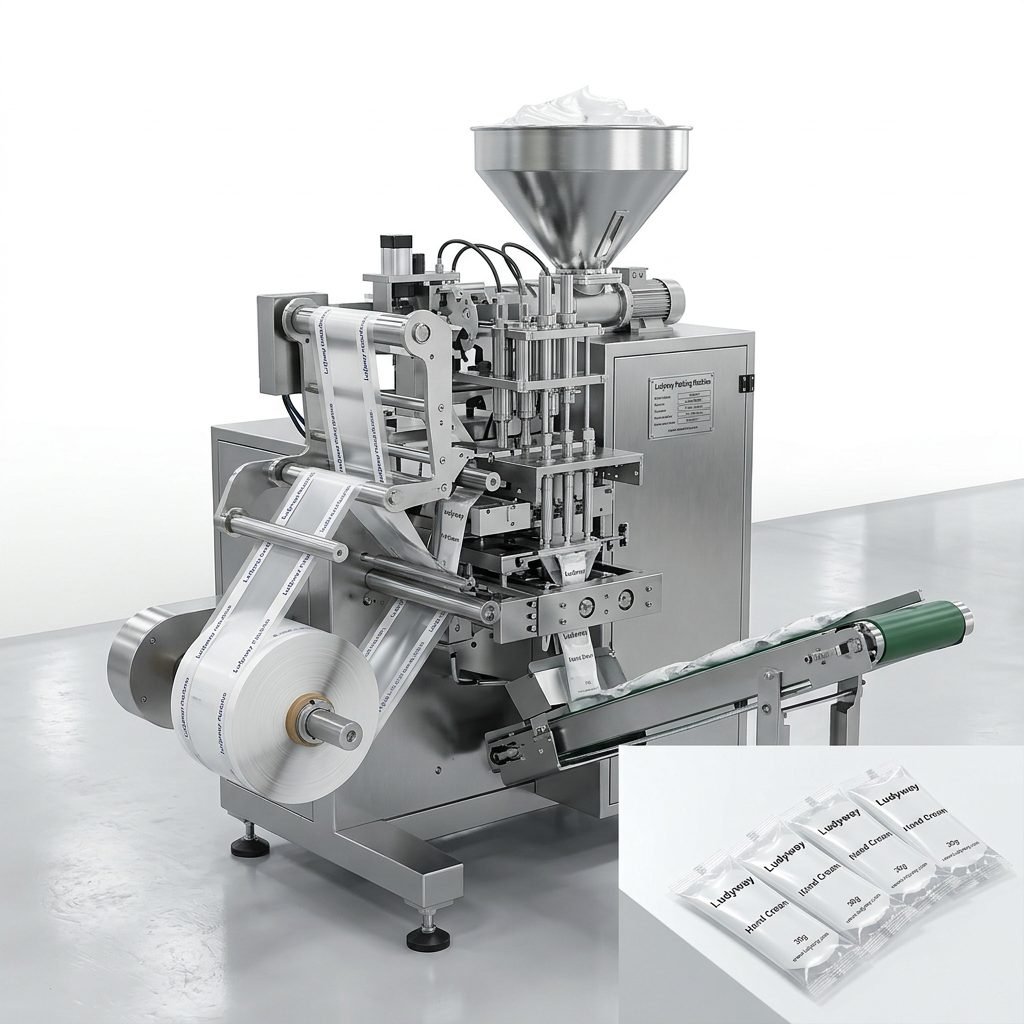
| Cosmetics & Creams | Lotions, facial masks, hair dyes, beauty serums | Viscous liquid nozzles, multi-lane stick pack systems | Anti-drip nozzles, sterile filling enclosures |
| Chemicals & Detergents | Pesticides, paint powders, laundry liquids | Corrosion-resistant liquid pumps, heavy-duty baggers | Explosion-proof components, anti-corrosive seals |
Key Advantages of Flexible Production Combinations
Implementing a modular setup brings several operational and financial benefits to manufacturing facilities worldwide:
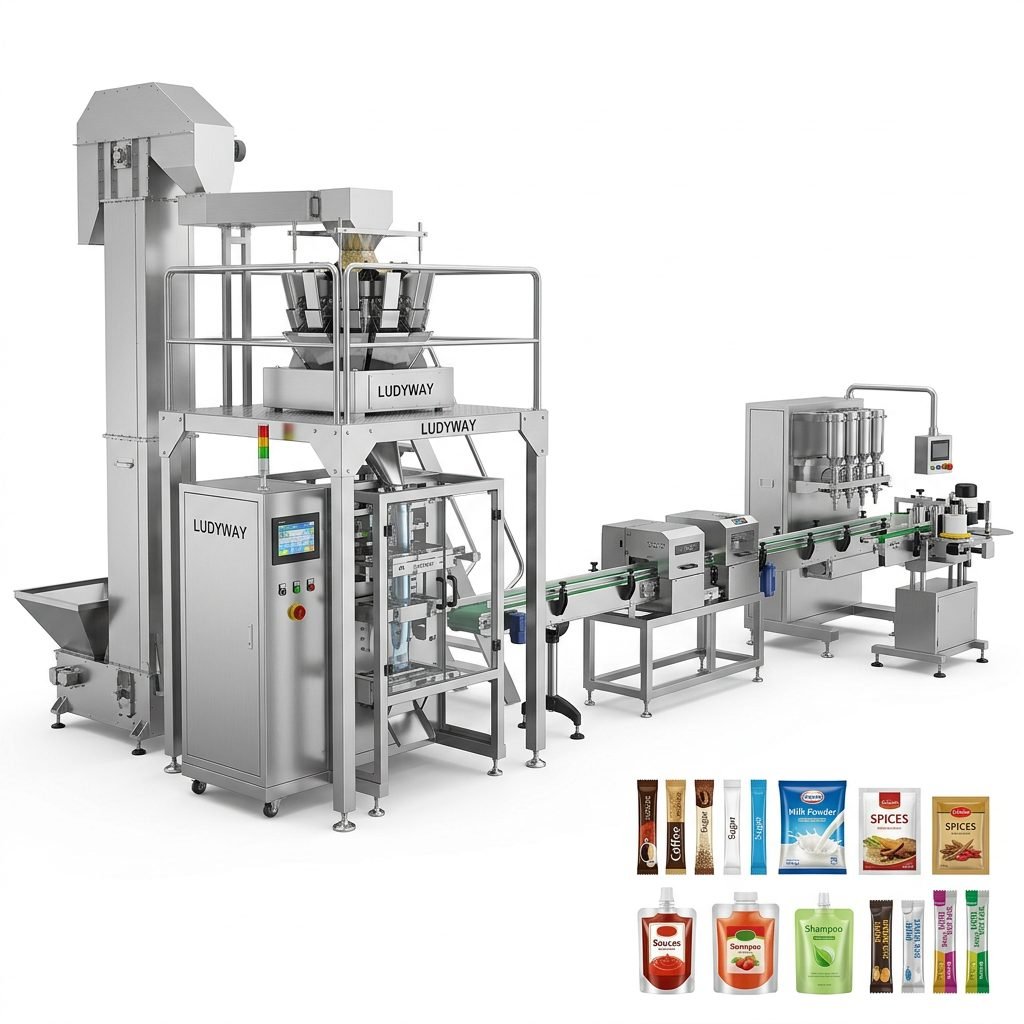
- Unprecedented Flexibility: Operators can switch from packaging instant coffee stick packs to packaging liquid cosmetics within a single shift. The quick-changeover design requires minimal tooling, reducing downtime from hours to minutes.
- Lower Capital Expenditure: Instead of purchasing separate production lines for every product variation, manufacturers invest in a single modular base and buy individual dosing modules as they expand their product portfolio.
- Minimized Plant Footprint: Real estate inside modern factories is expensive. Modular systems combine multiple packaging steps vertically or in compact linear setups, saving valuable floor space.
- Future-Proof Scalability: When a factory needs to increase output, they do not need to replace the entire line. They can simply add more lanes to a multi-lane system or upgrade to automated cartoning modules downstream.
Overcoming the Challenges of Integration
While the advantages are clear, integrating various mechanical parts and ensuring they communicate flawlessly requires intelligent engineering. Modern modular machinery utilizes advanced industrial IoT protocols and centralized human-machine interfaces (HMIs). When a new module is connected, the central control unit automatically recognizes the hardware, loads the appropriate software parameters, and synchronizes the conveyor speeds and timing cycles. This plug-and-play capability reduces the reliance on highly specialized software engineers on the factory floor, allowing regular operators to manage reconfigurations.
Driving Efficiency in B2B Supply Chains
For contract packagers and OEM manufacturers, modular packaging lines are a critical differentiator. Copackers deal with constantly changing client specifications—ranging from pouch styles like sachets and stick packs to product materials such as dry powders, dense gels, and free-flowing liquids. Having a highly modular turnkey line allows them to bid on diverse contracts without worrying about machinery bottlenecks.
Furthermore, the ability to integrate secondary packaging—such as cartoning, labeling, weight checking, and robotic palletizing—directly into the primary modular line creates a continuous flow from raw materials to transport-ready packaging. This high level of automation reduces manual intervention, drastically cuts down on labor costs, and eliminates human errors.
Selecting a Turnkey Partner for Modular Solutions
Transitioning to a modular production environment requires a partner with deep engineering expertise and a proven track record. Customization is key; a standard machine out of the box rarely fits the specific spatial constraints or material characteristics of a highly specialized plant. The ideal packaging machinery partner should offer comprehensive services, starting from spatial layout designs, customized dosing unit testing, system integration, and extending to lifetime technical support. As global markets grow more competitive, partnering with experienced manufacturers ensures that factories can scale up their automation safely and efficiently, maximizing their return on investment.