In the highly competitive world of product packaging, first impressions are everything. Whether it is a luxury cosmetic bottle, a pharmaceutical container, or a high-end food product, the label is the primary medium through which a brand communicates its identity and quality. However, manufacturers have long battled a persistent and frustrating defect: bubble formation under flat labels. Traditional labeling machinery often fails to apply labels perfectly flat, leaving unsightly air pockets that compromise product aesthetics and brand credibility. To solve this industry-wide challenge, the new High-Pressure Flat Labeling Packaging Machine has officially launched, promising to eliminate bubble risks for good.
This breakthrough technology represents a significant leap forward in automated labeling precision. By integrating advanced pressure-management systems with state-of-the-art sensory controls, this machine ensures that pressure is evenly distributed across every millimeter of the label during application. The result is a flawless, glass-like finish that elevates the visual appeal of flat-surface products across various industries.
The Engineering Behind Bubble-Free Labeling
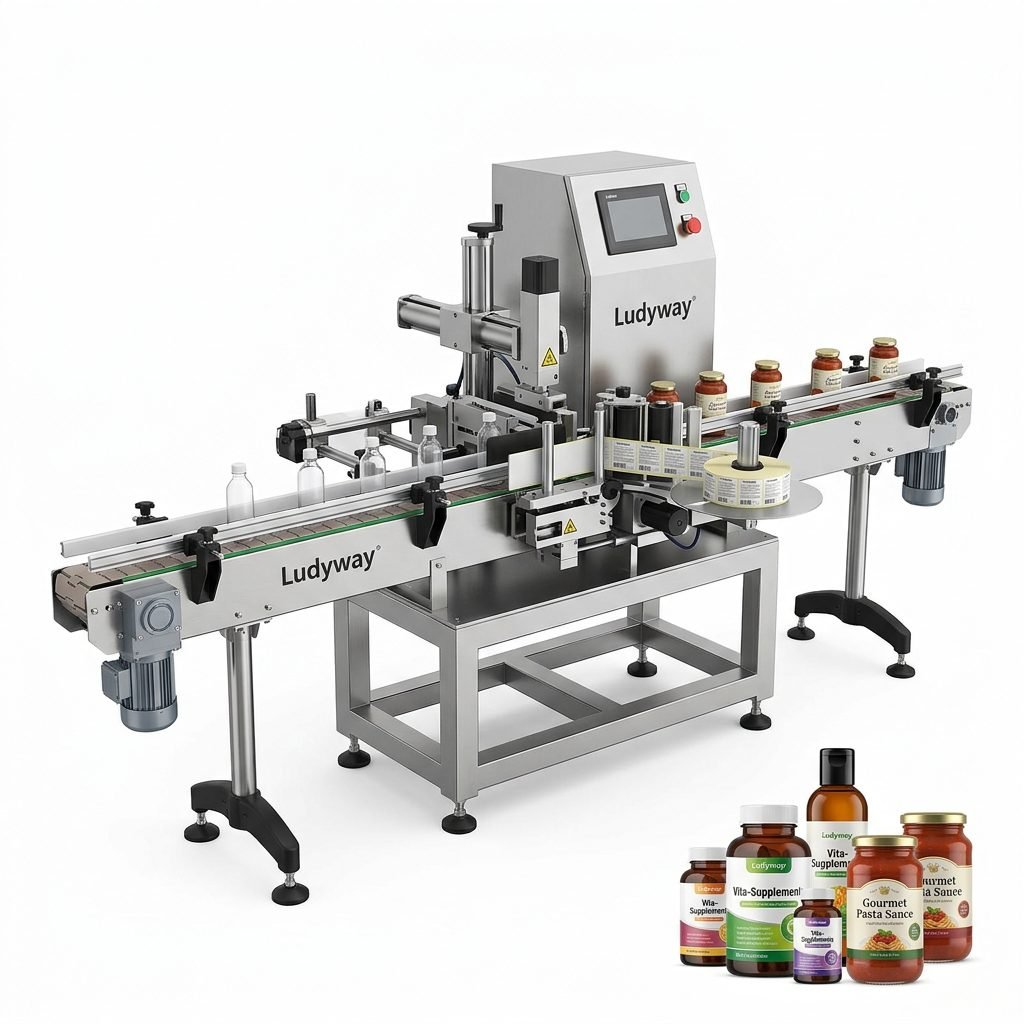
The primary cause of bubbling in flat labeling is micro-gaps of air trapped between the adhesive layer and the container surface. Standard labeling machines rely on simple rollers or wipers to press the label down, which often fails to adapt to minor surface imperfections or container variations. The High-Pressure Flat Labeling Packaging Machine addresses this by utilizing a multi-stage application process.
First, the machine employs a high-precision vacuum belt to position the label with sub-millimeter accuracy. As the container passes through the labeling station, a specialized pneumatic high-pressure roller system is activated. Unlike rigid rollers, these high-pressure applicators feature a flexible, micro-cushioning layer that conforms precisely to the flat surface of the container, applying consistent force from the center of the label outward. This mechanical action actively pushes any potential air pockets out before the adhesive fully cures.
Key Technical Features
Designed for high-speed, heavy-duty industrial environments, this machine is equipped with features that maximize uptime and minimize waste. Key innovations include:
- Dynamic Pressure Control: Allows operators to adjust the pressure settings digitally based on container material thickness, preventing damage to fragile plastic or glass containers.
- Synchronized Speed Tracking: Automatically matches the labeling head speed with the conveyor belt speed, eliminating label stretching or wrinkling.
- Multi-Size Adaptability: Quick-change tooling allows the machine to switch between different flat container sizes in under ten minutes, enhancing production flexibility.
- Advanced Vision Inspection: Optional integrated cameras inspect each applied label for alignment and defects, automatically rejecting non-compliant items.
Performance Comparison
To understand the value of this new system, it is helpful to look at how it compares to traditional flat labeling methods. The table below outlines the core differences in performance and output quality:
| Performance Metric | Traditional Labeling Systems | High-Pressure Flat Labeler |
|---|---|---|
| Bubble Occurrence Rate | 3% to 7% (depending on material) | Less than 0.1% |
| Application Speed | Moderate speed with manual checks | High-speed continuous operation |
| Material Compatibility | Limited to standard plastic/paper labels | Wide range (PET, PP, paper, metallic foil) |
| Setup & Changeover Time | 30 to 45 minutes (often manual) | Under 10 minutes (tool-less adjustment) |
Meeting Global Manufacturing Standards
As manufacturing facilities worldwide transition toward fully automated packaging setups, the demand for reliable, high-precision equipment has never been greater. This is particularly true in major export markets such as North America, Europe, and Southeast Asia, where strict quality regulations and high consumer expectations force brands to maintain flawless packaging standards. Incorporating advanced machinery from a trusted packaging machine manufacturer ensures that global companies can scale their operations while keeping product defects close to zero.
Beyond reducing defects, the implementation of this high-pressure technology significantly lowers operational costs. In traditional labeling lines, defective packages must either be manually reworked—which damages the container and wastes adhesive—or discarded entirely. By virtually eliminating labeling errors, factories can reduce material waste, optimize labor allocation, and experience a rapid return on investment.
Versatility Across Industries
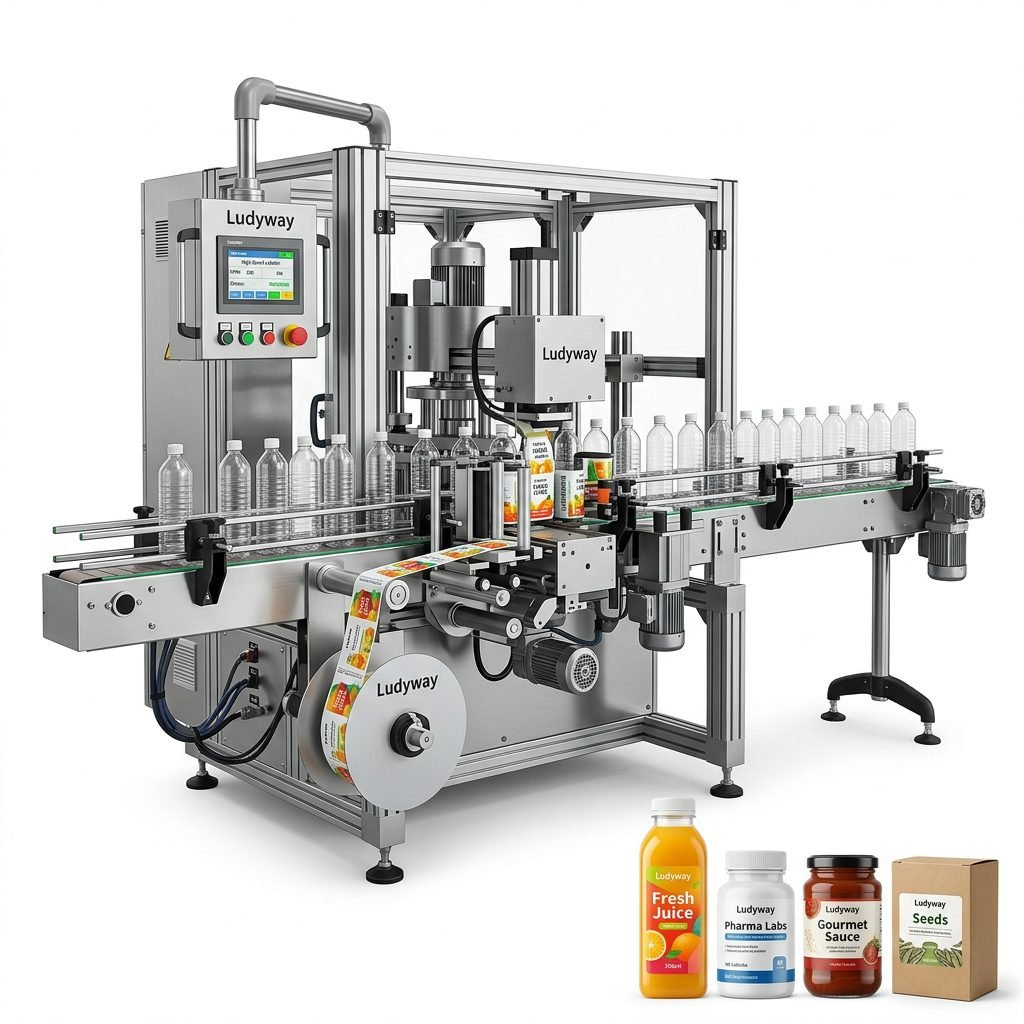
The High-Pressure Flat Labeling Packaging Machine is engineered to serve a broad range of sectors, each with its unique packaging demands:
- Cosmetics and Personal Care: Enhances the visual appeal of flat shampoo bottles, lotion flasks, and makeup palettes, where premium aesthetics drive consumer buying decisions.
- Pharmaceuticals: Ensures that vital dosage instructions and barcodes are printed and adhered perfectly flat, avoiding any scanning failures on flat medicine boxes or containers.
- Household Chemicals: Offers robust chemical resistance and strong adhesion for detergent containers, ensuring labels remain intact even if exposed to product spillage.
- Food and Beverage: Ideal for square bottles of olive oil, sauces, and flat honey containers, maintaining hygiene standards with easy-to-clean machine surfaces.
As automation continues to reshape the packaging landscape, the launch of the High-Pressure Flat Labeling Packaging Machine offers a timely solution to a historical bottleneck. By providing a reliable method for bubble-free application, it empowers brands to protect their image, streamline production, and deliver perfect packages to consumers every single time.