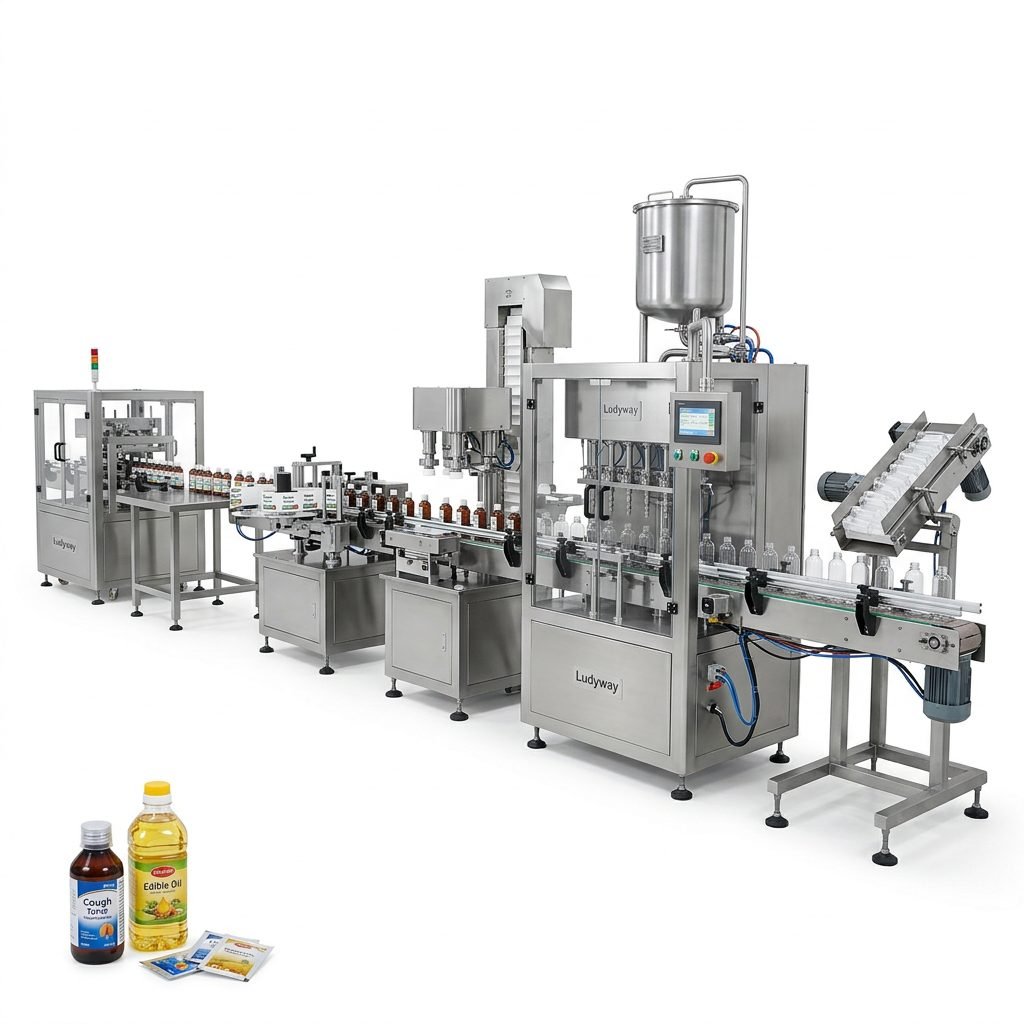
In the modern packaging industry, the demand for robust, high-barrier packaging materials has grown exponentially. Industries ranging from food processing and pharmaceuticals to heavy chemicals are increasingly relying on thick-film laminates, co-extruded films, and heavy-duty Mylar pouches to preserve product integrity. While these materials offer exceptional protection against moisture, oxygen, and physical damage, they present a significant manufacturing bottleneck: traditional heat sealing systems struggle to deliver consistent, airtight seals without compromising production speed or causing thermal damage to the outer layers of the film.
To address this critical challenge, the industry is witnessing a shift toward advanced thermal technologies. The integration of pulse-driven high-power heat sealing systems has emerged as a groundbreaking solution, providing the precise thermal control and rapid energy deployment required to fuse thick barrier materials efficiently.
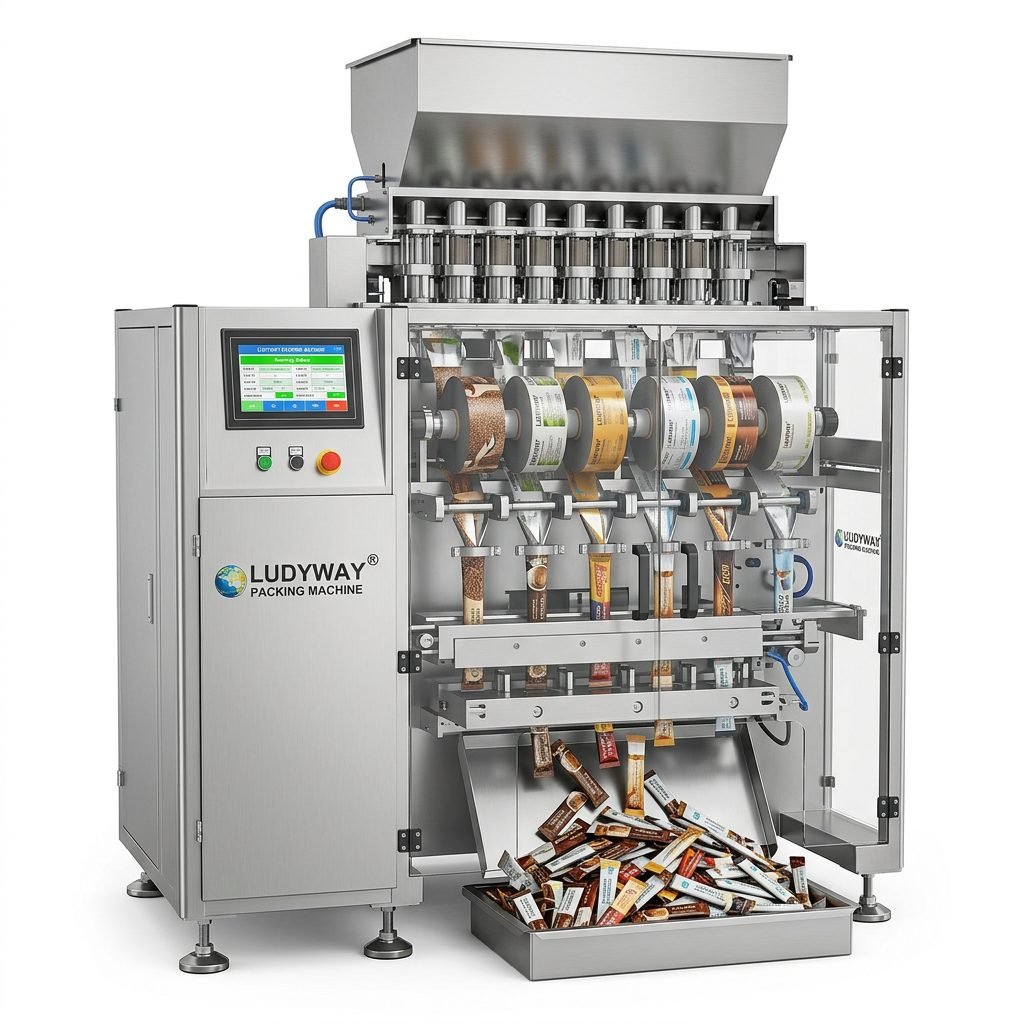
The Limitation of Traditional Heat Sealing
Traditional constant-heat sealing systems maintain a continuous high temperature on the sealing jaws. When sealing thin films, this method works efficiently. However, when applied to thick, multi-layer, or aluminum-laminated films, constant heat introduces several manufacturing defects:
- Thermal Lag: Thick films require more time for heat to penetrate from the outer surface to the inner sealant layer. This delay slows down the cycle times significantly.
- Overheating and Burn-Through: Keeping the jaws continuously hot often scorches the outer carrier layer of the film before the inner sealant layer reaches its melting point.
- Weak Seal Integrity: Without a controlled cooling phase while the seal is held under mechanical pressure, the hot polymer can contract unevenly, leading to micro-leaks and structural failure.
Understanding Pulse-Driven High-Power Sealing
Pulse-driven sealing, also known as impulse sealing, operates on a fundamentally different thermodynamic principle. Instead of maintaining constant heat, the sealing element—typically a highly conductive alloy band—receives a high-amperage electrical pulse only during the sealing phase of the cycle. The temperature rises rapidly to the precise melting point of the sealant polymer, holds it for a fraction of a second, and then shuts off. The sealing jaws remain closed during the cooling phase, allowing the polymer to solidify under mechanical pressure before the jaws release.
For thick-film applications, standard impulse sealers are insufficient. High-power configurations are required to deliver the intense thermal energy needed to bridge the thermal lag of heavy laminates instantly. By utilizing advanced power management systems, these machines release a controlled surge of energy that targets the interface of the film layers, ensuring a homogeneous weld without degrading the surrounding materials.
Performance Comparison: Constant Heat vs. Pulse-Driven Sealing
| Parameters | Constant Heat Sealing | Pulse-Driven High-Power Sealing |
|---|---|---|
| Heat Application | Continuous, unregulated surface heat | Instantaneous, high-amperage thermal pulse |
| Cooling Phase | Occurs outside the sealing jaws (unpressurized) | Occurs inside the jaws under mechanical dwell pressure |
| Thick-Film Efficiency | Poor; prone to delamination and blistering | Excellent; deep thermal penetration without surface damage |
| Energy Consumption | High (constant draw during operational hours) | Low (active energy usage only during the sealing cycle) |
Key Innovations in the High-Power Pulse System
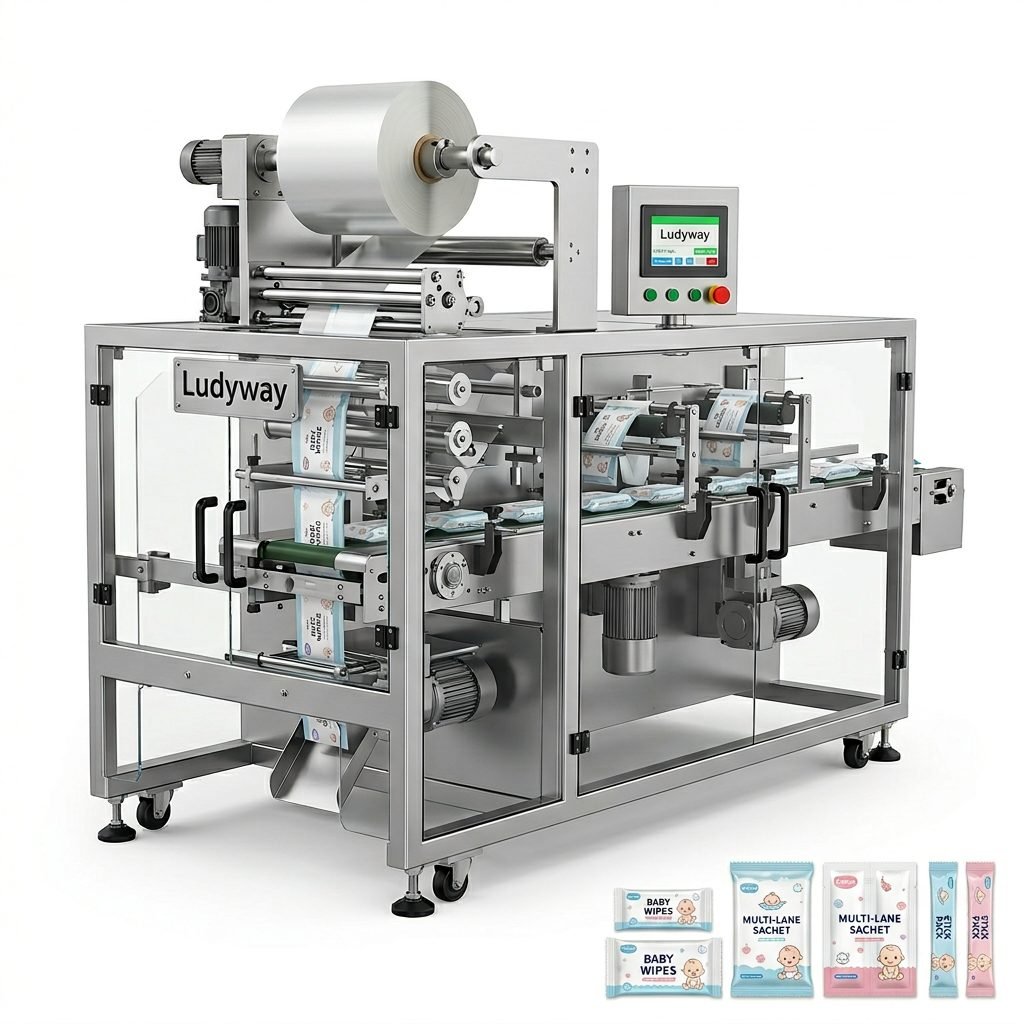
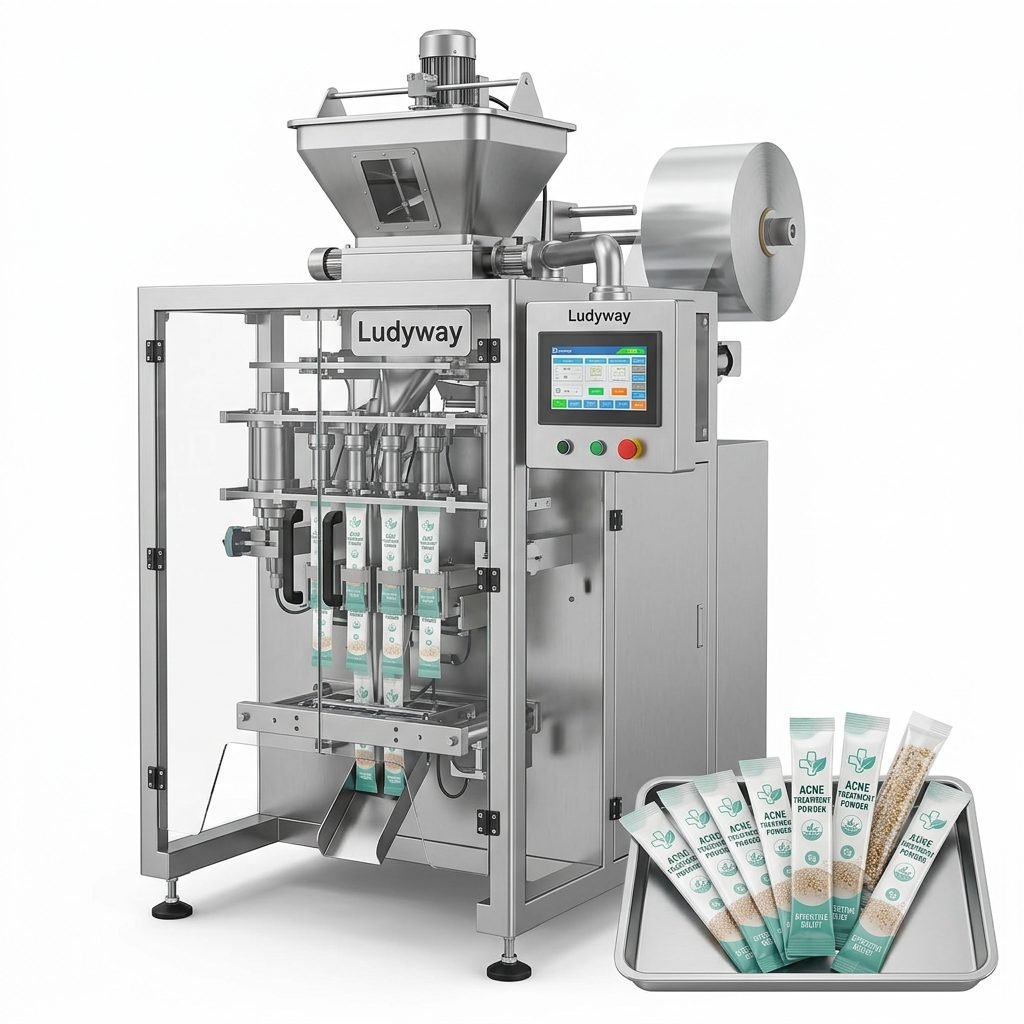
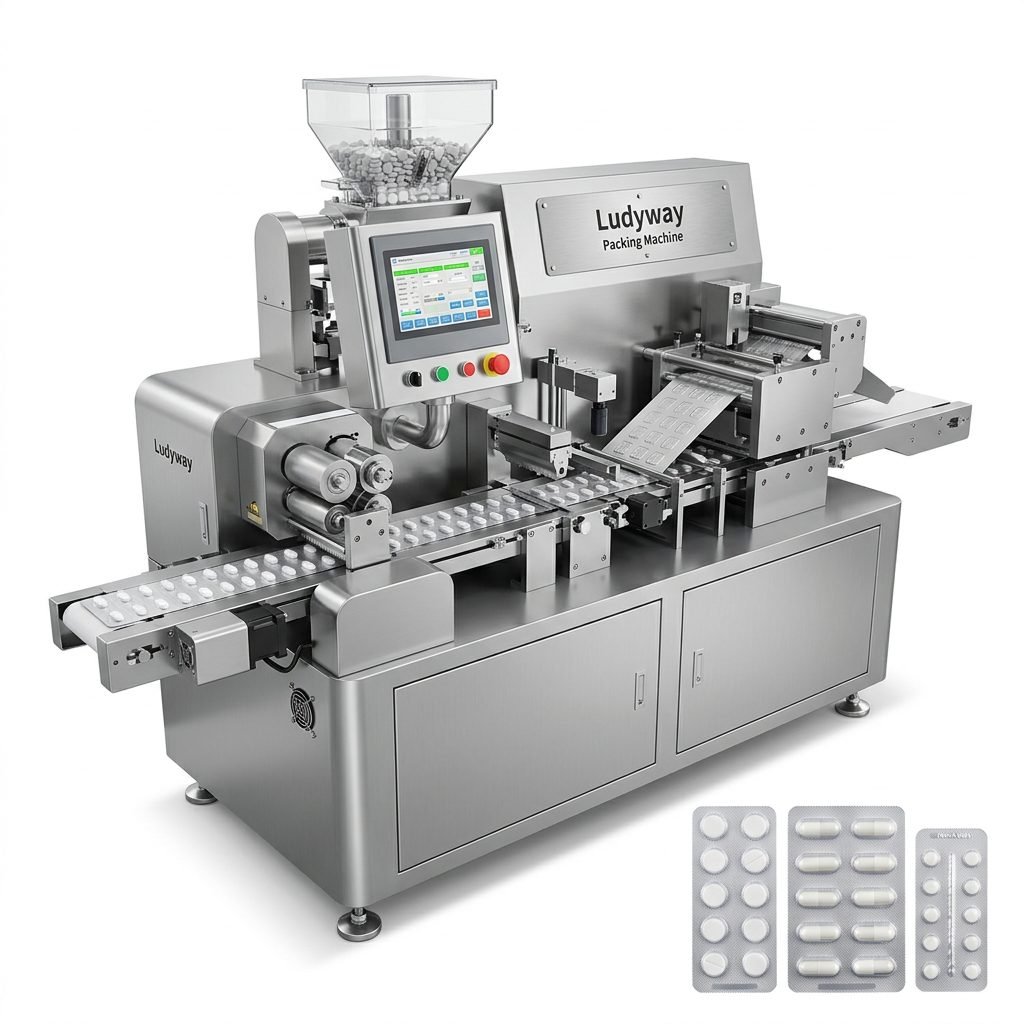
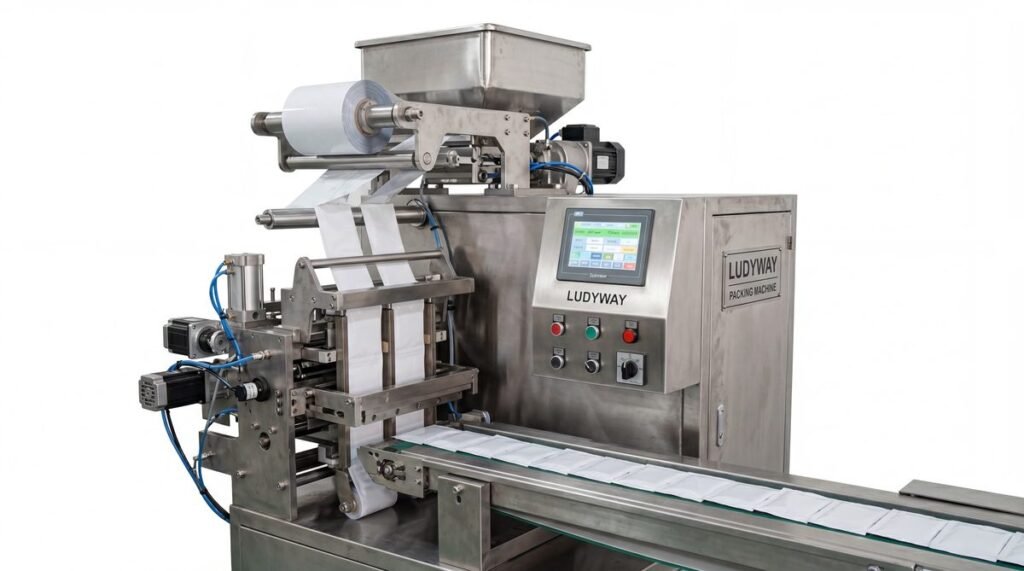
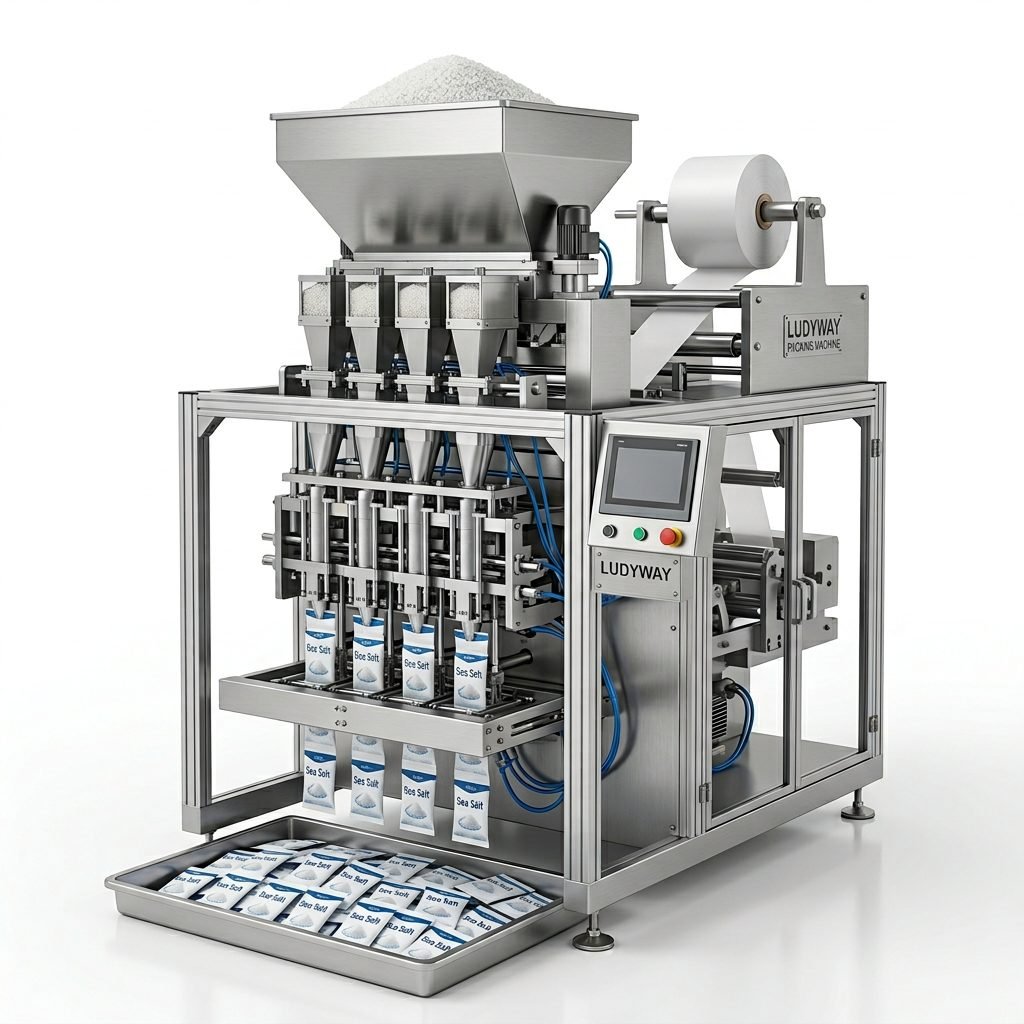
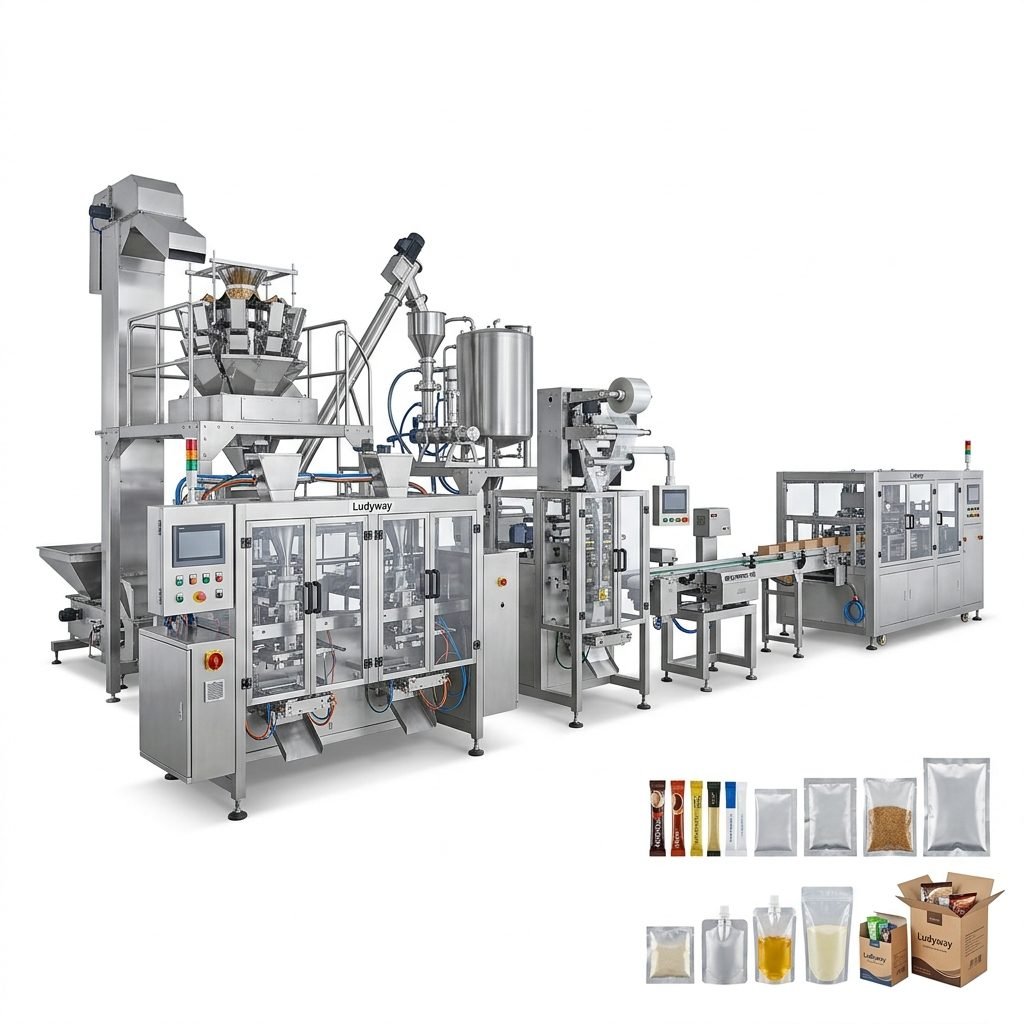
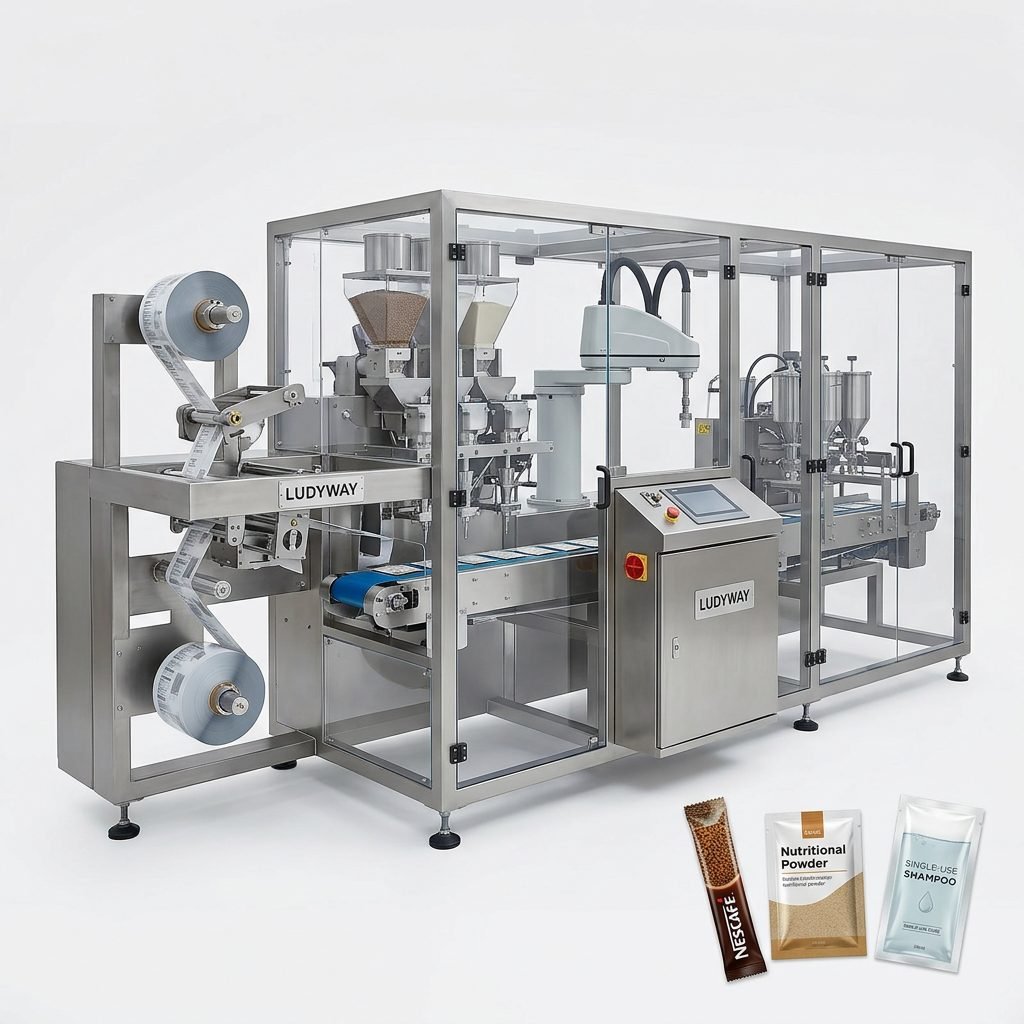
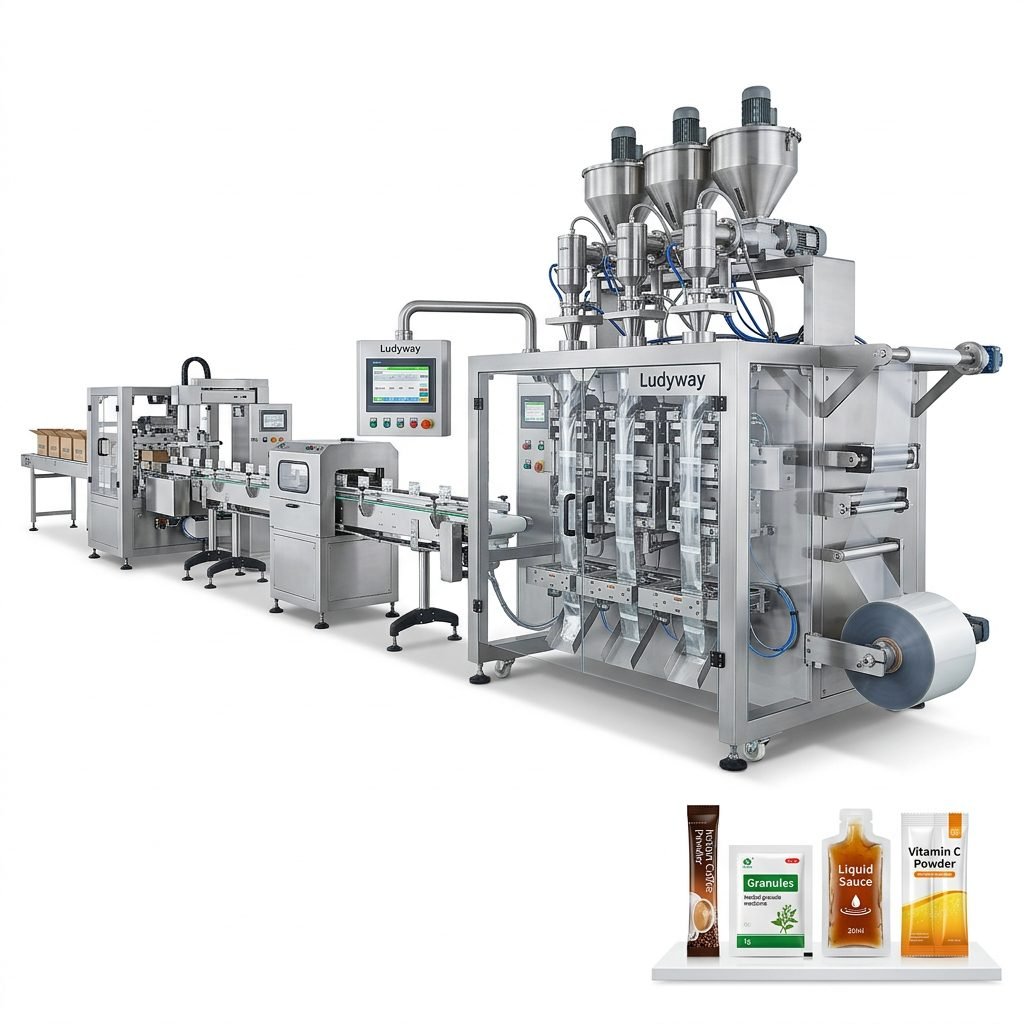
To achieve high-speed throughput on industrial packaging lines, modern machinery integrates several key engineering innovations. Leading China-based manufacturers, such as Ludyway, have focused heavily on refining these dynamic temperature control systems. By combining decades of engineering expertise with smart PLC integration, these machines offer unparalleled precision in demanding environments.
- Dynamic Temperature Profiling: Real-time feedback loops monitor the resistance of the heating band, adjusting the electrical input milliseconds at a time to maintain the target temperature regardless of ambient fluctuations.
- Pneumatic and Servo-Driven Dwell Control: The duration and pressure of the cooling phase are fully customizable, ensuring that heavy-duty gusseted bags are cooled exactly to their solid state before the packaging line advances.
- Anti-Stick Coating Technologies: Specialized backing materials and heating band formulations prevent polymer buildup, reducing maintenance intervals and extending the operational lifespan of the sealing elements.
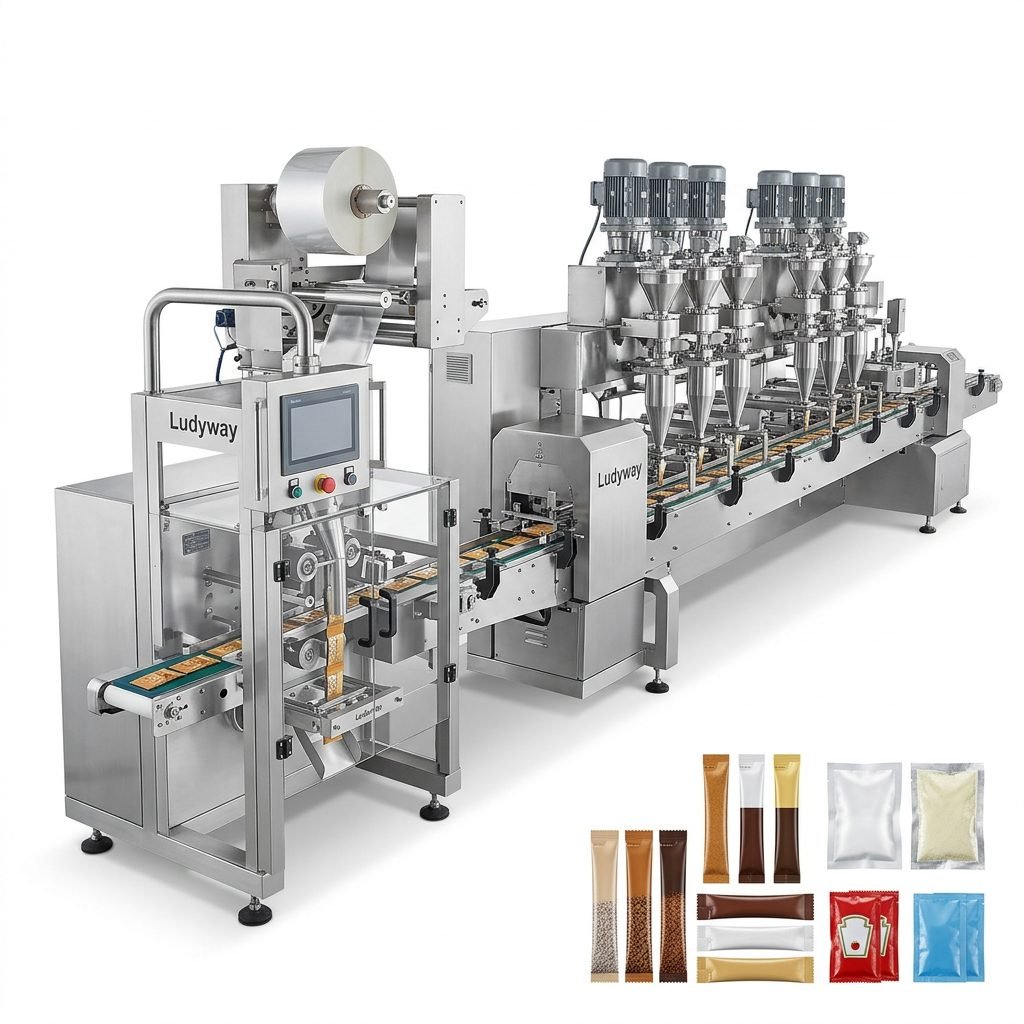
Target Applications for Thick-Film Sealing Solutions
The ability to securely seal thick films has opened new opportunities across several high-growth sectors:
- Heavy-Duty Chemical & Fertilizer Bags: Chemical products require thick, chemical-resistant polyethylene (PE) bags. Pulse-driven sealing ensures that dust or product residue in the seal area is displaced and a secure bond is formed.
- Pet Food Packaging: Large dry-kibble bags require gusseted packaging with multiple layers of laminated barrier films. High-power pulse systems seal through multiple film folds easily, preventing dropsical failure during transport.
- Pharmaceutical Cleanrooms: Medical-grade sterile barriers and heavy Tyvek laminates demand flawless seal consistency to maintain sterility. The precise temperature monitoring of pulse sealers meets these strict regulatory standards.
Future Outlook and Technological Trends
As sustainability regulations push the packaging sector toward mono-materials and recyclable thick barrier structures, sealing technologies must adapt. Mono-PE structures, while highly recyclable, have a much narrower sealing temperature window than traditional multi-material laminates. Pulse-driven high-power heat sealing machines are uniquely positioned to handle this shift. Their ability to deliver rapid heating and cooling cycles ensures that eco-friendly packaging can be processed at high speeds without thermal distortion.
For manufacturers looking to upgrade their production lines, investing in pulse-driven packaging systems represents a forward-looking strategy that enhances product safety, reduces energy costs, and adapts to the evolving landscape of sustainable packaging materials.