Investing in a beverage pouch packing machine is a strategic decision that directly impacts your production efficiency, product quality, and bottom line. Whether you are launching a new functional drink, scaling up a sports nutrition brand, or automating an existing liquid packaging line, choosing the wrong equipment can lead to costly downtime, inconsistent seals, and wasted materials. This guide walks you through the essential factors to evaluate, helping you select a machine that aligns perfectly with your product characteristics, production goals, and long-term business growth.
Understanding Your Beverage Product Requirements
Before comparing machine specifications, you must clearly define what you are packaging. Beverages vary widely in their physical properties, and each characteristic influences the type of pouch packing machine you need.
Liquid Viscosity and Particulate Content
Is your beverage a free-flowing liquid like bottled water or juice, or is it a viscous gel, concentrate, or syrup? Viscosity directly determines the filling system design. Low-viscosity liquids typically use piston fillers or gravity-based systems, while thick pastes and gels require positive-displacement pumps or auger fillers. If your beverage contains pulp, seeds, or fruit pieces, you need a machine capable of handling particulates without clogging nozzles or compromising seal integrity. According to industry resources from PMMI – The Association for Packaging and Processing Technologies, mismatched filling technology is one of the most common causes of production inefficiency.
Target Production Speed and Output
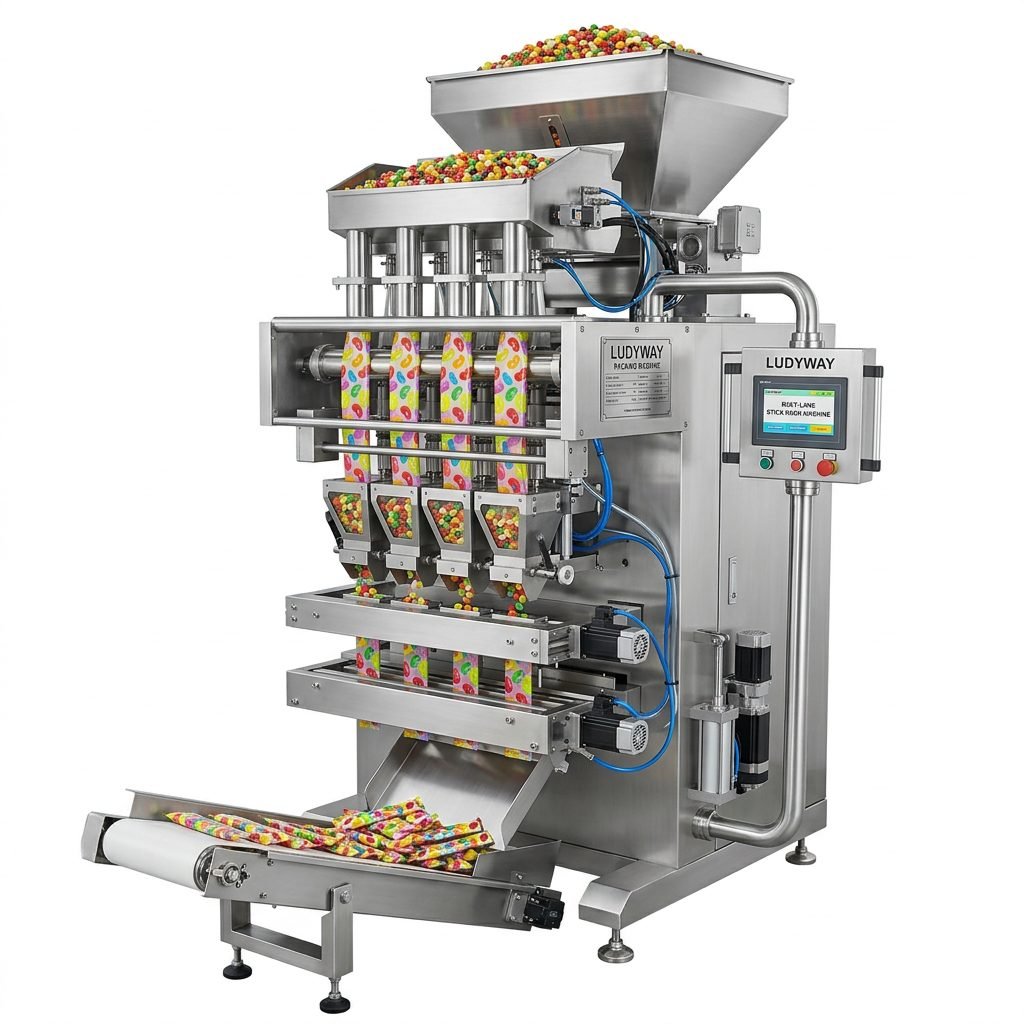
How many pouches per minute do you need to produce? Single-lane machines may suffice for startups and small batches, but mid-sized and large manufacturers often require multi-lane stick pack or sachet machines capable of producing hundreds of pouches per minute. Be realistic about both current demand and projected growth over the next three to five years. Selecting a machine that can scale with your business helps avoid premature reinvestment.
Pouch Format and Size Flexibility
Beverage pouches come in many formats: stick packs, three-side-seal sachets, four-side-seal sachets, stand-up pouches, and spouted pouches. Each format serves different market segments and consumer use cases. Consider whether you need a dedicated machine for one format or a flexible system that can switch between multiple pouch styles. Size flexibility matters too—sample-size stick packs and family-size stand-up pouches require different forming and sealing configurations.
Key Machine Specifications to Evaluate
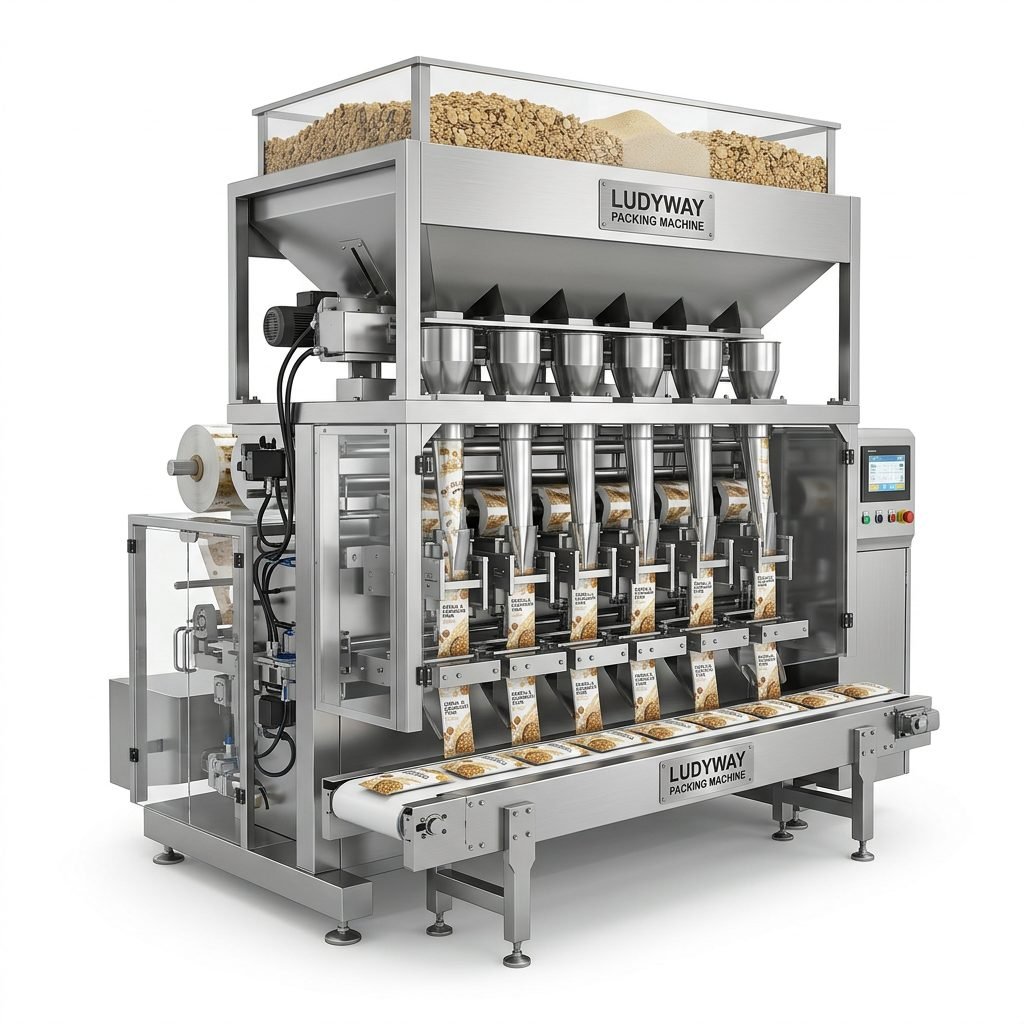
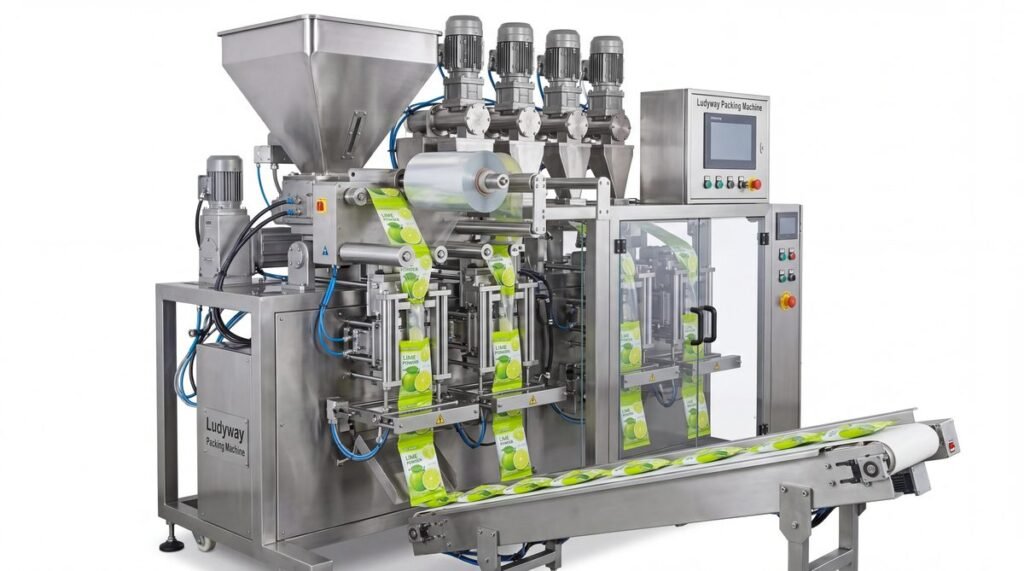
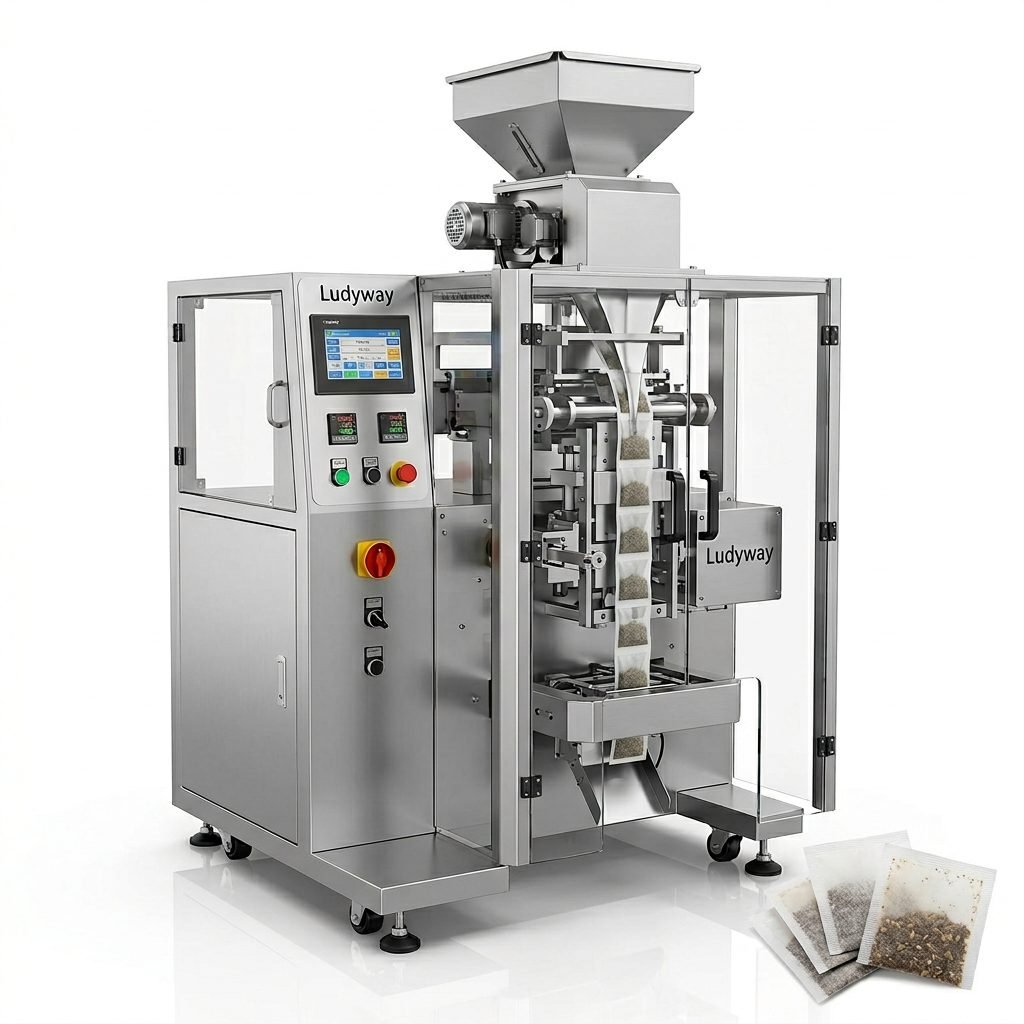
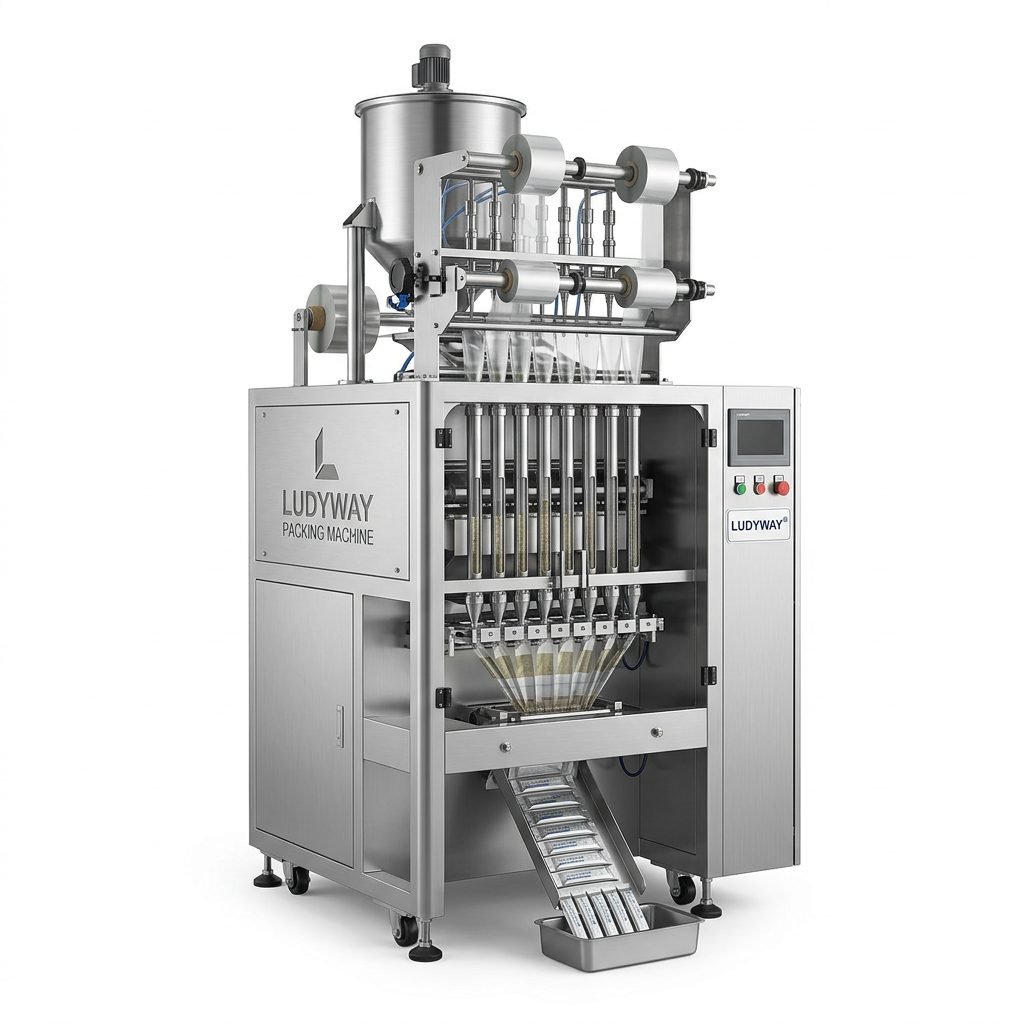
Once you have defined your product and output requirements, focus on the technical specifications that distinguish one beverage pouch packing machine from another. The table below summarizes the most common machine types and their ideal applications.
| Machine Type | Best For | Typical Speed | Key Advantage |
|---|---|---|---|
| Single-Lane VFFS | Small batches, startups | 30–80 pouches/min | Lower upfront cost |
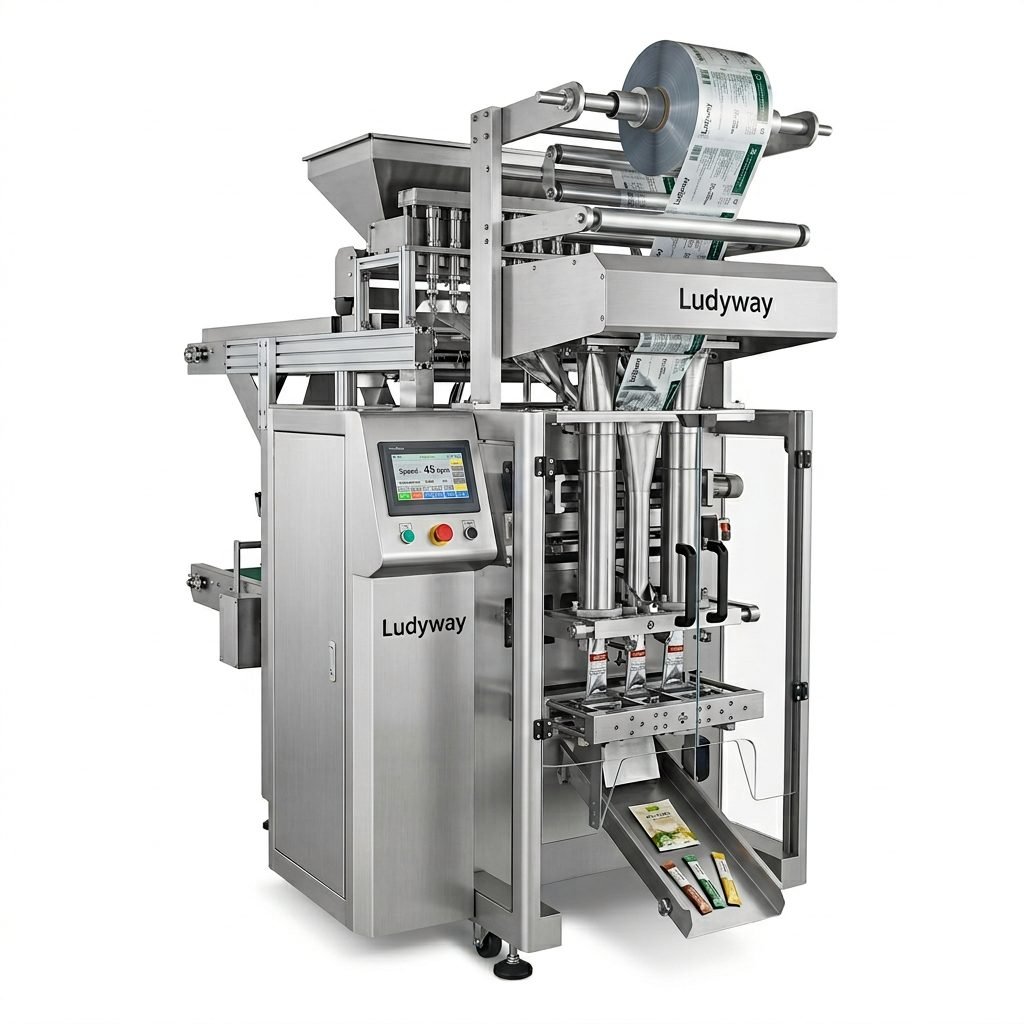
| Multi-Lane Stick Pack | Powder/granule beverages, instant drinks | 200–600+ pouches/min | High output, compact footprint |
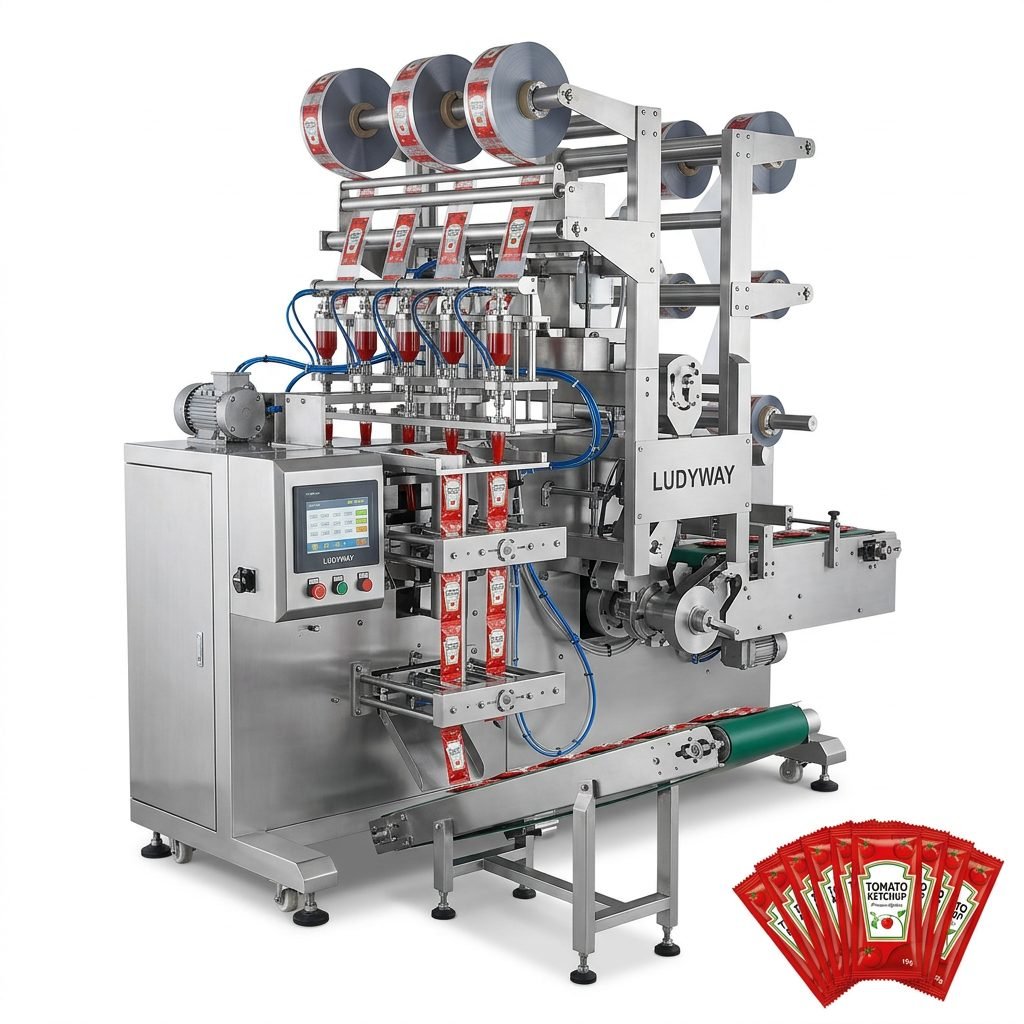
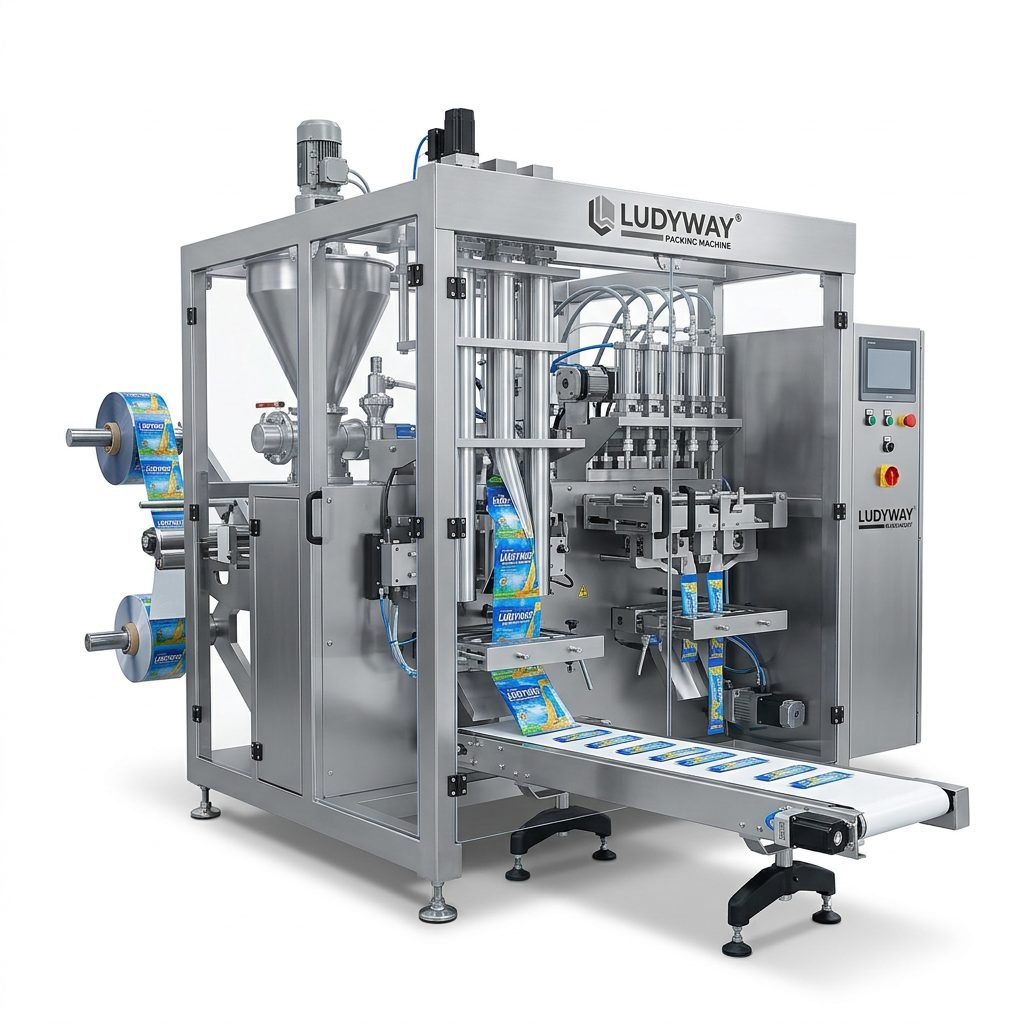
| Multi-Lane Liquid Sachet | Liquid beverages, gels, concentrates | 200–500+ pouches/min | Consistent fill accuracy for liquids |
| Premade Pouch Machine | Stand-up pouches, spouted pouches | 30–120 pouches/min | Premium packaging, retail-ready |
| Integrated Turnkey Line | Full automation from filling to cartoning | Custom-configured | Reduced labor, single-source solution |
Essential Features for Beverage Packaging
Beyond basic machine type, several features are critical for consistent, high-quality beverage pouch production. Pay close attention to these areas when comparing equipment from different manufacturers.
Filling Accuracy and Dosing Precision
For beverages sold by volume or weight, fill accuracy is non-negotiable. Overfilling cuts into your margins, while underfilling risks regulatory non-compliance and customer dissatisfaction. Look for machines with servo-driven filling systems, automatic weight feedback, and precision dosing controls. For carbonated or foaming beverages, special filling nozzles and bottom-up fill mechanisms help maintain accuracy without product loss. Reviewing FDA packaging and food contact substance guidelines ensures your equipment supports compliance with relevant regulations.
Sealing Technology and Integrity
The seal is the most critical point of failure on any beverage pouch. A weak or inconsistent seal leads to leaks, contamination, and product waste. Evaluate the machine’s sealing mechanism carefully—constant-heat sealing with precise temperature control typically delivers the most reliable results for multi-layer barrier films. Some applications benefit from ultrasonic sealing, particularly for products that leave residue in the seal area. Request seal-strength test data and, if possible, visit a facility to observe the machine running with your actual product and packaging material.
Automation, Controls, and Integration
Modern beverage pouch packing machines should offer user-friendly HMI touchscreens, recipe storage for quick changeovers, and robust PLC control systems. Automation extends beyond the machine itself—consider how easily it integrates with upstream equipment like product tanks and pumps, and downstream systems such as checkweighers, coding and marking units, cartoning machines, and palletizing systems. The ISO packaging standards provide useful frameworks for evaluating machine design and interoperability.
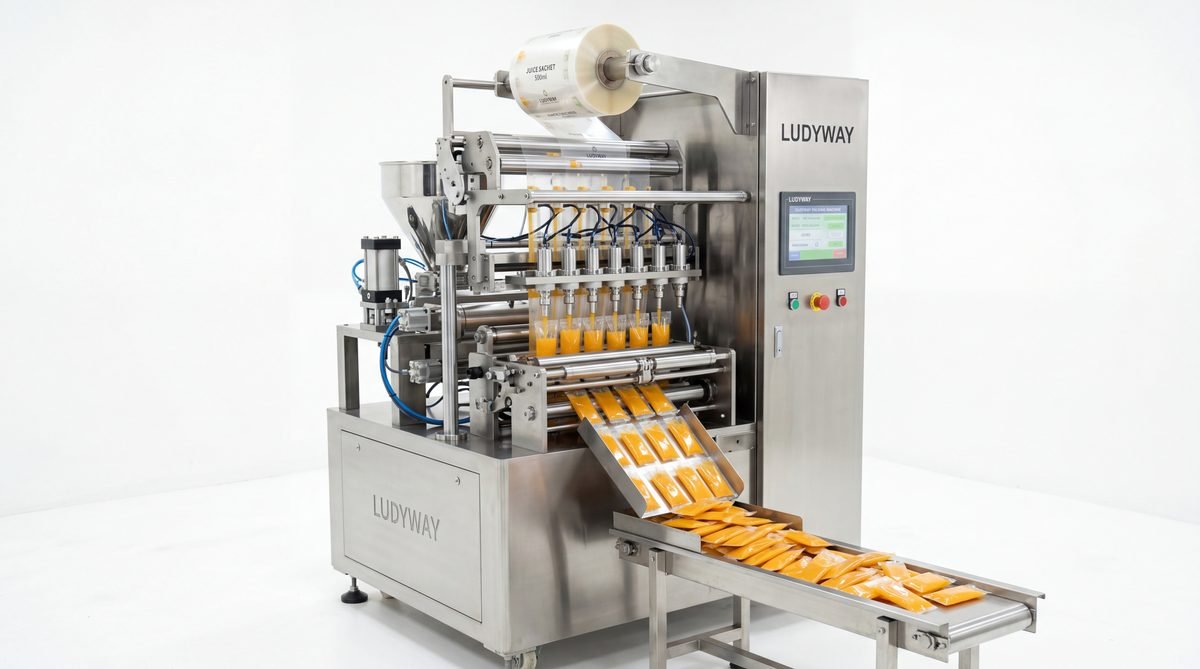
Hygiene, Cleanability, and Material Compatibility
Beverage production demands strict hygiene standards. Machines should feature stainless steel construction in all product-contact areas, sloped surfaces to prevent liquid pooling, and tool-free disassembly for cleaning and changeover. If you produce multiple beverage formulations or need to switch between dairy-based, acidic, and neutral products, CIP (Clean-in-Place) capability can dramatically reduce downtime. Also verify that all gaskets, seals, and lubricants are food-grade and compatible with your product chemistry.
Packaging Material Considerations
Your machine choice is inseparable from your packaging material strategy. The Flexible Packaging Association provides extensive data on material trends that influence machine selection. Common beverage pouch structures include laminated films with layers of PET, aluminum foil, and polyethylene for barrier protection. The machine must be compatible with your material’s thickness, heat-seal characteristics, and coefficient of friction. If you plan to use recyclable mono-material films or bio-based packaging in the future, confirm that the machine can run these newer substrates without modification.
Total Cost of Ownership and ROI
While the purchase price is important, total cost of ownership (TCO) is the metric that matters most. A less expensive machine that requires frequent repairs, produces high waste rates, or limits your speed will cost far more over its lifetime than a well-engineered system with strong after-sales support. When calculating TCO, include the following factors:
- Initial capital expenditure and any facility modifications
- Energy consumption and utilities
- Consumable parts and expected maintenance intervals
- Labor requirements for operation and changeover
- Expected waste rates and product giveaway
- Spare parts availability and shipping costs
- Training and technical support
Choosing the Right Manufacturing Partner
A beverage pouch packing machine is a long-term investment, and the manufacturer behind it matters as much as the machine itself. Look for partners with proven experience in liquid packaging applications, not just general machinery manufacturing. Evaluate their engineering capabilities, customization options, and whether they offer integrated packaging lines that can connect multiple stages of production.
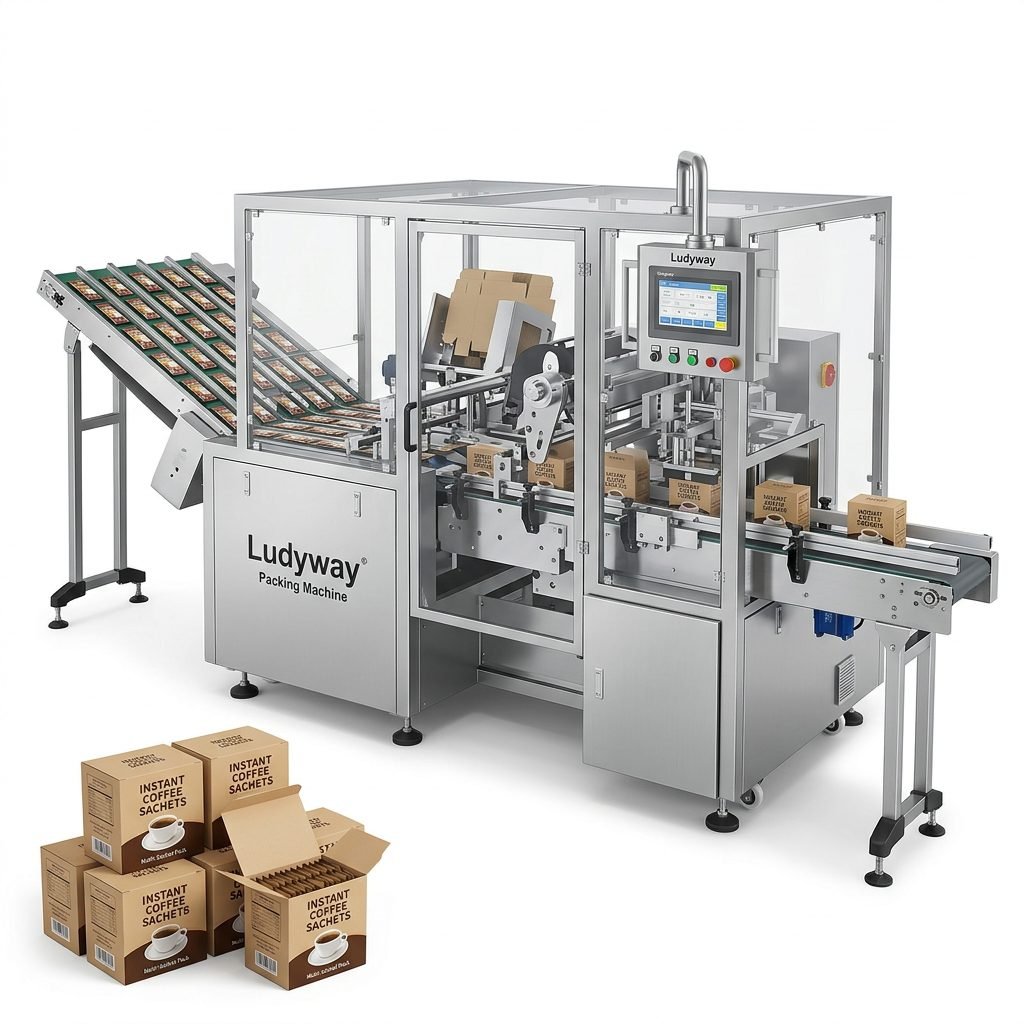
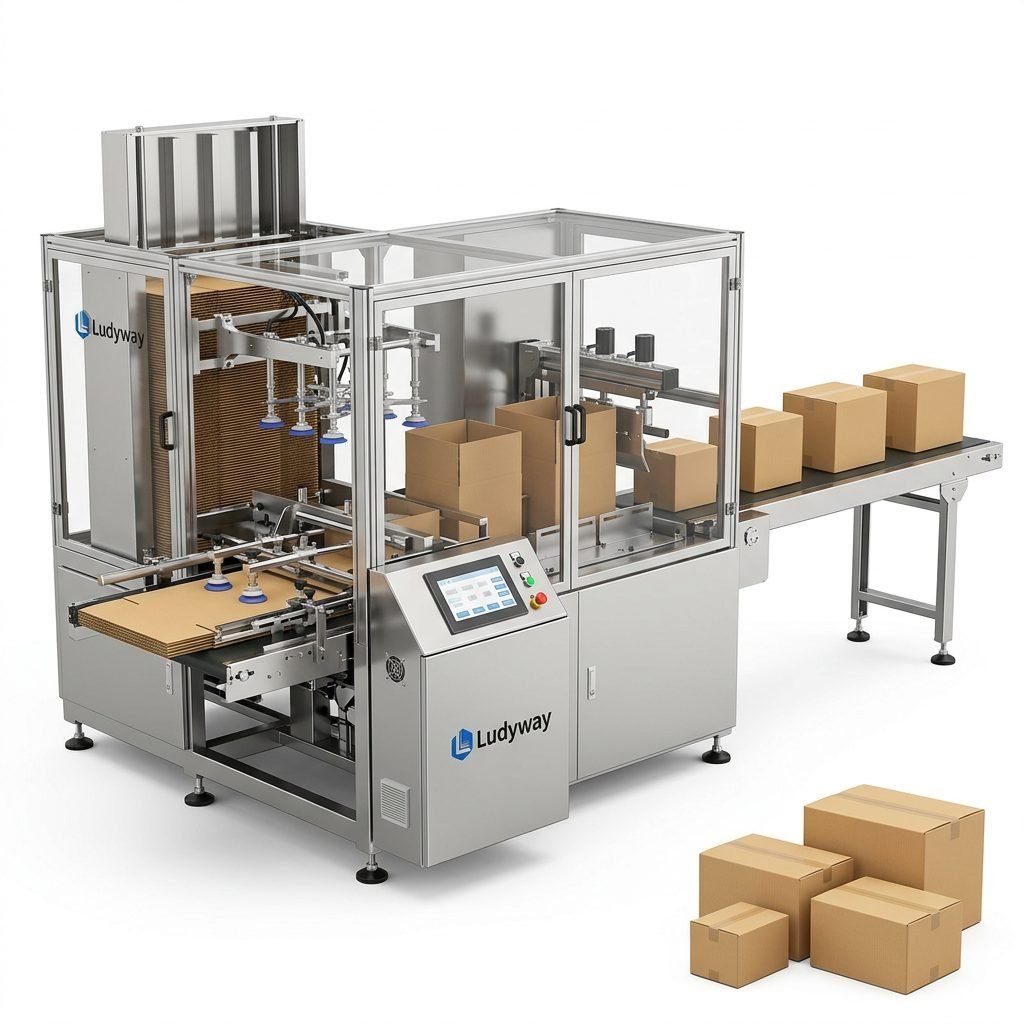
For manufacturers seeking a comprehensive solution, Ludyway Machinery provides a broad portfolio of automatic packaging equipment designed for various products and packaging formats. With more than 30 years of experience in the packaging industry, a 20,000-square-meter manufacturing facility, and over 50 packaging machine models, Ludyway’s global growth trajectory reflects its capability to serve customers in more than 100 countries and regions. The company’s technical team evaluates each customer’s product and packaging requirements to recommend appropriate machine configurations or complete turnkey packaging lines.

Questions to Ask Before You Buy
Before finalizing your decision, ask potential suppliers these critical questions. Their answers will reveal whether they are truly capable of meeting your needs.
- Can you provide references from beverage companies similar to ours?
- What is the guaranteed fill accuracy for our specific product viscosity?
- Do you offer factory acceptance testing (FAT) with our actual product and film?
- What is the standard lead time, and how do you handle installation and commissioning?
- Is remote technical support available, and what are the response time commitments?
- Can the machine be reconfigured for different pouch sizes or formats in the future?
- What certifications and compliance documentation are available for our target market?
Preparing for Installation and Beyond
Selecting the right machine is only the first step. Proper installation, operator training, and ongoing maintenance determine whether you achieve the expected performance over the machine’s lifetime. Plan for a thorough commissioning process that includes dry runs, product trials, and documented standard operating procedures. Establish a preventive maintenance schedule from day one, and maintain a reasonable inventory of critical spare parts. For businesses entering regulated markets, review relevant ISO 11607 packaging standards and FDA food contact substance requirements early in the selection process to avoid compliance issues later.
Choosing the right beverage pouch packing machine requires balancing technical specifications, production needs, budget realities, and long-term growth plans. By thoroughly evaluating your product characteristics, required output, machine features, and the manufacturer’s support capabilities, you can make a confident investment that powers your beverage brand’s success for years to come.