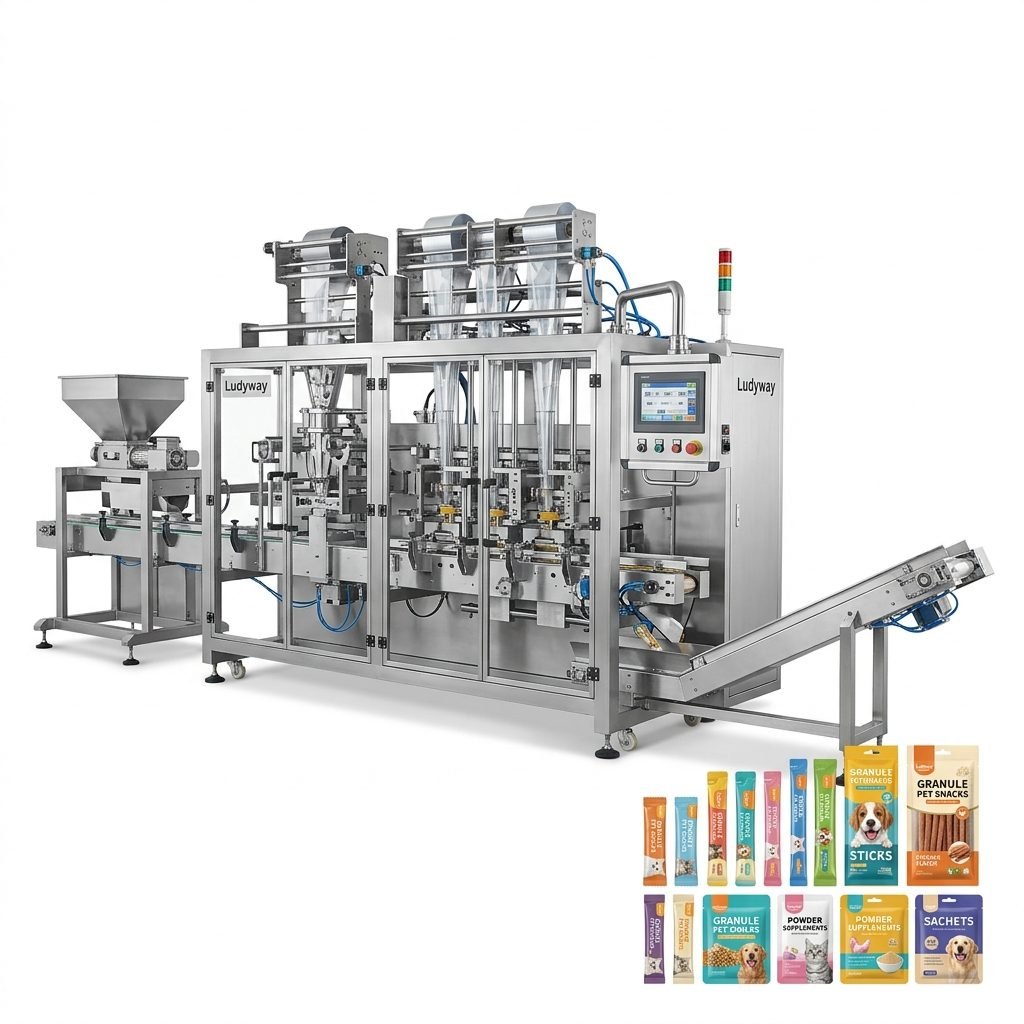
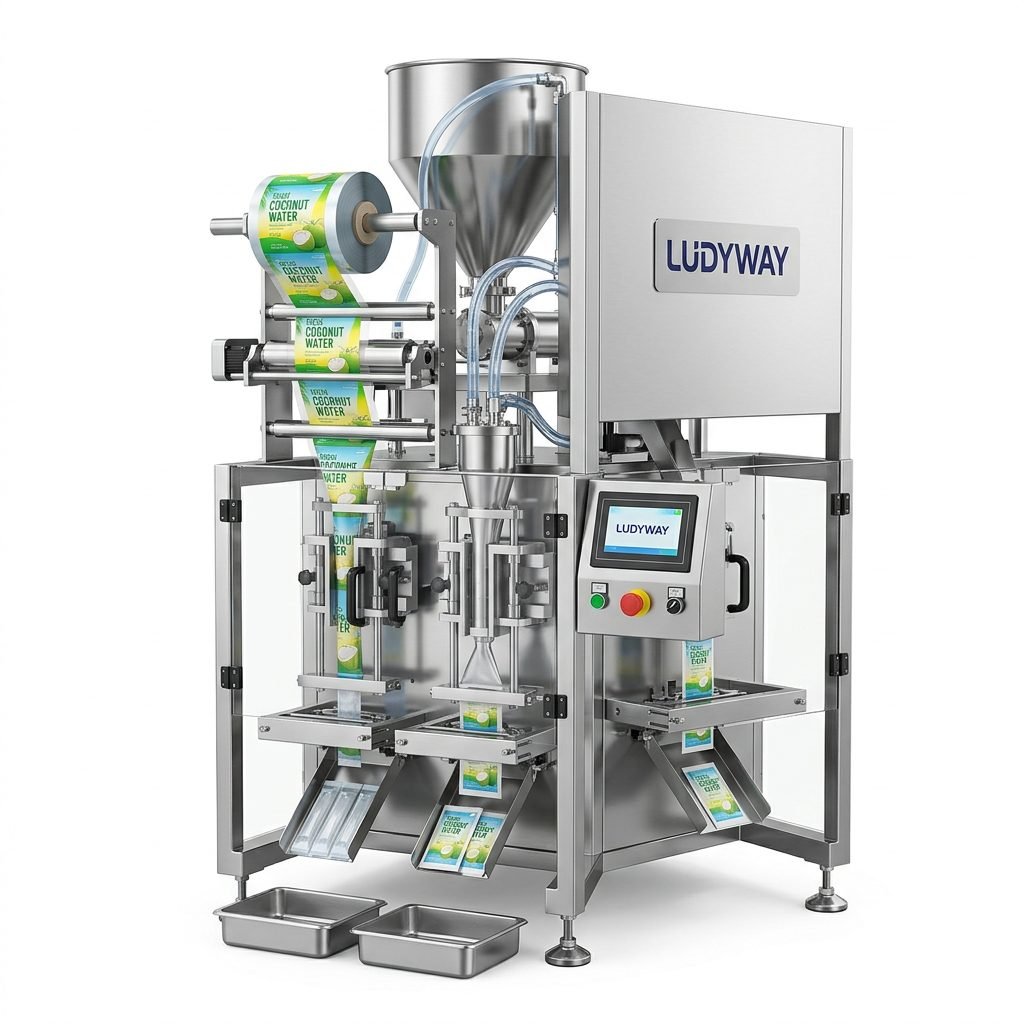
Investing in a pasta packaging machine is a critical decision that directly impacts your production efficiency, product shelf life, and overall profitability. Whether you are packaging short-cut pasta, long pasta, fresh pasta, or dry pasta, the right equipment must handle your specific product characteristics while meeting your output targets. A poorly chosen machine can lead to product breakage, inconsistent fill weights, frequent downtime, and excessive packaging waste.
This guide walks you through the essential factors to evaluate when selecting a pasta packaging system, helping you make an informed purchasing decision that aligns with your production goals and flexible packaging requirements.
Understanding Your Pasta Product Characteristics
Before evaluating any packaging machinery, you must fully understand the physical properties of your pasta product. Different pasta shapes, sizes, and formulations present unique challenges for automated packaging systems.
- Product fragility: Long pasta like spaghetti and fettuccine is more prone to breakage during conveying and filling compared to short-cut varieties like penne or fusilli.
- Bulk density and flowability: The density of your pasta affects volumetric dosing accuracy and the type of filling system required.
- Moisture content: Fresh pasta requires different handling and packaging conditions compared to dry pasta, often demanding modified atmosphere packaging (MAP) capabilities.
- Dust and fines: Some pasta products generate dust during processing, which can affect seal integrity if not properly managed.
- Product temperature: Pasta exiting drying or cooking processes may require cooling before entering the packaging stage.
Key Machine Specifications to Evaluate
When comparing different pasta packaging machines, pay close attention to the following technical specifications. These parameters will determine whether a machine can meet your production demands.
| Specification | Why It Matters | What to Look For |
|---|---|---|
| Production Speed | Determines output capacity per shift | Bags per minute (BPM) rated for your specific bag size and product type |
| Filling Accuracy | Impacts product giveaway and regulatory compliance | ±1-2g for multi-head weighers; volumetric accuracy percentages |
| Bag Size Range | Must match your current and future packaging formats | Minimum and maximum bag dimensions supported by the machine |
| Packaging Material Compatibility | Different films require different sealing parameters | Support for laminated films, PE, PP, paper-based, and biodegradable materials |
| Changeover Time | Affects operational efficiency in multi-SKU environments | Quick-release components, tool-free adjustments, recipe storage |
| Power and Air Requirements | Must be compatible with your facility infrastructure | Voltage, phase, frequency, compressed air pressure and consumption |

Types of Pasta Packaging Machines
Understanding the different machine configurations available is essential for matching equipment to your specific application. Each type offers distinct advantages depending on your product format and production scale.
Vertical Form Fill Seal (VFFS) Machines
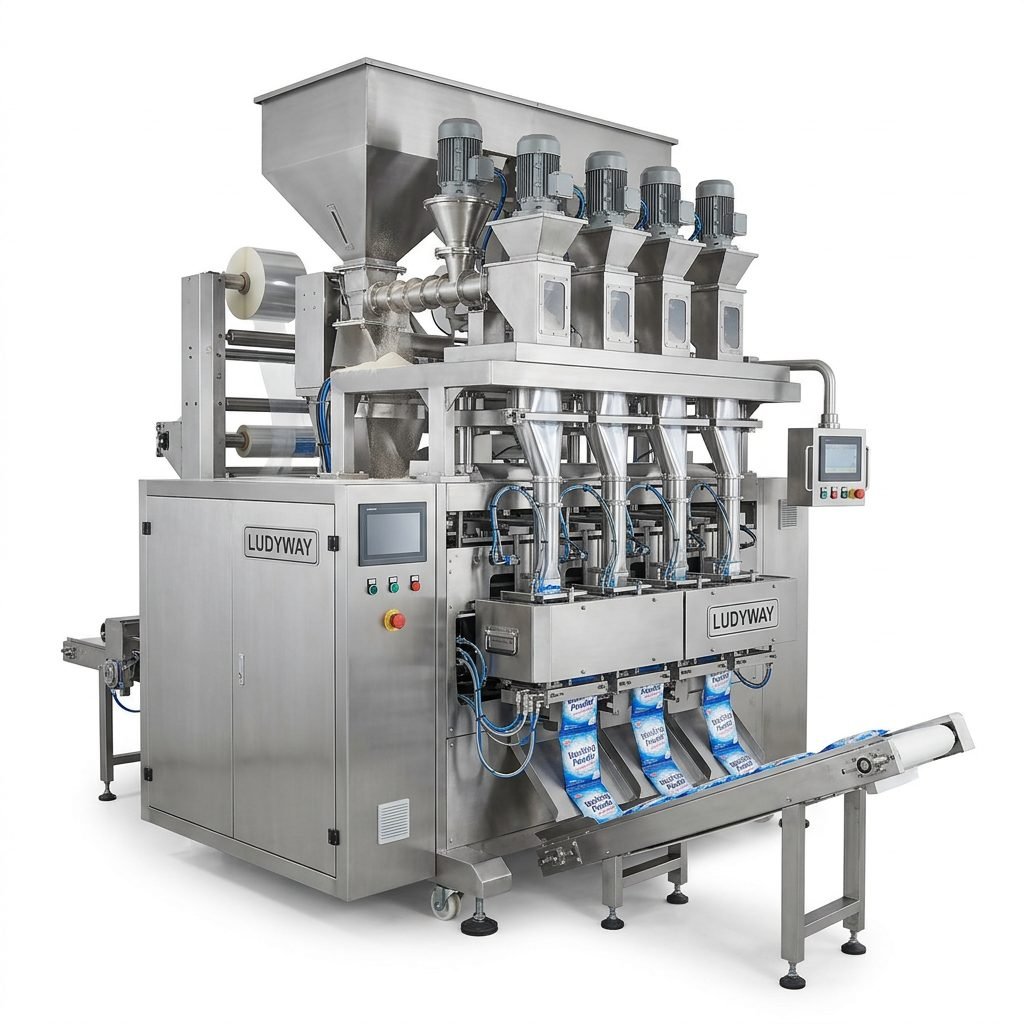
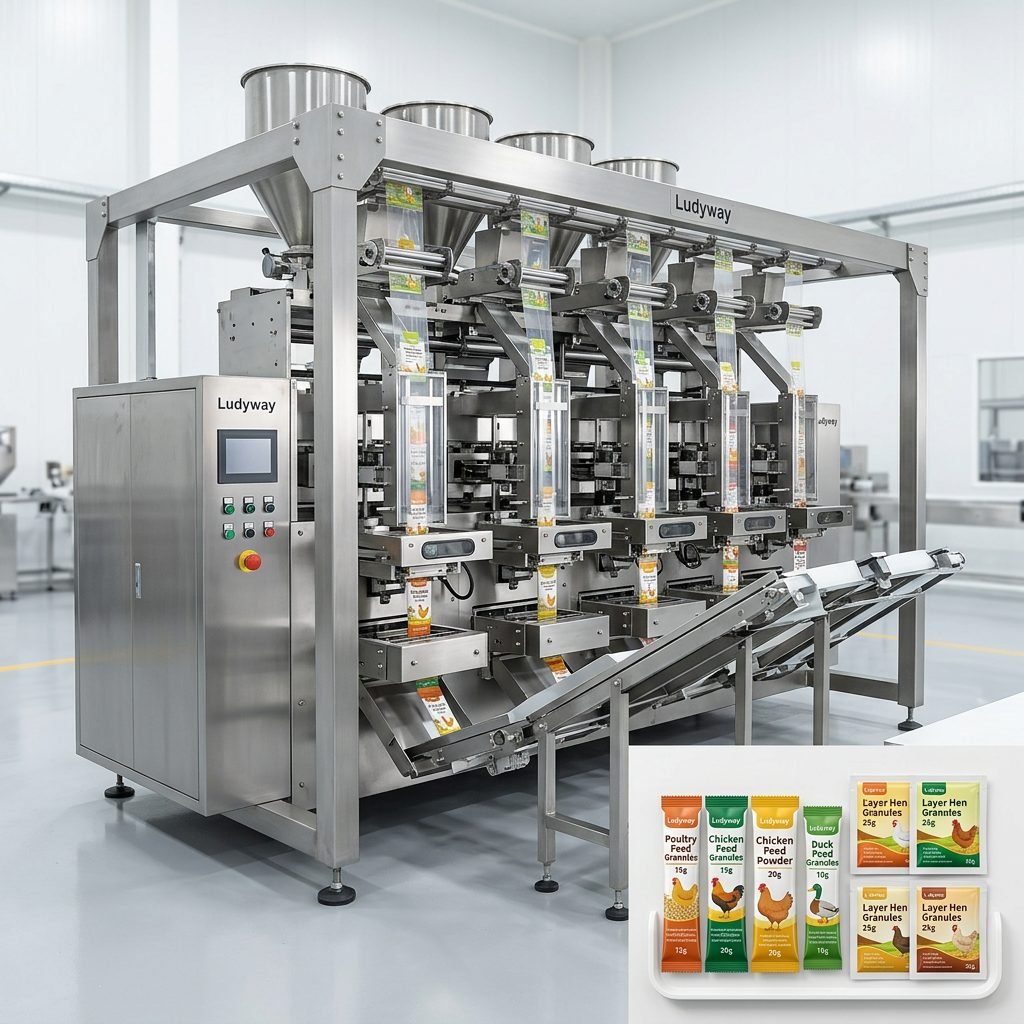
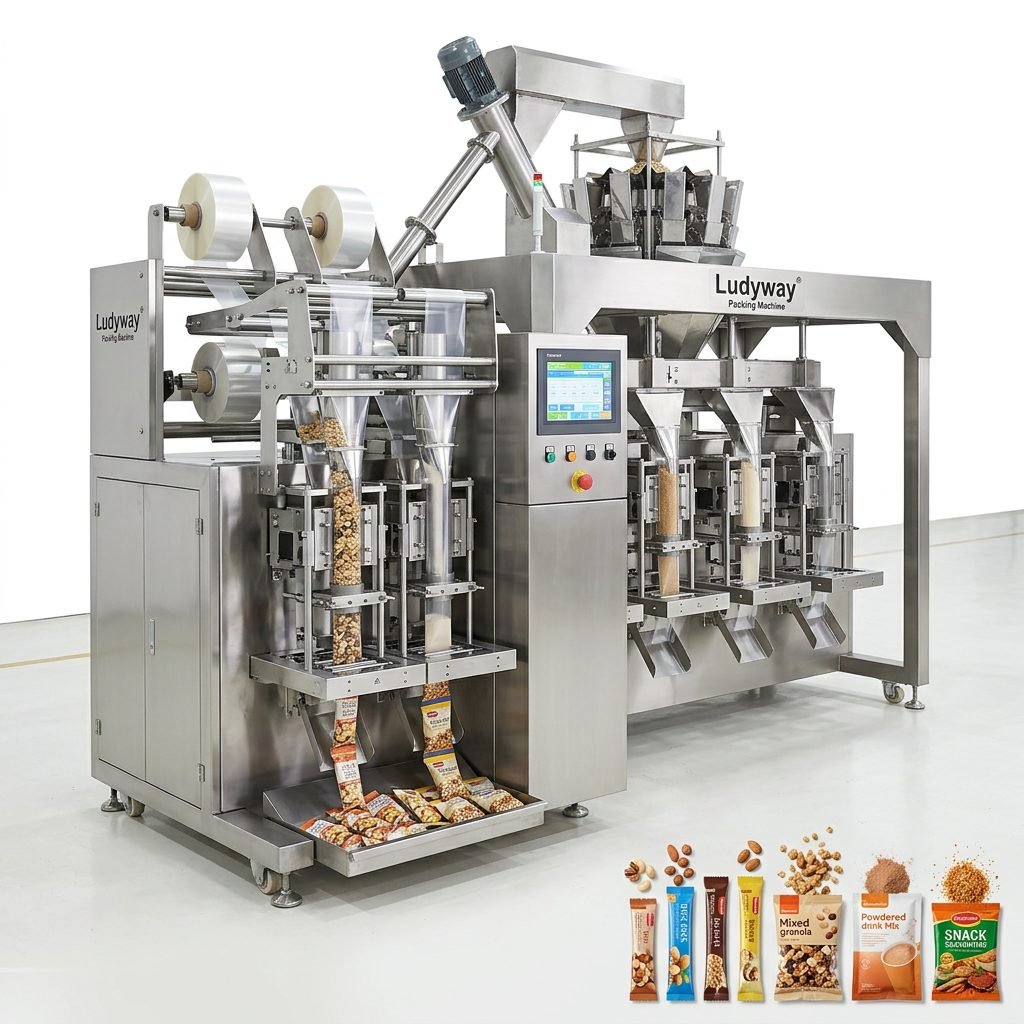
VFFS machines are the most common choice for dry pasta packaging. They form a bag from a flat roll of film, fill it with product, and seal it—all in a continuous vertical motion. These systems are well-suited for short-cut pasta and can achieve high speeds with multi-head weigher integrations. According to packaging machinery market research, VFFS technology continues to dominate the flexible packaging segment due to its versatility and cost-effectiveness.
Pre-Made Pouch Filling and Sealing Machines
For manufacturers using stand-up pouches, zipper bags, or pre-formed gusseted bags, rotary or inline pouch fillers offer a clean, efficient packaging solution. These machines pick and open pre-made pouches, fill them with pasta, and seal them. They are ideal for premium pasta brands that require high-quality presentation and resealable packaging formats.
Multi-Head Weigher Systems
While technically a component rather than a complete packaging machine, the multi-head weigher is critical for achieving accurate fill weights in pasta packaging. Modern multi-head weighers use combination weighing technology to deliver precise portions with minimal product giveaway, making them indispensable for high-speed pasta packaging lines.
Horizontal Form Fill Seal (HFFS) Machines
HFFS machines are often preferred for long pasta products like spaghetti and linguine. The horizontal orientation allows gentle product handling and can be configured with dedicated infeeds that protect fragile pasta from breakage during the packaging process.
Critical Features and Integration Options
Beyond the basic machine type, several features can significantly enhance your packaging operation’s performance and flexibility.
- Gas flushing and MAP: For fresh pasta, nitrogen flushing extends shelf life by displacing oxygen from the package before sealing.
- Date coding and printing: Integrated thermal transfer or inkjet printers apply batch codes, expiration dates, and traceability information inline.
- Checkweighing and metal detection: Inline quality control systems reject underweight packs or contaminated products automatically.
- Automated feeding systems: Bucket elevators, inclined conveyors, and vibratory feeders ensure consistent product flow into the packaging machine.
- Remote monitoring and diagnostics: IoT-enabled machines provide real-time performance data, predictive maintenance alerts, and remote troubleshooting capabilities.

Common Purchasing Mistakes to Avoid
Many buyers make costly errors when selecting a pasta packaging machine. Being aware of these pitfalls can save you significant time, money, and frustration.
- Focusing only on purchase price: While the initial equipment cost is important, total cost of ownership—including spare parts, maintenance, film waste, downtime, and energy consumption—often has a far greater impact on your bottom line over the machine’s lifetime.
- Underestimating future capacity needs: A machine that meets today’s production requirements may become a bottleneck as your business grows. Consider modular designs that allow incremental capacity upgrades.
- Ignoring film compatibility testing: Not all packaging films perform the same way on every machine. Always test your specific film materials on demonstration equipment before committing to a purchase.
- Overlooking operator training requirements: Even the best machine will underperform if operators are not properly trained. Factor in training time and ongoing support when evaluating suppliers.
- Neglecting local service and support: Packaging machines require periodic maintenance and occasional repairs. Ensure your supplier can provide timely technical support, spare parts availability, and service in your region.
- Choosing a machine without adequate hygiene features: For food-grade pasta packaging, look for stainless steel construction, tool-free disassembly, sloped surfaces, and FDA-compliant food contact materials.
Evaluating Packaging Machine Suppliers
Selecting the right equipment partner is as important as choosing the right machine. A reliable packaging machinery manufacturer should offer more than just equipment—they should provide engineering expertise, application knowledge, and long-term support.
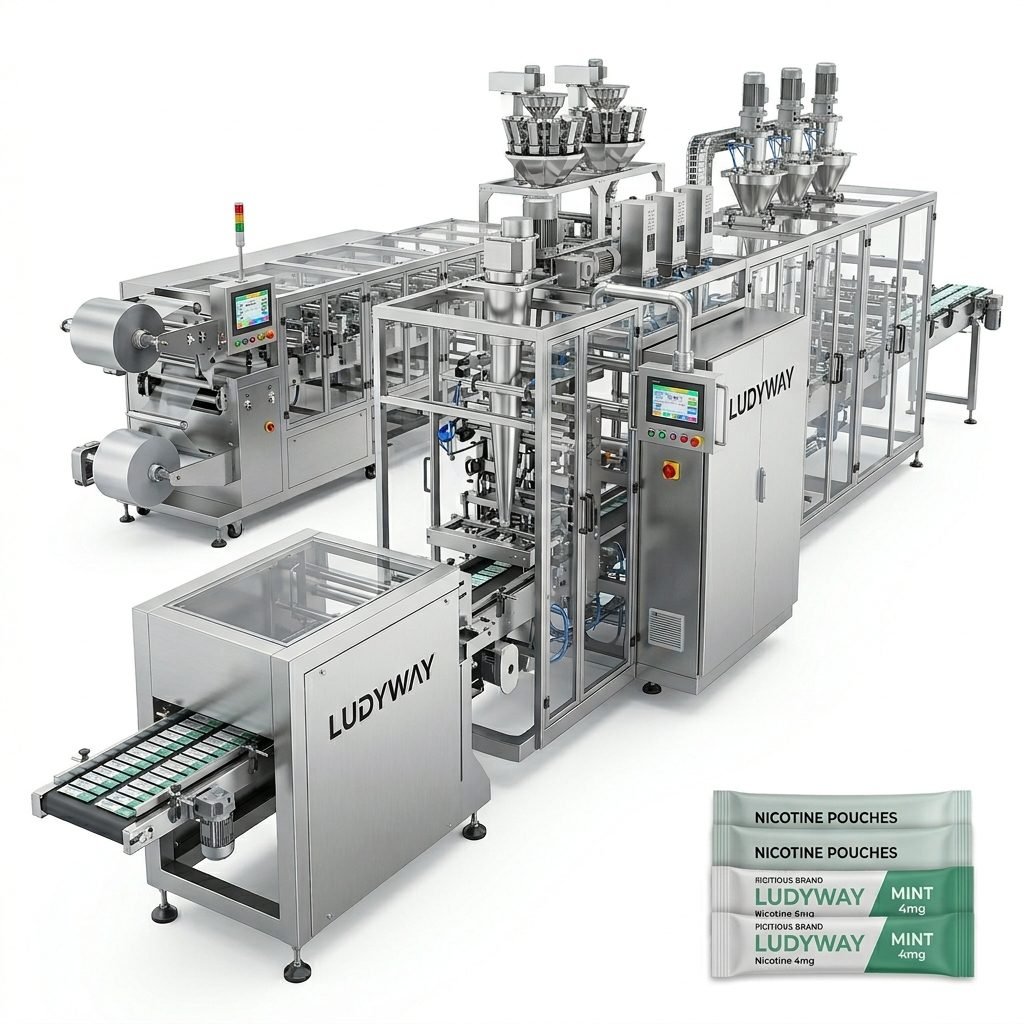
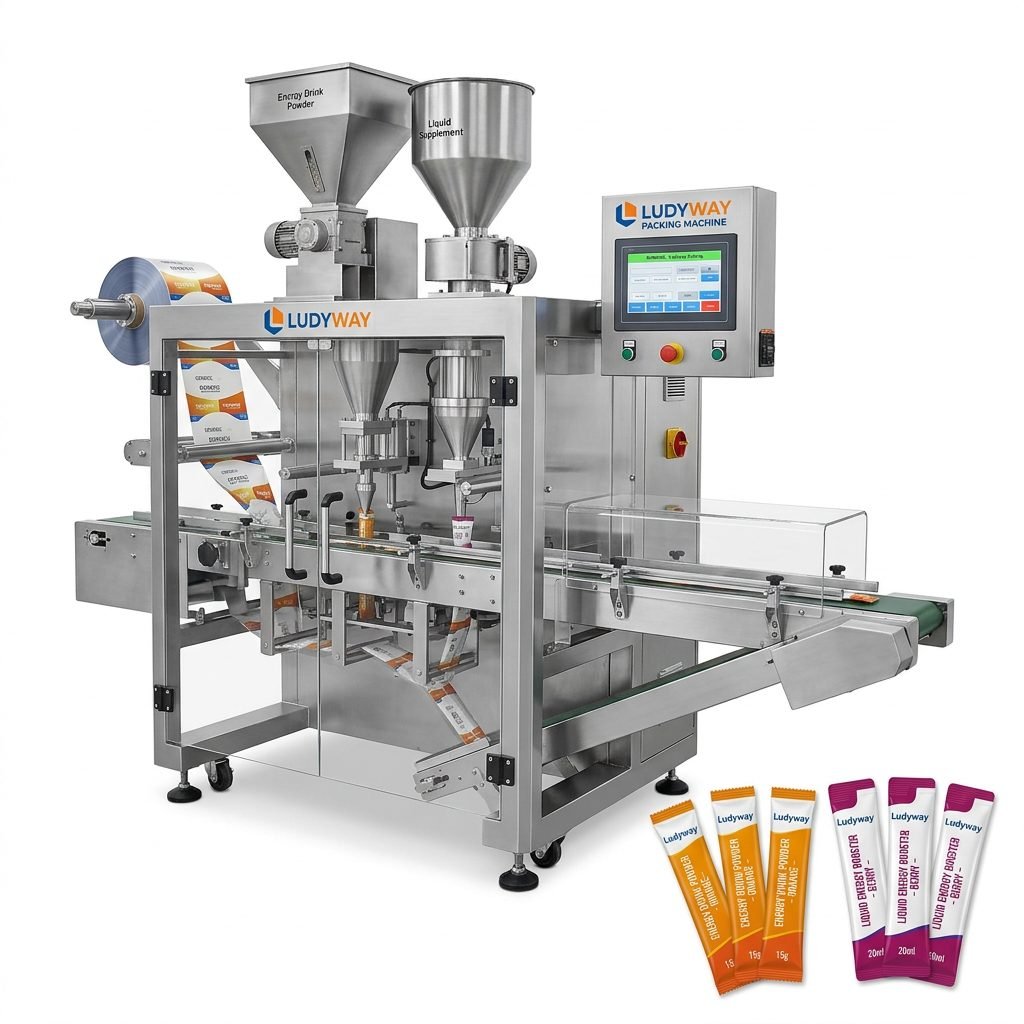
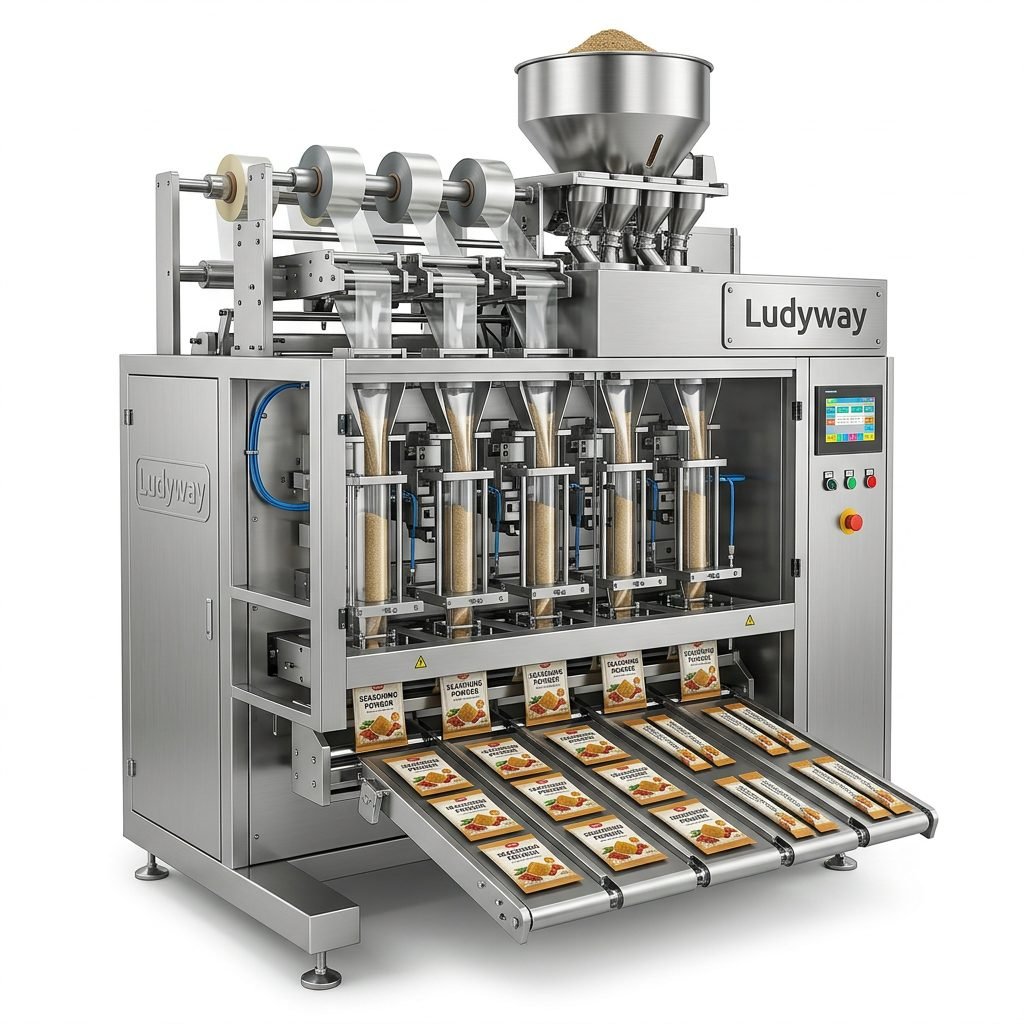
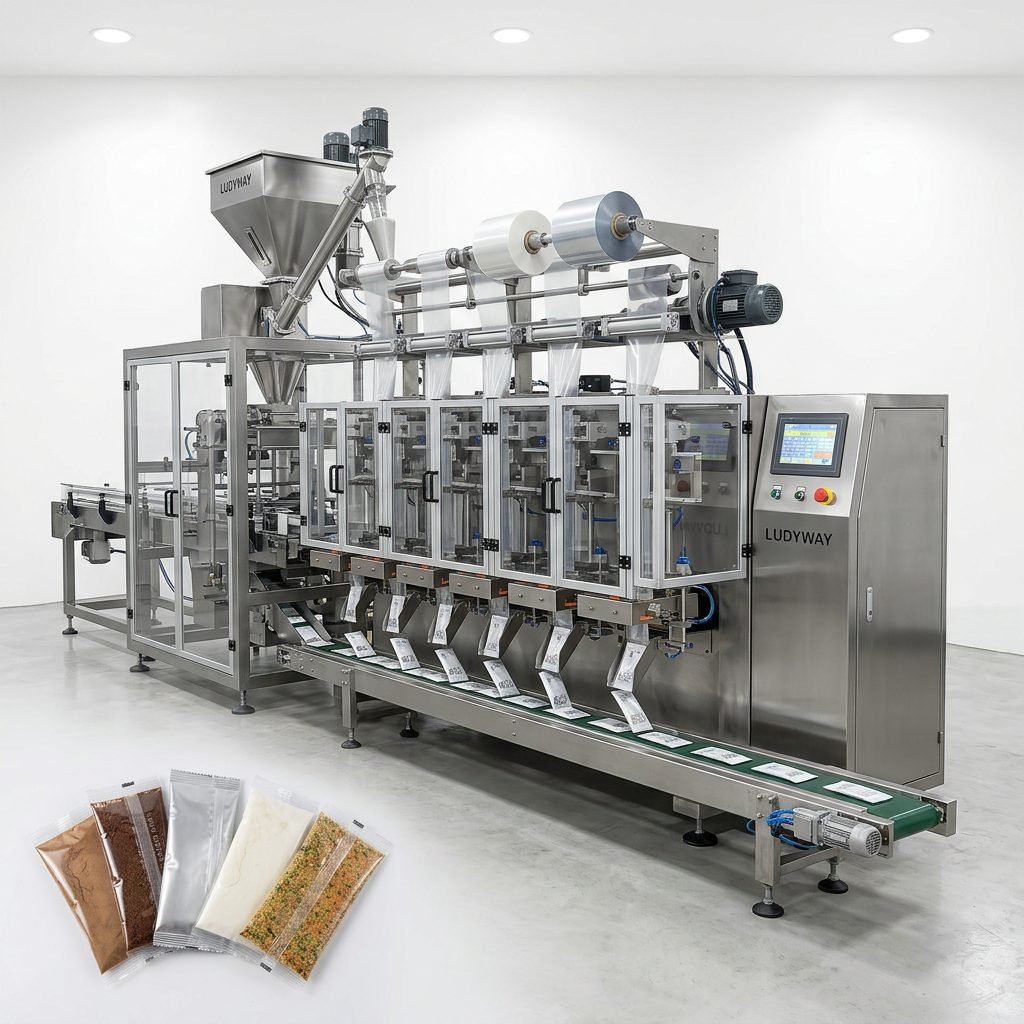
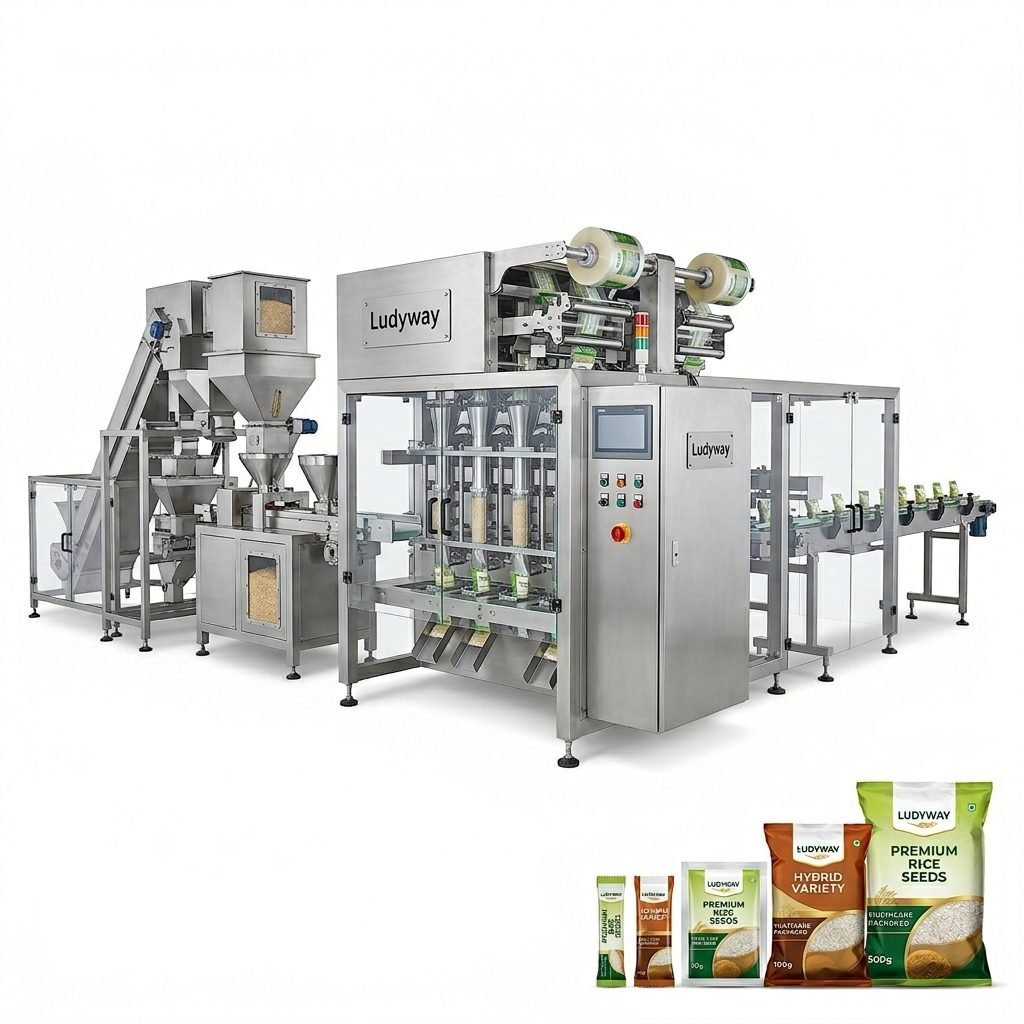
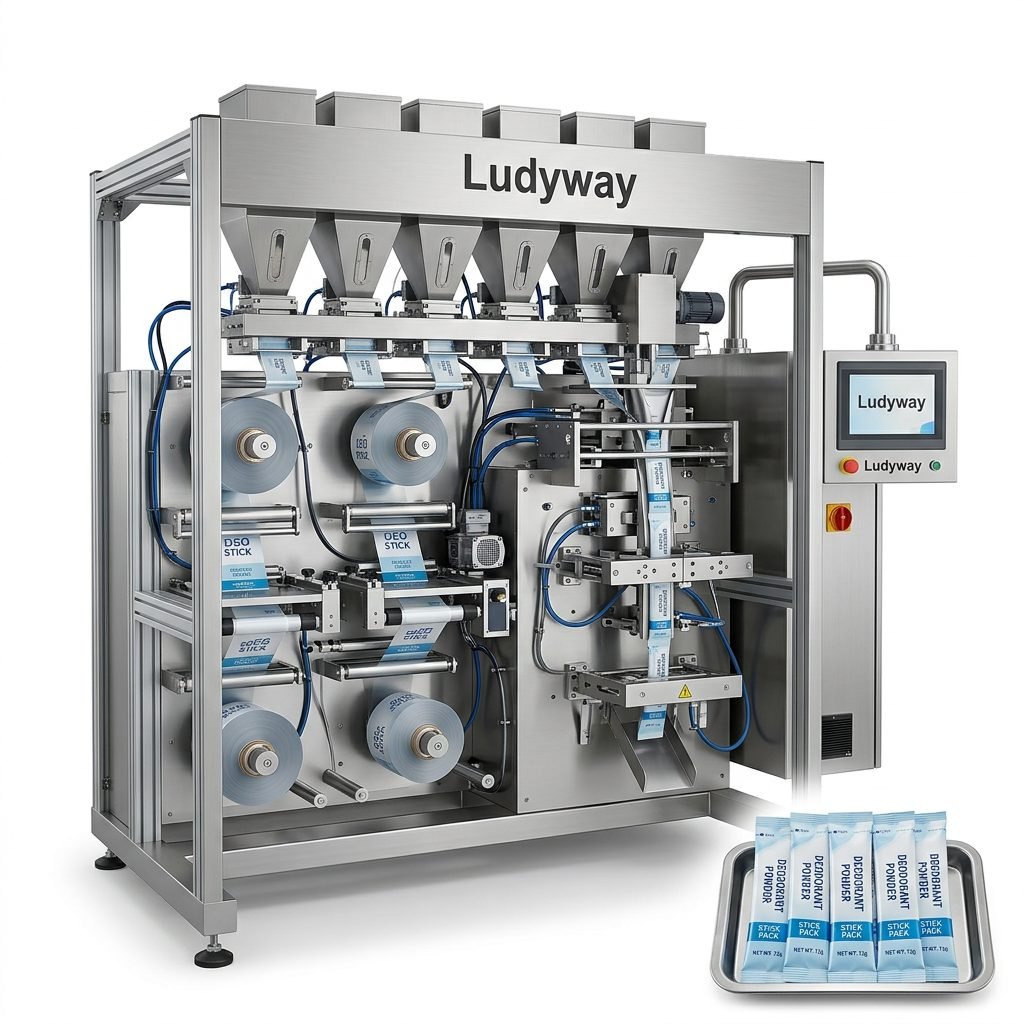
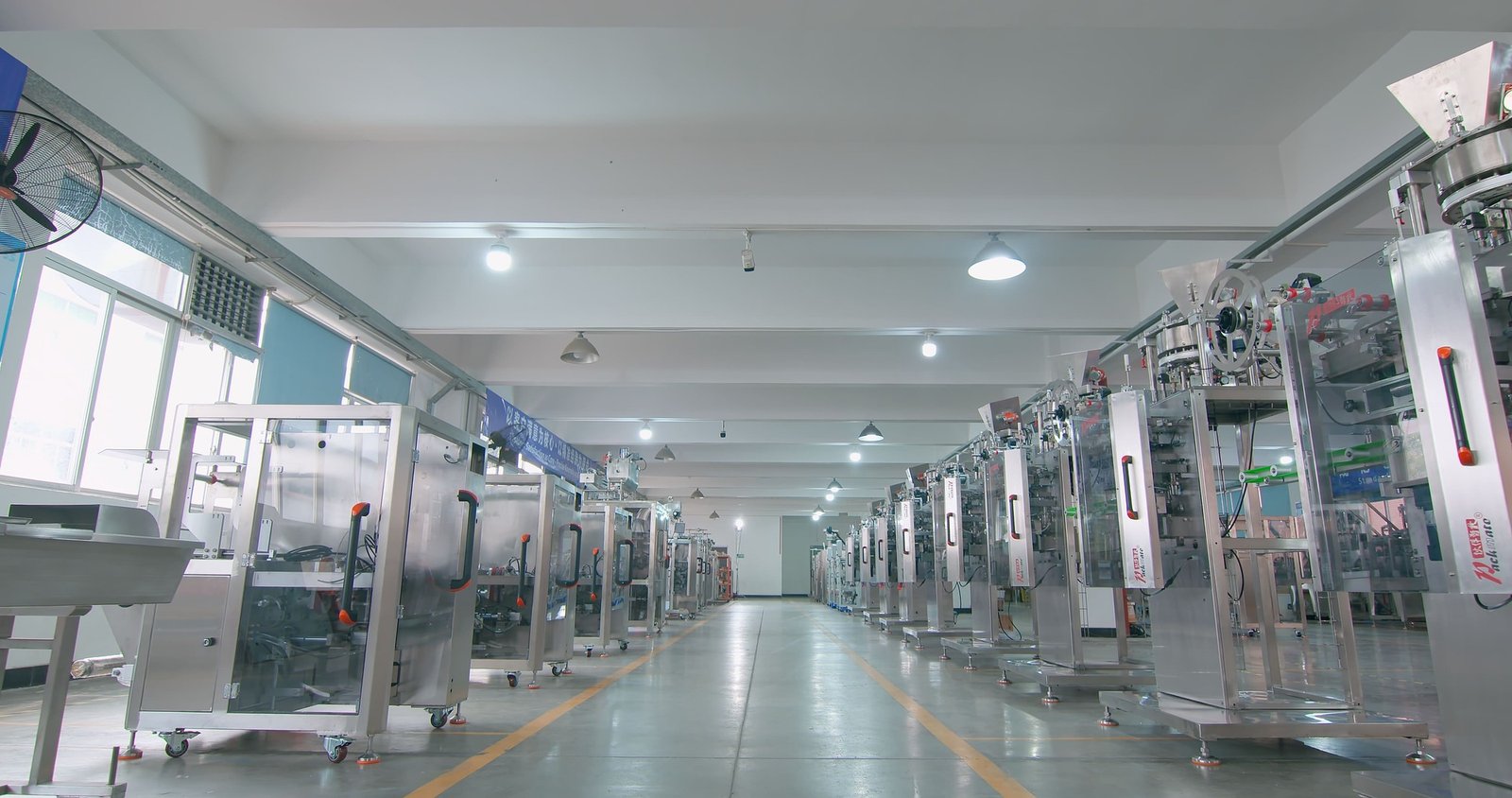
Ludyway Machinery, a China-based packaging machinery manufacturer with over 30 years of industry experience, exemplifies this approach by combining manufacturing expertise with integrated engineering solutions. The company operates a 20,000-square-meter manufacturing facility with more than 130 professionals and offers over 50 packaging machine models designed for different products and packaging formats. Rather than offering only standardized machines, Ludyway provides customized packaging machinery configured to specific product characteristics, production speeds, and factory layouts. With service coverage in more than 100 countries and regions, the company supports manufacturers throughout the entire project lifecycle—from equipment selection and system integration to installation, commissioning, and ongoing technical assistance.
Questions to Ask Before Buying
Before finalizing your decision, ask prospective suppliers these critical questions to avoid surprises after installation.
- Can you provide references from customers packaging similar pasta products?
- What is the expected lifespan of key wear components such as sealing jaws, belts, and bearings?
- Do you offer factory acceptance testing (FAT) and site acceptance testing (SAT) services?
- What is the standard warranty period, and what does it cover?
- How quickly can you ship replacement parts to our location?
- Is remote diagnostic support available for troubleshooting?
- Can the machine be upgraded or retrofitted for different packaging formats in the future?
- What training do you provide for machine operators and maintenance personnel?
Understanding Packaging Compliance and Standards
Food packaging equipment must comply with relevant safety, hygiene, and labeling regulations in your target markets. Refer to packaging machinery standards and regulations from organizations like PMMI, and consult ISO packaging standards for international compliance guidance. For pasta sold in international markets, packaging must also meet destination-country requirements for food contact materials, labeling, and shelf-life declarations.
Making the Final Decision
Choosing the right pasta packaging machine requires balancing multiple factors: product characteristics, production volume, packaging format, budget, supplier capabilities, and future growth plans. By systematically evaluating each of these areas and thoroughly vetting potential suppliers, you can select equipment that delivers reliable performance, consistent package quality, and strong return on investment over its operational life.
Remember that the lowest upfront price rarely translates to the lowest total cost of ownership. Invest in a machine and a supplier that can support your business not just at installation, but for years of production thereafter. A well-chosen pasta packaging system becomes a competitive advantage—helping you reduce waste, increase throughput, maintain product quality, and respond flexibly to changing market demands.