Investing in a foil packaging machine is a strategic decision that directly impacts your product quality, shelf life, and production efficiency. Whether you are packaging sensitive pharmaceuticals, food powders, or cosmetic creams, the right machinery ensures your product is sealed with integrity against moisture, light, and oxygen. This guide breaks down the essential factors to consider, helping you navigate technical specifications and supplier evaluations with confidence.
Understanding Your Product and Packaging Requirements
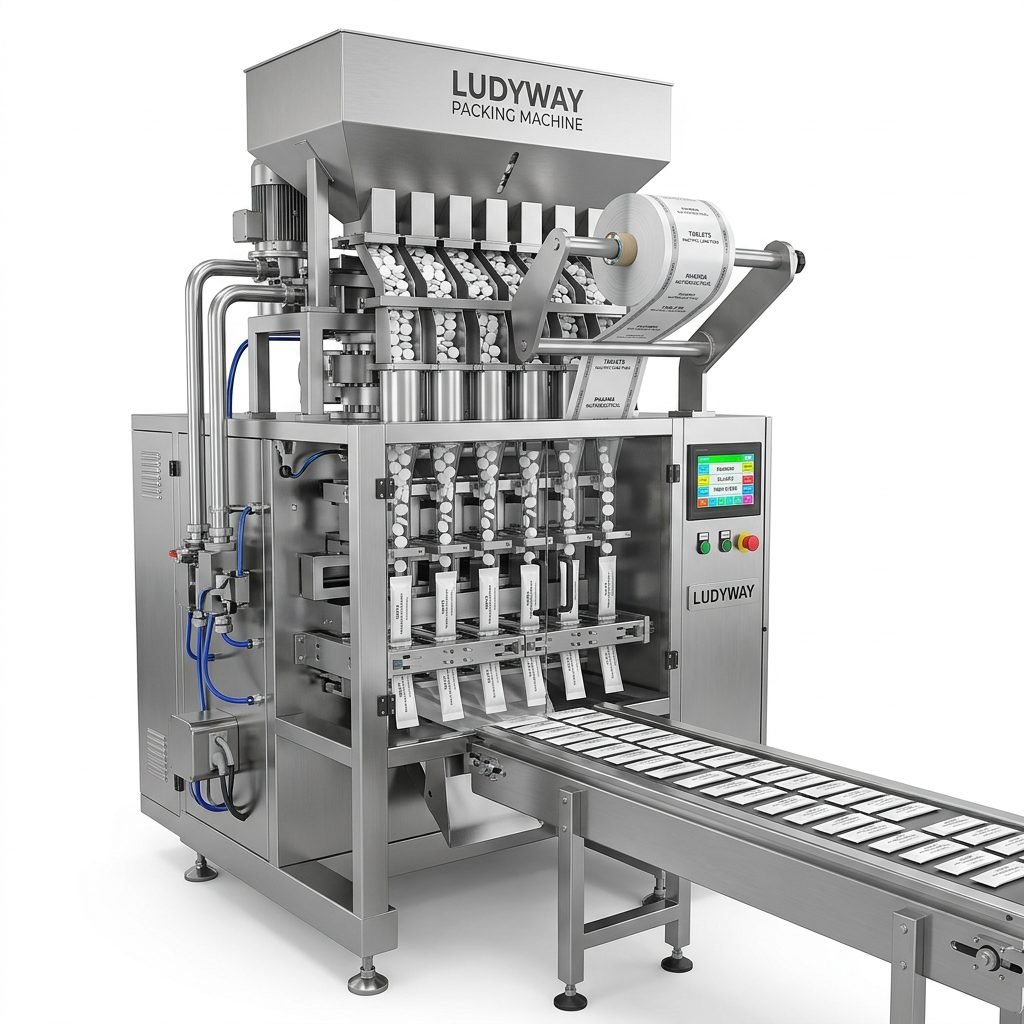
Before comparing machine models, you must precisely define what you are packaging. The physical characteristics of your product determine the dosing mechanism and film handling required. A single machine configuration does not fit all applications; overlooking this step is the most common cause of operational bottlenecks.
- Product State: Is it a free-flowing granule, a sticky powder, a viscous liquid, or a solid tablet? Stick-pack machines for foil packaging must be calibrated to the specific flow characteristics to avoid air pockets or seal contamination.
- Sensitivity: Hygroscopic products (like effervescent powders) require immediate hermetic sealing, while oxygen-sensitive nutraceuticals may require nitrogen flushing capabilities integrated into the foil sealing jaw.
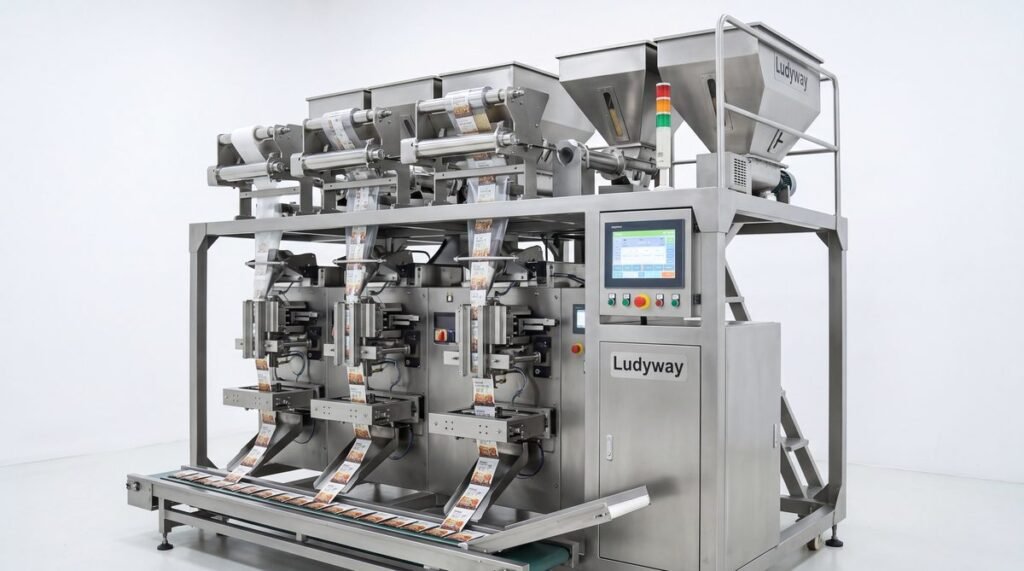
- Bag Dimensions and Format: Define your target sachet, stick pack, or pouch sizes. Multi-lane machines can significantly increase throughput, but they require precise film tracking and tension control to maintain seal integrity across every lane.
Key Technical Specifications to Evaluate
When analyzing a foil packaging machine datasheet, understanding the relationship between film, speed, and filling volume is critical. Modern equipment must balance high-speed output with low scrap rates, especially when working with expensive multi-layer foil laminates.
| Technical Parameter | Why It Matters | Ideal Specification |
|---|---|---|
| Film Compatibility | Determines barrier protection level (AL/PE, PET/AL/PE). Thermal transfer must be uniform to avoid “leakers.” | Multi-material laminates with controlled heat-seal coating (HS) layers |
| Sealing Technology | The heart of a foil machine. Serrated or flat seals ensure burst resistance and easy-open features. | Servo-driven jaw movement with independent temperature control zones |
| Dosing Accuracy | Overfilling erodes margins; underfilling violates compliance. Auger fillers are standard for powders; piston pumps for liquids. | ±0.5% to ±1% depending on product density |
| Safety and Compliance | Machines must meet regional safety directives (CE, GMP) and allow for clean-in-place (CIP) access. | Full servo-driven interlocking guards and 316L stainless steel contact parts |
Formats: Sachet, Stick Pack, or Pouch?
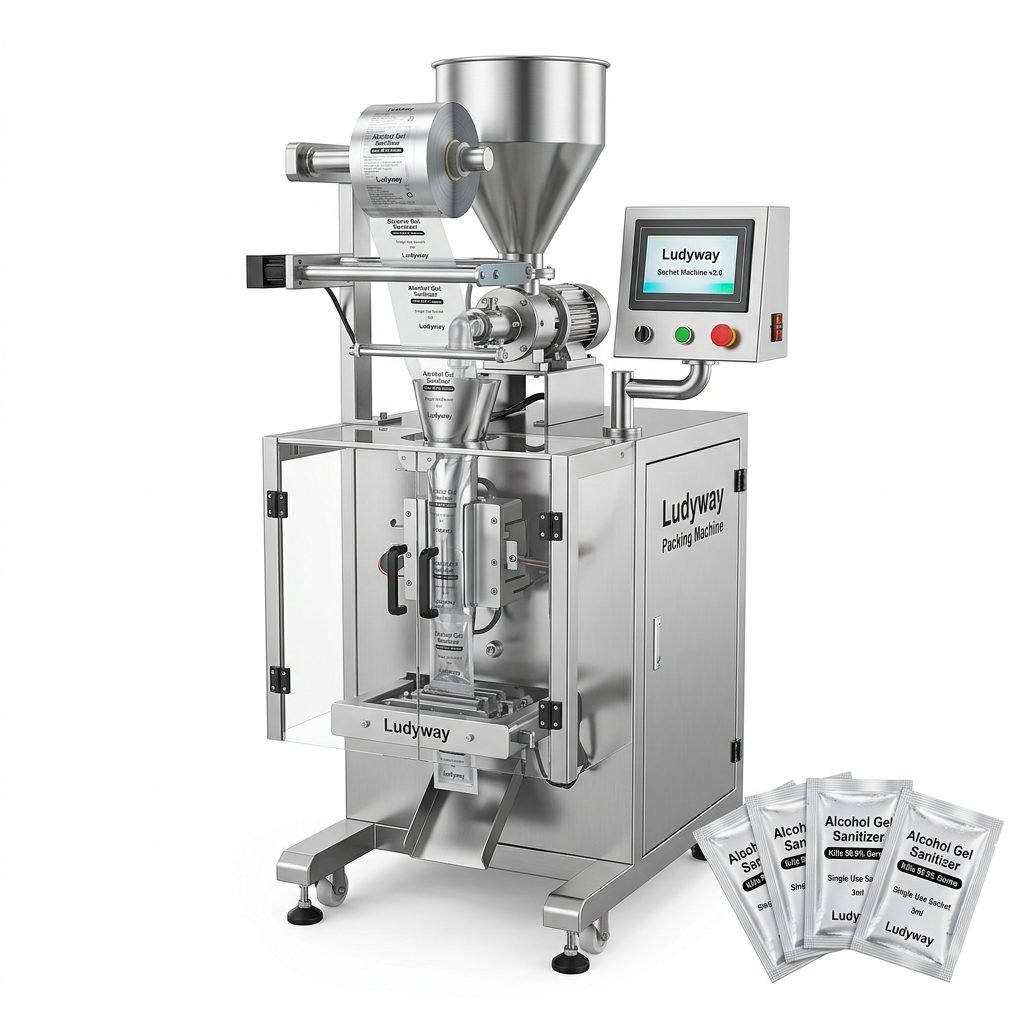
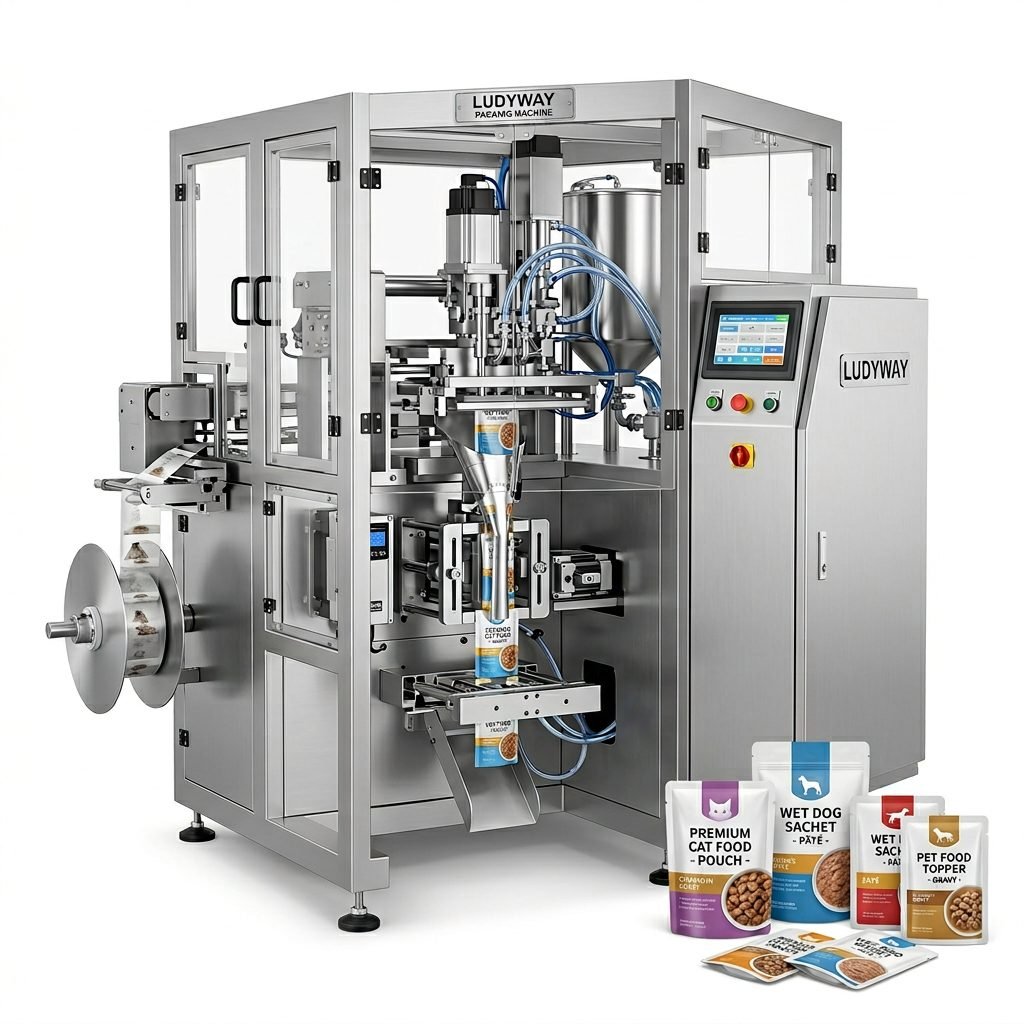
The packaging format dictates the machine’s web path and forming collar design. While stick packs are dominant for single-serve nutraceuticals and sugars, three-side-seal sachets remain the standard for medical device wipes and cosmetic samples.
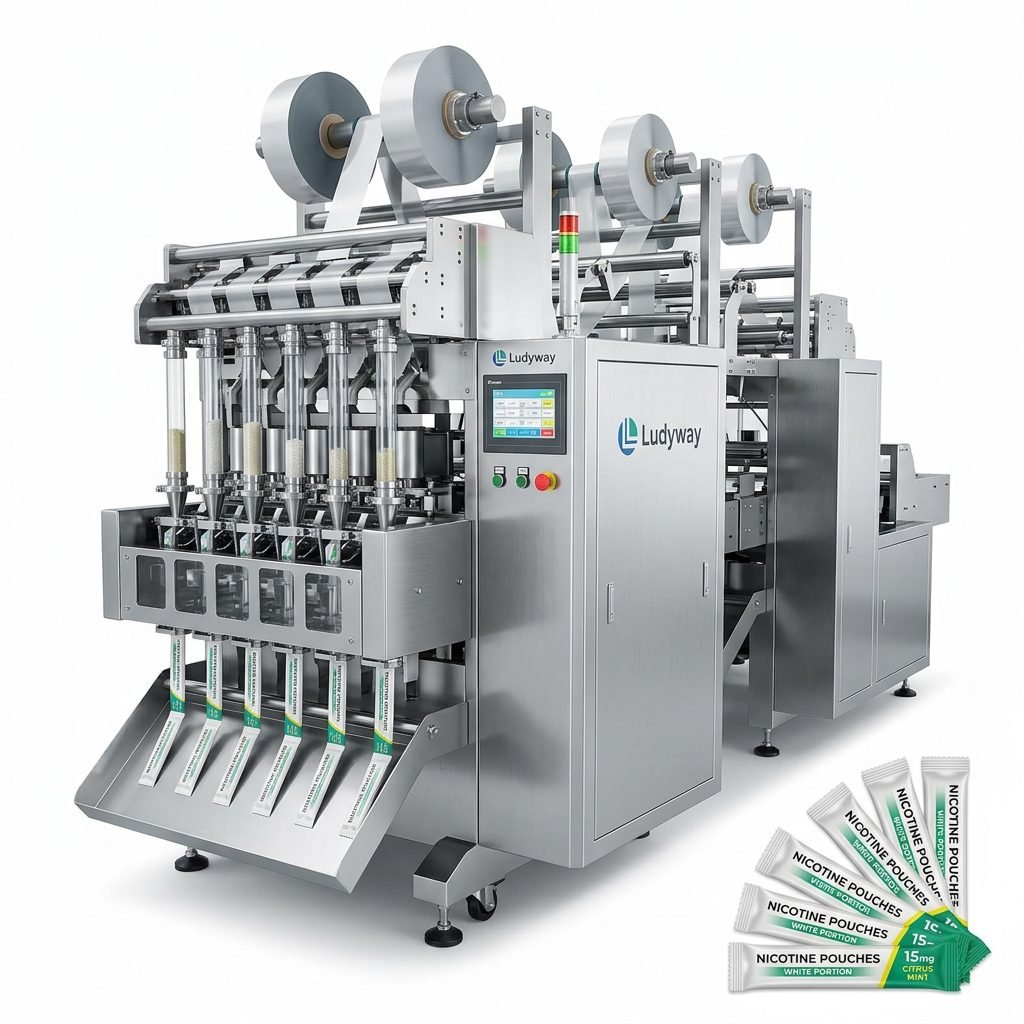
- Stick Packs: Ideal for narrow, portable formats. PMMI industry data shows stick pack demand growing significantly in functional beverages due to consumer convenience. Servo-driven film registration on foil packaging machinery is crucial here to avoid logo drift.
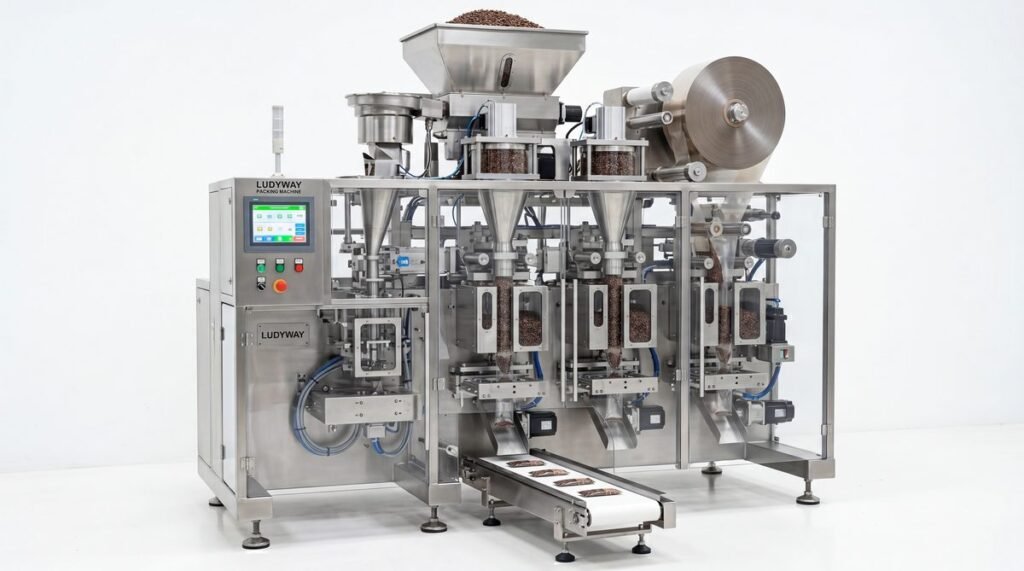
- Multi-Lane Sachets: When a high output is needed but physical footprint is limited, multi-lane configurations maximize output per square meter. This is common in the spice and condiment industry.
- Pre-made Foil Pouches: For premium products or chunky contents (like dehydrated meals), a rotary pre-made pouch machine with foil heat-seal bars offers robust construction. Standards like ISO packaging standards provide useful benchmarks for seal strength testing.
Automation and Integration Capabilities
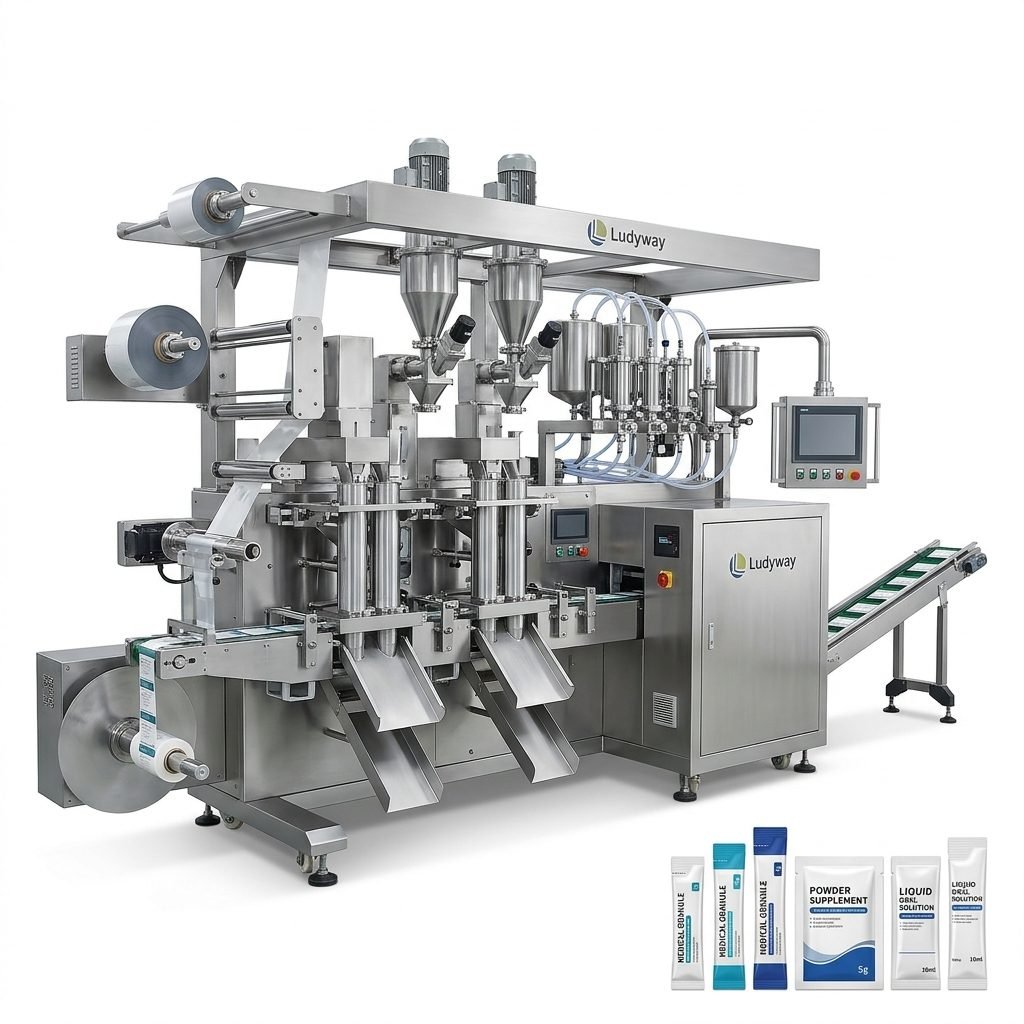
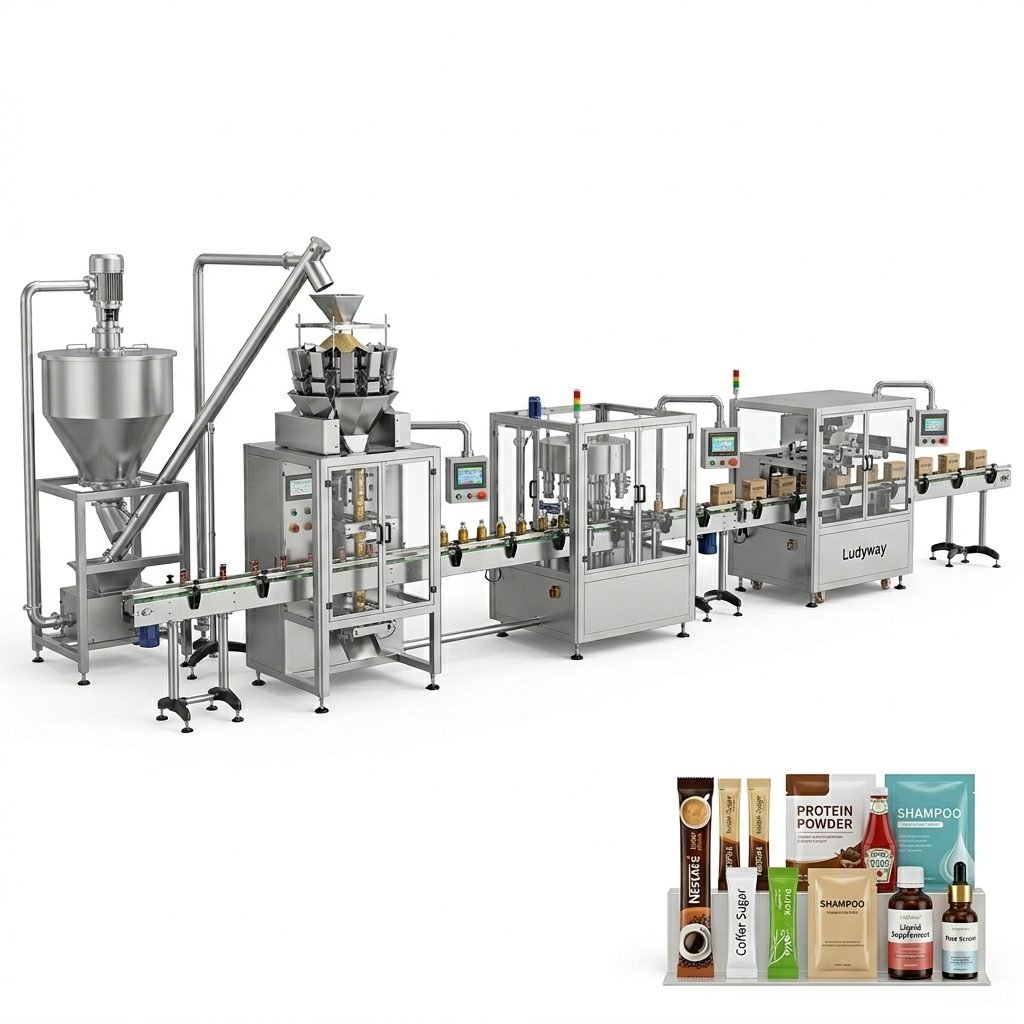
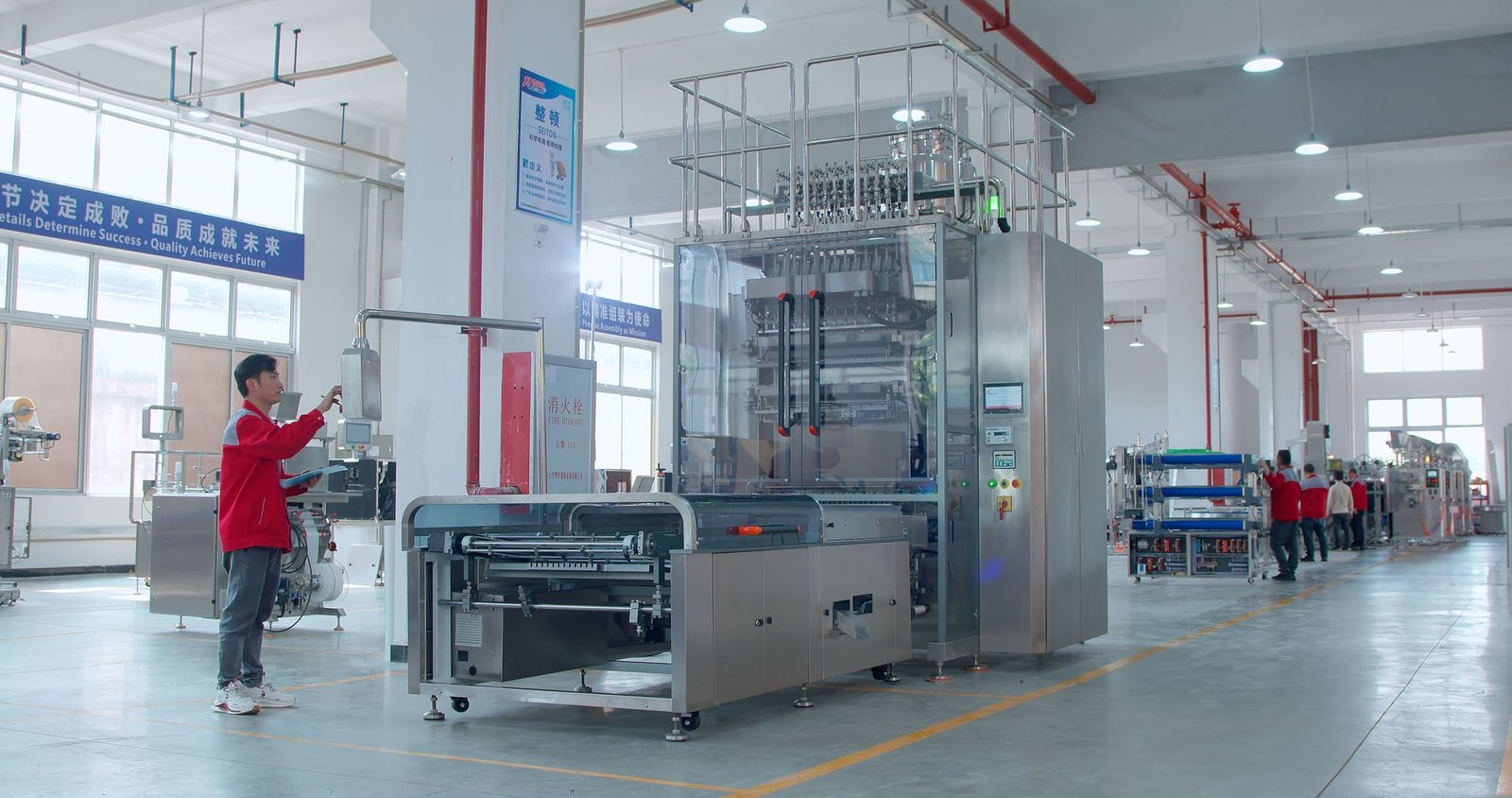
Modern foil packaging lines extend far beyond the vertical form-fill-seal (VFFS) unit. To future-proof your investment, consider end-of-line automation. A complete turnkey line might include a multi-head weigher, the primary foil wrapper, an automatic cartoning system, and a palletizer.
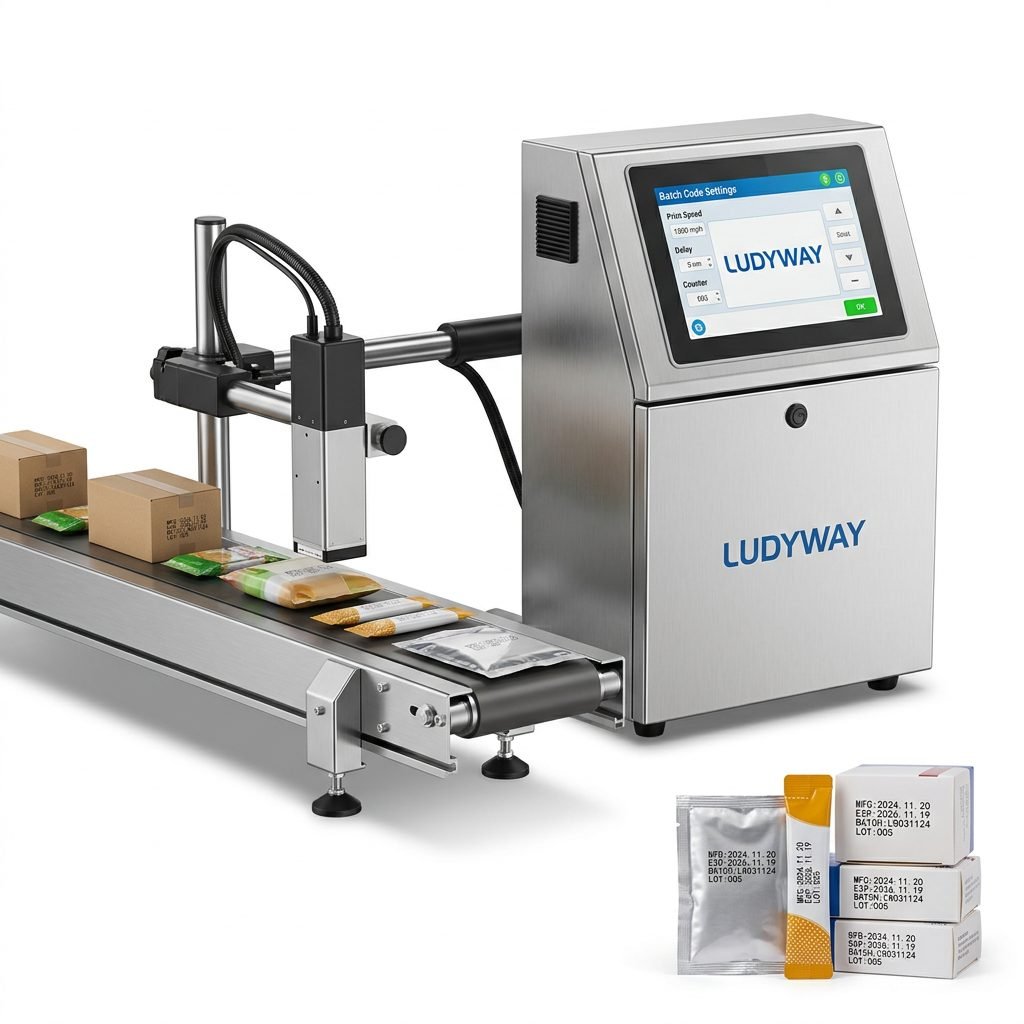
Integrating checkweighers and metal detectors immediately after the sealing station ensures that any compromised foil pouch is rejected before secondary packaging. Vision inspection for seal integrity is also becoming standard in FDA-regulated food and pharma packaging environments. A machine with open architecture controls (like PLC-based systems) simplifies the addition of smart sensors and track-and-trace serialization.

Supplier Evaluation and After-Sales Support
The durability of foil packaging equipment is non-negotiable, but even the best machines require proactive support. When vetting suppliers, look beyond immediate pricing. Request documented proof of spare parts availability and regional service response times. For complex integrations, manufacturers like Ludyway Machinery, who offer turnkey packaging solutions including installation and commissioning across more than 100 countries, often reduce the risks associated with fragmented supply chains.
Furthermore, analyze the machine’s total cost of ownership (TCO). A lower initial price can be offset quickly by high foil waste during roll changes or frequent downtime due to thermal seal inconsistencies. A partner with a dedicated engineering team can optimize machine configurations for specific foil thickness and heat-seal lacquers, maximizing overall equipment effectiveness (OEE).
Future-Proofing Your Foil Packaging Investment
Sustainability regulations, such as the European Packaging and Packaging Waste Regulation, are driving the shift toward mono-material recyclable films. However, processing recyclable foil-replacement films requires advanced ultrasonic sealing or precise low-temperature thermal sealing that older machines cannot achieve. Ensure your new packaging machine is rated for both traditional multi-layer foil laminates and next-generation high-barrier recyclable films. Beyond compliance, scalable servo platforms allow manufacturers to increase line speed or lane counts as market demand grows, protecting the capital expenditure for years to come.